
Challenges in Digital Archaeology: Ethical Considerations in Indigenous Contexts

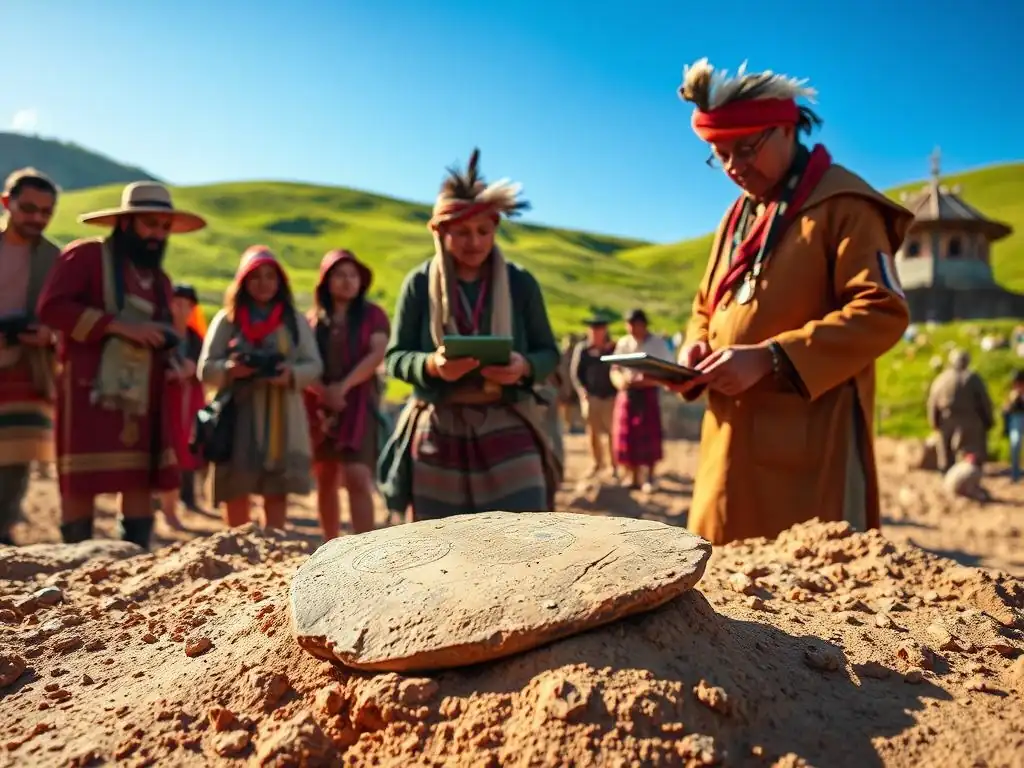
Welcome to Indigenous Civilizations of the Americas, where we invite you to embark on a journey through the rich tapestry of indigenous cultures that flourished long before European influences reshaped the continent. Our exploration delves deep into the ethical digital archaeology of indigenous cultures, shedding light on the delicate balance between preserving heritage and respecting the rights of the communities involved. As you navigate through our insights, you'll uncover the profound challenges and considerations that arise in the realm of digital archaeology. Ready to broaden your understanding? Dive in to discover the intricate stories that await!
Digital archaeology has emerged as a transformative field that employs technology to uncover and interpret the rich histories of ancient civilizations. However, as we delve into the complexities of indigenous cultures that thrived in the Americas prior to European colonization, the need for ethical considerations becomes increasingly vital.
This article explores the multifaceted challenges associated with ethical digital archaeology within indigenous contexts, emphasizing the importance of respecting cultural heritage while leveraging technological advancements. Through a nuanced examination of ethical dilemmas, we aim to foster deeper awareness and dialogue about the responsibilities archaeologists and digital practitioners have towards the indigenous communities whose legacies they seek to understand and represent.
Introduction to Ethical Digital Archaeology
As technology continues to reshape the landscape of archaeological research, the concept of digital archaeology has taken on new dimensions. This innovative approach enables researchers to create virtual reconstructions of ancient sites, analyze large datasets, and share findings with a global audience. However, these advancements also raise crucial questions about ethics, particularly when engaging with indigenous cultures. Ethical digital archaeology advocates for a mindful intersection of technology and cultural sensitivity, ensuring that the voices and rights of indigenous communities are paramount in the digital representation of their heritage.
Understanding Digital Archaeology in Indigenous Cultures
Digital archaeology encompasses a range of practices, including 3D modeling, geographic information systems (GIS), and virtual reality (VR). These methods allow for immersive experiences that can educate the public about indigenous histories, yet they must be approached with caution. Indigenous cultures possess unique worldviews and histories that cannot be adequately captured through digital means alone. It is essential to recognize the limitations of technology and prioritize collaboration with indigenous peoples to ensure authentic representation.
Importance of Ethics in Archaeological Practices
Ethics play a significant role in all archaeological practices, but they take on heightened importance in the context of indigenous archaeology. Ethical frameworks guide researchers in making decisions that respect the rights and values of indigenous communities. This includes acknowledging the historical injustices faced by these groups and committing to practices that promote equity, respect, and reciprocity. By establishing ethical guidelines, archaeologists can foster trust and collaboration, ultimately enriching research outcomes and benefiting indigenous communities.
Key Ethical Challenges in Digital Archaeology
Despite the potential benefits of digital archaeology, several key ethical challenges must be addressed to foster responsible practices within indigenous contexts.
Cultural Appropriation in Digital Representations
One of the primary ethical challenges in digital archaeology is the risk of cultural appropriation. When digital representations of indigenous cultures are created without proper consent or collaboration, it can lead to misrepresentation and exploitation. It is crucial for archaeologists to engage with indigenous communities throughout the digital representation process, ensuring that their perspectives and narratives are accurately reflected and respected.
Preservation vs. Accessibility: Striking a Balance
Another significant challenge lies in the tension between preservation and accessibility. While digital technologies can enhance the preservation of archaeological sites and artifacts, they can also make sensitive information more accessible to the public, potentially endangering sacred sites and traditional knowledge. Striking a balance between safeguarding cultural heritage and providing access to educational resources is imperative, requiring careful consideration of the impacts on indigenous communities.
Ownership and Control of Indigenous Data
The ownership and control of indigenous data present complex ethical dilemmas in digital archaeology. Indigenous communities often have specific cultural protocols regarding their knowledge and data, which may not align with conventional academic practices. It is essential to establish frameworks that recognize and respect indigenous ownership, ensuring that communities retain control over their cultural information and have a say in how it is utilized within digital platforms.
By addressing these ethical challenges, digital archaeology can contribute positively to the understanding and representation of indigenous cultures, while honoring their legacies and fostering meaningful collaborations.
Indigenous Perspectives on Digital Archaeology
Indigenous perspectives on digital archaeology are crucial in shaping how archaeological data is collected, interpreted, and presented. These perspectives emphasize the importance of recognizing Indigenous rights, knowledge systems, and cultural heritage. Digital archaeology offers innovative tools for documenting and preserving Indigenous histories, yet it must be approached with sensitivity and an understanding of the underlying ethical implications.
Indigenous communities often express concerns about the commodification of their cultural artifacts and the potential misrepresentation of their narratives in digital platforms. Therefore, engaging with Indigenous voices is essential to ensure that digital archaeology is conducted in a manner that respects and upholds Indigenous sovereignty and cultural integrity.
Voices from Indigenous Communities
Indigenous communities are increasingly vocal about their experiences and expectations regarding digital archaeology. They advocate for their involvement in the decision-making processes related to the management and interpretation of archaeological findings. Many Indigenous leaders stress the need for mutual respect and collaboration, stating that their traditional knowledge should inform archaeological practices. By integrating Indigenous voices into the digital landscape, archaeologists can create more accurate and representative narratives that reflect the complexities of Indigenous histories.
One notable example is the collaboration between the University of Arizona and the Hopi Tribe, where community members actively participated in digitizing artifacts and sharing their stories. This partnership ensured that the digital representation of Hopi culture was accurate and reflective of their values. Such collaborations demonstrate the potential for digital archaeology to serve as a platform for Indigenous empowerment and narrative sovereignty.
Traditional Knowledge and Digital Narratives
Traditional knowledge plays a significant role in informing digital narratives within Indigenous contexts. This body of knowledge, passed down through generations, encompasses cultural practices, languages, and ecological wisdom that are integral to Indigenous identities. Digital archaeology can harness this knowledge by integrating it into digital repositories, interactive maps, and virtual reality experiences.
However, the use of traditional knowledge in digital formats raises important ethical questions. Indigenous communities are often concerned about the ownership and control of their knowledge when it is digitized. It is essential for archaeologists to work collaboratively with Indigenous peoples to establish protocols that recognize their intellectual property rights. This approach not only enhances the authenticity of digital narratives but also fosters trust and respect between archaeologists and Indigenous communities.
Case Studies of Ethical Digital Archaeology
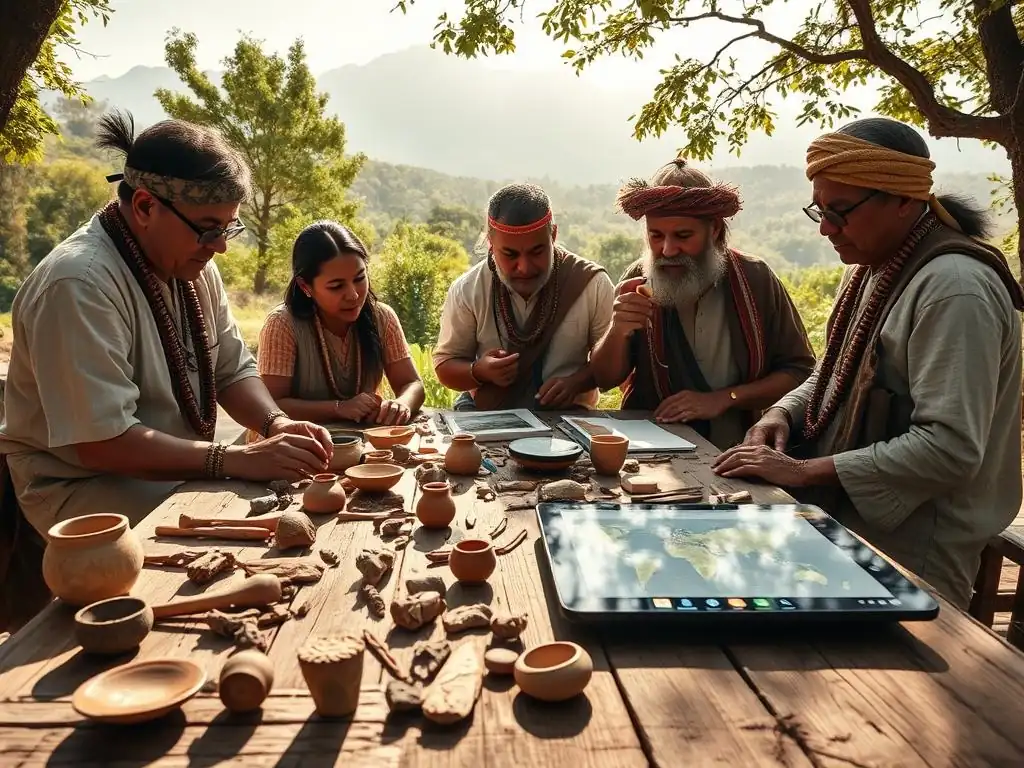
Successful Collaborations with Indigenous Communities
Several case studies highlight successful collaborations between archaeologists and Indigenous communities that have prioritized ethical practices. One such example is the project conducted with the Anishinaabe Nation in Canada, where archaeologists and community members worked together to document burial sites. This collaboration ensured that the project adhered to the community’s cultural protocols, and the findings were shared with the community first, aligning with their values of respect for the deceased.
Another example is the partnership between the Māori people of New Zealand and archaeologists in the documentation of ancestral lands using digital mapping technologies. This collaboration not only provided a platform for Māori voices but also strengthened community ties and revitalized cultural practices by allowing younger generations to engage with their heritage in innovative ways.
Lessons Learned from Controversial Projects
While there are many successful collaborations, some projects have faced criticism for ethical missteps. One controversial case involved the excavation of Indigenous burial sites without appropriate consultation with the affected communities. This project faced backlash for disregarding the cultural significance of the sites and the emotional impact on the community.
From such experiences, it is evident that ethical digital archaeology requires ongoing dialogue and consent from Indigenous communities. Archaeologists must learn from past mistakes and actively seek to create frameworks that prioritize community engagement and respect for Indigenous beliefs. Establishing clear communication and mutual understanding can help prevent controversies and build stronger, more ethical relationships.
Impact of Ethical Practices on Indigenous Representation
The adoption of ethical practices in digital archaeology has a profound impact on the representation of Indigenous cultures. By prioritizing Indigenous voices and traditional knowledge, digital archaeology can promote more accurate and nuanced portrayals of Indigenous histories and identities. This shift not only enhances public understanding of Indigenous cultures but also contributes to the decolonization of archaeological narratives.
Furthermore, ethical practices lead to greater visibility for Indigenous communities in the digital realm, allowing them to assert their narratives and challenge stereotypes. As Indigenous scholars and community members become more involved in digital archaeology, they can shape the way their cultures are represented online, ensuring that these digital platforms reflect their values and perspectives. This empowerment is essential for fostering respect and recognition of Indigenous rights in the broader context of cultural heritage management.
Frameworks for Ethical Digital Archaeology
Ethical digital archaeology is grounded in frameworks that prioritize the dignity, rights, and perspectives of Indigenous cultures. These frameworks serve as guiding principles for researchers and practitioners to ensure that their work respects the sovereignty of Indigenous communities and their cultural heritage.
One widely acknowledged framework is the UN Declaration on the Rights of Indigenous Peoples (UNDRIP), which emphasizes the importance of obtaining free, prior, and informed consent from Indigenous groups before conducting any research that could impact their heritage. Additionally, the Principles for Ethical Research and Research Impact document outlines key ethical practices, such as transparency, reciprocity, and respect for Indigenous knowledge systems. By adhering to these frameworks, archaeologists can navigate the complexities of digital research while honoring the legacies of Indigenous cultures.
Guidelines for Engaging Indigenous Communities
Engaging Indigenous communities in digital archaeology requires a thoughtful and respectful approach. The following guidelines can help facilitate meaningful collaboration:
- Establish Trust: Build relationships with Indigenous communities based on mutual respect and understanding. This involves listening to their concerns and recognizing their expertise.
- Involve Community Members: Include Indigenous voices in all stages of the research process, from planning to data collection and analysis. This ensures that the research reflects their perspectives and priorities.
- Share Knowledge: Facilitate knowledge exchange by sharing findings with the community in accessible formats. This empowers Indigenous groups to reclaim and utilize their cultural heritage.
- Respect Cultural Protocols: Understand and adhere to the cultural protocols of the community. This may include restrictions on certain types of knowledge or artifacts and the need for ceremonies or permissions before research begins.
By following these guidelines, archaeologists can foster positive relationships that enhance the integrity and relevance of their research.
Best Practices for Data Management and Sharing
Effective data management and sharing practices are crucial in ethical digital archaeology. The following best practices should be considered:
- Data Sovereignty: Acknowledge that Indigenous communities have rights to their data. Develop data management plans that respect these rights and ensure that Indigenous groups have control over their information.
- Open Access with Restrictions: While promoting open access to data can enhance collaboration, it is vital to establish clear restrictions on sensitive information. Collaborate with Indigenous communities to determine which data can be shared publicly and which should remain private.
- Documentation Standards: Utilize standardized documentation practices for data collection and storage. This ensures that information is easily understood and accessible, which is essential for future research and community use.
- Long-Term Preservation: Implement strategies for long-term preservation of digital records, ensuring that data remains accessible to Indigenous communities and researchers alike.
Implementing these best practices can help to maintain the integrity of data while respecting the cultural heritage of Indigenous peoples.
Ethical Review Processes in Archaeological Research
Ethical review processes play a critical role in safeguarding the interests of Indigenous communities in archaeological research. These processes should include:
- Inclusion of Indigenous Perspectives: Ethical review boards must include Indigenous representatives to provide insights into the cultural implications of research projects. This inclusion ensures that ethical considerations are culturally informed.
- Assessment of Research Impact: Evaluate the potential impacts of research on Indigenous communities, including benefits and risks. This assessment should consider both immediate and long-term effects on cultural heritage and community wellbeing.
- Transparency in Procedures: Maintain transparency throughout the ethical review process, allowing Indigenous communities to understand how decisions are made and the rationale behind them. This openness builds trust and accountability.
- Ongoing Monitoring: Implement mechanisms for ongoing monitoring of research projects to ensure compliance with ethical standards and respect for Indigenous rights throughout the duration of the project.
By establishing robust ethical review processes, archaeologists can better navigate the complexities of working with Indigenous communities in digital archaeology.
Future Directions for Ethical Digital Archaeology
The future of ethical digital archaeology hinges on the integration of innovative technologies and methodologies while prioritizing Indigenous rights and perspectives.
Innovations in Technology and Ethical Considerations
As technology continues to advance, it presents both opportunities and challenges for ethical digital archaeology. Innovations such as 3D modeling, virtual reality, and AI-driven analysis can enhance the visualization and understanding of Indigenous heritage sites. However, these technologies must be approached with caution:
- Cultural Sensitivity in Representation: Ensure that digital representations of Indigenous cultures are accurate and respectful. Collaborate with community members to validate interpretations and avoid misrepresentation.
- Data Security: Develop robust security measures to protect digital data from unauthorized access or misuse. Indigenous communities should have the right to determine how their data is handled and shared.
- Ethical AI Use: When employing AI technologies, consider the ethical implications of algorithmic bias and ensure that the data used reflects diverse Indigenous perspectives and histories.
By addressing these ethical considerations, digital archaeology can harness technological advancements while respecting Indigenous cultures.
Engaging Younger Generations in Indigenous Digital Heritage
Engaging younger generations with Indigenous digital heritage is vital for fostering appreciation and understanding of Indigenous cultures. Strategies to achieve this include:
- Interactive Learning Experiences: Develop interactive platforms where young people can explore Indigenous histories, stories, and cultural practices through engaging digital content.
- Educational Collaborations: Partner with schools and educational organizations to integrate Indigenous perspectives into curricula, emphasizing the significance of cultural heritage.
- Social Media Outreach: Utilize social media platforms to promote Indigenous stories, events, and digital initiatives, encouraging youth participation and dialogue about their cultural heritage.
By actively involving younger generations, we can ensure that Indigenous cultures continue to thrive and evolve within the digital landscape.
Building Sustainable Partnerships with Indigenous Cultures
Sustainable partnerships with Indigenous cultures are essential for fostering trust and collaboration in digital archaeology. Key approaches include:
- Long-Term Commitment: Establish long-term relationships that extend beyond individual research projects. This commitment allows for ongoing dialogue and collaboration, benefiting both archaeologists and Indigenous communities.
- Co-Creation of Projects: Involve Indigenous communities in the co-creation of research projects. This collaborative approach empowers communities to shape the research agenda and ensures that their needs and priorities are addressed.
- Capacity Building: Invest in capacity-building initiatives that equip Indigenous communities with the skills and resources needed to engage in digital archaeology. This may include training in data management, digital storytelling, or technical skills related to digital heritage preservation.
By focusing on sustainable partnerships, ethical digital archaeology can thrive, fostering a deeper understanding and respect for Indigenous cultures.
Conclusion: The Path Forward in Ethical Digital Archaeology
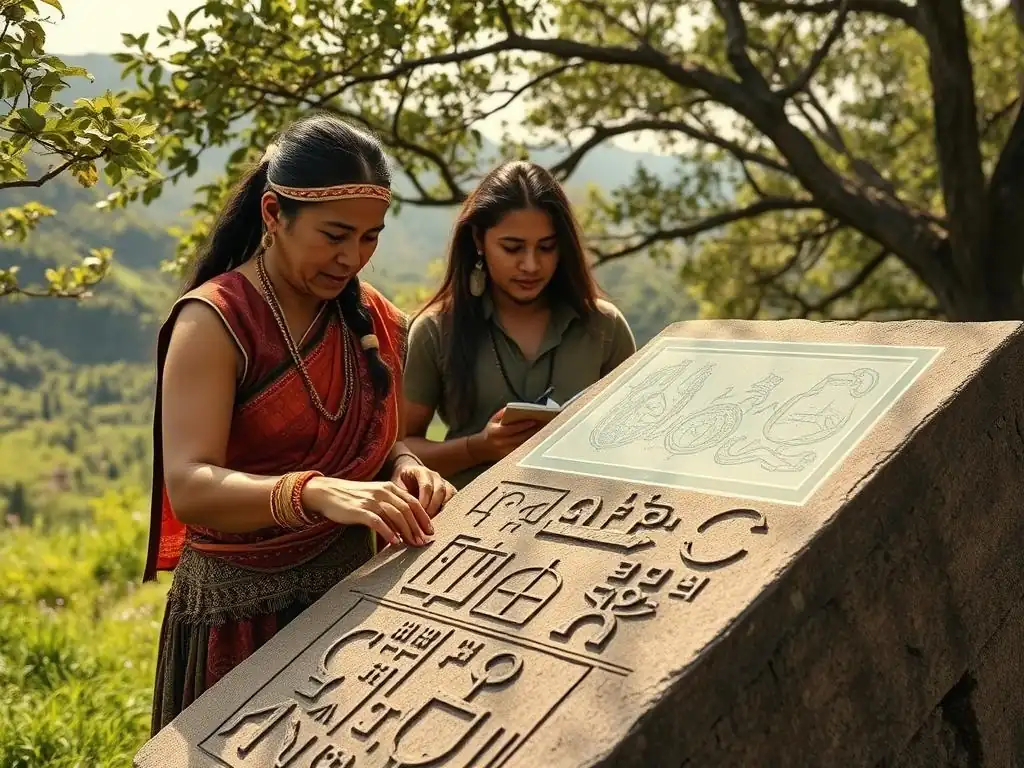
The field of digital archaeology presents unique opportunities and challenges, particularly when it involves indigenous cultures. As we move forward, it is essential to prioritize ethical considerations that respect the rights, beliefs, and traditions of indigenous communities. Acknowledging the historical context of colonialism and its lasting effects is crucial in building a framework that ensures the digital representation of these cultures is both accurate and respectful.
Incorporating indigenous voices in the decision-making processes can greatly enhance the integrity of digital archaeology projects. This collaboration fosters a deeper understanding of the cultural significance behind artifacts and sites, leading to more meaningful representations. As technology continues to evolve, the commitment to ethical practices must remain at the forefront of digital archaeology, ensuring that the legacies of indigenous peoples are honored and preserved.
The Need for Ongoing Dialogue and Collaboration
Effective digital archaeology requires an ongoing dialogue between archaeologists, indigenous communities, and other stakeholders. This collaboration is paramount in addressing the ethical dilemmas that arise in the digital representation of indigenous cultures. Engaging with indigenous perspectives ensures that projects align with their values and cultural narratives, fostering a sense of ownership and agency.
Regular workshops, community meetings, and collaborative research initiatives can facilitate this dialogue. By establishing trust and open communication channels, archaeologists can better understand the cultural context and significance of their work. This cooperative approach not only enriches archaeological research but also helps to rectify past injustices by empowering indigenous voices and perspectives in the digital space.
Emphasizing Respect and Recognition in Digital Practices
Respect and recognition are foundational principles that should guide all digital practices related to indigenous cultures. This involves acknowledging the cultural heritage and intellectual property rights of indigenous peoples, ensuring that their stories are told authentically and with dignity. It is crucial to seek consent and provide credit to the communities involved in any digital archaeological project.
Implementing protocols that prioritize the respectful use of cultural materials can help mitigate the risks of misrepresentation and exploitation. This may include establishing guidelines for data sharing, usage rights, and the portrayal of cultural practices in digital formats. By emphasizing respect in digital practices, archaeologists can create a more equitable and just representation of indigenous cultures, paving the way for future research that honors their legacies.
- Introduction to Ethical Digital Archaeology
- Key Ethical Challenges in Digital Archaeology
- Indigenous Perspectives on Digital Archaeology
- Case Studies of Ethical Digital Archaeology
- Frameworks for Ethical Digital Archaeology
- Future Directions for Ethical Digital Archaeology
- Conclusion: The Path Forward in Ethical Digital Archaeology
- The Need for Ongoing Dialogue and Collaboration
- Emphasizing Respect and Recognition in Digital Practices
- What is the focus of the article on Indigenous Civilizations of the Americas?
- Why is ethical digital archaeology important in indigenous contexts?
- What challenges are faced in ethical digital archaeology?
- How can digital archaeology benefit indigenous cultures?
- What role do indigenous voices play in digital archaeology?
Frequently Asked Questions
What is the focus of the article on Indigenous Civilizations of the Americas?
The article explores the diverse indigenous cultures that existed in the Americas prior to European colonization, highlighting their achievements and lasting impact on society.
Why is ethical digital archaeology important in indigenous contexts?
Ethical digital archaeology is crucial because it ensures that the cultural heritage and rights of indigenous peoples are respected, promoting collaboration and representation in archaeological practices.
What challenges are faced in ethical digital archaeology?
Challenges include addressing power dynamics, ensuring the consent of indigenous communities, and preventing misrepresentation of cultural heritage in digital formats.
How can digital archaeology benefit indigenous cultures?
Digital archaeology can benefit indigenous cultures by providing access to their history, facilitating education, and helping to preserve their cultural narratives in a modern context.
What role do indigenous voices play in digital archaeology?
Indigenous voices are essential as they offer authentic insights into their cultures, ensuring that projects are relevant, respectful, and accurately reflect their heritage and perspectives.
The challenges of ethical digital archaeology in indigenous contexts are more relevant today than ever. As technology continues to evolve, the intersection of digital methods and indigenous cultures raises critical questions about representation, ownership, and respect. The need for ethical frameworks that prioritize indigenous voices and perspectives is not just a theoretical concern; it is a pressing reality that demands our immediate attention and action.
Cultural heritage is not merely an artifact to be studied; it is a living narrative that shapes identities and communities. The ongoing dialogue surrounding ethical digital archaeology highlights the importance of collaboration and mutual respect between archaeologists and indigenous peoples. As we navigate this complex landscape, we must remember the words of indigenous scholar Linda Tuhiwai Smith: Research is probably one of the dirtiest words in the indigenous world’s vocabulary.
This quote serves as a powerful reminder of the historical injustices faced by indigenous communities and the responsibility we bear to ensure that our practices honor their stories and sovereignty.
As you reflect on the themes presented in this article, I invite you to consider your role in this evolving narrative. How can you contribute to a more ethical approach in your own field, whether in academia, technology, or cultural heritage?
By fostering awareness and advocating for the inclusion of indigenous perspectives, we can collectively work towards a future where digital archaeology not only preserves the past but also empowers communities to reclaim their narratives. Let us commit to being allies in this journey, ensuring that ethical considerations remain at the forefront of our endeavors in the realm of digital archaeology.
Embrace the Future of Digital Archaeology!
Thank you for exploring the intricate world of digital archaeology and its ethical dimensions within Indigenous contexts. Your engagement with this vital topic enriches our understanding and fosters respect for Indigenous cultures. Now, let’s take meaningful steps toward making a difference in this field!
- Get involved in local preservation efforts: Reach out to Indigenous communities and contribute your skills or knowledge in digital archaeology. **Collaboration is essential** for respecting and amplifying Indigenous voices and stories.
- Share your insights: Start a conversation! Share this article with your network or on social media to raise awareness about the ethical challenges present in digital archaeology.
- Educate yourself further: Explore publications or attend webinars that focus on Indigenous perspectives in archaeology. This will help you deepen your understanding and advocate effectively.
How will you apply the insights gained from this article to contribute to a more ethical future in digital archaeology?