
From Myths to Mastery: Virtual Courses on Indigenous Contributions to Society

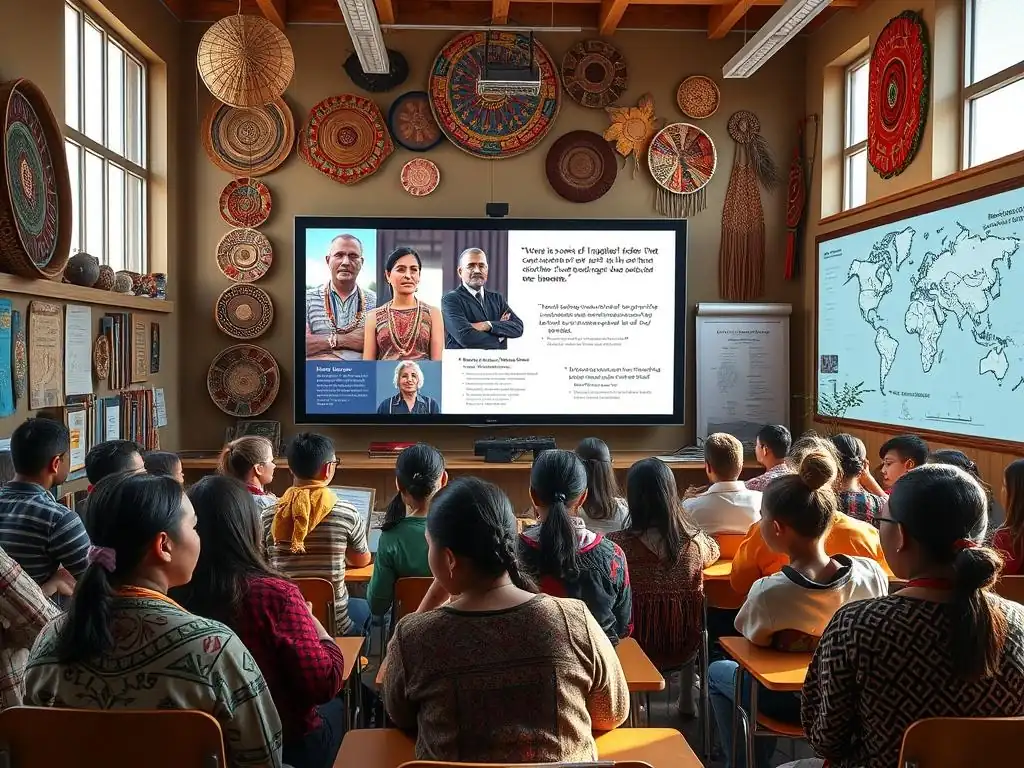
Welcome to Indigenous Civilizations of the Americas, where we invite you to embark on a fascinating journey through time and culture. Here, we delve into the rich tapestry of indigenous contributions to society, uncovering the profound achievements and vibrant societies that flourished long before European contact. Our featured article, "From Myths to Mastery: Virtual Courses on Indigenous Contributions to Society," offers a unique perspective on how these cultures shaped our world. Prepare to be inspired and informed as you explore the lasting impact of these civilizations and discover the wisdom they have to share. Let the exploration begin!
Indigenous peoples of the Americas have made remarkable contributions to society that have often been overlooked or misunderstood. This article aims to bridge the gap between myth and reality by exploring the rich tapestry of knowledge, achievements, and cultural practices that existed prior to European colonization. With the rise of virtual courses focused on indigenous heritage, learners can now access a wealth of information that highlights the significance of indigenous contributions to society.
Through these courses, participants will gain insights into the diverse cultures, innovations, and philosophies that have shaped the world in profound ways. By dispelling common myths, we can foster a deeper appreciation for the legacy of indigenous civilizations and their enduring influence on contemporary society.
Introduction to Indigenous Contributions to Society
Indigenous contributions to society encompass a wide array of achievements across various fields, including agriculture, medicine, governance, and the arts. The sophisticated systems of knowledge developed by indigenous peoples have not only enriched their cultures but have also laid the groundwork for many modern practices. For example, crops such as maize, potatoes, and tomatoes, which originated from indigenous agricultural practices, have become staples in diets around the globe. Additionally, traditional ecological knowledge has provided valuable insights into sustainable land management and biodiversity conservation.
These contributions are increasingly being recognized through virtual courses that highlight indigenous achievements, allowing learners to engage with the material in an accessible format. These courses serve as a platform for understanding the complexities of indigenous societies, their historical contexts, and their ongoing relevance in today’s world. As we delve deeper into this topic, it is essential to address and dismantle the common myths that often cloud our understanding of indigenous contributions.
Common Myths About Indigenous Contributions to Society
Myth 1: Indigenous Peoples Were Primitive and Uncivilized
One of the most pervasive myths is that indigenous peoples were primitive and lacked sophisticated societal structures. In reality, many indigenous cultures had advanced systems of governance, trade, and education. For instance, the Iroquois Confederacy established a democratic system that influenced the development of modern democratic principles in the United States. Such examples illustrate that indigenous societies were not only civilized but also highly organized and capable of innovation.
Myth 2: Indigenous Knowledge Is Irrelevant Today
Another common misconception is that indigenous knowledge has no relevance in contemporary society. This notion undermines the significant contributions indigenous peoples have made to fields such as medicine and environmental science. Traditional healing practices, rooted in deep ecological understanding, continue to inform modern healthcare approaches. Additionally, indigenous practices in sustainable agriculture and land stewardship provide crucial insights for addressing current environmental challenges.
Myth 3: All Indigenous Cultures Are the Same
It is also a myth that all indigenous cultures share the same beliefs and practices. In reality, the Americas are home to a vast array of indigenous groups, each with its unique languages, traditions, and worldviews. From the Pueblo peoples of the Southwest to the Inuit of the Arctic, the diversity among indigenous cultures is immense. Recognizing and celebrating this diversity is essential for a comprehensive understanding of indigenous contributions to society. As virtual courses explore these varied cultures, learners can appreciate the rich complexity and depth of indigenous heritage.
Exploring Virtual Courses on Indigenous Heritage
The digital age has transformed the landscape of education, making it easier for individuals worldwide to access knowledge about diverse cultures, including the rich tapestry of indigenous heritage across the Americas. Virtual courses on indigenous contributions to society provide an invaluable opportunity to explore the histories, achievements, and worldviews of these communities. Through interactive platforms, learners can engage with content that goes beyond traditional textbooks, often featuring multimedia resources, discussions with experts, and community engagement opportunities. This growing field of study not only enhances understanding but also fosters appreciation for the cultural legacies that have shaped modern societies.
The Rise of Online Learning in Indigenous Studies
The advent of online learning has coincided with a renewed interest in indigenous studies, as educational institutions recognize the need to incorporate indigenous perspectives into their curricula. This rise can be attributed to several factors:
- Accessibility: Online courses break geographical barriers, allowing individuals from various backgrounds and locations to learn about indigenous cultures without the need for physical travel.
- Flexibility: Learners can engage with course materials at their own pace, accommodating diverse schedules and commitments.
- Diverse Perspectives: Many online programs collaborate with indigenous scholars and community leaders, ensuring that the content delivered is authentic and respectful of the cultures being studied.
- Technological Advancements: Innovations in digital learning tools facilitate interactive learning experiences, such as virtual reality tours of historical sites or live discussions with indigenous elders.
As a result, the availability of virtual courses has expanded, providing a platform for deeper understanding of the contributions of indigenous peoples to society.
Recommended Virtual Courses on Indigenous Contributions to Society
Several institutions and organizations offer exceptional online courses that delve into indigenous contributions to society. Here are some noteworthy options:
- Indigenous Peoples of North America (Coursera)
- Provider: University of Alberta
- Focus: This course covers the history, cultures, and contemporary issues of indigenous peoples in North America, highlighting their contributions to society in various fields.
- Indigenous Canada (Coursera)
- Provider: University of Alberta
- Focus: Offers an overview of the complex histories, cultures, and contemporary issues faced by indigenous peoples, emphasizing their resilience and contributions.
- Introduction to American Indian History (edX)
- Provider: University of Massachusetts
- Focus: Explores the history of American Indian communities from pre-colonization to the present, examining their political, social, and cultural contributions.
- Cultural Survival: Indigenous Rights and Activism (FutureLearn)
- Provider: Cultural Survival
- Focus: Discusses indigenous rights movements, activism, and the ongoing contributions of indigenous peoples to environmental sustainability and cultural preservation.
These courses not only provide knowledge but also encourage critical thinking about the role of indigenous contributions to society in shaping contemporary life.
How to Choose the Right Virtual Course
Selecting the right virtual course can be a daunting task, given the plethora of options available. However, understanding your goals and preferences can streamline the decision-making process. Here are some strategies to consider when choosing a course focused on indigenous contributions to society.
Key Factors to Consider in Selecting Courses
When evaluating potential courses, keep these key factors in mind:
- Course Content: Review the syllabus to ensure it aligns with your interests, particularly in the areas of indigenous culture, history, and contributions to society.
- Instructor Credentials: Research the instructors’ backgrounds to confirm their expertise in indigenous studies and their connection to the communities being discussed.
- Learning Format: Consider whether the course offers synchronous (live) or asynchronous (self-paced) learning experiences, as well as the types of learning materials used (videos, readings, discussions).
- Community Engagement: Look for courses that emphasize interaction with indigenous communities or perspectives, as this can enrich your learning experience.
- Reviews and Ratings: Read feedback from previous participants to gauge the course's quality and effectiveness.
Comparing Course Options: Features and Costs
As you narrow down your options, comparing the features and costs of different courses can help you make an informed decision:
| Course Name | Provider | Duration | Cost | Key Features |
|---|---|---|---|---|
| Indigenous Peoples of North America | University of Alberta | 4 weeks | Free (optional certificate fee) | Interactive discussions, multimedia resources |
| Indigenous Canada | University of Alberta | 11 weeks | Free (optional certificate fee) | Focus on indigenous perspectives, diverse topics |
| Introduction to American Indian History | University of Massachusetts | 6 weeks | $149 (financial aid available) | Historical context, contemporary issues |
| Cultural Survival: Indigenous Rights and Activism | Cultural Survival | 4 weeks | Free (optional certificate fee) | Emphasis on activism and rights movements |
Assessing these aspects will help ensure that you choose a course that best fits your educational goals and provides a comprehensive understanding of indigenous contributions to society.
The Impact of Learning About Indigenous Contributions
Learning about indigenous contributions to society has profound impacts on individuals and communities, fostering a deeper understanding of the rich histories and cultures that shaped the Americas. By exploring these contributions, learners gain insights into the innovative practices, social structures, and ecological wisdom that indigenous peoples developed over millennia. This knowledge not only enriches personal and collective identities but also enhances social cohesion by acknowledging the diverse narratives that form the fabric of American history.
Moreover, educational courses that focus on indigenous contributions can challenge prevailing stereotypes and misconceptions. They encourage critical thinking and promote respect for the complexity of indigenous societies, fostering a more inclusive worldview. By understanding the narratives of indigenous peoples, learners are better equipped to appreciate the value of cultural diversity and the importance of preserving these legacies for future generations.
Personal Growth and Cultural Awareness
Engaging with the knowledge of indigenous contributions fosters personal growth and cultural awareness that extends beyond the classroom. Individuals who study these topics often experience transformative shifts in perspective, leading to greater empathy and understanding of their own cultural identities in relation to others. This journey of discovery can inspire learners to reflect on their values, beliefs, and the histories that inform their worldviews.
Furthermore, this increased cultural awareness can enhance interpersonal relationships, as individuals become more adept at navigating conversations about race, ethnicity, and cultural heritage. By appreciating the richness of indigenous traditions, learners may also feel a renewed sense of responsibility toward promoting social justice and equity in their own communities. This personal growth ultimately contributes to a more compassionate and informed society.
Community and Global Benefits of Indigenous Knowledge
The benefits of understanding indigenous contributions are not limited to individual growth; they also extend to communities and the global society. By integrating indigenous knowledge into contemporary practices, communities can enhance their cultural heritage and foster resilience. For instance, indigenous agricultural techniques, which emphasize sustainability and biodiversity, can be invaluable in addressing modern environmental challenges.
Moreover, as communities embrace indigenous knowledge, they create opportunities for collaboration and dialogue across cultures. This exchange can lead to innovative solutions to social, economic, and environmental issues, allowing for a richer, more diverse approach to problem-solving. On a global scale, recognizing indigenous contributions promotes the idea of shared responsibility for the planet, highlighting the wisdom of indigenous peoples in stewardship and conservation efforts.
Conclusion: Embracing Indigenous Contributions Through Education
Embracing indigenous contributions through education is essential for building a more just and equitable society. Virtual courses focused on these contributions provide a unique opportunity for learners to engage with diverse perspectives and deepen their understanding of the historical and contemporary significance of indigenous cultures. By prioritizing these educational experiences, we honor the legacies of indigenous peoples and acknowledge their vital role in shaping our world.
As learners explore the depths of indigenous knowledge, they not only cultivate personal growth and cultural awareness but also contribute to the broader objectives of community empowerment and global sustainability. Through education, we can dismantle myths, celebrate achievements, and forge a path toward a future where indigenous contributions to society are recognized, respected, and integrated into the collective consciousness. Embracing this journey is not just about knowledge acquisition; it is about fostering a sense of connection and responsibility toward the diverse tapestry of human experience.
Additional Resources for Further Learning
Exploring indigenous contributions to society goes beyond virtual courses; it encompasses a wealth of resources that can enhance understanding and appreciation of these rich cultures. Here are several recommended resources for further learning:
Books
-
"1491: New Revelations of the Americas Before Columbus" by Charles C. Mann
This book offers a groundbreaking perspective on the indigenous populations of the Americas prior to European contact. Mann discusses their sophisticated societies, vast trade networks, and agricultural innovations.
-
"The Invention of Nature: Alexander von Humboldt's New World" by Andrea Wulf
Wulf's biography of Humboldt not only explores his travels in the Americas but also emphasizes the influence of indigenous knowledge on his scientific theories, showcasing their contributions to environmental understanding.
Documentaries and Films
-
"The True Cost of the American Revolution"
This documentary investigates the impact of the American Revolution on indigenous societies, emphasizing how their contributions were often overlooked in mainstream narratives.
-
"In the Light of Reverence"
This film presents the struggles of indigenous peoples to protect sacred sites in the United States, highlighting their ongoing contributions to cultural preservation and environmental stewardship.
Online Platforms and Databases
-
Native Knowledge 360°
This initiative by the Smithsonian National Museum of the American Indian provides a wealth of educational resources, including lesson plans, videos, and articles that delve into indigenous history and culture.
-
Indigenous Peoples' Literature
An online collection of indigenous stories, poetry, and essays that offer insights into the traditions and contributions of various tribes across the Americas.
Educational Institutions and Programs
-
University of Arizona's Indigenous Studies Program
Offering a range of courses on indigenous cultures, this program provides a comprehensive framework for understanding indigenous contributions to contemporary society.
-
The Harvard Project on American Indian Economic Development
This program focuses on the economic contributions of indigenous communities, providing research and resources that highlight their role in shaping the economy.
Cultural Organizations and Initiatives
-
The National Congress of American Indians (NCAI)
NCAI works to inform and educate the public about indigenous issues, and their resources include reports, policy papers, and advocacy materials that underscore indigenous contributions to society.
-
The American Indian College Fund
This organization supports higher education for Native American students and promotes the achievements of indigenous scholars, highlighting their contributions to various fields.
These resources not only provide deeper insights into the indigenous contributions to society but also encourage ongoing learning and engagement with the vibrant cultures that have shaped the Americas. Engaging with these materials can broaden perspectives and foster a greater appreciation for the richness of indigenous heritage.
- Introduction to Indigenous Contributions to Society
- Common Myths About Indigenous Contributions to Society
- Exploring Virtual Courses on Indigenous Heritage
- How to Choose the Right Virtual Course
- The Impact of Learning About Indigenous Contributions
- Conclusion: Embracing Indigenous Contributions Through Education
- Additional Resources for Further Learning
- What are indigenous contributions to society highlighted in the courses?
- How do these courses enhance understanding of indigenous civilizations?
- Are the courses suitable for all age groups?
- What platforms are used for these virtual courses?
- How can I enroll in the courses on indigenous contributions to society?
Frequently Asked Questions
What are indigenous contributions to society highlighted in the courses?
The courses explore the rich cultural heritage, innovations in agriculture, governance systems, and artistic expressions that indigenous peoples developed before European contact.
How do these courses enhance understanding of indigenous civilizations?
These virtual courses provide immersive experiences, combining academic research with interactive elements to deepen participants' awareness of indigenous achievements and their societal contributions.
Are the courses suitable for all age groups?
Yes, the courses are designed to be accessible to learners of all ages, providing a flexible learning environment that caters to various educational backgrounds and interests.
What platforms are used for these virtual courses?
The courses are offered on various online learning platforms, ensuring that learners can access materials and engage with content from anywhere in the world.
How can I enroll in the courses on indigenous contributions to society?
Enrollment can typically be done through the course's website, where you can find registration details and information about upcoming sessions.
Final Reflection: Embracing Indigenous Contributions for a Brighter Future
The exploration of Indigenous contributions to society is not just a historical recount; it is a vital narrative that shapes our present and future. In a world increasingly driven by technology and globalization, understanding the rich tapestry of Indigenous knowledge and practices is essential for fostering inclusivity and respect. The lessons learned from these virtual courses serve as a powerful reminder that acknowledging and celebrating Indigenous contributions is crucial for building a more equitable society.
The ongoing influence of Indigenous wisdom is evident in various aspects of our cultural and social landscape, from environmental stewardship to community resilience. As we engage with these teachings, we not only honor the past but also pave the way for a more harmonious coexistence. Indigenous peoples are the keepers of knowledge that can guide us toward a sustainable future.
This sentiment underscores the importance of integrating Indigenous perspectives into our daily lives, enriching our understanding of the world and our role within it.
As you reflect on the insights gained from this article, consider how you can actively incorporate Indigenous contributions into your own life. Take the time to learn, share, and advocate for the recognition of Indigenous voices in your community. By doing so, you not only honor their legacy but also contribute to a collective journey toward understanding, respect, and unity. Let us embrace this opportunity to grow together, fostering a future that celebrates the invaluable contributions of Indigenous peoples to society.
Embrace the Journey of Indigenous Wisdom!
Thank you for diving into the rich tapestry of Indigenous contributions to society. Your engagement in exploring these invaluable insights is vital for fostering understanding and appreciation! Now, it’s time to take the next step in your journey towards mastery.
- Enroll in a virtual course focused on Indigenous knowledge that aligns with your interests—your path to deeper understanding starts now!
- Share your learnings with friends and family—help spread awareness and ignite meaningful discussions in your community.
- Join our online forum to connect with like-minded individuals, share experiences, and discover even more about Indigenous contributions to our world.
Which aspect of Indigenous wisdom inspires you the most, and how do you plan to share that knowledge with others?