
The Evolution of Indigenous Jewelry: Past Techniques and Modern Interpretations

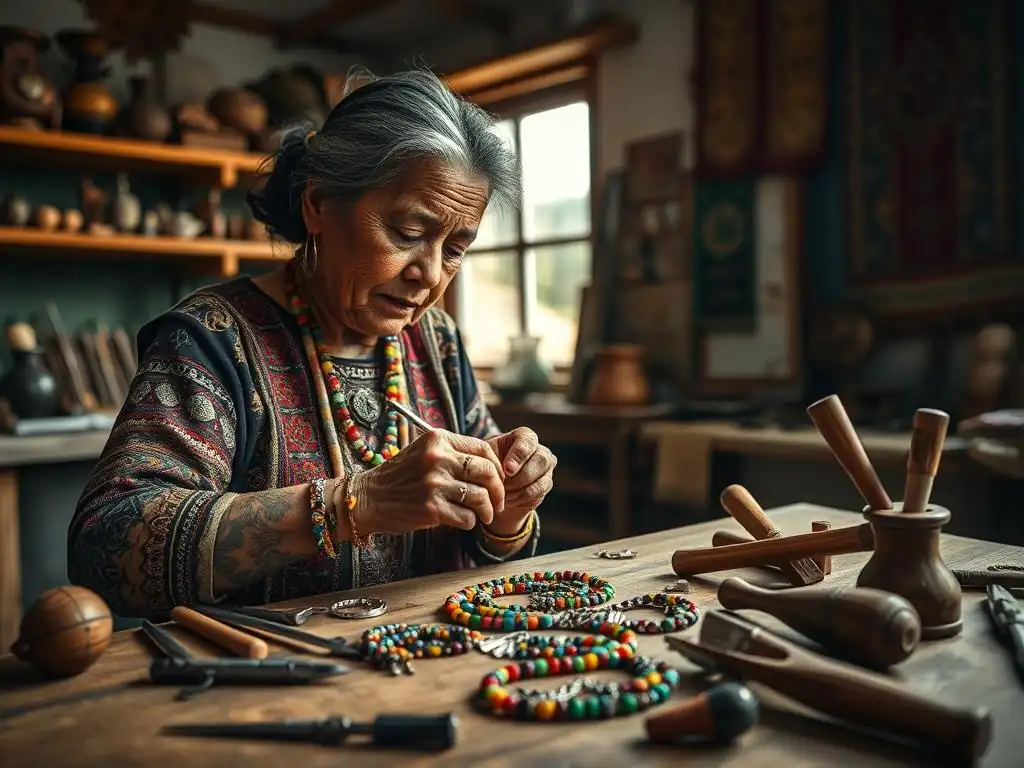
Welcome to Indigenous Civilizations of the Americas, where we invite you to journey through the rich tapestry of indigenous cultures that flourished long before European contact. In our featured article, “The Evolution of Indigenous Jewelry: Past Techniques and Modern Interpretations,” we delve into the fascinating world of traditional indigenous jewelry techniques.
Discover how these time-honored practices not only reflect the artistic ingenuity of their creators but also tell stories of identity, heritage, and resilience. Join us as we uncover the beauty and significance behind these remarkable crafts, and be inspired to explore the vibrant legacy that continues to shape contemporary artistry.
Introduction to Traditional Indigenous Jewelry Techniques
Traditional indigenous jewelry techniques represent a profound cultural heritage that spans centuries across the Americas. Each piece of jewelry is not merely an adornment; it embodies stories, traditions, and the identity of the people who crafted it. From intricate beadwork to the use of natural materials like silver, turquoise, and shells, these techniques showcase the ingenuity and artistry of indigenous artisans.
As we explore the evolution of these practices, we will delve into how past techniques have laid the foundation for modern interpretations, bridging the gap between history and contemporary artistry. Understanding these traditional techniques is essential not only for appreciating the beauty of indigenous jewelry but also for recognizing the cultural significance behind each design.
Historical Context of Traditional Indigenous Jewelry
Indigenous jewelry has deep roots in the diverse cultures of the Americas, reflecting the unique identities and histories of various tribes and nations. The historical context of traditional indigenous jewelry is essential for understanding its evolution.
- Cultural Significance: Jewelry served as a means of expression, identity, and status within communities. It was often used in ceremonies and rituals, symbolizing connection to ancestry and spirituality.
- Materials and Resources: The availability of local materials influenced the techniques and styles of jewelry making. For instance, coastal tribes utilized shells and coral, while those in the mountainous regions favored metals and stones.
- Trade and Exchange: The intricate jewelry pieces were also part of extensive trade networks among tribes, facilitating cultural exchange and the sharing of techniques.
Ancient Techniques in Jewelry Making
The techniques used in ancient indigenous jewelry making were diverse and often region-specific. Here are some prominent methods:
- Beadwork:
- Materials: Glass, stone, bone, and seed beads.
- Techniques: Loom weaving and stitching were commonly employed to create intricate patterns.
- Metalworking:
- Materials: Silver, gold, and copper were shaped into ornaments and tools.
- Techniques: Techniques such as forging, casting, and stamping were used to create complex designs.
- Carving and Inlay:
- Materials: Wood, bone, and stone.
- Techniques: Detailed carving and inlay work provided depth and texture to jewelry pieces.
These ancient techniques not only highlight the craftsmanship of indigenous artisans but also their deep connection to their environment and cultural narratives.
Symbolism and Meaning Behind Traditional Designs
Jewelry in indigenous cultures is rich in symbolism, often conveying messages or representing significant aspects of life and beliefs. Some common themes include:
- Nature and Spirituality: Many designs feature motifs inspired by nature, such as animals, plants, and celestial bodies, signifying a connection to the earth and spirituality.
- Identity and Heritage: Specific patterns and colors can signify tribal affiliation, social status, or personal milestones, making jewelry a vital aspect of cultural identity.
- Ceremonial Use: Certain pieces are crafted specifically for rituals or ceremonies, imbuing them with additional layers of meaning and significance.
Understanding the symbolism behind traditional designs allows us to appreciate the depth and intention behind each piece of jewelry, further enriching our exploration of indigenous craftsmanship.
Regional Variations in Indigenous Jewelry Techniques
The rich tapestry of indigenous jewelry across the Americas reflects the diverse cultures, resources, and artistic traditions of different regions. Each area developed unique methods and materials that contributed to the identity of its people. From intricate beadwork to elaborate metalworking, indigenous jewelry serves not only as adornment but also as a means of storytelling, cultural expression, and social status.
North American Indigenous Jewelry
In North America, indigenous jewelry has deep roots, characterized by distinct techniques and materials. Native American tribes such as the Navajo, Hopi, and Lakota have developed unique styles over centuries.
- Materials: Commonly used materials include silver, turquoise, shell, and various types of beads. Silver became prominent in the 19th century, particularly among the Navajo, who learned silversmithing from European Americans.
- Techniques: Techniques such as overlay, stamping, and inlay are hallmarks of Navajo jewelry. The Hopi tribe is known for their intricate stone carving and the use of natural materials in their designs.
- Symbolism: Jewelry often carries deep cultural significance. For instance, the designs might reflect spiritual beliefs, clan symbols, or represent the natural world, with certain colors and shapes holding specific meanings.
This regional diversity illustrates the creativity and adaptability of indigenous cultures in incorporating both traditional practices and new influences into their jewelry-making.
South American Indigenous Jewelry
South American indigenous jewelry showcases a vibrant array of styles and techniques, influenced by the continent's rich cultural heritage and natural resources.
- Materials: Gold and silver were extensively used by civilizations such as the Inca, who created exquisite pieces that often featured intricate designs and symbolism. Additionally, colorful gemstones and seeds were commonly incorporated into jewelry.
- Techniques: Techniques such as lost-wax casting were prevalent among the artisans of the Andes. The use of intricate beadwork, weaving, and metalwork allowed for the creation of unique pieces that often told stories of the ancestors and nature.
- Cultural Significance: The craftsmanship of indigenous jewelry in South America often reflects the connection to the cosmos and the earth. For example, the use of specific motifs can signify fertility, protection, and ancestral spirits, deeply rooted in the spiritual practices of the communities.
The regional variations in South American jewelry reveal the profound relationship between the indigenous peoples and their environment, showcasing their artistic innovation and cultural richness.
Transition to Modern Interpretations of Indigenous Jewelry
As indigenous jewelry continues to evolve, contemporary interpretations are bridging the gap between tradition and modernity. These new approaches reflect a blend of historical techniques and innovative designs that resonate with today's aesthetic sensibilities.
Influence of Contemporary Artists on Traditional Techniques
Contemporary indigenous artists play a crucial role in revitalizing traditional jewelry techniques while also infusing them with modern influences.
- Innovative Designs: Many artists are experimenting with materials and styles that reflect current trends, such as minimalist designs or the incorporation of non-traditional materials like plastics or recycled metals. This innovation helps to reach broader audiences while maintaining cultural significance.
- Cultural Conversations: Artists often use their work to address contemporary social issues, such as identity, colonization, and environmental concerns, making their jewelry a medium for storytelling and activism.
- Workshops and Collaborations: Increasingly, contemporary indigenous artists are conducting workshops and collaborating with other artists, fostering a community that encourages the exchange of techniques and ideas, leading to the evolution of indigenous jewelry forms.
This synthesis of old and new not only honors traditional practices but also ensures their relevance in the modern world.
Reviving and Preserving Traditional Techniques
Efforts to revive and preserve traditional indigenous jewelry techniques are critical in sustaining cultural heritage and identity.
- Cultural Initiatives: Organizations and communities are working to document traditional techniques and provide resources for artisans to learn these skills. Craft fairs, festivals, and educational programs often emphasize the importance of maintaining these traditions.
- Mentorship Programs: Experienced artisans are mentoring younger generations, passing down knowledge and techniques that might otherwise be lost. This mentorship is vital for fostering pride in cultural heritage and ensuring the continuity of these practices.
- Sustainability Practices: Many contemporary artisans are focusing on sustainable practices, using locally sourced materials and traditional methods that minimize environmental impact. This approach not only honors the past but also aligns with modern ecological values.
Through these efforts, traditional techniques are being revitalized, ensuring that indigenous jewelry remains a dynamic form of cultural expression for future generations.
Commercialization of Indigenous Jewelry
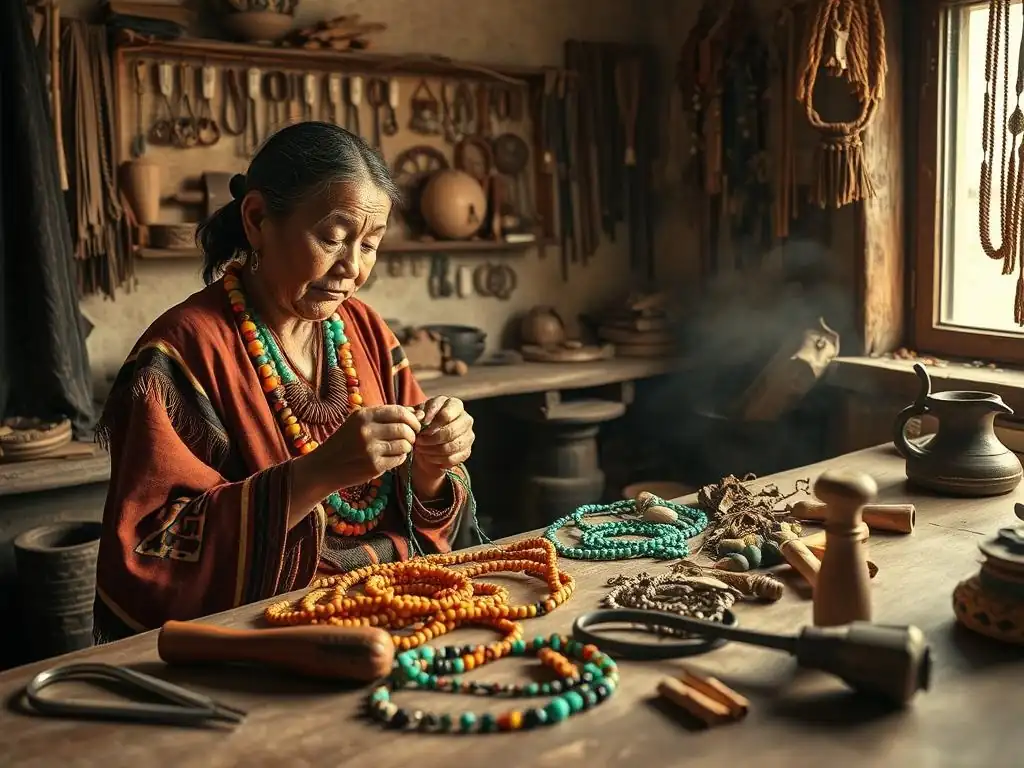
The commercialization of indigenous jewelry has played a significant role in how these traditional crafts are perceived and valued in contemporary society. Historically, indigenous jewelry was not merely ornamental; it served functional, spiritual, and cultural purposes within communities. However, as art forms began to gain recognition beyond their local contexts, the demand for indigenous jewelry surged. This shift often led to the mass production of designs that diluted their original meanings and craftsmanship.
Today, indigenous jewelry is often marketed as a form of cultural heritage, appealing to both collectors and consumers seeking unique, handcrafted items. This commercialization has resulted in a rise in the visibility of indigenous artists and their work but has also raised concerns about authenticity and cultural appropriation. As mainstream interest grows, the challenge remains to honor traditional techniques while adapting to market demands.
The Role of E-Commerce in Promoting Indigenous Art
E-commerce has transformed the way indigenous artists sell their jewelry, providing platforms that reach global audiences. Websites specializing in handmade and artisanal goods have emerged, allowing indigenous creators to bypass traditional retail channels and retain a larger share of profits. This shift not only empowers artists but also fosters a direct connection between them and consumers who appreciate the cultural significance of their work.
Online marketplaces and social media have become vital tools for marketing indigenous jewelry. Artists can share stories about their heritage, the meaning behind their designs, and the techniques used, enhancing the value of their products. Moreover, e-commerce allows for the diversification of offerings, enabling artisans to experiment with new materials and styles while remaining rooted in traditional techniques. However, as the online marketplace grows, it is crucial for consumers to seek out genuine indigenous artisans and support those who authentically represent their cultures.
Ethical Considerations in the Sale of Indigenous Jewelry
The sale of indigenous jewelry raises several ethical considerations, particularly regarding cultural appropriation and the representation of indigenous identities. It's essential for consumers to recognize the difference between authentic indigenous artistry and mass-produced imitations that exploit cultural symbols for profit. Ethical purchasing involves supporting artists who are directly connected to the cultures from which these designs originate.
Additionally, the use of traditional techniques should be respected and acknowledged. Many indigenous communities have specific protocols around the sharing and commercialization of their art forms. Therefore, consumers and retailers alike must ensure that they are not only honoring these customs but also compensating artisans fairly for their work. Transparency in sourcing materials and fair trade practices are crucial in creating a sustainable marketplace that respects indigenous heritage.
Conclusion: The Future of Traditional Indigenous Jewelry Techniques
The future of traditional indigenous jewelry techniques is both promising and challenging. As interest in indigenous art continues to grow, there is an opportunity for these techniques to be revitalized and preserved. Young artisans are increasingly embracing their cultural heritage, often blending traditional methods with contemporary designs to create innovative pieces that resonate with modern audiences.
Moreover, educational initiatives aimed at teaching traditional crafting techniques to younger generations can help ensure the survival of these practices. Workshops, community programs, and collaborations between established artisans and novices can foster a strong cultural transmission, ensuring that the skills and knowledge associated with traditional jewelry making are not lost.
As the market for indigenous jewelry evolves, it is imperative to strike a balance between commercialization and authenticity. By prioritizing ethical practices and fostering genuine connections between artists and consumers, the future of traditional indigenous jewelry techniques can thrive, enriching both the cultural landscape and the appreciation for these unique art forms.
Call to Action
Exploring the rich heritage of traditional indigenous jewelry techniques offers a unique perspective on the artistry, culture, and history of the indigenous peoples of the Americas. If you are captivated by the intricate designs and stories behind these adornments, we encourage you to dive deeper into this fascinating subject.
- Visit our archives: Discover detailed articles that showcase specific tribes and their unique jewelry-making techniques.
- Participate in workshops: Engage with artisans who practice traditional methods. These workshops can provide hands-on experience and insight into the materials and techniques used in indigenous jewelry making.
- Support indigenous artists: Consider purchasing authentic pieces from indigenous artisans. This not only helps preserve their traditional crafts but also supports their communities.
- Share your knowledge: Spread awareness about the significance of traditional indigenous jewelry techniques within your own circles. Discussing and advocating for these art forms can contribute to their preservation.
Join us in celebrating and preserving the legacy of indigenous jewelry craftsmanship. Your interest and support can make a difference in keeping these traditions alive for future generations.
- Introduction to Traditional Indigenous Jewelry Techniques
- Historical Context of Traditional Indigenous Jewelry
- Regional Variations in Indigenous Jewelry Techniques
- Transition to Modern Interpretations of Indigenous Jewelry
- Commercialization of Indigenous Jewelry
- Conclusion: The Future of Traditional Indigenous Jewelry Techniques
- Call to Action
- What are traditional indigenous jewelry techniques?
- How have indigenous jewelry techniques evolved over time?
- What materials are commonly used in indigenous jewelry?
- How do modern interpretations of indigenous jewelry differ from traditional styles?
- Why is it important to preserve traditional indigenous jewelry techniques?
Frequently Asked Questions
What are traditional indigenous jewelry techniques?
Traditional indigenous jewelry techniques refer to the craftsmanship methods developed by various indigenous cultures to create jewelry using natural materials, such as beads, metals, and stones.
How have indigenous jewelry techniques evolved over time?
Indigenous jewelry techniques have evolved from using handcrafted methods and local materials to incorporate modern tools and designs, while still retaining cultural significance and traditional motifs.
What materials are commonly used in indigenous jewelry?
Common materials in traditional indigenous jewelry include silversmithing, turquoise, shells, and wood, showcasing the resourcefulness and creativity of indigenous artisans.
How do modern interpretations of indigenous jewelry differ from traditional styles?
Modern interpretations may blend traditional elements with contemporary designs, often incorporating new materials and techniques, while aiming to maintain the cultural heritage of indigenous craftsmanship.
Why is it important to preserve traditional indigenous jewelry techniques?
Preserving these techniques is vital for maintaining cultural identity, fostering artistic expression, and ensuring that traditional knowledge is passed down through generations, contributing to the rich heritage of indigenous communities.
Final Reflection: Embracing Heritage Through Jewelry
The evolution of traditional indigenous jewelry techniques is not just a story of craftsmanship; it is a testament to the resilience and creativity of indigenous cultures. As we navigate a world increasingly dominated by mass production and fleeting trends, the revival and appreciation of these ancient techniques remind us of the profound connection between art, identity, and heritage. The intricate designs and methods passed down through generations serve as a bridge linking the past to the present, urging us to honor and celebrate the rich tapestry of indigenous cultures.
The impact of traditional indigenous jewelry techniques extends far beyond mere aesthetics; it shapes our cultural landscape and fosters a deeper understanding of identity and belonging. As we witness a resurgence of interest in these art forms, it becomes clear that they are not relics of the past but living expressions of culture that continue to inspire contemporary artists and artisans. Jewelry is not just an ornament; it is a story waiting to be told.
This sentiment encapsulates the essence of indigenous jewelry, where each piece carries the weight of history and the voice of its creator, inviting us to listen and learn.
As we reflect on the significance of traditional indigenous jewelry techniques, I invite you to explore your own connection to heritage and creativity. Consider how you can incorporate these lessons into your life, whether through supporting indigenous artisans, learning about their stories, or even creating art that honors your own background. Let us carry forward the legacy of these remarkable techniques, ensuring that the stories they tell continue to resonate for generations to come.
Celebrate and Embrace Indigenous Artistry!
Thank you for exploring the captivating world of Indigenous jewelry! Your interest not only enhances your understanding but also honors the rich cultural heritage woven into these artistic expressions. Now, let’s take further steps to appreciate and engage with this remarkable craft.
- Visit local artisan markets or browse online platforms to discover unique Indigenous jewelry pieces that resonate with you. Each piece tells a distinct story!
- Share your newfound knowledge and favorite pieces on social media, tagging the artisans to help raise awareness and support their incredible work.
- Participate in a workshop or class focused on jewelry-making techniques rooted in Indigenous traditions, and learn how to create your own meaningful pieces.
Which piece of Indigenous jewelry has inspired you the most, and how do you plan to incorporate such artistry into your daily life?