
The Long Shadow of Colonization: Lasting Effects of Population Decline on Indigenous Cultures

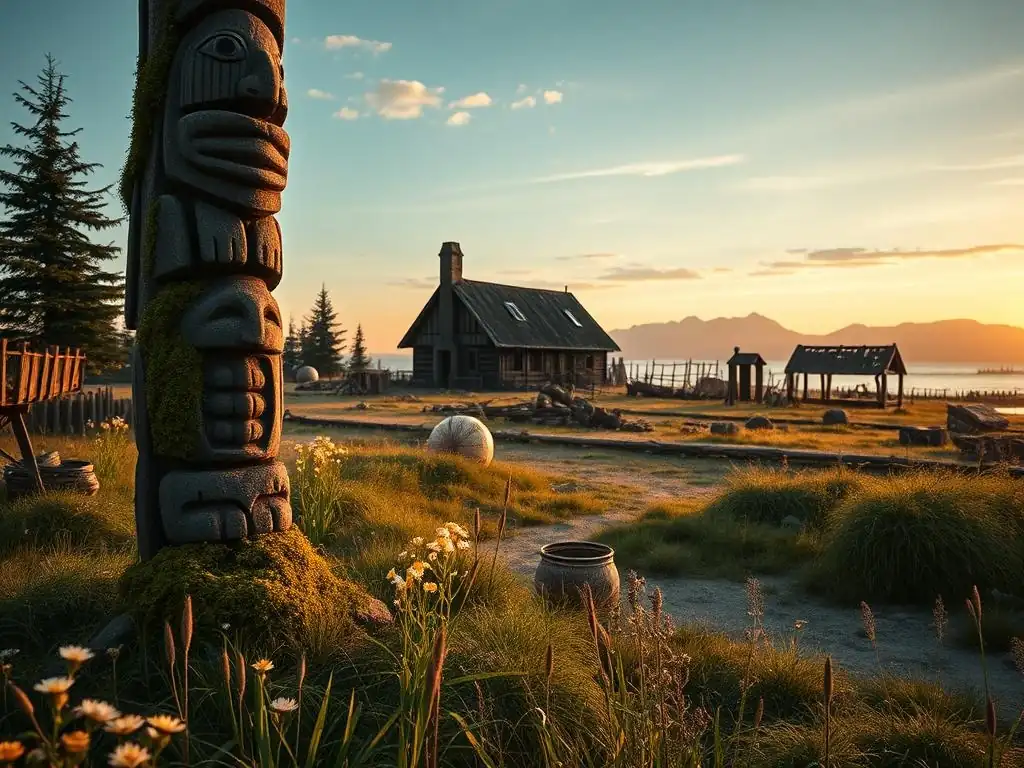
Welcome to Indigenous Civilizations of the Americas, where we embark on a fascinating journey through the rich tapestry of indigenous cultures that flourished long before European sails reached the shores of the Americas. Here, we delve into the profound effects of colonization on indigenous cultures, unraveling the intricate layers of history that reveal both resilience and transformation. In our featured article, “The Long Shadow of Colonization: Lasting Effects of Population Decline on Indigenous Cultures,” we invite you to explore how the echoes of conquest continue to shape the identities and traditions of these remarkable societies.
Prepare to uncover stories that challenge perceptions and highlight the enduring spirit of indigenous peoples. Join us in this exploration and discover the legacies that remain vibrant today.
Introduction to the Effects of Colonization on Indigenous Cultures
The colonization of the Americas by European powers marked a profound and transformative period in human history. This era not only reshaped the geopolitical landscape but also had devastating effects on the indigenous cultures that had flourished for millennia. The effects of colonization on indigenous cultures are far-reaching, with one of the most significant consequences being the dramatic population decline among Native communities.
This decline was not solely a result of violence and conflict; it was also exacerbated by the introduction of new diseases, forced displacement, and cultural assimilation efforts. As we delve into this complex topic, we will explore how these population losses have had lasting impacts on the social structures, cultural practices, and historical narratives of indigenous peoples across the Americas.
Historical Context of Colonization and Indigenous Societies
Understanding the lasting effects of colonization on indigenous cultures requires a thorough examination of the historical context in which these societies existed prior to European contact. Indigenous groups were not monolithic; they possessed diverse languages, customs, and social structures that varied significantly across regions. The arrival of European powers disrupted these intricate societies, leading to monumental shifts in their demographic and cultural landscapes.
The Arrival of European Powers
The late 15th and early 16th centuries witnessed the arrival of European explorers and conquerors, including figures such as Christopher Columbus, Hernán Cortés, and Francisco Pizarro. Their expeditions heralded an era of unprecedented interaction between the Old World and the New, leading to:
- Territorial Expansion: European nations sought to expand their empires, often disregarding the sovereignty of indigenous peoples and claiming lands for themselves.
- Resource Exploitation: Indigenous lands were rich in resources, which attracted European settlers and led to the extraction of wealth at the expense of local populations.
- Cultural Exchange: While some exchange of ideas and goods occurred, it was often one-sided, with European cultures imposing their norms upon indigenous societies.
The initial contact with European powers set in motion a series of events that would drastically alter the social fabric of indigenous communities.
Demographic Changes Post-Colonization
The consequences of colonization were catastrophic for indigenous populations. Following the arrival of Europeans, many indigenous communities faced:
- Disease Outbreaks: Diseases such as smallpox, influenza, and measles, to which indigenous peoples had no immunity, decimated populations, leading to mortality rates that sometimes exceeded 90%.
- Forced Displacement: The encroachment of settlers led to the forced relocation of many indigenous groups, disrupting their traditional ways of life and social structures.
- Cultural Assimilation: European colonizers often sought to erase indigenous identities through assimilation policies, which aimed to convert indigenous peoples to Christianity and impose European cultural practices.
These demographic changes not only diminished population numbers but also weakened the cultural continuity and resilience of indigenous societies. As we further explore the effects of colonization, it becomes evident that the shadows of this historical trauma continue to influence indigenous cultures today.
Lasting Effects of Population Decline on Indigenous Cultures
The effects of colonization on indigenous cultures are profound and multifaceted, deeply rooted in the devastating population declines that followed European contact. The introduction of foreign diseases, violent conflicts, and forced assimilation created a demographic crisis that fundamentally altered indigenous societies. This decline not only diminished the numbers of indigenous peoples but also jeopardized the transmission of cultural practices, languages, and communal knowledge. The long shadow of colonization thus manifests in several key areas, including cultural erosion, disruption of social structures, and economic challenges, each contributing to the ongoing struggles faced by indigenous communities today.
Cultural Erosion and Loss of Identity
Cultural erosion is one of the most significant consequences of population decline among indigenous cultures. As communities experienced drastic reductions in their numbers, the passing down of traditional knowledge, languages, and customs became increasingly precarious. Many languages, which serve as repositories of cultural identity, have faced extinction, with estimates suggesting that nearly half of the world’s languages could disappear by the end of the 21st century, many of which belong to indigenous groups.
The loss of cultural practices and beliefs often leads to a diminished sense of identity among remaining community members. For example, rituals that once brought people together for communal celebration or mourning are now less frequently practiced, leading to a disconnect from ancestral traditions. The impact of this loss is not merely historical; it resonates in contemporary indigenous identities, as communities strive to reclaim and revitalize their cultural heritage amidst the ongoing effects of colonization.
Disruption of Social Structures and Communities
The social fabric of indigenous communities has been irreparably altered due to the population decline instigated by colonization. Traditional social structures, which often revolved around kinship ties, communal governance, and cooperation, have been disrupted. The loss of leaders and influential figures, who played essential roles in maintaining social cohesion and cultural continuity, has left a void that is difficult to fill.
Moreover, the fragmentation of communities—often exacerbated by displacement and forced relocation—has led to challenges in rebuilding social networks. Many indigenous peoples now find themselves scattered across urban environments, where the connection to their cultural roots can become tenuous. This disruption has not only affected interpersonal relationships but also the collective ability to organize and advocate for rights and recognition in a post-colonial context.
Economic Consequences of Population Decline
The economic consequences of population decline are closely linked to the broader impacts of colonization on indigenous cultures. With fewer members to participate in traditional economic activities, such as agriculture, hunting, and crafting, many communities have faced significant disruptions in their subsistence practices. The loss of knowledge related to sustainable practices can lead to economic dependency on external systems, often resulting in poverty and marginalization.
Furthermore, the appropriation of indigenous lands for resource extraction and development has stripped communities of their economic autonomy. The lack of access to traditional territories not only undermines economic self-sufficiency but also exacerbates poverty levels, limiting opportunities for education and employment. As a consequence, many indigenous cultures struggle to maintain their traditional ways of life while navigating the complexities of modern economic systems.
Resilience and Adaptation of Indigenous Cultures
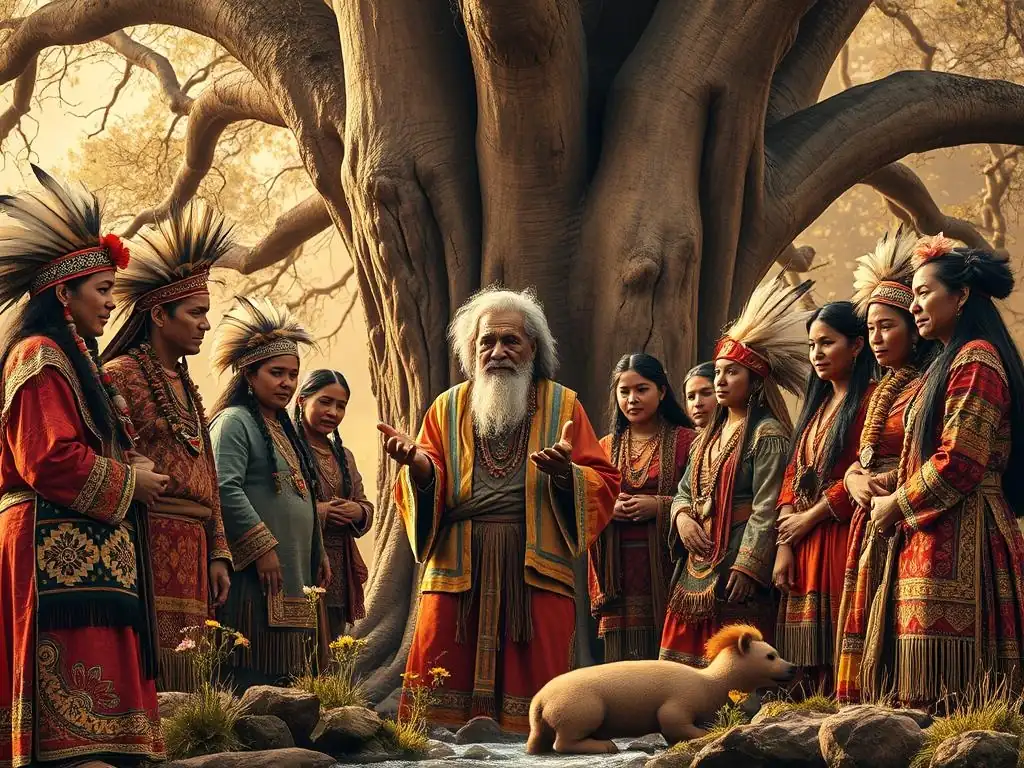
Despite the profound challenges posed by colonization and population decline, indigenous cultures have demonstrated remarkable resilience and adaptability. This resilience is evident in the ways communities have sought to reclaim their identities, revive cultural practices, and assert their rights in a contemporary context. Indigenous peoples are not merely passive victims of history; they actively engage in revitalization efforts and reimagine their cultural futures.
Revitalization Movements
Revitalization movements have emerged as powerful responses to the effects of colonization on indigenous cultures. These movements often focus on restoring language, cultural practices, and traditional governance systems. For instance, many indigenous communities have established language immersion programs to teach younger generations their ancestral tongues, which are critical to cultural identity.
Cultural festivals and community gatherings also play a key role in these revitalization efforts, providing spaces for the celebration of heritage and the sharing of knowledge. By fostering a sense of pride and belonging, such initiatives not only combat cultural erosion but also reinforce communal bonds. These movements underscore the determination of indigenous peoples to reclaim their narratives and assert their presence in an increasingly globalized world.
Modern Indigenous Identity in a Post-Colonial Context
In a post-colonial context, modern indigenous identity is characterized by a complex interplay of tradition and contemporary influences. Many indigenous peoples navigate multiple identities, encompassing both their ancestral heritage and the realities of modern life. This duality often manifests in the blending of traditional cultural expressions with modern art, music, and social activism.
The emergence of indigenous voices in literature, film, and politics reflects a broader trend of decolonization and self-determination. Through these platforms, indigenous peoples articulate their experiences, challenge stereotypes, and advocate for their rights. The modern indigenous identity is thus not static; it is dynamic and evolving, shaped by historical legacies and contemporary realities, demonstrating the ongoing strength and resilience of indigenous cultures in the face of colonization's lasting effects.
Conclusion: Continuing Legacy of Colonization on Indigenous Cultures
The effects of colonization on indigenous cultures resonate profoundly in contemporary society, extending beyond mere historical accounts to influence the identities, practices, and social structures of indigenous peoples today. The dramatic population decline caused by disease, warfare, and displacement led to significant disruptions in cultural transmission and knowledge systems. Many indigenous languages, traditions, and spiritual practices faced near extinction as communities were decimated and fragmented.
Despite these challenges, indigenous cultures have demonstrated remarkable resilience. They continue to adapt, reclaim, and revitalize their identities by blending traditional practices with modern influences. This ongoing struggle for cultural survival highlights the importance of understanding the past while acknowledging the lasting impact of colonization. The legacy of colonization is not merely a historical event but a complex narrative that shapes the contemporary realities faced by indigenous communities, including issues of land rights, cultural preservation, and social justice.
The recognition of this legacy is crucial for fostering genuine reconciliation efforts. It prompts a broader understanding of the systemic inequalities that continue to affect indigenous populations and encourages a commitment to addressing these disparities. By reflecting on the historical context and its implications, societies can better appreciate the richness of indigenous cultures and the importance of supporting their revival and sustainability.
Call to Action: Supporting Indigenous Cultures Today
In light of the lasting effects of colonization on indigenous cultures, it is imperative for individuals and communities to engage actively in supporting indigenous peoples and their rights. Here are several actionable steps that can make a meaningful impact:
- Educate Yourself and Others: Understanding the history and ongoing challenges faced by indigenous cultures is crucial. Read books, attend workshops, and engage with indigenous voices through documentaries and media.
- Support Indigenous Businesses: Purchasing art, crafts, and products from indigenous creators helps sustain their economies and promotes cultural preservation. Seek out indigenous-owned businesses in your community or online.
- Advocate for Land Rights: Many indigenous communities are fighting for the recognition and return of their ancestral lands. Supporting legislation and initiatives that protect these rights is vital.
- Participate in Cultural Programs: Attend events, festivals, and ceremonies that celebrate indigenous cultures. These experiences foster appreciation and awareness while providing a platform for indigenous voices.
- Donate to Indigenous Organizations: There are many organizations dedicated to the protection and revitalization of indigenous cultures, languages, and rights. Financial contributions can aid their crucial work in advocacy and education.
- Engage in Dialogues: Create spaces for open discussions about indigenous issues within your community. Encouraging conversations can help dismantle stereotypes and promote understanding.
By taking these steps, individuals can contribute to the healing and revitalization of indigenous cultures, recognizing their significance in the tapestry of human history and culture. Supporting indigenous peoples is not just a matter of rectifying past injustices; it is a commitment to building a more equitable future for all.
- Introduction to the Effects of Colonization on Indigenous Cultures
- Historical Context of Colonization and Indigenous Societies
- Lasting Effects of Population Decline on Indigenous Cultures
- Resilience and Adaptation of Indigenous Cultures
- Conclusion: Continuing Legacy of Colonization on Indigenous Cultures
- Call to Action: Supporting Indigenous Cultures Today
- What are the main effects of colonization on indigenous cultures?
- How did population decline affect indigenous societies?
- What role did European colonizers play in the changes to indigenous cultures?
- Are there examples of resilience in indigenous cultures post-colonization?
- How can understanding the lasting effects of colonization help indigenous communities today?
Frequently Asked Questions
What are the main effects of colonization on indigenous cultures?
The effects of colonization include significant population decline, loss of traditional practices, and disruption of social structures, which have had a lasting impact on indigenous identities.
How did population decline affect indigenous societies?
Population decline due to disease and violence led to the loss of cultural knowledge and social cohesion, severely impacting the ability of communities to sustain their cultural practices.
What role did European colonizers play in the changes to indigenous cultures?
European colonizers imposed new systems of governance, religion, and economic practices that fundamentally altered the social fabric and cultural expressions of indigenous societies.
Are there examples of resilience in indigenous cultures post-colonization?
Yes, many indigenous cultures have demonstrated resilience by revitalizing traditions, languages, and practices despite the challenges posed by colonization and ongoing marginalization.
How can understanding the lasting effects of colonization help indigenous communities today?
Understanding the lasting effects of colonization can empower indigenous communities to reclaim their cultural heritage, advocate for their rights, and foster healing and reconciliation processes.
Final Reflection: The Enduring Legacy of Colonization on Indigenous Cultures
The effects of colonization on indigenous cultures are not merely historical footnotes; they are deeply woven into the fabric of contemporary society. As we navigate the complexities of cultural identity and social justice today, it becomes increasingly clear that the repercussions of colonization continue to shape the lives of indigenous peoples worldwide. The struggle for recognition, rights, and cultural preservation is a testament to the resilience of these communities, reminding us that the past is never truly behind us.
Culture is a living entity, constantly evolving yet rooted in history. The ongoing influence of colonization is evident in the ways indigenous cultures are often marginalized, yet they persist and adapt, reclaiming their narratives and traditions. This resilience is beautifully encapsulated in the words of indigenous activist Winona LaDuke: We are not just a people of the past; we are a people of the future.
This sentiment highlights the importance of acknowledging the past while actively participating in the present and future, ensuring that indigenous voices are heard and valued.
As we reflect on the lessons learned from the lasting effects of colonization, I invite you to consider your role in this narrative. How can you contribute to the recognition and revitalization of indigenous cultures in your community? Whether through education, advocacy, or simply by listening to and amplifying indigenous voices, each of us has the power to foster understanding and respect. Let us commit to honoring the rich tapestry of indigenous cultures and work together towards a future where their legacies are celebrated, not overshadowed.
Embrace and Elevate Indigenous Cultures Today!
Thank you for taking the time to explore the profound impacts of colonization on Indigenous cultures. Your engagement is vital as we work together to honor and uplift these rich heritages. Let's transform your insights into action!
- Get involved: Support Indigenous-led initiatives in your community by volunteering or donating to organizations that empower Indigenous voices and traditions.
- Spread awareness: Share this article with friends and family to foster understanding and encourage conversations about the importance of preserving Indigenous cultures.
- Discover: Explore local Indigenous history through guided tours or workshops, allowing you to connect deeply with their stories and perspectives.
What steps will you take to ensure the legacy of Indigenous cultures is celebrated and remembered?