
The Conversion Agenda: Missionaries and the Dismantling of Indigenous Faiths

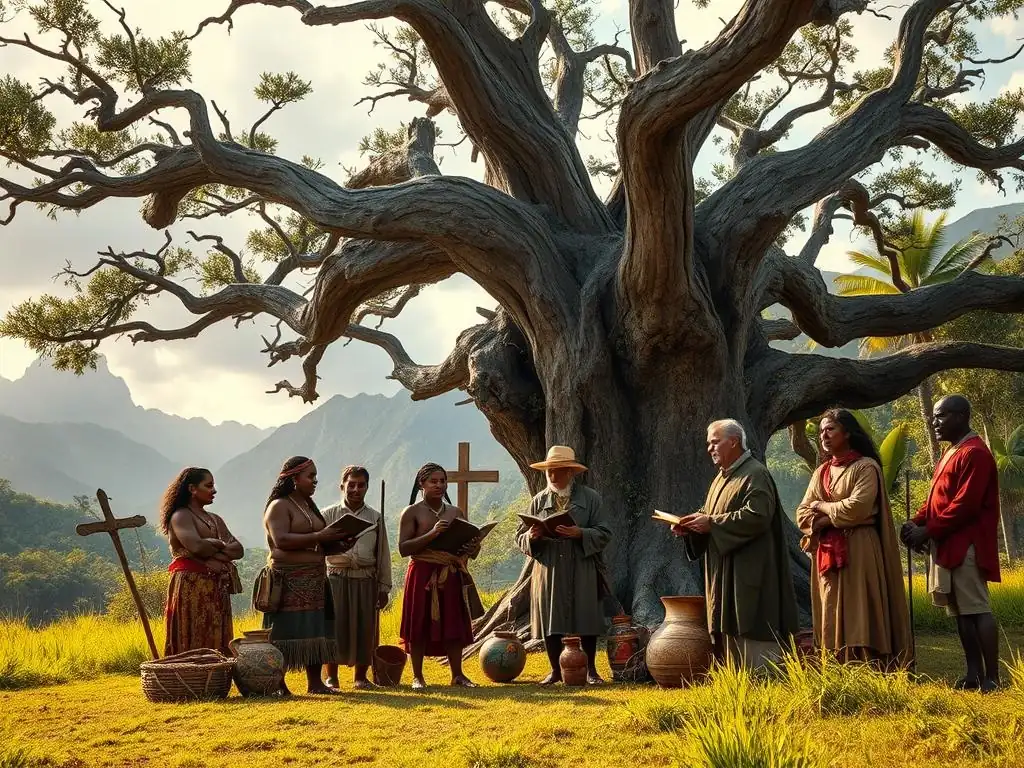
Welcome to Indigenous Civilizations of the Americas, where we invite you to journey through the rich tapestry of indigenous cultures that flourished long before European contact. Our site delves into the profound achievements and vibrant societies that shaped the Americas, revealing the intricate narratives that often go untold. In our featured article, “The Conversion Agenda: Missionaries and the Dismantling of Indigenous Faiths,” we explore the complex relationship between missionaries and indigenous peoples, shedding light on how faith and culture intertwined amidst the waves of conquest.
Prepare to uncover the layers of history that reveal both the resilience and transformation of these remarkable civilizations. Your exploration begins now—dive deeper to understand the lasting impact of these shared histories!
The arrival of European missionaries in the Americas marked a significant turning point in the history of indigenous cultures, leading to profound transformations in their spiritual beliefs and practices. This article explores the intricate dynamics between indigenous cultures and missionaries, focusing on how the latter's conversion agenda dismantled diverse indigenous faiths.
By examining the historical context and the objectives of key missionary orders, we aim to shed light on the complexities of this encounter and its lasting impact on indigenous societies. Through this exploration, we acknowledge the resilience of these cultures and their ongoing struggle to preserve their spiritual heritage in the face of colonial oppression.
Understanding Indigenous Cultures in the Americas
Overview of Indigenous Cultures and Their Spiritual Practices
Indigenous cultures in the Americas were characterized by a rich tapestry of beliefs and practices that varied greatly from one community to another. These cultures were deeply rooted in their connection to the land, nature, and the cosmos. Spirituality was often interwoven with daily life, rituals, and communal gatherings.
- Diverse Belief Systems: Indigenous peoples practiced a variety of religions, each with its own unique deities, creation stories, and spiritual customs. For example:
- The Navajo emphasized harmony with nature through rituals like the Blessingway.
- The Inca worshipped a pantheon of gods, including Inti, the sun god, reflecting their agricultural lifestyle.
- Rituals and Ceremonies: Communities engaged in various rituals to honor the spirits, celebrate seasonal changes, and mark life events such as births and deaths. These ceremonies were crucial for maintaining social cohesion and cultural identity.
The Role of Religion in Indigenous Societies
Religion served as a foundational element of indigenous societies, influencing their social structures, governance, and relationships with the environment.
- Social Cohesion: Spiritual beliefs fostered a sense of community and belonging, providing a framework for social norms and moral values.
- Governance and Leadership: Many societies had spiritual leaders or shamans who guided rituals and made decisions based on divine insights.
- Environmental Stewardship: Indigenous religions often emphasized a reciprocal relationship with nature, where the land was viewed as sacred and deserving of respect.
The Arrival of Missionaries in the Americas
Historical Context: European Colonization and Missionary Efforts
The arrival of European colonizers in the late 15th century set the stage for the widespread missionary activities that would follow. As European powers sought to expand their empires, they also aimed to spread Christianity among the indigenous populations.
- Colonial Objectives: Missionaries viewed conversion as a means to "civilize" indigenous peoples, often justifying their actions as a moral imperative. This led to the establishment of missions throughout the Americas.
- Impact on Indigenous Societies: The imposition of foreign beliefs often resulted in the suppression of indigenous traditions, leading to cultural erosion and conflict.
Key Missionary Orders and Their Objectives
Various missionary orders were instrumental in the conversion efforts across the Americas, each with distinct approaches and objectives.
- Franciscans: Focused on establishing missions and providing education, they aimed to integrate indigenous peoples into Spanish colonial society.
- Jesuits: Known for their adaptability and intellectual rigor, they often engaged with indigenous cultures to better understand and influence them.
- Dominicans: Advocated for the rights of indigenous peoples but also sought to convert them to Christianity, often leading to complex relationships.
The Influence of European Religions on Indigenous Faiths
The arrival of missionaries significantly altered the spiritual landscape of indigenous cultures, as European religions infused new beliefs and practices.
- Syncretism: Many indigenous peoples adopted elements of Christianity, leading to the emergence of syncretic practices that blended traditional beliefs with European religious customs.
- Resistance and Resilience: Despite the pressures to conform, many indigenous communities retained core aspects of their spiritual heritage, demonstrating resilience in the face of oppression.
In sum, this exploration of the conversion agenda highlights the multifaceted interactions between indigenous cultures and missionaries, revealing both the challenges faced and the enduring strength of indigenous faiths amidst colonial efforts to dismantle them.
The Impact of Missionaries on Indigenous Cultures
The arrival of missionaries in the Americas marked a significant turning point for many indigenous cultures. These religious emissaries were often among the first Europeans to make contact with indigenous peoples, and their primary goal was the conversion of these communities to Christianity. As a result, the impact of missionaries extended beyond the realm of religion; it intertwined deeply with social, political, and economic facets of indigenous life.
Missionaries introduced new religious practices and beliefs that often conflicted with indigenous traditions. This led to the erosion of local spiritual systems, which were integral to the identity and cohesion of many communities. Furthermore, the missionaries' presence often coincided with colonial powers seeking to dominate the land and its people, creating a dual threat to indigenous cultures. The missionaries' efforts frequently resulted in the marginalization of traditional leaders, the disruption of cultural practices, and the promotion of European social norms, all of which contributed to a profound cultural transformation.
In many cases, the establishment of missions served as a focal point for colonial expansion, leading to increased settlement and resource exploitation. This entanglement of missionary work and colonialism further complicated the relationship between indigenous peoples and their environments, often resulting in loss of land and autonomy.
Methods of Conversion: Strategies Employed by Missionaries
Missionaries utilized a variety of strategies to convert indigenous peoples, often adapting their methods to the specific cultural contexts they encountered. Among these strategies were:
- Cultural Assimilation: Missionaries often sought to replace indigenous customs and beliefs with Christian practices through education and community engagement. They established schools that taught European languages, agricultural practices, and religious instruction, aiming to reshape indigenous identities.
- Syncretism: In many instances, missionaries incorporated elements of indigenous belief systems into Christian teachings. This approach allowed for a smoother transition for some communities, as they could maintain aspects of their traditional practices while adopting Christianity.
- Coercion and Intimidation: In certain areas, conversion was achieved through force. Missionaries sometimes aligned with colonial authorities to exert pressure on indigenous peoples, using threats or violence to compel adherence to new beliefs.
- Social Incentives: Missionaries often provided material benefits to those who converted, such as food, tools, or medical care. This created a dependency that could sway individuals and communities toward acceptance of Christianity.
These strategies reveal the complex interplay between cultural exchange and domination, illustrating how missionaries sought to reshape indigenous societies while often disregarding their rich cultural heritages.
Case Studies: Specific Indigenous Communities Affected by Missionary Activities
Several indigenous communities experienced profound changes due to missionary activities, showcasing the varied impacts of conversion efforts across the Americas. Notable case studies include:
- The Guarani of Paraguay: The Jesuits established missions known as reducciones, where they aimed to convert the Guarani people. While the Guarani benefited from education and protection from slavery, their traditional ways of life were disrupted, leading to significant cultural changes. The eventual expulsion of Jesuits in the late 18th century left the Guarani vulnerable to exploitation.
- The Plains Tribes: Missionaries such as the Methodists and Baptists engaged with tribes like the Lakota and Cheyenne. Their efforts often met with resistance, as indigenous peoples sought to maintain their spiritual traditions. However, some individuals converted, leading to divisions within communities and altering traditional practices.
- The Maya of Central America: In regions such as Guatemala, Spanish missionaries aimed to eradicate indigenous religions by demonizing traditional practices. The imposition of Christianity resulted in the decline of native spiritual systems, although many Maya communities adapted by blending Christian and indigenous beliefs.
These case studies illustrate the diverse experiences of indigenous cultures in response to missionary efforts, highlighting both the resistance and the transformations that ensued.
Resistance and Adaptation: Indigenous Responses to Missionary Efforts
Indigenous peoples did not passively accept the imposition of Christianity; instead, they often resisted and adapted to these changes in ways that preserved aspects of their cultural identities. Common forms of resistance included:
- Cultural Preservation: Many indigenous communities continued to practice their traditional religions in secret, maintaining rituals and ceremonies despite the threat of punishment from missionaries and colonial authorities.
- Negotiation and Accommodation: Some indigenous leaders strategically engaged with missionaries, negotiating terms that allowed them to retain certain cultural practices while adopting aspects of Christianity. This form of syncretism enabled communities to navigate the complexities of colonial rule.
- Active Rebellion: In some instances, indigenous groups organized armed resistance against missionary influence and colonial expansion. Notable uprisings, such as the Pueblo Revolt of 1680, exemplified the determination of indigenous peoples to defend their spiritual and cultural autonomy.
Through these responses, indigenous cultures demonstrated resilience and adaptability, often finding ways to blend their traditions with newly introduced beliefs while resisting total cultural erasure.
The Dismantling of Indigenous Faiths
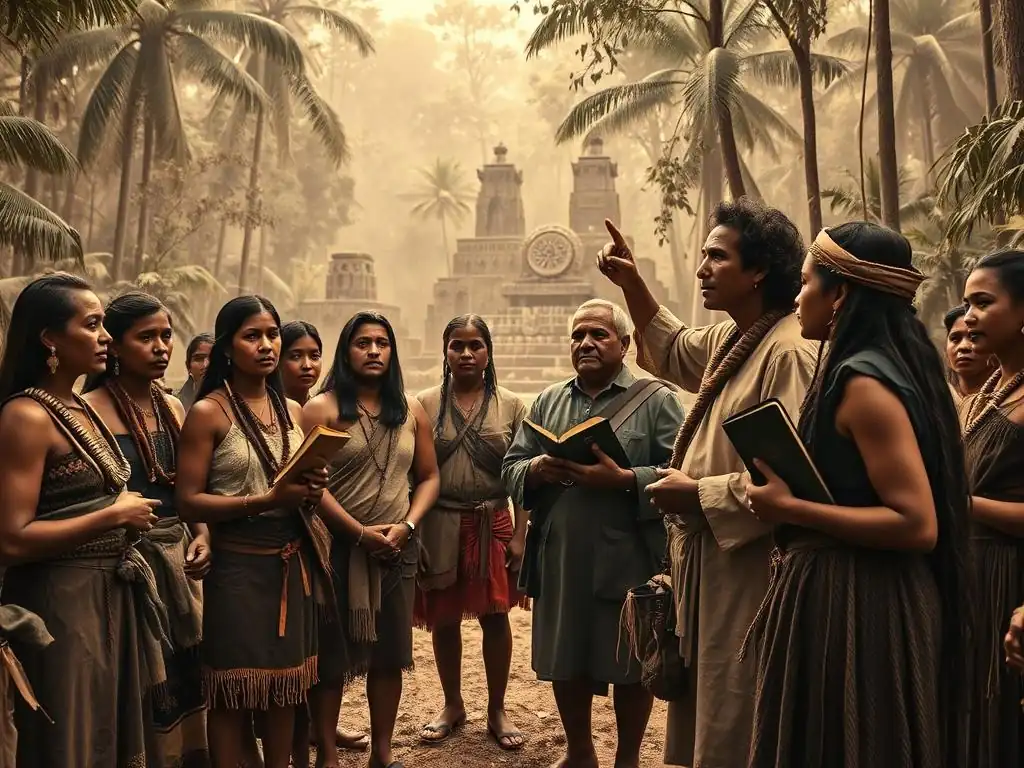
The missionary agenda led to a systematic dismantling of indigenous faiths, creating an environment where traditional spiritual practices were often condemned or forcibly suppressed. This process was multifaceted and deeply intertwined with broader colonial goals.
Analyzing the Disruption of Traditional Beliefs and Practices
The disruption of traditional beliefs and practices was marked by the devaluation of indigenous spiritual systems in favor of Christianity. Missionaries often labeled indigenous religions as "pagan" or "heathen," fostering a narrative that justified their conversion efforts. This led to:
- Destruction of Sacred Spaces: Many indigenous sites of worship were destroyed or repurposed for Christian use, stripping communities of their spiritual connections to the land.
- Suppression of Oral Traditions: The emphasis on written doctrine in Christianity marginalized oral traditions, which were vital for the transmission of indigenous knowledge and spirituality.
- Loss of Cultural Authority: Traditional leaders who held spiritual authority were often undermined or replaced by missionary-appointed figures, leading to a loss of cultural cohesion and identity within communities.
These actions collectively dismantled indigenous faith systems, leading to a significant shift in the spiritual landscape of the Americas.
The Role of Forced Assimilation in Cultural Suppression
Forced assimilation played a critical role in the suppression of indigenous cultures. Missionaries, often supported by colonial governments, implemented policies aimed at eradicating traditional ways of life. Key components included:
- Residential Schools: Indigenous children were often removed from their families and placed in residential schools where they were forbidden to speak their languages or practice their traditions. This traumatic experience aimed to produce a generation of "civilized" individuals devoid of their cultural heritage.
- Land Dispossession: The establishment of missions frequently coincided with the seizure of indigenous lands. Displacement disrupted traditional practices tied to the land, further contributing to cultural disintegration.
- Legal Restrictions: Missionary and colonial laws often criminalized indigenous spiritual practices, creating an environment of fear and repression that stifled cultural expression.
These methods of forced assimilation not only aimed to convert indigenous peoples but also sought to erase their identities entirely, leading to a profound and lasting impact on their spiritual landscapes.
Long-Term Consequences for Indigenous Spirituality
The long-term consequences of missionary efforts on indigenous spirituality are deeply felt today. The legacy of conversion and cultural suppression has resulted in:
- Fragmentation of Belief Systems: Many indigenous communities now grapple with a fragmented understanding of their spiritual heritage, as traditional practices have been lost or altered significantly.
- Cultural Revitalization Movements: In response to historical suppression, there has been a resurgence of interest in revitalizing indigenous spiritual practices. Many communities are actively working to reclaim and restore their traditional beliefs and ceremonies.
- Continued Marginalization: Despite efforts to revive indigenous spirituality, many communities still face systemic marginalization, which can hinder their ability to fully practice their beliefs.
The enduring impact of missionary activities has shaped the spiritual journeys of indigenous peoples, highlighting the resilience and adaptability of cultures that continue to strive for recognition and revival in a modern context.
Contemporary Reflections on Indigenous Cultures and Missionaries
The impact of missionaries on indigenous cultures continues to resonate deeply within modern indigenous communities. As descendants of those who experienced the forceful imposition of foreign beliefs, these communities grapple with a complex legacy that intertwines both the suppression of their traditional practices and the adaptations that emerged from this historical encounter. Contemporary reflections often highlight a duality: while missionaries sought to eradicate indigenous faiths, their presence inadvertently led to a blending of spiritual practices, resulting in unique syncretic forms of worship that persist today.
Indigenous voices have increasingly emerged in discussions about the past, providing critical insights into how the missionary agenda shaped their cultural landscapes. Many contemporary indigenous leaders advocate for a re-examination of this history, emphasizing the importance of understanding the resilient and adaptive nature of their cultures in the face of external pressures. This reflection fosters a deeper appreciation for indigenous identity and spirituality, encouraging a dialogue that respects their rich heritage while acknowledging the complexities introduced by missionary activities.
The Legacy of Missionary Work on Modern Indigenous Communities
The legacy of missionary work is multifaceted and deeply embedded in the fabric of modern indigenous communities. On one hand, missionaries contributed to the loss of traditional beliefs, practices, and languages, leading to a significant cultural erosion. Many indigenous communities found themselves distanced from their ancestral teachings and spiritual practices as missionary doctrines took root. This cultural dislocation has had lasting effects, including identity crises and intergenerational trauma that many communities still navigate today.
Conversely, some modern indigenous communities have reinterpreted elements of Christianity or other introduced faiths, blending them with traditional beliefs to create new forms of spirituality. This syncretism reflects a process of resistance and adaptation, as communities seek to reclaim their cultural identities while also grappling with the historical realities of colonization. In this context, the legacy of missionary work is not solely one of destruction; it is also one of resilience and transformation, illustrating the dynamic nature of cultural evolution in the face of adversity.
Revitalization Movements: Reclaiming Indigenous Spirituality
Revitalization movements have emerged as powerful responses to the historical suppression of indigenous spirituality. These movements strive to reclaim traditional beliefs, practices, and languages that were marginalized or lost due to colonial influences, including the imposition of missionary faiths. Through cultural revitalization, communities are actively working to restore their spiritual heritage, often engaging in ceremonies, storytelling, and language revitalization efforts that reinforce their connections to their ancestors and the natural world.
One notable example is the revitalization of Native American Church practices, which blend traditional indigenous spirituality with elements of Christianity, emphasizing the importance of personal spiritual experiences. Such movements not only strengthen communal bonds but also empower individuals to explore and embrace their identities within a framework that honors both their heritage and the diverse influences that have shaped their cultural landscape.
The Importance of Cultural Preservation in the Face of Historical Suppression
Cultural preservation is crucial for indigenous communities, particularly in light of the historical suppression they have experienced. The efforts to maintain traditional practices, languages, and spiritual beliefs serve as acts of resistance against the legacy of colonialism and missionary activity. By preserving their cultures, indigenous peoples assert their identities and rights, countering narratives that seek to erase their histories.
Organizations and initiatives focused on cultural preservation play a vital role in this process. Through educational programs, cultural workshops, and community gatherings, indigenous people are reclaiming their narratives and ensuring that future generations inherit a sense of pride in their heritage. This cultural resurgence not only enriches the lives of indigenous individuals but also fosters greater understanding and respect among broader society, highlighting the importance of indigenous voices in the ongoing dialogue about history and identity.
Conclusion
Summarizing the Impact of Missionaries on Indigenous Faiths
The impact of missionaries on indigenous faiths is a poignant chapter in the history of the Americas. Their efforts to convert indigenous peoples often resulted in significant cultural disruption and the marginalization of traditional spiritual practices. However, this legacy is not merely one of loss; it also encompasses stories of resilience, adaptation, and revival. Many indigenous communities have navigated the complexities of their histories to forge identities that honor both their ancestral traditions and the realities of their contemporary lives.
The Ongoing Journey of Indigenous Cultures in a Post-Colonial Context
In a post-colonial context, the journey of indigenous cultures is marked by both challenges and triumphs. While the scars of colonialism and missionary agendas linger, indigenous peoples are increasingly claiming their narratives, fostering cultural pride, and revitalizing their spiritual practices. The ongoing journey reflects a deep commitment to cultural survival and revitalization, emphasizing that indigenous cultures are not relics of the past but vibrant, living traditions that continue to evolve. As these communities move forward, they seek to educate the wider world about their histories, contributions, and the importance of respecting and honoring diverse cultural perspectives.
- Understanding Indigenous Cultures in the Americas
- The Arrival of Missionaries in the Americas
- The Impact of Missionaries on Indigenous Cultures
- The Dismantling of Indigenous Faiths
- Contemporary Reflections on Indigenous Cultures and Missionaries
- Conclusion
- What is the main focus of the article "The Conversion Agenda: Missionaries and the Dismantling of Indigenous Faiths"?
- How did missionaries affect indigenous cultures?
- What were some achievements of indigenous cultures before European colonization?
- Why is it important to study indigenous cultures today?
- How do missionaries' actions relate to modern discussions about indigenous rights?
Frequently Asked Questions
What is the main focus of the article "The Conversion Agenda: Missionaries and the Dismantling of Indigenous Faiths"?
The article focuses on the impact of missionaries on indigenous cultures in the Americas, examining how their efforts aimed to dismantle traditional faiths and beliefs.
How did missionaries affect indigenous cultures?
Missionaries significantly altered indigenous cultures by promoting Christianity and undermining traditional beliefs, leading to cultural shifts and the loss of spiritual practices.
What were some achievements of indigenous cultures before European colonization?
Indigenous cultures had rich achievements in agriculture, art, and social organization, demonstrating their complex societies and advanced knowledge prior to European contact.
Why is it important to study indigenous cultures today?
Studying indigenous cultures helps to understand their historical significance and the lasting impact of colonialism, fostering a deeper appreciation for their contributions and resilience.
How do missionaries' actions relate to modern discussions about indigenous rights?
The actions of missionaries have sparked ongoing debates about indigenous rights, cultural preservation, and the need to respect and honor diverse spiritual traditions in contemporary society.
Final Reflection: Embracing Indigenous Cultures Amidst Missionary Influence
The complex interplay between missionaries and indigenous cultures remains profoundly relevant today, as we witness a resurgence of interest in preserving and revitalizing indigenous faiths. The historical narrative of conversion has often overshadowed the rich spiritual traditions of indigenous peoples, yet the contemporary movement towards cultural reclamation highlights the resilience and vibrancy of these communities. This ongoing dialogue challenges us to confront our past and recognize the enduring impact of missionary efforts on indigenous identities.
The influence of missionaries on indigenous cultures has been both profound and multifaceted, shaping social landscapes and spiritual practices in ways that continue to resonate today. The struggle for indigenous rights and the revitalization of traditional beliefs are crucial elements in this narrative. As we reflect on this journey, we are reminded of the words of Vine Deloria Jr.: The most important thing to remember is that we are all human beings.
This statement encapsulates the essence of our shared humanity and the need for mutual respect and understanding between cultures.
As we move forward, I invite you to reflect on the lessons learned from the historical relationship between missionaries and indigenous cultures. Consider how you can contribute to the preservation and appreciation of indigenous faiths in your own life. Engage with indigenous voices, support cultural initiatives, and foster an environment of respect and learning. By doing so, we can honor the past while paving the way for a future that celebrates the diversity and richness of all spiritual traditions.
Unveil the Power of Indigenous Faiths: Take Action Today!
Thank you for joining us on this enlightening journey through the critical history of Indigenous faiths and the impact of conversion. Your engagement is essential in preserving these rich spiritual traditions and fostering understanding. Let's translate this knowledge into meaningful action!
- Explore Local Indigenous Cultures: Visit cultural centers or attend local events to deepen your understanding of Indigenous spirituality.
- Share Your Insights: Discuss what you've learned with friends and family to raise awareness about the significance of these faiths.
- Support Indigenous Voices: Follow Indigenous leaders and organizations on social media to amplify their narratives and share their missions.
What steps will you take today to honor and uplift the diverse spiritual heritage of Indigenous peoples?