
Heritage vs. Homogenization: The Complex Relationship Between Indigenous Cultures and National Identity

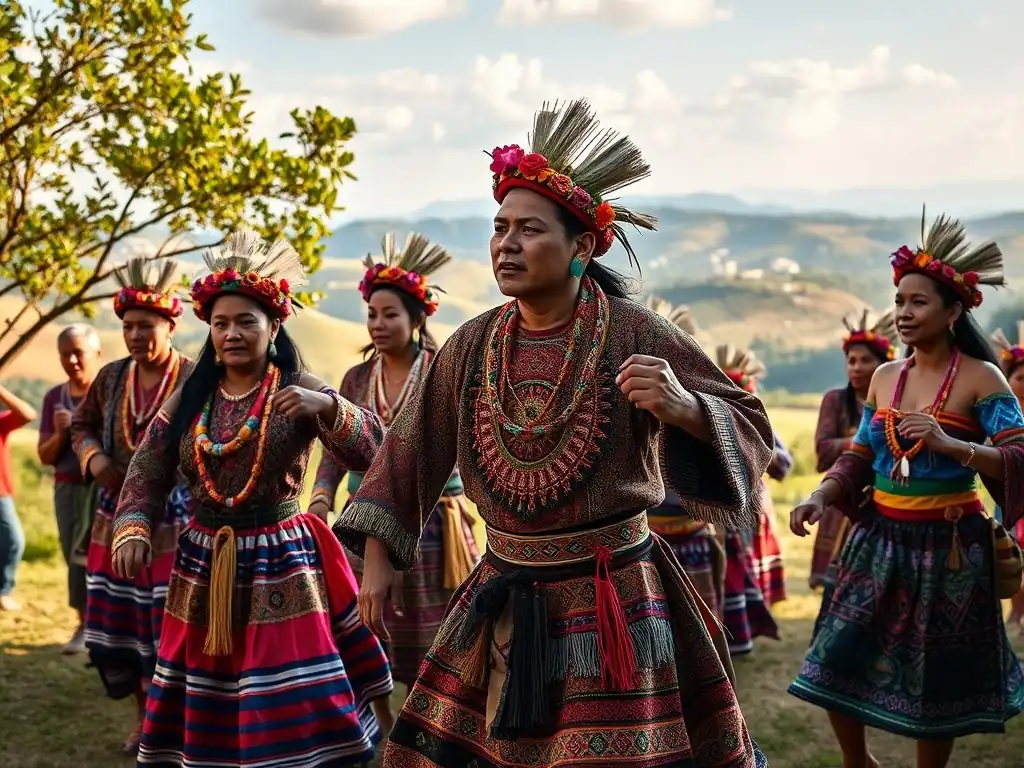
Welcome to Indigenous Civilizations of the Americas, where we invite you to embark on a fascinating journey through the rich tapestry of indigenous cultures that flourished across the continents long before European contact. In our featured article, "Heritage vs. Homogenization: The Complex Relationship Between Indigenous Cultures and National Identity," we delve into the intricate dynamics between cultural heritage and the forces of homogenization that shape national identity today.
As you explore the profound achievements and resilient societies of these remarkable civilizations, prepare to uncover the enduring legacy they impart on modern identity. Dive in and discover how these vibrant cultures continue to influence our world!
- Introduction to Indigenous Cultures and National Identity
- The Concept of Heritage in Indigenous Cultures
- Homogenization: The Impact on Indigenous Cultures
- The Relationship Between Indigenous Cultures and National Identity
- Balancing Heritage and Homogenization
- The Future of Indigenous Cultures in National Identity
- Conclusion: Navigating the Complexity of Indigenous Cultures and National Identity
-
Frequently Asked Questions
- What is the main focus of the article "Heritage vs. Homogenization"?
- How do indigenous cultures contribute to national identity?
- What are the challenges faced by indigenous cultures today?
- Why is it important to study indigenous cultures?
- How can national identity be positively influenced by indigenous cultures?
- Final Reflection: Embracing Diversity in Indigenous Cultures and National Identity
- Embrace and Celebrate Indigenous Cultures Today!
Introduction to Indigenous Cultures and National Identity
The interplay between indigenous cultures and national identity is a complex and multifaceted topic that has evolved over centuries, particularly in the wake of European colonization. This article seeks to illuminate the rich tapestry of indigenous cultures that flourished across the Americas prior to the arrival of European settlers, examining how these cultures have been shaped, marginalized, and integrated into the broader narrative of national identity.
In doing so, we will explore the achievements and unique societal structures of various indigenous groups, as well as the challenges they faced through the forces of homogenization and cultural assimilation. Understanding this relationship is crucial, as it reveals not only the resilience of indigenous cultures but also their significant contributions to contemporary national identities across the Americas.
Overview of Indigenous Cultures in the Americas
Indigenous cultures in the Americas are incredibly diverse, encompassing a wide range of languages, traditions, and lifestyles. From the Inuit of the Arctic to the Maya of Central America, each group has its unique heritage that reflects its environment, history, and social organization. Here are some key aspects of these cultures:
- Languages: There are hundreds of indigenous languages spoken across the continent, many of which are not only means of communication but also carriers of cultural knowledge and worldview.
- Art and Expression: Indigenous art, including pottery, weaving, and carving, often reflects spiritual beliefs and the natural world. For example, the intricate designs of Navajo rugs and the vibrant colors of Andean textiles showcase both creativity and cultural significance.
- Social Structures: Indigenous societies often have complex social hierarchies and governance systems that vary significantly from one culture to another, such as the matrilineal clans of the Iroquois Confederacy or the communal governance of the Inca Empire.
Despite their diversity, indigenous cultures share common themes, such as a deep connection to the land, a rich oral tradition, and a profound respect for nature. However, the arrival of Europeans brought profound changes, leading to the marginalization of many indigenous practices and identities.
Importance of National Identity in Context
The concept of national identity is deeply intertwined with the historical narratives and collective memories of a nation. In many cases, the integration of indigenous cultures into national identities has been fraught with tension, as governments and societies grapple with the legacies of colonization and the ongoing impact on indigenous peoples. Here are several key points to consider:
- Cultural Recognition: National identity can serve as a platform for recognizing and celebrating indigenous cultures, allowing for a more inclusive narrative that acknowledges their contributions to society.
- Homogenization vs. Preservation: While some nations strive for a cohesive national identity, this can lead to the homogenization of diverse cultures, risking the loss of unique indigenous identities and practices.
- Resistance and Resilience: Indigenous communities often resist efforts that threaten their cultural heritage, advocating for their rights and the recognition of their distinct identities within national frameworks.
The relationship between indigenous cultures and national identity is a dynamic and evolving one, reflecting broader societal changes and the ongoing struggle for recognition, respect, and integration. Understanding this relationship is essential for fostering a more inclusive and equitable society that honors its diverse roots.
The Concept of Heritage in Indigenous Cultures
Definition of Heritage in Indigenous Contexts
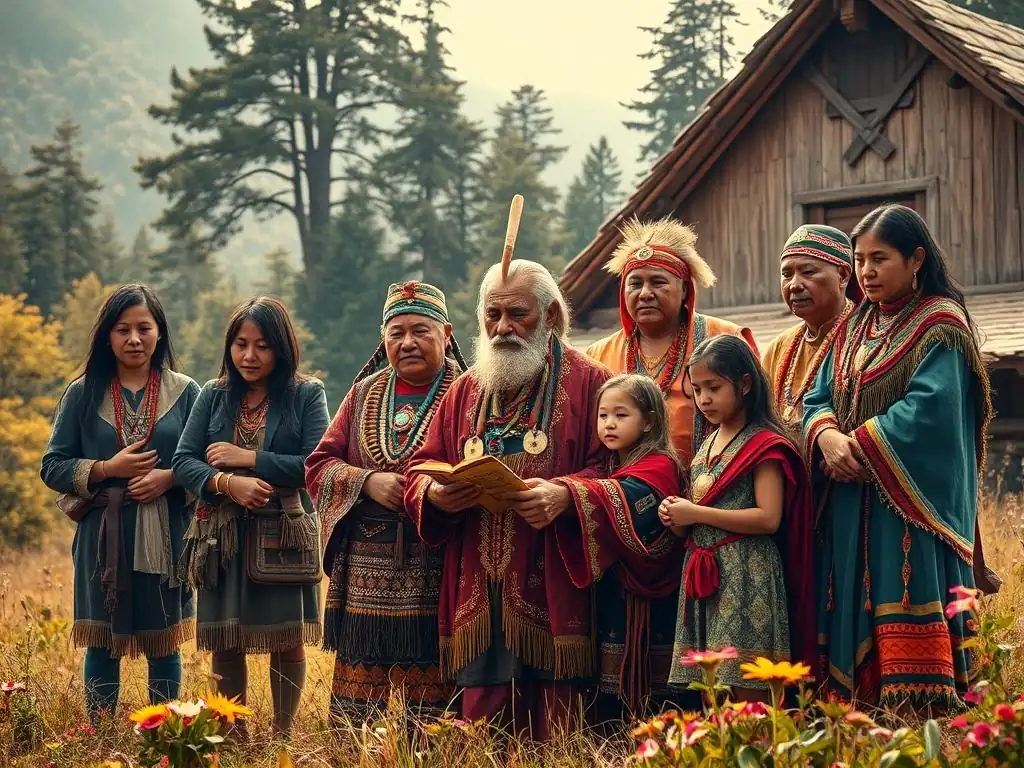
Heritage in indigenous contexts encompasses the collective memories, traditions, practices, and values passed down through generations. It reflects the unique relationship that indigenous peoples have with their environment, history, and identity. This heritage can be tangible, such as physical artifacts and landscapes, or intangible, including oral traditions, rituals, and spiritual beliefs.
Indigenous heritage serves as a foundation for cultural identity, allowing communities to connect with their ancestors and maintain continuity despite external pressures. The concept of heritage is often viewed through the lens of cultural preservation, which emphasizes safeguarding these elements against the homogenizing effects of globalization and colonization. For many indigenous groups, their heritage is not merely a relic of the past; it is a living, evolving practice that informs their current social structures and worldviews.
Key Elements of Indigenous Heritage
Understanding indigenous heritage requires a focus on several key elements that contribute to its richness and complexity:
- Cultural Practices: This includes traditional arts, crafts, music, and dance that express the values and stories of indigenous peoples. These practices often serve as a medium for education and community cohesion.
- Land and Environment: The connection to land is central to many indigenous identities. Sacred sites, agricultural practices, and traditional ecological knowledge are integral components of heritage that highlight the relationship between people and their environment.
- Social Structures: Indigenous cultures often have distinct social systems and governance structures that dictate community organization and decision-making processes. These systems reflect the values and norms that have been preserved through generations.
- Spiritual Beliefs: Spirituality is often deeply intertwined with indigenous heritage. Many communities maintain a cosmology that includes creation stories, rituals, and ceremonies, which serve to strengthen community bonds and connect individuals to their ancestors.
The Role of Language, Traditions, and Beliefs
Language is a crucial component of indigenous cultures and national identity, as it carries the nuances of cultural knowledge and worldview. Each indigenous language encapsulates unique concepts, philosophies, and histories that are often untranslatable, highlighting the necessity of language preservation to maintain cultural heritage.
Traditions, including ceremonies and festivals, play a vital role in the transmission of knowledge and cultural values. These practices not only foster community ties but also reinforce a collective identity that stands resilient against external influences. For instance, the Potlatch ceremony among Pacific Northwest tribes serves as both a social event and a means of preserving history, showcasing the importance of traditions in sustaining heritage.
Beliefs, particularly spiritual and cosmological views, offer indigenous peoples frameworks for understanding their place in the world. These beliefs often include a profound respect for nature and the interconnectedness of all living beings, which informs practices related to land stewardship and environmental sustainability.
The interplay of language, traditions, and beliefs is essential for the preservation of indigenous heritage and is foundational to the ongoing negotiation of indigenous cultures within the broader context of national identity. The resilience of these elements in the face of homogenization is a testament to the enduring strength and significance of indigenous cultures in contemporary society.
Homogenization: The Impact on Indigenous Cultures
Understanding Homogenization in Modern Society
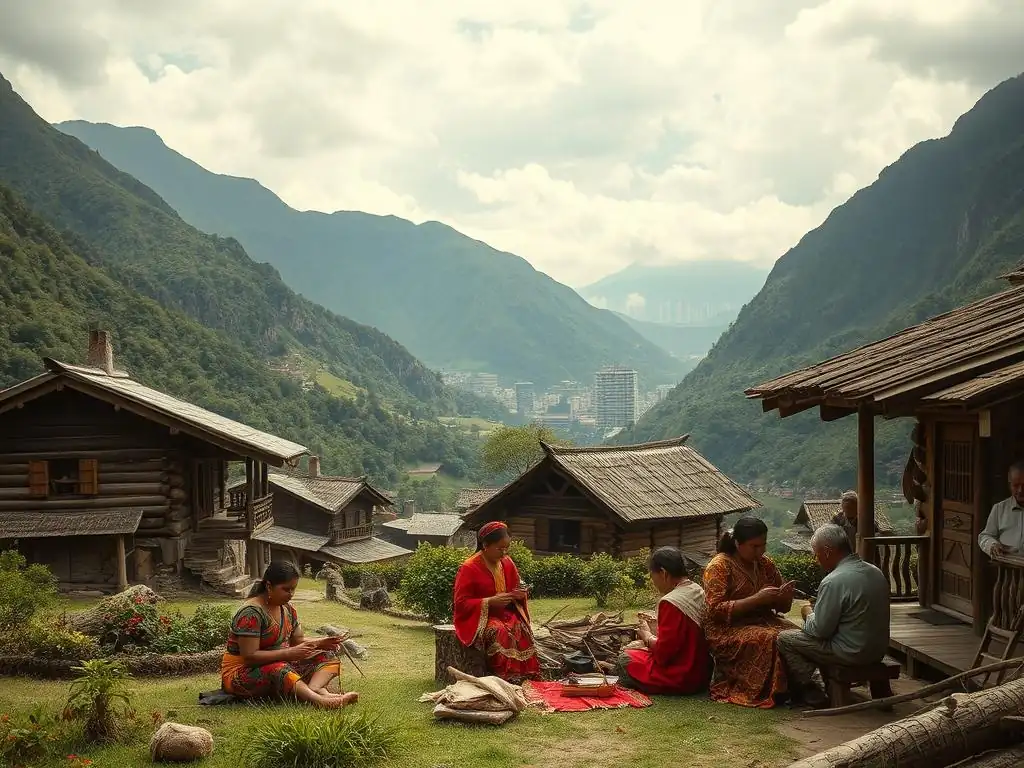
Homogenization refers to the process through which diverse cultural practices, beliefs, and identities become more similar, often as a result of globalization and the spread of dominant cultures. In modern society, this phenomenon can occur through various channels, including media, technology, and consumerism, leading to a dilution of unique cultural identities. For Indigenous cultures, the impact of homogenization is particularly profound, as it threatens the very essence of their traditions, languages, and worldviews.
One of the most significant aspects of homogenization is the prevalence of a singular narrative or perspective that often eclipses local histories and experiences. Global media plays a crucial role in this process, as it promotes mainstream cultural products—such as music, films, and fashion—that may overshadow traditional Indigenous expressions. As a result, younger generations may gravitate towards popular culture, leading to a gradual loss of interest in their own cultural heritage.
Moreover, the commercialization of Indigenous identity can further exacerbate this issue. As Indigenous symbols and traditions are commodified for mass consumption, they risk being stripped of their original meaning and significance. This not only affects the way Indigenous peoples view their own cultures but also how they are perceived by others, leading to stereotypes and misrepresentations.
Historical Context of Cultural Homogenization
The roots of cultural homogenization can be traced back to the colonial era, when European powers sought to impose their values and systems on Indigenous populations across the Americas. This forced assimilation often involved the suppression of Indigenous languages, religions, and social structures, aiming to create a uniform society aligned with European ideals. The legacy of this colonization continues to shape the dynamics of power and identity in contemporary society.
Throughout the 19th and 20th centuries, various policies, such as the establishment of Indian boarding schools in North America, explicitly aimed to erase Indigenous cultures. These institutions sought to "civilize" Indigenous children by removing them from their families and communities, often resulting in the loss of language and cultural practices. The historical trauma from these experiences has had lasting effects, contributing to a sense of dislocation and fragmentation within Indigenous communities.
In addition, the rise of nationalism and the formation of nation-states in the Americas often led to the marginalization of Indigenous identities. As nations sought to construct a cohesive national identity, Indigenous cultures were frequently viewed as obstacles to unity. This perspective fostered policies that prioritized a monolithic national culture over the rich tapestry of Indigenous traditions, further entrenching the forces of homogenization.
Consequences of Homogenization for Indigenous Identity
The consequences of cultural homogenization for Indigenous identity are profound and multifaceted. First and foremost, the erosion of traditional practices and languages poses a significant threat to cultural continuity. Many Indigenous languages are at risk of extinction, as younger generations are increasingly adopting dominant languages, such as Spanish or English, often at the expense of their ancestral tongues. This shift not only hampers communication within communities but also diminishes the richness of Indigenous knowledge systems.
Furthermore, homogenization can lead to a crisis of identity among Indigenous peoples. As cultural markers become diluted, individuals may struggle to define themselves within the context of their heritage. The disconnection from traditional practices can foster feelings of alienation and disempowerment, as individuals grapple with the loss of a sense of belonging and purpose tied to their cultural identity.
Additionally, the commodification of Indigenous cultures can result in cultural appropriation, where elements of Indigenous identity are adopted by non-Indigenous people without proper understanding or respect for their significance. This not only perpetuates stereotypes but can also lead to the exploitation of Indigenous knowledge and cultural expressions for profit, further marginalizing these communities.
The impact of homogenization on Indigenous cultures highlights the urgent need for recognition and respect for these diverse identities within the broader context of national identity. By acknowledging and valuing Indigenous cultures, societies can work towards fostering a more inclusive narrative that honors the rich heritage and contributions of Indigenous peoples in the Americas.
The Relationship Between Indigenous Cultures and National Identity
Indigenous Cultures as Foundational Elements of National Identity
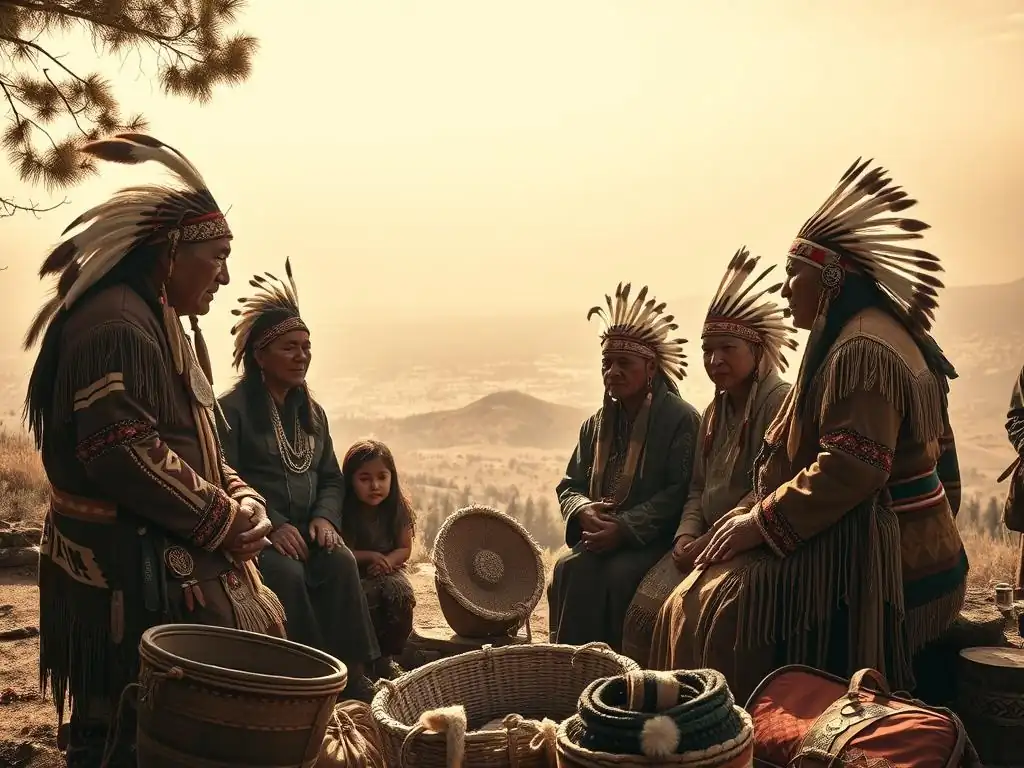
Indigenous cultures have historically played a pivotal role in shaping the identity of nations across the Americas. These cultures, with their unique traditions, languages, and worldviews, serve as foundational elements that contribute to the rich tapestry of national identity. The interaction between indigenous cultures and national identity is complex, often marked by a blend of admiration, appropriation, and marginalization.
Indigenous peoples have provided significant contributions to agriculture, governance, and social structures that have influenced national narratives. For instance, the agricultural practices of the Inca, such as terrace farming and the cultivation of diverse crops like potatoes and maize, have had a lasting impact on food systems throughout South America. Additionally, indigenous philosophies regarding communal living and ecological stewardship resonate within modern discourses on sustainability and environmental justice.
Moreover, many nations celebrate indigenous heritage through festivals, art, and cultural expressions that highlight these foundational elements. This recognition not only honors the contributions of indigenous cultures but also fosters a sense of pride among citizens, creating a more inclusive national identity. However, the challenge lies in ensuring that this acknowledgment translates into genuine respect and equitable representation.
Case Studies of Indigenous Influence on National Identity
Examining specific case studies reveals the profound influence of indigenous cultures on national identity across different countries.
- Mexico: The Mexican identity is deeply intertwined with its indigenous heritage, particularly the Aztec and Maya civilizations. Symbols such as the Aztec sun stone and traditional practices like Day of the Dead reflect the blending of indigenous and colonial histories. The Mexican government has recognized the importance of indigenous cultures, leading to constitutional reforms that promote the rights of indigenous peoples.
- Canada: The relationship between indigenous cultures and national identity in Canada is characterized by ongoing reconciliation efforts. The recognition of First Nations, Inuit, and Métis peoples as essential to the Canadian identity has led to initiatives that incorporate indigenous perspectives in education and policy-making. The Truth and Reconciliation Commission's calls to action serve to bridge the gap between indigenous and non-indigenous Canadians.
- United States: In the U.S., indigenous cultures have often been marginalized in the broader national narrative. However, movements such as Indigenous Peoples' Day reflect a growing acknowledgment of the significance of indigenous history and contributions. The incorporation of indigenous voices in literature, politics, and art is gradually reshaping the national identity to be more inclusive.
Tensions Between Preservation of Indigenous Heritage and National Unity
While the integration of indigenous cultures into national identity can foster a sense of belonging, it also raises tensions regarding the preservation of heritage and the push for national unity. The challenges arise when the narratives of indigenous peoples are overshadowed by dominant cultural discourses, leading to a homogenization of identity that risks erasing unique traditions and languages.
- Cultural Appropriation: A significant concern is the appropriation of indigenous symbols and practices by mainstream society, often without understanding their significance. This commodification can dilute the essence of indigenous cultures, leading to a superficial engagement that undermines their authenticity.
- Policy Challenges: National policies often prioritize unity over diversity, creating frameworks that may inadvertently marginalize indigenous voices. For instance, education systems may focus on a singular national narrative, neglecting the rich and diverse histories of indigenous peoples.
- Activism and Resistance: Indigenous communities continue to advocate for the recognition and protection of their cultural heritage. Movements for land rights, language preservation, and cultural education highlight the ongoing struggle against homogenization and the desire to maintain distinct identities within national frameworks.
While indigenous cultures can enrich national identities, the balance between preservation and integration remains a delicate and ongoing negotiation. Recognizing the complexity of this relationship is essential for fostering a truly inclusive and representative national identity.
Balancing Heritage and Homogenization
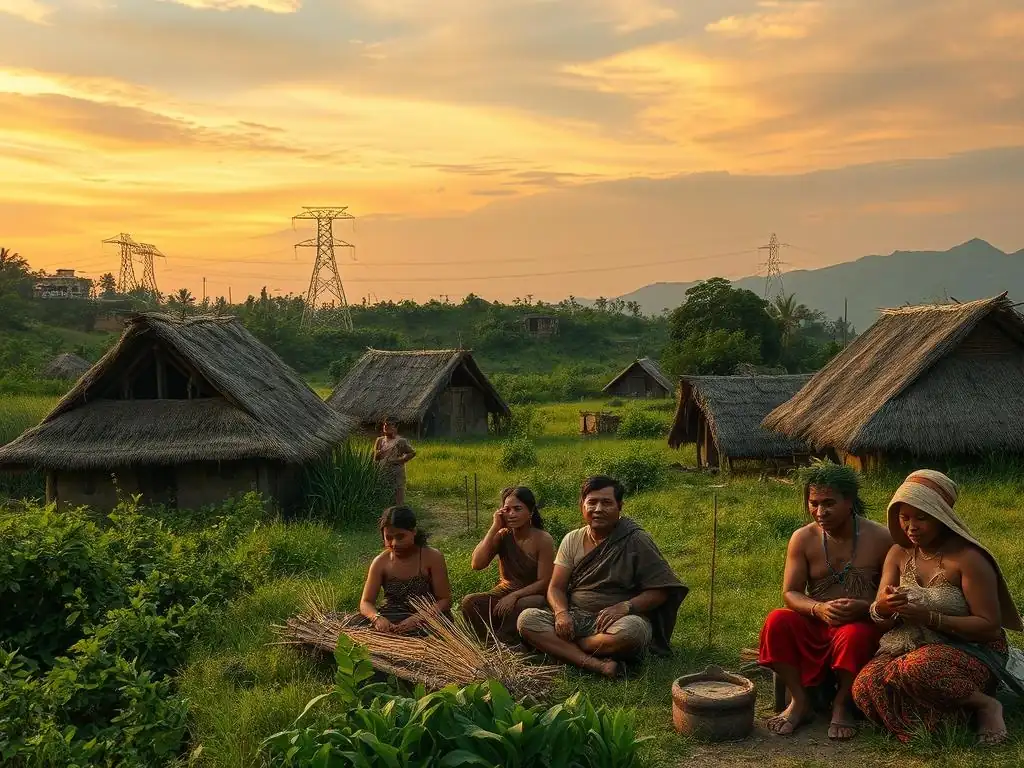
When discussing the complex relationship between indigenous cultures and national identity, it is crucial to explore the balance between preserving heritage and the pressures of homogenization. This challenge is particularly evident in the context of globalization and the increasing interconnectedness of societies, which can dilute unique cultural identities. To navigate this balance, various strategies and approaches can be employed to ensure that indigenous cultures are not only preserved but also celebrated within the broader national narrative.
Strategies for Preserving Indigenous Cultures
Preservation of indigenous cultures involves a multifaceted approach that integrates community-driven initiatives, legal frameworks, and cultural recognition. Here are some effective strategies:
- Community Empowerment: Indigenous communities must be empowered to lead their preservation efforts. This includes supporting local governance structures that prioritize cultural practices and languages.
- Legal Protections: Governments can enact laws to protect indigenous land rights and cultural heritage. For example, the American Indian Religious Freedom Act in the United States aims to protect the rights of Native Americans to practice their traditional religions.
- Cultural Revitalization Programs: Initiatives aimed at reviving traditional languages, crafts, and practices can strengthen cultural identity. For instance, the Māori Language Revitalization efforts in New Zealand have successfully increased the number of fluent speakers through educational programs and media.
- Cultural Tourism: Promoting cultural tourism that is respectful and authentic can provide economic benefits to indigenous communities while fostering appreciation for their cultures. Engaging visitors through storytelling, traditional crafts, and cultural events can enhance understanding and respect.
Role of Education in Promoting Indigenous Heritage
Education plays a pivotal role in shaping perceptions of indigenous cultures and national identity. The incorporation of indigenous perspectives into educational frameworks can foster respect and understanding:
- Curriculum Inclusion: Integrating indigenous histories, languages, and cultures into school curricula helps to counteract stereotypes and promotes a more inclusive national identity. For example, many Canadian provinces have adopted curricula that highlight indigenous contributions and experiences.
- Teacher Training: Educators must be trained to teach about indigenous cultures in a sensitive and informed manner. This includes understanding the historical context and contemporary issues facing indigenous peoples.
- Cultural Exchanges: Programs that facilitate cultural exchanges between indigenous and non-indigenous students can promote mutual respect and understanding. These exchanges often involve sharing traditional practices, stories, and perspectives, enriching the educational experience for all participants.
- Community Involvement: Engaging indigenous elders and leaders in educational settings can provide authentic insights into cultural practices and histories, creating a more nuanced understanding of their significance.
Examples of Successful Integration of Indigenous Cultures in National Identity
Several countries have made strides in integrating indigenous cultures and national identity in ways that celebrate and honor indigenous heritage:
- New Zealand: The integration of Māori culture into national identity is exemplified by the acknowledgment of the Treaty of Waitangi and the prominence of the Māori language in public life. The use of Māori terms in government, media, and education reflects a commitment to cultural recognition.
- Canada: The Truth and Reconciliation Commission (TRC) has played a crucial role in addressing historical injustices against indigenous peoples. The national commitment to recognizing indigenous rights and integrating indigenous teachings into public policies signifies a step toward reconciliation.
- Bolivia: Bolivia's constitution acknowledges the rights of indigenous populations, and the election of Evo Morales, the country's first indigenous president, marked a significant shift in national identity. The promotion of indigenous languages and cultures in governmental affairs illustrates a successful integration.
- Australia: The recognition of Aboriginal and Torres Strait Islander peoples in the national narrative has been enhanced through initiatives like the Closing the Gap framework, which aims to reduce inequalities and promote cultural pride.
These examples illustrate that the integration of indigenous cultures into national identity is not only possible but essential for fostering a more inclusive and equitable society. By balancing heritage with the inevitable forces of homogenization, nations can create a rich tapestry of identities that honor the contributions of all communities.
The Future of Indigenous Cultures in National Identity
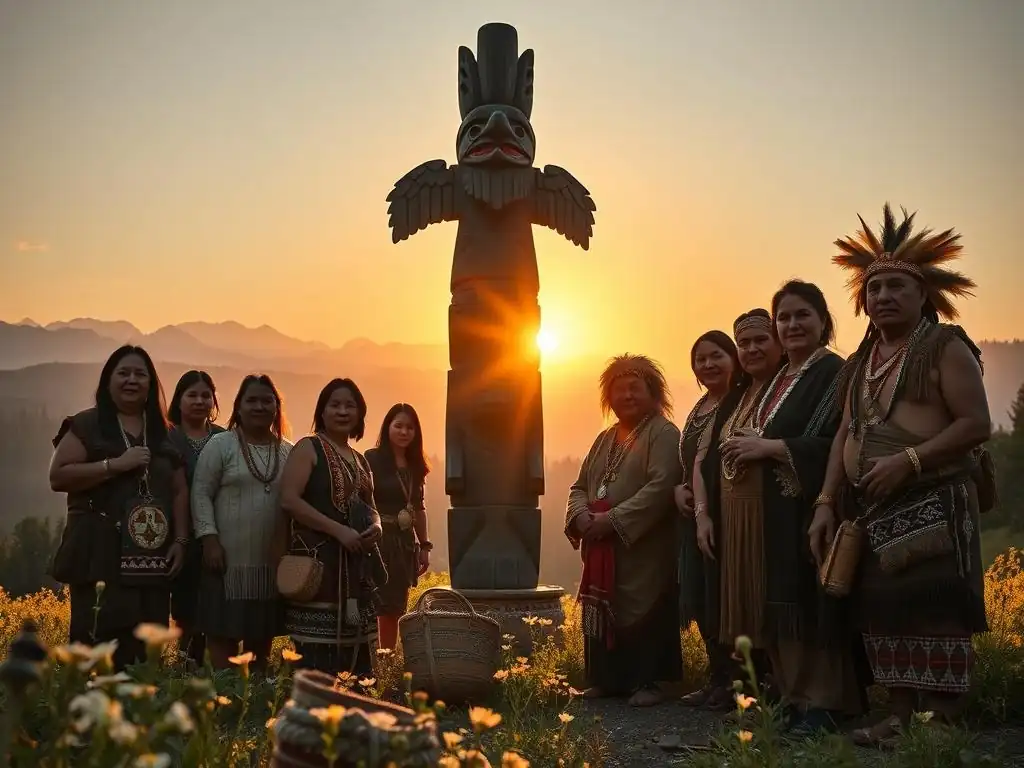
Current Trends in Indigenous Cultural Revival
In recent years, there has been a notable resurgence of interest in Indigenous cultures and national identity across the Americas. This revival encompasses various aspects, including language, traditional practices, and artistic expressions. Many Indigenous communities are actively working to reclaim their heritage, often through grassroots movements aimed at revitalizing their languages and cultural practices. For instance, programs dedicated to teaching Indigenous languages have seen a rise, with community-led initiatives successfully engaging younger generations.
One significant trend is the integration of Indigenous perspectives into educational curricula. Schools and universities are increasingly including Indigenous history and culture in their programs, fostering a greater understanding of the complexities surrounding these cultures. This shift not only empowers Indigenous students but also educates non-Indigenous populations, promoting a more inclusive national identity.
Furthermore, cultural festivals and events celebrating Indigenous heritage have gained popularity. These gatherings serve as platforms for showcasing traditional music, dance, art, and cuisine, allowing Indigenous peoples to share their rich cultural narratives with broader audiences. Such events help challenge stereotypes and foster appreciation for the diversity of Indigenous cultures, ultimately contributing to a more nuanced understanding of national identity.
The Role of Policy and Governance in Protecting Indigenous Heritage
The protection and promotion of Indigenous cultures are significantly influenced by policy and governance at various levels. Governments are increasingly recognizing the importance of safeguarding Indigenous heritage as a fundamental aspect of national identity. This acknowledgment has led to the development of policies aimed at preserving Indigenous languages, traditions, and lands. For example, the establishment of cultural heritage laws has provided legal frameworks that protect Indigenous cultural expressions from exploitation and homogenization.
In addition to legal protections, collaborative governance models involving Indigenous communities are proving effective in ensuring that their voices are heard in policy-making processes. Indigenous leaders are advocating for their rights and cultural sovereignty, resulting in the incorporation of Indigenous perspectives in national policies. This shift not only validates Indigenous cultures but also promotes a more inclusive national narrative that recognizes the contributions of these communities to the broader society.
Moreover, international frameworks, such as the United Nations Declaration on the Rights of Indigenous Peoples (UNDRIP), have played a crucial role in advocating for the rights of Indigenous peoples. Countries that align their policies with these international standards are more likely to foster an environment that respects and integrates Indigenous cultures into national identity.
Vision for a Collaborative Future: Indigenous Cultures and National Identity
Looking ahead, the vision for a collaborative future where Indigenous cultures are integral to national identity involves mutual respect, recognition, and partnership. This future hinges on creating spaces where Indigenous peoples can actively participate in shaping their narratives within the larger national context. By fostering dialogues between Indigenous communities and national governments, a more equitable relationship can be established, promoting cultural preservation and growth.
In this collaborative approach, it is essential to recognize that Indigenous cultures and national identity are not mutually exclusive; rather, they can enrich one another. The incorporation of Indigenous perspectives into national narratives can lead to a more comprehensive understanding of a country's history and identity. This integration can manifest in various ways, including the promotion of Indigenous art in public spaces, acknowledgment of traditional ecological knowledge in environmental policies, and the celebration of Indigenous achievements in national discourse.
Furthermore, ongoing education and awareness campaigns can help dismantle stereotypes and misconceptions about Indigenous cultures. By highlighting the complexities and richness of these cultures, society can move towards a more inclusive identity that honors all its constituents.
The future of Indigenous cultures within national identities will rely on embracing diversity, fostering collaboration, and recognizing the invaluable contributions of Indigenous peoples to the broader narrative of the Americas. By doing so, a more just and representative society can emerge, celebrating its past while paving the way for a harmonious future.
Summary of Key Points
The intricate relationship between indigenous cultures and national identity reveals a multifaceted dynamic that has evolved over centuries. Key points highlighted throughout the exploration include:
- Historical Contributions: Indigenous civilizations contributed significantly to agriculture, governance, and social structures long before European contact. Their innovations, such as crop cultivation techniques (e.g., the Three Sisters method of planting corn, beans, and squash), laid the groundwork for sustainable practices still relevant today.
- Cultural Resilience: Despite the pressures of colonization and modern homogenization, many indigenous cultures have demonstrated remarkable resilience. They continue to preserve languages, traditions, and customs, which are vital for maintaining their unique identities.
- National Identity Formation: The integration of indigenous cultures into national identities presents both challenges and opportunities. While some nations celebrate indigenous heritage as part of their identity, others struggle with acknowledging historical injustices and the ongoing marginalization of these communities.
- Contemporary Movements: Modern indigenous movements advocate for recognition, rights, and the inclusion of their perspectives in national dialogues. These movements emphasize the importance of viewing indigenous cultures as integral to national identity, rather than as mere vestiges of the past.
The juxtaposition of heritage and homogenization is evident in the ongoing discussions surrounding the representation of indigenous cultures in media, education, and public policy. Acknowledging and respecting these cultures is essential for fostering a more inclusive national identity that honors diversity.
Call to Action for Respecting Indigenous Cultures and Identity
To navigate the complexities of indigenous cultures and national identity, it is imperative that individuals and societies take conscious steps toward respect and understanding. Here are actionable ways to contribute positively:
- Educate Yourself and Others: Explore indigenous histories, cultures, and contributions. Engage with resources from reputable organizations and indigenous voices to gain a deeper understanding of their experiences and aspirations.
- Support Indigenous Rights: Advocate for policies that protect indigenous rights and sovereignty. This includes supporting land rights, cultural preservation initiatives, and self-determination efforts.
- Engage in Dialogue: Create spaces for open conversations about indigenous cultures within your community. Encourage discussions that acknowledge the historical context and current realities faced by indigenous peoples.
- Celebrate Indigenous Heritage: Participate in events that honor indigenous cultures, such as cultural festivals, art exhibitions, and educational programs. These events provide opportunities to appreciate the richness of indigenous traditions.
- Challenge Stereotypes and Misrepresentation: Speak out against stereotypes and misrepresentation of indigenous cultures in media and popular culture. Promote accurate portrayals that reflect the diversity and vibrancy of indigenous communities.
By taking these steps, we can contribute to a more nuanced understanding of the relationship between indigenous cultures and national identity, facilitating a path toward reconciliation and mutual respect. 🌍✨
Frequently Asked Questions
What is the main focus of the article "Heritage vs. Homogenization"?
The article explores the complex relationship between indigenous cultures and national identity, emphasizing how these cultures have influenced and been influenced by modern nation-states.
How do indigenous cultures contribute to national identity?
Indigenous cultures add richness and diversity to national identity, showcasing unique traditions, languages, and practices that enrich the cultural tapestry of a nation.
What are the challenges faced by indigenous cultures today?
Indigenous cultures face homogenization, loss of traditional practices, and marginalization within national narratives, threatening their survival and recognition in contemporary society.
Why is it important to study indigenous cultures?
Studying indigenous cultures helps to understand their achievements and contributions to society, fostering respect, appreciation, and a deeper awareness of the historical contexts that shape national identities.
How can national identity be positively influenced by indigenous cultures?
Incorporating indigenous perspectives into national identity can lead to a more inclusive portrayal of history, promoting cultural understanding and social cohesion among diverse populations.
Final Reflection: Embracing Diversity in Indigenous Cultures and National Identity
The intricate dance between heritage and homogenization is more relevant today than ever. As globalization continues to weave its threads through the fabric of society, the challenge of preserving Indigenous cultures while fostering a cohesive national identity becomes paramount.
The struggle to maintain unique cultural identities amidst a tide of uniformity is not just an Indigenous issue; it is a global concern that speaks to the heart of who we are as a society. In this era of rapid change, the voices of Indigenous peoples must be amplified, reminding us that diversity enriches our collective identity rather than diminishes it.
Cultural landscapes are continually shaped by the interplay of tradition and modernity, and the ongoing dialogue surrounding Indigenous cultures is a testament to this dynamic relationship. The resilience of Indigenous communities in the face of homogenization serves as a powerful reminder of the importance of cultural preservation. As we navigate this complexity, we must recognize that national identity is not a monolith but a mosaic of diverse experiences and histories. Diversity is not a reason for division; it is a source of strength.
This quote encapsulates the essence of our collective journey toward embracing and celebrating the richness of Indigenous cultures within our national narratives.
As we reflect on the lessons from this exploration, I invite you to consider your role in this ongoing dialogue. How can you contribute to the preservation of Indigenous cultures in your community? Whether through education, advocacy, or simply by fostering an appreciation for diversity, each of us has the power to make a difference.
Let us commit to honoring the unique identities that shape our world, ensuring that the voices of Indigenous peoples are not only heard but celebrated as integral to our shared national identity. Together, we can build a future that respects and uplifts the rich tapestry of cultures that define us.
Embrace and Celebrate Indigenous Cultures Today!
Thank you for taking the time to explore the intricate relationship between Indigenous cultures and national identity. Your interest plays a crucial role in honoring and preserving these unique heritages. Now is the moment to turn knowledge into action! Here’s how you can make a difference:
- Engage with Indigenous Voices: Seek out and follow Indigenous creators, artists, and activists who share their stories and experiences. Amplifying their voices fosters deeper understanding and connection.
- Attend Local Cultural Events: Participate in community gatherings and festivals that celebrate Indigenous traditions. Your presence can show support and help raise awareness.
- Share Your Knowledge: Start a conversation with your friends or on social media about what you've learned. Your insights could inspire others to appreciate the richness of Indigenous cultures and their role in our shared history.
How will you contribute to preserving and celebrating Indigenous cultures in your community?