
Cahokia's Trade Networks: The Science Behind Their Economic Success

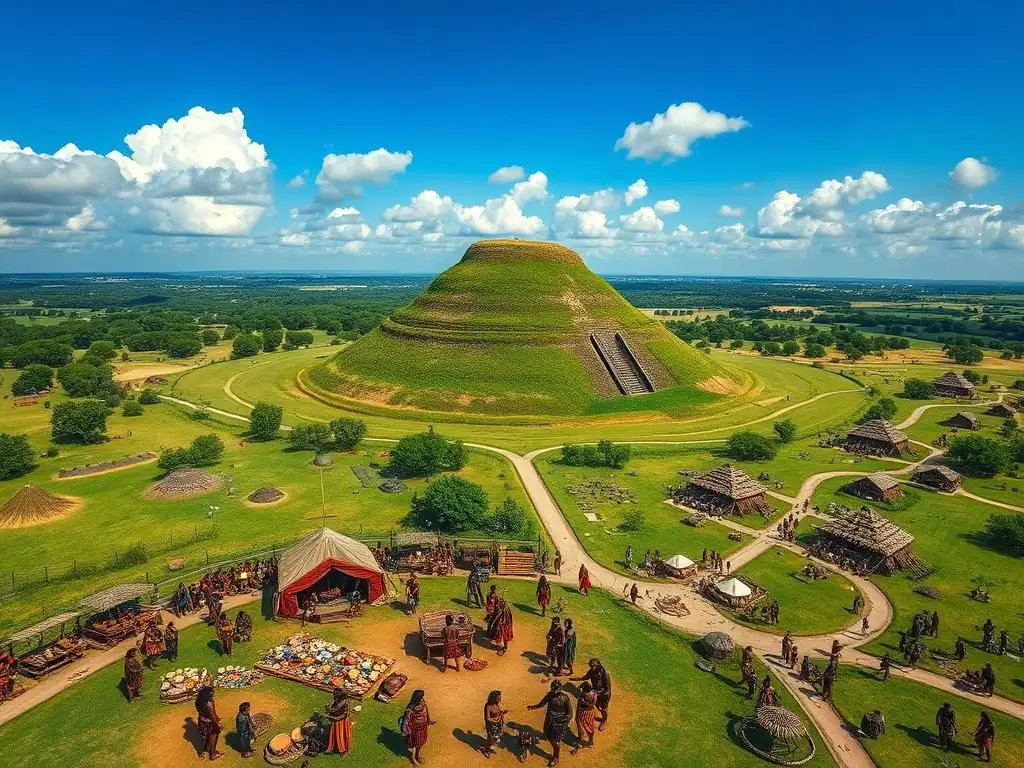
Welcome to Indigenous Civilizations of the Americas, where we delve into the rich tapestry of indigenous cultures that flourished across the continent long before European influence reshaped their world. In today’s featured article, “Cahokia's Trade Networks: The Science Behind Their Economic Success,” we invite you to uncover the intricate trade networks that made Cahokia a thriving hub of economic activity.
What secrets did these networks hold, and how did they shape the lives of those who lived in this remarkable civilization? Join us on this captivating journey to explore the ingenuity and resilience of the Cahokian people, and discover the lasting impact of their legacy in the history of the Americas.
- Introduction to Cahokia's Trade Networks
- The History of Cahokia Trade Networks
- Trade Goods and Economic Exchange
- The Science Behind Cahokia's Trade Networks
- Social and Political Structures Supporting Trade
- Comparative Analysis of Cahokia Trade Networks
- Conclusion: The Legacy of Cahokia's Trade Networks
- References and Further Reading on Cahokia Trade Networks History
- Frequently Asked Questions
- Final Reflection: The Enduring Legacy of Cahokia's Trade Networks
- Unleash Your Curiosity: Dive Deeper into Cahokia's Legacy!
Introduction to Cahokia's Trade Networks
Cahokia, one of the most significant pre-Columbian urban centers in North America, thrived between AD 600 and 1400 near present-day St. Louis, Missouri. Renowned for its impressive earthen mounds and complex societal structures, Cahokia's success was intricately linked to its extensive trade networks. These networks not only facilitated economic prosperity but also played a pivotal role in cultural exchanges among various indigenous groups across the continent. This article delves into the Cahokia trade networks history, exploring the scientific underpinnings of their economic success and the vital role trade played in shaping Cahokia's rich cultural tapestry.
Overview of Cahokia's Economic Landscape
At its peak, Cahokia was home to tens of thousands of residents and served as a hub for commerce and trade across the Mississippi River Valley. The economic landscape of Cahokia was characterized by:
- Diverse Trade Goods: Cahokia's trade networks were fueled by a variety of goods, including:
- Agricultural Products: Corn, beans, and squash formed the backbone of the local economy.
- Crafted Items: Pottery, tools, and ornamental artifacts showcased the advanced craftsmanship of Cahokians.
- Exotic Materials: Items such as copper, shells, and obsidian were traded from distant regions, highlighting extensive trade connections.
- Strategic Location: Situated near major rivers, Cahokia had access to essential transportation routes, allowing for efficient movement of goods and ideas. This advantageous position enabled the city to interact with various tribes and communities, expanding its reach and influence.
- Marketplaces and Trade Centers: Evidence suggests that Cahokia featured organized marketplaces where traders could exchange goods. These centers facilitated not only economic transactions but also cultural interactions, leading to a dynamic exchange of ideas and practices.
Importance of Trade in Cahokia's Culture
Trade was not merely an economic activity in Cahokia; it was a cornerstone of their cultural identity and social structure. The significance of trade can be seen in several key areas:
- Cultural Exchange: Through trade, Cahokians engaged with diverse tribes, leading to the exchange of cultural practices, art forms, and religious beliefs. This interaction enriched Cahokia's cultural landscape, fostering a sense of unity and shared identity among different groups.
- Social Stratification: The wealth generated from trade contributed to the development of social hierarchies within Cahokia. Elite classes often emerged as powerful traders and leaders, influencing political and social dynamics within the community.
- Religious and Ceremonial Significance: Trade routes were often interwoven with religious practices, as certain goods carried spiritual importance. Rituals and ceremonies often accompanied trade events, reinforcing the cultural significance of these interactions.
The Cahokia trade networks history provides a fascinating glimpse into how trade shaped the economic, social, and cultural dynamics of this remarkable civilization. Understanding these networks is essential for appreciating the complexities of Cahokia's achievements and its lasting legacy in indigenous history.
The History of Cahokia Trade Networks
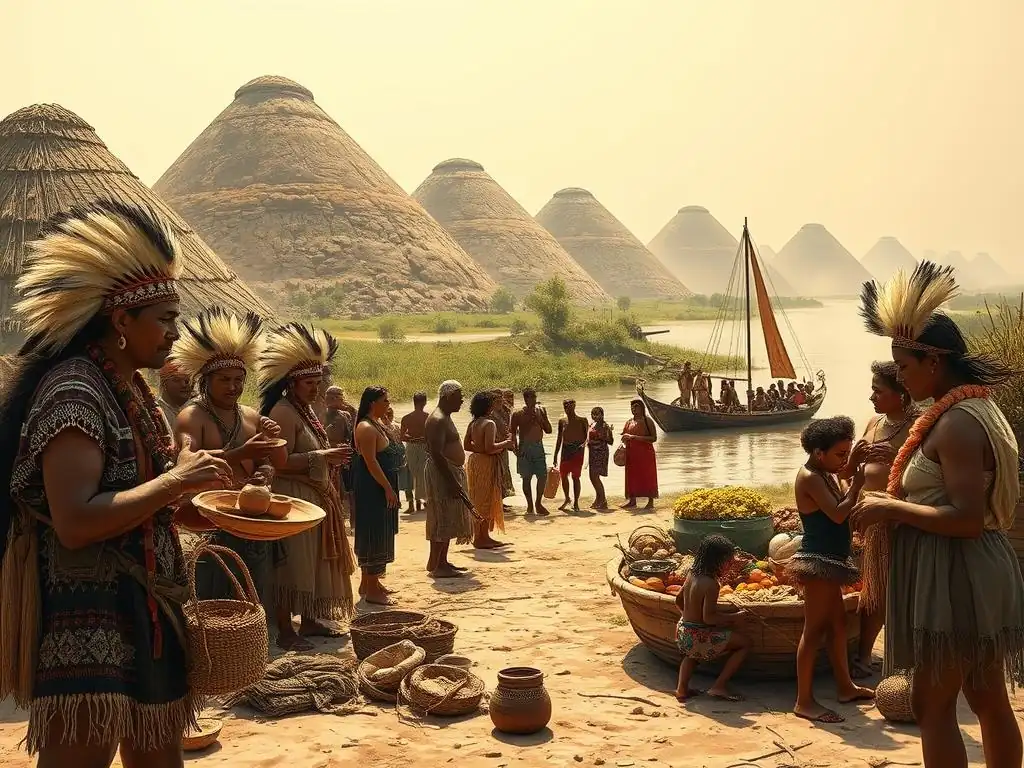
Understanding the history of Cahokia trade networks provides essential insights into how one of the most significant urban centers of pre-Columbian America thrived economically. The intricate systems of exchange among the various indigenous cultures illustrate not only their resourcefulness but also their societal complexity.
Origins and Development of Cahokia Trade Networks
Cahokia, located near present-day St. Louis, Missouri, emerged around 600 CE and became a major hub for trade in the Mississippi River Valley. The origins of its trade networks can be traced back to the region's rich natural resources, including fertile land, abundant waterways, and a variety of raw materials.
- Natural Resources: The area's geographical advantages allowed for the cultivation of crops such as maize, beans, and squash, which became staples of the Cahokian diet. The surplus generated by agriculture enabled the community to engage in trade.
- Cultural Exchange: As Cahokia grew, it not only attracted traders from surrounding areas but also became a melting pot of diverse cultures. This cultural exchange enriched the trade networks, leading to the incorporation of various goods and ideas.
Over time, these early networks developed into sophisticated trade routes extending across vast distances. The introduction of canoes and other forms of transportation facilitated the movement of goods, while the establishment of trade agreements with neighboring tribes further expanded their reach.
Key Historical Periods in Cahokia Trade History
The trade networks of Cahokia can be divided into several key historical periods, each characterized by distinct developments and increases in trade activity.
- Early Cahokian Period (600-900 CE):
- Trade primarily focused on local goods such as pottery, tools, and agricultural products.
- Interaction with nearby communities led to the exchange of obsidian, shells, and minerals.
- The Middle Mississippian Period (900-1250 CE):
- A significant expansion of trade networks occurred as Cahokia reached its peak population of around 20,000 inhabitants.
- Cahokia became a central trading hub, facilitating long-distance trade with both coastal and inland tribes. Goods traded included copper, flint, and even marine shells from the Gulf of Mexico.
- Late Cahokian Period (1250-1400 CE):
- As environmental changes and social upheaval began to impact Cahokia, trade dynamics shifted.
- Despite challenges, Cahokia maintained its status as a trade center, adapting to changing circumstances by diversifying its trade products and routes.
Major Trade Routes and Their Significance
Cahokia's trade networks were characterized by several major trade routes that facilitated the flow of goods and cultural exchanges. These routes were not merely pathways for trade; they played a crucial role in the social and economic fabric of Cahokian society.
- The Mississippi River Route:
- This river served as a primary artery for trade, connecting Cahokia with distant regions, including the Gulf of Mexico.
- Goods such as fish, clay for pottery, and textiles were commonly transported along this route.
- The Ohio River Route:
- Trade along the Ohio River enabled the exchange of unique resources, such as salt and various minerals.
- This route also allowed for interaction with tribes further east, broadening Cahokia's cultural and economic landscape.
- Overland Trade Trails:
- Overland routes connected Cahokia with the Great Plains and the eastern woodlands, facilitating the trade of bison hides, furs, and crafted goods.
- These routes were essential for the exchange of ideas and cultural practices, enhancing the overall social cohesion of the region.
The history of Cahokia trade networks reflects a complex interplay of economic activity and cultural exchange. The origins, key historical periods, and significant trade routes illustrate how Cahokia's trade networks not only contributed to its economic success but also shaped the broader cultural landscape of pre-Columbian America.
Trade Goods and Economic Exchange
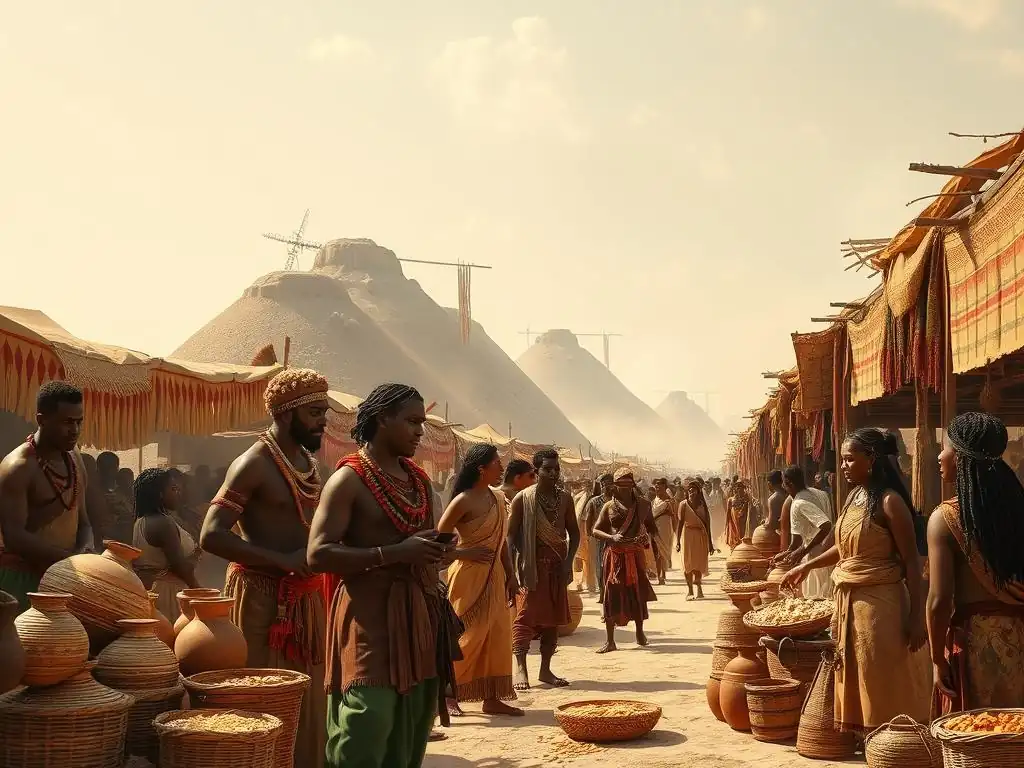
Cahokia, the largest pre-Columbian city north of Mexico, thrived between 600 and 1400 CE, and its trade networks were integral to its economic success. The exchange of goods facilitated not only commerce but also cultural interactions, making Cahokia a vibrant hub of activity. This section delves into the various types of goods traded, the significance of agriculture, and the impact of natural resources on Cahokia's trade networks.
Types of Goods Traded in Cahokia
The trade goods within Cahokia were diverse, reflecting a complex economy that supported a large urban population. Some key items included:
- Agricultural Products: Cahokia's fertile lands allowed for the cultivation of maize, beans, and squash, which were staples of the indigenous diet. These crops were often traded for other essential goods.
- Crafted Goods: Artisans in Cahokia produced pottery, tools, and textiles that were highly sought after. Items such as decorated ceramics and intricately woven baskets were not only functional but also held cultural significance.
- Shell and Stone: Cahokia was known for its use of materials like shell and stone in jewelry and tools. Shells from the Gulf Coast were particularly prized, indicating long-distance trade. The use of local stone for tools also suggests a robust local economy.
- Exotic Items: Trade networks extended as far as the Great Lakes and the Gulf of Mexico, allowing Cahokia to obtain rare items such as copper from the north and marine shells from the south. These items were often used in ceremonial contexts, enhancing their value.
The combination of local and exotic goods contributed to a vibrant marketplace, where trade was not merely about economic transactions but also about social and cultural exchanges.
The Role of Agriculture in Cahokia Trade Networks
Agriculture played a central role in the economic framework of Cahokia, underpinning its trade networks and overall societal structure. The introduction of the "three sisters" agricultural technique—growing maize, beans, and squash together—allowed for enhanced food production. This method not only maximized crop yield but also improved soil fertility.
- Surplus Production: The ability to produce surplus food enabled Cahokia to support a large population and engage in trade beyond mere subsistence. Surpluses were essential for trade, as they provided the means to acquire goods that were not locally available.
- Seasonal Trade Cycles: Agricultural cycles influenced trade patterns. For example, during harvest seasons, surplus crops could be exchanged for goods that were needed in the off-season, creating a dynamic economic rhythm.
- Cultural Rituals: Agricultural products were often tied to cultural practices and rituals, further embedding trade within the societal fabric. This connection amplified the significance of agricultural goods in trade exchanges.
In essence, agriculture was not only the backbone of Cahokia's economy but also a catalyst for its extensive trade networks.
Impact of Natural Resources on Economic Success
Cahokia's geographical location endowed it with abundant natural resources, which were pivotal to its economic prosperity. The confluence of waterways and fertile plains provided both sustenance and transport routes for trade.
- Waterways: The Mississippi River and its tributaries served as vital transportation routes. They facilitated the movement of goods and people, allowing for efficient trade with distant communities. Canoes and boats made it easier to navigate these waterways, enhancing trade networks.
- Fertile Land: The rich alluvial soil supported extensive agriculture, ensuring a stable food supply. This abundance allowed Cahokia to maintain a large population and engage actively in trade.
- Resource Accessibility: Local access to materials such as clay for pottery, minerals for tools, and timber for construction reinforced the economic framework. The availability of these resources minimized reliance on distant sources, fostering a self-sustaining economy.
The natural resources surrounding Cahokia not only supported its trade networks but also contributed to its status as a significant cultural and economic center in pre-Columbian America.
Cahokia's trade networks were a complex interplay of diverse goods, agricultural practices, and natural resources that together fostered a thriving economy. Understanding the history of Cahokia's trade networks provides insight into the broader implications of indigenous economic systems prior to European colonization.
The Science Behind Cahokia's Trade Networks
Cahokia, a pre-Columbian Native American city located near present-day St. Louis, Missouri, was a bustling hub of trade and commerce. The city's trade networks played a crucial role in its economic success and cultural exchanges with surrounding regions. Understanding the science behind these networks involves examining archaeological evidence, analyzing trade patterns through scientific methods, and identifying technological innovations that facilitated trade.
Archaeological Evidence Supporting Trade Activities
Archaeological findings provide substantial evidence of Cahokia's extensive trade networks. Excavations at the site have uncovered a variety of artifacts that indicate a thriving economy. Notable discoveries include:
- Trade Goods: Items such as shell beads, copper ornaments, and pottery from distant regions have been found in Cahokia, suggesting that the city was a central trading hub.
- Mound Structures: The construction of large earthen mounds, such as Monk's Mound, not only served ceremonial purposes but also acted as strategic locations for trade and storage.
- Urban Layout: The organized layout of Cahokia, with its plazas and residential areas, reflects a society that valued trade and interaction with neighboring cultures.
The presence of goods originating from as far away as the Gulf Coast and the Great Lakes demonstrates the breadth of Cahokia's trade networks and its role as a significant player in regional commerce.
Analysis of Trade Patterns Using Scientific Methods
To understand Cahokia's trade networks history more deeply, researchers employ various scientific methods to analyze trade patterns. Techniques include:
- Geochemical Analysis: By analyzing the chemical composition of pottery and other artifacts, scientists can trace the geographical origins of these items. This analysis has revealed connections between Cahokia and distant regions, indicating extensive trade relationships.
- Spatial Analysis: Geographic Information Systems (GIS) are used to map trade routes and assess the accessibility of different regions. This technology helps identify the most likely paths traders would have used to transport goods.
- Radiocarbon Dating: This method is essential for determining the age of artifacts and confirming the timeline of trade activities. By establishing a chronological framework, researchers can better understand the dynamics of trade in Cahokia.
These scientific approaches provide valuable insights into the complexity and scale of Cahokia's trade networks, revealing how they were integral to the city's economic prosperity and cultural exchange.
Technological Innovations and Their Impact on Trade
Cahokia's trade networks were significantly enhanced by technological innovations that facilitated the movement of goods and information. Key advancements include:
- Transportation Methods: The use of canoes and river routes allowed for efficient transportation of goods along waterways, which were the primary highways of the time. This method of transport was crucial for connecting Cahokia with other regions.
- Agricultural Techniques: Innovations in agriculture, such as the cultivation of maize, enabled surplus production. This surplus not only fed the growing population but also served as a trade commodity, allowing Cahokia to engage in barter with neighboring communities.
- Construction Techniques: The ability to construct large mounds and complexes demonstrated advanced engineering skills. These structures often served as trade centers or gathering places for commerce, further facilitating economic interactions.
The technological advancements in transportation, agriculture, and construction played a pivotal role in shaping the trade networks of Cahokia, ensuring its status as a prominent economic center in pre-Columbian America.
Cahokia's trade networks were a complex interplay of archaeology, scientific analysis, and technological innovation, all contributing to the city's remarkable success and influence in the region. Understanding this multifaceted history enhances our appreciation for the sophisticated nature of indigenous civilizations and their economic systems.
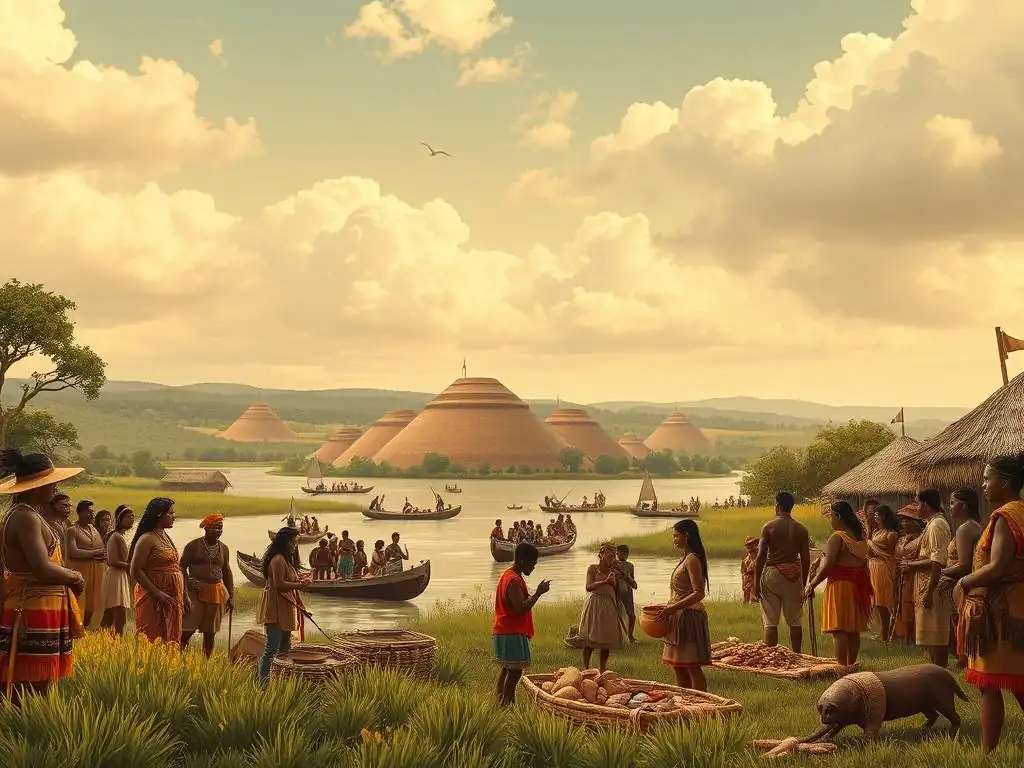
The economic success of Cahokia's trade networks was not solely founded on the exchange of goods and services; it was underpinned by a complex social and political framework. Understanding the dynamics of leadership, social hierarchies, and the role of spiritual practices provides insight into how these elements worked together to facilitate vibrant trade.
Leadership and Governance in Cahokia's Trade
Cahokia was characterized by a centralized form of governance that played a crucial role in regulating trade. The leadership structure was hierarchical, with a paramount chief at the apex, overseeing a council of elites. This council was responsible for decision-making processes that directly influenced trade policies and practices.
- Chief's Authority: The paramount chief had the power to establish trade agreements, determine trade routes, and oversee the distribution of resources. This authority helped maintain order and stability in trade operations.
- Council of Elders: The council consisted of influential leaders from various sectors, including agriculture, craft production, and trade. Their insights and experiences provided a balanced approach to governance, ensuring that diverse interests were represented.
- Legal Framework: Cahokia developed a system of laws governing trade practices, which included regulations on fair trading and penalties for dishonest practices. This legal framework fostered trust among traders, further enhancing economic exchanges.
Cahokia's society was stratified, with clear distinctions between different social classes. These hierarchies were instrumental in shaping economic interactions and trade practices.
- Elite Class: The elite class, including the paramount chief and high-ranking officials, controlled access to valuable resources and trade routes. Their status allowed them to dictate terms of trade, often resulting in preferential treatment for those within their social circle.
- Artisans and Craftspeople: Skilled artisans occupied a vital position within the trade network. They produced goods that were highly sought after, such as pottery, tools, and jewelry. Their craftsmanship not only contributed to the economy but also reinforced their social standing.
- Commoners and Laborers: While commoners and laborers had limited access to high-value trades, their roles were crucial in supporting the economic framework. They engaged in agriculture and resource gathering, providing the necessary materials for trade and ensuring the community's sustenance.
The Role of Rituals and Ceremonies in Trade Practices
Rituals and ceremonies were integral to Cahokia's trade networks, serving as both cultural expressions and practical facilitators of commerce. These practices helped to solidify relationships between traders and created a sense of community.
- Ceremonial Exchanges: Trade was often accompanied by rituals that symbolized the importance of the transaction. Ceremonial exchanges not only reinforced social bonds but also served to legitimize agreements and ensure that all parties honored their commitments.
- Rituals of Fertility and Abundance: Specific rituals aimed at promoting fertility and abundance were common, reflecting the belief that successful trade was intertwined with spiritual well-being. These practices often involved communal gatherings, where offerings were made to deities to bless the trading activities.
- Cultural Significance: The presence of ritual in trade practices underscored the cultural significance of commerce in Cahokia society. Trade was not merely an economic transaction; it was a means of reinforcing social ties and cultural identity, which ultimately contributed to the sustainability of their trade networks.
The intricate social and political structures of Cahokia provided the foundation for its trade networks. Leadership, social hierarchies, and the incorporation of rituals into economic practices combined to create a robust system that allowed Cahokia to thrive long before European contact. Understanding these dynamics is essential to appreciating the history of Cahokia's trade networks and their lasting impact on the indigenous cultures of the Americas.
Comparative Analysis of Cahokia Trade Networks
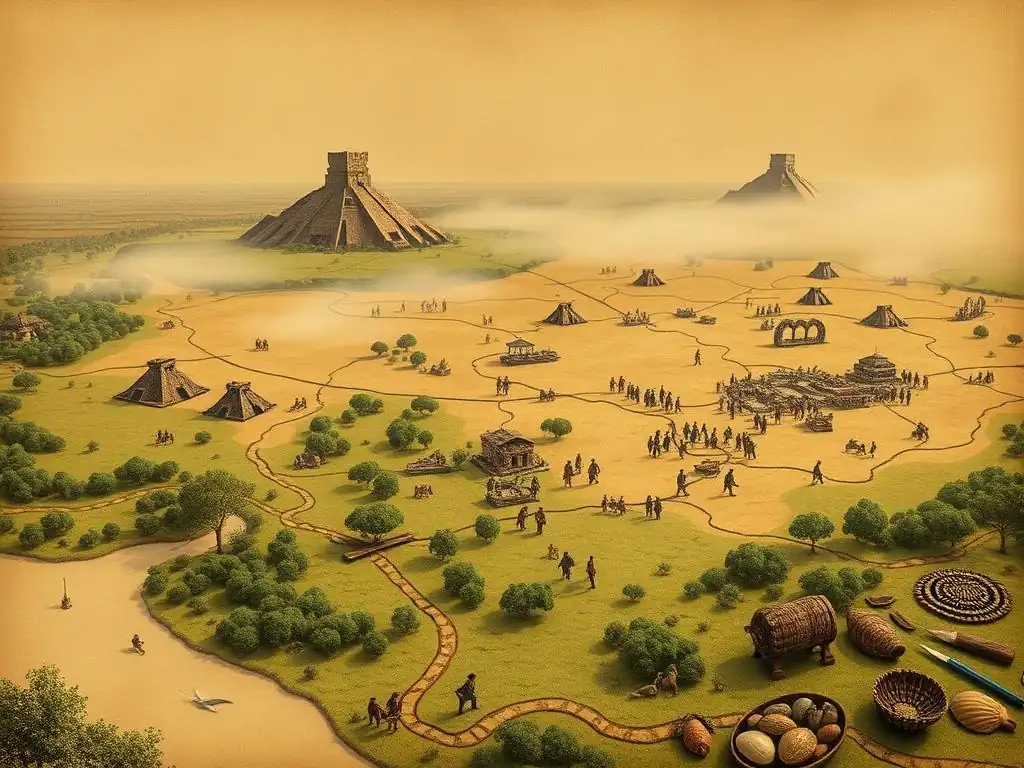
The trade networks established by Cahokia, one of the most prominent pre-Columbian urban centers in North America, are a fascinating subject of study. This section delves into how Cahokia's trade networks compare with those of other indigenous cultures, highlights unique features of its economic systems, and explores valuable lessons that can be drawn from Cahokia's trade success for contemporary economies.
Comparison with Other Indigenous Trade Networks
Cahokia's trade networks can be critically compared to those of other indigenous cultures such as the Mississippian, Ancestral Puebloans, and the Iroquois Confederacy.
- Mississippian Culture: Like Cahokia, the wider Mississippian culture engaged in extensive trade across the southeastern United States. However, Cahokia was unique in its urban scale and the complexity of its trade relationships, which included not only local goods but also items sourced from distant regions such as the Great Lakes and the Gulf Coast.
- Ancestral Puebloans: The trade networks of the Ancestral Puebloans, located in the southwestern United States, focused heavily on the exchange of turquoise, pottery, and agricultural products. In contrast, Cahokia's economy integrated a broader range of materials, including marine shells, copper, and exotic goods from as far away as the Rocky Mountains.
- Iroquois Confederacy: The Iroquois established intricate trade routes across the northeastern woodlands, primarily focusing on furs and agricultural goods. Cahokia's trade was characterized by its more centralized hub, facilitating a diverse array of goods and cultural exchanges that fostered a unique urbanized environment.
Cahokia's trade networks were distinguished by their centralized trading hubs, which allowed for the effective distribution of goods and integration of diverse cultural influences, setting it apart from other indigenous trade networks.
Unique Features of Cahokia's Economic Systems
Cahokia's economic systems showcased several unique features that contributed to its thriving trade networks:
- Geographical Advantage: Cahokia was strategically located near the confluence of the Mississippi, Missouri, and Illinois rivers, making it an ideal center for trade. This location facilitated the movement of goods and people, enhancing economic interactions.
- Specialized Craft Production: Cahokia was renowned for its skilled artisans who produced specialized items such as pottery, tools, and ornaments. This specialization allowed Cahokia to trade surplus goods, further boosting its economy.
- Social Stratification: The society of Cahokia exhibited a complex social hierarchy that influenced trade. Elites controlled trade routes and resources, which allowed them to exert power and influence over the economy, creating a system that encouraged trade among different social classes.
- Cultural Exchange: The trade networks of Cahokia were not merely economic; they also facilitated cultural exchanges. Artifacts such as pottery styles and religious items found in Cahokia show influences from distant cultures, indicating that trade was a conduit for cultural interaction.
These unique features illustrate how Cahokia's economic systems were intricately linked to its success in establishing extensive trade networks.
Lessons from Cahokia's Trade Success for Modern Economies
Cahokia's trade networks provide valuable lessons that are applicable to modern economies:
- Emphasis on Strategic Location: Just as Cahokia capitalized on its geographical positioning, modern economies can benefit from ensuring strategic locations for trade and commerce, enhancing connectivity and access to diverse markets.
- Encouraging Specialization: The value of specialized production cannot be overstated. Modern economies should encourage industries to develop specialized skills and products that can be traded, enhancing overall economic resilience.
- Promoting Cultural Exchange: Cahokia's trade networks exemplified the importance of cultural exchanges in economic development. Modern economies can benefit from fostering environments that encourage inter-cultural dialogue and collaboration, leading to innovation and growth.
- Managing Social Hierarchies: Understanding the dynamics of social stratification can inform modern economic policies. Striving for equitable trade practices and ensuring that benefits are distributed fairly can help create more sustainable economic systems.
Examining the Cahokia trade networks history reveals not only the complexities of their economic systems but also the enduring lessons that can be adapted to contemporary economic practices. By recognizing the interconnectedness of trade, culture, and society, we can glean insights that transcend time.
Conclusion: The Legacy of Cahokia's Trade Networks
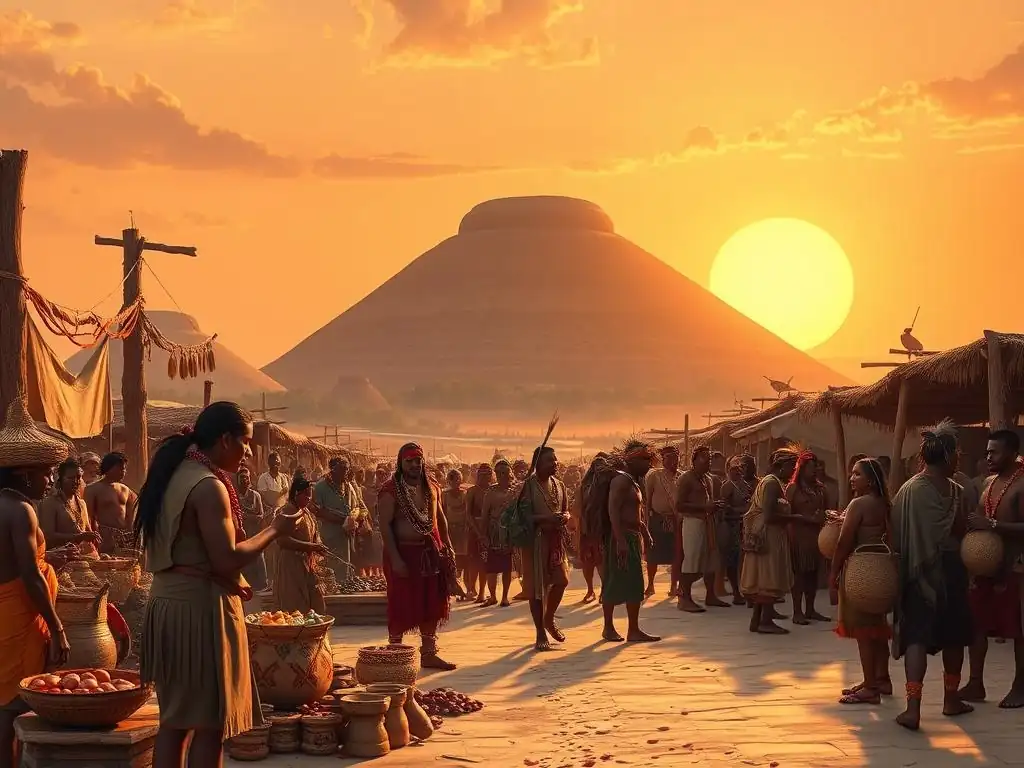
Cahokia's trade networks were a remarkable testament to the economic ingenuity and complexity of pre-colonial indigenous societies in the Americas. The interconnectivity established through these networks not only facilitated the exchange of goods but also fostered cultural interactions and the sharing of ideas. This legacy continues to resonate today, offering insights into the sophisticated systems of trade that once thrived in the Mississippi River Valley.
The Cahokian economy was characterized by its diversification, as evidenced by the trade of various goods, including pottery, tools, and agricultural products. The scale of these networks allowed Cahokia to emerge as a pivotal hub in a larger system that spanned vast distances. This economic prowess contributed to the city's growth and influence, shaping the social and political landscape of the region.
Lasting Impact of Cahokia's Economic Practices
The economic practices that arose from Cahokia's trade networks had profound and lasting impacts on both local and distant communities. By facilitating the exchange of not only material goods but also cultural practices, Cahokia helped to create a shared identity among various tribes and communities. This interconnectedness fostered a sense of unity and collaboration, which was crucial for survival and prosperity in a time characterized by environmental and social challenges.
- Cultural Exchange:
- Goods exchanged included shells, copper, and obsidian, which were not locally available. Their presence in Cahokia reflects the extensive reach of its trade networks.
- The spread of agricultural techniques and crop varieties, such as maize, was pivotal for food security in surrounding regions.
- Economic Influence:
- Cahokia's economic practices influenced neighboring groups, leading to the establishment of similar trade routes and practices that echoed the Cahokian model.
- The wealth generated from trade contributed to the political power of Cahokia, allowing for the construction of monumental earthworks and public spaces, such as Monks Mound.
The enduring legacy of these practices can be observed in the archaeological record, with evidence of trade goods found in various sites across the Midwest, demonstrating the far-reaching influence of Cahokia.
Reflections on Indigenous Trade Networks in Historical Context
The history of indigenous trade networks like those of Cahokia highlights the sophistication and agency of indigenous cultures prior to European contact. These networks were not merely economic systems; they were integral to the social fabric and cultural identity of the communities involved.
- Complexity of Trade:
- Cahokia's trade networks exemplified a complex understanding of resource management and economic strategy. The ability to navigate and sustain these networks reflects advanced organizational skills and knowledge of geography.
- Comparative Analysis:
- When compared to other indigenous trade systems, such as those in Mesoamerica or the Pacific Northwest, Cahokia's networks reveal a unique adaptation to their specific environmental challenges and opportunities.
- Modern Implications:
- Understanding the history of Cahokia's trade networks invites a reevaluation of indigenous contributions to economic systems, challenging narratives that often marginalize these cultures in historical discourse.
The Cahokia trade networks history serves as a crucial reminder of the economic sophistication and resilience of indigenous civilizations. By exploring these networks, we not only gain insight into the past but also inspire a greater appreciation for the rich tapestry of cultures that shaped the Americas long before European colonization.
References and Further Reading on Cahokia Trade Networks History
Suggested Academic Sources
To gain a deeper understanding of the intricate trade networks that flourished in Cahokia, the following academic sources provide valuable insights:
-
“The Cahokia Trade Network: A Study of the Exchange System” by Timothy R. Pauketat
This research paper explores the extensive trade routes utilized by the Cahokian society, detailing the types of goods exchanged and the socio-economic implications of these networks.
-
“Cahokia: Ancient America’s Great City on the Mississippi” by Charles E. Orser Jr.
This scholarly article analyzes the economic structures of Cahokia, with a focus on trade relationships with other indigenous cultures across North America.
-
“The Social and Economic Organization of Cahokia” by David H. Dye
This comprehensive study investigates how Cahokia’s trade networks were integral to its social hierarchy and economic prosperity, supported by archaeological findings.
-
“Material Culture and Trade in Prehistoric North America” by Ellen Sue Turner
This work contextualizes Cahokia within the broader framework of indigenous trade practices, examining material exchanges and their significance in cultural identity.
-
“Trade Networks in the Pre-Columbian Americas” by John F. Richards
This book provides a comparative analysis of various trade networks across indigenous civilizations, including Cahokia, assessing their impacts on regional interactions.
Recommended Books on Indigenous Trade Practices
For those interested in exploring indigenous trade networks beyond Cahokia, the following books are highly recommended:
| Title | Author | Description |
|---|---|---|
| “Trade and Exchange in Pre-Columbian North America” | David Hurst Thomas | This book offers an overview of trade systems across North America, highlighting the diversity of practices among different indigenous cultures. |
| “Economics and Politics in the Pre-Columbian Americas” | Susan A. Alt | A detailed examination of the economic strategies employed by indigenous societies, including an in-depth look at Cahokia's trade dynamics. |
| “Cahokia and the Mississippian World” | Thomas E. Emerson, et al. | This comprehensive volume provides context on Cahokia’s role within the larger Mississippian culture, including insights on trade practices and societal structures. |
| “Indigenous Trade Networks in North America” | Robin A. K. Smith | An exploration of the various trade routes established by indigenous peoples, with a focus on how these networks facilitated cultural exchange. |
| “The Archaeology of Trade: Prehistoric Exchange in North America” | Michael S. Nassaney | This scholarly work discusses the archaeological evidence of trade practices and their implications for understanding indigenous economies. |
These references and books serve as a foundation for further exploration of Cahokia’s trade networks and their historical significance within the broader context of indigenous cultures in the Americas.
Frequently Asked Questions
What were the Cahokia trade networks?
Cahokia trade networks were complex systems of exchange that connected the Cahokia civilization with various regions, facilitating the movement of goods, ideas, and cultural practices.
How did Cahokia's location influence its trade?
Cahokia's strategic location near the Mississippi River allowed for easy transportation of goods and access to various resources, enhancing its role as a major trade hub.
What types of goods were traded in Cahokia?
Cahokia's trade networks included a variety of goods such as shells, copper, pottery, and agricultural products, showcasing the diversity of its economic activities.
What impact did Cahokia trade networks have on indigenous cultures?
The trade networks established by Cahokia fostered cultural exchange and interaction among different tribes, significantly influencing their societal development and relationships.
How did Cahokia's trade networks contribute to its economic success?
Cahokia's trade networks promoted economic prosperity by enabling access to diverse resources, which supported a thriving population and facilitated advancements in agriculture and craftsmanship.
Final Reflection: The Enduring Legacy of Cahokia's Trade Networks
Cahokia's trade networks exemplify how interconnectedness can drive economic success and cultural exchange, a concept that resonates profoundly in our globalized world today. As we navigate the complexities of modern trade and communication, the lessons from Cahokia remind us that collaboration and strategic partnerships are vital for thriving in any economic landscape. The ingenuity of Cahokia's trade systems not only facilitated the exchange of goods but also fostered a rich tapestry of cultural interactions that shaped the identity of its people.
The influence of Cahokia's trade networks extends far beyond its historical context, impacting our understanding of economic systems and social structures today. The intricate web of trade routes and relationships established by the Cahokians serves as a powerful reminder of the importance of connectivity in fostering community and prosperity. Trade is not just about goods; it's about relationships and the stories we share.
This quote encapsulates the essence of how trade has always been a vehicle for cultural exchange, shaping societies and their values throughout history.
As we reflect on the remarkable achievements of Cahokia, let us consider how we can apply these lessons in our own lives. I invite you to explore the networks you are part of—be they personal, professional, or cultural—and think about how you can strengthen these connections. By fostering collaboration and embracing diversity, we can create a more vibrant and resilient community, much like the thriving society of Cahokia that once flourished through its remarkable trade networks.
Unleash Your Curiosity: Dive Deeper into Cahokia's Legacy!
Thank you for joining us on this journey through Cahokia's fascinating trade networks! You've gained insights into how their economic success flourished through innovation and connections. Now, it's time to take action and explore this remarkable civilization further.
Here’s how you can deepen your understanding and engage with the legacy of Cahokia:
- Explore your local history: Visit museums or historical sites that showcase Native American cultures. You might uncover surprising connections to Indigenous trade practices!
- Share your newfound knowledge: Discuss what you’ve learned with friends or on social media to inspire others to appreciate Indigenous histories.
- Join a community forum: Engage with others interested in Indigenous civilizations to exchange ideas, resources, and experiences related to Cahokia and its rich heritage.
What aspects of Cahokia's trade networks intrigue you the most? How can we continue to learn from their success today?