
Reclaiming Heritage: Indigenous Land Rights and Cultural Revival

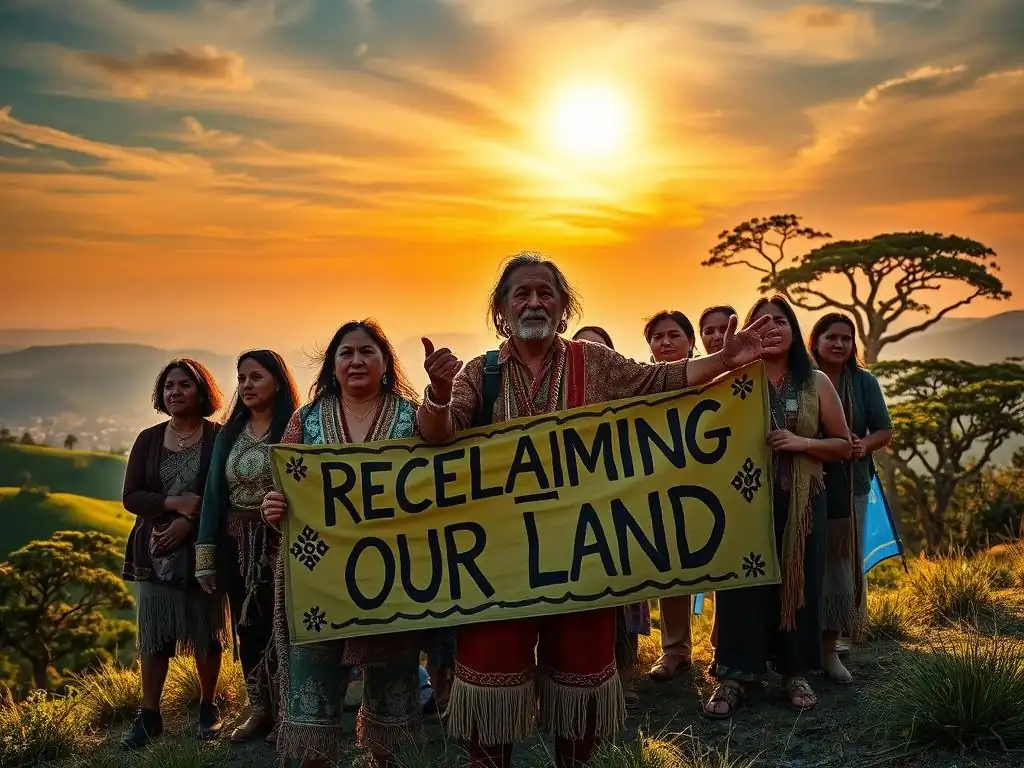
Welcome to Indigenous Civilizations of the Americas, where we invite you to embark on a fascinating journey through the rich tapestry of pre-colonial societies that shaped the continent. In our featured article, "Reclaiming Heritage: Indigenous Land Rights and Cultural Revival," we delve into the crucial topic of Indigenous land rights in America, exploring how these rights are intricately linked to cultural identity and historical legacy.
As you navigate through the diverse narratives and achievements of these vibrant civilizations, prepare to uncover the profound impact they have had on contemporary discussions around land and sovereignty. Your exploration begins now—join us to learn, reflect, and engage with the stories that continue to resonate today.
- Introduction to Indigenous Land Rights in America
- Historical Context of Indigenous Land Rights
- Current Status of Indigenous Land Rights in America
- Challenges Facing Indigenous Land Rights
- Cultural Revival and Its Connection to Land Rights
- Strategies for Advocating Indigenous Land Rights
- Conclusion: The Future of Indigenous Land Rights in America
- Frequently Asked Questions
- Final Reflection: Reclaiming Heritage through Indigenous Land Rights
- Reclaim Your Roots: Take Action for Indigenous Heritage
Introduction to Indigenous Land Rights in America
Indigenous land rights in America represent a crucial aspect of the ongoing struggle for justice and recognition among Native communities. This topic encompasses a rich tapestry of historical injustices, legal battles, and cultural revival efforts that highlight the deep connection between indigenous peoples and their ancestral lands.
Before European colonization, diverse indigenous civilizations thrived across the Americas, cultivating unique relationships with the land that were integral to their identities, social structures, and spiritual practices. As the fight to reclaim these rights continues into the modern era, understanding the historical context and significance of land is essential for recognizing the resilience of indigenous cultures and their ongoing contributions to contemporary society.
Overview of Indigenous Land Rights
Indigenous land rights in America stem from a long history of dispossession and colonization. Following the arrival of European settlers, many indigenous communities were forcibly removed from their territories through treaties, wars, and policies such as the Indian Removal Act of 1830. These actions not only stripped indigenous peoples of their land but also disrupted their traditional ways of life, leading to significant cultural and social ramifications.
In recent decades, there has been a resurgence in the recognition of indigenous land rights, as many tribes and nations have initiated legal actions to reclaim their ancestral lands. Landmark cases, such as the 1978 Supreme Court decision in United States v. Sioux Nation of Indians, have set precedents for indigenous claims. Additionally, movements like the Native American Graves Protection and Repatriation Act (NAGPRA) have sought to restore indigenous control over cultural heritage and burial sites.
Despite progress, challenges remain. Many indigenous communities continue to face legal and bureaucratic obstacles in their pursuit of land rights. The need for comprehensive policies that respect and uphold these rights is more urgent than ever, as the impacts of climate change and resource extraction threaten not only the land but also the cultural heritage of indigenous peoples.
Importance of Land in Indigenous Cultures
For indigenous cultures, land is not merely a physical space; it is a living entity imbued with spiritual significance and cultural identity. The connection to the land shapes the worldview, traditions, and practices of indigenous peoples, emphasizing stewardship and reciprocity rather than ownership.
- Cultural Practices: Many indigenous ceremonies, rituals, and traditions are intricately tied to specific landscapes, flora, and fauna. For example, the Pueblo peoples of the Southwest engage in agricultural practices that reflect their deep understanding of the land's ecosystems.
- Social Structure: Land often serves as a basis for community organization, governance, and social relationships. For many tribes, land is a source of identity and belonging, reinforcing ties between generations.
- Spiritual Connection: The land is considered sacred, and many indigenous beliefs center around the idea of an interconnectedness with nature. This spiritual relationship influences their approach to land management and conservation.
The struggle for indigenous land rights in America is not just a legal battle; it is a movement to reclaim identity, culture, and heritage. Understanding the importance of land in indigenous cultures is vital for appreciating the depth of this struggle and the resilience of the communities involved. As these movements gain momentum, they not only seek to restore rights but also to revitalize cultural practices and affirm the enduring legacy of indigenous peoples in the Americas.
Historical Context of Indigenous Land Rights
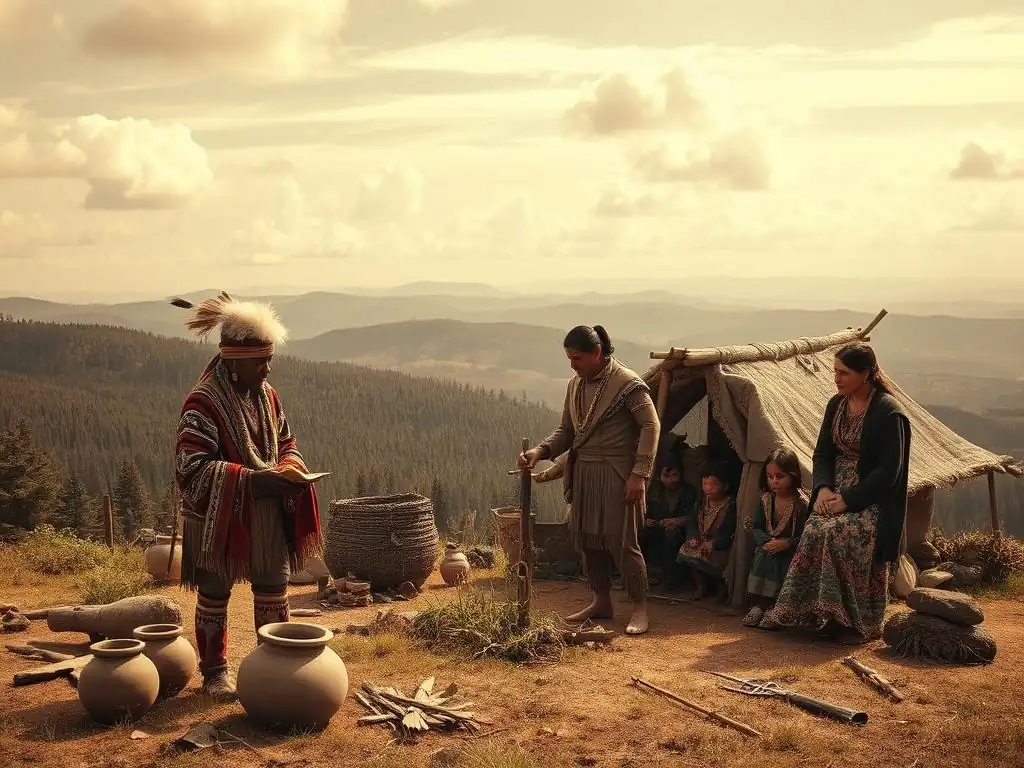
Pre-Colonial Land Use and Ownership
Indigenous land rights in America have a rich history rooted in the diverse ways that various cultures understood and interacted with their environment long before European contact. Unlike the European concept of land ownership, many indigenous cultures viewed land as a communal resource, intertwined with their identity, spirituality, and survival.
- Land as Sacred: For many indigenous peoples, land was not merely a commodity but a sacred entity. It was seen as a living part of their community, imbued with meaning and history. This connection fostered a deep sense of stewardship rather than ownership, leading to sustainable practices that preserved ecosystems.
- Resource Management: Indigenous groups developed sophisticated management techniques for agriculture, hunting, and resource gathering. For instance, the Iroquois Confederacy utilized crop rotation and companion planting, contributing to food security. Similarly, the Plains tribes practiced controlled burns to manage buffalo populations and promote new growth.
- Territorial Boundaries: While communal, some indigenous groups established clear territorial boundaries, utilizing natural landmarks for delineation. This helped maintain peaceful coexistence among tribes and allowed for resource allocation based on seasonal migrations and ecological needs.
The understanding of land rights as a communal and sacred bond highlights the fundamental differences between indigenous perspectives and European views, setting the stage for conflict during colonization.
Impact of European Colonization on Indigenous Lands
The arrival of European settlers in the Americas marked a profound and often devastating shift in the land rights of indigenous peoples. Colonization brought about significant changes that led to widespread dispossession and cultural disruption.
- Doctrine of Discovery: This legal doctrine, rooted in European imperialism, asserted that lands not inhabited by Christians were available for claim. This justified the seizure of indigenous territories under the guise of exploration and discovery, disregarding the existing relationships and rights of indigenous communities.
- Land Treaties and Broken Promises: Many treaties were established between indigenous nations and colonial powers, often promising land rights and protection. However, these agreements were frequently ignored or violated. For example, the Treaty of Fort Laramie (1851), which was intended to protect indigenous lands, was later undermined by gold rushes and settler expansion.
- Cultural and Economic Impact: The loss of land disrupted traditional ways of life, leading to economic hardship and social disintegration. Indigenous communities faced forced relocations, such as the Trail of Tears, which not only resulted in loss of territory but also profound trauma and loss of life.
The impact of colonization on indigenous land rights is marked by a history of dispossession, broken treaties, and cultural upheaval, fundamentally altering the landscape of indigenous existence in America.
Key Treaties and Land Dispossession Events
Several key treaties and events throughout American history have significantly shaped the landscape of indigenous land rights, illustrating the ongoing struggle between indigenous peoples and colonial or state authorities.
- Treaty of Paris (1783): This treaty ended the American Revolutionary War and failed to address the rights of indigenous nations. The new United States government began expanding westward, further encroaching on indigenous territories without consent.
- Indian Removal Act (1830): This act authorized the forced removal of indigenous tribes from their ancestral lands in the southeastern U.S., culminating in tragic events like the Trail of Tears, where thousands suffered and died during forced relocations.
- Dawes Act (1887): Intended to assimilate indigenous peoples into American society, the Dawes Act divided tribal lands into individual allotments. The remaining land was sold to non-Indigenous settlers, resulting in significant land loss for tribes. This act aimed to undermine communal land rights and dismantle tribal sovereignty.
- Wounded Knee Massacre (1890): This tragic event marked the end of the Indian Wars and symbolized the violent suppression of indigenous peoples and their rights. It served as a stark reminder of the lengths to which the U.S. government would go to quell indigenous resistance.
These treaties and events are crucial in understanding the historical context of indigenous land rights in America and the ongoing impact of colonization. They highlight the struggle for recognition, justice, and the reclamation of land that continues to this day.
Current Status of Indigenous Land Rights in America
Overview of Legal Frameworks Supporting Indigenous Claims
The legal landscape surrounding Indigenous land rights in America is complex and multifaceted, shaped by a mixture of federal, state, and tribal laws. Several key legal frameworks have emerged to support Indigenous claims to land:
- Treaties: Historically, treaties were agreements between Indigenous nations and the United States government that often included stipulations regarding land ownership. Many of these treaties have been violated or ignored, but they still serve as a basis for legal claims today.
- Indian Reorganization Act of 1934: This landmark legislation aimed to reverse some of the damage done by previous policies, restoring a degree of self-governance and land management to tribes. It allowed tribes to create their own governments and regain some lost lands.
- Public Law 280: Enacted in 1953, this law transferred criminal jurisdiction over certain tribal lands to the states, complicating the legal landscape for land rights and sovereignty. It has led to ongoing debates about the extent of tribal authority.
- The Native American Graves Protection and Repatriation Act (NAGPRA): Enacted in 1990, NAGPRA aims to protect Native American cultural heritage by providing a process for the return of cultural items, including ancestral remains and sacred objects, to Indigenous peoples.
- United Nations Declaration on the Rights of Indigenous Peoples (UNDRIP): Although not legally binding, UNDRIP provides a framework for the rights of Indigenous peoples worldwide, emphasizing the right to land, territories, and resources. Many Indigenous groups in America reference UNDRIP in their sovereignty and land rights claims.
These frameworks collectively contribute to the ongoing struggle for Indigenous land rights in America, providing both challenges and opportunities for Indigenous communities seeking to reclaim their ancestral lands.
Major Land Rights Movements and Organizations
Numerous movements and organizations have emerged over the decades, advocating for Indigenous land rights in America. These groups work tirelessly to promote awareness, foster solidarity, and influence policy. Some notable movements and organizations include:
- American Indian Movement (AIM): Founded in 1968, AIM addresses issues of sovereignty, treaty rights, and the preservation of Indigenous culture. The movement gained prominence during the 1970s, notably through events such as the occupation of Alcatraz Island and Wounded Knee.
- National Congress of American Indians (NCAI): Established in 1944, the NCAI is the oldest and largest organization representing Indigenous interests in the U.S. It plays a crucial role in advocating for federal policies that support land rights and tribal sovereignty.
- Indigenous Environmental Network (IEN): This organization focuses on environmental justice and the protection of Indigenous lands from industrial exploitation. The IEN emphasizes the interconnection between environmental health and Indigenous land rights.
- United Nations Indigenous Peoples’ Forum: A platform for Indigenous representatives to share their concerns and advocate for rights at the international level. This forum has facilitated discussions about land rights and environmental protection on a global scale.
- Land Back Movement: This grassroots movement seeks to return land to Indigenous peoples, emphasizing the ethical and historical injustices faced by these communities. The movement advocates for reparative justice through land reclamation and recognition of sovereignty.
Through these movements and organizations, advocates for Indigenous land rights in America are fostering a resurgence of cultural pride and sovereignty, while also confronting the ongoing ramifications of colonialism.
Case Studies of Successful Land Reclamation
Several Indigenous communities across America have successfully reclaimed their ancestral lands through persistent advocacy and legal battles. Here are some prominent case studies:
- The Pequot Tribe: In the 1980s, the Mashantucket Pequot Tribe successfully litigated for the restoration of their tribal sovereignty and land. The tribe transformed their reclaimed land into a thriving casino, Foxwoods Resort Casino, which has become one of the largest in the world. This reclamation has fueled economic development and cultural revival within the community.
- The Akwesasne Mohawk Nation: The Akwesasne Mohawk Nation has engaged in legal battles for decades to reclaim land along the U.S.-Canada border. Their efforts have led to significant recognition of their sovereignty and rights to traditional lands, including successful negotiations for land use agreements that respect their jurisdiction.
- The Yurok Tribe: In recent years, the Yurok Tribe of Northern California has worked to reclaim lands along the Klamath River. Through legal negotiations and partnerships with environmental organizations, they have regained significant portions of their traditional territory, which has allowed the tribe to restore culturally significant landscapes and practices.
- The Blackfeet Nation: The Blackfeet Nation successfully reclaimed a portion of their traditional territory in Montana after decades of advocacy. The land was returned to the tribe in 2018, allowing for the restoration of sacred sites and cultural practices tied to the land.
- The Sioux Nation: The Sioux Nation has pursued legal avenues to reclaim the Black Hills, an area sacred to their people that was ceded through treaty violations. The ongoing legal claims highlight the complexities of land rights and the quest for reparative justice.
These case studies exemplify the resilience and determination of Indigenous communities in their fight for land rights, showcasing the potential for cultural revival and restoration of traditional practices through successful land reclamation efforts.
Challenges Facing Indigenous Land Rights
The struggle for Indigenous land rights in America is multifaceted, encompassing a range of challenges that hinder the reclamation and preservation of traditional territories. These challenges stem from historical injustices, contemporary legal frameworks, socioeconomic disparities, and environmental threats. Understanding these factors is essential for advocating for Indigenous rights and fostering cultural revival.
Legal Hurdles in Reclaiming Land
One of the most significant challenges facing Indigenous communities in their quest for land rights is the complex legal landscape. Several factors contribute to these legal hurdles:
- Historical Treaties and Agreements: Many Indigenous nations signed treaties with colonial and later U.S. governments, often under coercive circumstances. These treaties frequently involved the cession of vast land areas in exchange for limited rights or services. The interpretation and enforcement of these treaties can be inconsistent, leading to disputes over land ownership and usage rights.
- Land Title Recognition: Gaining formal recognition of land title is a significant barrier. Many Indigenous groups lack legal title to their ancestral lands due to historical land dispossession. The process of obtaining recognition can be protracted and requires navigating a complex bureaucratic system that may not be conducive to Indigenous needs.
- Judicial Precedents: The outcomes of landmark legal cases, such as United States v. Sioux Nation of Indians, have set important precedents regarding land claims. However, these cases often reveal systemic biases in the legal system that disadvantage Indigenous claimants.
- Federal and State Policies: Indigenous land rights are often subject to changes in federal and state policies, which can be influenced by political agendas. The inconsistency in policy application can lead to uncertainty and hinder reclamation efforts.
Socioeconomic Factors Affecting Indigenous Communities
In addition to legal challenges, socioeconomic conditions play a critical role in the struggle for Indigenous land rights. Key factors include:
- Poverty and Economic Disparities: Many Indigenous communities face high poverty rates and lack access to basic services, such as healthcare and education. This economic disadvantage limits their capacity to engage in legal battles for land rights and invest in sustainable development.
- Lack of Political Representation: Indigenous populations often have limited political representation at local, state, and national levels. This underrepresentation can result in policies that overlook Indigenous rights and interests, further marginalizing these communities.
- Cultural Disconnection: The loss of land is closely tied to cultural identity. Many Indigenous peoples find it challenging to maintain their traditions and languages when disconnected from their ancestral territories. This cultural erosion can weaken community cohesion and activism for land rights.
- Community Mobilization: Despite these challenges, many Indigenous communities are actively mobilizing to reclaim their rights. Grassroots movements and alliances with non-Indigenous allies are becoming increasingly common, fostering broader support for Indigenous land rights in America.
Environmental Threats to Traditional Lands
Indigenous land rights are also threatened by environmental issues that impact traditional lands and resources. These threats include:
- Climate Change: Indigenous communities often rely on their land for subsistence, making them particularly vulnerable to the effects of climate change. Changes in weather patterns, such as droughts and floods, can disrupt traditional ways of life and food sources.
- Resource Extraction: The ongoing exploitation of natural resources, including mining, oil drilling, and logging, poses a direct threat to Indigenous lands. These activities not only degrade the environment but also violate Indigenous rights to land and self-determination.
- Pollution and Habitat Destruction: Industrial activities can lead to pollution in waterways and the destruction of habitats crucial for Indigenous practices. This degradation further exacerbates the loss of biodiversity and the vital resources that Indigenous peoples depend upon.
- Legal Protections for the Environment: The lack of robust legal protections for the environment can complicate land rights claims. Indigenous communities often struggle to assert their rights against powerful corporations and government entities that prioritize economic gain over ecological sustainability.
The challenges facing Indigenous land rights in America are complex and interconnected. Addressing these issues requires a multifaceted approach that includes legal reform, socioeconomic support, and environmental protection, ultimately fostering a more equitable and just society for Indigenous peoples.
Cultural Revival and Its Connection to Land Rights
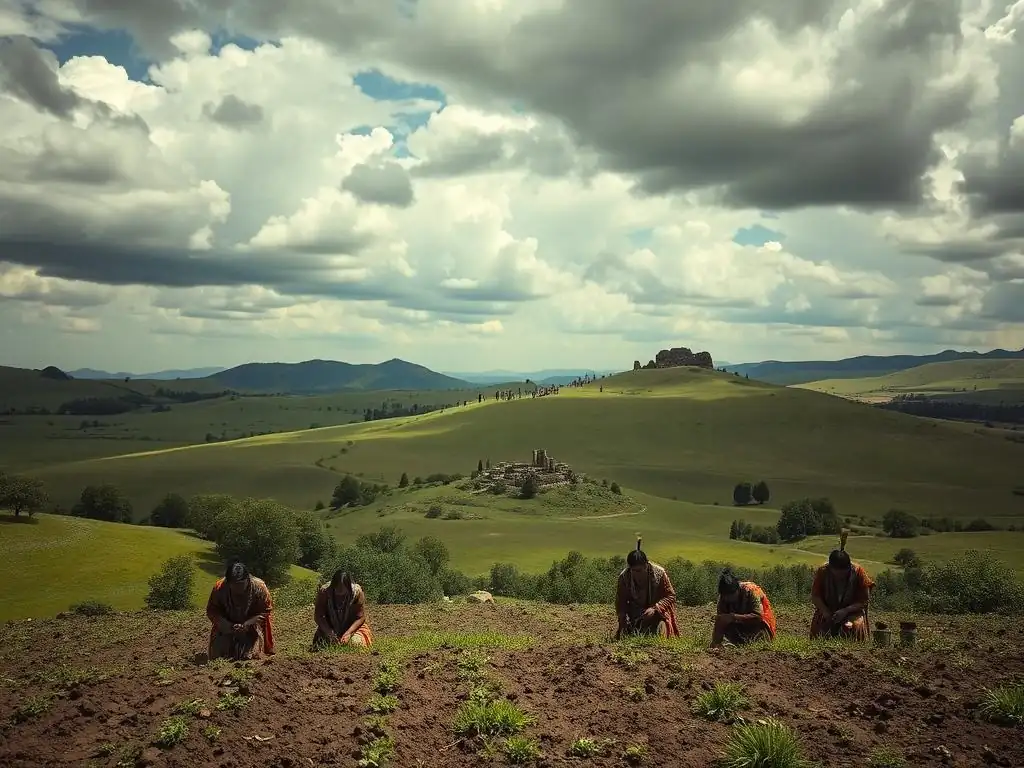
Cultural revival among Indigenous communities in America is intricately linked to the reclamation of land rights. For many Indigenous peoples, land is not merely a physical space; it embodies their history, traditions, and identity. The connection to land is a fundamental aspect of cultural identity, influencing social structures, spiritual beliefs, and subsistence practices. As Indigenous groups seek to reclaim their rights to ancestral lands, they simultaneously engage in efforts to revive their languages, traditions, and spiritual practices that have been marginalized or suppressed over centuries of colonization.
The active pursuit of land rights is often a precursor to cultural revival initiatives. As Indigenous communities gain legal recognition and control over their traditional territories, they are empowered to restore their cultural practices, hold traditional ceremonies, and pass down knowledge to future generations. This resurgence fosters a sense of pride and unity within the community, reinforcing the understanding that their cultural heritage is deeply tied to the land they inhabit.
The Role of Land in Cultural Identity
Land serves as a living repository of Indigenous history and culture. For many tribes, specific landscapes hold significant meanings, such as sacred sites, hunting grounds, and places where historical events have occurred. This connection is evident in various Indigenous worldviews, where the land is seen as a relative, deserving of respect and care.
- Spiritual Significance: Many Indigenous cultures view the land as a source of spiritual sustenance, where natural elements are often personified and revered. The loss of land equates to a loss of spiritual connection and identity.
- Cultural Practices: Traditional practices such as hunting, fishing, and gathering are tied to specific territories. The disruption of these activities due to land dispossession can erode cultural knowledge and skills that are passed through generations.
- Community Cohesion: Land rights are essential for fostering community ties. Access to ancestral lands allows for communal gatherings, ceremonies, and cultural celebrations that strengthen social bonds and cultural continuity.
The reclamation of land thus acts as a catalyst for revitalizing Indigenous cultures, enabling communities to reclaim their narratives and reassert their identities.
Examples of Cultural Revival Initiatives Linked to Land Rights
Numerous Indigenous communities have undertaken initiatives that demonstrate the powerful intersection of land rights and cultural revival. These efforts not only seek to regain control over traditional territories but also aim to restore cultural practices and promote Indigenous identities.
- Land Back Movements: Organizations such as the "Land Back Alliance" advocate for the return of Indigenous lands to their rightful stewards. These movements often emphasize the importance of land in maintaining cultural practices and community health.
- Cultural Education Programs: Various tribes have initiated educational programs focused on teaching youth about their cultural heritage, including language classes, traditional crafts, and ecological knowledge tied to their ancestral lands. For example, the Oglala Lakota Nation runs programs that connect youth with traditional land stewardship practices.
- Ecological Restoration Projects: Many Indigenous groups engage in land stewardship practices that incorporate traditional ecological knowledge. The Yurok Tribe in California, for instance, has implemented salmon restoration efforts that not only aim to revive fish populations but also serve to reconnect community members with their cultural practices.
- Cultural Festivals and Events: Celebrations that highlight Indigenous culture, such as powwows and traditional ceremonies, are often held on reclaimed lands. These events provide opportunities for cultural expression and reaffirm community identity.
These initiatives illustrate how the reclamation of land rights serves as a foundation for cultural revival, allowing Indigenous peoples to engage with their heritage in meaningful ways.
Indigenous Knowledge and Land Stewardship Practices
Indigenous knowledge systems encompass a profound understanding of the land, its ecosystems, and sustainable practices developed over thousands of years. This knowledge is often rooted in a holistic view of the environment, where humans are seen as part of a larger community of life.
- Sustainable Harvesting Techniques: Indigenous communities have developed sustainable methods of harvesting resources that promote ecological balance. For instance, the Haida Nation in British Columbia employs traditional practices such as selective logging and forest management that align with their cultural values and ecological knowledge.
- Fire Management: Controlled burning practices, used by various Indigenous groups, help to maintain healthy ecosystems and reduce the risk of catastrophic wildfires. The Karuk Tribe utilizes traditional fire practices to manage their lands in Northern California, demonstrating the effectiveness of Indigenous stewardship.
- Community-Based Conservation: Many Indigenous communities engage in collaborative efforts to protect their lands and resources. The Tla-o-qui-aht First Nation in British Columbia has established marine protected areas that reflect traditional governance and environmental stewardship, integrating Indigenous knowledge with modern conservation strategies.
By prioritizing Indigenous knowledge in land management, communities not only protect their cultural heritage but also contribute to broader environmental sustainability efforts. This approach underscores the importance of recognizing and valuing Indigenous land rights as integral to the future of both cultural and ecological health in America.
Strategies for Advocating Indigenous Land Rights
Grassroots Movements and Community Engagement
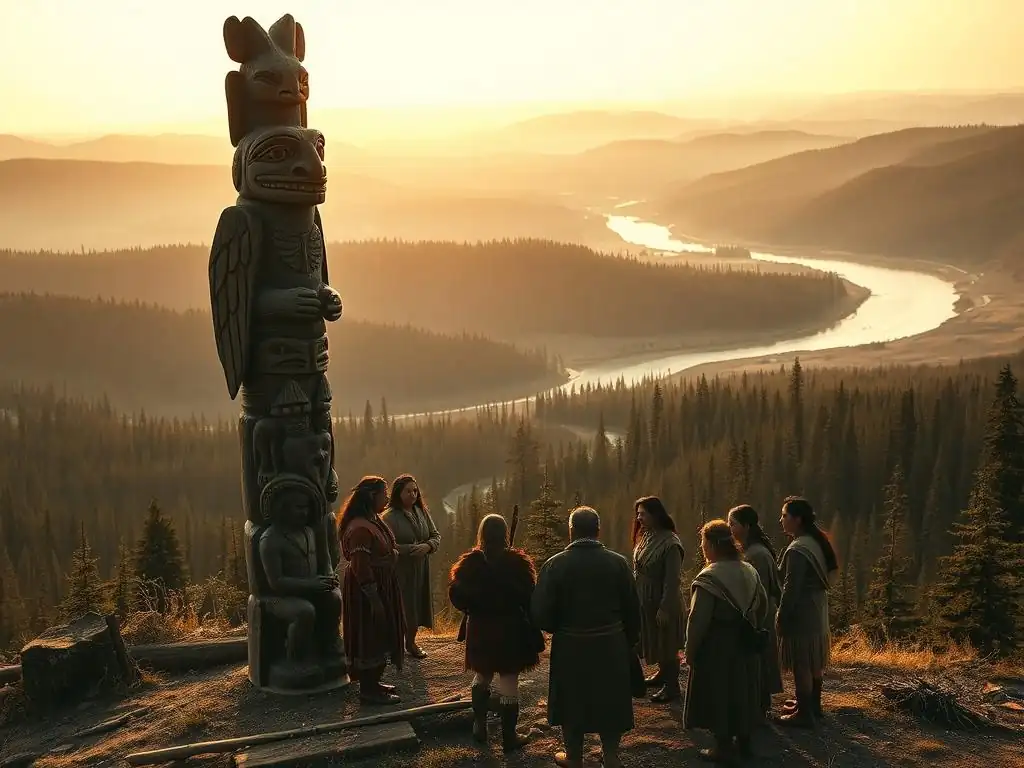
Grassroots movements have emerged as a powerful force in advocating for Indigenous land rights in America. These movements are often driven by local communities that mobilize to reclaim their heritage and assert their rights over ancestral lands. One notable example is the Idle No More movement, which began in Canada and quickly spread across North America. This grassroots initiative highlights the importance of community engagement and collective action in addressing land rights issues.
Key aspects of grassroots movements include:
- Community Education: Informing members about their rights, the history of land dispossession, and the significance of their cultural heritage.
- Cultural Revitalization: Organizing cultural events, traditional practices, and storytelling sessions that strengthen community bonds and reaffirm identity.
- Direct Actions: Protests, sit-ins, and land reclamation efforts serve as visible demonstrations of resistance against encroachment and exploitation of Indigenous lands.
- Utilizing Social Media: Platforms like Twitter and Facebook have been instrumental for grassroots organizations in mobilizing support and raising awareness about land rights initiatives.
Engagement at the community level fosters solidarity and empowers Indigenous peoples to advocate for their rights effectively. By building networks and alliances, these movements amplify their voices and influence public discourse on Indigenous land rights in America.
Legal Strategies for Land Claims
Legal strategies play a crucial role in the fight for Indigenous land rights, as they provide a structured approach to reclaiming stolen or contested lands. Various legal avenues have been pursued by Indigenous groups to assert their rights, including:
- Treaty Rights: Many Indigenous nations have treaties that legally recognize their land rights. Activists work to ensure these treaties are honored and enforced by government authorities.
- Land Claims Processes: Some tribes have engaged in formal land claims processes through federal or state agencies, seeking restitution or recognition of traditional territories. This can involve lengthy negotiations and court battles.
- Litigation: Legal action can be taken against parties infringing on Indigenous rights. Landmark cases, such as United States v. Sioux Nation of Indians, have set important precedents in recognizing Indigenous land rights.
- Legislative Advocacy: Collaborating with lawmakers to create or amend legislation that supports Indigenous land claims and protections can lead to significant advancements in land rights.
These legal strategies, while often complex and protracted, serve as vital tools in the ongoing struggle for Indigenous land rights in America. Successful legal actions not only restore land but also affirm the sovereignty and self-determination of Indigenous nations.
Collaborating with environmental and social justice organizations has become increasingly important in advocating for Indigenous land rights. Many of these organizations recognize the intersectionality of land rights, environmental protection, and social justice, leading to powerful partnerships.
Benefits of these collaborations include:
- Shared Resources: Access to funding, legal expertise, and advocacy tools can bolster Indigenous-led initiatives and enhance their effectiveness.
- Amplified Voices: Partnering with established organizations increases visibility and awareness of Indigenous land rights issues within broader social movements.
- Joint Campaigns: Coordinated efforts can address common goals, such as combating climate change, protecting sacred sites, and opposing environmentally harmful projects on Indigenous lands.
- Cross-Cultural Education: Collaborations foster mutual understanding between Indigenous communities and non-Indigenous allies, promoting respect for cultural heritage and traditional ecological knowledge.
Consequently, these partnerships not only strengthen the fight for Indigenous land rights but also contribute to a more comprehensive approach to environmental and social justice in America. By working together, Indigenous and allied organizations can create a robust platform for advocating rights and preserving cultural legacies.
Conclusion: The Future of Indigenous Land Rights in America
The ongoing struggle for Indigenous land rights in America represents not only a quest for justice but also a vital aspect of cultural revival and sustainability for Indigenous communities. As recognition of these rights continues to grow, it is essential to examine the future trajectory of this movement. The convergence of legal frameworks, policy advocacy, and community empowerment will be critical in shaping a future that honors the ancestral connections Indigenous peoples have with their lands.
The Importance of Continued Advocacy
Advocacy plays a crucial role in the advancement of Indigenous land rights. The tireless efforts of Indigenous leaders, activists, and allies have brought significant attention to the injustices faced by these communities. Continued advocacy is necessary for several reasons:
- Visibility: Raising awareness about Indigenous land rights helps to combat stereotypes and misinformation. It sheds light on the historical injustices and ongoing struggles faced by Indigenous peoples across America.
- Policy Change: Advocacy can influence local, state, and federal policies to better recognize and enforce Indigenous land rights. This includes pushing for legislation that supports land restitution, environmental protections, and self-determination.
- Cultural Preservation: The reclamation of land is intrinsically linked to the preservation of culture and identity. Advocating for these rights supports not only the physical land but also the languages, traditions, and practices that thrive in these spaces.
- Inter-community Solidarity: A strong advocacy network fosters collaboration among diverse Indigenous groups, creating a unified front that amplifies their voices and strengthens their demands for justice.
By prioritizing advocacy, Indigenous communities can ensure that their rights are upheld and that their cultural heritage continues to flourish.
Vision for a Just Relationship Between Indigenous Peoples and Their Lands
Envisioning a just relationship between Indigenous peoples and their lands involves a commitment to mutual respect, recognition, and healing. Several key elements shape this vision:
- Recognition of Sovereignty: Acknowledgment of Indigenous sovereignty is fundamental. This means respecting the rights of Indigenous communities to govern themselves and make decisions regarding their land and resources.
- Restoration of Lands: Efforts to restore lands taken from Indigenous peoples through colonization and other means are essential. This could involve land trusts, reparations, and the return of sacred sites, ensuring that these spaces are protected and preserved.
- Environmental Stewardship: Indigenous knowledge systems offer valuable insights into sustainable practices. A just relationship recognizes the importance of traditional ecological knowledge in managing land and resources, emphasizing a holistic approach that benefits both people and the environment.
- Economic Empowerment: Economic initiatives that prioritize Indigenous rights can help communities thrive. This includes supporting Indigenous businesses and sustainable development projects that respect the land and cultural values.
- Education and Awareness: Fostering understanding and respect for Indigenous cultures through education is vital. This includes incorporating Indigenous perspectives into curricula and promoting cultural exchange initiatives.
By embracing these principles, a future can be built that not only rectifies past injustices but also paves the way for a harmonious coexistence that honors the deep-rooted connections between Indigenous peoples and their lands. The journey toward achieving Indigenous land rights in America is ongoing, and with collective effort, a brighter future can be envisioned for generations to come.
Frequently Asked Questions
What are indigenous land rights in America?
Indigenous land rights refer to the legal and moral claims that Native American tribes and communities have over their ancestral lands, based on historical use and cultural significance.
How have indigenous land rights evolved over time?
The evolution of indigenous land rights has been shaped by treaties, legal battles, and social movements, reflecting a growing recognition of the importance of cultural heritage and sovereignty.
What role does cultural revival play in the fight for land rights?
Cultural revival helps reinforce the connection between indigenous communities and their lands, emphasizing the importance of traditional practices and spiritual beliefs in advocating for their rights.
How can individuals support indigenous land rights?
Individuals can support indigenous land rights by educating themselves about indigenous histories, advocating for policy changes, and supporting indigenous-led organizations and initiatives.
Why is understanding indigenous cultures important for recognizing their land rights?
Understanding indigenous cultures is crucial for recognizing land rights because it highlights the deep-rooted connections between peoples and their lands, fostering respect for their heritage and sovereignty.
Final Reflection: Reclaiming Heritage through Indigenous Land Rights
The journey toward Indigenous land rights in America is not just a historical narrative; it is a powerful movement that resonates deeply in our contemporary society. As we witness the resurgence of Indigenous voices advocating for their rightful place in the cultural and political landscape, it becomes clear that the fight for land is intrinsically linked to the fight for identity, dignity, and justice. This ongoing struggle is a testament to the resilience of Indigenous communities and a reminder that the reclamation of heritage is not merely a personal endeavor but a collective responsibility that shapes our shared future.
The impact of Indigenous land rights extends far beyond legal battles; it influences the very fabric of our cultural and social landscape. As we reflect on the significance of these rights, we recognize that they are not only about land but also about the preservation of traditions, languages, and ways of life that have existed for millennia. The revival of Indigenous cultures serves as a beacon of hope and a source of inspiration for all communities striving for recognition and respect. The land is not just a resource; it is a living entity that holds our stories and our spirits.
This perspective invites us to appreciate the profound connection between people and their land, urging us to honor and protect these relationships.
As we move forward, I invite you to reflect on your own connection to heritage and the role you can play in supporting Indigenous rights. Consider how you can amplify Indigenous voices in your community, educate yourself and others about the importance of land rights, and advocate for policies that promote justice and equity.
Together, we can foster a deeper understanding of the significance of Indigenous land rights in America and contribute to a future where all cultures are celebrated and preserved. Let us reclaim our shared heritage and work towards a more inclusive and respectful society for generations to come.
Reclaim Your Roots: Take Action for Indigenous Heritage
Thank you for engaging in this important discussion about Indigenous land rights and cultural revival. Your enthusiasm is a significant step toward honoring and advocating for these crucial issues. Now, it's time to transform that enthusiasm into meaningful action!
Here are some practical ways you can make a difference:
- Join a local advocacy group focused on Indigenous rights and cultural preservation. Building community begins with connecting with those who share your commitment.
- Attend cultural events or workshops in your area. These gatherings provide not only a chance to learn but also an opportunity to honor Indigenous heritage in a shared space.
- Share your thoughts on social media to raise awareness about Indigenous issues and amplify the voices that deserve recognition.
What actions can you take today to promote and protect Indigenous culture in your community? Your journey toward making a difference begins with one small step!