
Healing Traditions: How Indigenous Healers Responded to Epidemic Crises

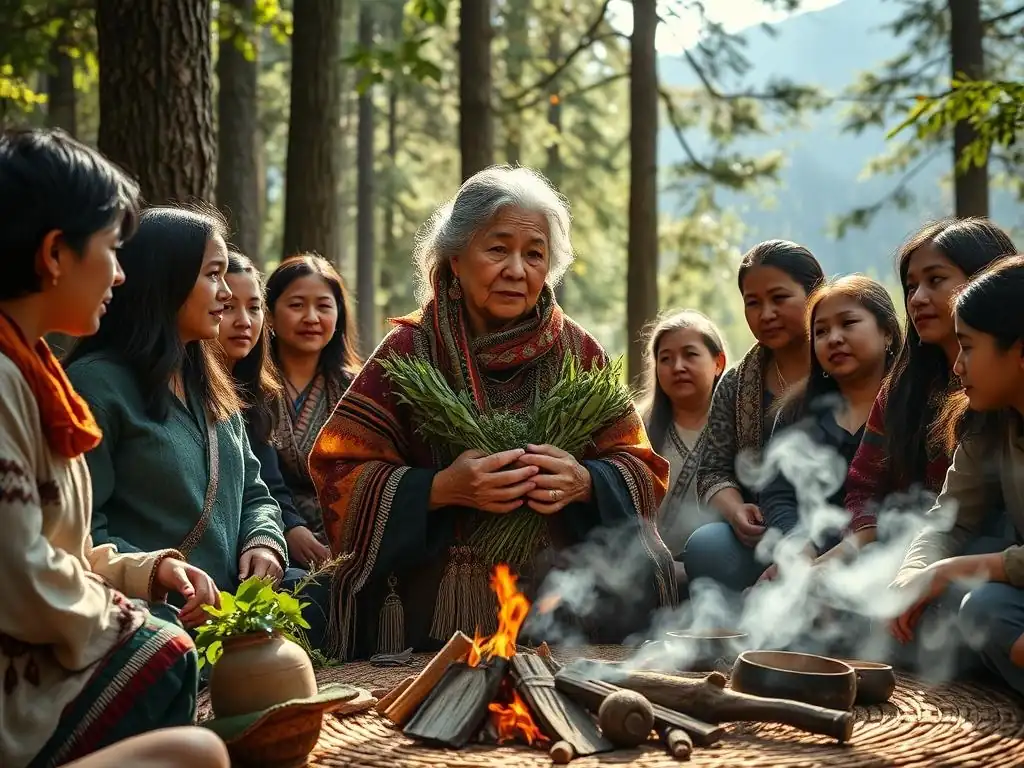
Welcome to Indigenous Civilizations of the Americas, where we embark on a captivating journey through the rich tapestry of indigenous cultures that flourished long before European contact. In our featured article, "Healing Traditions: How Indigenous Healers Responded to Epidemic Crises," we delve into the profound indigenous healing traditions of the Americas, revealing how these ancient practices not only addressed the health crises of their times but also shaped the resilience of their communities.
Prepare to uncover the wisdom of these remarkable civilizations and discover the enduring legacy they left behind. Let your curiosity guide you as you explore the depths of their knowledge and the impact they continue to have today.
Indigenous healing traditions in the Americas encompass a rich tapestry of practices, beliefs, and knowledge systems that have evolved over millennia. These traditions reflect the deep connection between the indigenous peoples and their environments, as well as their profound understanding of health, illness, and spirituality.
This article delves into the ways in which indigenous healers responded to epidemic crises, highlighting not only the resilience of these cultures but also their innovative approaches to healing that continue to resonate today. By exploring the intricate relationship between health and spirituality, we can gain insight into how indigenous healing traditions played a crucial role in the survival and adaptation of societies facing unprecedented challenges brought about by epidemic outbreaks.
Introduction to Indigenous Healing Traditions in the Americas
Indigenous healing traditions are diverse and deeply rooted in the cultural heritage of the Americas. Each community has its own unique practices, often passed down through generations, which include a blend of herbal medicine, ritual, and spiritual guidance. These traditions are not merely medical practices; they are holistic systems that consider the physical, emotional, and spiritual aspects of health.
- Holistic Approach: Indigenous healing emphasizes the interconnectedness of body, mind, and spirit. This perspective fosters a comprehensive understanding of health and well-being that transcends the physical symptoms of illness.
- Cultural Significance: Healing practices are often intertwined with the cultural beliefs and rituals of the community. They serve not only to treat ailments but also to reinforce social cohesion and cultural identity.
For many indigenous groups, the arrival of European colonizers brought about significant disruptions, including the introduction of new diseases. The response to these epidemics was heavily influenced by existing healing traditions, which adapted to confront these new challenges with resilience and ingenuity.
Understanding Epidemic Crises in Indigenous Contexts
The impact of epidemic crises on indigenous populations in the Americas was profound, leading to dramatic shifts in demographics and social structures. Understanding these crises requires an examination of both the biological and cultural factors at play.
- Historical Epidemics: Diseases such as smallpox, influenza, and measles decimated indigenous populations in the wake of European contact. These epidemics were exacerbated by factors such as:
- Lack of Immunity: Indigenous peoples had no prior exposure to these diseases, resulting in catastrophic mortality rates.
- Disruption of Traditional Lifestyles: Colonization disrupted the social and economic systems that had sustained indigenous communities for centuries.
- Cultural Responses to Epidemics: Indigenous responses to these crises were multifaceted and included:
- Adaptation of Healing Practices: Healers often integrated new plants and practices introduced by colonizers into their existing medicinal repertoire.
- Community Resilience: Many communities rallied together to support one another, emphasizing collective healing and the sharing of knowledge.
This historical context is essential to understanding how indigenous healing traditions have evolved and adapted in the face of adversity.
The Role of Indigenous Healers in Health and Spirituality
Indigenous healers, often regarded as vital members of their communities, play a crucial role in maintaining the health and spiritual well-being of their people. Their practices are marked by a deep understanding of both the natural world and the spiritual dimensions of health.
- Healing Practices:
- Herbal Medicine: Healers utilize a vast array of local plants and herbs, applying traditional knowledge to treat various ailments.
- Rituals and Ceremonies: Healing is often accompanied by rituals that invoke spiritual support, helping to restore balance and harmony.
- Spiritual Guidance: Healers serve as spiritual leaders, guiding individuals through the emotional and psychological impacts of illness, often addressing not just the body but the spirit as well.
Indigenous healing traditions are vital for understanding how these communities have navigated the challenges of epidemic crises throughout history. By fostering resilience and adaptability, these traditions highlight the enduring legacy of indigenous knowledge systems in the face of adversity.
- Introduction to Indigenous Healing Traditions in the Americas
- Understanding Epidemic Crises in Indigenous Contexts
- The Role of Indigenous Healers in Health and Spirituality
- What are Indigenous healing traditions in the Americas?
- How did epidemic crises impact Indigenous healing practices?
- What role did community play in Indigenous healing?
- Are there any documented examples of Indigenous healers during epidemics?
- How can we learn from Indigenous healing traditions today?
Historical Overview of Epidemics in the Americas
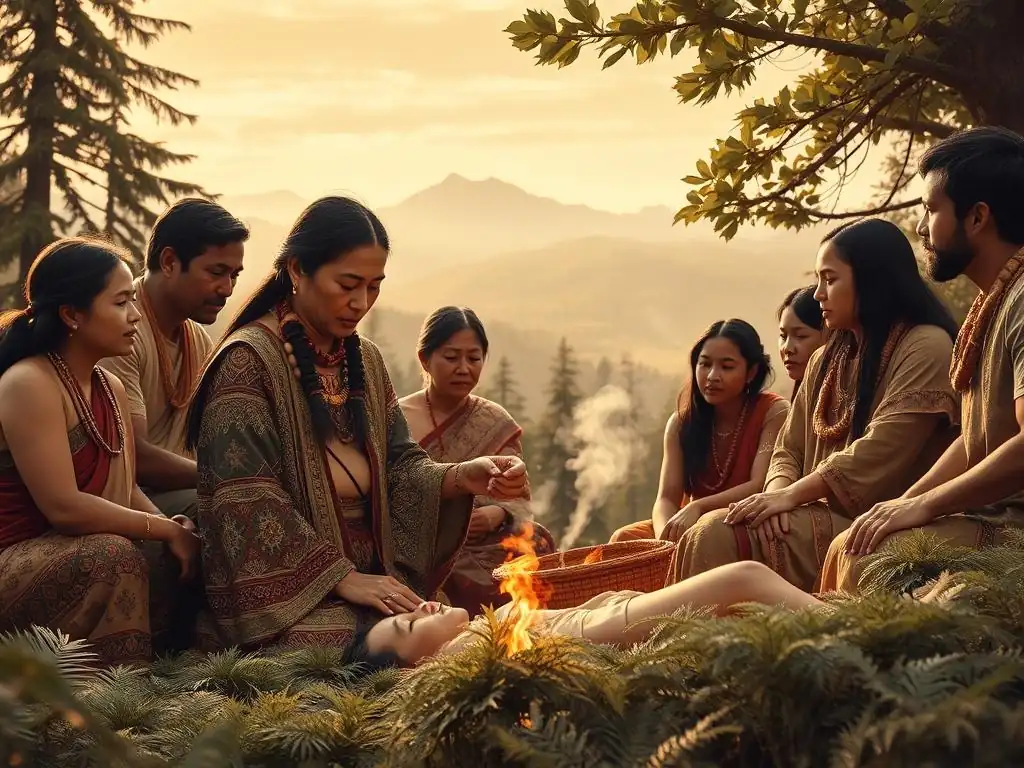
The history of epidemics in the Americas is deeply intertwined with the arrival of Europeans in the late 15th century. Prior to this period, indigenous populations had established complex societies with their own medical practices and healing traditions, which were well adapted to their environments. However, the introduction of new diseases by European colonizers led to catastrophic consequences for these populations, significantly altering their demographic, social, and cultural landscapes.
Major Epidemics Affecting Indigenous Populations
The arrival of Europeans brought several diseases to the Americas, including smallpox, influenza, and measles. These diseases had devastating effects on indigenous populations, who had no prior exposure and consequently lacked immunity.
- Smallpox: One of the most lethal epidemics was smallpox, which swept through the Americas from the 16th century onward. It is estimated that smallpox alone caused the deaths of up to 90% of some indigenous communities. The rapid spread of smallpox led to the collapse of societies and cultural practices, as entire communities were decimated.
- Influenza: This respiratory disease also played a significant role in the mortality rates among indigenous peoples. Outbreaks of influenza often followed smallpox epidemics, exacerbating the already dire health situations faced by these populations.
- Measles: Measles, while not as deadly as smallpox, compounded the health crises during epidemics. Its spread further weakened indigenous communities, already ravaged by earlier diseases.
- Other Diseases: Additional diseases such as typhus and cholera also emerged, particularly in the wake of European settlement and trade. Each new outbreak contributed to a cycle of suffering and dislocation, disrupting traditional healing practices and social structures.
Despite these challenges, indigenous healers utilized their extensive knowledge of local plants and healing practices to mitigate the impacts of these epidemics. Their approaches to health and wellness, rooted in a holistic understanding of the body and spirit, provided critical support during these unprecedented crises.
Impact of European Colonization on Indigenous Health
The impact of European colonization on indigenous health extended beyond the introduction of diseases; it also involved significant alterations to the environment, lifestyle, and social structures of indigenous communities.
- Disruption of Traditional Practices: As European settlers encroached on indigenous lands, many traditional healing practices were disrupted. The loss of access to sacred sites, medicinal plants, and communal healing spaces greatly diminished the capacity of indigenous healers to respond effectively to health crises.
- Forced Relocation: The displacement of indigenous populations through forced relocation and the establishment of reservations further compounded health issues. These changes often led to overcrowded living conditions, poor sanitation, and inadequate access to food resources, all of which contributed to the decline in overall health.
- Cultural Assimilation Policies: European colonizers implemented policies aimed at assimilating indigenous peoples, which often included the suppression of traditional healing practices and spiritual beliefs. This not only eroded cultural identity but also marginalized indigenous healers, further challenging their ability to respond to health crises effectively.
- Continued Epidemics: The legacy of European colonization is evident in the ongoing health disparities faced by many indigenous communities today. The effects of historical epidemics are still felt, as these communities continue to struggle with higher rates of chronic diseases, mental health issues, and barriers to accessing healthcare services.
The historical context of epidemics in the Americas highlights the resilience of indigenous healing traditions in the face of overwhelming challenges. Despite the catastrophic impacts of European diseases and colonization, indigenous healers adapted their practices, demonstrating remarkable resourcefulness and a deep connection to their cultural heritage. Understanding these responses is crucial for appreciating the enduring legacy of indigenous healing traditions in the Americas.
Indigenous Healing Practices and Responses to Epidemics
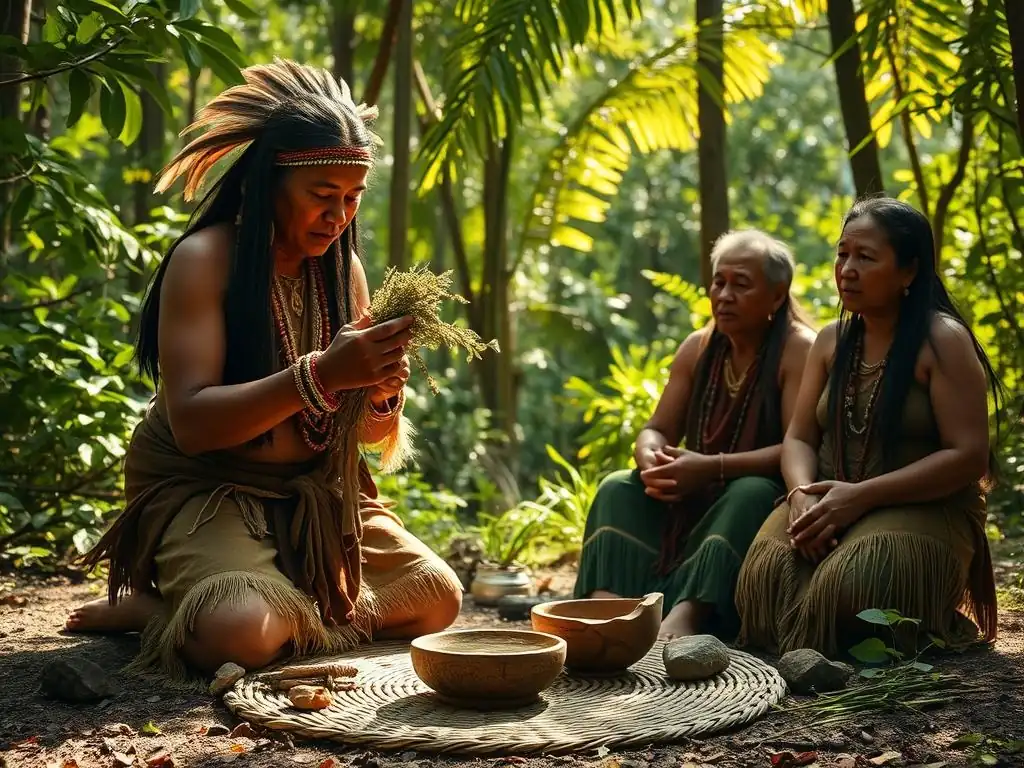
Indigenous healing traditions in the Americas are deeply rooted in the cultural, spiritual, and environmental contexts of each community. These traditions encompass a wide range of practices designed to address both physical ailments and spiritual imbalances, particularly during times of epidemic crises. As European colonization brought new diseases to the Americas, indigenous populations faced unprecedented health challenges, prompting them to adapt and innovate their healing practices.
In this context, indigenous healers utilized traditional methods that integrated knowledge passed down through generations. The responses to epidemics were not merely medical but involved holistic approaches that considered community welfare, spiritual health, and the interconnectedness of individuals within their society.
Traditional Healing Methods Among Indigenous Cultures
Herbal Remedies and Their Significance
Herbal remedies have played a crucial role in indigenous healing traditions across the Americas. Knowledge of local flora and fauna allowed indigenous healers to develop a rich pharmacopoeia tailored to their unique environments. For example:
- Echinacea: Widely used by Native American tribes for its immunostimulant properties, particularly effective against respiratory infections.
- Willow Bark: Known for its pain-relieving effects, it served as a natural alternative to modern analgesics.
- Sweetgrass: Often utilized in purification rituals, it also plays a role in treating ailments through its soothing fragrance and antimicrobial properties.
These remedies are not only significant for their medicinal properties but also for their cultural meanings. The act of gathering herbs is often imbued with spiritual significance, symbolizing a connection to the land and the ancestors.
Rituals and Spiritual Practices in Healing
Indigenous healing is often accompanied by rituals that invoke spiritual forces, aiming to restore balance and harmony within the individual and the community. These rituals vary widely among different cultures but often include:
- Ceremonial Healing: In many tribes, healers perform ceremonies that may involve chanting, drumming, and the use of sacred objects to facilitate healing.
- Vision Quests: These personal journeys allow individuals to seek guidance and insight from the spirit world, often leading to profound healing experiences.
- Community Gatherings: During epidemics, communal healing ceremonies can strengthen social bonds and provide emotional support, reinforcing the collective resilience of the community.
These practices highlight the integral role of spirituality in indigenous healing traditions, emphasizing that health is not merely the absence of disease but a holistic state of well-being.
Community-Based Responses to Epidemic Crises
Collaborations Among Indigenous Healers
In times of epidemic crises, indigenous healers often formed collaborative networks to share knowledge and resources. This cooperation was vital for several reasons:
- Resource Sharing: Healers would exchange herbs, remedies, and techniques that proved effective in treating specific ailments, enhancing the overall capacity to respond to health crises.
- Collective Wisdom: By pooling their experiences, healers could adapt and refine their methods, leading to more effective responses to the challenges posed by epidemics.
- Strengthening Social Ties: These collaborations fostered a sense of community and solidarity, essential for psychological resilience during difficult times.
Through these collective efforts, indigenous communities were able to navigate the devastating impacts of epidemics with a united front, drawing on a rich tapestry of healing knowledge.
The Role of Oral Traditions in Healing Knowledge
Oral traditions have been crucial in preserving and transmitting indigenous healing knowledge across generations. These traditions encompass:
- Storytelling: Elders often recount stories that illustrate the origins of certain healing practices, reinforcing their cultural significance and teaching younger generations.
- Songs and Chants: Many healing practices incorporate specific songs or chants that are believed to invoke healing spirits or energies, highlighting the interconnectedness of language and health.
- Ritual Practice: Oral traditions also dictate the methods and timing of various healing rituals, ensuring that cultural practices remain alive and relevant.
The strength of oral traditions lies in their adaptability; as new challenges arise, healers can reinterpret and innovate their practices while maintaining their cultural roots. This dynamic process ensures the resilience of indigenous healing traditions in the face of ongoing challenges.
Through these multifaceted approaches, indigenous healing traditions in the Americas demonstrate a profound understanding of health that encompasses physical, spiritual, and communal dimensions, offering valuable insights into how societies can respond to epidemic crises.
Case Studies of Indigenous Healing Responses
Overview of the Community’s Healing Practices
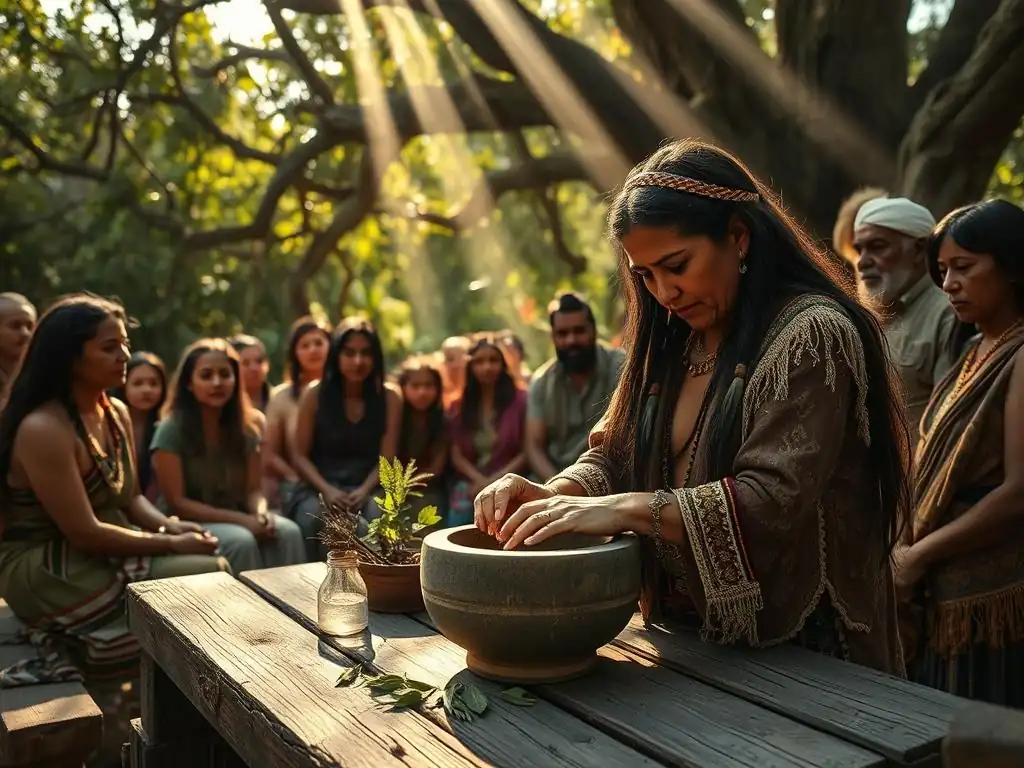
The Navajo Nation, one of the largest tribal reservations in the United States, has a rich tapestry of healing traditions that intertwine spirituality, community support, and natural medicine. Central to these practices is the belief in hózhó, which translates to harmony, beauty, and balance. Navajo healers, known as hataalii, utilize a combination of rituals, prayers, and herbal remedies to restore this balance when health crises arise. Traditional ceremonies, such as the singing of songs, play a significant role in addressing both physical and spiritual ailments, emphasizing the interconnectedness of health and the environment.
Methods Employed During Epidemic
During the COVID-19 pandemic, the Navajo Nation implemented multifaceted strategies to combat the virus while preserving traditional healing approaches. Key methods included:
- Community-based initiatives: The Navajo Nation established a robust response plan that incorporated traditional healers alongside medical professionals. This collaboration ensured a holistic approach to health care.
- Virtual healing sessions: With social distancing in place, many hataalii adapted their practices by conducting virtual ceremonies, allowing community members to participate in healing rituals remotely.
- Use of traditional medicines: Healers promoted the use of local herbs, such as sage and cedar, known for their cleansing properties, as protective measures against the virus.
Outcomes and Lessons Learned
The response of the Navajo Nation to the COVID-19 pandemic underscored the resilience of Indigenous healing traditions. Key outcomes included:
- Increased community solidarity: The blending of traditional and modern healthcare created a sense of unity and reinforced cultural identity during challenging times.
- Recognition of traditional knowledge: The effectiveness of Indigenous healing practices garnered respect and acknowledgment from broader healthcare systems, highlighting the importance of culturally sensitive care.
- Sustainability of practices: The adaptations made during the pandemic showcased the flexibility of Indigenous healing traditions, suggesting that they can thrive even in the face of modern challenges.
Case Study 2: The Lakota Sioux's Approach to the 1918 Influenza Pandemic
Unique Healing Traditions and Practices
The Lakota Sioux possess a distinct set of healing traditions deeply rooted in their cultural beliefs and practices. The role of the medicine man or woman is pivotal, as they act as spiritual leaders who guide the community through rituals that promote healing and well-being. Traditional Lakota healing often involves the use of sweat lodges, vision quests, and sacred songs, which are believed to facilitate physical, emotional, and spiritual well-being.
Adaptations Made During Health Crises
During the 1918 influenza pandemic, the Lakota Sioux faced unprecedented challenges but utilized their cultural practices to adapt to the crisis. Key adaptations included:
- Ceremonial gatherings: Despite the threat of the influenza virus, ceremonies were held to invoke healing spirits and seek guidance, demonstrating the community's commitment to maintaining spiritual health.
- Herbal remedies: Lakota healers relied on traditional plant-based medicines, such as echinacea and yarrow, to boost immunity and alleviate symptoms, showcasing their knowledge of local flora.
- Community support systems: The Lakota people organized support networks to care for the sick, drawing on communal ties that emphasized the importance of collective responsibility in healing.
Impact on Community Resilience
The Lakota Sioux's response to the 1918 influenza pandemic illustrated the critical role of Indigenous healing traditions in fostering community resilience. Notable impacts included:
- Strengthened cultural identity: The emphasis on traditional practices during the epidemic reinforced cultural values and identity among the Lakota, contributing to a sense of pride and continuity.
- Intergenerational knowledge transfer: The experiences of the pandemic led to the transmission of knowledge about healing practices to younger generations, ensuring the survival of these traditions.
- Long-term healing practices: The pandemic prompted a resurgence in the use of traditional healing modalities, which continue to be integral to Lakota identity and health practices today.
By examining these case studies, we can see how Indigenous healing traditions in the Americas not only respond effectively to epidemic crises but also enhance community resilience and cultural continuity. Through a blend of traditional knowledge and adaptation, these practices offer valuable insights into holistic health approaches that can benefit broader society.
Comparative Analysis of Indigenous Healing Traditions
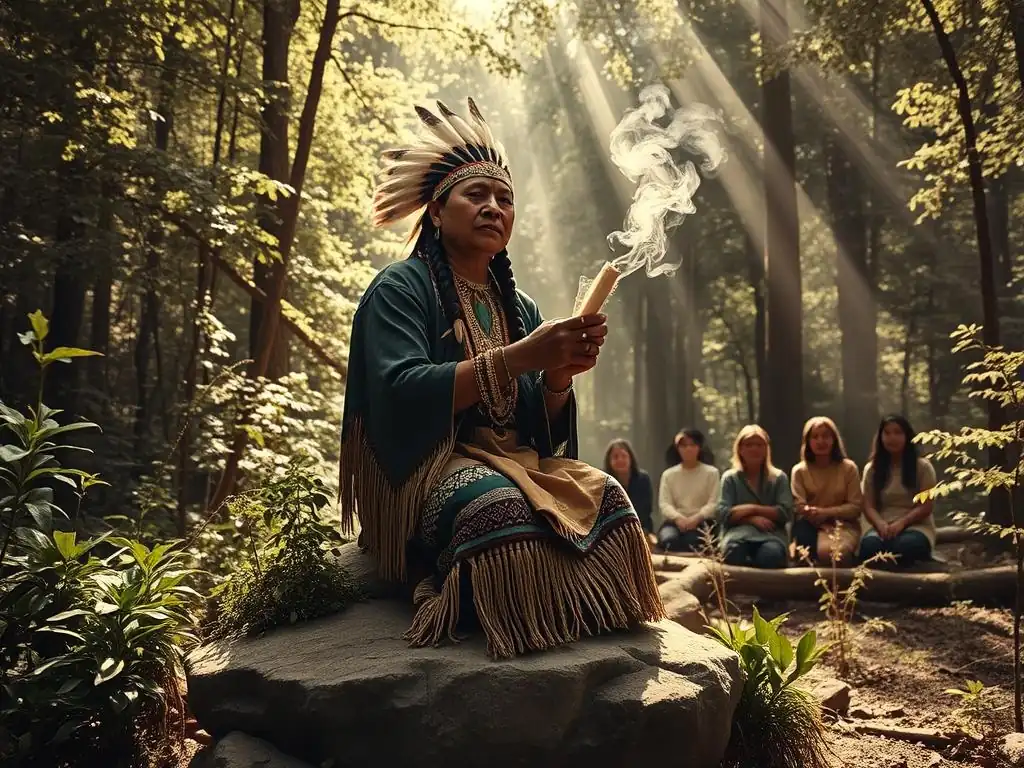
Indigenous healing traditions in the Americas reflect a rich tapestry of cultural practices and beliefs, shaped by the distinct environments, histories, and societal structures of various indigenous groups. This comparative analysis seeks to illuminate the diverse approaches these cultures adopted in response to epidemic crises, revealing both the uniqueness and commonalities that characterize their healing practices.
Differences in Healing Approaches Across Indigenous Cultures
The indigenous cultures of the Americas employed a myriad of healing practices, each tailored to their specific environmental contexts and spiritual beliefs. These differences are evident in several key areas:
- Philosophical Foundations:
- Mesoamerican Cultures: In civilizations such as the Aztecs and Mayans, healing often intertwined with cosmology. They believed that illness could result from cosmic imbalances and sought to restore harmony through rituals and offerings.
- Northwest Coast Tribes: In contrast, tribes like the Haida and Tlingit viewed illness through a more communal lens. Healing practices included storytelling and dance, emphasizing community involvement and spiritual connection to ancestors.
- Healing Modalities:
- Herbal Medicine:
- The Pueblo peoples utilized local flora extensively, relying on plants like sage and yucca for both medicinal and ceremonial purposes.
- Conversely, the Inuit prioritized animal-based remedies, relying on seals and fish for nutritional and healing properties, showcasing adaptation to their harsh Arctic environment.
- Herbal Medicine:
- Role of Healers:
- In many Andean cultures, shamans played a central role, often engaging in complex rituals and utilizing divination to address ailments. Their status as spiritual leaders endowed them with significant authority in healing practices.
- In contrast, among the Plains tribes, such as the Lakota, there was a more egalitarian approach where anyone could act as a healer, reflecting a decentralized belief system regarding health and spirituality.
These differences illustrate not only the diversity of indigenous healing traditions but also the intricate connections between culture, environment, and health practices.
Similarities in Responses to Epidemic Crises
Despite the significant differences in healing traditions, indigenous cultures across the Americas exhibited notable similarities in their responses to epidemic crises, revealing a shared resilience and adaptability:
- Community-centered Approaches:
- In response to epidemics, many indigenous groups emphasized collective healing. For instance, during the smallpox outbreak in the 18th century, various tribes organized communal gatherings to share knowledge and support one another, highlighting the importance of social cohesion.
- Spiritual and Ritual Healing:
- Across different cultures, spiritual practices played a crucial role in addressing the psychological and emotional burdens of epidemics. Rituals such as prayers, fasting, and purification ceremonies were commonly employed to seek divine intervention and restore health.
- Integration of Traditional and New Practices:
- Many indigenous communities displayed remarkable adaptability by integrating new knowledge with their traditional practices. For example, while some groups retained their herbal remedies, they also began to incorporate European medicinal practices learned through interaction with colonizers.
- Focus on Prevention:
- Indigenous cultures often employed preventive measures based on their understanding of health and illness. This included practices such as quarantine during outbreaks and the use of cleansing rituals to ward off disease, demonstrating a proactive approach to health management.
These similarities underline the common threads that unite diverse indigenous cultures in their responses to crises, reflecting a profound understanding of the interconnectedness of health, community, and spirituality.
While the indigenous healing traditions in the Americas exhibit remarkable diversity in their practices and philosophies, they also share a common commitment to community healing and spiritual resilience during epidemics. This comparative analysis provides a deeper understanding of how these cultures navigated the challenges posed by disease, offering valuable insights into the enduring legacy of indigenous healing traditions.
The Legacy of Indigenous Healing Traditions Today
Continuity and Revitalization of Healing Practices
Indigenous healing traditions have shown remarkable continuity and revitalization despite historical disruptions caused by European colonization. These practices, deeply rooted in the cultural and spiritual beliefs of various indigenous communities, have persisted through generations, adapting to contemporary contexts while retaining their core principles.
Many indigenous healers, often referred to as "medicine people," have worked tirelessly to preserve their ancestral knowledge. This includes the use of medicinal plants, spiritual rituals, and community-based healing methods. For example, the use of sage, sweetgrass, and cedar in smudging ceremonies is not only a practice of cleanliness but also a way to invoke spiritual protection during healing sessions.
In recent years, there has been a notable resurgence of interest in these healing practices. Many indigenous communities are actively engaging in cultural revitalization projects that focus on teaching younger generations about traditional healing methods. These efforts are often supported by organizations that seek to promote indigenous knowledge systems, emphasizing the importance of integrating these practices into modern healthcare frameworks. The revival of languages and storytelling also plays a crucial role in passing down this knowledge, ensuring that the cultural significance of healing traditions is not lost.
Modern Applications of Indigenous Healing Knowledge
The integration of indigenous healing traditions into contemporary health practices is increasingly recognized for its potential benefits. This is particularly evident in the fields of mental health and holistic wellness, where indigenous approaches offer alternative strategies for managing trauma and stress.
For instance, many healthcare professionals are beginning to incorporate traditional practices such as talking circles and ceremonial healing into their treatment plans. These methods promote community support and healing through shared experiences, fostering a sense of belonging and understanding among participants. Additionally, indigenous herbal remedies are gaining traction in the wellness industry, as people seek natural alternatives to conventional medicine.
A prominent example is the use of willow bark, which contains salicin, a natural compound that has been used for centuries as a pain reliever. This practice has inspired modern pharmaceuticals, showcasing how indigenous knowledge can inform and enhance contemporary medical practices.
Moreover, collaborations between indigenous healers and Western medical practitioners are becoming more common. Such partnerships aim to create integrated health models that respect and utilize both traditional and modern methods, ultimately leading to more effective and culturally sensitive care for indigenous populations.
Conclusion: The Lasting Impact of Indigenous Healing Traditions on Contemporary Health Practices
The legacy of indigenous healing traditions continues to influence contemporary health practices, underscoring the resilience and adaptability of these cultural systems. As society becomes more aware of the importance of holistic health and the interconnectedness of mind, body, and spirit, the principles embedded in indigenous healing are increasingly relevant.
Through the revitalization of these practices and their integration into modern healthcare, we witness a growing acknowledgment of the value that indigenous knowledge brings to wellness. This not only benefits indigenous communities but also enriches the broader healthcare landscape, promoting a more inclusive and comprehensive approach to health.
The enduring impact of indigenous healing traditions in the Americas serves as a reminder of the wisdom that lies within these cultures. As we continue to explore and respect these traditions, we honor the generations of healers who have dedicated their lives to preserving this invaluable knowledge, ensuring its transmission to future generations.
Final Thoughts on the Importance of Preserving Indigenous Knowledge and Practices
The preservation of Indigenous healing traditions is not only crucial for cultural heritage but also offers valuable insights into holistic health practices that have stood the test of time. These traditions encompass a rich tapestry of knowledge, including the use of medicinal plants, spiritual healing, and community-based practices that prioritize the well-being of individuals and their relationships with the environment.
Indigenous knowledge systems are characterized by their emphasis on interconnectedness—between people, nature, and the cosmos. This perspective can significantly enrich contemporary health practices and contribute to a more sustainable approach to healing. By integrating Indigenous healing methods with modern medicine, we can foster a more inclusive healthcare system that respects and understands diverse cultural contexts.
Moreover, the current global health crises underscore the importance of looking back at these ancient practices that have offered resilience in the face of epidemics. Indigenous healers have historically adapted their methods to address the needs of their communities during times of crisis, showcasing their resourcefulness and deep understanding of human health. By documenting and respecting these traditions, we not only honor the wisdom of Indigenous cultures but also empower future generations to continue these practices in a modern context.
The risks associated with the loss of Indigenous knowledge are profound. As globalization spreads, many of these practices face the threat of extinction. Therefore, it is imperative to actively support initiatives that promote the revitalization and transmission of Indigenous healing traditions. This can be achieved through education, collaboration with Indigenous communities, and recognition of their rights to practice and pass on their knowledge.
The importance of preserving Indigenous healing traditions goes beyond cultural appreciation; it is a matter of acknowledging the profound contributions these practices can make to global health and well-being. By valuing and integrating Indigenous knowledge into contemporary practices, we can create a more equitable and holistic healthcare landscape that benefits everyone.
Frequently Asked Questions
What are Indigenous healing traditions in the Americas?
Indigenous healing traditions encompass a range of practices and beliefs that utilize natural remedies, spiritual guidance, and community support to promote health and well-being, deeply rooted in ancestral knowledge.
How did epidemic crises impact Indigenous healing practices?
Epidemic crises challenged Indigenous communities, prompting healers to adapt their traditional methods and incorporate new approaches, often blending ancient wisdom with modern practices to address health needs.
What role did community play in Indigenous healing?
Community is central to Indigenous healing, as many practices involve collective efforts, where members support one another through shared rituals, ceremonies, and healing gatherings to foster resilience and recovery.
Are there any documented examples of Indigenous healers during epidemics?
Yes, historical accounts reveal how Indigenous healers utilized herbal medicines, spiritual cleansings, and community rituals to address the challenges posed by epidemics, demonstrating their adaptability and resourcefulness.
How can we learn from Indigenous healing traditions today?
Learning from Indigenous healing traditions today can enhance our understanding of holistic health, emphasizing the importance of connection to nature, community well-being, and spiritual balance in modern healthcare practices.
Final Reflection: Embracing Indigenous Healing Traditions in Times of Crisis
The resilience of Indigenous healing traditions in the Americas is a testament to their profound relevance today. As we navigate through contemporary health crises, the wisdom and practices of Indigenous healers remind us of the interconnectedness of community, nature, and well-being. The lessons learned from historical epidemics highlight the importance of holistic approaches to health that prioritize not only physical healing but also emotional and spiritual restoration.
Cultural heritage and healing practices are not relics of the past; they continue to shape our present and future. The enduring influence of Indigenous healing traditions serves as a vital reminder of the strength found in community and the natural world. As noted by healer and author Dr. Michael Yellow Bird, “Indigenous knowledge is a living tradition, a way of understanding the world that is deeply rooted in the land and our ancestors.” This perspective invites us to honor and integrate these teachings into our modern health paradigms, fostering a more inclusive approach to wellness.
As we reflect on the significance of Indigenous healing traditions, let us commit to embracing these practices in our own lives and communities. Consider how you can incorporate holistic approaches to health and well-being, drawing inspiration from the rich tapestry of Indigenous knowledge. By doing so, we not only honor the past but also pave the way for a healthier and more harmonious future for all.
Thank you for exploring the vital role of Indigenous healers during epidemic crises. You've gained insight into resilience, cultural wisdom, and healing practices that have empowered communities for generations. Now, it’s time to take those lessons and turn them into action!
- Immerse yourself in your local Indigenous community by attending cultural events or workshops to learn more about their healing traditions.
- Share this article with friends or on social media to spread awareness about the significance of Indigenous healing practices.
- Consider practicing mindfulness and gratitude by incorporating elements of these healing traditions into your daily life.
How can you honor and integrate the wisdom of Indigenous healing into your personal or community practices?