
The Spirit of the Land: Indigenous Perspectives in Today's Environmental Art

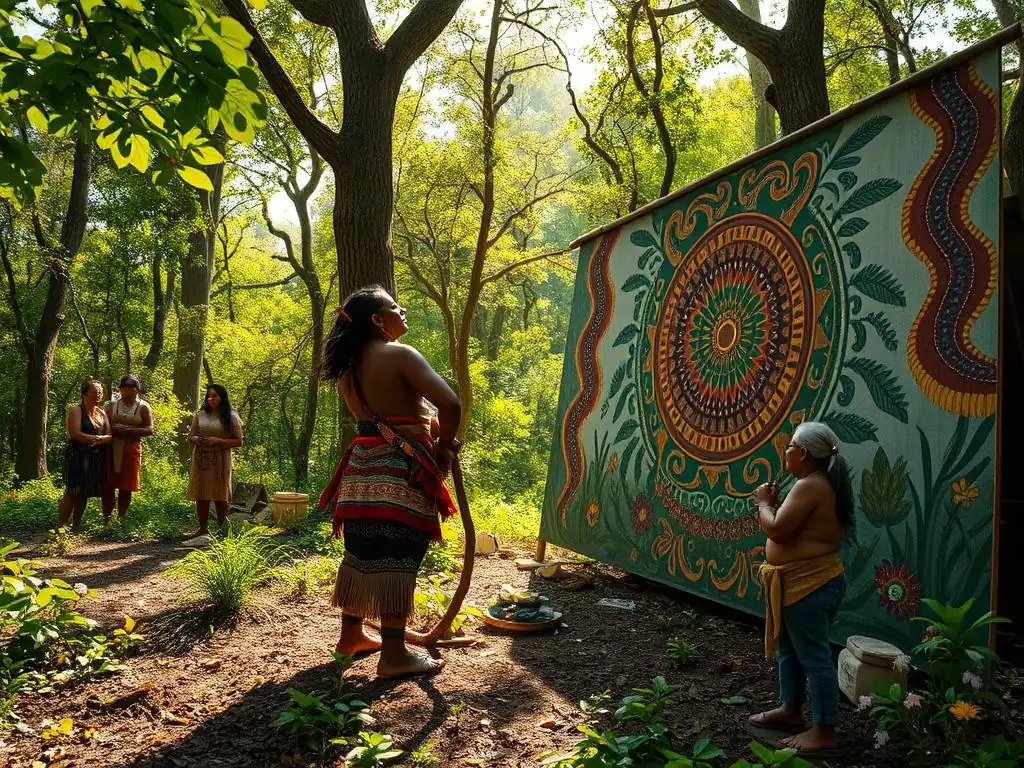
Welcome to Indigenous Civilizations of the Americas, where we invite you to embark on a fascinating journey through the rich tapestry of indigenous cultures that flourished long before European settlers arrived. Dive into our featured article, "The Spirit of the Land: Indigenous Perspectives in Today's Environmental Art," and discover how these vibrant societies not only shaped their surroundings but also left an indelible mark on contemporary environmental art.
What connections can you uncover between past traditions and present expressions? Join us as we explore the profound legacy of indigenous culture and environmental art that continues to inspire and inform our understanding of the world today.
Introduction to Indigenous Culture and Environmental Art
The intersection of Indigenous culture and environmental art offers a profound lens through which we can explore the intricate relationship that Indigenous peoples maintain with their natural surroundings. Long before European colonization, diverse Indigenous cultures across the Americas developed unique worldviews that revered nature, viewing it not merely as a resource but as a living entity imbued with spirit and significance.
As we delve into this topic, we will uncover how these perspectives have influenced modern artistic expressions and how they continue to resonate within contemporary environmental art. This exploration highlights the enduring legacy of Indigenous wisdom and its relevance in today's discussions about sustainability, conservation, and ecological stewardship.
Understanding Indigenous Culture in the Context of Environmental Art
Indigenous cultures are characterized by a rich tapestry of beliefs, practices, and traditions that are deeply connected to the land. These cultures often reflect a holistic understanding of the environment, emphasizing the interdependence of all living beings. In the context of environmental art, this perspective manifests through various artistic mediums that celebrate, critique, and engage with the natural world.
- Art as a Reflection of Identity: For many Indigenous artists, environmental art serves as a means of expressing cultural identity and heritage. It allows for the storytelling of ancestral connections to the land and showcases the beauty and fragility of ecosystems.
- Contemporary Relevance: Today, Indigenous artists are increasingly using their work to address pressing environmental issues, such as climate change and habitat destruction. Their art often calls for a return to traditional ecological practices while advocating for the protection of sacred sites and natural resources.
The Role of Nature in Indigenous Worldviews
Nature plays a central role in Indigenous worldviews, shaping their cultural narratives and practices. Many Indigenous communities view the land, water, and air as sacred, essential components of their identity and spirituality.
- Spiritual Connections: The belief that all elements of nature possess spirit is integral to Indigenous cosmologies. This belief fosters a sense of respect and responsibility toward the environment, influencing both everyday practices and artistic expressions.
- Cultural Narratives: Stories and myths that illustrate the relationship between humans and nature are prevalent in Indigenous cultures. These narratives often serve to guide ethical behavior and reinforce the importance of living in harmony with the environment.
Historical Context of Indigenous Perspectives on Nature
Understanding the historical context of Indigenous perspectives on nature is crucial to appreciating their influence on modern environmental art. These perspectives have evolved through centuries of adaptation and resilience, particularly in response to external pressures and challenges.
Traditional Indigenous Practices and Environmental Stewardship
Indigenous peoples have long been stewards of the land, employing sustainable practices that ensure the health and vitality of ecosystems. Traditional ecological knowledge (TEK) encompasses a deep understanding of local biota and ecological systems.
- Sustainable Agriculture: Techniques such as crop rotation, polyculture, and the use of native plants highlight Indigenous agricultural practices that promote biodiversity and soil health.
- Resource Management: Many Indigenous communities have developed methods for managing resources sustainably, emphasizing the importance of conservation and respect for nature.
The Impact of Colonization on Indigenous Environmental Art
The arrival of Europeans marked a significant disruption to Indigenous cultures and their relationship with the land. Colonization introduced new challenges that have shaped contemporary Indigenous environmental art.
- Displacement and Loss: The forced removal from ancestral lands and the destruction of ecosystems have profoundly impacted Indigenous communities. This history is often reflected in the art created by Indigenous artists today, serving as a powerful reminder of loss and resilience.
- Revival and Resistance: In response to these challenges, many Indigenous artists are reclaiming their cultural heritage and articulating a vision for environmental justice through their work. This resurgence of Indigenous environmental art not only honors traditional practices but also challenges colonial narratives and advocates for the protection of the Earth.
Through this exploration of Indigenous perspectives in environmental art, we gain insight into the invaluable contributions of Indigenous cultures to contemporary discussions about ecology and art, highlighting the profound connections that exist between culture, creativity, and the land.
Contemporary Indigenous Artists and Their Environmental Message
Contemporary Indigenous artists are at the forefront of the environmental art movement, using their work to convey profound messages about the relationship between people and the land. These artists draw upon rich cultural traditions, combining them with modern techniques to address pressing environmental issues. Their work often reflects a deep understanding of ecological systems and the impact of colonization, industrialization, and climate change on their ancestral lands. By blending traditional narratives with contemporary aesthetics, these artists invite audiences to reconsider their relationship with nature and to reflect on the consequences of human actions.
Many Indigenous artists utilize environmentally sustainable practices in their creations, emphasizing a harmonious relationship with the Earth. This commitment not only serves as a form of activism but also as a way to educate viewers about Indigenous philosophies surrounding environmental stewardship. Through their art, they challenge the dominant narratives of exploitation and promote a vision of coexistence that respects both the natural world and Indigenous rights.
Profiles of Influential Indigenous Environmental Artists
-
Eliza Noh
Eliza Noh is an artist of Korean and Indigenous ancestry who incorporates natural materials and traditional techniques into her work. Her installations often feature elements like soil and plants, exploring themes of regeneration and resilience.
-
Nicholas Galanin
A member of the Tlingit and Unangax communities, Nicholas Galanin uses a variety of mediums, including sculpture and film, to address cultural identity and environmental issues. His work often critiques the effects of colonialism on Indigenous lands.
-
Kerry James Marshall
Although not Indigenous in the traditional sense, Marshall's work resonates with Indigenous themes through its focus on community and the environment. His use of vibrant colors and narratives reflects the interconnectedness of people and nature, resonating with Indigenous perspectives.
-
Raven Halfmoon
A member of the Cherokee Nation, Raven Halfmoon creates ceramic works that challenge perceptions of femininity and environment, often using her pieces to comment on the exploitation of natural resources and the importance of land protection.
These artists, among many others, are using their platforms to amplify Indigenous voices in the environmental discourse, showcasing the unique perspectives that arise from their cultures.
Techniques and Mediums Used in Indigenous Environmental Art
Indigenous environmental art encompasses a diverse range of techniques and mediums that reflect cultural heritage while addressing modern ecological concerns. Here are some notable methods:
- Natural Materials: Many Indigenous artists emphasize the use of locally sourced and natural materials such as clay, wood, feathers, and stones. This approach not only highlights the beauty of the materials but also symbolizes a close relationship with the land.
- Land Art: Some artists engage in land art, creating large-scale installations directly on the earth. These works often incorporate elements of the landscape, fostering a dialogue between the art and its environment.
- Textiles and Weaving: Traditional weaving techniques are reimagined in contemporary contexts to express themes of nature and sustainability. Artists use fibers that are locally sourced or reclaimed to create pieces that speak to the relationship between culture and ecology.
- Performance Art: Performance art is used to embody and convey Indigenous teachings about the land. These performances often take place in natural settings, blurring the lines between art and the environment.
By employing these techniques, Indigenous artists not only create visually striking works but also foster a deeper appreciation and understanding of their environmental messages.
Themes in Indigenous Environmental Art
Indigenous environmental art is rich with themes that reflect the deep connection between culture, land, and identity. These themes resonate strongly in contemporary works, as artists seek to communicate the urgency of environmental issues within the context of their heritage.
Connection to Land and Spirituality in Modern Works
A central theme in Indigenous environmental art is the profound connection to the land and the spiritual beliefs that underpin it. Many artists express this connection through visual narratives that honor the sacredness of nature. This theme is manifested in various ways:
- Ancestral Landscapes: Artists often depict ancestral lands, highlighting their beauty and cultural significance. These representations serve as reminders of the deep histories and stories embedded in the landscape.
- Spiritual Practices: Incorporating traditional spiritual practices into their art, many Indigenous artists illustrate the importance of rituals and ceremonies that celebrate the Earth. These practices emphasize respect and gratitude toward the natural world.
- Ecological Wisdom: The artwork frequently reflects Indigenous ecological knowledge, showcasing sustainable practices that have been passed down through generations. This wisdom is vital in addressing current environmental challenges.
By intertwining land and spirituality, these artists convey a message of reverence for nature and the importance of protecting the environment.
Social and Political Commentary Through Environmental Art
Indigenous environmental art serves as a powerful medium for social and political commentary, addressing issues such as land rights, climate change, and the impacts of colonization. This commentary can be seen in various ways:
- Advocacy for Land Rights: Many artists use their work to advocate for the reclamation of Indigenous lands and highlight the injustices faced by their communities. Their art often calls for recognition and respect for Indigenous sovereignty.
- Climate Change Awareness: Through their art, Indigenous artists raise awareness of the effects of climate change on their communities and ecosystems. They depict the realities of environmental degradation and the urgent need for action.
- Cultural Resilience: By celebrating their cultures and traditions, Indigenous artists assert their identity while also critiquing the dominant narratives that marginalize Indigenous voices. Their work emphasizes resilience and the ongoing struggle to protect their heritage and the environment.
Through these themes, Indigenous environmental art not only enriches the discourse surrounding these critical issues but also empowers communities to advocate for their rights and the preservation of their lands.
The Influence of Indigenous Culture on Global Environmental Art Movements
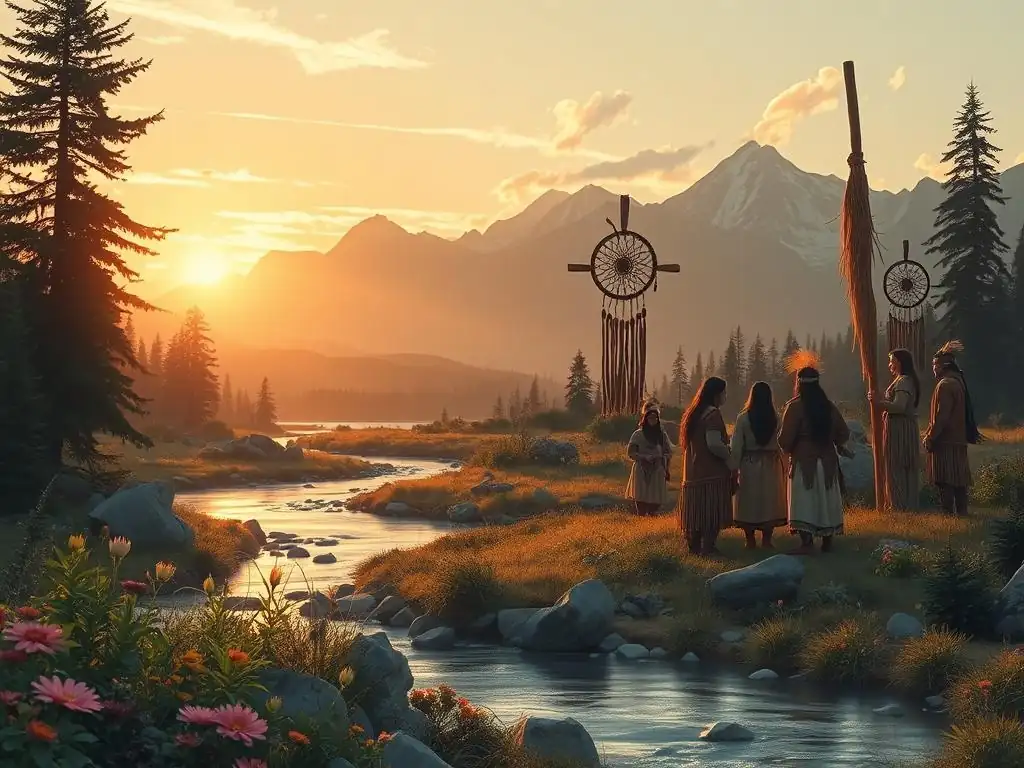
Indigenous cultures have profoundly influenced global environmental art movements, weaving traditional ecological knowledge into contemporary art practices. Artists draw from centuries of cultural heritage, using their artwork to express a deep connection to nature and advocate for environmental stewardship. This influence is evident in various movements that prioritize ecological awareness, highlighting the intrinsic relationship between land, identity, and sustainability.
Artworks inspired by Indigenous perspectives often employ natural materials and traditional techniques, emphasizing the interconnectedness of all living things. For instance, land art and eco-art installations frequently incorporate site-specific elements, inviting audiences to engage with the local ecosystem. This approach encourages a more profound reflection on environmental issues, positioning Indigenous philosophies as vital in addressing contemporary ecological crises.
Moreover, Indigenous narratives and symbolism are increasingly recognized in global art exhibitions, demonstrating the importance of these voices in the dialogue surrounding climate change and environmental degradation. By integrating Indigenous culture into environmental art, artists foster a broader appreciation for diverse worldviews, promoting inclusivity and respect for Indigenous knowledge systems.
Cross-Cultural Collaborations in Environmental Art
Cross-cultural collaborations have become a powerful avenue for amplifying Indigenous voices within the environmental art sphere. These partnerships often bring together Indigenous artists and non-Indigenous creators, merging diverse perspectives and methodologies. Such collaborations can lead to innovative projects that challenge conventional narratives about land and ecology while fostering mutual respect and understanding.
One notable example is the collaboration between Indigenous artists and scientists to create art installations that visualize environmental data, such as climate change effects. These projects not only highlight the urgency of environmental issues but also respect Indigenous knowledge by incorporating traditional ecological insights into scientific data interpretation. This synergy creates a more holistic understanding of environmental challenges, bridging the gap between art, science, and Indigenous wisdom.
Additionally, cross-cultural collaborations can help combat stereotypes and misconceptions about Indigenous peoples. By showcasing their expertise and cultural heritage through art, these partnerships contribute to a broader understanding of Indigenous contributions to environmental stewardship. This collaborative spirit promotes learning and dialogue, ultimately leading to more effective solutions for environmental sustainability.
Indigenous Knowledge Systems as a Model for Sustainability
Indigenous knowledge systems serve as a model for sustainability, emphasizing the importance of respect, reciprocity, and stewardship of the land. These systems, developed over thousands of years, provide valuable insights into sustainable practices and ecological management. Many contemporary environmental artists draw upon this wealth of knowledge, creating works that reflect Indigenous philosophies and advocate for sustainable practices.
For example, Indigenous approaches to land management often involve practices such as controlled burns, crop rotation, and polyculture, which have been proven to enhance biodiversity and soil health. By integrating these practices into their art, Indigenous artists highlight the necessity of sustainable land use and the wisdom embedded in traditional ecological knowledge.
Moreover, Indigenous narratives often emphasize the spiritual connection to the land, framing environmental conservation as a sacred duty. This perspective encourages a shift in how society views nature, promoting a sense of responsibility towards the environment. By showcasing these principles through their artworks, Indigenous artists not only educate audiences but also inspire a deeper commitment to sustainability.
Challenges Faced by Indigenous Artists in the Environmental Art Scene
Despite the growing recognition of Indigenous perspectives in environmental art, artists face numerous challenges that can hinder their ability to create and share their work. These challenges range from systemic barriers to cultural appropriation issues, which can complicate the landscape for Indigenous artists striving to make an impact in the environmental art scene.
Cultural Appropriation and Misrepresentation
Cultural appropriation remains a significant concern for Indigenous artists, particularly in environmental art, where the appropriation of Indigenous themes, symbols, and practices can lead to misrepresentation. Non-Indigenous artists using Indigenous motifs without a deep understanding or respect for their cultural significance can dilute their meaning and perpetuate stereotypes. This not only undermines the authenticity of Indigenous art but also risks commodifying sacred elements of Indigenous cultures.
The challenge lies in ensuring that Indigenous voices are at the forefront of discussions about their cultural heritage. Artists advocate for ethical engagement, emphasizing the need for respect, representation, and collaboration. This requires a commitment from both Indigenous and non-Indigenous artists to engage in meaningful ways that honor Indigenous traditions and perspectives, rather than exploiting them for commercial gain.
Access to Platforms and Resources for Indigenous Artists
Access to platforms and resources poses another significant challenge for Indigenous artists in the environmental art scene. Many Indigenous creators encounter barriers when seeking exhibition opportunities, funding, and visibility in mainstream art institutions. This lack of access can hinder their ability to share their work and engage with broader audiences.
Efforts to address these disparities are crucial for fostering an inclusive art community. Initiatives that promote Indigenous artists, provide funding opportunities, and create spaces for their work in galleries and public installations are essential. Additionally, mentorship programs and partnerships can help bridge the gap, ensuring that Indigenous artists receive the support and resources needed to thrive in the environmental art landscape.
By amplifying Indigenous voices and addressing these challenges, the environmental art scene can become a more equitable space that honors the rich cultural heritage of Indigenous peoples and their vital contributions to contemporary environmental discourse.
Conclusion: The Future of Indigenous Culture and Environmental Art
The intersection of Indigenous culture and environmental art offers a profound lens through which to view contemporary ecological issues and cultural preservation. As artists draw on their rich heritage, they infuse their work with ancestral knowledge, spiritual connections to the land, and a deep commitment to sustainability. This melding of tradition and modernity not only honors the past but also lays a foundation for the future. By integrating Indigenous perspectives into environmental art, we can foster a greater understanding of the symbiotic relationship between people and nature, encouraging a more holistic approach to environmental stewardship.
As the world grapples with climate change, habitat loss, and ecological degradation, Indigenous art emerges as a vital tool for advocacy and education. It serves to remind us of the wisdom embedded in Indigenous traditions, emphasizing the importance of living in harmony with the environment. The future of Indigenous culture within the realm of environmental art depends on continued recognition and support for these voices. By valuing and amplifying Indigenous narratives, we can cultivate a more inclusive and effective dialogue around environmental issues.
The Importance of Preserving Indigenous Perspectives in Art
Preserving Indigenous perspectives in art is crucial for several reasons. Firstly, these perspectives encapsulate unique worldviews that have developed over centuries, often rooted in a profound connection to the land and its resources. This connection influences not only artistic expression but also broader environmental ethics. By integrating Indigenous viewpoints into contemporary art, we enrich the cultural tapestry and promote diversity in artistic narratives.
Moreover, Indigenous art serves as a means of storytelling, conveying important cultural values, historical experiences, and communal identities. This storytelling aspect is vital for fostering understanding between cultures and for educating future generations about the importance of respecting and learning from Indigenous knowledge systems. When Indigenous artists share their work, they invite audiences to engage with a narrative that challenges dominant paradigms and encourages a more inclusive understanding of environmental issues.
Lastly, the preservation of these perspectives helps combat the erasure of Indigenous histories and identities, which have often been marginalized or overlooked. By valuing and promoting Indigenous art, we contribute to the resurgence of these cultures and the affirmation of their rightful place in society. This preservation is not merely an act of nostalgia; it is a necessary step towards reconciliation and justice for Indigenous communities.
Call to Action: Supporting Indigenous Artists and Their Messages
As we navigate the complexities of modern environmental challenges, there is an urgent need for collective action in support of Indigenous artists and their vital messages. Here are several ways individuals and communities can contribute:
- Educate Yourself: Take the time to learn about the diverse Indigenous cultures, histories, and contemporary issues. Understanding the context behind Indigenous art can enhance appreciation and advocacy.
- Promote Indigenous Art: Share Indigenous artwork on social media platforms, attend exhibitions, and engage with galleries that feature Indigenous artists. Visibility is crucial for amplifying their voices.
- Support Indigenous Creators: Purchase art and crafts directly from Indigenous artists or cooperatives. This not only provides financial support but also validates their work and cultural expressions.
- Advocate for Representation: Encourage institutions and organizations to include Indigenous perspectives in their programs, exhibitions, and discussions. Representation matters in fostering understanding and respect.
- Participate in Community Initiatives: Engage in local events or workshops that celebrate Indigenous art and culture. These initiatives often provide opportunities for learning, collaboration, and fostering relationships with Indigenous communities.
By taking these steps, we can collectively honor Indigenous culture and environmental art, ensuring that these vital perspectives continue to thrive and influence future generations. Together, we can contribute to a more sustainable and equitable world that respects the wisdom of Indigenous peoples.
- Introduction to Indigenous Culture and Environmental Art
- Historical Context of Indigenous Perspectives on Nature
- Contemporary Indigenous Artists and Their Environmental Message
- Themes in Indigenous Environmental Art
- The Influence of Indigenous Culture on Global Environmental Art Movements
- Challenges Faced by Indigenous Artists in the Environmental Art Scene
- Conclusion: The Future of Indigenous Culture and Environmental Art
- What is the main focus of the article "The Spirit of the Land: Indigenous Perspectives in Today's Environmental Art"?
- How do indigenous cultures view the relationship between art and nature?
- What role does environmental art play in preserving indigenous culture?
- Why is it important to explore indigenous perspectives in today's environmental art?
- How can individuals support indigenous cultures and their environmental art?
Frequently Asked Questions
What is the main focus of the article "The Spirit of the Land: Indigenous Perspectives in Today's Environmental Art"?
The article emphasizes the connection between indigenous cultures and their environmental art, exploring how these perspectives influence contemporary artistic expressions and environmental awareness.
How do indigenous cultures view the relationship between art and nature?
Indigenous cultures often see art as a reflection of their spiritual and cultural ties to nature, believing that their artistic practices can foster a deeper respect and understanding of the environment.
What role does environmental art play in preserving indigenous culture?
Environmental art serves as a medium for storytelling and cultural expression, helping to educate others about indigenous histories and philosophies while promoting environmental stewardship.
Why is it important to explore indigenous perspectives in today's environmental art?
Exploring these perspectives is crucial for recognizing the value of traditional knowledge and practices, which can inform and enhance contemporary approaches to environmental sustainability.
How can individuals support indigenous cultures and their environmental art?
Individuals can support indigenous cultures by engaging with their art, promoting indigenous artists, and advocating for policies that respect and protect indigenous rights and their connection to the land.
Final Reflection: Embracing Indigenous Wisdom in Environmental Art
The intersection of Indigenous culture and environmental art is more relevant today than ever, as we face unprecedented ecological challenges. The voices of Indigenous peoples, rooted in a profound understanding of the land and its ecosystems, offer invaluable insights that can guide us toward sustainable practices and a deeper connection to nature. In a world grappling with climate change and environmental degradation, the wisdom embedded in Indigenous perspectives serves as a beacon of hope and a call to action.
Cultural narratives and artistic expressions from Indigenous communities continue to shape our understanding of the environment and our place within it. These perspectives challenge the dominant paradigms of exploitation and consumption, urging us to reconsider our relationship with the natural world. As noted by Indigenous artist and activist Rebecca Belmore, Art is a way of knowing, a way of being in the world.
This sentiment encapsulates the transformative power of Indigenous art, which not only reflects the beauty of the land but also serves as a critical commentary on the urgent need for environmental stewardship.
As we reflect on the themes explored in this article, I invite you to consider how you can integrate Indigenous wisdom into your own life and practices. Let us honor the teachings of those who have long cared for the land by actively engaging with their perspectives and advocating for their inclusion in contemporary environmental discourse. Together, we can cultivate a more respectful and sustainable relationship with our planet, ensuring that the spirit of the land continues to thrive for generations to come.
Unveil the Power of Indigenous Voices in Art and Nature!
Thank you for taking the time to explore the profound intersection of Indigenous perspectives and environmental art. Your interest highlights the importance of honoring these voices and their connection to the land. Now, let’s transform this knowledge into impactful actions that celebrate and support Indigenous artistry and environmental stewardship.
Here’s how you can get involved:
- Engage with Local Artists: Visit galleries or attend events showcasing Indigenous artists to experience their unique perspectives firsthand. Consider purchasing art that resonates with you!
- Share Your Insights: Discuss what you learned today on social media using a relevant hashtag to spark conversations in your community about the importance of honoring Indigenous voices.
- Join a Community Initiative: Participate in local environmental projects that focus on Indigenous practices and philosophies, amplifying their teachings through your own actions.
What will you do today to deepen your connection with the land and support Indigenous narratives?