
The Legacy of Mayan Political Structures on Contemporary Indigenous Governance

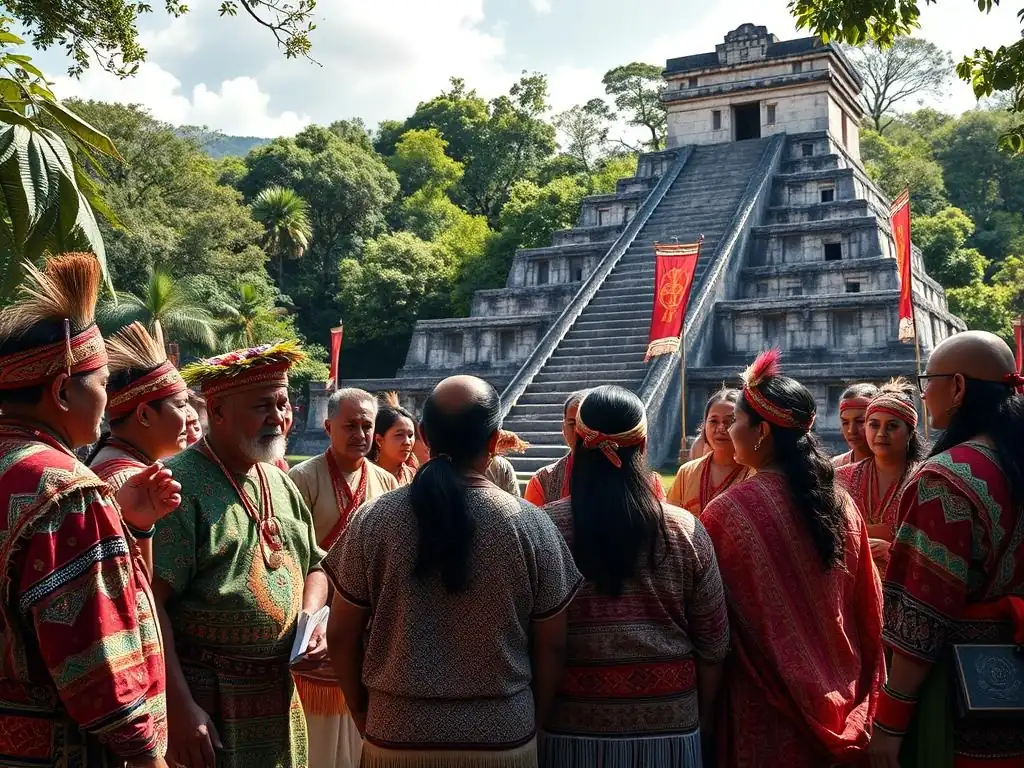
Welcome to Indigenous Civilizations of the Americas, where we embark on a captivating journey through the rich tapestry of pre-colonial indigenous cultures. Here, you will uncover the profound Mayan influence on indigenous governance, exploring how their sophisticated political structures continue to resonate in today’s societies. Delve into the legacy of the Mayans and discover the intricate ways their achievements have shaped contemporary governance among indigenous peoples. Join us as we unravel these fascinating connections and ignite your curiosity about the vibrant histories that define the Americas!
Introduction to Mayan Influence on Indigenous Governance
The political structures established by the ancient Maya civilization have left a profound legacy that resonates through contemporary Indigenous governance in the Americas. This article delves into the Mayan influence on indigenous governance, exploring how the sophisticated political systems of the Maya continue to shape modern governance practices among Indigenous communities.
Understanding this influence is crucial, as it highlights the resilience and adaptability of Indigenous cultures in maintaining their political heritage while navigating the complexities of the modern world. The examination of these political frameworks not only sheds light on the historical significance of the Maya but also emphasizes their ongoing relevance in contemporary governance discussions.
Overview of Mayan Political Systems
Mayan political systems were characterized by a decentralized structure comprised of numerous city-states, each with its own ruler and governing body. These city-states operated independently but shared cultural and linguistic ties, fostering a network of alliances and rivalries. The governance was deeply intertwined with religious beliefs, where rulers were often seen as divine representatives. Key aspects of these systems included:
- City-State Autonomy: Each city-state functioned independently, allowing for diverse governance practices.
- Theocratic Leadership: Leaders often held religious significance, merging political and spiritual authority.
- Social Hierarchy: A clear social stratification defined roles and responsibilities within the community.
These characteristics laid the groundwork for understanding how ancient governance practices inform contemporary Indigenous political structures.
Importance of Indigenous Governance in Contemporary Context
In today’s world, Indigenous governance plays a critical role in asserting autonomy and cultural identity. The resurgence of interest in traditional governance systems among Indigenous peoples reflects a desire to reclaim sovereignty and self-determination. This contemporary movement highlights several key areas:
- Cultural Preservation: Indigenous governance fosters the preservation of language, traditions, and customs.
- Community Empowerment: By implementing traditional governance structures, communities can address local issues more effectively.
- Political Representation: Indigenous governance models promote the representation of Indigenous voices in political discourse, ensuring their rights and needs are acknowledged.
The interplay between historical practices and modern governance reflects a dynamic evolution, driven by the need for self-governance and cultural integrity.
Historical Context of Mayan Political Structures
To fully appreciate the legacy of Mayan political structures, it is essential to understand their historical context. The Maya civilization flourished for thousands of years, exhibiting complex societal organization that influenced neighboring regions.
The Organization of Mayan City-States
The Maya civilization was composed of numerous city-states, each functioning as an independent political entity. Major city-states such as Tikal, Calakmul, and Palenque served as centers of power, culture, and trade. The organization of these city-states can be summarized as follows:
- Independent Governance: Each city-state had its own ruler, laws, and customs, allowing for a diverse political landscape.
- Inter-City Relations: City-states engaged in trade, warfare, and diplomacy, impacting their political stability and cultural exchange.
- Architectural Significance: The construction of monumental architecture often reflected the power dynamics within and between city-states.
This organization fostered a rich tapestry of governance that influenced subsequent Indigenous political structures in the Americas.
Key Features of Mayan Governance Models
Mayan governance models were distinguished by several key features that contributed to their effectiveness and adaptability:
- Council-Based Decision Making: Many city-states employed councils composed of elite members to advise the ruler, ensuring a more collective approach to governance.
- Legal Frameworks: Established laws governed social behavior, trade, and conflict resolution, reflecting a sophisticated understanding of justice and order.
- Taxation and Resource Management: Effective systems of taxation and resource allocation were vital for sustaining the city-state's economy and public works.
These features not only highlight the complexity of Mayan governance but also serve as a foundation for understanding contemporary Indigenous governance practices.
The Role of Leadership and Authority in Mayan Society
Leadership in Mayan society was multifaceted, encompassing both political and religious dimensions. The authority of rulers was derived from their perceived connection to the divine, which reinforced their legitimacy. Key aspects of leadership included:
- Divine Right to Rule: Rulers were often viewed as intermediaries between the gods and the people, legitimizing their authority.
- Military Leadership: Many rulers were also military leaders, which enabled them to maintain control over their city-states through force when necessary.
- Ceremonial Roles: Rulers participated in various religious ceremonies, reinforcing their status and the cultural significance of their governance.
This intricate relationship between leadership and authority continues to influence contemporary Indigenous governance, where spiritual and communal values often inform political decisions.
The Evolution of Indigenous Governance Post-Colonization
The political structures of indigenous societies in the Americas, particularly those of the Maya, underwent significant transformations following European colonization. The arrival of Spanish conquistadors in the 16th century disrupted established governance systems, leading to the dismantling of traditional hierarchies and authority figures. This shift resulted in a loss of autonomy for many indigenous groups, as colonial powers imposed their own governance models, often disregarding the complexities of indigenous political systems.
Despite these challenges, many indigenous communities demonstrated resilience by adapting their governance frameworks to navigate the colonial landscape. This adaptation often involved a blend of traditional practices and colonial regulations, creating unique systems of governance that reflected both indigenous heritage and the realities of colonial rule. Over the centuries, these hybrid systems laid the groundwork for contemporary forms of indigenous governance that continue to evolve today.
Effects of European Colonization on Mayan Political Structures
The impact of European colonization on Mayan political structures was profound and multifaceted. The Spanish colonizers implemented a system of encomienda, which redistributed land and labor among Spanish settlers while undermining the existing leadership of the Maya. This led to a decline in the political legitimacy of traditional rulers and the erosion of communal governance practices.
Moreover, the introduction of European legal frameworks disrupted indigenous conflict resolution mechanisms. The imposition of foreign laws often marginalized indigenous voices in their own governance. As a result, many Mayan communities found themselves navigating a complex interplay of colonial and traditional systems, leading to significant changes in their political organization and authority structures.
Adaptation of Mayan Governance Principles by Indigenous Communities
In response to colonial pressures, many indigenous communities sought to retain elements of their traditional governance systems. This adaptation involved a selective integration of Mayan principles, such as communal decision-making and consensus-building, into newly formed governance structures.
For example, some communities established councils that mirrored traditional practices, allowing for the participation of elders and community members in decision-making processes. This approach not only preserved cultural heritage but also facilitated the continuity of governance practices that were deeply rooted in Mayan traditions. By prioritizing collective well-being and community involvement, these adaptations fostered a sense of identity and resilience among indigenous populations.
Case Studies: Indigenous Governance in Modern Contexts
Several contemporary indigenous communities provide compelling case studies on the evolution of governance influenced by Mayan political structures.
- Guatemalan Indigenous Councils: In Guatemala, various indigenous groups have formed councils that reflect traditional governance practices. These councils prioritize local participation and uphold the principles of consensus and collective decision-making, directly tracing their roots to Mayan governance.
- Zapatista Autonomous Municipalities: The Zapatista movement in Chiapas has established autonomous municipalities that operate outside of the Mexican state’s legal framework. These municipalities incorporate traditional Mayan governance principles, emphasizing self-determination and community engagement.
- Mayan Communities in Belize: Some Mayan communities in Belize have successfully revived traditional governance structures, integrating them into local governmental processes while advocating for land rights and cultural preservation.
The Continuing Influence of Mayan Political Structures
The legacy of Mayan political structures remains a vital component of contemporary indigenous governance in the Americas. As indigenous communities strive for autonomy and self-determination, many draw upon the rich traditions and governance models established by their ancestors.
Preservation of Traditional Governance Practices
The preservation of traditional governance practices is crucial for maintaining cultural identity among indigenous peoples. Many communities actively engage in revitalizing traditional roles and responsibilities, such as the involvement of elders in governance and the use of traditional languages in political discourse. This preservation fosters a sense of continuity and community cohesion, allowing indigenous groups to assert their identity in the face of modern challenges.
Integration of Mayan Principles into Contemporary Indigenous Governance
Contemporary indigenous governance increasingly reflects the integration of Mayan principles, such as communal land management and sustainable resource practices. These principles not only enhance environmental stewardship but also promote social equity within indigenous communities. By applying these time-honored concepts, indigenous governance structures can address contemporary issues while honoring their ancestral practices.
Among the notable principles being integrated are:
- Consensus Decision-Making: Many communities prioritize consensus over majority rule, ensuring that all voices are heard.
- Collective Land Stewardship: This principle reinforces communal ties and promotes sustainable practices.
Examples of Successful Indigenous Governance Inspired by Mayan Models
Across the Americas, there are numerous examples of successful indigenous governance inspired by Mayan models.
- The Council of Elders in many indigenous communities acts similarly to traditional Mayan councils, where decisions are made collectively and reflect the will and needs of the community.
- Indigenous Legal Systems: Some communities have established their own legal frameworks that incorporate traditional conflict resolution methods, paralleling Mayan practices of mediation and restorative justice.
These examples illustrate the enduring legacy of Mayan political structures, showcasing their adaptability and relevance in the contemporary governance landscape. Through these frameworks, indigenous communities continue to navigate their political realities while honoring their cultural heritage.
Challenges and Opportunities in Contemporary Indigenous Governance
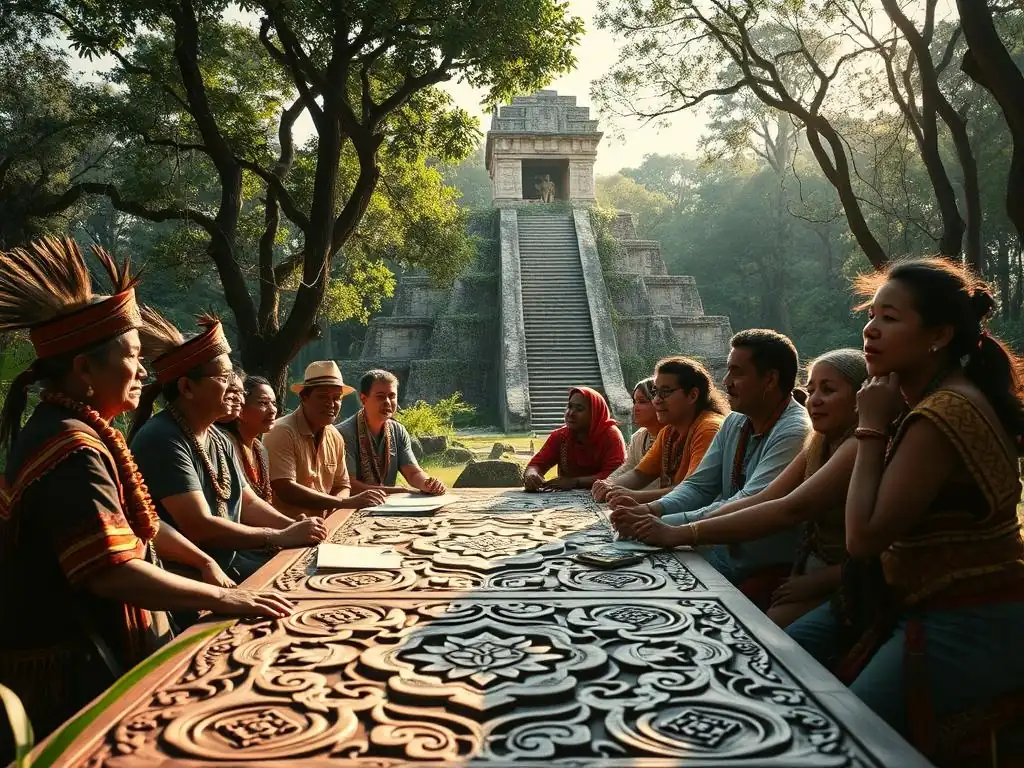
Indigenous communities today face a complex interplay of challenges and opportunities as they navigate governance systems influenced by historical precedents like the Mayan civilization. Understanding these dynamics is essential for fostering effective governance that honors ancestral traditions while addressing modern realities.
Challenges Faced by Indigenous Communities in Maintaining Governance
Indigenous communities encounter various challenges in preserving their governance structures, often rooted in historical disruptions and contemporary socio-political dynamics. Key challenges include:
- Political Marginalization: Many indigenous groups continue to experience exclusion from political decision-making processes, limiting their ability to influence policies that affect their communities.
- Cultural Erosion: The impact of globalization has led to the dilution of indigenous cultures and languages, which are crucial for maintaining traditional governance systems.
- Resource Disputes: Conflicts over land and natural resources remain prevalent, often exacerbated by external economic interests that disregard indigenous governance rights.
- Legal Barriers: Many indigenous communities face legal obstacles that hinder their sovereignty and self-governance, often compounded by a lack of recognition of their traditional governance frameworks within national laws.
Opportunities for Revitalizing Mayan Political Influences
Despite these challenges, there are significant opportunities for revitalizing Mayan political influences that can enhance contemporary indigenous governance:
- Cultural Reclamation: By revitalizing traditional practices and beliefs, indigenous communities can strengthen their governance systems, drawing inspiration from Mayan political structures that emphasized communal decision-making and consensus.
- Inter-community Collaboration: Building coalitions among different indigenous groups can foster solidarity and shared governance strategies, amplifying their collective voice in political arenas.
- Innovative Governance Models: Incorporating modern governance practices with traditional Mayan principles can create hybrid models that respect indigenous knowledge while addressing contemporary administrative needs.
- Advocacy and Legal Reform: Engaging in advocacy efforts to reform laws and policies that support indigenous self-governance can empower communities to reclaim their political agency.
The Role of Education and Cultural Preservation
Education plays a pivotal role in preserving cultural identity and empowering indigenous governance. Initiatives focusing on the following aspects can create a strong foundation for future generations:
- Bilingual Education: Implementing bilingual education programs that incorporate indigenous languages alongside national languages helps preserve linguistic heritage and fosters cultural pride.
- Cultural Workshops and Training: Providing workshops that teach traditional governance practices, conflict resolution methods, and community organization can help revive indigenous governance systems.
- Integration of Indigenous Knowledge: Incorporating indigenous perspectives and histories into educational curricula can enhance understanding and appreciation of indigenous governance among both indigenous and non-indigenous populations.
Conclusion: The Lasting Legacy of Mayan Governance
The legacy of Mayan governance continues to resonate within contemporary indigenous communities, offering rich lessons on political organization, community engagement, and cultural resilience. This legacy, while challenged by modern realities, remains a vital source of inspiration for contemporary governance practices.
Summary of Key Points on Mayan Influence on Indigenous Governance
- The Mayan civilization established complex political structures that emphasized community participation and consensus-building.
- Contemporary indigenous governance faces challenges such as political marginalization and cultural erosion but also offers opportunities through cultural revitalization and innovative governance models.
- Education and cultural preservation are crucial for empowering future leaders and maintaining the rich heritage of indigenous governance.
Future Directions for Indigenous Governance Inspired by Mayan Structures
Moving forward, indigenous communities can benefit from:
- Strengthening Traditional Practices: Emphasizing the importance of traditional governance practices in modern contexts can help maintain cultural integrity.
- Policy Advocacy: Engaging with policymakers to create frameworks that recognize and support indigenous governance can enhance community autonomy.
- Collaboration with Academic Institutions: Partnering with scholars and educational institutions can facilitate research and resources that promote the understanding and implementation of indigenous governance models inspired by Mayan traditions.
By leveraging the strengths of their historical governance systems, indigenous communities can forge pathways that honor their past while addressing contemporary governance challenges.
References for Further Reading on Mayan Influence and Indigenous Governance
To deepen your understanding of the Mayan influence on indigenous governance, a variety of academic sources and literature are available. These resources provide insights into the political structures of the Mayan civilization and their lasting impact on contemporary indigenous governance across the Americas. Below is a curated list of recommended academic sources and suggested literature that can enhance your knowledge in this area.
Recommended Academic Sources
-
"Maya Political Science: The Evolution of Political Institutions in the Maya Civilization"
This comprehensive study examines the development of political institutions in the Maya civilization and their implications for contemporary governance among indigenous communities. The author provides a detailed analysis of how ancient practices inform modern political structures.
-
"Indigenous Governance: A Comparative Study of the Maya and Other Indigenous Nations"
This academic work compares various indigenous governance systems, highlighting the distinct features of Maya governance. It discusses the historical context and the relevance of these systems in today's political landscape.
-
"The Political Landscape of the Maya: Structure, Power, and Society"
A thorough exploration of the political organization of the Maya civilization, focusing on social hierarchies, power dynamics, and governance. This source delves into how these elements continue to influence indigenous political practices.
-
"Mayan Influence on Modern Governance: Case Studies from Indigenous Communities"
This collection of case studies illustrates how Mayan political models have been adopted or adapted by contemporary indigenous groups. Each case provides insights into the challenges and successes of implementing traditional governance practices.
Suggested Literature on Indigenous Political Structures
-
"Governance and Resistance in the Americas: The Role of Indigenous Cultures"
This book offers a broader perspective on how indigenous cultures, including the Maya, have resisted colonial influences and maintained their governance structures. It discusses the interplay between tradition and modernity in governance.
-
"The Role of Tradition in Contemporary Indigenous Governance: Insights from the Maya"
An insightful examination of how traditional practices and beliefs shape contemporary governance among indigenous groups, with a specific focus on Mayan societies.
-
"From the Ancient to the Modern: A Journey Through Indigenous Political Thought"
This work traces the evolution of political thought from ancient indigenous civilizations to modern-day governance, emphasizing the contributions of the Maya to contemporary political dialogues.
-
"Maya Governance: Historical Foundations and Contemporary Practices"
A detailed analysis of the historical foundations of Maya governance and its relevance to today's indigenous political practices. This literature provides a nuanced understanding of the continuity and change in governance systems.
These references serve as essential resources for anyone looking to explore the intricate relationship between Mayan political structures and contemporary indigenous governance, enriching the discourse on the legacy of indigenous civilizations in the Americas.
- Introduction to Mayan Influence on Indigenous Governance
- Historical Context of Mayan Political Structures
- The Evolution of Indigenous Governance Post-Colonization
- The Continuing Influence of Mayan Political Structures
- Challenges and Opportunities in Contemporary Indigenous Governance
- Conclusion: The Lasting Legacy of Mayan Governance
- References for Further Reading on Mayan Influence and Indigenous Governance
- What were the key features of Mayan political structures?
- How did Mayan governance influence other indigenous cultures?
- What are some examples of contemporary indigenous governance influenced by the Mayans?
- Why is understanding Mayan governance important for indigenous rights today?
- How can I learn more about the Mayan influence on indigenous governance?
Frequently Asked Questions
What were the key features of Mayan political structures?
Mayan political structures were characterized by city-states, each governed by a king or leader, supported by a council. These systems emphasized hierarchical governance and religious authority intertwined with politics.
How did Mayan governance influence other indigenous cultures?
The Mayan influence on indigenous governance can be seen in the adoption of centralized leadership and the integration of religious practices into political life, shaping the governance structures of neighboring cultures.
What are some examples of contemporary indigenous governance influenced by the Mayans?
Contemporary indigenous governance often reflects communal decision-making and council systems, reminiscent of Mayan practices. Many tribes incorporate traditional customs into modern governance frameworks, echoing their historical roots.
Why is understanding Mayan governance important for indigenous rights today?
Understanding Mayan governance provides insight into historical frameworks that support contemporary indigenous rights movements. It emphasizes the importance of cultural heritage in advocating for self-determination and autonomy.
How can I learn more about the Mayan influence on indigenous governance?
To explore more about the Mayan influence on indigenous governance, visit resources like the "Indigenous Civilizations of the Americas" website, which offers in-depth articles on cultural achievements and political legacies.
Final Reflection: The Enduring Legacy of Mayan Influence on Indigenous Governance
The intricate political structures established by the Mayans continue to resonate in contemporary indigenous governance, highlighting a profound connection between past and present. As we navigate the complexities of modern governance, it is essential to recognize how the foundational principles laid by the Mayans inform and inspire current indigenous leaders in their quest for autonomy, representation, and cultural preservation. The echoes of their sophisticated systems remind us that history is not merely a record of events but a living guide that shapes our present and future.
The influence of Mayan governance is not just a historical curiosity; it is a vital thread in the fabric of contemporary indigenous identity and political activism. Today, many indigenous communities draw upon the wisdom and practices of their ancestors to address modern challenges, fostering resilience and unity. As the renowned indigenous scholar, Dr. Rigoberta Menchú, once said, We must learn to live together as brothers or perish together as fools.
This sentiment underscores the importance of collective governance rooted in shared values, a principle that resonates deeply within the Mayan legacy and continues to empower indigenous movements worldwide.
As we reflect on the lessons from the Mayan political structures, I invite you to consider how these insights can inform your own understanding of governance and community. What can you learn from the past to inspire your actions today? Embrace the wisdom of indigenous practices in your personal and professional life, recognizing that the legacy of the Mayans is not just a historical narrative but a living testament to the strength of community, collaboration, and cultural identity. Let us carry this legacy forward, fostering a future where diverse governance systems coexist and thrive, enriching our collective human experience.
Unleash the Power of Indigenous Governance!
Thank you for taking the time to explore the fascinating legacy of Mayan political structures and their impact on contemporary indigenous governance. You've uncovered valuable insights that could help empower communities today. Now, let's take those ideas forward together!
- Dive deeper: Investigate local indigenous governance systems and engage with community leaders to understand how historical frameworks influence today's decisions.
- Share your knowledge: Initiate a conversation with friends or on social media about the similarities and differences between ancient and modern political systems in indigenous cultures.
- Participate in local events: Attend workshops or seminars that focus on indigenous rights and governance to expand your understanding and connect with others who are passionate about this topic.
What unique insights can you contribute to the discussion regarding the influence of historical governance on today's indigenous communities?