
The Healing Power of Dance: Indigenous Practices for Wellness and Community

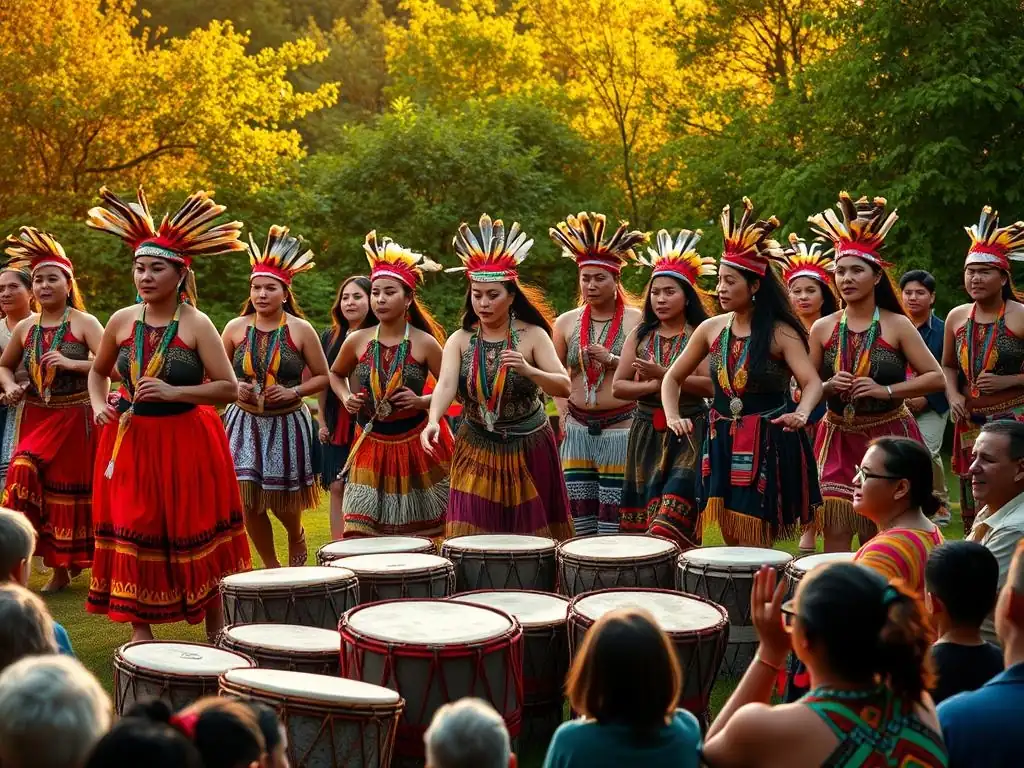
Welcome to Indigenous Civilizations of the Americas, where we delve into the rich tapestry of indigenous cultures that flourished across the continent long before the arrival of European settlers. Here, we invite you to explore the profound healing power of dance as a vital aspect of indigenous dance wellness practices—an art form that serves not only as a means of expression but also as a cornerstone for community cohesion and spiritual rejuvenation. Join us on this enlightening journey that uncovers how these vibrant traditions continue to influence and inspire wellness practices today.
Discover the stories, rituals, and the lasting impact of these remarkable civilizations. Your exploration begins now!
Introduction to Indigenous Dance Wellness Practices
Indigenous dance wellness practices are an integral part of the cultural tapestry woven by the diverse indigenous peoples of the Americas. These practices, deeply rooted in tradition, serve not only as a form of artistic expression but also as a means of healing and fostering community connections. Throughout history, dance has played a crucial role in ritualistic ceremonies, celebrations, and communal gatherings, reflecting the values and beliefs of the societies from which they originate. This article explores the profound significance of indigenous dance as a tool for wellness, highlighting its impact on both individual well-being and community cohesion.
Understanding the Role of Dance in Indigenous Cultures
Indigenous dance is far more than mere entertainment; it embodies the spiritual, social, and historical narratives of indigenous peoples. Here are some key aspects of its role:
- Cultural Identity: Dance serves as a vital expression of cultural heritage, allowing communities to celebrate their unique identities and histories.
- Spiritual Connection: Many indigenous dances are performed as offerings or prayers, connecting the dancers with their ancestors and the spirit world.
- Storytelling: Through movement, indigenous dance conveys stories, teachings, and values, preserving oral traditions and educating younger generations.
Overview of Wellness and Community in Indigenous Societies
In indigenous societies, wellness is often viewed holistically, encompassing physical, emotional, spiritual, and community health. The following elements illustrate this perspective:
- Collective Healing: Wellness practices are frequently communal, emphasizing the importance of relationships and social bonds in promoting health.
- Ritual and Ceremony: Regular participation in dances and ceremonies fosters a sense of belonging and identity, contributing to overall well-being.
- Connection to Nature: Many indigenous dances are tied to the cycles of nature, reinforcing respect for the environment and its role in sustaining life.
Historical Significance of Indigenous Dance
Indigenous dance has a rich historical significance that transcends time and place. It has been integral in shaping the cultural narratives of various tribes and nations across the Americas.
Traditional Indigenous Dance as a Healing Tool
Traditional dances have long been recognized as powerful healing tools, both physically and emotionally. These dances often involve:
- Physical Movement: Engaging in dance can promote physical health by enhancing strength, flexibility, and cardiovascular fitness.
- Emotional Release: Dance allows individuals to express feelings and release pent-up emotions, contributing to mental well-being.
- Spiritual Renewal: Many dances are performed as acts of healing, invoking spiritual energies to restore balance and harmony within individuals and communities.
Cultural Ceremonies and Their Impact on Community Wellness
Cultural ceremonies often incorporate dance as a central element, reflecting their importance in community wellness. The following points highlight their impact:
- Strengthening Social Bonds: Participating in communal dances fosters a sense of unity and belonging among community members.
- Rituals for Healing: Ceremonies that include dance may be specifically designed for healing purposes, addressing issues such as illness or grief.
- Cultural Continuity: By maintaining these traditions, communities ensure the transmission of knowledge and practices that promote wellness for future generations.
Through these explorations, it becomes clear that indigenous dance wellness practices are not only vital for individual health but are also fundamental in nurturing and sustaining vibrant, resilient communities.
Types of Indigenous Dance Wellness Practices
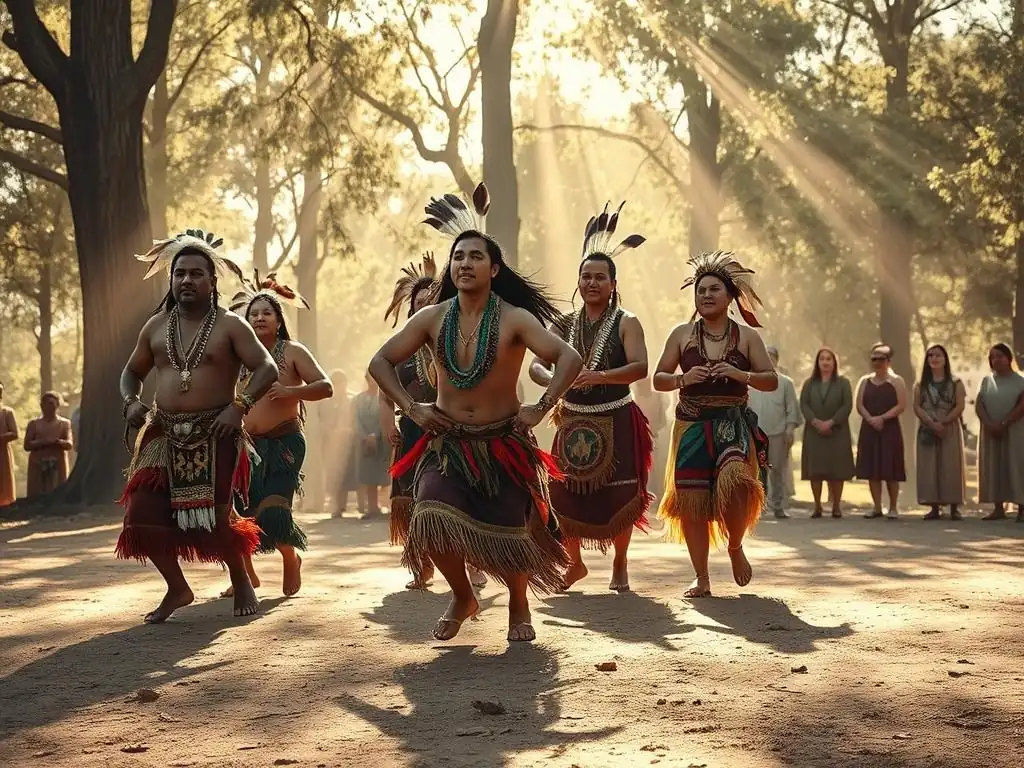
Indigenous dance wellness practices encompass a variety of forms and functions, each serving unique purposes within their respective communities. These practices not only facilitate physical expression but also promote emotional, mental, and spiritual well-being. The key types of indigenous dance wellness practices can be categorized into three primary areas: ritual dances for healing and spiritual connection, social dances that foster community bonds, and storytelling through dance that preserves history and ancestry.
Ritual Dances for Healing and Spiritual Connection
Ritual dances play a pivotal role in many Indigenous cultures, serving as a conduit for healing and spiritual connection. These dances are often performed in sacred spaces, accompanied by chants, drums, and other traditional instruments, creating an immersive environment that enhances spiritual experiences.
- Healing Ceremonies: Many Indigenous communities engage in dances specifically designed to invoke healing energies. For example, the Native American Sweat Lodge ceremonies often include dance as a part of the purification process, promoting both physical and spiritual health.
- Connection to the Divine: Dances such as the Sun Dance among Plains tribes are conducted to honor spiritual beliefs and connect with the Creator. These dances involve long hours of physical exertion and fasting, symbolizing sacrifice and commitment to spiritual growth.
- Cultural Significance: Ritual dances are deeply embedded in the cultural identity of Indigenous peoples, allowing participants to experience a sense of belonging and continuity with their ancestors.
Social Dances: Building Community and Strengthening Bonds
Social dances serve as a powerful tool for community building, enabling individuals to come together, celebrate, and strengthen social ties. These dances are often interwoven with community events, festivals, and gatherings, fostering unity and collaboration among participants.
- Celebratory Events: Dances like the Powwow, common among various Native American tribes, provide opportunities for social interaction, showcasing cultural heritage through dance competitions, drumming, and singing. These events often feature intricate dance styles that reflect individual tribal identities.
- Intergenerational Connections: Social dances enable the transfer of cultural knowledge from elders to youth, ensuring that traditional practices are preserved and appreciated by younger generations. This intergenerational exchange fosters respect and understanding within the community.
- Collective Resilience: Engaging in social dances can enhance collective resilience, as they allow communities to come together to celebrate achievements, mourn losses, and navigate challenges collaboratively.
Storytelling Through Dance: Preserving History and Ancestry
Storytelling through dance is an essential aspect of many Indigenous cultures, as it serves as a dynamic method of preserving and transmitting history, traditions, and ancestral knowledge.
- Cultural Narratives: Dance often embodies the stories of creation, migration, and significant historical events. For instance, the Inuit have traditional dances that recount the tales of their ancestors, reinforcing cultural identity and continuity.
- Symbolic Movements: Each movement in these dances can represent specific elements of the narrative, allowing participants to engage with their heritage in a visceral manner. The incorporation of traditional attire and symbols enhances the storytelling experience.
- Educational Value: By participating in these dances, individuals gain a deeper understanding of their history and the values of their community, reinforcing a sense of pride and belonging.
The Science Behind Dance and Wellness
The intersection of dance and wellness is increasingly supported by scientific research, highlighting the multitude of benefits that dance provides for mental, physical, and emotional health. Indigenous dance wellness practices exemplify these benefits, showcasing how movement can enhance well-being on multiple levels.
How Movement Affects Mental Health in Indigenous Practices
Research indicates that movement, particularly in the form of dance, can have profound effects on mental health. Indigenous dance practices often incorporate rhythmic movement and communal participation, which can lead to improved mood and emotional stability.
- Stress Reduction: Engaging in dance allows individuals to release pent-up emotions and stress, fostering a sense of relief and relaxation. The communal aspect of Indigenous dance enhances this effect, as participants feel supported by their community.
- Enhanced Cognitive Function: Dance stimulates brain function through coordination and rhythmic movement, enhancing cognitive abilities such as memory and problem-solving, which are vital in Indigenous traditions that rely on oral histories and storytelling.
- Mindfulness and Presence: Dance encourages participants to be present in the moment, promoting mindfulness that can help alleviate anxiety and depression, aligning with traditional Indigenous practices that emphasize living in harmony with nature and oneself.
The Physical Benefits of Dance as a Form of Exercise
Dance is not only an expressive art form but also an effective physical exercise that can improve overall health and fitness. Indigenous dance practices often involve vigorous movements that provide numerous physical benefits.
- Cardiovascular Health: Many Indigenous dances involve continuous movement and high energy, contributing to improved cardiovascular health and increased stamina.
- Muscle Strength and Flexibility: The diverse movements in dance routines help build muscle strength and enhance flexibility, reducing the risk of injury and promoting physical resilience.
- Cultural Fitness: Engaging in traditional dances connects participants to their cultural roots while promoting a healthy lifestyle, creating a holistic approach to fitness that honors both body and spirit.
Emotional Healing Through Rhythm and Movement
The rhythmic nature of dance facilitates emotional healing, allowing individuals to express and process their feelings creatively. Indigenous dance practices often incorporate elements that enhance emotional well-being.
- Expression of Emotions: Dance provides a safe space for expressing complex emotions, such as grief or joy, through movement. This cathartic process can lead to emotional breakthroughs and healing.
- Connection to Ancestry: Engaging in traditional dances allows individuals to connect with their heritage, fostering a sense of pride and belonging that can significantly improve emotional health.
- Community Support: The communal aspect of dance creates a network of support among participants, enhancing emotional resilience through shared experiences and collective healing.
Case Studies of Indigenous Dance Wellness Practices
Indigenous dance wellness practices have been integral to the cultural heritage and community cohesion of various indigenous groups across the Americas and beyond. These practices not only serve as a means of artistic expression but also contribute significantly to the physical, mental, and spiritual well-being of participants. Here, we explore specific case studies that illustrate the profound impact of these traditions.
Case Study 1: The Powwow Tradition Among Native American Tribes
The Powwow is a vibrant gathering of Native American tribes that showcases dance, music, and cultural traditions. These events serve as a healing space for community members, fostering connections among individuals and strengthening cultural identity.
- Spiritual Significance: At Powwows, dances are not merely performances; they are deeply spiritual acts that honor ancestors and express gratitude to nature. Dancers often wear traditional regalia, which holds personal and cultural significance, enhancing the spiritual experience.
- Community Healing: Powwow gatherings facilitate communal healing by providing a supportive environment where individuals can share their stories and experiences. The act of dancing together fosters a sense of belonging and collective strength, aiding in the healing of historical traumas among Native American populations.
- Physical Benefits: The physical aspect of the Powwow, which includes various dance styles such as the Grass Dance and Fancy Dance, promotes fitness and physical well-being. Participants engage in a form of exercise that enhances cardiovascular health and coordination while also celebrating their heritage.
Case Study 2: The Revival of the Haka in Māori Communities
The Haka, a traditional war dance of the Māori people of New Zealand, has transcended its historical context to become a powerful expression of cultural identity and community wellness.
- Cultural Resurgence: In recent years, Māori communities have revived the Haka as a source of pride and resilience. This resurgence allows individuals to connect with their heritage and fosters a sense of belonging, which is crucial for mental wellness.
- Collective Empowerment: The Haka is performed collectively, which reinforces social bonds and unity within the community. This form of communal participation encourages individuals to support one another, enhancing emotional well-being and reducing feelings of isolation.
- Therapeutic Aspects: The rhythmic movements and vocal expressions involved in performing the Haka serve as a physical outlet for emotions, providing therapeutic benefits. It allows participants to express feelings of anger, joy, and sorrow in a culturally significant manner.
Case Study 3: Community Gatherings in Inuit Cultures and Their Impact on Mental Health
Inuit communities have long engaged in traditional dance as a means of storytelling, cultural preservation, and collective healing.
- Cultural Storytelling: Dances often depict stories of survival, connection to the land, and the wisdom of elders. This practice not only preserves cultural narratives but also reinforces communal identity, which is vital for mental health.
- Social Support Networks: Community gatherings that include traditional dances create a network of social support, where individuals share resources and provide emotional support to one another. This sense of community is crucial for mental health, especially in populations facing challenges such as climate change and socio-economic pressures.
- Healing through Movement: The physical movement involved in Inuit dance can be a form of expression and release. Engaging in dance helps individuals cope with stress and trauma, promoting resilience within the community.
Contemporary Applications of Indigenous Dance for Wellness
The contemporary revival and application of indigenous dance practices continue to promote wellness and strengthen community ties. Various programs and initiatives have emerged to integrate these traditional practices into modern contexts, ensuring their relevance and accessibility.
Integration of Indigenous Dance in Modern Health Practices
Health practitioners and wellness programs are increasingly recognizing the value of indigenous dance as a complementary therapy.
- Holistic Approaches: Many health professionals incorporate indigenous dance into holistic wellness programs, emphasizing its benefits for mental, emotional, and physical health. This integration acknowledges the importance of cultural practices in healing.
- Mindfulness and Movement: Dance classes inspired by indigenous traditions focus on mindfulness and body awareness. Participants learn to connect their movements with breath and emotion, promoting relaxation and reducing anxiety.
Workshops and Programs Promoting Indigenous Dance Wellness
Numerous workshops and educational programs are now available that emphasize the importance of indigenous dance for personal and community wellness.
- Cultural Workshops: Organizations host workshops where participants can learn traditional dance styles, often led by tribal elders or experienced dancers. These workshops foster cultural appreciation and community engagement, enhancing overall well-being.
- Youth Engagement: Programs targeting youth often include indigenous dance as a means of connecting younger generations to their heritage. This engagement helps instill pride in cultural identity and mitigates the effects of cultural disconnection.
Community Initiatives Reviving Traditional Dance Practices
Many communities are actively working to revive traditional dance practices as a form of cultural revitalization and wellness.
- Local Festivals: Community-led festivals celebrating indigenous dance provide platforms for showcasing traditional performances, fostering intergenerational connections, and strengthening community bonds.
- Collaboration with Health Services: Some communities collaborate with mental health services to offer dance as a therapeutic intervention. These initiatives highlight the role of dance in healing and support the re-establishment of cultural practices that benefit individual and community wellness.
The healing power of indigenous dance wellness practices is evident through various case studies and contemporary applications. These practices not only serve to preserve cultural heritage but also promote mental, emotional, and physical well-being within communities.
Challenges and Preservation of Indigenous Dance
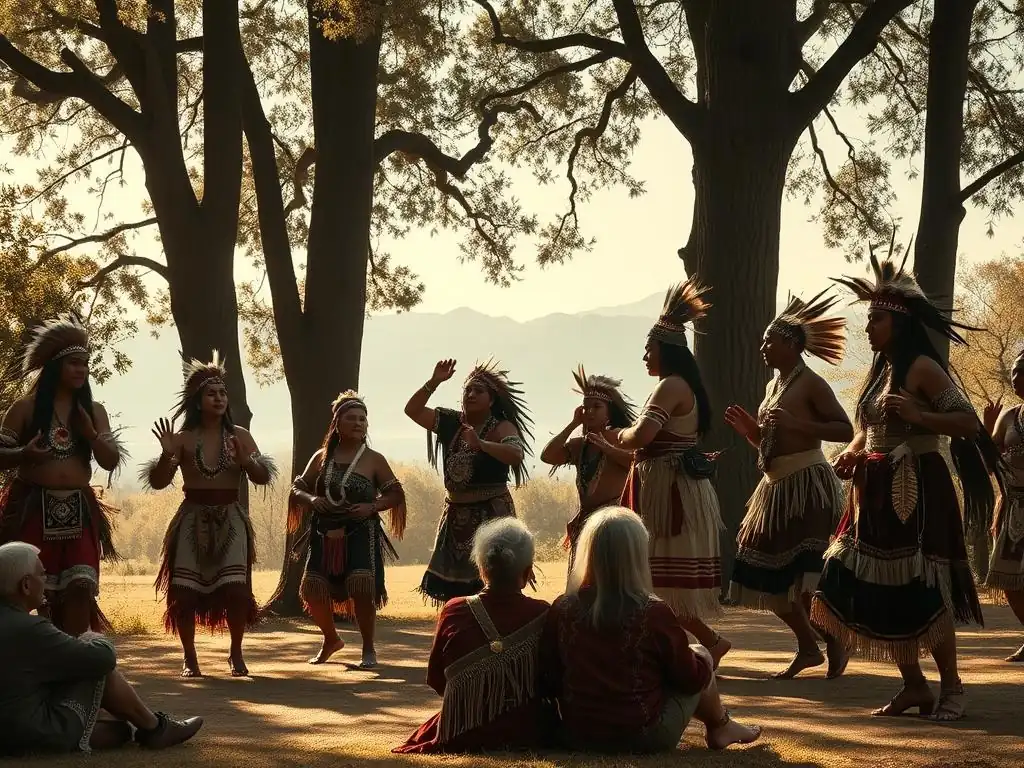
Indigenous dance serves as a vital expression of culture, history, and community, yet it faces numerous challenges that threaten its preservation. The impacts of colonization, globalization, and modern societal changes have led to a decline in the practice and transmission of traditional dance forms. Many Indigenous communities are struggling to maintain their dance traditions amidst these pressures, which can result in the loss of cultural identity and heritage.
Preservation efforts are crucial to ensure that these dance practices endure for future generations. This involves not only maintaining the traditional forms but also adapting them to contemporary contexts while respecting their origins. Through community engagement and education, Indigenous dance can continue to thrive as a means of wellness and cultural expression.
The Impact of Colonization on Indigenous Dance Traditions
Colonization has profoundly affected Indigenous dance traditions throughout the Americas. European colonizers often viewed Indigenous practices as primitive or barbaric, leading to the suppression of cultural expressions, including dance. Many Indigenous communities were forced to abandon their traditional dances and rituals, leading to a significant loss of cultural heritage.
The effects of colonization were not limited to the physical suppression of dance; they also instilled a sense of shame and disconnection from cultural practices among many Indigenous peoples. This legacy of colonization continues to impact Indigenous communities today, as they work to reclaim and revitalize their dance traditions in a world that often undervalues their cultural significance.
Efforts to Revive and Preserve Indigenous Dance Wellness Practices
In recent years, there has been a resurgence of interest in Indigenous dance as a means of healing and community building. Various organizations and community leaders are actively working to revive and preserve traditional dance practices. This includes hosting workshops, festivals, and cultural events that encourage participation and education about Indigenous dance.
Moreover, many Indigenous artists and dancers are blending traditional practices with contemporary influences, creating innovative forms that honor their roots while appealing to younger generations. These efforts not only help preserve the dance traditions but also promote wellness within the community, as dance serves as a powerful tool for healing and connection.
The Future of Indigenous Dance in Wellness and Community
The future of Indigenous dance in wellness and community looks promising as more people recognize its significance. With an increased focus on cultural revitalization, many Indigenous communities are embracing dance as a form of self-expression, healing, and communal bonding.
Collaborations between Indigenous and non-Indigenous dancers and artists are fostering greater understanding and respect for these traditions. Educational programs that teach the history and significance of Indigenous dance are also becoming more prevalent, ensuring that future generations appreciate and engage with these practices. As awareness grows, Indigenous dance has the potential to become a central aspect of wellness initiatives, supporting both individual and community health.
Conclusion: Embracing Indigenous Dance for Healing and Community
Indigenous dance is not merely a performance art; it is a powerful medium for healing and community connection. As we embrace the value of these traditions, we can contribute to their preservation and revitalization. The dance practices of Indigenous peoples offer profound insights into wellness, spirituality, and collective identity, reminding us of the importance of cultural heritage in our lives.
The Importance of Respecting and Learning from Indigenous Practices
Respecting and learning from Indigenous dance practices is essential for fostering understanding and appreciation of these rich cultures. Engaging with Indigenous communities and participating in their dance traditions should be approached with humility and respect, recognizing the significance of these practices in their cultural contexts.
By actively seeking out opportunities to learn from Indigenous dancers and communities, we can help ensure that these traditions are honored and preserved. This not only benefits Indigenous peoples but enriches our own understanding of diversity and the healing power of art.
Encouraging Participation in Indigenous Dance for Wellness Benefits
Encouraging participation in Indigenous dance can yield significant wellness benefits for individuals and communities alike. Engaging in dance provides a means of physical activity, emotional expression, and social connection, all of which contribute to overall well-being.
Community events that focus on Indigenous dance not only promote cultural exchange but also create inclusive spaces where people can come together to experience the joy and healing power of movement. By supporting these practices, we can foster healthier communities and honor the traditions that have shaped Indigenous cultures for centuries.
Call to Action
Engaging with Indigenous dance wellness practices offers not only a deeper understanding of these vibrant cultures but also a chance to experience healing and community connection. We encourage you to seek out opportunities to participate in Indigenous dance workshops, cultural events, or community gatherings. These experiences can profoundly impact your well-being and enrich your appreciation for the diverse practices that have been passed down through generations.
Encouragement to Attend Indigenous Dance Workshops or Events
Participating in Indigenous dance workshops or events is an invaluable way to immerse yourself in the cultural heritage and wellness practices of Indigenous communities. These gatherings often feature skilled dancers and instructors who share their knowledge and passion for traditional dances that celebrate life, nature, and spirituality.
By attending these events, you can:
- Connect with the Community: Meet individuals who share your interest in Indigenous cultures and wellness practices. Engaging with community members fosters friendships and networks that can last a lifetime.
- Experience Healing Through Movement: Indigenous dance is not merely performance; it is a pathway to physical, emotional, and spiritual healing. By moving to the rhythm of the drum and engaging in traditional steps, participants often report feelings of rejuvenation and connection to their own bodies.
- Learn about Cultural Significance: Workshops often include storytelling and discussions about the historical and cultural significance of the dances. This context enriches your understanding and appreciation of the practices.
We encourage you to explore local Indigenous communities or organizations that offer workshops, festivals, or performances. Many communities host annual events that are open to the public, providing a wonderful opportunity to celebrate and honor their traditions.
Suggestions for Further Reading on Indigenous Cultures and Dance
To deepen your understanding of Indigenous dance wellness practices and their cultural significance, consider exploring the following resources:
- Books:
- Dancing the Dream: The Spirit of the Native American Dance by Joan E. Cohen - This book offers insights into the spiritual and cultural meanings behind various Native American dances.
- The Healing Power of Dance: The Journey into the Sacred by Judith E. Scott - A comprehensive exploration of how dance serves as a form of healing across different cultures, including Indigenous practices.
- Articles and Journals:
- Look for scholarly articles in journals focusing on Indigenous studies, anthropology, and cultural studies. Many of these works explore the intersections of dance, health, and cultural identity.
- Online platforms such as JSTOR or Google Scholar can provide access to a wealth of academic literature on Indigenous dance.
- Documentaries and Films:
- Seek out documentaries that showcase Indigenous dance and its role in community health and cultural preservation. These visual narratives can provide a powerful perspective on the lived experiences of Indigenous dancers.
- Online Resources:
- Websites dedicated to Indigenous rights and culture often feature sections on traditional practices and wellness, including dance. Organizations like the Native American Heritage Association provide valuable insights and resources.
By engaging with these materials, you can further appreciate the richness of Indigenous dance wellness practices and their enduring legacy in fostering community and healing.
- Introduction to Indigenous Dance Wellness Practices
- Understanding the Role of Dance in Indigenous Cultures
- Overview of Wellness and Community in Indigenous Societies
- Historical Significance of Indigenous Dance
- Types of Indigenous Dance Wellness Practices
- The Science Behind Dance and Wellness
- Case Studies of Indigenous Dance Wellness Practices
- Contemporary Applications of Indigenous Dance for Wellness
- Challenges and Preservation of Indigenous Dance
- Conclusion: Embracing Indigenous Dance for Healing and Community
- Call to Action
Frequently Asked Questions
What are Indigenous dance wellness practices?
Indigenous dance wellness practices refer to traditional dance forms that promote physical health, mental well-being, and community bonding among Indigenous peoples. These dances often have spiritual significance and are integral to cultural identity.
How do these practices benefit the community?
These practices help strengthen community ties and foster a sense of belonging. They provide an opportunity for cultural expression, healing, and the transmission of traditional knowledge across generations.
Are there specific dances associated with healing?
Yes, many Indigenous cultures have specific dances, such as the grass dance or powwow dances, that are believed to have healing properties. These dances often incorporate rituals, songs, and ceremonial elements that enhance their therapeutic effects.
Can anyone participate in Indigenous dance wellness practices?
Participation is often encouraged, but it's essential to approach these practices with respect and an understanding of their cultural significance. Many communities welcome outsiders but may require permission or participation in cultural education beforehand.
What is the lasting impact of these Indigenous practices?
The lasting impact includes a continued connection to cultural heritage, improved mental health, and a stronger sense of community identity. These practices also contribute to the broader recognition of Indigenous cultures and their contributions to wellness.
Final Reflection: Embracing the Healing Power of Indigenous Dance
The profound connection between movement and well-being is more relevant today than ever, as we navigate a world filled with stress and disconnection. Indigenous dance wellness practices remind us that healing can be found in rhythm, community, and tradition. As we seek holistic approaches to health, the wisdom embedded in these practices offers a powerful antidote to the challenges of modern life.
Cultural expressions through dance have a lasting impact on our social fabric, fostering unity and resilience in communities. The healing power of dance transcends mere physical movement; it serves as a bridge connecting generations and nurturing collective identity. In every dance, there is a story, a history, and a healing that binds us together.
This ongoing influence encourages us to honor and incorporate these practices into our lives, recognizing their role in promoting mental, emotional, and spiritual wellness.
As you reflect on the insights shared in this article, consider how you can integrate the essence of Indigenous dance wellness practices into your own life. Embrace the rhythm of your body, seek connection with your community, and allow the healing power of movement to guide you toward a more balanced and fulfilled existence. Let this be an invitation to explore the richness of these traditions and to celebrate the transformative potential of dance in your journey toward wellness.
Embrace the Healing Rhythm of Indigenous Dance!
Thank you for immersing yourself in the transformative world of Indigenous dance and its profound wellness benefits. You’ve tapped into a rich tradition that not only uplifts the spirit but also strengthens community bonds. Now, let’s put this knowledge into action!
Here are some engaging ways to get involved and enhance your wellness journey:
- Join a Local Dance Group: Seek out Indigenous dance classes or community gatherings in your area. Experience the joy and connection that comes from dancing with others.
- Create Your Own Dance Ritual: Incorporate a personal dance practice into your daily routine to celebrate your emotions and enhance your well-being at home.
- Share Your Experience: Document your journey on social media or engage in community forums. Inspire others to discover the healing power of dance!
As you explore this vibrant expression, we invite you to reflect: How could embracing Indigenous dance practices transform your wellness and strengthen your community connections?