
Uncovering the Rich Tapestry of Indigenous Histories: Resources for Teachers

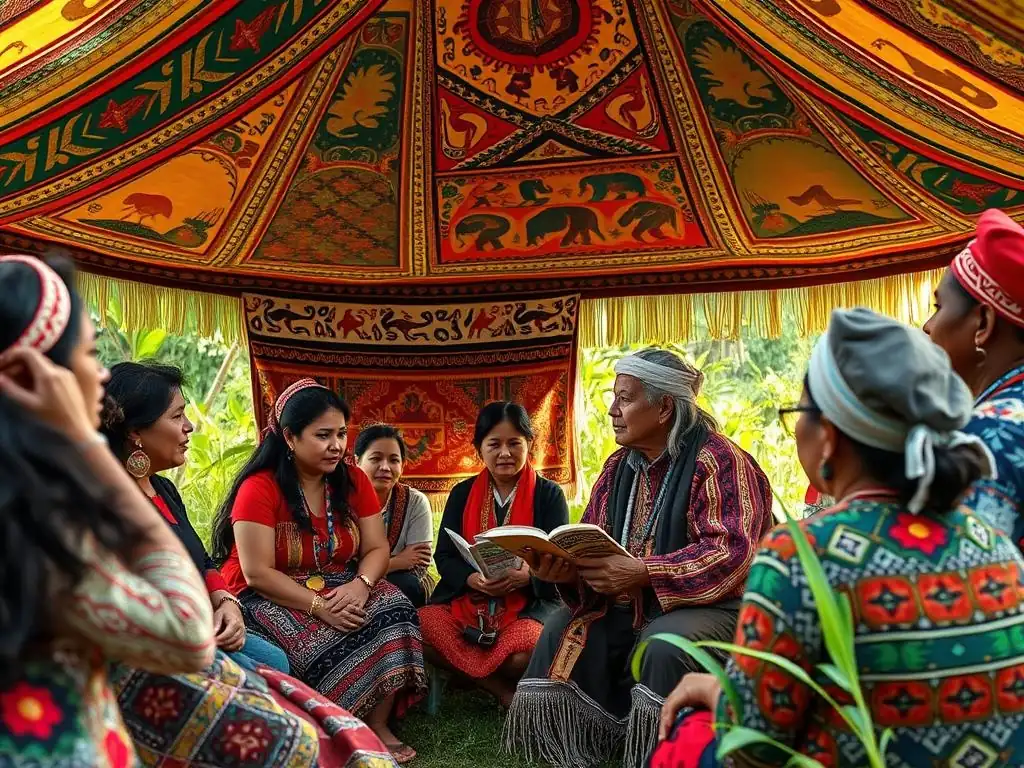
Welcome to Indigenous Civilizations of the Americas, where we invite you to journey through the remarkable tapestry of indigenous cultures that flourished long before European colonization. This site is a treasure trove of knowledge, especially designed for educators seeking indigenous cultures resources for teachers. Dive into the profound achievements and diverse societies that shaped the Americas and discover how their legacies continue to influence our world today. Ready to explore these vibrant histories? Let’s uncover the wisdom that awaits!
Introduction to Indigenous Cultures Resources for Teachers
The rich tapestry of Indigenous cultures across the Americas is a profound testament to human creativity, resilience, and diversity. As educators, it is crucial to equip ourselves with comprehensive resources that not only highlight the histories and contributions of these civilizations but also foster a deeper understanding of their significance in today's world.
This article aims to provide essential resources for teachers who wish to explore Indigenous cultures in their classrooms, ensuring that students gain a well-rounded perspective on the vibrant societies that existed long before European contact. By integrating these resources into the curriculum, educators can encourage critical thinking about the complexities of Indigenous histories and their lasting impact on contemporary society.
Importance of Teaching Indigenous Histories
Teaching Indigenous histories is essential for several reasons. Firstly, it acknowledges the contributions and experiences of Indigenous peoples, which have often been marginalized or overlooked in mainstream narratives. By bringing these histories to the forefront, educators can combat stereotypes and foster respect for Indigenous cultures. Furthermore, understanding Indigenous perspectives encourages students to think critically about the past and its implications for the present and future.
- Key reasons to teach Indigenous histories include:
- Promoting cultural awareness: Students learn to appreciate diverse worldviews.
- Fostering empathy: Understanding historical injustices can lead to compassion and advocacy.
- Encouraging critical dialogue: Engaging with complex histories promotes discussion and reflection.
Overview of Indigenous Cultures in the Americas
Indigenous cultures in the Americas are incredibly diverse, encompassing hundreds of distinct groups, languages, and traditions. From the agricultural societies of the Mississippian culture to the nomadic tribes of the Great Plains, each group developed unique ways of life adapted to their environments. These cultures are characterized by rich oral traditions, intricate social structures, and profound spiritual beliefs.
- Key aspects of Indigenous cultures include:
- Language: Over 300 languages are spoken among Indigenous groups in North America alone.
- Art: Indigenous art reflects cultural identity and often intertwines with spiritual practices.
- Governance: Many Indigenous societies had complex political systems that emphasized community decision-making.
Understanding Indigenous Cultures and Their Histories
Key Indigenous Civilizations Before European Colonization
Before European colonization, the Americas were home to numerous advanced civilizations. Among these, the Maya, Aztec, and Inca stand out due to their significant achievements in architecture, mathematics, and agriculture. Each civilization contributed uniquely to the cultural landscape of the Americas.
- Maya Civilization:
- Known for their sophisticated writing system and astronomical knowledge.
- Architecture includes iconic pyramids and cities like Tikal and Chichen Itza.
- Aztec Civilization:
- Established a vast empire in central Mexico with a complex social structure.
- Created remarkable temples and were known for their agricultural innovations, such as chinampas (floating gardens).
- Inca Civilization:
- The largest empire in pre-Columbian America, known for its extensive road systems and terraced agriculture.
- Their capital, Cusco, was a hub of political and cultural life.
The Achievements and Contributions of Indigenous Societies
Indigenous societies made remarkable contributions that continue to influence modern life in various domains, including agriculture, medicine, and environmental management. Many of the crops we rely on today—such as maize, potatoes, and tomatoes—were domesticated by Indigenous peoples.
- Notable achievements include:
- Agricultural practices: Techniques such as crop rotation and companion planting that promote sustainability.
- Medicinal knowledge: Indigenous healers utilized indigenous plants to create remedies that are still relevant in contemporary herbal medicine.
- Environmental stewardship: Many Indigenous cultures practiced sustainable land management, which is essential in today's discussions about climate change.
By understanding and teaching these histories, educators can illuminate the ongoing relevance of Indigenous cultures and promote a more inclusive historical narrative.
Essential Resources for Teaching Indigenous Cultures
Understanding and teaching Indigenous cultures require a multifaceted approach that incorporates a variety of resources. These resources span books, online databases, documentaries, and interactive activities that not only enrich educators' knowledge but also enhance students' engagement. It is crucial to ensure that these materials reflect authentic Indigenous voices and perspectives, enabling educators to present a well-rounded view of the diverse cultures that flourished across the Americas.
Books and Literature on Indigenous Histories
Books provide a foundational resource for educators looking to deepen their understanding of Indigenous histories. Some key texts include:
- "An Indigenous Peoples' History of the United States" by Roxanne Dunbar-Ortiz: This book offers a comprehensive overview of Indigenous experiences in the U.S. and challenges traditional narratives.
- "The Heartbeat of Wounded Knee" by David Treuer: Treuer's work presents a narrative that counters the idea of a monolithic Indigenous experience, highlighting survival and resilience.
- "Braiding Sweetgrass" by Robin Wall Kimmerer: This beautifully written book combines Indigenous wisdom with scientific knowledge, offering insights into the relationship between humans and nature.
These books can serve as primary resources for lesson planning and discussion, fostering critical thinking about historical narratives and ongoing issues faced by Indigenous communities.
Online Databases and Archives for Educators
Online databases and archives are invaluable for educators seeking primary source materials related to Indigenous cultures. Notable resources include:
- The American Indian Library Association (AILA): This organization provides a wealth of resources, including booklists and educational materials tailored for educators.
- Native American History and Culture (Library of Congress): A comprehensive archive that includes documents, photographs, and audio recordings that illuminate Indigenous histories.
- Digital Public Library of America (DPLA): This database aggregates content from libraries and archives across the U.S., presenting a rich repository of Indigenous-related materials that can be filtered by region and topic.
These platforms not only offer access to a wealth of information but also encourage educators to incorporate diverse perspectives into their teaching.
Documentaries and Films Showcasing Indigenous Perspectives
Visual media can powerfully convey Indigenous stories and experiences. Recommended documentaries and films include:
- "Reel Injun": A documentary that examines the portrayal of Native Americans in film and its impact on public perception.
- "More Than a Word": This film explores the use of Native American mascots in sports and the cultural implications behind them.
- "Rumble: The Indians Who Rocked the World": This documentary highlights the contributions of Indigenous musicians to the music industry, showcasing their influence on genres such as rock and roll.
These films can serve as discussion starters in the classroom, prompting students to critically analyze representation and cultural narratives.
Integrating Indigenous Cultures Resources into the Classroom
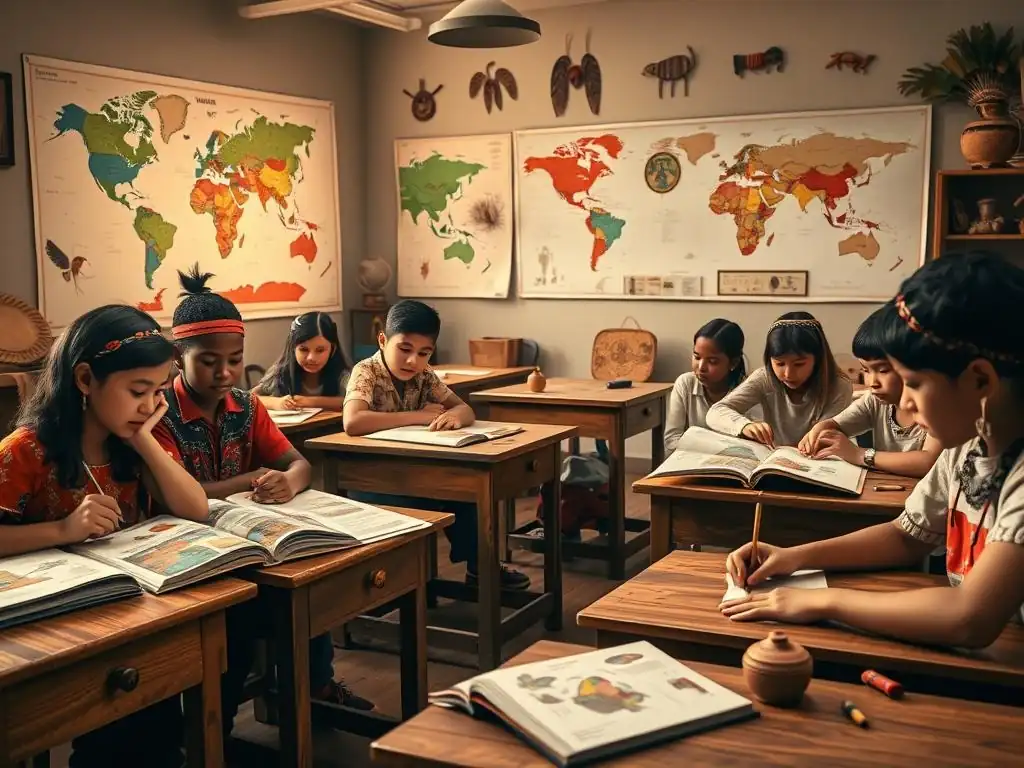
Integrating Indigenous cultures resources into the classroom requires thoughtful planning and implementation. It is essential for educators to create an inclusive environment that respects and honors Indigenous voices and experiences. This can be achieved through a variety of strategies and activities designed to engage students meaningfully.
Strategies for Teaching Indigenous Histories Effectively
To teach Indigenous histories effectively, educators can consider the following strategies:
- Incorporate Indigenous voices: Use texts, videos, and other materials created by Indigenous authors and filmmakers to ensure authenticity in the curriculum.
- Emphasize local Indigenous cultures: Encourage students to learn about the Indigenous communities in their own regions, fostering a connection to local history.
- Utilize interdisciplinary approaches: Blend history, art, science, and literature to create a holistic understanding of Indigenous cultures and their contributions.
- Foster critical thinking: Challenge students to analyze historical narratives, encouraging them to question biases and stereotypes within traditional historical accounts.
These strategies can create an engaging and respectful learning environment that honors Indigenous histories.
Engaging Activities and Lesson Plans for Educators
Educators can employ various engaging activities and lesson plans to bring Indigenous cultures to life in the classroom:
- Cultural Artifact Exploration: Have students research and present on various cultural artifacts, such as pottery, clothing, or tools, used by Indigenous peoples, discussing their significance and use.
- Storytelling Sessions: Incorporate traditional Indigenous storytelling as a method to convey historical events and cultural values, allowing students to participate in the oral tradition.
- Field Trips and Virtual Tours: Organize visits to local Indigenous museums or cultural centers, or utilize virtual tours to explore significant sites and learn from Indigenous guides.
- Art Projects: Encourage students to create art inspired by Indigenous styles, techniques, or themes, promoting appreciation for Indigenous artistic expression.
These activities not only engage students creatively but also deepen their understanding of the richness and diversity of Indigenous cultures.
Culturally Responsive Teaching Approaches
Culturally responsive teaching (CRT) is an educational philosophy that recognizes the importance of including students' cultural references in all aspects of learning. This approach is vital for educators who aim to teach Indigenous cultures effectively. By incorporating CRT, teachers can create a more inclusive environment that respects and values the diverse backgrounds of all students. This method not only enhances student engagement but also fosters a deeper understanding of Indigenous histories and perspectives.
In practice, CRT involves adapting teaching methods and materials to reflect the cultural backgrounds of the students. This can include using Indigenous literature, incorporating traditional knowledge and practices into lesson plans, and promoting student-led discussions about their own cultural identities. For example, educators might integrate storytelling as a teaching tool, drawing from Indigenous oral traditions. By making the curriculum relevant and relatable, teachers can encourage students to connect personally with the subject matter, ultimately leading to a more meaningful educational experience.
Importance of Cultural Sensitivity in Education
Cultural sensitivity is crucial in education, particularly when teaching about Indigenous cultures. It involves recognizing and respecting the diverse cultural backgrounds of students and understanding how these backgrounds influence their learning experiences. When educators demonstrate cultural sensitivity, they help create an environment where all students feel valued and understood, which is essential for their academic success.
For Indigenous students, cultural sensitivity can significantly impact their sense of belonging and identity within the classroom. Educators who acknowledge the historical context of colonization and its ongoing effects on Indigenous peoples are better equipped to foster a positive learning environment. This sensitivity also extends to the materials used in the curriculum; selecting resources that accurately represent Indigenous cultures and histories is vital to prevent the perpetuation of stereotypes and misinformation.
Resources for Professional Development on Indigenous Education
Professional development resources for educators focusing on Indigenous education are essential for enhancing understanding and teaching practices. Numerous organizations offer workshops, seminars, and online courses designed to equip teachers with the knowledge and skills necessary to teach Indigenous histories and cultures effectively.
Some notable resources include:
- National Museum of the American Indian: Offers educational resources and training programs that focus on Indigenous perspectives.
- Indigenous Education Institute: Provides workshops and materials aimed at promoting culturally responsive teaching practices.
- Teaching Tolerance: A project by the Southern Poverty Law Center that offers free resources focused on equity and diversity, including Indigenous education.
By engaging in professional development, educators can stay informed about current issues affecting Indigenous communities and learn best practices for integrating Indigenous perspectives into their teaching.
Collaborative Projects and Community Involvement
Collaborative projects between educators and Indigenous communities are vital for creating authentic learning experiences. These partnerships provide opportunities for students to engage directly with Indigenous cultures, fostering a deeper understanding and appreciation for their histories and contributions. Collaborative efforts can range from co-developing curricula to organizing field trips to local Indigenous sites or events.
Such projects not only enrich the educational experience but also empower Indigenous communities by giving them a platform to share their stories and perspectives. This mutual relationship can lead to increased respect and awareness among students while preserving and revitalizing Indigenous knowledge systems.
Partnering with Indigenous Communities for Authentic Learning
Partnering with Indigenous communities is an effective strategy for providing students with authentic learning experiences. By involving community members in the educational process, teachers can facilitate lessons that reflect the real-life experiences and knowledge of Indigenous peoples. This collaboration helps students understand the complexities and richness of Indigenous cultures beyond what traditional textbooks may offer.
For instance, teachers can invite Indigenous elders or leaders to share their stories, traditions, and teachings directly with students. This not only enhances the curriculum but also fosters respect for Indigenous ways of knowing. Additionally, such partnerships can lead to community service projects that allow students to engage in meaningful activities, such as land stewardship or cultural preservation efforts.
Case Studies of Successful Educational Collaborations
Several case studies illustrate the effectiveness of educational collaborations between schools and Indigenous communities. One notable example is the partnership between the University of Alaska Anchorage and various Alaska Native communities. This collaboration has led to the development of curriculum materials that incorporate Indigenous knowledge and perspectives, benefiting both students and community members.
Another example is the Native American Community Academy in New Mexico, which emphasizes a culturally relevant education by integrating Indigenous languages and customs into its curriculum. The academy collaborates with local tribes to ensure that the education provided is reflective of the community's values and history.
These case studies demonstrate that when schools work closely with Indigenous communities, they not only improve educational outcomes for students but also contribute to the preservation and revitalization of Indigenous cultures. Engaging in such collaborations is crucial for fostering a comprehensive understanding of Indigenous histories and promoting respect for diverse cultural narratives.
Conclusion: Empowering Educators with Indigenous Cultures Resources
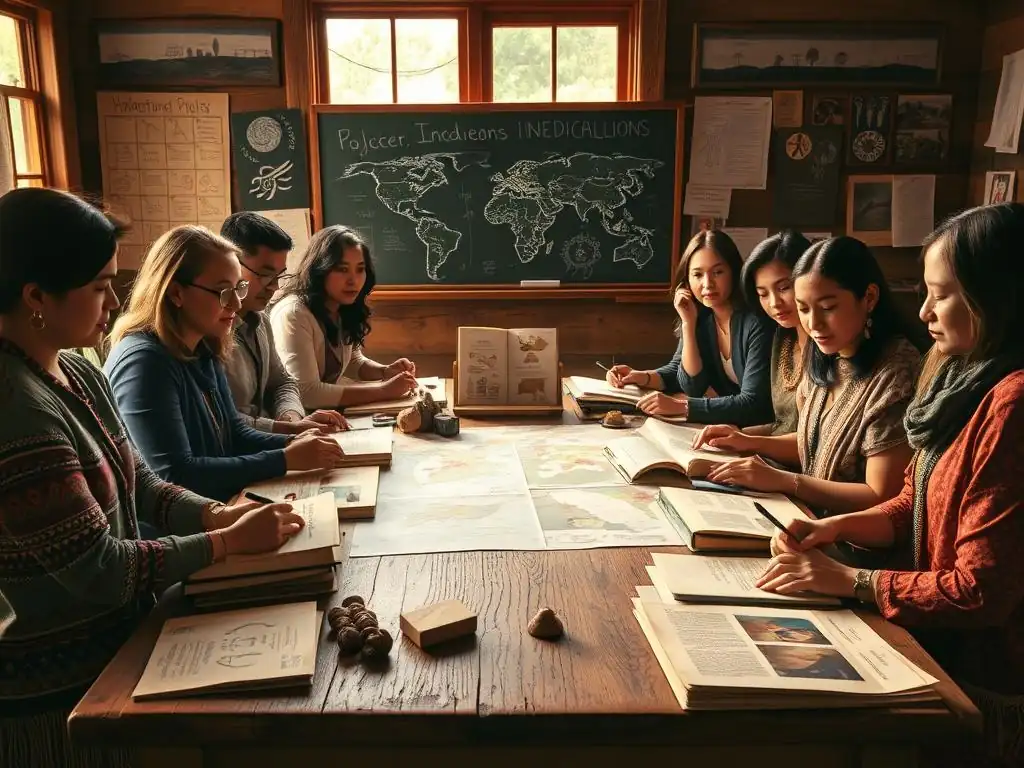
Teaching Indigenous histories is not merely an academic endeavor; it is a powerful tool for fostering understanding and respect among students. By incorporating Indigenous cultures resources into the curriculum, educators empower students to appreciate the rich diversity of histories, traditions, and perspectives that have shaped the Americas long before European contact. These resources provide a framework for recognizing the contributions of Indigenous peoples and encourage critical thinking about historical narratives.
Moreover, when educators utilize these resources, they create a more inclusive classroom environment that honors all voices. This approach not only enriches students' learning experiences but also cultivates empathy and understanding, crucial attributes in today’s multicultural society. The integration of Indigenous perspectives in education promotes a sense of justice and recognition, helping to heal historical wounds and build bridges between cultures.
The Lasting Impact of Teaching Indigenous Histories
The impact of teaching Indigenous histories goes far beyond the classroom. It contributes to a broader societal recognition of the rights and cultures of Indigenous peoples. Students who learn about Indigenous civilizations develop a more nuanced understanding of contemporary issues faced by Indigenous communities, including land rights, cultural preservation, and social justice. This awareness can inspire future generations to advocate for equity and support efforts aimed at reconciliation.
Incorporating Indigenous histories into educational curricula also plays a critical role in dismantling stereotypes and misconceptions. By presenting accurate narratives and highlighting the resilience and achievements of Indigenous cultures, educators can challenge harmful myths and foster a more balanced view of history. This shift not only benefits Indigenous students by validating their identities but also enriches the educational experience for all learners.
Encouragement to Explore Further Resources and Materials
As educators look to enrich their teaching practices with Indigenous cultures resources, it is essential to explore a variety of available materials. There are numerous organizations, online platforms, and community resources dedicated to providing authentic content that reflects Indigenous perspectives. Teachers are encouraged to seek out:
- Books and Literature: Works authored by Indigenous writers that offer insights into cultural practices, histories, and narratives.
- Digital Archives and Museums: Online collections that preserve and showcase Indigenous artifacts and stories.
- Curriculum Guides: Structured resources that provide lesson plans and activities focused on Indigenous histories and issues.
- Workshops and Professional Development: Opportunities for educators to engage with Indigenous community members and experts to deepen their understanding and teaching methods.
By actively engaging with these resources, educators can enhance their knowledge and teaching strategies, making the learning experience richer and more meaningful for their students. Embracing the wealth of Indigenous cultures resources not only benefits educators but also nurtures a more informed and empathetic society.
- Introduction to Indigenous Cultures Resources for Teachers
- Understanding Indigenous Cultures and Their Histories
- Essential Resources for Teaching Indigenous Cultures
- Integrating Indigenous Cultures Resources into the Classroom
- Culturally Responsive Teaching Approaches
- Collaborative Projects and Community Involvement
- Conclusion: Empowering Educators with Indigenous Cultures Resources
- The Lasting Impact of Teaching Indigenous Histories
- Encouragement to Explore Further Resources and Materials
Frequently Asked Questions
What types of resources are available for teachers on indigenous cultures?
Teachers can find comprehensive resources including lesson plans, multimedia materials, and cultural narratives that highlight the achievements of various indigenous civilizations.
How can these resources enhance students' understanding of indigenous cultures?
These resources promote cultural awareness and appreciation, allowing students to explore the diversity and rich history of indigenous societies prior to European colonization.
Are these resources suitable for all grade levels?
Yes, the resources are designed to be adaptable, providing materials that cater to a wide range of grade levels and learning styles, making them effective for various classroom settings.
How do indigenous cultures impact modern society?
Indigenous cultures have left a lasting impact on contemporary society, influencing art, language, and environmental practices, which are explored through the provided teaching resources.
Where can teachers access these resources?
Teachers can access these resources directly on the website dedicated to indigenous cultures, which offers a user-friendly interface for easy navigation and exploration of diverse educational materials.
Final Reflection: Embracing Indigenous Cultures in Education
The exploration of Indigenous histories is not just an academic endeavor; it is a vital step towards understanding and respecting the rich tapestry of cultures that have shaped our world. In today's educational landscape, where diversity and inclusion are paramount, integrating Indigenous cultures into the curriculum is essential for fostering a more holistic understanding of history. This is not merely about adding content; it is about transforming perspectives and acknowledging the profound contributions of Indigenous peoples to our society.
The impact of incorporating Indigenous cultures into education extends far beyond the classroom. It encourages empathy, respect, and a deeper connection to the land and its original stewards. As educators, we have the unique opportunity to shape the minds of future generations, instilling in them an appreciation for the diverse narratives that exist within our shared history. Education is the most powerful weapon which you can use to change the world.
– Nelson Mandela. By embracing Indigenous histories, we empower students to become advocates for justice and understanding in their communities.
As we reflect on the importance of these teachings, I invite you to consider how you can weave Indigenous cultures into your own educational practices. Take the time to explore the resources available, engage with Indigenous voices, and create a classroom environment that honors and celebrates these rich histories. Together, we can cultivate a future where all cultures are recognized and valued, paving the way for a more inclusive and equitable society.
Ignite Curiosity: Dive Deeper into Indigenous Histories!
Thank you for taking the time to explore the rich tapestry of Indigenous histories with us! We hope this article has inspired you to embrace the powerful narratives and resources available for educators. Now, let's turn your newfound knowledge into action.
- Start by integrating Indigenous histories into your curriculum: Select a specific tribe or historical event and design a lesson that highlights their unique perspective.
- Join a community group or online forum: Connect with fellow educators to share resources and exchange ideas on effectively teaching Indigenous histories.
- Plan a virtual guest speaker session: Invite Indigenous leaders or historians to provide your students with firsthand accounts and insights.
What new Indigenous story will you share with your students, and how might it transform their understanding of history?