
Beats of the Earth: How Indigenous Music Influences Environmental Awareness in Pop Culture

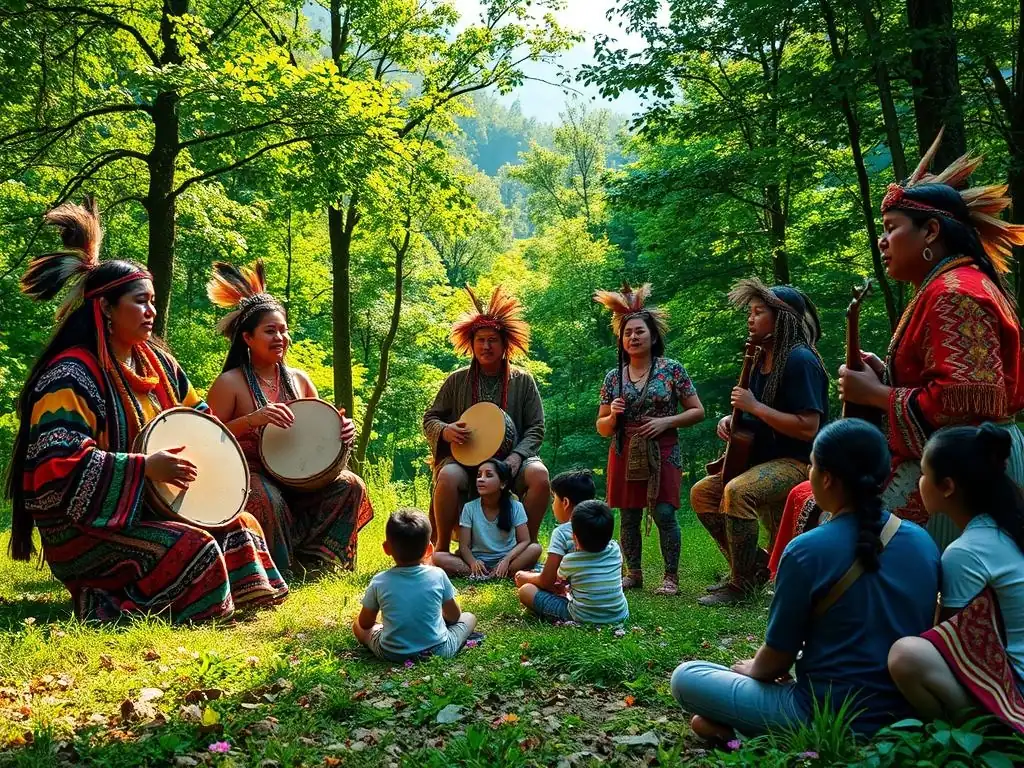
Welcome to Indigenous Civilizations of the Americas, where we embark on a journey through the rich tapestry of indigenous cultures that flourished long before European contact. Here, we delve into the profound legacy of these societies, exploring their remarkable achievements and influence on the world today. In our featured article, “Beats of the Earth: How Indigenous Music Influences Environmental Awareness in Pop Culture,” you’ll discover how the rhythms and melodies of indigenous music not only celebrate cultural heritage but also resonate with pressing environmental issues.
Are you ready to uncover the vibrant connections between art and advocacy? Join us as we explore how these timeless sounds are shaping contemporary conversations about our planet!
Introduction to Indigenous Music and Environmental Awareness
Indigenous music has long served as a vital expression of cultural identity, storytelling, and communal values among the diverse societies that flourished across the Americas prior to European colonization. As contemporary society grapples with pressing environmental issues, these musical traditions have emerged as a powerful medium for promoting environmental awareness, resonating deeply within pop culture.
This article delves into the interplay between indigenous music and environmental consciousness, exploring how these ancient rhythms and melodies contribute to a modern dialogue about sustainability and ecological stewardship. By examining the historical roots of indigenous music and its contemporary manifestations, we can appreciate its role not only in preserving cultural heritage but also in inspiring collective action towards a healthier planet.
The Role of Indigenous Music in Cultural Identity
Indigenous music is a cornerstone of cultural identity for many Native American communities, serving as a means to connect with ancestral traditions and express shared values. The themes found in indigenous songs often reflect a profound relationship with nature, emphasizing harmony, respect, and reciprocity. Through rituals, ceremonies, and storytelling, music acts as a living archive, passing down knowledge and wisdom across generations.
- Key functions of indigenous music include:
- Cultural transmission: Preserving history, language, and spiritual beliefs.
- Community cohesion: Bringing individuals together for collective celebrations and healing.
- Environmental teachings: Communicating essential lessons about living in balance with the earth.
As environmental challenges escalate, the messages embedded in indigenous music gain renewed significance, encouraging listeners to reconsider their relationship with the natural world.
Overview of Environmental Awareness in Pop Culture
Pop culture plays a significant role in shaping societal values and driving awareness around critical issues, including environmental sustainability. Artists, musicians, and influencers leverage their platforms to highlight ecological concerns, often drawing inspiration from indigenous perspectives.
- Contemporary trends include:
- Collaborations between indigenous musicians and mainstream artists: This fusion amplifies indigenous voices and messages, bringing them to diverse audiences.
- Environmental-themed music festivals: Events that showcase indigenous artists alongside eco-conscious themes promote awareness and action.
- Social media campaigns: Platforms like Instagram and TikTok facilitate the spread of indigenous music and its environmental messages, fostering a global community.
By integrating indigenous music into popular discourse, these movements not only celebrate rich cultural legacies but also foster a deeper understanding of environmental stewardship.
Historical Context of Indigenous Music
Origins of Indigenous Music in the Americas
Indigenous music in the Americas is as varied as the cultures it represents, with each community developing unique musical forms that reflect their experiences, environments, and spiritual beliefs. The origins of these musical traditions can be traced back thousands of years, encompassing a rich tapestry of sounds, rhythms, and instruments that are deeply intertwined with the natural world.
- Key elements include:
- Vocal traditions: Songs often feature call-and-response patterns and oral storytelling.
- Ritualistic purposes: Music is integral to ceremonies, including rites of passage, harvest celebrations, and healing practices.
- Connection to nature: Many songs are inspired by local landscapes, animals, and seasonal changes, illustrating a profound respect for the environment.
These foundational aspects of indigenous music continue to influence contemporary environmental movements, serving as a reminder of the importance of preserving natural ecosystems.
Traditional Instruments and Their Environmental Significance
The instruments used in indigenous music are often crafted from natural materials, reinforcing the connection between culture and the environment. Each instrument carries its own significance and story, often reflecting the resources available in the community.
- Common traditional instruments include:
- Drums: Symbolizing the heartbeat of the earth and often used in ceremonial contexts.
- Flutes: Crafted from wood or reeds, these instruments mimic the sounds of nature and are used in both joyous and spiritual occasions.
- Rattles: Typically made from gourds or shells, rattles enhance rhythm and are frequently associated with healing rituals.
By understanding the environmental significance of these instruments, we can appreciate how indigenous music not only entertains but also educates listeners about the interconnectedness of life and the importance of preserving our planet.
Indigenous Music as a Tool for Environmental Advocacy
Indigenous music serves as a powerful medium for environmental advocacy, connecting cultural heritage and ecological consciousness. Many Indigenous musicians utilize their art to convey deep respect for the land, water, and all living beings, highlighting the intricate relationships that exist within ecosystems. This music often embodies the wisdom of ancestral practices and philosophies that prioritize sustainability and environmental stewardship. By weaving messages of conservation and respect for nature into their songs, Indigenous artists not only preserve their cultural identity but also raise awareness about pressing environmental issues.
These musical expressions draw attention to critical themes such as climate change, deforestation, and habitat destruction. Through performances, recordings, and social media, Indigenous musicians mobilize their communities and wider audiences to engage in discussions about environmental justice. Their work emphasizes the importance of traditional ecological knowledge and advocates for the rights of Indigenous peoples to protect their ancestral lands. In this way, Indigenous music becomes a unifying force that inspires action and fosters a deeper understanding of ecological interconnectedness.
Case Studies of Indigenous Musicians Promoting Environmental Awareness
Several Indigenous musicians have made significant contributions to environmental advocacy through their work. One notable example is Buffy Sainte-Marie, a Cree singer-songwriter whose music often addresses social and environmental injustices. Her song "Until It's Time for You to Go" reflects themes of loss and the urgency of environmental protection, while her activism extends beyond music into advocacy for Indigenous rights.
Another influential figure is Tanya Tagaq, an Inuk throat singer who has reached international acclaim. Tagaq's performances often incorporate themes of nature and animal rights, creating a visceral connection to the Arctic landscape and its fragility. Her album "Animism" explores the relationship between humans and the environment, reinforcing the idea that music can provoke thought and inspire action regarding climate change.
A Tribe Called Red, an electronic music group that blends traditional Indigenous sounds with modern beats, also stands out for their advocacy work. Their track "Electric Pow Wow Drum" emphasizes Indigenous culture while simultaneously addressing contemporary issues, including the impact of colonialism on the environment. By fusing genres and reaching diverse audiences, these artists amplify their messages of awareness and action.
Themes of Nature and Ecology in Indigenous Lyrics
The lyrics of Indigenous music often reflect a profound connection to nature and ecological themes. Many songs celebrate the beauty of the land, the importance of water, and the cycles of life. For instance, numerous Indigenous songs include references to animals, plants, and natural phenomena, illustrating the interconnectedness of all living things.
Themes of stewardship and responsibility are prevalent in Indigenous lyrics, underscoring the idea that humans are caretakers of the earth. Lyrics may invoke traditional practices and teachings that emphasize sustainable living, as well as the need to protect sacred sites and natural resources. By embedding these themes into their music, Indigenous artists not only honor their heritage but also educate listeners about the critical importance of environmental conservation.
The Intersection of Indigenous Music and Modern Pop Culture
Indigenous music and modern pop culture have increasingly intersected, creating a dynamic space where traditional sounds influence contemporary genres. This blending of styles allows Indigenous artists to reach broader audiences while maintaining their cultural identity. As a result, themes of environmental awareness are being integrated into a variety of musical forms, from hip-hop to pop and electronic music.
The rise of digital platforms has facilitated this cross-cultural exchange, enabling Indigenous musicians to share their stories and messages with a global audience. Collaborations between Indigenous artists and mainstream musicians have also contributed to this phenomenon, bringing Indigenous perspectives to the forefront of popular music.
Influences of Indigenous Sounds in Contemporary Music Genres
Indigenous sounds have permeated various contemporary music genres, enriching them with unique rhythms, instruments, and vocal techniques. For example, hip-hop artists often incorporate Indigenous drumming and chanting into their tracks, creating a fusion that honors traditional practices while addressing modern issues. This blend not only showcases the versatility of Indigenous music but also elevates its significance within contemporary conversations about identity and environment.
Genres like folk, rock, and electronic music have also seen the infusion of Indigenous elements. Artists such as The Jerry Cans, who mix traditional Inuit throat singing with modern folk and rock, exemplify how Indigenous sounds can enhance storytelling and evoke emotional responses. This integration of Indigenous music into popular genres serves to educate listeners about Indigenous cultures and environmental issues, fostering a greater understanding and appreciation for both.
Prominent Artists Incorporating Indigenous Music in Their Work
Numerous prominent artists are incorporating Indigenous music into their work, creating a platform for environmental awareness and cultural celebration. Kacey Musgraves, a country music star, has collaborated with Indigenous musicians, bringing attention to Indigenous issues in her songs and performances. Her openness to diverse musical influences enriches her artistry while promoting inclusivity.
Hozier, known for his soulful sound, has also drawn inspiration from Indigenous themes, addressing environmental concerns in songs like "Earth." His lyrical focus on nature and humanity resonates with Indigenous values, further bridging the gap between genres and promoting awareness.
Another example is Lila Downs, a Mexican-American singer who blends traditional Indigenous music with contemporary styles. Her work often tackles themes of migration, identity, and environmental justice, making her an important voice in both music and activism.
Through these artists and many others, Indigenous music continues to influence modern pop culture, driving conversations around environmental awareness and inspiring listeners to reflect on their relationship with the earth.
The Impact of Indigenous Music on Environmental Movements

Indigenous music has historically served as a powerful medium for expressing the connection between people and the land. Today, this musical heritage plays an essential role in environmental movements, highlighting critical issues such as climate change, deforestation, and biodiversity loss. Through the evocative sounds and narratives embedded in their music, Indigenous artists convey messages of stewardship, respect for nature, and the importance of sustainable practices.
The rhythms and melodies often reflect the deep-rooted relationship Indigenous communities have with their environment, portraying not only the beauty of nature but also the challenges it faces. By integrating traditional instruments and vocal styles, these musicians create a unique soundscape that resonates with audiences, inviting them to reflect on their own environmental responsibilities. The emotional weight of these performances can mobilize listeners, fusing cultural expression with activism.
Moreover, Indigenous music often serves as a rallying point for various environmental initiatives, uniting diverse groups in common causes. Events such as music festivals, concerts, and community gatherings frequently feature Indigenous artists, thereby amplifying their messages and fostering a greater awareness of environmental issues within broader populations. This synergy between music and environmental activism has proven effective in inspiring action and fostering a sense of urgency regarding ecological preservation.
Collaborations Between Indigenous Musicians and Environmental Organizations
Collaborations between Indigenous musicians and environmental organizations have emerged as a vital strategy in promoting environmental awareness. These partnerships leverage the unique cultural insights and musical talents of Indigenous artists to educate audiences about ecological concerns. By joining forces, musicians can amplify their messages and reach wider demographics through the platforms provided by environmental organizations.
For instance, organizations such as the Sierra Club and Greenpeace have collaborated with Indigenous artists to create campaigns that emphasize the importance of protecting ancestral lands and waterways. These collaborations often include multimedia projects that combine music with visual art, storytelling, and community engagement, creating a holistic approach to advocacy.
Additionally, social media platforms have facilitated these collaborations, allowing artists to share their work with global audiences and connect with like-minded individuals and organizations. Through virtual concerts, live-streamed discussions, and advocacy campaigns, Indigenous musicians can effectively raise awareness about environmental issues while also promoting their cultural heritage.
This growing trend not only enriches the environmental movement but also ensures that Indigenous voices are heard and respected, fostering a deeper understanding of the complex relationship between culture and ecology.
Success Stories of Environmental Campaigns Fueled by Indigenous Music
Several environmental campaigns have successfully harnessed the power of Indigenous music to raise awareness and drive action. One notable example is the "Protect the Sacred" campaign, which highlighted the plight of water protectors at Standing Rock. Indigenous musicians like Buffy Sainte-Marie and Nahko Bear performed at various events, drawing attention to the struggle against the Dakota Access Pipeline and the broader implications for Indigenous rights and environmental justice. Their performances galvanized support from both Indigenous and non-Indigenous communities, fostering a sense of solidarity and urgency.
Another success story is the collaboration between Indigenous musicians and the "Save the Amazon" initiative. Artists from various tribes in the Amazon basin, such as the Kayapo and Yanomami, have used their music to share stories about the impacts of deforestation and climate change on their homelands. Their songs have been integrated into viral campaigns, reaching millions and encouraging global audiences to take part in conservation efforts.
These campaigns not only highlight the role of Indigenous music in environmental advocacy but also demonstrate the effectiveness of cultural expression in mobilizing communities and sparking meaningful change. By intertwining music with activism, these success stories showcase the potential for creative endeavors to inspire action and foster a deeper commitment to environmental stewardship.
Challenges Faced by Indigenous Musicians in Promoting Environmental Awareness
Despite the powerful role that Indigenous music plays in environmental advocacy, musicians face numerous challenges in their efforts to promote awareness. These obstacles range from cultural appropriation and misrepresentation to struggles for authenticity and recognition within the music industry.
Cultural Appropriation and Misrepresentation in Pop Culture
Cultural appropriation poses a significant challenge for Indigenous musicians, as mainstream pop culture often commodifies Indigenous music and symbols without proper context or respect. This misrepresentation can dilute the original meaning of songs and traditions, reducing them to mere aesthetics for commercial gain.
When non-Indigenous artists adopt Indigenous musical elements or imagery without understanding their significance, it risks perpetuating stereotypes and undermining the cultural heritage of Indigenous communities. Such actions can create a disconnect between the music and its cultural roots, leading to a loss of authenticity and respect for Indigenous narratives.
Additionally, the appropriation of Indigenous music often sidelines the voices of Indigenous artists themselves. This can result in a lack of representation within the music industry, where Indigenous musicians struggle to gain visibility and support for their work. Ensuring that Indigenous voices are prioritized in the promotion of their music is crucial for addressing these challenges.
The Struggle for Authenticity and Recognition in the Music Industry
Indigenous musicians frequently contend with the struggle for authenticity and recognition within the broader music industry. Many face barriers to entry that stem from systemic inequalities and a lack of resources. Traditional Indigenous music often does not fit neatly into mainstream genres, making it difficult for artists to find platforms that appreciate and promote their unique sounds.
Moreover, the music industry often prioritizes commercial viability over cultural authenticity, leading to pressure on Indigenous musicians to conform to mainstream expectations. This pressure can result in a dilution of their artistic expression, as artists may feel compelled to alter their music to achieve greater acceptance.
The fight for recognition also extends to issues of copyright and ownership. Indigenous musicians often grapple with the appropriation of their music and cultural expressions without proper credit or compensation. Establishing clear frameworks for protecting Indigenous intellectual property is essential to ensure that artists retain control over their work and receive the recognition they deserve.
While Indigenous music serves as a powerful tool for environmental awareness, the challenges faced by Indigenous musicians highlight the need for deeper understanding and respect within the music industry and popular culture. Addressing these issues is crucial for fostering a more equitable environment that honors the contributions of Indigenous artists to environmental advocacy.
The Future of Indigenous Music and Environmental Awareness
As the global conversation surrounding environmental issues intensifies, Indigenous music continues to emerge as a powerful tool for advocacy and awareness. The future of Indigenous music in this context appears promising, driven by a growing recognition of Indigenous knowledge systems and their intrinsic connection to environmental stewardship. This evolution not only preserves cultural heritage but also amplifies the voices of Indigenous communities who have long been custodians of the land.
Indigenous musicians are increasingly collaborating with mainstream artists, creating a unique fusion of sounds that resonates with wider audiences. These collaborations foster a greater understanding of environmental issues rooted in Indigenous perspectives, allowing for a richer dialogue about sustainability. Furthermore, Indigenous music festivals and cultural events are gaining traction, providing platforms for musicians to share their messages about environmental consciousness, thus ensuring that these vital narratives reach diverse demographics.
Emerging Trends in Indigenous Music and Activism
One of the most significant trends in Indigenous music is the integration of activism into artistic expression. Many Indigenous artists are using their music to address pressing environmental challenges such as climate change, deforestation, and water rights. For instance, songs that tell the stories of land protection fights or the impact of resource extraction on communities serve as rallying cries for activism.
In recent years, social media has played a crucial role in amplifying these messages. Platforms like Instagram and TikTok have enabled artists to share their music and stories, reaching global audiences and inspiring movements. This digital landscape allows Indigenous musicians to connect with younger generations, fostering a sense of unity and shared purpose in environmental advocacy.
Moreover, the rise of Indigenous-led movements, such as the Standing Rock protests against the Dakota Access Pipeline, has underscored the intersection of music and activism. Artists who participated in these movements used their platforms to raise awareness and funds, demonstrating how music can mobilize support for environmental causes.
The Role of Technology in Amplifying Indigenous Voices
Technology has revolutionized the way Indigenous music is produced, distributed, and consumed. With access to recording equipment and digital distribution channels, Indigenous artists can now share their work without the need for traditional music industry gatekeepers. This democratization of music production allows for a more authentic representation of Indigenous cultures and environmental messages.
Additionally, online streaming platforms have enabled Indigenous musicians to reach global audiences, transcending geographical barriers. This exposure not only promotes Indigenous music but also educates listeners about the environmental issues faced by Indigenous communities. As audiences become more aware of these challenges, there is potential for increased support and advocacy for Indigenous rights and environmental protection.
Furthermore, initiatives that focus on the preservation and revitalization of Indigenous languages through music are gaining momentum. By incorporating traditional languages into contemporary songs, artists not only honor their heritage but also raise awareness about the importance of linguistic diversity in environmental stewardship.
Conclusion: The Lasting Influence of Indigenous Music on Environmental Awareness
The intersection of Indigenous music and environmental awareness is a powerful testament to the resilience and creativity of Indigenous cultures. As these musical expressions continue to evolve, they serve as crucial vehicles for conveying messages about ecological balance and social justice. The lasting influence of Indigenous music on environmental awareness can be seen in both grassroots movements and mainstream discourse, highlighting its significance as a cultural tool for change.
Summarizing the Relationship Between Indigenous Music and Environmental Advocacy
Indigenous music plays a vital role in environmental advocacy by providing a platform for storytelling and cultural expression. Through music, Indigenous artists articulate their relationship with the land, their struggles for rights, and their visions for a sustainable future. This relationship is not merely artistic; it is deeply rooted in the traditions and values of Indigenous cultures, which emphasize harmony with nature.
As audiences engage with these narratives, they gain insights into the ecological wisdom that has been passed down through generations. This understanding fosters a greater appreciation for Indigenous perspectives, paving the way for collaborative efforts in environmental protection and sustainability.
Call to Action: Supporting Indigenous Voices in the Fight for the Environment
To ensure that Indigenous music continues to thrive and influence environmental awareness, it is essential to actively support Indigenous artists and their causes. Here are several ways to contribute:
- Attend Indigenous music events: Participating in festivals and concerts not only supports artists but also educates attendees about Indigenous issues.
- Promote Indigenous artists: Share their music on social media, recommend their work, and create platforms for their voices to be heard.
- Engage in advocacy: Support campaigns and initiatives that seek to protect Indigenous rights and the environment.
- Educate yourself and others: Learn about Indigenous cultures, histories, and the environmental challenges they face, and share this knowledge within your communities.
By taking these steps, individuals can play a role in amplifying Indigenous voices and fostering a more inclusive dialogue about environmental awareness and advocacy. Together, we can honor the cultural heritage of Indigenous peoples while working towards a sustainable future for all.
- Introduction to Indigenous Music and Environmental Awareness
- Historical Context of Indigenous Music
- Indigenous Music as a Tool for Environmental Advocacy
- The Intersection of Indigenous Music and Modern Pop Culture
- The Impact of Indigenous Music on Environmental Movements
- Challenges Faced by Indigenous Musicians in Promoting Environmental Awareness
- The Future of Indigenous Music and Environmental Awareness
- Conclusion: The Lasting Influence of Indigenous Music on Environmental Awareness
- What is the main focus of the article "Beats of the Earth"?
- How does Indigenous music contribute to environmental awareness?
- What role does pop culture play in spreading Indigenous environmental messages?
- Are there specific examples of Indigenous artists influencing environmental movements?
- How can individuals support Indigenous music and its environmental messages?
Frequently Asked Questions
What is the main focus of the article "Beats of the Earth"?
The article explores how indigenous music serves as a powerful tool for environmental awareness in pop culture, highlighting the cultural heritage and sustainability messages embedded in these musical traditions.
How does Indigenous music contribute to environmental awareness?
Indigenous music often includes themes that emphasize the connection between nature and culture, promoting sustainable practices and highlighting the importance of protecting the environment for future generations.
What role does pop culture play in spreading Indigenous environmental messages?
Pop culture can amplify Indigenous voices and music, making environmental issues more relatable to a broader audience, thus fostering a deeper understanding and appreciation of indigenous perspectives on nature.
Are there specific examples of Indigenous artists influencing environmental movements?
Yes, many Indigenous artists, such as Buffy Sainte-Marie and A Tribe Called Red, use their platforms to raise awareness about environmental issues, showcasing how music can inspire action and advocacy.
How can individuals support Indigenous music and its environmental messages?
Individuals can support Indigenous music by attending concerts, purchasing albums, and sharing the messages through social media, thereby helping to elevate Indigenous voices and their environmental narratives.
Final Reflection: The Harmonious Connection Between Indigenous Music and Environmental Awareness
Indigenous music serves as a powerful conduit for environmental awareness, bridging the gap between cultural heritage and contemporary ecological issues. Today, as we face unprecedented environmental challenges, the rhythms and melodies of Indigenous communities resonate louder than ever, reminding us of our intrinsic connection to the Earth. This vibrant musical tradition not only preserves ancestral wisdom but also inspires a collective consciousness toward sustainability and respect for nature.
Cultural narratives embedded in Indigenous music continue to shape our understanding of environmental stewardship. The stories told through song highlight the delicate balance between humanity and the natural world, urging us to listen and learn from those who have long understood this relationship. As renowned Indigenous musician Buffy Sainte-Marie once said, We are all connected. What we do to the Earth, we do to ourselves.
This profound insight underscores the ongoing influence of Indigenous music in fostering a sense of responsibility and urgency in addressing environmental crises.
As you reflect on the themes presented in this article, consider how you can integrate the lessons of Indigenous music into your own life. Embrace the call to action by exploring and supporting Indigenous artists and their messages, advocating for environmental justice, and fostering a deeper appreciation for the natural world around you. Let the beats of the Earth inspire you to become an active participant in the movement toward a more sustainable future, where music and nature harmoniously coexist.
Unveil the Power of Indigenous Sounds for a Greener Tomorrow!
Thank you for immersing yourself in the harmonious connection between Indigenous music and environmental awareness. You’ve discovered how these beautiful melodies inspire cultural shifts towards sustainability. Now, let's take that inspiration and turn it into action!
Here are a few powerful steps you can take today:
- Join a local or online community: Seek out Indigenous music groups, workshops, or cultural events in your area to deepen your understanding and appreciation.
- Share these melodies: Introduce your friends and family to Indigenous artists and songs that emphasize environmental themes; let the rhythm of these rich traditions echo in your community!
- Create your own musical piece: Compose a song or mix that reflects your passion for the environment—share it online and inspire others to connect music with environmental action.
What resonates with you more: the stories behind the music or the actions you can take to make a difference? We’d love to hear your thoughts in the comments below!