
Exploring the Architectural Marvels of Mesoamerica: A Comparative Study

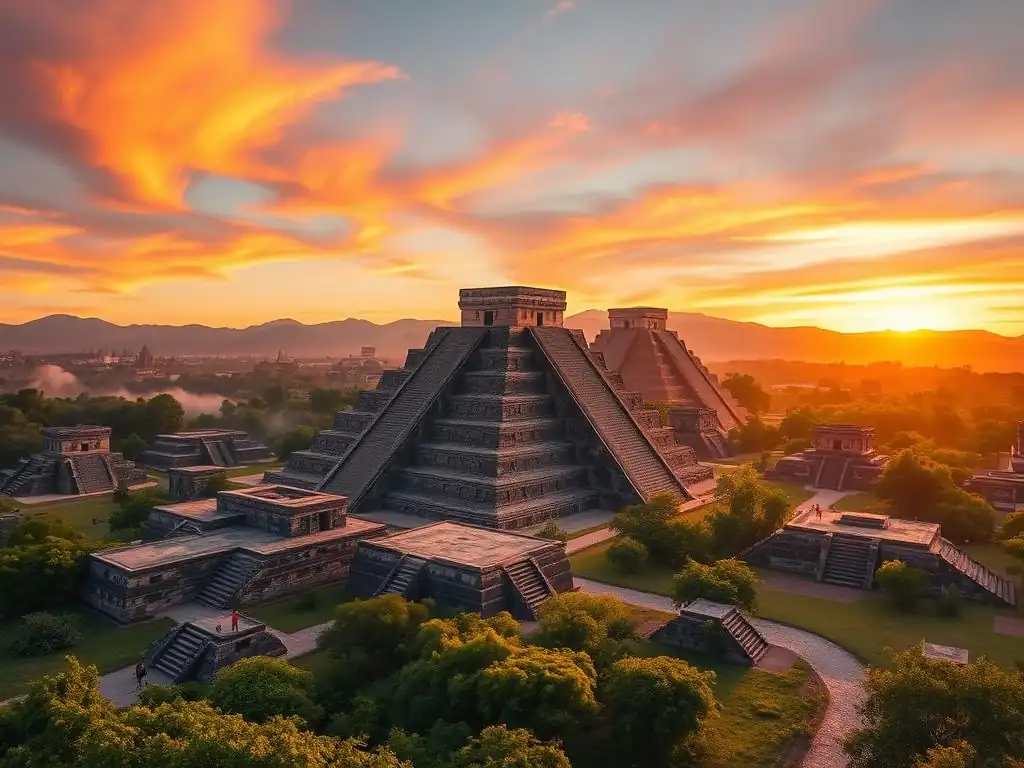
Welcome to Indigenous Civilizations of the Americas, where we embark on a fascinating journey through the rich tapestry of indigenous cultures that flourished long before European contact. In our featured article, "Exploring the Architectural Marvels of Mesoamerica: A Comparative Study," we delve into the Mesoamerican architectural achievements that stand as testaments to human ingenuity and cultural richness. From towering pyramids to intricate city layouts, discover how these remarkable structures reflect the sophisticated societies that created them. Join us as we uncover the stories behind these architectural wonders and their enduring legacy!
- Introduction to Mesoamerican Architectural Achievements
- Key Mesoamerican Cultures and Their Architectural Styles
- Comparative Analysis of Architectural Techniques
- Influence of Geography on Mesoamerican Architectural Achievements
- Cultural Significance of Mesoamerican Structures
- Legacy of Mesoamerican Architectural Achievements
- Conclusion: The Enduring Impact of Mesoamerican Architectural Achievements
-
Frequently Asked Questions
- What are some notable Mesoamerican architectural achievements?
- How did Mesoamerican cultures influence later architecture?
- What materials were commonly used in Mesoamerican architecture?
- How did the environment shape Mesoamerican architectural designs?
- What is the significance of Mesoamerican architectural achievements in today's context?
- Final Reflection: Celebrating Mesoamerican Architectural Achievements
- Unveil the Wonders of Mesoamerican Architecture!
Introduction to Mesoamerican Architectural Achievements
Mesoamerican architectural achievements stand as a testament to the ingenuity and sophistication of indigenous civilizations that flourished across the Americas long before European contact. This article delves into the architectural marvels of Mesoamerica, offering a comparative study of the diverse styles and structures that emerged from cultures such as the Maya, Aztec, and Olmec.
By examining their monumental constructions, urban planning, and the symbolic significance of these edifices, we aim to highlight the remarkable contributions of these civilizations to the realm of architecture. Understanding these achievements not only enriches our appreciation of their cultural heritage but also underscores their lasting impact on the architectural landscape of the Americas and the world.
Overview of Mesoamerican Architecture
Mesoamerican architecture is characterized by its unique features and styles that evolved over millennia. The architectural landscape includes a variety of structures, such as:
- Temples and Pyramids: These massive structures served both religious and ceremonial purposes. Notable examples include:
- The Pyramid of the Sun in Teotihuacan
- The Temple of Kukulcan in Chichen Itza
- Palaces: Complexes that housed rulers and elite members of society, often adorned with intricate carvings and murals.
- Ball Courts: These were significant in Mesoamerican culture, used for ritualistic games that held deep social and political meaning.
The materials used in construction varied by region, with stone, adobe, and wood being common. The architectural styles also reflect the cultural diversity of the Mesoamerican peoples, showcasing a blend of functional design and aesthetic beauty.
Importance of Architectural Marvels in Indigenous Civilizations
The architectural achievements of Mesoamerican civilizations are crucial for several reasons:
- Cultural Identity: These structures symbolize the religious beliefs, social hierarchies, and communal values of indigenous societies. For instance, temples often served as the focal point of community life, reinforcing cultural identity and continuity.
- Technological Advancements: The techniques employed in construction demonstrate advanced engineering skills. The precision in alignment, use of astronomy for orientation, and the development of urban planning strategies exemplify a high level of scientific understanding.
- Historical Insight: The architectural remnants provide invaluable insights into the history and evolution of these civilizations. They reveal how societies adapted to their environments, organized their communities, and interacted with one another.
- Legacy and Influence: The influence of Mesoamerican architecture extends beyond their time, impacting later cultures and contemporary architectural practices. Many modern structures draw inspiration from ancient designs, reflecting a continuing appreciation for these early achievements.
Mesoamerican architectural marvels are not merely remnants of the past; they are vibrant symbols of the creativity, resilience, and sophistication of indigenous civilizations that have shaped the cultural and historical landscape of the Americas.
Key Mesoamerican Cultures and Their Architectural Styles
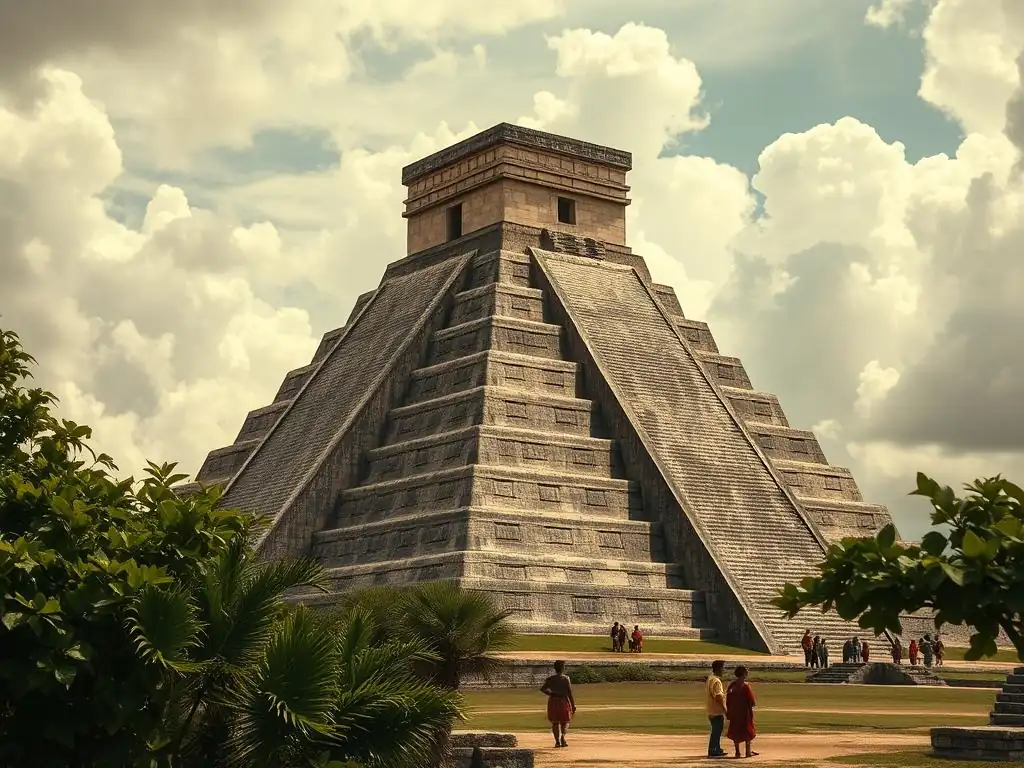
Mesoamerica is home to a rich tapestry of indigenous cultures, each contributing to the architectural achievements that define the region. This section will focus on the key cultures, highlighting their unique styles and innovations that shaped the architectural landscape of Mesoamerica.
The Olmec: The First Builders
The Olmec civilization, often regarded as the "mother culture" of Mesoamerica, flourished from around 1200 to 400 BCE. They established some of the earliest known urban centers in the region, which set the foundation for subsequent Mesoamerican cultures.
Major Structures and Innovations of the Olmec
The Olmecs are renowned for their monumental architecture, which includes:
- Colossal Heads: These massive stone sculptures, often exceeding 3 meters in height, depict human faces with distinct features. Each head is believed to represent a ruler or significant figure within Olmec society.
- San Lorenzo and La Venta: Major Olmec sites, where advanced urban planning and layout can be observed. La Venta, for instance, features a complex of earthworks and platforms, showcasing their understanding of landscape manipulation and ceremonial architecture.
- Ceremonial Centers: The Olmecs constructed ceremonial plazas and platforms, often arranged symmetrically, indicating a sophisticated understanding of spatial organization. These centers played a central role in their religious and social practices.
These innovations not only illustrate the Olmec's architectural capabilities but also their cultural significance in shaping the identity of Mesoamerican civilizations.
The Maya: Masters of Stone
The Maya civilization, which flourished from around 250 CE to 900 CE, is celebrated for its remarkable architectural achievements that reflect their advanced understanding of engineering, astronomy, and artistry.
Iconic Maya Architectural Achievements
Maya architecture is characterized by its intricate design and monumental scale, including:
- Pyramids and Temples: The Maya constructed iconic step pyramids, such as El Castillo at Chichen Itza and the Temple of the Inscriptions at Palenque. These structures served not only as religious sites but also as astronomical observatories, aligning with celestial events.
- City Planning: The layout of Maya cities, such as Tikal and Copán, demonstrates a sophisticated approach to urban planning, with plazas, ball courts, and residential areas strategically arranged. This reflects their social organization and importance of public spaces.
- Stelae and Altars: The Maya produced intricately carved stelae that documented historical events and royal achievements. These stone monuments were often placed in ceremonial plazas, emphasizing the interplay between architecture and political power.
- Decorative Elements: Maya architecture is adorned with elaborate carvings and murals that depict their mythology, rituals, and daily life, showcasing their artistic prowess and cultural values.
The architectural achievements of the Maya not only highlight their technical skills but also their profound connection to their environment and cosmology, leaving a lasting legacy that continues to influence contemporary understanding of Mesoamerican cultures.
The Aztec: Urban Planning and Monumentality
The Aztec civilization, flourishing in central Mexico from the 14th to the 16th century, is renowned for its sophisticated urban planning and monumental architecture. The capital city of Tenochtitlan, strategically located on an island in Lake Texcoco, exemplified the Aztecs' remarkable engineering and architectural prowess. This urban center, with its intricate layout and impressive structures, served as a testament to the Aztecs' organizational skills and cultural identity.
The Aztecs utilized a grid system for Tenochtitlan, which was divided into four main neighborhoods or "calpullis," each serving distinct administrative and social functions. This layout not only facilitated efficient movement through the city but also allowed for the effective allocation of resources and services. The use of raised causeways and canals further enhanced transportation and trade, showcasing the Aztecs' adeptness in adapting to their environment.
Central to Aztec architecture was the emphasis on monumentality and religious significance. Structures often served dual roles as both civic centers and sacred sites, reflecting the intertwined nature of governance and spirituality in Aztec society. Temples, pyramids, and palaces were designed to inspire awe, demonstrating the civilization's wealth and power while also serving as venues for religious ceremonies and public gatherings.
The Great Pyramid of Tenochtitlan and Other Notable Structures
At the heart of Tenochtitlan stood the Great Pyramid, known as the Templo Mayor, a magnificent structure that was central to Aztec religious life. The Templo Mayor was dedicated to two principal deities: Huitzilopochtli, the god of war, and Tlaloc, the rain god. This pyramid was not only a place of worship but also a monumental symbol of the Aztec's political power.
The Templo Mayor was constructed in several phases throughout the centuries, with each iteration growing larger and more elaborate. The pyramid featured twin temples at its summit, representing the duality of Aztec cosmology. The use of bright colors and intricate carvings on the temple's façade further emphasized its importance. The structure served as a focal point for various ceremonies, including ritual sacrifices, which were believed to appease the gods and ensure the continuation of the world.
In addition to the Templo Mayor, Tenochtitlan boasted several other notable structures, including the Palace of Moctezuma, which exemplified the opulence of Aztec architecture. This palace complex featured lush gardens, ornate murals, and intricate stonework. The aqueducts that brought fresh water to the city from nearby springs also showcased the Aztecs' engineering ingenuity, reflecting their ability to manipulate the landscape to meet their needs.
Overall, the architectural achievements of the Aztecs, particularly in Tenochtitlan, illustrate a civilization that valued both functionality and grandeur. Their structures were not merely buildings but powerful symbols of their culture, religion, and societal organization, leaving a lasting legacy that continues to be studied and admired today.
Comparative Analysis of Architectural Techniques
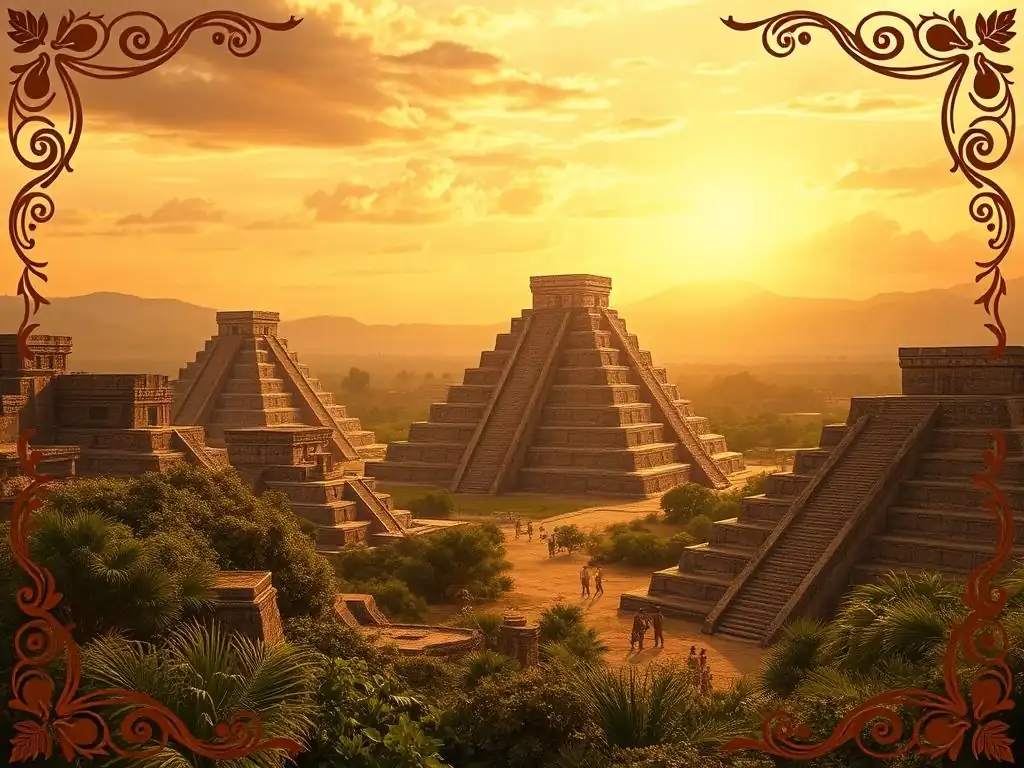
The architectural achievements of Mesoamerican civilizations reflect a rich tapestry of cultural influences and practical adaptations to their environments. This comparative analysis focuses on the diverse techniques employed across various Mesoamerican cultures, shedding light on their unique approaches to construction, design, and functionality.
Construction Materials Used in Mesoamerican Architecture
Stone, Adobe, and Other Building Materials
Mesoamerican architecture is distinguished by its use of a variety of construction materials, each selected based on availability and intended use. The most prevalent materials included:
- Stone:
- Limestone and Basalt were commonly used for monumental structures due to their durability. Notable examples can be found in the temples and pyramids of the Maya and Aztec civilizations.
- Tegula: A type of slate-like stone used in roofing, showcasing advanced techniques in creating durable structures.
- Adobe:
- Made from clay and straw, adobe was prominent in the construction of residential buildings, especially in areas where stone was less accessible.
- Adobe structures are often characterized by their thick walls, which provide insulation against both heat and cold.
- Wood:
- Although less durable than stone or adobe, wood was utilized in various structural elements, including beams and decorative features.
- The use of wooden frames allowed for flexibility in design, particularly in residential areas.
- Other Materials:
- Palm thatch was often used for roofing in rural and coastal areas, providing a lightweight and effective barrier against rain.
The combination of these materials not only showcases the ingenuity of Mesoamerican architects but also their deep understanding of local resources and climatic conditions.
Architectural Designs: Functionality vs. Aesthetic
Differences in Purpose and Style Across Cultures
Mesoamerican architectural designs reveal a fascinating interplay between functionality and aesthetic appeal, with each civilization prioritizing different elements based on their cultural values and societal needs.
- Maya Architecture:
- Functionality: Maya architecture, characterized by its stepped pyramids and expansive ceremonial complexes, was primarily designed for religious and astronomical purposes. Structures like the Temple of Kukulcán at Chichen Itza are not only visually stunning but also aligned with celestial events.
- Aesthetic: Intricate carvings and frescoes adorned many Maya buildings, reflecting their complex mythology and social hierarchies. The use of vibrant colors in murals enhanced the visual impact of their architecture.
- Aztec Architecture:
- Functionality: The Aztecs focused on monumental architecture that served political and religious functions. The Templo Mayor in Tenochtitlan exemplifies this focus, symbolizing the power of the empire and its gods.
- Aesthetic: Aztec structures often featured elaborate stone carvings, depicting deities and historical events, which served both decorative and propagandistic purposes.
- Olmec Architecture:
- Functionality: The Olmecs, considered the "mother culture" of Mesoamerica, utilized simpler designs, often with large stone heads that served as monuments and markers of social status.
- Aesthetic: Their artistic style, though less complex than that of later civilizations, laid the groundwork for Mesoamerican art, emphasizing both realism and symbolism.
These architectural philosophies illustrate how Mesoamerican cultures adapted their building techniques to meet both practical needs and aesthetic aspirations, resulting in a diverse architectural heritage that continues to influence contemporary designs.
Through the exploration of these architectural marvels, we gain valuable insights into the values, beliefs, and advancements of Mesoamerican civilizations, underscoring their significant contributions to human history.
Influence of Geography on Mesoamerican Architectural Achievements
Climate Adaptation in Architectural Designs
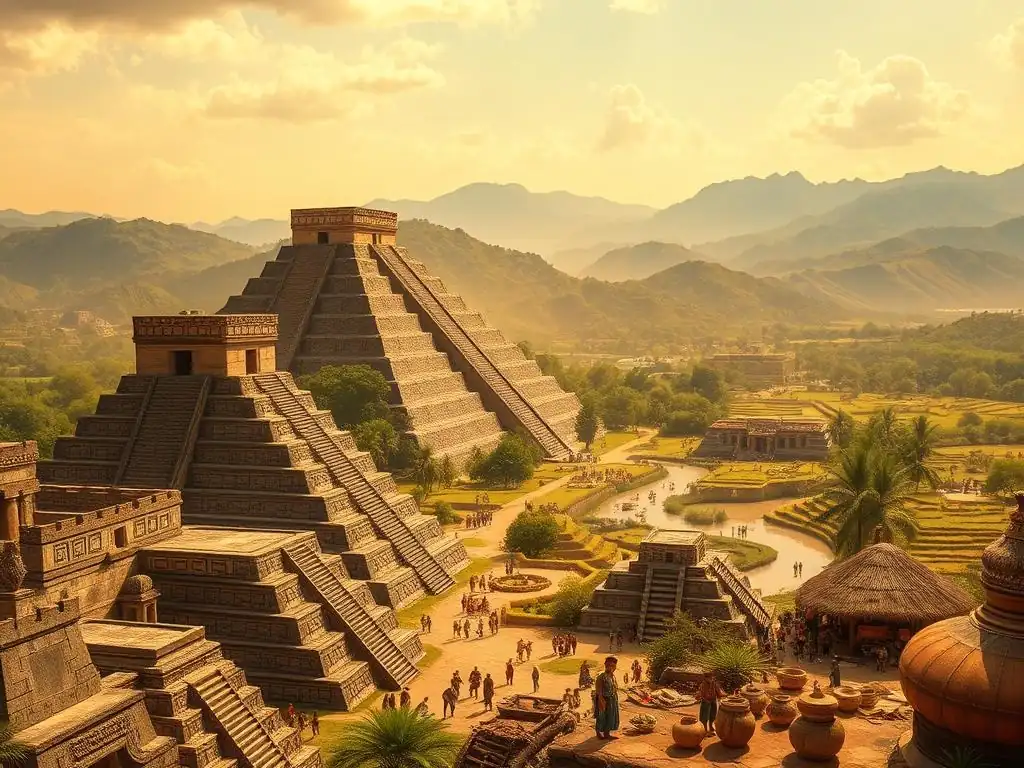
Mesoamerican architectural achievements are significantly influenced by the region's diverse climates, ranging from arid deserts to lush tropical rainforests. This climatic diversity necessitated innovative approaches to construction, reflecting the adaptability of indigenous cultures to their environments.
- Stone Construction: In areas like the Yucatán Peninsula, where limestone is abundant, civilizations such as the Maya constructed impressive stone temples and palaces. The use of limestone offered durability against the humid climate and allowed for intricate carvings that conveyed cultural narratives.
- Ventilation Techniques: In hotter regions, such as the lowlands of Guatemala, buildings were designed with high ceilings and large windows to facilitate air circulation, effectively reducing indoor temperatures. This feature is evident in the architecture of the ancient city of Tikal, where open spaces and elevated structures allow for natural cooling.
- Rainwater Harvesting: The practicality of architecture is also observed in the construction of reservoirs and drainage systems, particularly among the Aztecs in the Valley of Mexico. They developed sophisticated aqueducts and chinampas (floating gardens) that not only supported agricultural needs but also influenced residential designs to manage water efficiently.
Regional Variations in Styles and Techniques
The architectural styles of Mesoamerica exhibit marked regional variations, each reflecting distinct cultural practices, available materials, and environmental considerations. Understanding these differences enriches the appreciation of Mesoamerican architectural achievements.
- Pyramids and Temples: The construction of pyramids is a hallmark of Mesoamerican architecture, but the design varies by region. In Central Mexico, the Aztecs built the massive Templo Mayor, characterized by a double pyramid structure, while the Maya favored stepped pyramids, such as those found at Chichen Itza, which often included elaborate temple tops.
- Construction Materials: Different regions utilized various materials based on availability. The Mixtec and Zapotec in Oaxaca predominantly used adobe and stone, while the Maya often integrated stucco into their constructions, allowing for vibrant frescoes that adorned their temples and palaces.
- Urban Planning: The layout of cities like Teotihuacan emphasizes the importance of urban planning in Mesoamerican architectural achievements. The city featured a grid pattern, with significant structures aligned along the Avenue of the Dead, showcasing a deliberate approach to spatial organization that reflects cultural and religious significance.
- Influence of Trade: Trade routes facilitated the exchange of architectural styles and techniques between regions. For instance, the influence of Toltec architecture can be seen in later Maya constructions, as shared motifs and building techniques traveled along trade networks.
The interplay of geography and cultural practices has culminated in a rich tapestry of Mesoamerican architectural achievements, demonstrating the ingenuity and adaptability of indigenous civilizations in their quest to create lasting structures that resonate through time.
Cultural Significance of Mesoamerican Structures
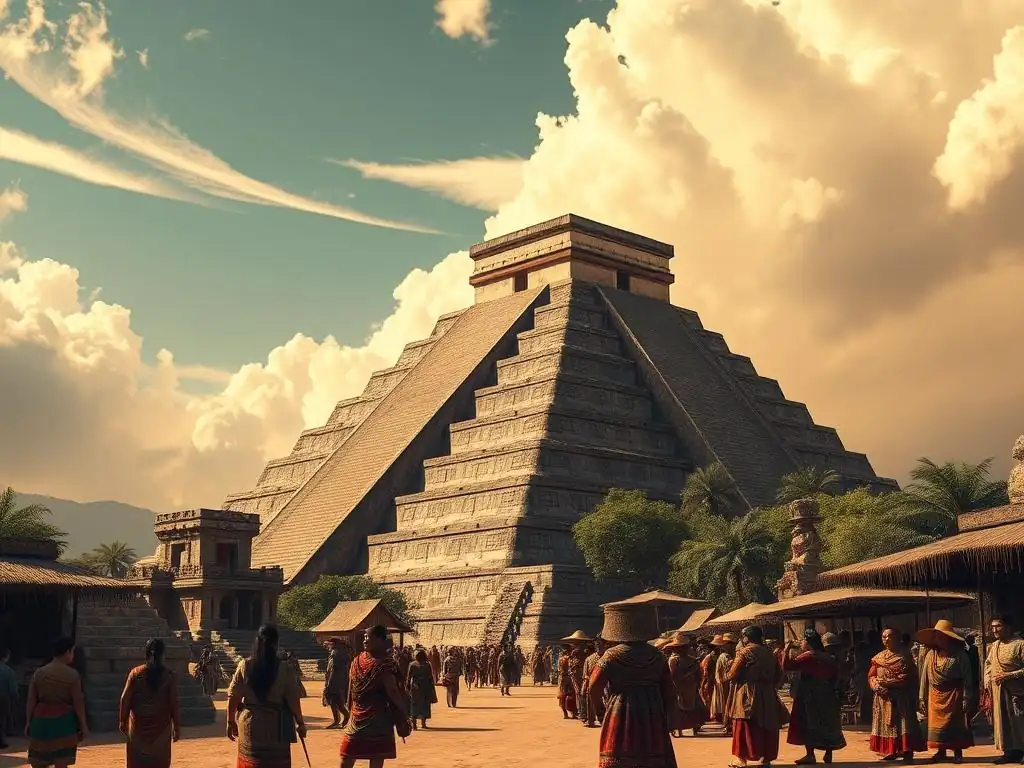
Mesoamerican architectural achievements are not merely reflections of aesthetic preferences; they are deeply embedded in the cultural, religious, and social fabric of the civilizations that created them. The structures built by the Maya, Aztecs, Olmecs, and other indigenous peoples served multifaceted purposes, contributing significantly to their identity and community cohesion.
Religious and Ceremonial Importance of Architecture
Mesoamerican architecture is often marked by its profound religious and ceremonial significance. Temples, pyramids, and plazas were constructed as focal points for worship, rituals, and public gatherings. These structures were designed to connect the human realm with the divine, reflecting a cosmology that placed great importance on the interaction between gods and mortals.
- Pyramids as Sacred Mountains: Mesoamerican pyramids, such as the Pyramid of the Sun in Teotihuacan and the Temple of Kukulcán at Chichen Itza, were designed to mimic sacred mountains. They were often oriented to astronomical events, emphasizing the civilizations' deep understanding of celestial movements.
- Ritual Spaces: The layout of cities often included ceremonial centers where rituals could be performed. For instance, the Great Plaza in Tikal served as a site for important ceremonies, including those honoring deities and ancestral spirits.
- Art and Iconography: The decorative elements of Mesoamerican structures, including carvings and murals, were rich in symbolism. They depicted gods, mythological narratives, and important historical events, reinforcing cultural identity and religious beliefs.
These architectural marvels were not just physical structures; they embodied the spiritual aspirations of the people and served as a testament to their beliefs and values.
The architectural achievements of Mesoamerican civilizations also played a crucial role in shaping social hierarchies and community interactions. The design and placement of buildings communicated status, power, and the organization of society.
- Elite Structures: Temples and palaces often served as residences for the elite and were strategically placed to dominate the landscape. For example, the palaces in the city of Palenque were intricately designed to reflect the authority and prestige of the ruling class.
- Public Spaces: Public plazas, such as those found in the Aztec capital of Tenochtitlán, were vital for community gatherings, trade, and social interaction. These spaces facilitated civic life, fostering a sense of belonging and collective identity among the citizens.
- Urban Planning: The layout of Mesoamerican cities was carefully planned to reflect the social order. Important structures were often centrally located, emphasizing their significance in daily life and governance. The construction of roads leading to these structures facilitated movement and communication across the society.
The architectural achievements of Mesoamerica were integral not only to the religious and ceremonial practices of the time but also to the social dynamics and community cohesion. These structures stand as monumental symbols of the complexities and advancements of indigenous civilizations, echoing their enduring legacies.
Legacy of Mesoamerican Architectural Achievements
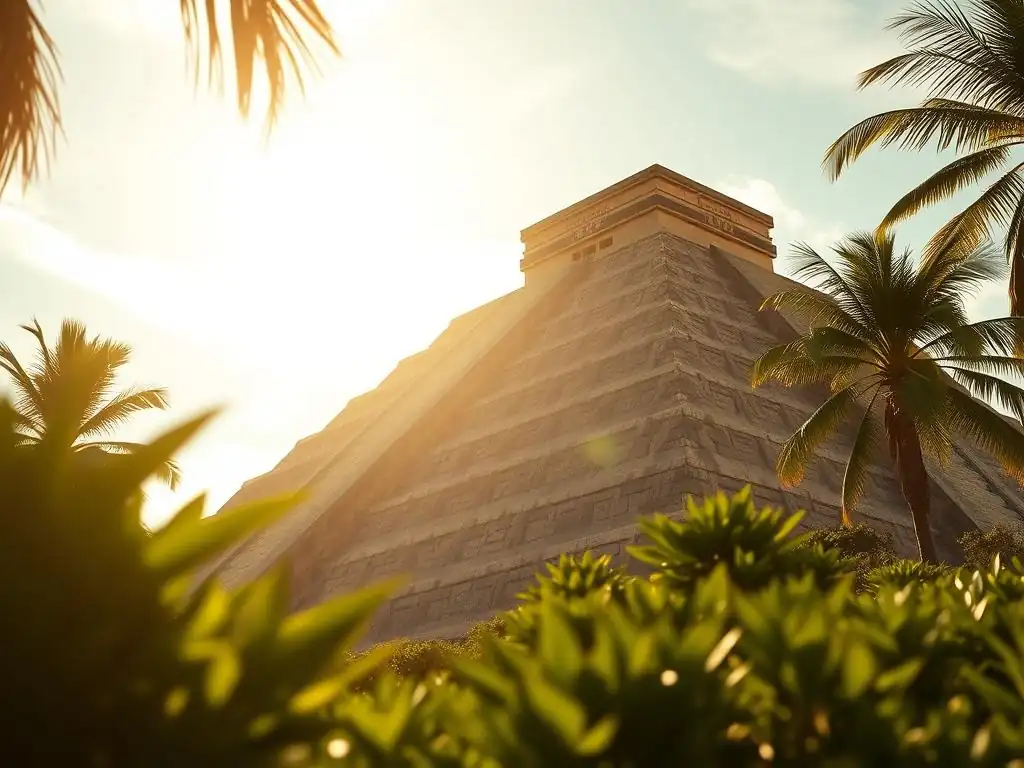
Mesoamerican architectural achievements represent a pivotal chapter in the history of the Americas, showcasing the ingenuity and advanced engineering skills of various indigenous cultures. From the awe-inspiring pyramids of Teotihuacan to the intricate stone carvings of the Maya, these structures not only served functional purposes but also reflected the rich cultural and religious beliefs of their creators.
The legacy of Mesoamerican architecture is evident in both the physical remnants of these ancient civilizations and their influence on contemporary architectural practices. The use of local materials such as limestone, volcanic rock, and adobe, along with techniques that have been passed down through generations, still resonate in modern construction within the region.
Influence on Modern Architecture in the Americas
Mesoamerican architectural achievements have profoundly influenced modern architecture across the Americas. This influence can be observed through various elements:
- Design Principles: The principles of symmetry, proportion, and alignment seen in ancient Mesoamerican structures continue to inspire architects today. For instance, many modern buildings incorporate similar geometric forms and spatial organization, reflecting the harmony found in sites like Chichen Itza and Monte Albán.
- Material Use: Contemporary architects in Central and South America often employ traditional materials, such as adobe and stone, reminiscent of ancient practices. This not only honors the past but also promotes sustainability, as these materials are often locally sourced and environmentally friendly.
- Cultural Integration: Many modern architectural projects strive to integrate local cultural elements, much like ancient Mesoamerican architects did. This can be seen in public buildings, museums, and cultural centers that feature designs inspired by ancient motifs, symbols, and layouts, ensuring that the spirit of indigenous cultures is preserved.
- Urban Planning: The urban layouts of ancient Mesoamerican cities, characterized by plazas, temples, and residential areas, have influenced modern city planning. The emphasis on communal spaces and public gathering areas is a direct descendant of the ancient practices that prioritized community interaction and cultural expression.
Preservation and Restoration Efforts of Ancient Structures
Preserving and restoring Mesoamerican architectural achievements is crucial for maintaining the cultural heritage and historical significance of these sites. Various efforts have been undertaken to ensure that these ancient marvels endure for future generations:
- Archaeological Research: Ongoing archaeological studies play a vital role in understanding Mesoamerican architecture. Through excavations and analysis, researchers uncover construction techniques and artistic styles, providing insights that inform restoration efforts.
- Conservation Initiatives: Organizations dedicated to the preservation of Mesoamerican sites actively work to protect ancient structures from environmental degradation, tourism impact, and natural disasters. This includes implementing conservation techniques that stabilize and restore buildings while maintaining their historical integrity.
- Community Involvement: Local communities are increasingly involved in preservation efforts, recognizing the importance of their cultural heritage. Initiatives that promote community stewardship, education, and participation in restoration projects help foster a sense of ownership and pride in these ancient achievements.
- International Cooperation: Collaboration between governments, NGOs, and international organizations has led to successful preservation projects. Funding and expertise from various sources have helped restore significant sites, such as Tikal and Palenque, ensuring they remain accessible for educational and cultural purposes.
The legacy of Mesoamerican architectural achievements not only enriches our understanding of indigenous cultures but also serves as a foundation for contemporary architectural practices. Through continued preservation and recognition of these ancient marvels, we honor the ingenuity and creativity of Mesoamerican civilizations while inspiring future generations to appreciate and learn from their enduring contributions.
Conclusion: The Enduring Impact of Mesoamerican Architectural Achievements
Mesoamerican architectural achievements represent a remarkable convergence of ingenuity, cultural expression, and functional design. The monumental structures, from the grand pyramids to expansive ceremonial plazas, not only served religious and political purposes but also reflected the social structures and cosmological beliefs of the civilizations that created them. As we conclude this exploration, it is essential to recognize how these architectural feats have influenced contemporary architecture and urban planning, revealing a legacy that continues to inspire.
Reflection on the Comparative Study of Mesoamerican Architecture
The comparative study of Mesoamerican architecture reveals distinct regional styles, such as the monumental stone temples of the Maya, the urban layouts of the Aztecs, and the intricate earthworks of the Olmecs. Each civilization utilized local materials and adapted their designs to their environmental contexts, showcasing the diversity of architectural practices across Mesoamerica.
For instance, the Maya's use of limestone allowed for intricate carvings and large-scale constructions, while the Aztec's utilization of adobe bricks enabled them to create expansive urban centers like Tenochtitlan. This comparative perspective highlights not only the aesthetic differences but also the underlying cultural philosophies that guided each civilization's architectural choices.
Moreover, the study emphasizes the importance of understanding these architectural forms within the broader context of indigenous identity, heritage, and the continuity of cultural practices. The preservation and study of these sites are crucial for recognizing the sophisticated understanding of space and environment that Mesoamerican peoples possessed.
Future Research Directions in Mesoamerican Architectural Studies
Looking forward, several avenues for future research in Mesoamerican architectural studies can enhance our understanding of these civilizations.
- Technological Innovations:
- Investigating the construction techniques and tools used by Mesoamerican architects could reveal insights into their technological advancements.
- Exploring the role of labor organization and resource allocation in large-scale projects will provide a clearer picture of their societal structures.
- Cultural Interactions:
- Analyzing the influences between different Mesoamerican cultures, as well as interactions with neighboring regions, can uncover the syncretic nature of architectural styles.
- Studies focusing on trade networks and their impact on architectural practices could further elucidate the cultural exchanges that shaped Mesoamerican societies.
- Preservation Efforts:
- Researching contemporary conservation methods and challenges faced by Mesoamerican sites is vital for their protection against modern threats.
- Engaging with indigenous communities in preservation efforts can ensure that cultural heritage is maintained and respected.
- Digital Documentation:
- Utilizing modern technology, such as 3D modeling and virtual reality, can help document and analyze architectural features that are difficult to access.
- These tools offer new possibilities for education and engagement, allowing a broader audience to appreciate Mesoamerican achievements.
The enduring impact of Mesoamerican architectural achievements is a testament to the ingenuity of indigenous civilizations. Continued research in these areas will not only enrich our understanding of their historical contexts but also contribute to the ongoing dialogue about indigenous identity and heritage in the Americas today.
Frequently Asked Questions
What are some notable Mesoamerican architectural achievements?
Mesoamerica is renowned for its pyramids, temples, and cities like Teotihuacan and Chichen Itza, showcasing advanced engineering and artistic skills.
How did Mesoamerican cultures influence later architecture?
Mesoamerican cultures laid the groundwork for later architectural styles in the Americas, influencing both design and construction techniques that are still evident today.
What materials were commonly used in Mesoamerican architecture?
Common materials included limestone, volcanic stone, and adobe, which allowed for the creation of durable structures that have withstood the test of time.
How did the environment shape Mesoamerican architectural designs?
Mesoamerican architects adapted their designs to local climates and geography, using features like ventilation and water management systems to enhance livability.
What is the significance of Mesoamerican architectural achievements in today's context?
These achievements are crucial for understanding the cultural heritage of Indigenous peoples and continue to inspire modern architecture and urban planning.
Final Reflection: Celebrating Mesoamerican Architectural Achievements
The architectural marvels of Mesoamerica stand as a testament to the ingenuity and creativity of ancient civilizations, showcasing their ability to harmonize culture, environment, and technology. Today, as we navigate a world increasingly defined by rapid urbanization and technological advancement, the lessons embedded in these structures remind us of the importance of sustainability and cultural identity in our own architectural endeavors. The grandeur of pyramids, temples, and cities from the past continues to inspire contemporary architects and historians alike, urging us to reflect on our own contributions to the built environment.
Mesoamerican architectural achievements have not only shaped the landscapes of their respective regions but have also left an indelible mark on global architecture and cultural heritage. The intricate designs and purposeful layouts of these ancient structures reveal a profound understanding of astronomy, geography, and community dynamics. As we explore these influences, we are reminded of the words of architect Louis Kahn: A great building must begin with the unmeasurable, must go through measurable means when it is being designed and in the end must be unmeasurable.
This sentiment resonates deeply with the essence of Mesoamerican architecture, where the spiritual and the physical intertwine, creating spaces that transcend mere functionality.
As we conclude our exploration of Mesoamerican architectural achievements, I invite you to reflect on how these ancient practices can inform our modern world. Consider how you can incorporate the principles of sustainability, community, and cultural respect into your own life and projects. Whether you are an architect, a student, or simply a lover of history, let the legacy of Mesoamerican architecture inspire you to create spaces that honor the past while embracing the future. Together, we can build a world that respects and celebrates the rich tapestry of human achievement.
Unveil the Wonders of Mesoamerican Architecture!
Thank you for joining us on this journey through the breathtaking architectural marvels of Mesoamerica! We hope you’ve gained valuable insights into the rich history and cultural significance of these incredible structures. Now, let's take that knowledge a step further and deepen your connection with this fascinating subject.
Here are some inspiring ways to continue your exploration:
- Dive Deeper: Visit a local museum or archaeological site that showcases Mesoamerican artifacts to experience history firsthand.
- Share the Knowledge: Engage in discussions about your favorite Mesoamerican architecture with friends or online communities—your insights could spark meaningful conversations!
- Engage with Experts: Participate in webinars or follow scholars who focus on indigenous architecture, and learn directly from those who are passionate about these topics.
What aspect of Mesoamerican architecture left you most intrigued, and how do you plan to explore it further?