
The Role of Textiles in Indigenous Identity: More Than Just Fabric

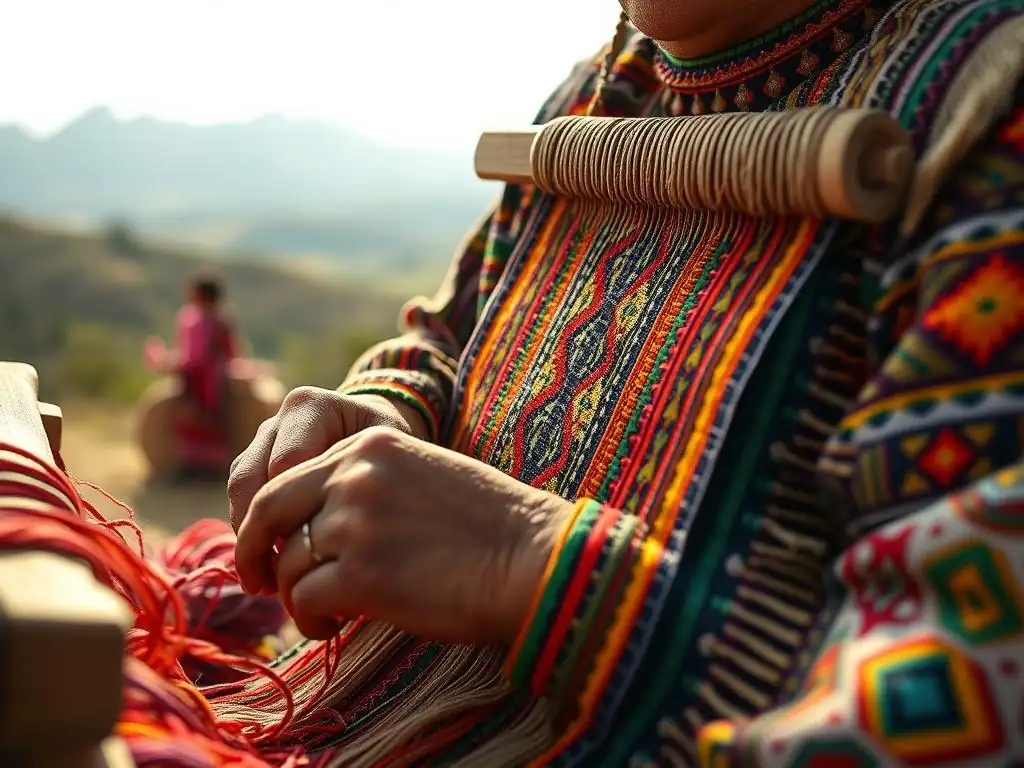
Welcome to Indigenous Civilizations of the Americas, where we invite you to embark on a journey through the rich tapestry of cultures that flourished long before European contact. Delve into our featured article, "The Role of Textiles in Indigenous Identity: More Than Just Fabric," and uncover the profound cultural significance of textiles in shaping indigenous identities. Discover how these intricate fabrics serve as more than mere adornments; they are powerful symbols of heritage, tradition, and community. Prepare to be captivated as you explore the achievements and advances of these remarkable societies, revealing stories that continue to resonate today.
Introduction to Indigenous Textiles Cultural Significance
Textiles represent far more than mere fabric in the realm of Indigenous cultures across the Americas; they embody identity, tradition, and a deep connection to the land and community. The intricate patterns and techniques used in weaving and crafting textiles are a testament to the rich histories and cultural narratives of various Indigenous groups.
From the vibrant colors of the Navajo rugs to the elaborate designs of the Peruvian textiles, each piece tells a unique story, reflecting the values, beliefs, and social structures of its creators. This article aims to delve into the cultural significance of Indigenous textiles, highlighting their roles in identity formation, societal functions, and historical evolution.
Overview of Indigenous Textiles in the Americas
Indigenous textiles have existed for thousands of years, serving multiple purposes that extend beyond utility. In many cultures, textiles are integral to rituals, ceremonies, and even social status. The techniques and materials vary widely among different groups, influenced by geography, climate, and available resources.
- Materials Used: Indigenous peoples utilized a range of natural materials, including:
- Cotton
- Wool
- Bark
- Animal hides
- Techniques: Various weaving methods such as:
- Backstrap looms
- Tapestry weaving
- Embroidery
Each technique carries distinct meanings and histories, showcasing the artisans' skills and cultural narratives.
Importance of Textiles in Indigenous Societies
Textiles serve as a vital element in Indigenous societies, functioning as:
- Cultural Markers: They signify group identity, with specific patterns and colors representing different tribes or clans.
- Economic Resources: Many communities rely on textile production for trade and sustenance.
- Spiritual Connections: Textiles are often used in ceremonies, symbolizing various elements of life and the cosmos.
Through these roles, textiles reinforce communal ties and cultural continuity, affirming the identity of Indigenous peoples across generations.
Historical Context of Indigenous Textiles
To truly understand the significance of Indigenous textiles, it is essential to explore their historical context, examining how they have evolved and adapted over time.
Ancient Techniques and Materials Used
Historically, Indigenous peoples developed sophisticated textile technologies that reflected their environment and culture. For instance, the pre-Columbian civilizations of the Andes, such as the Incas, mastered the use of alpaca and llama wool, creating textiles that were not only functional but also artistically beautiful.
- Weaving Techniques:
- Complex patterns were often created using intricate backstrap looms.
- Dyeing methods involved natural substances, creating vibrant colors that held specific meanings.
Evolution of Textile Technologies Among Indigenous Cultures
As time progressed, Indigenous textile technologies evolved due to various factors, including:
- Colonization: The arrival of Europeans introduced new materials and techniques, which Indigenous artisans adapted to their traditional practices.
- Cultural Exchange: Interactions between different Indigenous groups led to the sharing of techniques and styles, enriching the textile landscape.
- Contemporary Revival: In recent years, there has been a resurgence in the appreciation and production of traditional textiles, as younger generations seek to reconnect with their cultural heritage.
Through this historical lens, we can appreciate not only the artistry of Indigenous textiles but also their profound cultural significance within Indigenous identity.
Cultural Significance of Textiles in Indigenous Identity
Textiles have long been a vital aspect of Indigenous cultures throughout the Americas, serving as more than mere functional items. They are a profound expression of identity, heritage, and social values. The intricate designs and materials used in these textiles often tell stories about the people who created them and their unique cultural narratives. Indigenous textiles play a crucial role in community identity, linking generations through shared aesthetic values and traditional craftsmanship.
Beyond their practical uses, textiles are imbued with cultural significance that reflects the history and struggles of Indigenous peoples. The techniques used in weaving, dyeing, and embroidery often have deep-rooted traditions, passed down through generations. As a result, textiles hold a powerful connection to land, ancestral knowledge, and community resilience. They are essential in ceremonies, rites of passage, and social gatherings, reinforcing the bonds that unite individuals within their cultural group.
Textiles as a Reflection of Heritage
Indigenous textiles serve as a canvas for expressing heritage, with each region showcasing distinctive styles, materials, and techniques. For many Indigenous cultures, textiles are a living testament to their history, embodying the stories and values of their ancestors. The choice of materials, from cotton and wool to natural dyes, reflects the environment in which these communities thrive and their resourcefulness in utilizing available resources.
The patterns and motifs in Indigenous textiles often carry historical narratives, representing tribal affiliations, clan symbols, and even the natural world. For instance, in Navajo weaving, specific patterns may symbolize the sacredness of the earth or the interconnectedness of life. This connection to heritage through textiles strengthens cultural identity and fosters pride within Indigenous communities, as each piece tells a story that transcends time.
Symbolism and Meanings Behind Indigenous Patterns
The patterns used in Indigenous textiles are often rich with symbolism, conveying deep meanings that resonate within the culture. From geometric shapes to intricate designs, each motif can represent various aspects of life, such as fertility, the cycle of seasons, or spiritual beliefs. For example, the use of spirals in some cultures may symbolize growth and transformation, while other patterns may depict ancestral stories or significant events in their history.
Understanding these symbols is essential for appreciating the full cultural significance of Indigenous textiles. They are not merely decorative; they serve as a visual language that communicates values, beliefs, and connections to the cosmos. The stories woven into the fabric often carry messages of resilience, hope, and continuity, reminding Indigenous peoples of their rich heritage and the importance of preserving their cultural identity.
Role of Textiles in Spiritual and Ceremonial Practices
In many Indigenous cultures, textiles play a pivotal role in spiritual and ceremonial practices. These fabrics are often adorned with specific symbols and colors that hold sacred meanings, serving as offerings to deities or as protective garments during rituals. For instance, in many Andean cultures, textiles are integral to ceremonies such as the Inti Raymi, the Festival of the Sun, where intricately woven garments are worn to honor the Sun God.
The act of weaving itself can be seen as a spiritual practice, representing the connection between the weaver and the cosmos. The process of creating textiles often involves prayers and rituals, embedding a spiritual essence into each piece. Furthermore, textiles are used in rites of passage—such as weddings and coming-of-age ceremonies—signifying important transitions in life and reinforcing communal bonds.
Regional Variations in Indigenous Textiles
Indigenous textiles vary significantly across the Americas, with each region exhibiting unique styles, techniques, and cultural influences. These regional differences highlight the diverse environments in which Indigenous peoples have thrived, as well as the distinct histories and traditions that shape their textile practices.
North American Indigenous Textiles
In North America, Indigenous textiles are characterized by their rich variety, ranging from the intricate beadwork of the Plains tribes to the vibrant woven blankets of the Navajo. The use of natural materials, such as wool, cotton, and plant fibers, reflects the resources available in each region. For example, the Coast Salish peoples are known for their beautiful cedar bark weaving, while the Pueblo communities have mastered the art of weaving cotton and wool into stunning tapestries and rugs.
Textiles in North America often serve practical purposes as well as ceremonial ones, with items like blankets and clothing being integral to daily life. The patterns and colors used in these textiles frequently carry cultural significance, with specific designs representing tribal identity and community values.
Mesoamerican Textile Traditions
Mesoamerican textile traditions are equally rich and diverse, with cultures such as the Maya, Zapotec, and Mixtec contributing to a vibrant tapestry of textile art. The use of backstrap looms is prevalent in this region, allowing for intricate designs and vibrant colors. Traditional garments, such as huipils and rebozos, are often adorned with elaborate embroidery that reflects the wearer's cultural identity and social status.
In Mesoamerica, textiles are often interwoven with cosmological beliefs, where patterns and colors symbolize various deities and natural elements. The significant role of textiles in ceremonies, such as weddings and religious festivals, underscores their importance in Mesoamerican culture, linking the past with the present through shared traditions.
South American Indigenous Weaving Practices
South American Indigenous weaving practices are renowned for their complexity and artistry, particularly among the Andean cultures. The use of alpaca and llama wool, combined with vibrant natural dyes, creates textiles that are both functional and aesthetically striking. The Andean communities, including the Quechua and Aymara, produce textiles that are deeply intertwined with their agricultural practices and spiritual beliefs.
In this region, weaving is often viewed as a communal activity, with families and communities engaging in the craft together. Textiles are utilized in a variety of ways, from everyday clothing to ceremonial garments, reflecting the interconnectedness of cultural identity and the environment. The rich symbolism embedded in South American textiles often tells stories of the land, ancestry, and the enduring spirit of Indigenous peoples, preserving their cultural heritage for future generations.
The Impact of Colonialism on Indigenous Textile Traditions
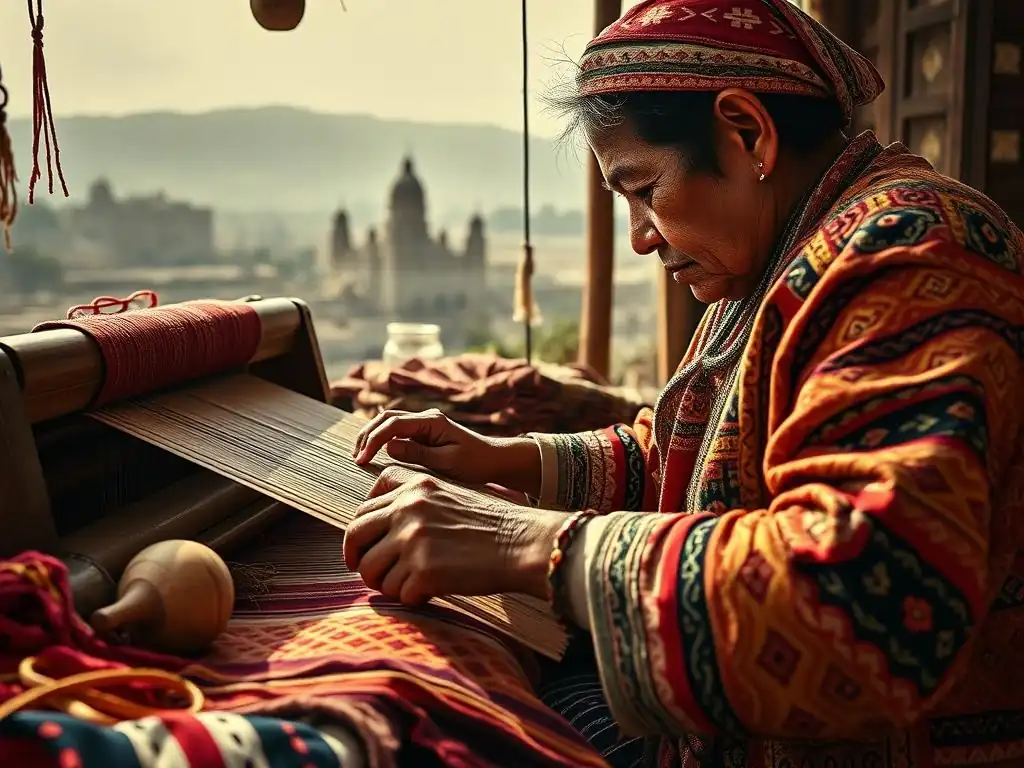
Colonialism had a profound and often detrimental impact on the textile traditions of Indigenous peoples across the Americas. The arrival of European colonizers introduced new materials, techniques, and cultural perceptions that significantly altered the landscape of Indigenous textile practices. Traditional methods, which had been passed down through generations, faced challenges as colonizers disrupted the social fabric of Indigenous communities.
The imposition of European economic systems often led to the devaluation of Indigenous textiles, reducing their role from essential cultural artifacts to mere commodities. As Indigenous people were coerced into adopting European styles and materials, many traditional techniques were abandoned or lost. This change not only affected the artistry of textiles but also stripped away their cultural significance, which was deeply interwoven with identity, spirituality, and community cohesion.
Changes in Techniques and Materials Due to Colonization
The introduction of synthetic materials and mass-produced fabrics by European colonizers brought significant changes to Indigenous textile production. Traditional fibers such as cotton, wool, and bark were gradually replaced with materials like polyester and nylon, which were not only easier to obtain but also cheaper to produce.
Moreover, the techniques used in weaving and dyeing changed as Indigenous artisans began to incorporate new tools and methods introduced by colonizers. For instance, the use of looms became more standardized, which sometimes led to a loss of diversity in patterns and styles. While some Indigenous communities adapted by integrating these new materials into their work, the essence of their traditional textile practices was often diminished.
Resilience and Adaptation of Indigenous Textile Practices
Despite the overwhelming challenges posed by colonialism, Indigenous communities demonstrated remarkable resilience and adaptability in their textile practices. Many artisans began to blend traditional techniques with new materials and methods, creating unique textiles that reflected both their heritage and contemporary influences. This adaptability allowed Indigenous textile traditions to survive and evolve, fostering a sense of identity in the face of adversity.
Community initiatives and movements have arisen to reclaim and revive traditional practices, demonstrating a commitment to preserving cultural heritage. By focusing on education and the passing down of skills, many Indigenous groups have ensured that their textile traditions remain a vital part of their social fabric, serving not only as a means of artistic expression but also as a form of resistance against cultural erasure.
Contemporary Indigenous Textiles and Cultural Preservation
In the modern era, Indigenous textiles are experiencing a renaissance, as many artisans and communities seek to restore and promote their traditional practices. These textiles are not merely functional items; they embody the stories, histories, and identities of Indigenous peoples. Contemporary Indigenous textiles often incorporate traditional designs and motifs that reflect cultural narratives, thus serving as a powerful medium for cultural expression and preservation.
Revitalization of Traditional Weaving Techniques
Efforts to revitalize traditional weaving techniques are gaining momentum among Indigenous artisans. Workshops and cultural programs are being established to teach younger generations the skills necessary for producing traditional textiles. This revitalization not only preserves ancient methods but also fosters a deeper connection to cultural heritage.
For example, communities have organized weaving circles where knowledge is shared, and collective creativity flourishes. These gatherings not only promote the technical aspects of weaving but also strengthen community bonds and foster pride in Indigenous identity. By embracing traditional techniques, artisans are ensuring that their cultural narratives continue to thrive.
The Role of Indigenous Textiles in Modern Identity
Today, Indigenous textiles play a crucial role in the assertion of modern Indigenous identity. They serve as symbols of resilience, creativity, and cultural pride. Many contemporary Indigenous artists use textiles to address current social and political issues, weaving messages of activism, healing, and empowerment into their work.
By embracing their textile traditions, Indigenous peoples are not only preserving their cultural heritage but also redefining their identities in a modern context. Textiles have become a medium through which Indigenous voices are amplified, allowing for dialogue about cultural significance and the ongoing impact of colonization. In this way, Indigenous textiles transcend mere fabric, becoming powerful statements of identity and resistance.
Conclusion: The Enduring Legacy of Indigenous Textiles
The legacy of indigenous textiles is a testament to the rich cultural heritage and identity of indigenous communities across the Americas. These textiles are not merely items of clothing or decorative pieces; they are woven narratives that encapsulate history, spirituality, and community values. From the intricate patterns of Andean weavers to the vibrant colors of Navajo rugs, each stitch represents a connection to ancestry, land, and tradition. As these textiles continue to be produced and appreciated, they serve as a powerful reminder of the resilience and creativity of indigenous peoples, transcending time and colonial disruptions.
Summary of Cultural Importance and Identity
Indigenous textiles play a crucial role in expressing cultural identity and social cohesion. They often incorporate symbols and motifs that reflect the beliefs, stories, and natural surroundings of the respective communities. For example, the use of specific colors and designs can signify social status, familial ties, or ceremonial purposes.
This cultural significance extends beyond mere aesthetics; it fosters a sense of belonging and continuity among community members. Furthermore, as contemporary artisans revive and adapt traditional techniques, they contribute to the ongoing narrative of indigenous identity, ensuring that these skills and stories are passed down to future generations. The production of textiles thus becomes a dynamic interplay of tradition and innovation, enriching the cultural landscape of indigenous peoples and affirming their identity in a modern world.
Call to Action for Supporting Indigenous Textile Artisans
As we recognize the immense cultural significance of indigenous textiles, it is imperative to support the artisans who create these works of art. By purchasing directly from indigenous makers, participating in workshops, or advocating for fair trade practices, we can help sustain these vital traditions. Engaging with indigenous textile artisans not only provides them with economic support but also fosters a deeper understanding and appreciation of their cultural narratives.
Consider exploring local markets, online platforms, and community events that promote indigenous craftsmanship. Additionally, educate others about the importance of preserving these traditions and the stories woven into each piece. By taking these steps, we contribute to the resilience of indigenous cultures and ensure that their rich heritage continues to thrive for generations to come. 🌍✨
- Introduction to Indigenous Textiles Cultural Significance
- Historical Context of Indigenous Textiles
- Cultural Significance of Textiles in Indigenous Identity
- Regional Variations in Indigenous Textiles
- The Impact of Colonialism on Indigenous Textile Traditions
- Resilience and Adaptation of Indigenous Textile Practices
- Contemporary Indigenous Textiles and Cultural Preservation
- Conclusion: The Enduring Legacy of Indigenous Textiles
Frequently Asked Questions
What is the cultural significance of textiles in indigenous societies?
Textiles in indigenous societies serve as a vital form of cultural expression and identity. They are often imbued with symbolism and reflect the history, traditions, and values of the community.
How do indigenous textiles represent identity?
Indigenous textiles are more than just fabric; they encapsulate heritage and belief systems. The patterns, colors, and techniques used often convey specific stories and are tied to the spiritual beliefs of the people.
What materials are commonly used in indigenous textiles?
Common materials include natural fibers such as cotton, wool, and plant-based threads. The choice of materials not only influences the durability of the textiles but also their cultural significance and aesthetic appeal.
How have indigenous textiles evolved over time?
While traditional techniques remain important, modern influences and access to new materials have led to innovative designs. However, many artisans strive to maintain the cultural authenticity of their work, blending the old with the new.
Why is it important to preserve indigenous textile traditions?
Preserving indigenous textile traditions is crucial for maintaining cultural identity and heritage. These practices foster a sense of community and contribute to the sustainability of cultural narratives in a rapidly changing world.
Final Reflection: The Cultural Significance of Indigenous Textiles
The intricate relationship between textiles and Indigenous identity is more relevant today than ever, as we witness a resurgence of interest in cultural heritage and the stories woven into fabric. In a world increasingly dominated by fast fashion and homogenized aesthetics, the unique narratives embedded in Indigenous textiles serve as a powerful reminder of the rich histories and identities that deserve recognition and respect. The revival of these traditions not only honors the past but also empowers Indigenous communities to reclaim their stories and assert their cultural significance in contemporary society.
The impact of Indigenous textiles extends far beyond their aesthetic appeal; they are a vital expression of cultural identity, resilience, and community connection. As we navigate the complexities of modern life, the importance of understanding and appreciating these textiles becomes clear. They serve as a bridge between generations, fostering a sense of belonging and continuity. Textiles are not just materials; they are the stories of our ancestors, the voices of our people.
This ongoing influence highlights the need for greater awareness and appreciation of Indigenous craftsmanship, which can inspire a deeper connection to cultural heritage and promote social justice.
As you reflect on the themes presented in this article, consider how you can engage with and support Indigenous artisans and their work. Take the time to learn about the stories behind the textiles you encounter, and allow these narratives to enrich your understanding of cultural significance. By valuing and advocating for Indigenous textiles, you contribute to a broader movement that honors diversity and fosters respect for all cultures. Embrace the opportunity to weave these lessons into your own life, and let the beauty of Indigenous textiles inspire you to celebrate and uplift the rich tapestry of human experience.
Unveil the Rich Tapestry of Indigenous Cultures!
Thank you for exploring the profound connection between textiles and Indigenous identity with us! You've gained valuable insights into how fabric goes beyond mere material; it’s a vibrant expression of culture and heritage. Now, let’s take actionable steps to engage further and honor these traditions.
- ** Dive deeper into your understanding by reading personal stories from Indigenous artisans in your community. Their narratives can transform your perspective on ownership and artistry.
- ✨ Share your knowledge with friends or on social media! Start a conversation about the significance of textiles in Indigenous cultures to cultivate awareness and appreciation.
- Join a local workshop or online class that celebrates Indigenous textile techniques. Experiencing these practices firsthand can enrich your understanding and foster meaningful connections.
Which textile or fabric from an Indigenous culture resonates with you the most, and how can you share its story with others?