
The Influence of Indigenous Dance on Contemporary Performing Arts

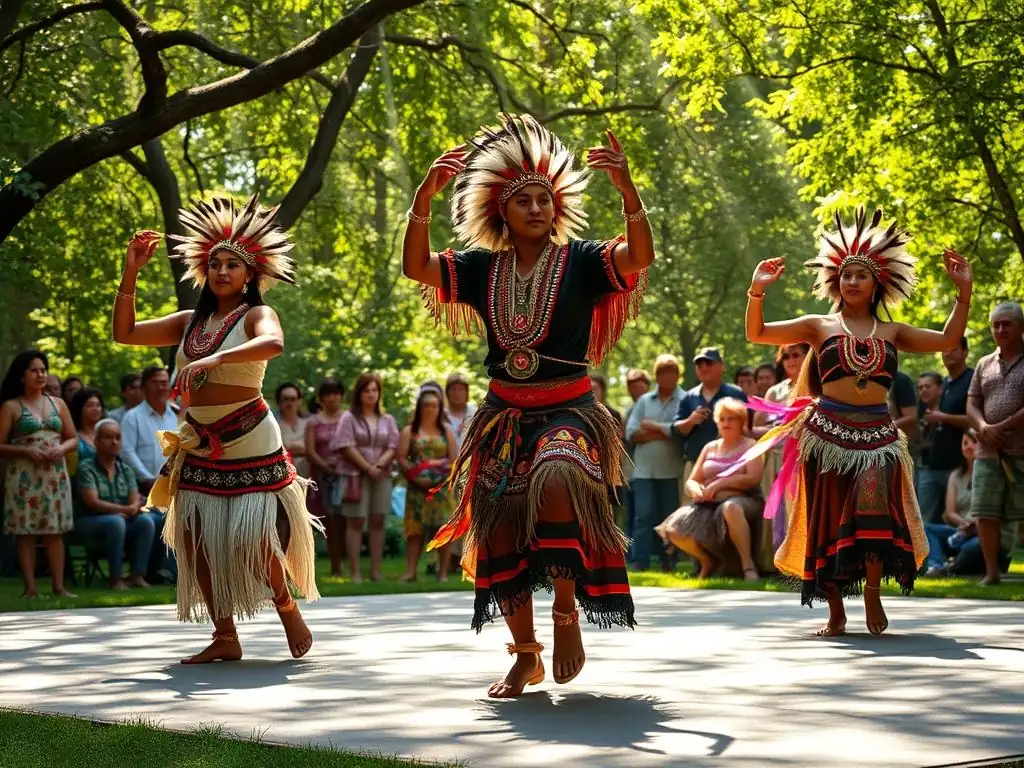
Welcome to Indigenous Civilizations of the Americas, where we invite you to embark on an enlightening journey through the rich tapestry of indigenous cultures that flourished long before European colonization. Here, we delve into the profound achievements and societal structures of these remarkable civilizations, highlighting their enduring impact on today's world. Prepare to be intrigued as we explore the contemporary influence of indigenous dance on modern performing arts—a vibrant reflection of history, resilience, and creativity. Join us as we uncover the stories, traditions, and artistic expressions that continue to inspire and shape our cultural landscape.
Indigenous dance is a vibrant and essential aspect of the cultural heritage of the Americas, embodying the rich histories, traditions, and identities of numerous indigenous communities. This article explores the profound influence that indigenous dance has had on contemporary performing arts, highlighting how these ancient forms of expression continue to resonate in modern performances.
The interplay between traditional and contemporary practices not only showcases the resilience of indigenous cultures but also emphasizes their ongoing contribution to the broader narrative of artistic expression. By examining the roots of indigenous dance and its evolving role, we can appreciate the depth and diversity of these art forms and their significance in today's cultural landscape.
Introduction to Indigenous Dance and Its Significance
Indigenous dance serves as a powerful medium for storytelling, cultural expression, and community bonding. It transcends mere performance, acting as a living expression of identity and tradition for many indigenous peoples. The significance of these dances lies not only in their aesthetic qualities but also in their capacity to convey historical narratives and spiritual beliefs, making them integral to the cultural fabric of indigenous societies.
The Historical Context of Indigenous Dance in the Americas
Understanding the influence of indigenous dance on contemporary performing arts requires a look back at its historical context. Prior to European colonization, indigenous communities in the Americas utilized dance as a vital form of communication and expression. Each dance has its own unique history and purpose, varying greatly across regions and tribes.
Traditional Roles of Dance in Indigenous Cultures
- Ceremonial Practices: Many indigenous dances were performed during significant ceremonies, serving to honor deities, mark seasonal changes, or celebrate life events such as births, marriages, and harvests.
- Cultural Transmission: Dance acted as a means to pass down stories, teachings, and values from one generation to the next, ensuring the survival of cultural knowledge.
- Community Cohesion: Group dances fostered a sense of unity and belonging, bringing community members together in shared experiences that strengthened social bonds.
The Spiritual and Social Functions of Indigenous Dance
- Connection to the Spiritual Realm: Many dances are imbued with spiritual significance, believed to connect dancers with ancestral spirits or the natural world.
- Ritualistic Healing: Certain dances are performed as a form of healing, invoking spiritual energies to bring health and balance to individuals or communities.
- Social Commentary: In contemporary contexts, indigenous dance can also serve as a platform for social commentary, addressing issues related to identity, sovereignty, and cultural preservation.
Through this exploration of the historical context and roles of indigenous dance, we can better understand its enduring influence on contemporary performing arts and the importance of preserving these rich traditions.
Key Elements of Indigenous Dance
Indigenous dance encompasses a rich tapestry of cultural expression that serves as a vital conduit for storytelling, spirituality, and community identity. The key elements of Indigenous dance include rhythm, movement, costumes, and symbolism, each contributing to the overall aesthetic and cultural significance of the performance.
Rhythm in Indigenous dance is often dictated by traditional music, which utilizes drums, flutes, and other instruments that are integral to the culture. This rhythm not only sets the pace of the movement but also creates a spiritual connection to the earth and the ancestors. Movement in Indigenous dance is characterized by specific patterns and styles that reflect the natural world, embodying elements such as animals, nature, and celestial bodies.
Costumes play a crucial role, often made from natural materials that reflect the environment of the dancers' communities. Symbols embedded in the attire can convey stories of the culture, heritage, and identity, serving as a visual representation of the narratives being told through dance.
Rhythm and Movement in Indigenous Dance
Rhythm and movement are foundational to Indigenous dance, encapsulating the energy and spirit of the community. Traditional rhythms are often complex, featuring syncopation and polyrhythms that draw from the natural sounds of the environment. These rhythms are usually produced by percussion instruments, and the dancers' movements are designed to align with these beats, creating a sense of unity between the performer, the music, and the audience.
Movements in Indigenous dance are not arbitrary; they are deeply rooted in the stories and traditions of the people. Each gesture can signify specific meanings, such as healing, hunting, or celebration. For example, many dances mimic animal movements, reflecting the close relationship Indigenous peoples have with nature. Through these movements, dancers embody the spirit of the land and their ancestors, creating a dynamic dialogue between past and present.
Costumes and Symbolism in Indigenous Dance
Costumes are an essential aspect of Indigenous dance, often adorned with intricate designs that carry significant meaning. Traditionally crafted from materials such as feathers, beads, and hides, these costumes are not merely decorative but serve to convey messages about the dancer's identity, status, and tribal affiliation.
Symbolism is woven into every element of the costume, from colors that represent the four directions to patterns that tell stories of the community's history. For instance, a dancer wearing an eagle feather may symbolize strength and courage, while specific beadwork may represent familial lineage or significant cultural events.
Additionally, the act of donning the costume is itself a ritual that prepares the dancer spiritually and mentally, reinforcing their connection to their cultural heritage and the collective memory of their ancestors.
Storytelling through Dance: Themes and Narratives
Indigenous dance is a powerful medium for storytelling, with each performance often imbued with themes that reflect the community's values, history, and spiritual beliefs. These narratives can cover a wide range of topics, including creation myths, historical events, and moral lessons, all of which serve to educate and unify the community.
Dances may portray the changing seasons, the cycle of life, or the relationship between humans and nature, illustrating the interconnectedness of all living things. Through these performances, dancers act as cultural custodians, passing down knowledge and traditions to younger generations and preserving their collective identity in a rapidly changing world.
The Transition of Indigenous Dance into Contemporary Performing Arts
The transition of Indigenous dance into contemporary performing arts has been both a challenge and an opportunity for Indigenous artists. This evolution reflects the ongoing influence of Indigenous dance on modern performance while navigating the complexities of cultural appropriation and representation.
Historical Impacts of Colonization on Indigenous Dance
Colonization had a profound impact on Indigenous dance, often leading to the suppression or outright banning of traditional practices. Many Indigenous communities faced cultural erasure as colonial powers imposed their own values and norms, viewing Indigenous dance as primitive or uncivilized. This historical context created a significant gap in the transmission of dance traditions, with many practices nearly lost or altered beyond recognition.
Despite these challenges, Indigenous communities have shown remarkable resilience. The revival of traditional dance forms in the late 20th century marked a significant turning point, as Indigenous peoples began to reclaim their cultural practices and celebrate their identities through dance.
Revivals and Resilience: The Re-emergence of Indigenous Dance
In recent decades, there has been a resurgence of interest in Indigenous dance, driven by a broader movement towards cultural revitalization. This revival is characterized by a renewed appreciation for traditional practices and an effort to adapt these forms within contemporary contexts.
Indigenous artists and choreographers are leading this charge, often blending traditional movements with modern choreography to create works that resonate with current audiences while honoring their heritage. Festivals, workshops, and cultural exchanges have also facilitated the sharing of Indigenous dance, fostering cross-cultural dialogue and understanding.
As a result, Indigenous dance has not only regained its place within the community but has also begun to influence contemporary performing arts on a global scale, showcasing the richness of Indigenous cultures to diverse audiences.
Fusions: Blending Indigenous Dance with Modern Techniques
Fusions of Indigenous dance with contemporary techniques have emerged as a dynamic form of artistic expression. This blending often involves incorporating elements of ballet, hip-hop, and other modern dance styles, creating a unique hybrid that retains the essence of Indigenous traditions while appealing to contemporary sensibilities.
These fusions allow for innovative storytelling methods, where traditional narratives are explored through modern aesthetics. Artists such as Raven Spirit Dance and Indigenous choreographers in various dance companies are examples of how this blending fosters new conversations around identity, culture, and representation.
Moreover, these hybrid forms challenge the boundaries of what constitutes Indigenous dance, encouraging a dialogue about authenticity and cultural ownership in the performing arts. The ongoing evolution of Indigenous dance within contemporary contexts not only ensures its survival but also highlights its relevance in today’s artistic landscape.
Contemporary Performers and Companies Influenced by Indigenous Dance
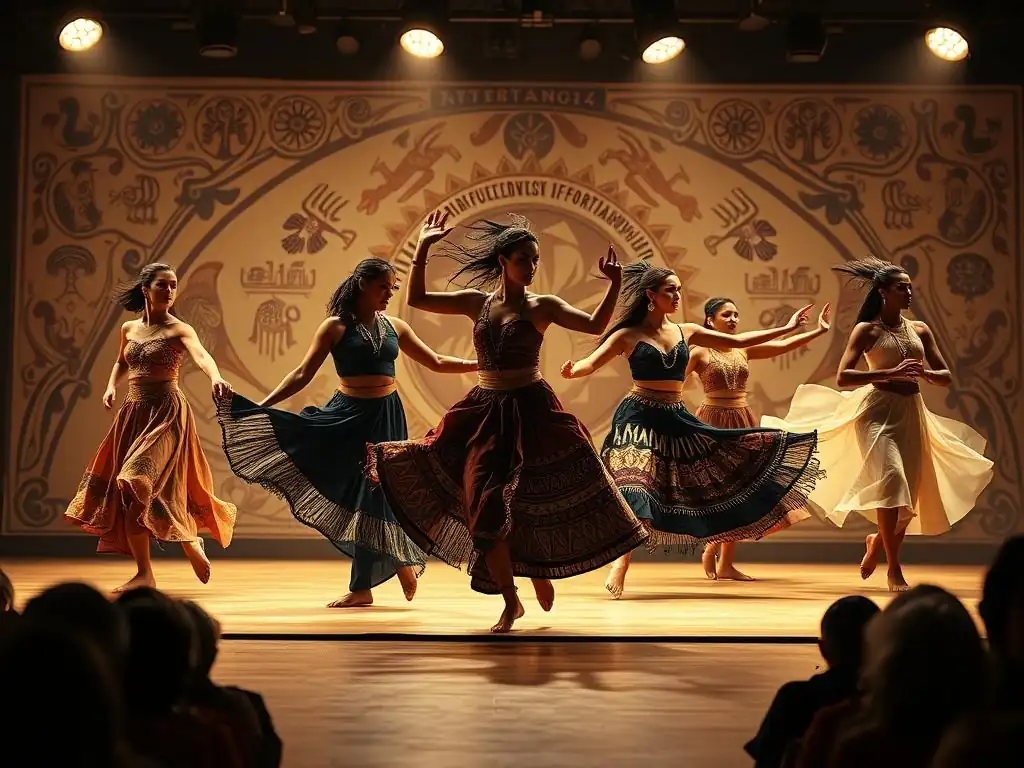
Indigenous dance has significantly impacted contemporary performing arts, inspiring a multitude of performers and companies across various artistic genres. The incorporation of indigenous movements, rhythms, and storytelling techniques has enriched performances, creating a unique fusion that honors traditional roots while also embracing modernity.
Notable contemporary dancers and choreographers often draw upon the rich tapestry of indigenous dance forms, utilizing them to express personal narratives and broader societal themes. Through performances that feature indigenous dance elements, these artists bridge cultural gaps, fostering understanding and respect for indigenous cultures. Companies such as Canada's Kaha:wi Dance Theatre showcase the power of indigenous narratives through innovative choreography, blending traditional practices with contemporary aesthetics.
Moreover, festivals and platforms dedicated to indigenous arts have emerged, offering performers a stage to share their work. These initiatives not only celebrate indigenous culture but also challenge the boundaries of contemporary dance, inviting audiences to engage with diverse cultural expressions.
Notable Indigenous Choreographers and Their Contributions
Several indigenous choreographers have made profound contributions to the dance landscape, both in preserving traditional forms and innovating new styles. Choreographers like Raven Spirit Dance's artistic director, Margaret Grenier, emphasize the importance of storytelling in indigenous culture, integrating personal and communal histories into their work.
Another influential figure is Rosy Simas, who explores the intersections of identity, place, and culture through her choreography. Simas's work often reflects her Haudenosaunee heritage, providing a contemporary lens on traditional narratives.
These choreographers not only create captivating performances but also educate audiences about the historical and cultural significance of indigenous dance, ensuring that these art forms continue to thrive and evolve.
Indigenous Dance Companies and Their Global Impact
Indigenous dance companies have emerged as powerful advocates for cultural expression and preservation on a global scale. Groups like the Dancing Earth company in the United States blend indigenous dance with contemporary forms, focusing on environmental and social justice themes. Their performances often highlight the interconnectedness of indigenous cultures and the natural world, resonating with a diverse audience.
Similarly, Atamira Dance Company from New Zealand is renowned for its innovative integration of Maori dance and contemporary choreography. Their performances not only entertain but also educate, offering insights into Maori traditions and contemporary issues facing indigenous communities.
Through international tours and collaborations, these companies have successfully brought indigenous dance to a global audience, fostering appreciation and dialogue around indigenous cultures and their contributions to the performing arts.
Collaborations Between Indigenous and Non-Indigenous Artists
Collaborative projects between indigenous and non-indigenous artists have become increasingly prevalent, creating opportunities for cross-cultural exchange and learning. These collaborations often result in groundbreaking performances that blend diverse styles and perspectives, challenging traditional narratives in the performing arts.
For instance, collaborations involving indigenous choreographers and non-indigenous dancers can lead to the creation of works that explore themes of identity, colonization, and cultural resilience. Such partnerships not only enrich the creative process but also promote mutual understanding and respect between cultures.
In addition, initiatives like the Indigenous Arts Collective foster relationships between indigenous artists and their non-indigenous counterparts, providing platforms for collaborative projects that celebrate diversity and cultural heritage.
The Role of Indigenous Dance in Cultural Identity and Awareness
Indigenous dance plays a crucial role in shaping cultural identity and enhancing awareness of indigenous histories and traditions. Through the performance of traditional dances, communities affirm their cultural heritage and pass down knowledge to future generations.
How Indigenous Dance Shapes Cultural Identity Today
Today, indigenous dance serves as a powerful tool for cultural revitalization and expression. Many indigenous communities utilize dance to reclaim their identities, drawing from traditional practices while also adapting them to contemporary contexts. This dynamic interplay allows for the preservation of cultural narratives while also making them relevant to younger generations.
Furthermore, dance provides a communal space where individuals can connect with their heritage, fostering a sense of belonging and cultural pride. Through local performances, festivals, and ceremonies, indigenous dance becomes a living expression of identity, reflecting the values and histories of the community.
The Impact of Indigenous Dance on Audience Perception of Indigenous Cultures
The visibility of indigenous dance in contemporary performing arts has a significant impact on audience perceptions of indigenous cultures. By showcasing the beauty, complexity, and diversity of these art forms, performers challenge stereotypes and misconceptions often associated with indigenous peoples.
As audiences engage with indigenous dance, they gain insights into the rich cultural narratives and traditions that inform these performances. This exposure fosters empathy and understanding, encouraging a deeper appreciation for the contributions of indigenous cultures to the broader societal fabric.
Educational Initiatives and Workshops on Indigenous Dance
Educational initiatives and workshops focused on indigenous dance play a pivotal role in promoting cultural awareness and appreciation. Various organizations and dance companies offer programs aimed at teaching traditional dance forms, emphasizing their cultural significance and historical context.
These workshops often involve hands-on learning experiences, where participants can engage directly with indigenous artists and learn about the intricacies of dance styles. Such initiatives not only preserve traditional knowledge but also empower participants to explore their cultural identities through movement.
In addition, partnerships with schools and community organizations help to disseminate knowledge about indigenous dance, fostering a greater understanding of indigenous cultures among diverse audiences. Through these educational efforts, the legacy of indigenous dance continues to thrive, enriching the performing arts landscape today.
Challenges Facing Indigenous Dance in the Contemporary Arts Scene
Indigenous dance faces numerous challenges in the contemporary arts scene, stemming from both external and internal factors. One of the foremost challenges is the significant impact of cultural appropriation, where non-Indigenous artists adopt elements of Indigenous dance without understanding or respecting their cultural significance. This can lead to misrepresentation and commodification, diluting the authentic expressions of Indigenous cultures.
Additionally, the historical marginalization of Indigenous voices in the arts has created barriers to visibility and representation. Many Indigenous dancers and choreographers struggle to gain recognition within mainstream performance spaces, often finding it difficult to secure platforms that honor their unique narratives and artistic expressions. Moreover, systemic issues, such as inadequate funding and support for Indigenous-led projects, further complicate efforts to promote and sustain Indigenous dance in contemporary contexts.
Cultural Appropriation vs. Appreciation in Performing Arts
The line between cultural appropriation and appreciation in performing arts is often blurred, especially regarding Indigenous dance. Cultural appropriation occurs when elements of a culture are taken and used without permission, often stripping them of their original meaning and context. This can manifest in performances that superficially mimic Indigenous dance styles without any understanding of their cultural roots or significance.
On the other hand, cultural appreciation involves a respectful engagement with another culture, acknowledging its origins and significance. In the context of Indigenous dance, appreciation can involve collaborations between Indigenous and non-Indigenous artists that honor the traditions while allowing for creative exploration. Such collaborations must be founded on mutual respect, understanding, and a commitment to represent Indigenous cultures authentically.
Funding and Support for Indigenous Dance Projects
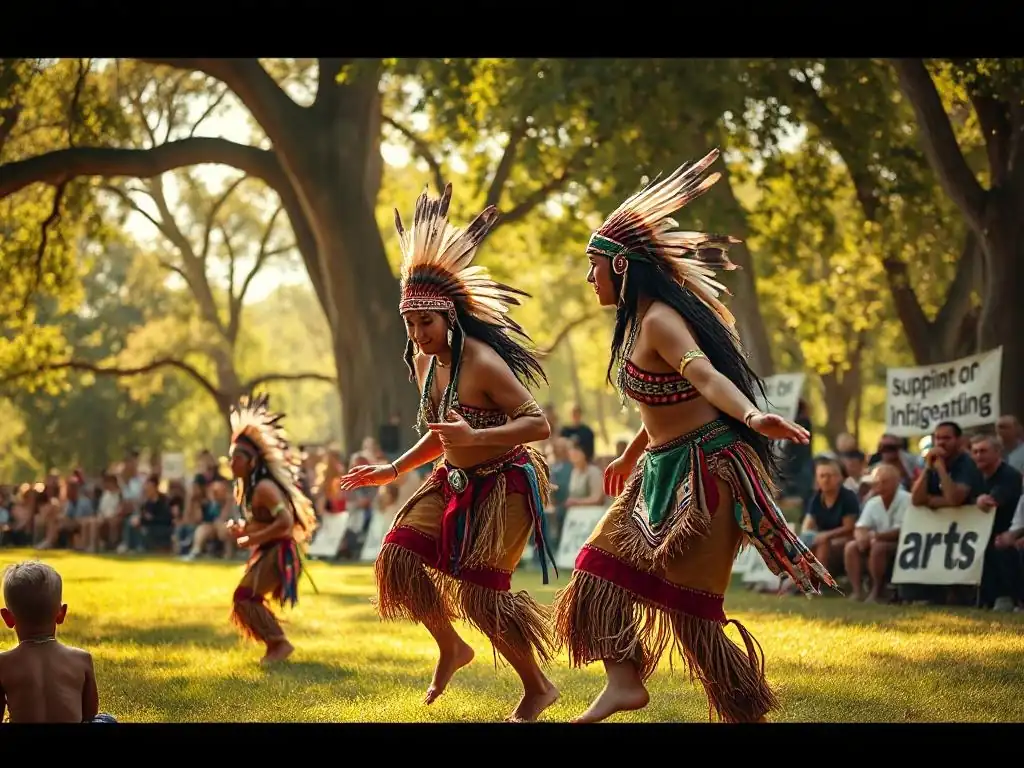
Access to funding and support is a critical issue for Indigenous dance projects. Many Indigenous artists face obstacles when applying for grants and resources, often due to bureaucratic complexities or a lack of familiarity with grant writing processes. This can limit their ability to produce new work, share their dance traditions, and reach wider audiences.
Moreover, funding bodies may not always recognize the value of Indigenous dance in the same way they do for more mainstream art forms. Initiatives that specifically support Indigenous artists and projects are necessary to bridge this gap. Some organizations and foundations are beginning to address these disparities by offering targeted funding opportunities and support networks for Indigenous dance practitioners, helping to foster a more inclusive arts landscape.
The Need for Representation in Contemporary Arts
Representation of Indigenous dance in contemporary arts is essential for several reasons. It not only validates the contributions of Indigenous cultures to the artistic landscape but also provides a platform for Indigenous voices to share their stories and perspectives. The lack of representation can perpetuate stereotypes and misunderstandings about Indigenous peoples, further marginalizing their rich cultural heritage.
Increasing visibility for Indigenous dancers and choreographers can challenge preconceived notions and educate audiences about the depth and diversity of Indigenous cultures. This can foster a greater appreciation of Indigenous dance as a legitimate and vital form of artistic expression, ultimately enriching the broader performing arts community.
Conclusion: The Lasting Influence of Indigenous Dance on Contemporary Performing Arts
The influence of Indigenous dance on contemporary performing arts is profound and multifaceted. Indigenous dance has not only shaped various artistic movements but has also inspired a new generation of artists to integrate traditional elements into their work. This blending of styles creates a dynamic interplay between past and present, allowing Indigenous cultures to remain vibrant and relevant in the modern artistic landscape.
The challenges facing Indigenous dance must be addressed to ensure that its influence continues to thrive. By fostering an environment of respect, representation, and support, contemporary performing arts can honor the rich traditions of Indigenous dance while also embracing innovation and creativity.
Future Directions for Indigenous Dance and Contemporary Influences
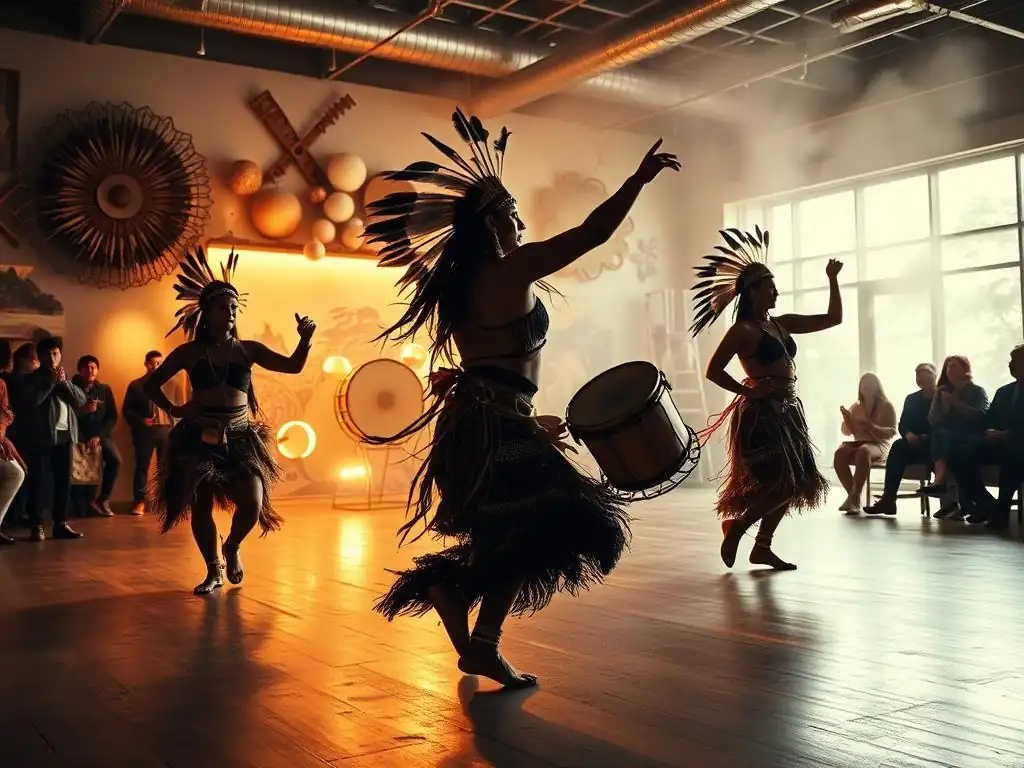
Looking ahead, the future of Indigenous dance within contemporary performing arts holds promising possibilities. Increased collaboration between Indigenous and non-Indigenous artists can lead to unique fusion works that celebrate diversity while maintaining respect for cultural integrity. Furthermore, the rise of digital platforms allows for broader dissemination of Indigenous dance, reaching audiences who may not have access to traditional performance venues.
Educational initiatives that focus on the history and significance of Indigenous dance can also play a crucial role in shaping future narratives. By incorporating Indigenous dance into academic curricula, schools and universities can cultivate a deeper understanding and appreciation of these art forms among students and audiences alike.
Embracing and Preserving Indigenous Dance Traditions in Modern Contexts
Embracing and preserving Indigenous dance traditions in modern contexts requires a delicate balance between honoring traditional practices and allowing for creative evolution. Many Indigenous artists are actively engaging with their heritage, finding ways to adapt their dances to contemporary themes while retaining their cultural significance. This approach not only keeps traditions alive but also makes them relevant to current societal issues, thereby resonating with new audiences.
Community involvement is vital in this process. By encouraging participation in traditional dance forms, Indigenous communities can ensure that these practices continue to thrive across generations. Workshops, festivals, and performances can serve as platforms for sharing knowledge, fostering pride in cultural heritage, and inspiring the next generation of Indigenous dancers.
Additional Resources on Indigenous Dance and Performing Arts
Exploring the rich tradition of Indigenous dance and its influence on contemporary performing arts can be greatly enhanced through various resources. Here, we outline key materials and events that provide deeper insights into this vibrant cultural expression.
Books, Documentaries, and Articles for Further Reading
-
Books:
-
Dancing on the Edge: The Changing World of Indigenous Dance by Rebecca A. McCormick
This book examines the evolution of Indigenous dance forms in the context of modern society and their role in cultural preservation.
-
Native American Dance: A Historical and Contemporary Perspective by David M. Womack
Womack offers an extensive overview of the significance of dance in Indigenous cultures and its transformation over the years.
-
-
Documentaries:
-
Dancing the Spirits: A Journey Through Indigenous Dance
This documentary features interviews with Indigenous dancers and choreographers, highlighting their personal stories and the cultural meanings behind their movements.
-
The Last of the Dancers
A poignant portrayal of a Native American tribe struggling to preserve their dance traditions in the face of modernization.
-
-
Articles:
-
"The Role of Dance in Indigenous Identity" published in the Journal of Cultural Studies
This article discusses how dance serves as a fundamental expression of identity among Indigenous communities and its implications for contemporary art forms.
-
"Contemporary Dance and Indigenous Influence: A New Wave of Artistic Expression" in the Performing Arts Review
The piece explores how contemporary choreographers are integrating Indigenous dance styles into their work, creating a dialogue between tradition and innovation.
-
Upcoming Events and Performances Celebrating Indigenous Dance
-
Annual Indigenous Dance Festival
A vibrant celebration held every summer in various cities across North America, featuring performances from Indigenous dance troupes, workshops, and cultural exhibitions. This event showcases traditional and contemporary forms of dance, fostering community engagement and appreciation.
-
Indigenous Arts Month
Each October, numerous events are organized to highlight Indigenous art forms, including dance performances, workshops, and panel discussions. These events aim to educate the public about the cultural significance of Indigenous dance and its contemporary relevance.
-
Local Dance Workshops
Many communities offer regular workshops led by Indigenous dance artists, where participants can learn traditional dances and their meanings. These workshops provide opportunities for cultural exchange and understanding, bridging the gap between Indigenous and non-Indigenous participants.
By engaging with these resources and events, individuals can gain a deeper appreciation for the profound influence of Indigenous dance on contemporary performing arts, while also honoring the heritage and traditions of Indigenous cultures.
- Introduction to Indigenous Dance and Its Significance
- The Historical Context of Indigenous Dance in the Americas
- Key Elements of Indigenous Dance
- The Transition of Indigenous Dance into Contemporary Performing Arts
- Contemporary Performers and Companies Influenced by Indigenous Dance
- The Role of Indigenous Dance in Cultural Identity and Awareness
- Challenges Facing Indigenous Dance in the Contemporary Arts Scene
- Cultural Appropriation vs. Appreciation in Performing Arts
- Funding and Support for Indigenous Dance Projects
- The Need for Representation in Contemporary Arts
- Conclusion: The Lasting Influence of Indigenous Dance on Contemporary Performing Arts
- Future Directions for Indigenous Dance and Contemporary Influences
- Embracing and Preserving Indigenous Dance Traditions in Modern Contexts
- Additional Resources on Indigenous Dance and Performing Arts
- What is the main theme of the article "The Influence of Indigenous Dance on Contemporary Performing Arts"?
- How have indigenous dances influenced contemporary performing arts?
- Why is it important to study indigenous dance in today's context?
- What are some examples of contemporary performances that incorporate indigenous dance?
- How can one learn more about indigenous dance and its contemporary influence?
Frequently Asked Questions
What is the main theme of the article "The Influence of Indigenous Dance on Contemporary Performing Arts"?
The article focuses on the rich heritage of indigenous cultures in the Americas, examining how their dance forms have influenced modern performing arts.
How have indigenous dances influenced contemporary performing arts?
Indigenous dances have contributed unique rhythms, movements, and storytelling techniques that are now integrated into various contemporary performance styles, enriching the artistic landscape.
Why is it important to study indigenous dance in today's context?
Studying indigenous dance is crucial for understanding the cultural significance and historical context of these art forms, as well as their role in preserving identity and tradition.
What are some examples of contemporary performances that incorporate indigenous dance?
Many theater productions, dance companies, and music festivals now feature indigenous dance elements, showcasing fusion styles that honor traditional practices while appealing to modern audiences.
How can one learn more about indigenous dance and its contemporary influence?
To learn more, individuals can explore workshops, community events, and educational resources that focus on indigenous cultures and their artistic contributions, fostering a deeper appreciation for their legacy.
Final Reflection: The Enduring Influence of Indigenous Dance in Contemporary Arts
The exploration of Indigenous dance and its profound impact on contemporary performing arts underscores the essential role of cultural heritage in shaping modern expression. Today, as artists and audiences alike seek authenticity and connection, the rhythms, movements, and stories rooted in Indigenous traditions resonate more than ever. This dialogue between the past and present not only enriches the artistic landscape but also serves as a powerful reminder of the resilience and creativity inherent in Indigenous cultures.
The influence of Indigenous dance extends beyond the stage, permeating social consciousness and cultural identity. As we witness a growing appreciation for diverse narratives and artistic practices, it becomes clear that Indigenous dance is not merely a relic of history but a vibrant force that continues to inspire and challenge contemporary artists. Art is the most beautiful of all lies.
This quote by Claude Debussy encapsulates the transformative power of art, reminding us that through the lens of Indigenous dance, we can uncover deeper truths about ourselves and our shared humanity.
As you reflect on the themes presented in this article, consider how you can incorporate the lessons of Indigenous dance into your own life and creative endeavors. Embrace the richness of cultural diversity, seek to understand the stories behind the movements, and allow these influences to inspire your own artistic journey. In doing so, you not only honor the legacy of Indigenous traditions but also contribute to a more inclusive and vibrant future for the performing arts.
Ignite Your Passion for Indigenous Dance!
Thank you for diving into the vibrant world of Indigenous dance and its powerful influence on contemporary performing arts. Your interest not only enriches your understanding but also honors the rich cultural heritage that shapes our artistic expressions. Now, let’s take the next step to connect even deeper with this art form!
- Explore local workshops or classes that focus on Indigenous dance—experience the rhythms firsthand!
- Share this article with friends and family to spread the love and knowledge of Indigenous cultures.
- Join online forums or community events where you can discuss and celebrate Indigenous arts—your voice matters!
How will you incorporate the spirit of Indigenous dance into your own life or creative journey?