
The Role of Indigenous Fashion in Preserving Cultural Identity

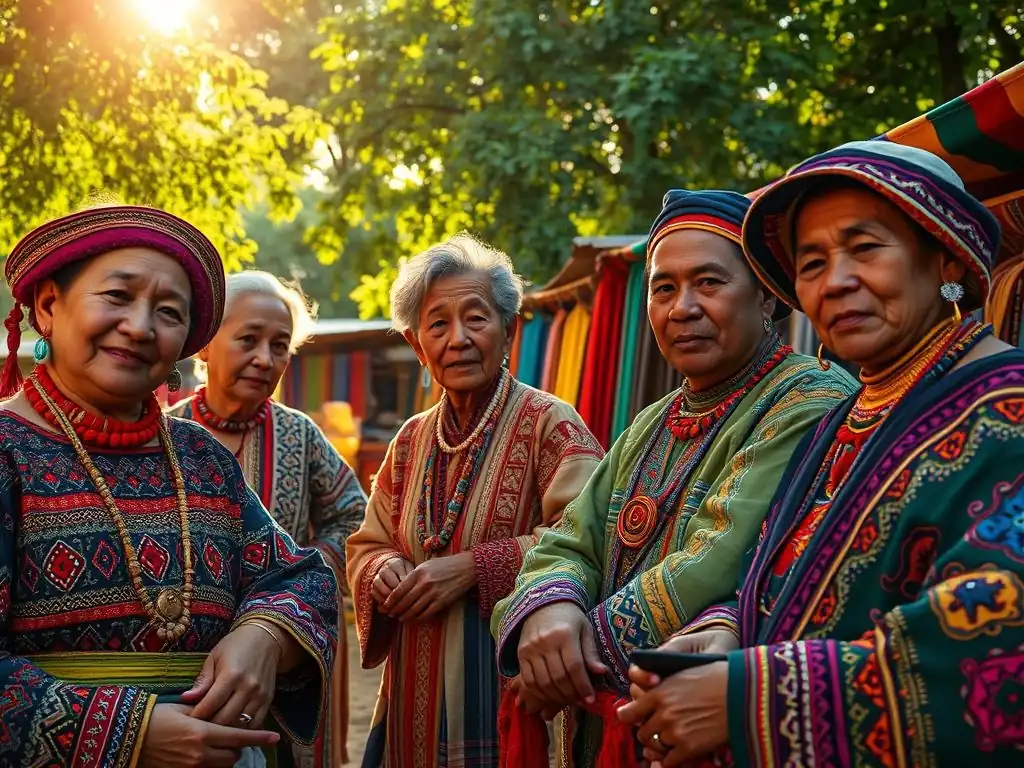
Welcome to Indigenous Civilizations of the Americas, where we embark on a fascinating journey through the rich tapestry of indigenous cultures that flourished long before European contact. In our featured article, “The Role of Indigenous Fashion in Preserving Cultural Identity,” we delve into the vibrant world of indigenous fashion and its crucial role in maintaining cultural identity. Discover how traditional attire not only reflects the artistry and craftsmanship of these communities but also serves as a powerful statement of resilience and heritage.
Join us as we unravel the stories woven into every garment, inviting you to explore the depths of cultural expression and preservation that continue to resonate today. Your adventure into the heart of indigenous civilizations starts here!
Indigenous fashion serves as a vibrant tapestry woven from the rich histories, traditions, and values of Indigenous communities across the Americas. Beyond mere clothing, it encapsulates the essence of cultural identity, acting as a dynamic medium through which Indigenous peoples express their heritage, resist assimilation, and assert their place in contemporary society.
This article delves into the multifaceted role of Indigenous fashion in preserving cultural identity, shedding light on its historical significance and contemporary evolution. We will explore how traditional garments and modern interpretations alike reflect the resilience, creativity, and enduring legacies of Indigenous cultures, while also examining the challenges posed by colonization and globalization.
Understanding Indigenous Fashion and Cultural Identity
Defining Indigenous Fashion and Its Importance
Indigenous fashion refers to the traditional and contemporary styles of clothing and accessories that are created and worn by Indigenous peoples. This fashion is characterized by the use of culturally significant materials, techniques, and motifs that hold deep meanings and connections to the identities of various tribes and nations. The importance of Indigenous fashion lies not only in its aesthetic appeal but also in its role as a storytelling medium, a political statement, and a means of cultural preservation.
- Cultural Significance: Each piece of clothing can tell a story about the wearer’s lineage, beliefs, and history.
- Artistic Expression: Indigenous fashion showcases the creativity and artistry of Indigenous designers and artisans.
- Political Statement: Wearing traditional attire can serve as a form of activism, asserting cultural pride and identity in the face of marginalization.
The Connection Between Fashion and Cultural Identity in Indigenous Communities
Fashion plays a crucial role in the expression of cultural identity among Indigenous peoples. Clothing and accessories often incorporate traditional symbols, patterns, and colors that signify various cultural narratives, spiritual beliefs, and social roles.
- Ceremonial Attire: Specific garments are worn during ceremonies, reinforcing community bonds and cultural practices.
- Identity Assertion: By embracing Indigenous fashion, individuals assert their cultural identity, challenging stereotypes and promoting awareness.
- Intergenerational Knowledge: The passing down of traditional fashion practices helps to maintain cultural knowledge and continuity across generations.
Historical Context of Indigenous Fashion
Traditional Attire: A Reflection of Indigenous Heritage
Traditional Indigenous attire varies significantly across different regions and cultures, reflecting the diverse environments, resources, and lifestyles of Indigenous peoples.
- Materials Used: Many Indigenous garments are made from natural materials such as animal hides, feathers, and plant fibers, each with its own cultural significance.
- Symbolic Patterns: Patterns and designs often carry specific meanings, representing clan affiliations, tribal identity, and spiritual beliefs.
- Functional Aspects: Traditional clothing was designed not only for aesthetic purposes but also for functionality, suitable for the climate and lifestyle of the community.
Evolution of Indigenous Fashion Through Colonization and Modernization
The impact of colonization and modernization has significantly influenced Indigenous fashion, often resulting in a complex interplay between tradition and contemporary adaptation.
- Colonial Disruption: The arrival of European settlers disrupted traditional practices, leading to the loss of cultural materials and knowledge.
- Cultural Resurgence: In recent decades, there has been a resurgence of interest in Indigenous fashion as a means of reclaiming cultural identity and heritage.
- Contemporary Influences: Modern Indigenous designers are blending traditional elements with contemporary fashion trends, creating unique styles that resonate with both Indigenous and non-Indigenous audiences.
By understanding the historical context and significance of Indigenous fashion, we can appreciate its vital role in cultural identity preservation and the ongoing narrative of Indigenous peoples in the Americas.
The Impact of Indigenous Fashion on Cultural Identity Preservation
Indigenous fashion plays a vital role in the preservation and promotion of cultural identity among Indigenous communities. With its unique aesthetic and rich history, Indigenous fashion serves not only as a means of self-expression but also as a vehicle for cultural storytelling and revival. When traditional clothing and contemporary designs merge, they create a powerful statement that highlights the resilience and creativity of Indigenous peoples.
Through the reclamation of traditional attire and the incorporation of modern elements, Indigenous fashion empowers individuals to connect with their heritage. This fashion movement fosters a sense of pride and belonging, particularly among younger generations who seek to understand and embrace their cultural roots. By wearing Indigenous-designed clothing, individuals can carry their identity with them, educate others, and challenge stereotypes associated with Indigenous cultures.
Moreover, Indigenous fashion acts as a form of resistance against cultural appropriation and commercialization. Designers and artisans are increasingly vocal about the importance of respecting the origins of their work, ensuring that their creations honor the traditions and stories behind them. This commitment to authenticity not only preserves cultural identity but also sparks conversations about the significance of Indigenous representation in the fashion industry.
How Fashion Serves as a Medium for Cultural Expression
Fashion serves as a powerful medium for cultural expression, allowing Indigenous communities to communicate their values, beliefs, and histories visually. Each garment, accessory, or textile carries its own narrative, deeply rooted in the traditions and experiences of the people who create it. This unique form of expression can be seen through various aspects of Indigenous fashion, including traditional garments, contemporary interpretations, and fashion shows that celebrate Indigenous creativity.
Indigenous fashion designers often draw inspiration from their cultural heritage, utilizing traditional motifs and techniques to craft pieces that resonate with their communities. This not only helps to keep ancient practices alive but also allows for innovation within the framework of tradition. By blending historical elements with modern design, Indigenous fashion becomes a dynamic representation of cultural identity that evolves while remaining anchored in its origins.
Furthermore, fashion events and showcases provide platforms for Indigenous voices and stories to be heard, elevating their narratives within broader conversations about identity and representation. These events often emphasize community involvement, enabling artisans to collaborate and create pieces that reflect a collective cultural heritage. Through fashion, Indigenous peoples can assert their identity and reclaim spaces that have historically marginalized their voices.
Case Studies: Successful Indigenous Fashion Brands
Several Indigenous fashion brands have made significant strides in showcasing cultural identity and heritage through their designs. One notable example is **Navajo-owned brand, Bison Star Naturals, known for its handcrafted jewelry and textiles that incorporate traditional Navajo patterns and techniques. This brand not only emphasizes the beauty of Indigenous craftsmanship but also educates consumers about the cultural significance behind each piece.
Another prominent example is Oshki Ogichidaa, a brand founded by a group of Anishinaabe women who create contemporary clothing inspired by Indigenous art and culture. Their designs feature vibrant colors and patterns that reflect traditional symbolism while maintaining a modern aesthetic. By promoting their work through social media and community events, Oshki Ogichidaa successfully bridges the gap between Indigenous heritage and contemporary fashion.
Lastly, Tanya K. is an Indigenous designer whose work has gained international recognition for its bold designs and commitment to sustainability. By using eco-friendly materials and processes, Tanya K. not only preserves cultural identity but also advocates for environmental stewardship within Indigenous communities. Her brand serves as an example of how fashion can intertwine cultural heritage with contemporary issues, creating a meaningful impact on both local and global scales.
Key Elements of Indigenous Fashion That Preserve Cultural Identity
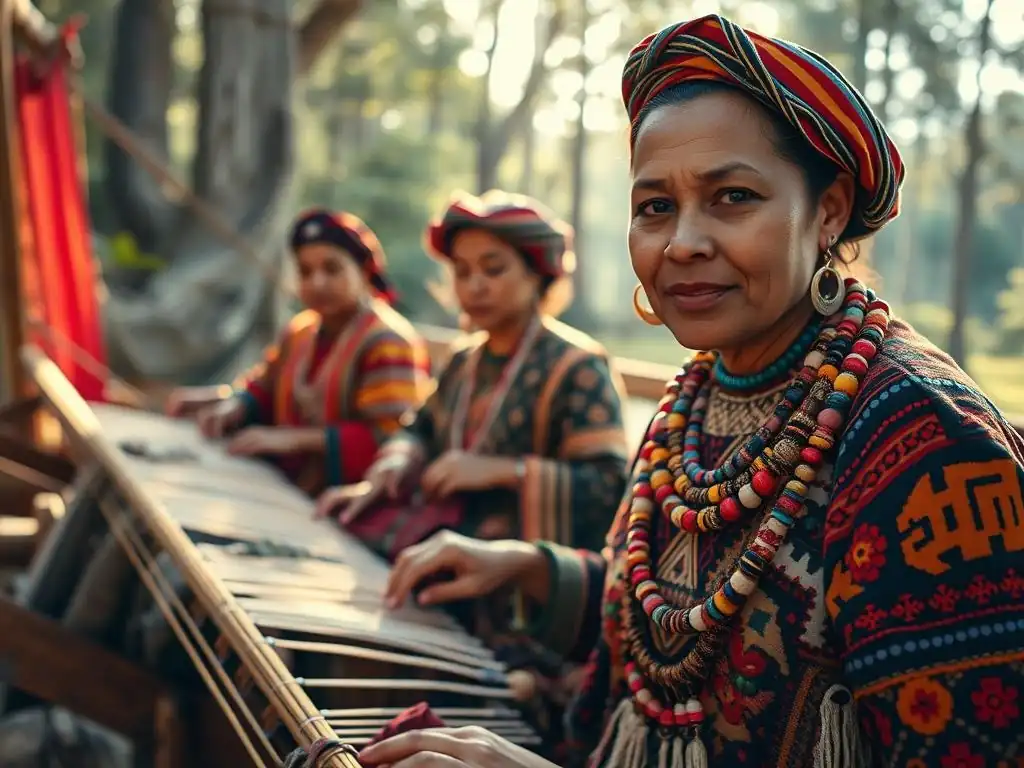
Indigenous fashion is characterized by several key elements that contribute to the preservation of cultural identity. These elements include symbolism in patterns and colors, the use of traditional materials and techniques, and the storytelling aspect inherent in each piece. Together, they form a rich tapestry that reflects the history, beliefs, and values of Indigenous cultures.
Symbolism in Patterns and Colors
Patterns and colors play a crucial role in Indigenous fashion, often carrying deep meanings and cultural significance. Many designs are derived from ancient symbols that represent various aspects of life, such as spirituality, nature, and community. For example, the use of geometric patterns in textiles may symbolize harmony and balance, while specific colors can denote elements like water, earth, or fire.
These symbolic elements serve not only as a connection to cultural history but also as a form of communication. When worn, these garments convey messages about identity, heritage, and pride, allowing individuals to express their cultural affiliations without uttering a single word. By incorporating these traditional patterns and colors into contemporary fashion, Indigenous designers ensure that their cultural narratives continue to thrive and evolve.
Materials and Techniques: A Link to Ancestral Knowledge
The materials and techniques used in Indigenous fashion are deeply rooted in ancestral knowledge, reflecting the relationship between Indigenous peoples and their environment. Traditional practices such as weaving, beadwork, and leatherwork are often passed down through generations, preserving not only the skills but also the stories and values associated with them.
For instance, many Indigenous artisans utilize locally sourced materials, such as natural dyes, animal hides, and plant fibers, showcasing their connection to the land. This sustainable approach not only honors their ancestors but also promotes environmental stewardship and respect for natural resources. By revitalizing these traditional techniques within contemporary fashion, Indigenous designers ensure that their cultural practices remain relevant and respected in today's market.
Storytelling Through Fashion: The Narrative Behind Each Piece
Every piece of Indigenous fashion tells a story, embodying the experiences and heritage of its creator. This narrative aspect is a fundamental component of Indigenous culture, where oral traditions and storytelling have long been used to pass down knowledge and preserve history. Fashion becomes a tangible representation of these stories, allowing individuals to share their identities with the world.
Designers often draw inspiration from personal or communal narratives, weaving them into the fabric of their creations. This storytelling approach fosters a deeper connection between the wearer and the garment, as each piece becomes a reflection of shared experiences, teachings, and values. By embracing this narrative tradition, Indigenous fashion not only preserves cultural identity but also invites dialogue and understanding among diverse audiences, ultimately enriching the broader cultural landscape.
The Role of Indigenous Fashion Designers in Cultural Preservation
Indigenous fashion designers play a crucial role in the preservation and promotion of cultural identity among Indigenous communities. Through their unique designs, these artisans not only create clothing and accessories that reflect their heritage but also serve as a medium to share stories, traditions, and values. By incorporating traditional techniques, motifs, and materials, designers help to keep their cultures vibrant and visible in a rapidly changing world.
Moreover, Indigenous fashion serves as a platform for activism and awareness. Many designers use their work to address social issues affecting their communities, such as land rights, environmental protection, and the importance of cultural sovereignty. This intersection of fashion and advocacy empowers Indigenous peoples, fostering a sense of pride in their identity while educating a broader audience about their histories and contemporary realities.
Profiles of Influential Designers in Indigenous Fashion
Several influential Indigenous fashion designers have made significant contributions to cultural identity preservation through their work. Here are a few notable figures:
- Patricia Michaels (Taos Pueblo): A fashion designer known for her elegant and modern interpretations of traditional Pueblo styles. Her collections often highlight the natural beauty of her homeland, using organic materials and sustainable practices. Michaels’ work has been showcased at New York Fashion Week, bringing Indigenous fashion to a global stage.
- Bethany Yellowtail (Crow and Northern Cheyenne): Yellowtail is renowned for her contemporary designs that blend traditional motifs with modern aesthetics. Her brand, B. Yellowtail, emphasizes storytelling, often featuring pieces that celebrate her heritage and the experiences of Indigenous women. Her work promotes healing and empowerment within the community.
- Leah O'Rourke (Anishinaabe): As a designer and advocate, Leah O'Rourke focuses on sustainable fashion that honors her Anishinaabe roots. She incorporates traditional techniques into her garments while promoting ethical production methods. O'Rourke’s designs often highlight the importance of storytelling and connection to the land.
These designers exemplify how Indigenous fashion can be a powerful tool for cultural identity preservation, allowing traditional narratives to be woven into contemporary contexts.
Challenges Faced by Indigenous Fashion in Cultural Identity Preservation
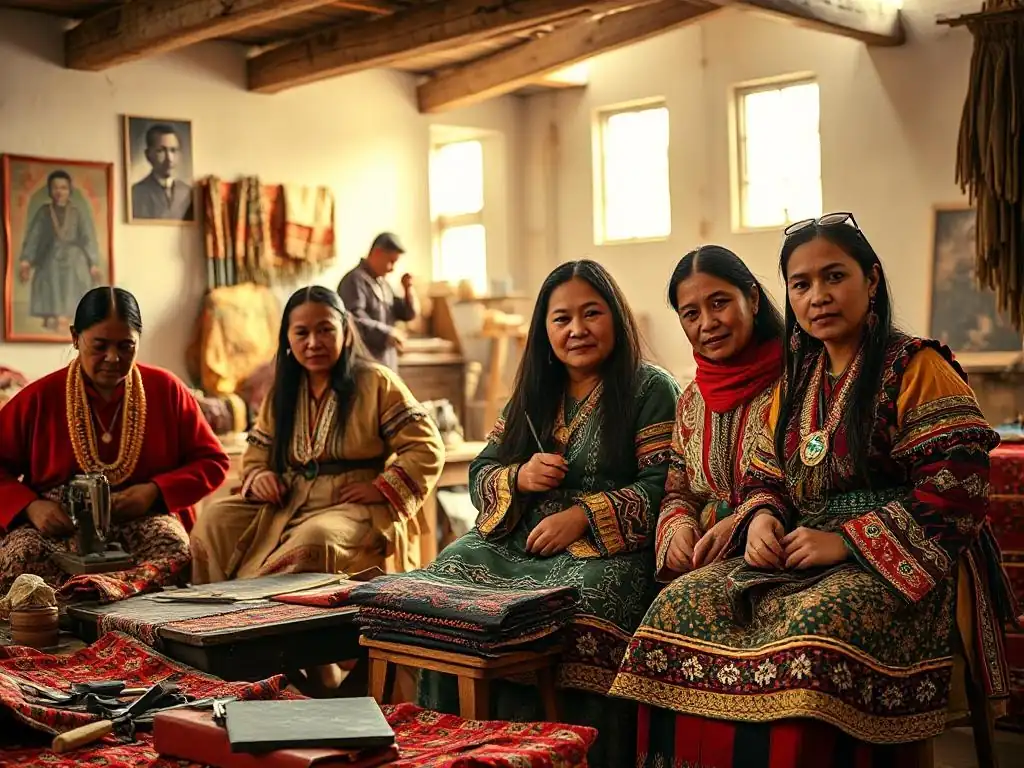
Despite the essential role that Indigenous fashion plays in cultural identity preservation, designers face numerous challenges that can hinder their efforts. These issues stem from both external pressures and internal community dynamics.
Issues of Appropriation and Misrepresentation
One of the most significant challenges is the appropriation of Indigenous designs by non-Indigenous fashion brands. This often leads to misrepresentation and commodification of cultural symbols, stripping them of their original meanings. Non-Indigenous designers may exploit Indigenous aesthetics without understanding their cultural significance, resulting in products that lack authenticity and respect.
This appropriation not only undermines the hard work of Indigenous designers but also dilutes the cultural messages embedded in traditional designs. Furthermore, it can create a cycle where Indigenous artisans struggle to compete with mass-produced items that misrepresent their culture, leading to financial instability and reduced visibility for authentic Indigenous fashion.
The Struggle for Authenticity in a Commercialized Market
In a market increasingly driven by consumerism, Indigenous fashion designers often grapple with the tension between maintaining cultural authenticity and meeting commercial demands. As they strive to promote their heritage, they may feel pressured to alter their designs to appeal to broader audiences or trends.
This struggle can lead to a dilution of traditional practices, where the essence of cultural identity is compromised for the sake of profitability. Additionally, the commercialization of Indigenous fashion can create conflicts within communities where different factions may have varying opinions on what constitutes "authentic" representation.
Ultimately, the challenge lies in balancing the need for economic sustainability with the commitment to preserving and celebrating cultural identity through fashion. By fostering awareness and advocacy, Indigenous designers can continue to navigate these complexities while ensuring their cultural legacies remain intact.
How Consumers Can Support Indigenous Fashion and Cultural Identity Preservation
Indigenous fashion plays a crucial role in preserving cultural identity, reflecting the unique histories, traditions, and artistic expressions of various Indigenous communities. As consumers, there are several impactful ways to support Indigenous fashion and contribute to the preservation of cultural identities. By making informed choices, engaging in ethical practices, and promoting awareness, consumers can help sustain these vital cultural expressions.
Choosing Authentic Indigenous Brands and Artisans
When selecting fashion items, it is essential to prioritize authenticity. Supporting Indigenous brands means choosing clothing, accessories, and textiles made by Indigenous artisans who have a direct connection to their culture and heritage. Authentic Indigenous fashion often features traditional techniques, materials, and designs that tell a story and represent a specific community.
- Research Brands: Look for brands that are owned and operated by Indigenous people. Check their websites for information on their origins, mission, and commitment to cultural representation.
- Verify Certifications: Some organizations provide certification to ensure that brands are genuinely Indigenous-owned. This can help consumers make informed decisions.
- Attend Local Markets: Engaging with local craft fairs, farmers' markets, and cultural events can provide opportunities to discover and support Indigenous artisans directly. Purchasing items from these venues ensures that profits go directly to the makers.
By choosing to buy from authentic Indigenous brands, consumers can help sustain traditional practices and promote economic empowerment within Indigenous communities.
Engaging with Ethical Fashion Practices
Ethical fashion practices are vital for supporting Indigenous fashion and ensuring cultural identity preservation. This involves being conscious of how clothing is produced, distributed, and marketed.
- Transparency: Seek out brands that are transparent about their production processes. Ethical brands should be open about where and how their materials are sourced and the social impact of their operations.
- Support Fair Trade: Fair trade practices ensure that artisans receive fair compensation for their work. By supporting fair trade Indigenous brands, consumers can contribute to sustainable economic development in Indigenous communities.
- Advocate for Sustainable Practices: Sustainable fashion focuses on minimizing environmental impact. Supporting brands that prioritize eco-friendly materials and production methods helps protect the land and resources that Indigenous cultures depend on.
Engaging in ethical fashion practices ensures that consumers contribute positively to the cultural and environmental landscape surrounding Indigenous fashion.
Conclusion: The Future of Indigenous Fashion and Its Role in Cultural Identity Preservation
The future of Indigenous fashion is pivotal to the ongoing preservation of cultural identities across the Americas. As awareness increases and support for Indigenous artisans grows, the impact of this fashion movement can foster a deeper appreciation for diverse cultures.
The Importance of Continued Support for Indigenous Fashion
Continued support for Indigenous fashion is essential for the survival and revitalization of cultural practices. When consumers actively choose Indigenous brands, they help:
- Empower Communities: Financial support allows Indigenous artisans to continue their craft and educate future generations about their cultural heritage.
- Preserve Traditional Techniques: A renewed interest in Indigenous fashion encourages the passing down of traditional skills and practices that might otherwise be lost.
- Promote Visibility: Supporting Indigenous fashion increases visibility for these communities, allowing their stories and cultural narratives to reach broader audiences.
Embracing Indigenous Fashion as a Means of Cultural Education and Awareness
Indigenous fashion serves not only as a form of expression but also as a vehicle for education and awareness. By embracing Indigenous fashion, consumers can:
- Learn About Cultures: Each piece of Indigenous clothing often carries historical significance and cultural meaning that can educate consumers about the values and traditions of Indigenous peoples.
- Facilitate Conversations: Wearing Indigenous-inspired fashion can spark discussions about cultural identity, history, and the importance of preservation, fostering greater understanding and respect.
- Encourage Responsible Consumption: By consciously choosing Indigenous fashion, consumers can advocate for a fashion industry that respects cultural heritage and promotes sustainability.
Through these efforts, Indigenous fashion can thrive, ensuring that cultural identities remain vibrant and dynamic for future generations.
- Understanding Indigenous Fashion and Cultural Identity
- Historical Context of Indigenous Fashion
- The Impact of Indigenous Fashion on Cultural Identity Preservation
- Key Elements of Indigenous Fashion That Preserve Cultural Identity
- The Role of Indigenous Fashion Designers in Cultural Preservation
- Profiles of Influential Designers in Indigenous Fashion
- Challenges Faced by Indigenous Fashion in Cultural Identity Preservation
- How Consumers Can Support Indigenous Fashion and Cultural Identity Preservation
- Conclusion: The Future of Indigenous Fashion and Its Role in Cultural Identity Preservation
- What is the main focus of the article "The Role of Indigenous Fashion in Preserving Cultural Identity"?
- How does indigenous fashion contribute to cultural identity?
- Why is the preservation of indigenous fashion important?
- What are some examples of indigenous fashion practices?
- How can individuals support indigenous fashion and its cultural significance?
Frequently Asked Questions
What is the main focus of the article "The Role of Indigenous Fashion in Preserving Cultural Identity"?
The article explores how indigenous fashion serves as a vital tool for cultural identity preservation, highlighting traditional attire and its significance in representing heritage.
How does indigenous fashion contribute to cultural identity?
Indigenous fashion helps to maintain cultural identity by showcasing traditional designs, materials, and techniques that reflect the values and history of indigenous communities.
Why is the preservation of indigenous fashion important?
Preserving indigenous fashion is crucial as it fosters a sense of belonging, promotes cultural pride, and educates others about the rich diversity of indigenous cultures.
What are some examples of indigenous fashion practices?
The article mentions diverse practices such as weaving, beading, and the use of natural dyes, which are essential in creating garments that honor ancestral traditions.
How can individuals support indigenous fashion and its cultural significance?
Individuals can support indigenous fashion by purchasing from indigenous designers, attending cultural events, and promoting awareness of the importance of these cultural expressions.
Final Reflection: The Vital Intersection of Indigenous Fashion and Cultural Identity Preservation
Indigenous fashion serves as a powerful conduit for cultural identity preservation in today's rapidly changing world. As we navigate an era marked by globalization and cultural homogenization, the significance of Indigenous fashion becomes increasingly evident. It is not merely about clothing; it is about reclaiming narratives, celebrating heritage, and fostering a sense of belonging. The resurgence of Indigenous fashion is a striking testament to the resilience of these communities and their unwavering commitment to preserving their unique identities.
The influence of Indigenous fashion extends far beyond the realm of aesthetics; it shapes our cultural and social landscape in profound ways. By embracing traditional techniques and materials, Indigenous designers are not only revitalizing their heritage but also challenging mainstream perceptions of beauty and identity. This movement has sparked conversations about representation, authenticity, and the importance of honoring diverse cultural expressions. As noted by designer Bethany Yellowtail, Fashion is a powerful tool for storytelling, and through our stories, we can reclaim our identities.
This ongoing dialogue highlights the crucial role that Indigenous fashion plays in fostering understanding and respect for cultural diversity.
As we reflect on the lessons of Indigenous fashion, let us take a moment to consider how we can incorporate these principles into our own lives. I invite you to explore your own cultural heritage and recognize the beauty in its preservation. Whether through supporting Indigenous designers, learning about traditional practices, or simply engaging in conversations about cultural identity, each of us has the power to contribute to this vital narrative. By doing so, we not only honor the past but also pave the way for a future where diverse identities are celebrated and cherished.
Embrace and Amplify Indigenous Fashion Today!
Thank you for diving into the vital world of Indigenous fashion and its powerful role in preserving cultural identity. You’ve discovered how this vibrant art form not only celebrates heritage but also fosters connection and community. Now, it’s time to elevate the conversation and take meaningful actions!
Here’s how you can make a difference:
- Support Indigenous designers: Seek out and purchase pieces from Indigenous fashion brands. Your support helps sustain their culture and craftsmanship.
- Share your insights: Discuss what you’ve learned with friends and family. Start conversations that raise awareness about the significance of Indigenous fashion in cultural preservation.
- Participate in local events: Look for community gatherings, exhibitions, or fashion shows featuring Indigenous artists. Engaging with these events deepens your understanding and appreciation of their work.
What aspect of Indigenous fashion inspires you the most to take action?