
The Influence of Geography on Mesoamerican Agricultural Techniques

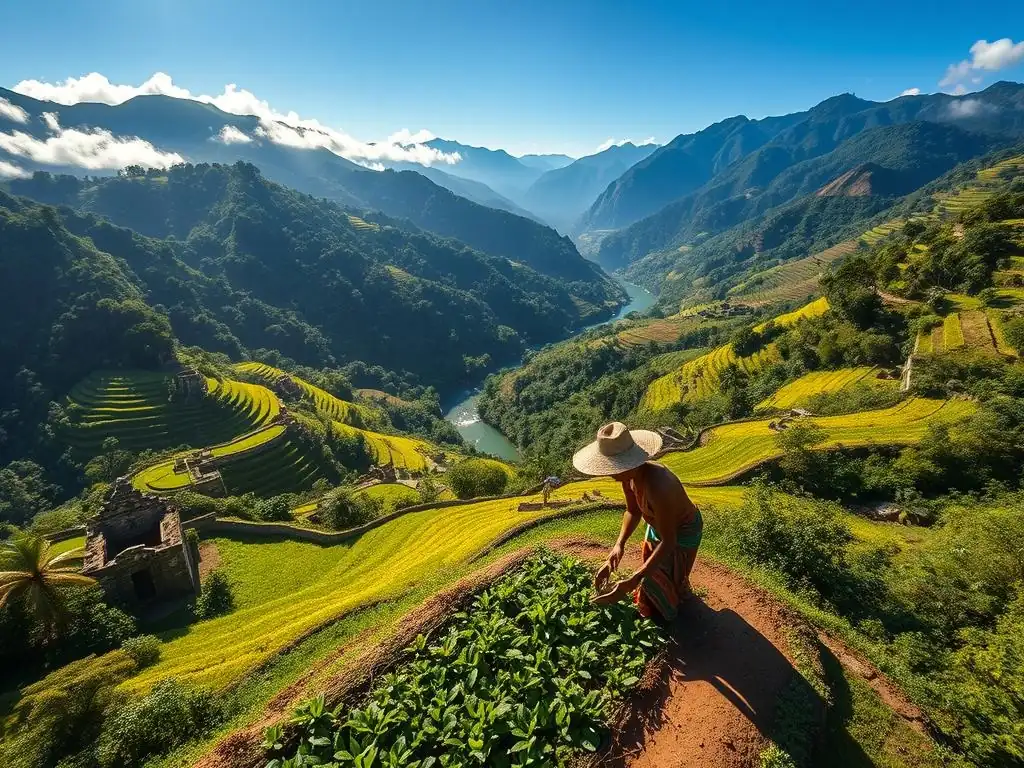
Welcome to Indigenous Civilizations of the Americas, where we invite you to embark on a captivating journey through the rich tapestry of indigenous cultures that flourished long before European eyes gazed upon these lands. In this exploration, we delve into the intricate relationship between geography and Mesoamerican agriculture, uncovering how the diverse landscapes influenced innovative agricultural techniques that sustained vibrant societies.
Prepare to be intrigued as we reveal the profound impact of these civilizations, and discover how their legacies continue to shape our world today. Join us as we uncover the secrets of the past and celebrate the remarkable achievements of the people who inhabited these lands.
Introduction to Mesoamerican Agriculture and Geography
Mesoamerican agriculture is a remarkable testament to the ingenuity and adaptability of indigenous civilizations that flourished across the region before European colonization. The interplay between geography and agricultural practices was instrumental in shaping the economic, social, and cultural landscapes of these societies. By understanding how various geographical features influenced agricultural techniques, we can gain insight into the sustainability and resilience of Mesoamerican cultures. This exploration reveals not only the diversity of farming practices but also the profound connection between the environment and the agricultural advancements that supported thriving civilizations.
The Diverse Geography of Mesoamerica
Mesoamerica is characterized by a rich tapestry of geographical features, including mountains, valleys, lakes, and coastal areas. This diversity plays a crucial role in determining the agricultural methods employed by various cultures within the region. The following sections delve deeper into the specific geographic regions and climate variations that have influenced Mesoamerican agricultural practices.
Geographic Regions of Mesoamerica
Mesoamerica spans parts of modern-day Mexico, Guatemala, Belize, Honduras, and El Salvador. It encompasses several distinct geographic regions, each with its own unique environmental characteristics:
- Highlands: Characterized by mountainous terrain, the highlands are home to rich volcanic soil, which is ideal for crops like maize, beans, and squash. This region's elevation also provides cooler temperatures, affecting crop selection and growing cycles.
- Lowlands: The coastal and lowland areas feature warmer climates and fertile plains, conducive to cultivating a variety of tropical crops such as cacao, cotton, and chili peppers. The abundance of water sources in these regions facilitated irrigation techniques.
- Wetlands: Swamps and marshy areas allowed for unique farming methods, such as chinampas (floating gardens) used by the Aztecs, demonstrating the creative adaptations to local geography.
Climate Variations and Their Impact on Agriculture
The climate of Mesoamerica varies considerably across its geography, influencing agricultural practices in significant ways:
- Tropical Rainforest: In areas with high rainfall, farmers developed techniques to manage excess water and cultivate diverse crops year-round. The rich biodiversity provided multiple sources of food and resources.
- Seasonal Climates: Regions with distinct wet and dry seasons required innovative irrigation and crop rotation methods to maximize yields. Farmers often relied on drought-resistant varieties and strategic planting schedules to adapt to these conditions.
- Microclimates: The presence of microclimates—localized variations in climate—allowed for specialized agricultural practices, such as the cultivation of specific crops that thrived under unique conditions.
Understanding the influence of geography on Mesoamerican agriculture is essential to appreciate the sophisticated systems developed by these ancient civilizations. Through their innovative techniques and adaptability, they laid the groundwork for sustainable agricultural practices that would endure for generations.
Mesoamerican Agricultural Techniques Influenced by Geography
Mesoamerican agriculture is a remarkable testament to how indigenous cultures adapted their farming practices to the diverse geographical features of their environment. The varied terrains, climates, and ecosystems in Mesoamerica played a crucial role in shaping agricultural techniques that were not only innovative but also sustainable. Understanding these techniques provides insight into how ancient civilizations thrived in their respective regions, utilizing the resources available to them effectively.
Terracing and Its Geographic Necessity
Terracing is one of the most significant agricultural techniques that emerged in response to the mountainous landscapes of Mesoamerica, particularly in regions such as the Andes and parts of Central Mexico. By constructing stepped levels on steep slopes, Mesoamerican farmers were able to reduce soil erosion, manage water runoff, and create arable land in otherwise unsuitable areas.
The need for terracing arose from the heavy rainfall and steep topography that characterized many Mesoamerican regions. Terraces helped to retain moisture and nutrients in the soil, allowing for the cultivation of staple crops such as maize, beans, and squash. This method not only maximized land use but also contributed to the sustainability of agricultural practices in areas where flat land was scarce. The terraced fields are still visible today, serving as a lasting reminder of the ingenuity of these ancient civilizations.
Swidden Agriculture in Lowland Areas
Swidden agriculture, also known as slash-and-burn farming, was primarily practiced in the lowland tropical regions of Mesoamerica. This technique involved clearing small plots of forest or bush by cutting and burning vegetation, which would then be cultivated for a few years before being left fallow. The geography of these lowland areas, characterized by dense vegetation and nutrient-rich soils, made swidden agriculture a practical method for growing crops.
The fire from the burning vegetation not only cleared the land but also enriched the soil with ash, providing essential nutrients for crops. Farmers would typically grow a variety of crops in rotation, including maize, cassava, and sweet potatoes, and after several years, the land would be allowed to regenerate. This practice highlights the intimate knowledge Mesoamerican peoples had of their environment and their ability to manage resources sustainably, even in challenging landscapes.
Chinampas: Floating Gardens of the Valley of Mexico
Chinampas are an extraordinary agricultural innovation that arose in the marshy regions of the Valley of Mexico, particularly around Lake Texcoco. These floating gardens were created by constructing small, rectangular plots of land on the water, using a combination of mud, vegetation, and reeds. The geography of the region, with its shallow lakes and wetlands, provided an ideal environment for this technique.
The chinampas allowed for year-round agriculture due to the rich, fertile soil and the ability to irrigate crops easily. Farmers could grow a diverse range of produce, including maize, tomatoes, and chilies, which were crucial for sustaining large urban populations, such as that of Tenochtitlán. This method not only optimized land use in a constrained geographical area but also demonstrated the sophisticated agricultural engineering skills of Mesoamerican civilizations.
The Role of Natural Resources in Mesoamerican Agriculture
Natural resources were fundamental to Mesoamerican agriculture, influencing the types of crops grown and the methods used for cultivation. The availability of specific soil types, water sources, and climate conditions directly impacted agricultural productivity and practices across different regions.
Soil Types and Their Influence on Crop Yield
The diverse soil types found in Mesoamerica played a vital role in determining agricultural success. Regions with volcanic soil, such as those near Mexico's active volcanoes, boasted nutrient-rich earth that was especially conducive to high crop yields. This type of soil, known for its fertility, enabled the cultivation of essential crops like maize and beans.
In contrast, areas with sandy or clay soils required different agricultural strategies to ensure adequate crop production. Farmers often relied on techniques such as crop rotation and the addition of organic material to enhance soil fertility. The understanding of soil types and their influence on crop yield was crucial for Mesoamerican farmers, showcasing their deep connection to and knowledge of their environment.
Water Management Techniques and Geography
Effective water management techniques were essential for Mesoamerican agriculture, particularly in regions where rainfall was inconsistent or insufficient. The geography of the area dictated the methods used to manage water resources, leading to innovations such as irrigation systems, canals, and reservoir construction.
In areas with reliable rainfall, farmers utilized simple drainage systems to redirect excess water and prevent flooding. In contrast, arid regions relied heavily on irrigation channels fed by rivers or lakes to support agriculture. The ability to harness and manage water resources not only facilitated the growth of crops but also supported the expansion of Mesoamerican societies by enabling larger populations to thrive. These water management techniques reflected the adaptability and ingenuity of indigenous peoples in response to their geographical challenges.
Geographic Challenges and Agricultural Adaptations
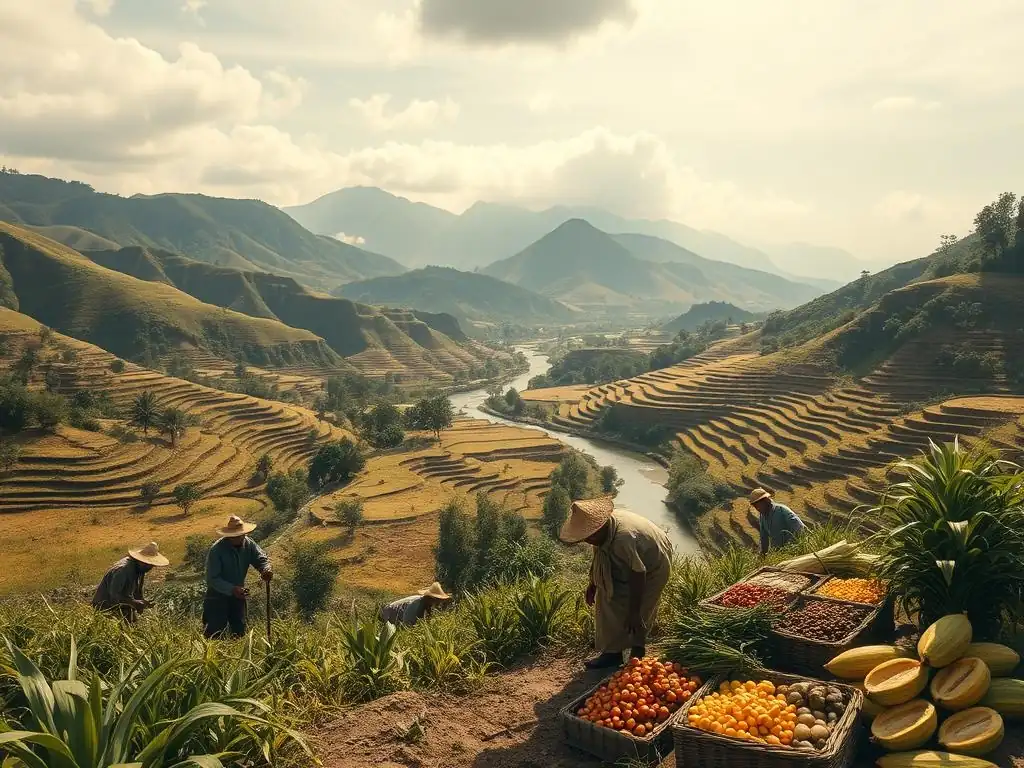
Mesoamerican agriculture was significantly shaped by the diverse geographical features of the region, including mountains, valleys, and varying climate zones. The ancient civilizations, such as the Maya, Aztec, and Olmec, faced unique challenges posed by their environments, which required them to develop innovative agricultural techniques. These adaptations not only enabled them to sustain their populations but also contributed to the rich tapestry of their cultures.
The region's topography included highland areas and lowland plains, each presenting distinct agricultural opportunities and constraints. For instance, highland areas experienced cooler temperatures and a shorter growing season, while lowlands benefited from warmer climates and fertile soils. Such diversity in geography necessitated a variety of farming strategies, which included the use of terraced fields, raised beds, and irrigation systems.
Coping with Environmental Challenges
Mesoamerican farmers had to devise solutions to cope with several environmental challenges, such as droughts, floods, and soil erosion. The region's unpredictable weather patterns often threatened crop yields, prompting farmers to develop resilience strategies. One notable method was the construction of chinampas, or floating gardens, particularly in the Valley of Mexico. These man-made islands allowed for year-round cultivation and maximized space in marshy areas.
Additionally, the use of crop rotation and intercropping techniques helped maintain soil fertility and prevented pest infestations. By planting diverse crops such as maize, beans, and squash together—a system known as the "Three Sisters"—farmers not only improved yields but also created a balanced nutrient profile in their diet. These strategies exemplified the ingenuity of Mesoamerican agricultural practices in the face of challenging environmental conditions.
Resilience and Innovation in Farming Practices
The resilience of Mesoamerican agriculture can also be attributed to the continuous innovation of farming practices throughout history. Farmers adapted to their surroundings by experimenting with various planting and irrigation methods. For instance, the implementation of contour farming helped reduce soil erosion on sloped terrains by following the natural contours of the land. This technique allowed water to flow more effectively, preserving moisture and nutrients in the soil.
Moreover, the development of sophisticated irrigation systems, including canals and reservoirs, facilitated the control of water supply, particularly in arid regions. These innovations not only supported agricultural productivity but also fostered the growth of urban centers, as surplus crops enabled trade and the rise of complex societies.
Mesoamerican civilizations also engaged in selective breeding of plants, improving the quality and yield of staple crops like maize. Over generations, they cultivated maize varieties suited to specific environments, thereby enhancing food security and agricultural sustainability. This deep understanding of their geographical context exemplifies the adaptability of Mesoamerican agricultural practices.
Conclusion: The Lasting Impact of Geography on Mesoamerican Agricultural Techniques
The influence of geography on Mesoamerican agricultural techniques is a testament to the ingenuity and resourcefulness of the indigenous peoples of the region. The challenges posed by diverse landscapes and climates not only shaped their farming practices but also influenced their social structures, trade networks, and cultural identities. By developing adaptive strategies like chinampas, terrace farming, and innovative irrigation systems, these civilizations laid the foundation for sustainable agriculture that would endure for centuries.
Today, the legacy of Mesoamerican agriculture continues to resonate, as many of the techniques developed by these societies remain relevant in modern agricultural practices. Understanding the interplay between geography and agriculture in Mesoamerica not only sheds light on the achievements of these ancient cultures but also provides valuable insights for contemporary agricultural challenges. The resilience and innovations born from their relationship with the land serve as a reminder of the profound impact geography has on human development and sustenance.
Further Reading on Mesoamerican Agriculture and Geography
For those interested in delving deeper into the intricate relationship between geography and agricultural practices in Mesoamerica, a wealth of literature is available that explores various aspects of these themes. Here are some recommended readings that cover historical, cultural, and environmental perspectives on Mesoamerican agriculture:
-
Mesoamerican Societies and Their Agricultural Systems
This book offers an in-depth analysis of how different Mesoamerican civilizations, such as the Maya and Aztecs, adapted their agricultural practices to diverse environmental conditions. It includes case studies on the use of terracing, chinampas, and slash-and-burn techniques.
-
Crop Cultivation in Ancient Mesoamerica
This scholarly article presents a detailed examination of the primary crops cultivated in Mesoamerica, such as maize, beans, and squash. It discusses the geographic factors that influenced crop selection and agricultural methods, highlighting the interplay between the environment and agricultural innovation.
-
Geographic Influences on Pre-Columbian Agriculture
This comprehensive study explores how topography, climate, and soil types affected agricultural practices across different Mesoamerican regions. It provides maps and data that illustrate the geographic distribution of agricultural techniques and their evolution over time.
-
The Role of Water Management in Mesoamerican Agriculture
Water management was crucial for the success of Mesoamerican agriculture. This resource focuses on ancient irrigation systems, the construction of reservoirs, and the use of canals, demonstrating how geography dictated water usage and contributed to agricultural productivity.
-
Environmental Archaeology in Mesoamerica
This book examines the archaeological evidence of agricultural practices in ancient Mesoamerican societies. It discusses how environmental changes, such as droughts and climate fluctuations, influenced farming strategies and the sustainability of agricultural systems.
-
Cultural Significance of Agricultural Practices
This article highlights the cultural dimensions of agriculture in Mesoamerican civilizations. It discusses how geography shaped not only farming techniques but also religious practices, social structures, and economic systems tied to agriculture.
By exploring these resources, readers can gain a more comprehensive understanding of how geography profoundly influenced Mesoamerican agriculture. The connection between the land and the agricultural techniques developed by these civilizations underscores their adaptability and ingenuity in the face of environmental challenges.
- Introduction to Mesoamerican Agriculture and Geography
- The Diverse Geography of Mesoamerica
- Mesoamerican Agricultural Techniques Influenced by Geography
- The Role of Natural Resources in Mesoamerican Agriculture
- Geographic Challenges and Agricultural Adaptations
- Conclusion: The Lasting Impact of Geography on Mesoamerican Agricultural Techniques
- Further Reading on Mesoamerican Agriculture and Geography
- What is the significance of geography in Mesoamerican agriculture?
- What crops were primarily cultivated in Mesoamerica?
- How did Mesoamerican societies adapt their agricultural techniques to their geography?
- In what ways did Mesoamerican agriculture contribute to their societal development?
- What lasting impacts did Mesoamerican agricultural practices have on the world?
Frequently Asked Questions
What is the significance of geography in Mesoamerican agriculture?
The geography of Mesoamerica, including its mountains, valleys, and climate, significantly influenced farming practices, crop selection, and the development of agricultural techniques.
What crops were primarily cultivated in Mesoamerica?
Mesoamerican civilizations primarily grew maize, beans, and squash, often referred to as the "Mesoamerican triad," which formed the foundation of their diet and agriculture.
How did Mesoamerican societies adapt their agricultural techniques to their geography?
Mesoamerican societies utilized terracing, irrigation, and slash-and-burn methods to maximize arable land and adapt to diverse geographical conditions such as altitude and rainfall.
In what ways did Mesoamerican agriculture contribute to their societal development?
The advancements in agriculture allowed for population growth, the establishment of cities, and the development of complex societies, which laid the foundation for later civilizations.
What lasting impacts did Mesoamerican agricultural practices have on the world?
Mesoamerican agricultural techniques, particularly the cultivation of maize, have had a profound influence on global agriculture, shaping food systems in many regions beyond the Americas.
Final Reflection: The Interplay of Geography and Mesoamerican Agriculture
The intricate relationship between geography and Mesoamerican agriculture remains profoundly relevant today, as it highlights how environmental factors shape agricultural practices and food security. In an era where climate change and sustainable farming are at the forefront of global discussions, understanding the historical context of Mesoamerican agricultural techniques can provide invaluable insights into how we can adapt and innovate in our own agricultural systems. The lessons learned from the ancient civilizations of Mesoamerica remind us that geography is not just a backdrop; it is a dynamic force that influences the very fabric of agricultural development.
Mesoamerican agriculture has not only shaped the region's economy but has also left an indelible mark on its cultural identity. The techniques developed by ancient civilizations, such as the use of chinampas and terracing, continue to inspire modern agricultural practices and underscore the importance of sustainable methods. As we navigate the complexities of contemporary agriculture, we can draw from the wisdom of the past. The land is not just a resource; it is a living entity that nourishes our culture and sustains our future.
This perspective emphasizes the need for a harmonious relationship with our environment, one that respects and learns from the agricultural legacies of civilizations like those in Mesoamerica.
As we reflect on the profound influence of geography on agricultural practices, I invite you to consider your own relationship with the land and food systems. How can you apply the lessons of Mesoamerican agriculture in your life? Whether through supporting local farmers, advocating for sustainable practices, or simply being more mindful of your food choices, each of us has the power to contribute to a more sustainable future. Let the story of Mesoamerican agriculture inspire you to engage with your environment thoughtfully and creatively, ensuring that we honor the past while cultivating a resilient future.
Unlock the Secrets of Mesoamerican Agriculture!
Thank you for exploring the fascinating influence of geography on Mesoamerican agricultural techniques with us! Your engagement fuels our passion for sharing these incredible insights. Now, it's your turn to take action and connect more deeply with this vibrant history.
- Explore your local community gardens or agricultural programs to understand how geography shapes farming practices today.
- Share your newfound knowledge! Discuss the ways geography influences agriculture with friends or on social media to inspire a broader conversation.
- Try your hand at a gardening technique inspired by Mesoamerican traditions; even a small container garden can showcase the ingenuity of these methods!
What other aspects of geography do you think could transform modern agricultural practices—both locally and globally?