
Justice Beyond Borders: How Indigenous Tribes Established Fairness in Their Societies

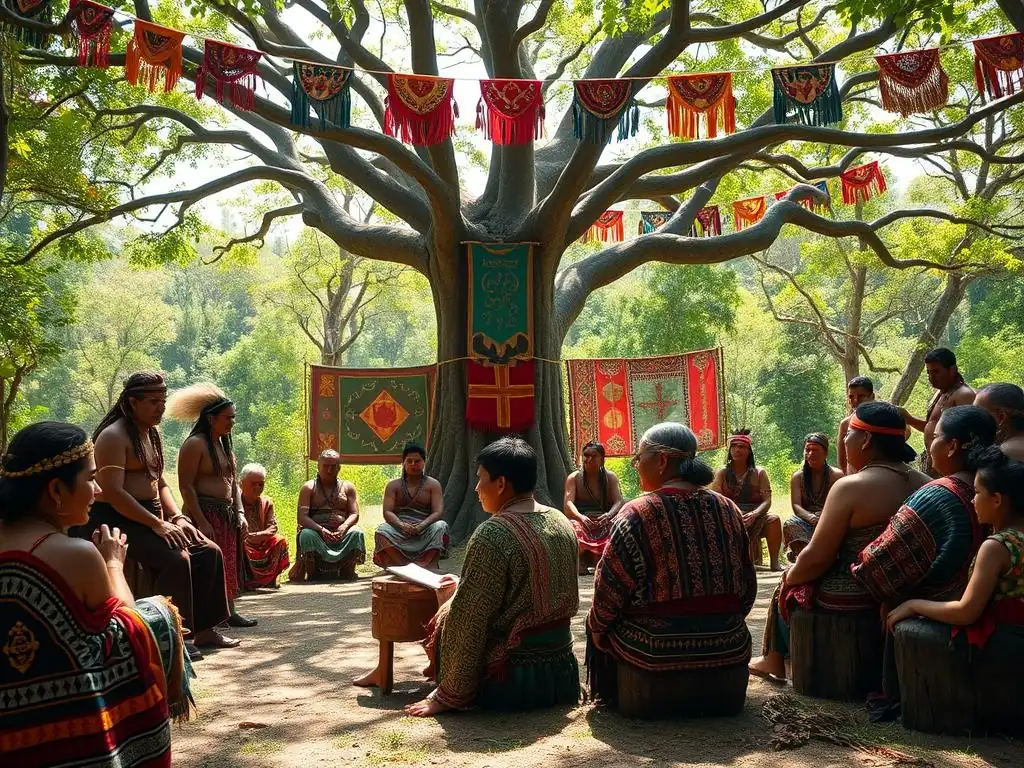
Welcome to Indigenous Civilizations of the Americas, where we invite you to journey through the remarkable tapestry of cultures that flourished long before European contact. In our featured article, "Justice Beyond Borders: How Indigenous Tribes Established Fairness in Their Societies," we delve into the intricate fairness systems developed by various indigenous tribes—systems that not only governed their communities but also fostered harmony and equity.
Discover how these age-old practices continue to resonate today and challenge our understanding of justice. Prepare to explore a world rich in wisdom and innovation, and uncover the profound legacy of indigenous civilizations that still shapes our communities.
- Introduction to Indigenous Tribes Fairness Systems
- Historical Context of Indigenous Tribes Fairness Systems
- Key Features of Indigenous Fairness Systems
- Case Studies of Indigenous Fairness Systems
- Comparison of Indigenous Fairness Systems
- Challenges Faced by Indigenous Fairness Systems
- Revitalization of Indigenous Fairness Systems Today
- Conclusion
-
Frequently Asked Questions
- What are some key features of indigenous tribes' fairness systems?
- How did indigenous tribes ensure justice among their members?
- What role did cultural beliefs play in these fairness systems?
- How do these indigenous fairness systems compare to modern legal systems?
- What impact do these fairness systems have on contemporary society?
- Final Reflection: Justice as a Universal Principle Rooted in Indigenous Wisdom
- Embrace Justice: Join the Movement for Fairness Across Cultures!
Introduction to Indigenous Tribes Fairness Systems
Indigenous tribes across the Americas established intricate systems of fairness and justice long before European contact. These systems were not merely reactive measures to conflicts but rather fundamental frameworks that underscored the values, beliefs, and cultural identities of various communities.
In this exploration, we delve into the principles that guided these indigenous justice systems, shedding light on how they fostered social harmony, resolved disputes, and maintained order within diverse societies. Understanding these fairness systems not only highlights the achievements of indigenous civilizations but also invites a broader conversation about the relevance of these principles in contemporary discussions of justice and equity.
Overview of Indigenous Justice Principles
Indigenous justice systems were deeply rooted in the cultural and spiritual beliefs of the tribes, often emphasizing restorative rather than punitive measures. Key principles included:
- Community Involvement: Justice was a communal affair, where the involvement of family and community members was essential. This collective approach ensured that all voices were heard and that resolutions reflected the group's consensus.
- Restoration and Reconciliation: Instead of focusing on punishment, many indigenous tribes prioritized restoring relationships and healing the harm done to individuals and the community. This could involve restitution, public apologies, or ceremonies to restore balance.
- Elders and Leadership: Elders often played a crucial role in mediating disputes and guiding the community towards fair resolutions. Their wisdom and experience were respected, and their decisions were typically viewed as final.
- Cultural Practices: Justice was often intertwined with cultural practices and traditions, reinforcing the importance of maintaining cultural integrity while addressing grievances.
These principles collectively contributed to a sense of fairness within indigenous societies, ensuring that justice was not only served but was also aligned with the community's values and traditions.
Importance of Fairness in Indigenous Societies
Fairness served as the cornerstone of social cohesion in indigenous societies, influencing various aspects of life, such as governance, resource management, and interpersonal relationships. The importance of fairness can be summarized through several critical aspects:
- Social Stability: A commitment to fairness helped maintain order and reduce conflict within communities. By addressing grievances through communal processes, tribes minimized the potential for escalation and fostered a stable environment.
- Cultural Identity: Fairness systems were expressions of cultural identity and values. They reflected the unique customs and beliefs of each tribe, reinforcing a shared sense of belonging among members.
- Sustainable Practices: Equitable resource distribution and conflict resolution often led to sustainable practices in managing land and communal resources. This ensured the community's survival and well-being for future generations.
- Legacy and Influence: The principles of fairness established by indigenous tribes have left a lasting impact on contemporary justice systems, offering valuable insights into restorative justice practices and community-led initiatives that prioritize healing over punishment.
The fairness systems of indigenous tribes not only defined their social structure but also contributed to the resilience and sustainability of their cultures. Understanding these systems is vital in recognizing the profound achievements of indigenous civilizations and their enduring legacy in today's world.
Historical Context of Indigenous Tribes Fairness Systems
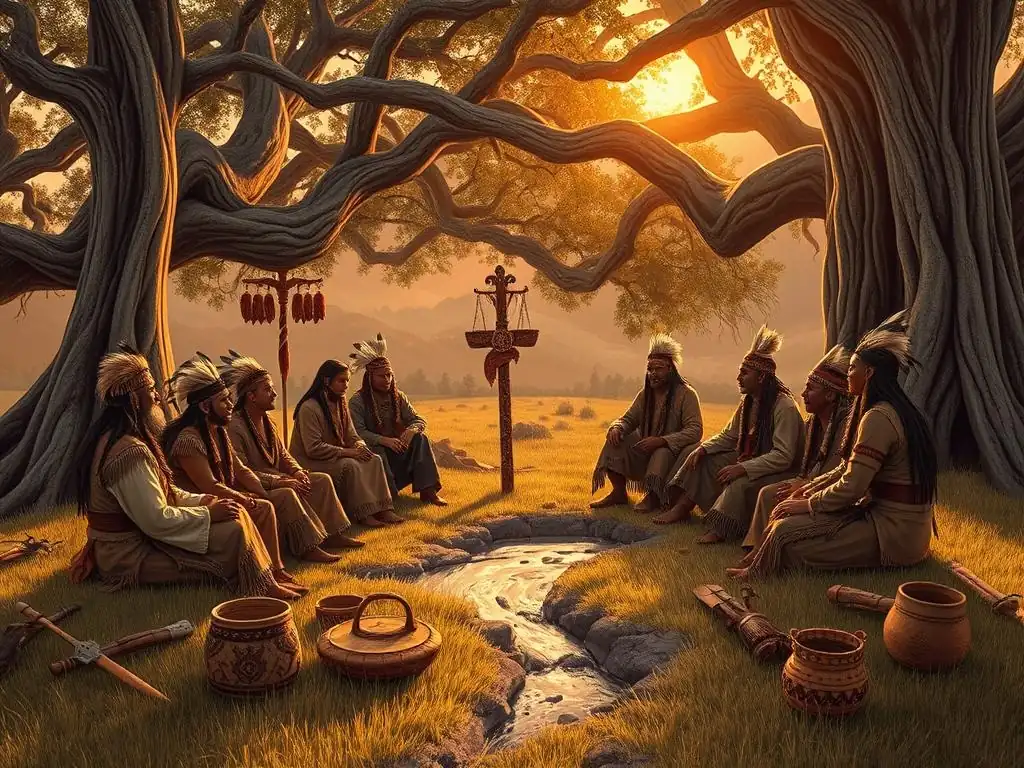
The concept of justice among indigenous tribes in the Americas can be traced back to rich historical contexts where fairness systems were not only essential for maintaining social order but also reflected the tribes' values, beliefs, and unique cultural identities. Prior to European colonization, indigenous communities had established intricate legal frameworks that responded to their specific needs and circumstances. These systems were deeply intertwined with their social structures, spirituality, and communal life, emphasizing restorative justice rather than punitive measures.
Pre-Colonization Legal Structures
Indigenous tribes employed diverse legal structures that varied across regions and cultures. While specific practices differed, several core principles unified their approaches to justice:
- Restorative Justice: Many tribes focused on restoring harmony within the community rather than inflicting punishment on the offender. This often involved mediation and community involvement to resolve disputes. For instance, the Iroquois Confederacy used councils to mediate conflicts, allowing all parties to present their perspectives.
- Consensus Decision-Making: Tribal leaders often relied on consensus to reach decisions, ensuring that all voices were heard. This practice fostered collective responsibility and accountability. The Navajo Nation, for example, utilized a council of elders to deliberate on matters impacting the community, emphasizing the importance of agreement rather than majority rule.
- Cultural and Spiritual Norms: Legal decisions were frequently guided by cultural values and spiritual beliefs. The Lakota Sioux regarded their relationship with the land and nature as sacred, which influenced their legal frameworks. Violations of these norms were seen not only as legal infractions but as offenses against the community's spiritual well-being.
- Clan Systems: Many tribes operated under clan systems where each clan had specific roles and responsibilities. The clans were often tasked with ensuring justice within their ranks, reinforcing social cohesion and responsibility. For example, among the Cherokee, clans played a critical role in conflict resolution, with clan leaders addressing grievances internally before escalating to broader tribal councils.
These historical frameworks reveal that indigenous tribes had sophisticated systems of fairness that catered to their unique social contexts. This legacy of justice continues to influence contemporary indigenous practices today.
Role of Oral Traditions in Justice
Oral traditions served as a vital component of indigenous tribes' fairness systems, preserving legal knowledge and cultural values across generations. The reliance on oral storytelling and spoken word facilitated the transmission of laws, customs, and ethical principles, creating a robust framework for justice that was dynamic and adaptable.
- Storytelling as Education: Elders would share stories that illustrated moral lessons, societal norms, and legal principles. These narratives were often imbued with metaphors and allegories, allowing community members to internalize complex concepts of justice and fairness. For example, the Pueblo tribes used stories to teach the importance of community responsibility and the repercussions of wrongdoing.
- Community Engagement: Oral traditions encouraged active participation from community members, as stories were often recounted in communal gatherings. This engagement helped reinforce collective values and ensured that everyone understood their roles within the justice system. The practice of storytelling became a communal affair, fostering a sense of belonging and shared responsibility.
- Legal Precedents: Oral histories also served as informal legal precedents, guiding current and future decisions. The recounting of past conflicts and their resolutions provided a framework for addressing new issues, ensuring continuity and consistency within the justice system. This adaptability allowed tribes to modify their approaches based on evolving social dynamics.
- Cultural Identity: Oral traditions were integral to maintaining cultural identity and cohesion within indigenous communities. By embedding legal concepts within their narratives, tribes ensured that their fairness systems were not only practical but also reflective of their worldview and identity. This connection to culture reinforced the legitimacy of their legal practices and fostered respect for the established norms.
The role of oral traditions in indigenous tribes' fairness systems was multifaceted, contributing to education, community cohesion, and the preservation of cultural identity. The interplay between oral history and legal frameworks underscores the sophisticated nature of justice among indigenous peoples in the Americas, highlighting the enduring significance of their systems in contemporary contexts.
Key Features of Indigenous Fairness Systems

Indigenous tribes across the Americas developed unique fairness systems that were deeply rooted in their cultural beliefs, social structures, and community values. These systems emphasized not only the resolution of conflicts but also the restoration of harmony within the community. Here are some of the key features that characterize these indigenous fairness systems:
- Collective Responsibility: Decisions were often made collectively, reflecting the community's values and norms rather than individual interests.
- Holistic Approach: Indigenous fairness systems recognized the interconnectedness of individuals, nature, and the community, leading to resolutions that aimed at restoring balance rather than merely punishing the offender.
- Cultural Context: Fairness systems were embedded in the tribes' cultural narratives, rituals, and spiritual beliefs, ensuring that resolutions were culturally relevant and respected.
Community-Based Conflict Resolution
Community-based conflict resolution was a cornerstone of indigenous tribes' fairness systems. This approach prioritized the involvement of the entire community in the resolution process, fostering a sense of shared responsibility and collective healing.
- Circle Processes: Many tribes employed circle processes, where community members would gather to discuss the conflict openly. This format encouraged equal participation and honest dialogue, allowing all voices to be heard.
- Consensus Building: Instead of relying on a singular authority figure, indigenous tribes often sought consensus among community members. This method ensured that resolutions reflected the group's collective will and were more likely to be accepted and followed.
- Restorative Justice Principles: By focusing on repairing harm rather than assigning blame, community-based conflict resolution highlighted the importance of empathy and understanding among parties involved.
The effectiveness of this approach can be seen in various indigenous groups, such as the Haudenosaunee Confederacy, which used consensus-based decision-making to maintain social harmony among its member nations.
Restoration and Reconciliation Practices
Restoration and reconciliation practices are vital components of indigenous fairness systems. These practices aim to heal relationships and restore balance rather than merely addressing the wrongdoing.
- Ceremonial Atonement: Many tribes incorporated ceremonial acts as part of their reconciliation processes. These rituals served to acknowledge harm, express remorse, and seek forgiveness, thereby reinforcing social bonds.
- Community Service: Offenders might be required to engage in community service as a way to make amends, emphasizing accountability and the importance of contributing positively to the community.
- Healing Circles: Healing circles provided a safe space for individuals affected by the conflict to share their experiences and feelings. This collective sharing allowed for emotional healing and the rebuilding of trust.
Such practices exemplify the holistic view of justice prevalent in indigenous cultures, where the emphasis is on restoration rather than retribution.
Elders' Role in Mediating Disputes
Elders held a revered position within indigenous tribes, often acting as mediators in disputes and guardians of cultural wisdom. Their role was crucial in maintaining the integrity of fairness systems.
- Wisdom and Experience: Elders were often seen as repositories of knowledge, possessing the wisdom acquired through years of life experience. Their guidance was sought in conflict resolution, ensuring that decisions respected cultural traditions.
- Cultural Mentorship: As cultural mentors, elders played an essential role in instilling values of fairness, respect, and community cohesion among younger generations. This mentorship helped to perpetuate indigenous fairness systems through education and example.
- Neutral Mediators: In disputes, elders often acted as neutral parties, facilitating discussions and helping to navigate the emotions involved. Their impartiality was crucial in fostering a sense of trust and openness among disputing parties.
The involvement of elders in resolving conflicts not only honored tradition but also reinforced the community's collective identity and commitment to justice.
Case Studies of Indigenous Fairness Systems
The Iroquois Confederacy's Justice Practices
The Iroquois Confederacy, known as the Haudenosaunee, comprised several tribes, including the Mohawk, Oneida, Onondaga, Cayuga, Seneca, and later the Tuscarora. Their justice practices were highly developed and rooted in a deep respect for community and balance. Central to their system was the concept of Restorative Justice, which emphasized repairing harm and restoring relationships rather than punitive measures.
- Consensus Decision-Making: Decisions within the Confederacy were made through consensus, ensuring that all voices were heard. This process often included council meetings where representatives from each tribe would discuss issues openly, allowing for a democratic approach to justice.
- Role of Clan Mothers: Clan mothers held significant power in the Iroquois society, particularly concerning justice. They were responsible for selecting chiefs and had the authority to remove them if they failed to uphold the community's values. This structure ensured that leaders were accountable to the people.
- Restoration Over Punishment: When a conflict arose, the focus was on restoring harmony rather than inflicting punishment. Offenders were encouraged to acknowledge their actions and make amends to the affected parties, fostering a sense of responsibility and community healing.
The Navajo Nation employs a unique peacemaking process that reflects their cultural values and beliefs about justice. This approach is deeply rooted in the idea of harmony and balance within the community, often referred to as Hózhó.
- Cultural Context: Peacemaking is not merely a legal process but a cultural and spiritual one. It incorporates traditional ceremonies and the wisdom of elders, linking justice to the broader context of Navajo life.
- Mediation by Elders: In the peacemaking process, respected elders act as mediators. Their role is to facilitate dialogue between conflicting parties, helping them find common ground and reach a mutual understanding. This process encourages open communication and emphasizes the importance of relationships.
- Focus on Healing: Similar to the Iroquois, the Navajo peacemaking process prioritizes healing over retribution. Offenders are encouraged to understand the impact of their actions, leading to reparations and restoration of harmony within the community.
The Lakota Sioux's Circle Justice
The Lakota Sioux utilize a Circle Justice approach that reflects their commitment to community involvement and holistic healing. This method emphasizes the interconnectedness of individuals within the community and the need for collective responsibility.
- Circle Meetings: Circle Justice involves gatherings where all stakeholders, including victims, offenders, and community members, come together to share their perspectives. This inclusive approach allows all voices to be heard and fosters a sense of unity.
- Accountability and Responsibility: Offenders take responsibility for their actions within the circle, gaining insight into how their behavior affects others. This process is not only about punishment but about personal growth and community restoration.
- Community-Based Solutions: The resolutions reached in Circle Justice are often crafted collaboratively, focusing on community-based solutions that address the root causes of the conflict. This ensures that the outcomes are relevant and beneficial to the community as a whole.
Through these case studies, we can see how indigenous tribes have established fairness systems that prioritize community, healing, and accountability over punitive measures. Their approaches to justice reflect a profound understanding of the interconnectedness of individuals within their societies and offer valuable insights into alternative models of conflict resolution.
Comparison of Indigenous Fairness Systems
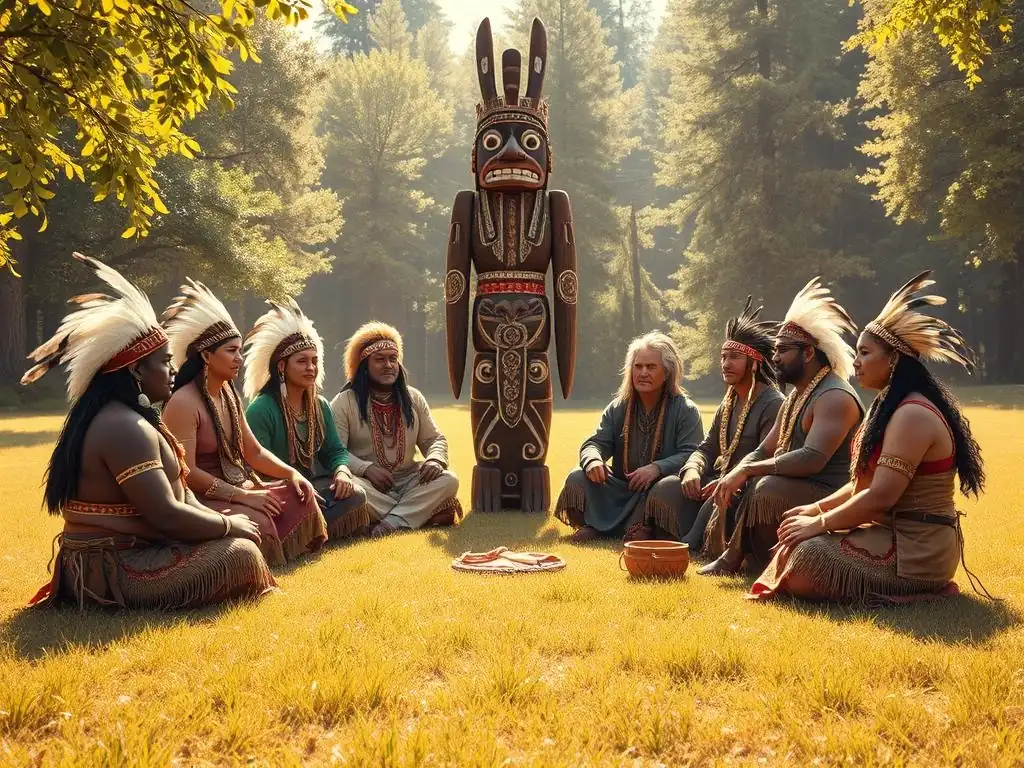
Indigenous tribes across the Americas have developed unique systems of fairness and justice that reflect their cultural values, social structures, and environmental conditions. In comparing these systems to Western legal frameworks, we uncover a rich tapestry of legal thought and practice that prioritizes community well-being, restorative justice, and equitable outcomes.
Indigenous vs. Western Legal Systems
Indigenous fairness systems often contrast sharply with Western legal structures in several fundamental ways:
-
Community Focus
Indigenous tribes emphasize collective well-being over individual rights. Justice is viewed as a communal responsibility rather than a legalistic process. For instance, the Navajo Nation employs a system called “restorative justice”, where the emphasis lies on repairing harm and restoring relationships rather than merely punishing offenders.
-
Holistic Approaches
In many Indigenous cultures, law is intertwined with spirituality, customs, and traditions. The Mayan legal system, for instance, integrates ancestral practices and community consensus to resolve disputes, reflecting a holistic understanding of justice that encompasses moral and ethical considerations.
-
Decentralization of Power
Unlike the hierarchical structure often found in Western legal systems, many Indigenous tribes operate on a more decentralized model. Decisions are made collaboratively, often through councils or assemblies that include various community members. The Iroquois Confederacy is a prime example, where decisions are made through consensus among representatives from different tribes.
-
Restorative vs. Retributive Justice
Indigenous fairness systems typically favor restorative justice practices, focusing on healing and reconciliation. In contrast, Western legal systems often adopt a retributive approach, emphasizing punishment. For example, the Lakota Sioux utilize talking circles to facilitate dialogue and understanding among conflicting parties, aiming for resolution rather than retribution.
-
Cultural Relevance
Indigenous fairness systems are deeply rooted in the specific cultural contexts of each tribe, making them adaptable and relevant to the communities they serve. This contrasts with the often rigid and standardized laws of Western legal systems that may not account for local customs or traditions.
Commonalities Among Different Indigenous Tribes
Despite the diversity among Indigenous tribes, several commonalities can be observed in their systems of fairness:
-
Emphasis on Relationship
Many tribes prioritize maintaining harmonious relationships within their communities. The Hopi Tribe focuses on collective harmony, where justice serves to restore rather than disrupt community bonds.
-
Elder Involvement
Elders often play a crucial role in mediating disputes and providing wisdom based on tradition and experience. Their involvement highlights the respect for age and knowledge typical in many Indigenous cultures.
-
Customary Laws
Indigenous tribes tend to rely on oral traditions and customary laws that evolve with the community. These unwritten rules are passed down through generations, ensuring continuity and relevance. The Tlingit people, for example, have a rich tradition of storytelling that conveys legal principles and community values.
-
Adaptability
Indigenous fairness systems demonstrate a remarkable ability to adapt to changing circumstances while remaining rooted in cultural identity. For instance, tribes may integrate contemporary issues into their justice processes, ensuring that their systems remain effective and relevant.
-
Focus on Education and Restoration
Many Indigenous tribes view justice as an educational process, where offenders are guided towards understanding the impact of their actions. The Ojibwe community employs restorative practices that encourage offenders to make amends and learn from their mistakes.
The exploration of Indigenous tribes' fairness systems reveals a profound commitment to community, healing, and adaptability. These systems not only provide insight into the unique cultural identities of Indigenous peoples but also offer valuable lessons for modern justice practices. As we learn from these traditions, we can reimagine fairness in a way that transcends borders and enriches our understanding of justice.
Challenges Faced by Indigenous Fairness Systems
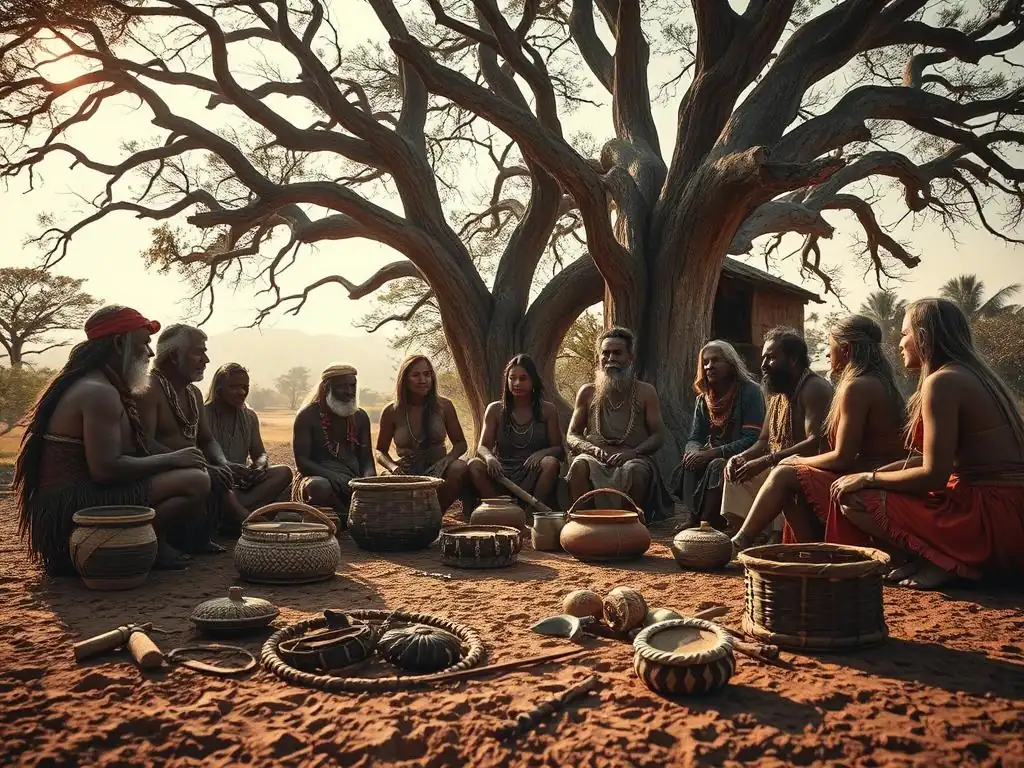
Impact of Colonization on Traditional Justice Practices
The arrival of European settlers marked a significant turning point for indigenous tribes and their established fairness systems. Traditional practices, which were deeply rooted in communal values, spirituality, and a profound connection to the land, faced severe disruption due to colonization. This disruption manifested in various ways:
- Imposition of Foreign Legal Systems: European colonizers introduced their own legal frameworks, which often disregarded indigenous customs and traditions. This led to a clash between the established fairness systems of indigenous tribes and the imposed laws of colonial governments.
- Displacement and Loss of Land: The forced removal of indigenous peoples from their ancestral lands not only disrupted their social structures but also undermined their ability to enforce traditional justice practices. Land is often central to indigenous identity and governance, and its loss has lasting impacts on community cohesion.
- Cultural Erasure: Colonization often involved efforts to assimilate indigenous populations into European ways of life. This included the suppression of languages, spiritual practices, and traditional governance structures, leading to a decline in the functioning of indigenous fairness systems.
- Legal Marginalization: Many indigenous tribes found themselves marginalized within colonial legal systems. Their disputes were frequently adjudicated in courts that did not recognize their cultural contexts or fairness practices, further complicating their ability to seek justice.
Current Legal Conflicts and Sovereignty Issues
In contemporary times, indigenous tribes continue to navigate complex legal landscapes that challenge their traditional systems of fairness. Several key issues have emerged:
- Sovereignty and Autonomy: Many indigenous tribes assert their right to self-governance, which includes the ability to maintain their justice systems. However, sovereignty issues often arise when tribal laws conflict with state or federal laws. This can lead to legal battles over jurisdiction and authority.
- Recognition of Tribal Law: The extent to which tribal legal systems are recognized by federal and state courts varies significantly. In some cases, tribal courts have been undermined, resulting in a lack of enforcement of traditional justice practices. This inconsistency creates uncertainty for tribal members seeking resolution to disputes.
- Inter-Tribal Disputes: As indigenous tribes work to assert their legal rights, conflicts can arise between different tribes over jurisdiction and governance issues. These disputes can further complicate the landscape of fairness and justice within indigenous communities.
- Impact of Legislation: Modern legislation often fails to consider the unique needs of indigenous tribes, leading to laws that may inadvertently undermine traditional practices. Advocacy for legal reforms that respect and integrate indigenous fairness systems into broader legal frameworks is ongoing.
The resilience of indigenous tribes in maintaining their fairness systems amidst these challenges speaks to the strength of their cultural identities and legal traditions. By addressing these contemporary issues, there is potential for a more equitable relationship between indigenous tribes and the broader legal system, fostering a deeper understanding of justice that honors both historical practices and modern realities.
Revitalization of Indigenous Fairness Systems Today
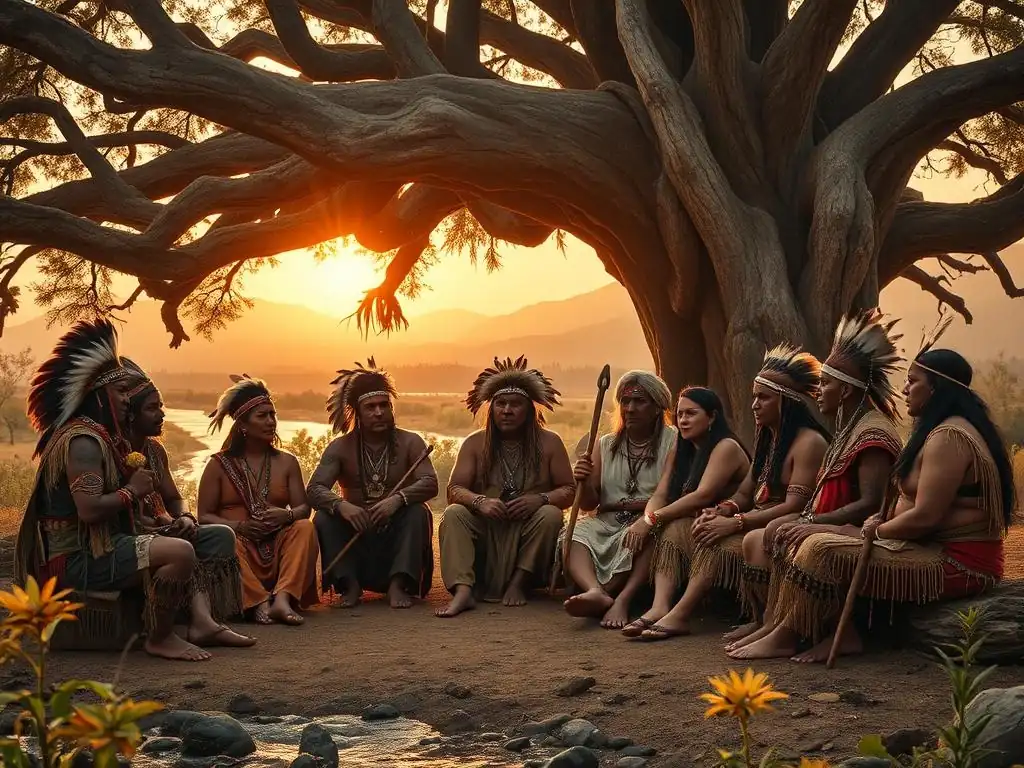
The revitalization of indigenous fairness systems is a crucial movement that emphasizes the importance of traditional justice practices in contemporary society. As indigenous tribes across the Americas seek to restore their cultural heritage and autonomy, many are advocating for the recognition and implementation of their historical systems of justice. These systems often prioritize community involvement, restorative justice, and the unique cultural values of the tribes themselves.
Contemporary Movements for Indigenous Justice
In recent years, there has been a significant surge in contemporary movements aimed at reclaiming indigenous justice systems. These movements are characterized by several key elements:
-
Abolition of Colonial Legal Structures
Many indigenous communities are actively working to dismantle colonial legal frameworks that have historically marginalized their rights and practices. This involves advocating for legal reforms that recognize indigenous laws and customs as legitimate systems of governance.
-
Community-Led Initiatives
Indigenous tribes are increasingly taking the lead in establishing their own justice initiatives. This includes the formation of community councils that utilize traditional practices to resolve disputes, promote healing, and restore harmony within the community. For example, the Navajo Nation has implemented peacemaking courts that embody traditional values of consensus and restoration.
-
Coalition Building
Collaborations between various indigenous groups and allies have strengthened the movement for justice. By sharing resources, knowledge, and strategies, these coalitions amplify their voices and advocate for broader systemic changes at local, national, and international levels.
-
Cultural Revitalization
The resurgence of indigenous languages, ceremonies, and traditions plays a vital role in the revitalization of fairness systems. Communities are integrating cultural practices into their justice processes, which fosters a deeper connection to their heritage and reinforces the legitimacy of their systems.
Integration of Traditional Practices in Modern Legal Frameworks
Integrating traditional practices into modern legal frameworks presents both opportunities and challenges for indigenous tribes. Many communities are striving to find a balance between respecting their cultural heritage and navigating contemporary legal systems. Key aspects of this integration include:
-
Hybrid Justice Models
Some tribes are developing hybrid models that combine elements of traditional justice with modern legal principles. For instance, restorative justice practices, which focus on the repair of harm and reconciliation, are increasingly being incorporated into the formal justice systems of indigenous nations.
-
Legal Recognition
Legal recognition of indigenous justice systems is crucial for their integration into modern frameworks. This involves advocating for policies that acknowledge the sovereignty of tribes and their right to govern themselves according to their customs and traditions.
-
Training and Education
Providing training for tribal leaders, community members, and legal professionals on traditional practices is essential for effective integration. Educational programs that emphasize the significance of indigenous fairness systems can foster mutual understanding and respect between tribes and the broader legal community.
-
Collaboration with Government Entities
Establishing cooperative relationships with government agencies can facilitate the recognition of indigenous justice practices. By working together, indigenous tribes can advocate for policies that honor their traditions while ensuring that contemporary legal frameworks accommodate their unique needs.
Through these efforts, indigenous tribes are not only preserving their cultural identity but also creating systems of fairness that reflect their values and priorities. The revitalization of indigenous fairness systems is a testament to the resilience and strength of these communities, highlighting their commitment to justice that transcends borders.
Conclusion
The exploration of indigenous tribes’ fairness systems reveals a rich tapestry of legal and social practices that were deeply rooted in the cultures of pre-colonial America. These systems prioritized community welfare, restoration, and consensus, offering valuable lessons that resonate even today.
The Lasting Impact of Indigenous Tribes Fairness Systems
Indigenous tribes across the Americas developed unique fairness systems that addressed disputes and governance through community-centric approaches. Some key impacts of these systems include:
- Conflict Resolution: Many tribes employed mediation and dialogue as primary tools for resolving conflicts. This method not only fostered understanding but also strengthened community bonds. For example, the Iroquois Confederacy's Great Law of Peace emphasized consensus over coercion, allowing tribes to negotiate solutions collaboratively.
- Restorative Justice: Indigenous fairness systems often focused on restoring relationships rather than punishing offenders. This approach acknowledges the harm caused and works towards healing both the victim and the offender. The Navajo Nation, for instance, incorporates traditional practices that encourage offenders to make amends, thus reinforcing communal harmony.
- Cultural Preservation: The fairness systems of indigenous tribes are integral to their cultural identity. By maintaining these practices, tribes preserve their languages, stories, and traditions, ensuring that their values and principles are passed down through generations.
- Influence on Modern Legal Systems: Elements of indigenous fairness systems have influenced contemporary justice practices. For instance, restorative justice initiatives within modern legal frameworks often draw inspiration from indigenous methods, promoting rehabilitation and community engagement.
The ongoing recognition of these systems highlights their relevance and the need for a deeper understanding of indigenous legal traditions in the broader context of justice.
Future of Justice in Indigenous Communities
As indigenous communities continue to navigate the complexities of modern legal systems, there is a growing movement towards integrating traditional fairness practices into contemporary governance. Several factors are shaping the future of justice in these communities:
- Self-Determination: Many tribes are advocating for the right to govern themselves and establish their own legal practices. This self-determination aligns with international laws, such as the United Nations Declaration on the Rights of Indigenous Peoples, which underscores the importance of indigenous governance.
- Cultural Revitalization: There is a resurgence of interest in traditional practices as tribes work to revitalize their languages, customs, and fairness systems. This cultural renaissance not only strengthens community ties but also enhances the legitimacy and effectiveness of their justice systems.
- Collaboration with Modern Systems: Some indigenous communities are exploring partnerships with state and federal legal systems to create hybrid models of justice. These collaborations aim to respect traditional practices while addressing the realities of contemporary legal challenges.
- Education and Advocacy: Raising awareness about indigenous fairness systems is crucial for fostering understanding and respect. Education initiatives that highlight the history and effectiveness of these systems can contribute to a broader acceptance of indigenous perspectives on justice.
The future of justice in indigenous communities holds promise as they strive to merge traditional practices with modern realities, ensuring that their systems of fairness continue to thrive and evolve in a rapidly changing world.
Frequently Asked Questions
What are some key features of indigenous tribes' fairness systems?
Indigenous tribes developed unique fairness systems that emphasized community consensus, restorative justice, and cultural values to resolve conflicts and maintain social harmony.
How did indigenous tribes ensure justice among their members?
Many tribes used traditional councils or elders to facilitate discussions and decisions, fostering a sense of belonging and responsibility within the community.
What role did cultural beliefs play in these fairness systems?
Cultural beliefs were integral, as they shaped the values and principles guiding the tribes' approaches to justice, emphasizing balance, respect, and restoration rather than punishment.
How do these indigenous fairness systems compare to modern legal systems?
While modern legal systems often focus on punitive measures, indigenous systems emphasize community healing and reconciliation, highlighting the importance of relationships and social cohesion.
What impact do these fairness systems have on contemporary society?
The principles of indigenous fairness systems are increasingly recognized for their potential to inform modern conflict resolution practices, underscoring the value of collaboration and mutual respect in today's diverse societies.
Final Reflection: Justice as a Universal Principle Rooted in Indigenous Wisdom
In exploring how indigenous tribes fairness systems have shaped notions of justice, we uncover a profound relevance that resonates in today's global society. The principles of fairness and equity established by these tribes serve as a powerful reminder that justice is not merely a legal construct but a fundamental human value. As we grapple with contemporary issues of inequality and injustice, it becomes clear that the wisdom of indigenous systems offers vital insights into creating a more equitable world.
The influence of indigenous fairness systems extends far beyond their communities, impacting the broader cultural and social landscape. These systems highlight the importance of community, consensus, and restorative practices, which are often overlooked in modern legal frameworks. As we witness movements advocating for social justice and environmental stewardship, the teachings of indigenous tribes remind us that true fairness is rooted in respect for all beings and the land we share. Justice is not a privilege of the few, but a right of all.
This quote encapsulates the essence of what indigenous tribes have long understood: that justice must be inclusive and holistic.
As we reflect on these lessons, I invite you to consider how the principles of fairness established by indigenous tribes can inspire your own actions and decisions. What can you learn from their practices to foster fairness in your community? Embrace the call to advocate for justice that transcends borders, recognizing that we are all interconnected. Let us carry forward the legacy of indigenous wisdom, striving for a world where fairness is not just an ideal but a lived reality for everyone.
Embrace Justice: Join the Movement for Fairness Across Cultures!
Thank you for exploring the profound history of how Indigenous tribes developed systems of fairness within their communities. We hope you found inspiration in their commitment to justice and the significance of cultural practices in shaping equitable societies. Now, it's time to transform that inspiration into meaningful action!
Here are a few impactful steps you can take to further explore and support fairness in all its forms:
- Engage in Dialogue: Initiate conversations with friends or family about Indigenous justice systems. Share your insights and discuss how these principles can be relevant and applied in today’s society!
- Support Indigenous Voices: Follow and elevate Indigenous activists and organizations on social media to stay informed and amplify their efforts in promoting social justice and equitable treatment.
- Get Involved Locally: Discover opportunities to contribute to local Indigenous initiatives or community programs that strive to foster equity and understanding in your area.
As you contemplate these actions, consider this: How can the innovative practices of Indigenous tribes inform your own understanding of fairness in today’s world? We invite you to share your thoughts below!