
Environmental Stewardship and Governance: How Indigenous Practices Shaped Sustainable Policies


Welcome to Indigenous Civilizations of the Americas, where we invite you to embark on a journey through the rich tapestry of indigenous cultures that flourished long before European contact. In our exploration of Indigenous environmental stewardship practices, you will uncover the profound wisdom and sustainable policies that these civilizations developed to harmonize with their surroundings. How did their innovative governance shape the landscapes we see today? Dive deeper with us as we unveil the remarkable achievements that continue to inspire contemporary environmental efforts. Your adventure into the past starts here—let's discover the legacy that still resonates in our world!
- Introduction to Indigenous Environmental Stewardship Practices
- Historical Context of Indigenous Environmental Practices
- Core Principles of Indigenous Environmental Stewardship
- Case Studies of Indigenous Environmental Stewardship
- Comparative Analysis of Indigenous Practices and Modern Policies
- Challenges Facing Indigenous Environmental Governance Today
- Future of Indigenous Environmental Stewardship Practices
- Conclusion
-
Frequently Asked Questions
- What are indigenous environmental stewardship practices?
- How did indigenous practices influence modern sustainability policies?
- What role did governance play in indigenous societies?
- Why is it important to study indigenous environmental practices today?
- How can we integrate indigenous practices into contemporary environmental policies?
- Final Reflection: The Enduring Legacy of Indigenous Environmental Stewardship Practices
- Embrace Indigenous Wisdom for a Sustainable Tomorrow!
Introduction to Indigenous Environmental Stewardship Practices
Indigenous environmental stewardship practices represent a profound understanding of the intricate relationships between people and the ecosystems they inhabit. Long before the advent of modern environmental policies, indigenous cultures across the Americas developed sustainable methods of land management, resource use, and community governance that not only preserved the environment but also enhanced the resilience of their societies.
This article delves into how these practices shaped sustainable policies, emphasizing the wisdom embedded within indigenous governance frameworks. By examining these historical and contemporary practices, we can glean insights into effective strategies for addressing current environmental challenges, revealing the vital importance of indigenous knowledge in fostering a sustainable future.
Overview of Indigenous Cultures and Their Relationship with Nature
Indigenous cultures throughout the Americas exhibit a rich tapestry of traditions, languages, and beliefs that are deeply intertwined with their natural surroundings. For many indigenous groups, the relationship with nature is not merely one of utility but a spiritual and cultural bond that shapes their identity and governance systems.
- Key Aspects of Indigenous Relationships with Nature:
- Holistic Worldviews: Many indigenous peoples view the environment as a living entity, deserving of respect and care. This perspective fosters a sense of responsibility for maintaining the balance of ecosystems.
- Traditional Ecological Knowledge (TEK): Generations of observation and interaction with the environment have led to the development of TEK, which encompasses practices such as crop rotation, controlled burns, and sustainable hunting and fishing techniques.
- Community-Centric Approaches: Governance structures often prioritize community involvement and consensus, ensuring that environmental decisions reflect the collective wisdom of the group.
Through these frameworks, indigenous cultures have cultivated practices that promote biodiversity, conserve resources, and maintain ecological integrity, showcasing the importance of long-standing traditions in contemporary environmental governance.
Importance of Environmental Stewardship in Indigenous Governance
Environmental stewardship is central to indigenous governance, influencing both decision-making processes and community well-being. This stewardship manifests in various ways, including land management practices, cultural rituals, and social norms that prioritize ecological sustainability.
- Key Benefits of Indigenous Environmental Stewardship:
- Sustainable Resource Management: Indigenous practices often emphasize the sustainable use of resources, such as fishing quotas and seasonal hunting regulations, which have proven effective in maintaining ecological health.
- Cultural Resilience: By prioritizing environmental stewardship, indigenous communities strengthen their cultural identity and resilience against external pressures, ensuring the survival of their traditions and knowledge systems.
- Influence on Modern Policies: Increasingly, modern environmental policies are recognizing the value of indigenous governance models, which are being integrated into wider conservation efforts and climate action plans.
The intersection of indigenous environmental stewardship practices and governance not only highlights the significance of these systems in historical contexts but also illustrates their relevance in contemporary discussions around sustainability and ecological responsibility. By learning from these practices, society can develop more inclusive and effective environmental policies that honor and incorporate indigenous wisdom.
Historical Context of Indigenous Environmental Practices
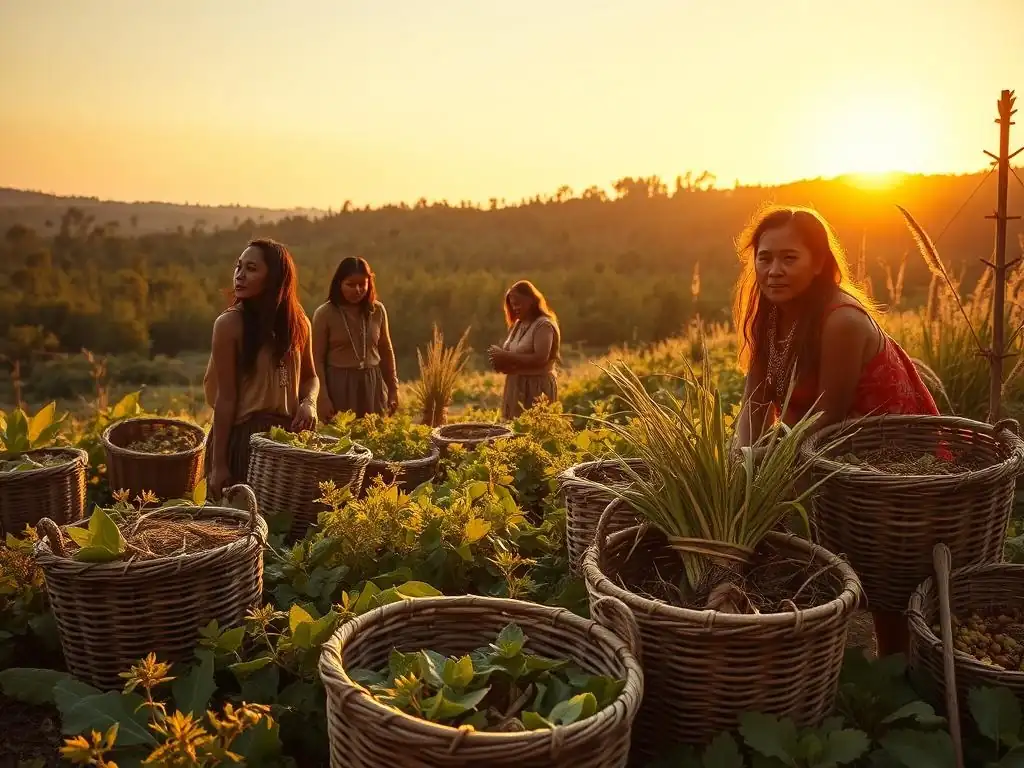
Indigenous environmental stewardship practices have roots that stretch back thousands of years, well before the arrival of European colonizers. These practices were deeply intertwined with the cultural, spiritual, and social frameworks of indigenous communities across the Americas. Understanding the historical context of these practices is crucial for grasping their significance and influence on contemporary sustainable policies.
At the core of indigenous environmental stewardship was a profound respect for the land, which was seen not merely as a resource but as a living entity deserving of care and reverence. Indigenous peoples developed intricate systems of land management that not only ensured the sustainability of their resources but also fostered biodiversity and ecological balance. This approach contrasts sharply with the exploitative tendencies of many later colonial practices.
Pre-Colonization Environmental Management
Prior to European contact, many indigenous groups employed a variety of sophisticated environmental management techniques tailored to their specific ecological contexts. These methods were not only practical but also reflected a holistic worldview that recognized the interconnectedness of all life.
- Agroecology: Many indigenous cultures practiced forms of agroecology that combined agriculture with natural ecosystem management. For example, the Three Sisters planting technique—cultivating corn, beans, and squash together—demonstrated an understanding of companion planting, where each crop supported the others’ growth and health.
- Controlled Burns: Indigenous peoples often used controlled burns to manage forests and grasslands. This practice not only reduced the risk of larger, uncontrolled wildfires but also encouraged the growth of certain plants that were essential for food and medicine.
- Water Management: Ingenious irrigation systems were developed, such as those used by the Hohokam civilization in present-day Arizona, which created extensive canal systems to maximize water use in arid environments.
- Wildlife Management: Various tribes employed sustainable hunting and fishing practices, such as rotational hunting, which allowed populations to recover. The Maya, for instance, practiced agroforestry, integrating agriculture and forestry to sustain wildlife habitats.
These practices were not static; they evolved in response to climatic changes, population dynamics, and ecological feedback. The indigenous understanding of seasonal cycles and biodiversity promoted resilience, allowing communities to thrive in diverse environments.
Key Indigenous Societies and Their Stewardship Techniques
Numerous indigenous societies across the Americas exemplified innovative stewardship techniques that significantly influenced their environments. Here are some key examples:
- The Iroquois Confederacy: Known for their deep connection to the land, the Iroquois implemented the concept of "seventh generation" decision-making. This principle urged leaders to consider the long-term impacts of their actions on future generations, fostering sustainability.
- The Pueblo Peoples: In the Southwestern United States, Pueblo communities cultivated drought-resistant crops and utilized terracing to minimize soil erosion. Their intricate rainwater catchment systems illustrated a profound understanding of hydrology.
- The Anishinaabe: This group practiced wild rice cultivation, which involved careful management of natural wetlands. Their traditional knowledge of the rice's growth cycles demonstrated an intimate relationship with their environment.
- The Inuit: In the Arctic, the Inuit developed sustainable hunting practices that respected animal populations and seasonal changes. Their use of sled dogs for transportation was also a testament to their adaptive strategies in harsh climates.
These examples illustrate that indigenous environmental stewardship practices were diverse and highly adapted to local conditions. The enduring legacies of these techniques underscore the importance of integrating traditional ecological knowledge into modern sustainable governance frameworks, offering valuable insights into achieving environmental resilience.
The historical context and the stewardship techniques of key indigenous societies reflect a rich tapestry of ecological wisdom that remains relevant today. Understanding these practices not only enriches our appreciation of indigenous cultures but also provides essential lessons for contemporary environmental governance.
Core Principles of Indigenous Environmental Stewardship
Respect for Nature and Natural Resources
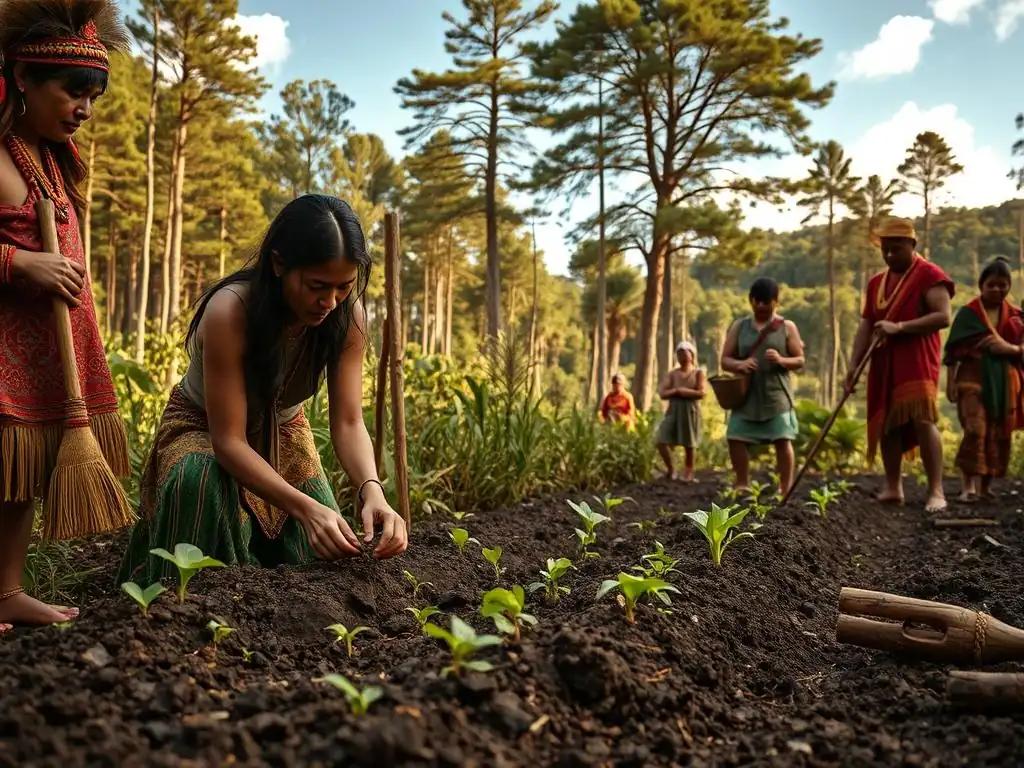
Indigenous environmental stewardship practices are deeply rooted in a profound respect for nature and natural resources. Many indigenous cultures view the environment not merely as a collection of resources to be exploited but as a living entity with which they share a reciprocal relationship. This perspective is grounded in spiritual beliefs and traditional knowledge that emphasize the interconnectedness of all life forms.
For instance, the Ojibwe people of North America integrate their cultural teachings into their environmental practices, recognizing the importance of maintaining balance within ecosystems. They engage in rituals that honor the land and its resources, ensuring that their use is sustainable and respectful. This reverence is reflected in the Ojibwe concept of "Gikinoo’amaadiiwin," which translates to “wisdom from the land.” The teachings derived from their environment guide their decisions, emphasizing the need to protect nature for future generations.
Additionally, many indigenous practices involve traditional ecological knowledge (TEK), which encompasses generations of observations and experiences regarding local ecosystems. This knowledge informs sustainable harvesting methods, seasonal migrations, and the cultivation of native plant species, ensuring that resources are utilized responsibly and with minimal impact on the environment.
Community-Based Governance and Decision Making
A hallmark of indigenous environmental stewardship is the emphasis on community-based governance and decision-making. Many indigenous groups practice a consensus-based approach, where decisions are made collectively, reflecting the values and needs of the entire community. This democratic process fosters accountability and encourages participation from all members, including elders and youth, ensuring that diverse perspectives are considered.
For example, the Maasai community in East Africa has a traditional governance system that emphasizes communal ownership of land and resources. Decisions regarding land use and resource allocation are made collectively during community meetings, where the voices of all members are heard. This inclusive approach not only strengthens community bonds but also enhances the resilience of their governance systems in facing environmental challenges.
Furthermore, indigenous governance often incorporates customary laws that are passed down through generations. These laws guide resource management and environmental protection practices, establishing rules that reflect the sustainable use of natural resources. The involvement of local knowledge and cultural values in governance enhances the effectiveness of environmental stewardship, as decisions are made based on a deep understanding of local ecosystems.
Sustainable Resource Management Practices
Indigenous environmental stewardship practices include a variety of sustainable resource management strategies that have been developed over centuries. These practices are characterized by a holistic understanding of ecosystems and a commitment to maintaining biodiversity.
One prominent example is the agricultural techniques utilized by the Inca civilization, such as terracing and crop rotation. These practices not only maximized agricultural yield but also minimized soil erosion and maintained soil fertility. The Inca's sophisticated understanding of their environment allowed them to cultivate diverse crops adapted to various microclimates, showcasing their commitment to sustainable practices.
Another significant practice is the use of controlled burns, as seen among various indigenous groups in North America, including the California Native Americans. Controlled burning is employed to manage landscapes, promote the growth of certain plant species, and reduce the risk of larger wildfires. This practice illustrates the indigenous understanding of fire as a tool for ecosystem management rather than a destructive force.
Moreover, the principles of polyculture and agroforestry are prevalent in many indigenous farming practices. These approaches encourage the cultivation of multiple species in a single area, fostering biodiversity and resilience against pests and diseases. By diversifying crops, indigenous farmers can ensure food security and maintain the health of the ecosystems in which they operate.
Indigenous environmental stewardship practices are underpinned by core principles that emphasize respect for nature, community governance, and sustainable resource management. These practices not only reflect a deep understanding of local ecosystems but also offer valuable lessons for contemporary environmental governance and sustainable policies.
Case Studies of Indigenous Environmental Stewardship
Exploring the practices of environmental stewardship among indigenous civilizations reveals a wealth of knowledge and sustainable governance that has been cultivated over centuries. Below are two significant case studies: the Haudenosaunee Confederacy and the Maori of New Zealand, both of which exemplify profound indigenous environmental stewardship practices.
Case Study 1: The Haudenosaunee Confederacy and Their Practices
Overview of Practices
The Haudenosaunee Confederacy, also known as the Iroquois Confederacy, consists of six nations: Mohawk, Oneida, Onondaga, Cayuga, Seneca, and Tuscarora. Their environmental stewardship practices are deeply rooted in their cultural beliefs and governance systems. One of the most notable practices is the Great Law of Peace, which emphasizes the interconnectedness of all living things and the importance of making decisions that benefit future generations.
Key elements of their environmental stewardship include:
- Sustainable Agriculture: The Haudenosaunee practiced a form of agriculture known as the "Three Sisters," which involves planting corn, beans, and squash together. This method not only maximizes yield but also promotes soil health by allowing the plants to support each other.
- Forest Management: They employed selective logging and controlled burns to manage forests, ensuring that they maintained biodiversity and prevented wildfires.
- Water Conservation: The Haudenosaunee maintained clean water sources by observing natural water cycles and respecting riparian zones, which are critical for aquatic ecosystems.
Impact on Local Ecosystem
The environmental practices of the Haudenosaunee have had a lasting impact on their local ecosystems. Through their agricultural techniques, they enhanced soil fertility and supported the growth of diverse plant species. Their forest management practices contributed to healthier forests, which in turn supported a wide range of wildlife.
These practices have fostered resilience within ecosystems, allowing them to adapt to changes over time. The principles of sustainability embedded within their governance have led to a balanced relationship with nature that continues to inspire contemporary environmental movements.
Case Study 2: The Maori of New Zealand's Approach
Overview of Practices
The Maori people of New Zealand have a rich tradition of environmental stewardship, encapsulated in the concept of kaitiakitanga, which translates to guardianship. This principle governs their relationship with the land, waterways, and natural resources, emphasizing respect and responsibility.
Key practices include:
- Marine Management: The Maori utilize traditional fishing methods that prioritize sustainability, such as rahui, which are temporary restrictions on fishing in certain areas to allow ecosystems to recover.
- Forest Conservation: They implement sustainable harvesting methods, ensuring that only what is necessary is taken from the forest, allowing for regeneration and maintaining biodiversity.
- Cultural Restoration Projects: The Maori engage in projects that restore native plants and species, reviving traditional ecological knowledge and practices that had been lost or diminished.
Long-Term Sustainability Outcomes
The long-term outcomes of Maori environmental stewardship are evident in the health of New Zealand's ecosystems. Their approach to kaitiakitanga has led to the revival of native species and significant improvements in the biodiversity of both terrestrial and marine environments.
Furthermore, these practices have sparked a broader movement towards recognizing indigenous governance in environmental policy-making. The integration of Maori perspectives into national policies has led to more comprehensive approaches to conservation and sustainability, which recognize the value of traditional knowledge and practices in addressing contemporary environmental challenges.
Through these case studies, it is clear that indigenous environmental stewardship practices have not only shaped their respective ecosystems but have also laid the groundwork for sustainable governance models that can inform current and future policies worldwide.
Comparative Analysis of Indigenous Practices and Modern Policies

Similarities Between Indigenous Stewardship and Contemporary Environmental Policies
Indigenous environmental stewardship practices have long been recognized for their sustainable approaches to land management and resource utilization. This historical context reveals several key similarities with contemporary environmental policies that seek to address ecological concerns.
- Holistic Understanding of Ecosystems: Both Indigenous practices and modern policies emphasize a holistic understanding of ecosystems. Indigenous peoples traditionally view the land, water, and air as interconnected systems, a perspective mirrored in modern ecological science. For instance, the recognition of biodiversity's importance in maintaining ecological balance aligns with Indigenous beliefs about the sacredness of all living entities.
- Community Involvement and Local Knowledge: Indigenous governance often prioritizes community involvement and local knowledge in decision-making processes. Similarly, contemporary environmental policies increasingly advocate for stakeholder engagement and community-based approaches. Programs that encourage local input in environmental assessments reflect this similarity. For example, initiatives that integrate traditional ecological knowledge (TEK) into conservation strategies highlight the value of Indigenous wisdom.
- Sustainable Resource Management: Indigenous environmental stewardship practices prioritize sustainable resource management, aiming to minimize harm to the environment while meeting community needs. This aligns with modern sustainability goals that encourage the responsible use of resources. Policies promoting renewable energy and sustainable agriculture echo Indigenous practices of using resources in a way that ensures their availability for future generations.
Differences in Approaches to Governance and Sustainability
While there are notable similarities, significant differences exist between Indigenous stewardship practices and contemporary environmental policies, particularly in governance structures and sustainability approaches.
- Decision-Making Processes: Indigenous governance often operates on principles of consensus and communal decision-making, where the voices of all community members are considered. In contrast, modern environmental policies can be influenced by bureaucratic structures that may prioritize efficiency over inclusivity. This difference can lead to a disconnect between policy implementation and community needs.
- Temporal Perspectives: Indigenous stewardship practices are rooted in long-term sustainability, often guided by centuries of ecological knowledge. Modern policies, however, may be short-term focused, driven by immediate economic or political pressures. This can result in unsustainable practices that prioritize profit over ecological health, undermining the foundational principles of stewardship.
- Legal Recognition and Rights: Indigenous environmental stewardship often exists within a framework that is not fully recognized by contemporary legal systems. Many Indigenous communities fight for recognition of their land rights and sovereignty, which impacts their ability to implement and govern sustainable practices. In contrast, modern policies are typically enacted within established legal frameworks that may not accommodate Indigenous rights and practices.
Lessons Learned from Indigenous Environmental Stewardship
The examination of Indigenous environmental stewardship practices provides valuable lessons for contemporary governance and sustainability efforts.
- Integration of Traditional Knowledge: Modern policies can benefit from integrating traditional ecological knowledge (TEK) into environmental management. TEK offers insights into sustainable practices that have been honed over generations, providing a complementary approach to scientific data. For example, Indigenous fire management techniques have been recognized for their effectiveness in preventing wildfires and promoting biodiversity.
- Emphasis on Relationship with Nature: Indigenous practices emphasize a relational understanding of nature, fostering a sense of responsibility and stewardship. This paradigm shift towards seeing humans as part of the ecosystem rather than separate from it can influence environmental policies to adopt more sustainable practices and community-oriented approaches.
- Resilience through Diversity: Indigenous communities often maintain diverse agricultural systems and practices that enhance resilience against climate change. This principle of diversity can be applied to modern agricultural and environmental policies, promoting biodiversity as a key strategy for sustainability.
The comparative analysis of Indigenous environmental stewardship practices and contemporary policies reveals a wealth of insights that can inform sustainable governance. By recognizing similarities, addressing differences, and learning from Indigenous practices, modern societies can move towards more effective and inclusive environmental stewardship.
Challenges Facing Indigenous Environmental Governance Today

Impact of Colonization on Traditional Practices
The arrival of European colonizers had a profound impact on indigenous environmental stewardship practices, often leading to the erosion of traditional knowledge systems and governance structures. Colonization disrupted established relationships between indigenous peoples and their environments, resulting in the loss of land, resources, and cultural practices essential for sustainable living. This disruption can be observed in several key areas:
- Displacement and Land Loss: Indigenous communities were frequently forcibly removed from their ancestral lands, which were often vital for their survival and cultural identity. This displacement not only severed their connection to the land but also restricted their ability to implement traditional stewardship practices.
- Introduction of Non-Sustainable Practices: Colonizers often introduced agricultural and industrial practices that were incompatible with indigenous methods. This shift not only degraded the environment but also undermined the indigenous systems that had evolved over centuries to maintain ecological balance.
- Cultural Assimilation Policies: Many colonial governments implemented policies aimed at assimilating indigenous populations into Western culture, which often included discouraging or outright banning traditional ecological knowledge. This led to a generational gap in understanding and practicing indigenous stewardship methods.
The consequences of colonization are still evident today, as many indigenous communities struggle to reclaim their traditional practices and restore their roles as stewards of the land.
Modern Environmental Threats to Indigenous Lands
In recent years, indigenous communities have faced numerous modern environmental threats that jeopardize their lands and traditional practices. These threats include:
- Resource Extraction: Mining, fossil fuel extraction, and deforestation have become prevalent on indigenous lands, often conducted without consent. These activities not only harm the environment but also violate the rights of indigenous peoples, further marginalizing their voices in governance.
- Climate Change: Indigenous territories are particularly vulnerable to the impacts of climate change, including altered weather patterns, rising sea levels, and loss of biodiversity. These changes threaten traditional livelihoods and food security, challenging indigenous peoples to adapt while preserving their cultural practices.
- Pollution: Industrial activities often lead to pollution of water and soil, severely affecting the health of indigenous communities and their ecosystems. Contaminated resources compromise traditional food sources and medicinal plants, which are integral to indigenous cultures.
Addressing these threats requires robust governance frameworks that recognize and incorporate indigenous knowledge and practices.
The Role of Indigenous Voices in Contemporary Environmental Policy
As global awareness of environmental issues grows, the role of indigenous voices in shaping contemporary environmental policy has become increasingly recognized. Indigenous environmental stewardship practices offer valuable insights into sustainable governance, which can inform modern policy-making. Key aspects of this involvement include:
- Advocacy and Legal Rights: Indigenous leaders and organizations have mobilized to advocate for their rights and the recognition of their stewardship practices. Legal frameworks, such as the United Nations Declaration on the Rights of Indigenous Peoples (UNDRIP), support the inclusion of indigenous voices in environmental governance.
- Collaboration with Governments: Increasingly, governments are recognizing the importance of partnering with indigenous communities to address environmental challenges. Collaborative initiatives, such as co-management of natural resources, leverage traditional knowledge and practices to develop more sustainable policies.
- Innovative Solutions: Indigenous environmental stewardship practices often prioritize harmony with nature, offering innovative solutions to contemporary environmental issues. By integrating traditional ecological knowledge with modern science, indigenous communities can contribute to effective conservation strategies and climate resilience.
Indigenous voices are crucial in shaping a sustainable future, ensuring that environmental policies respect the rights and knowledge of those who have historically been the guardians of the land.
Future of Indigenous Environmental Stewardship Practices
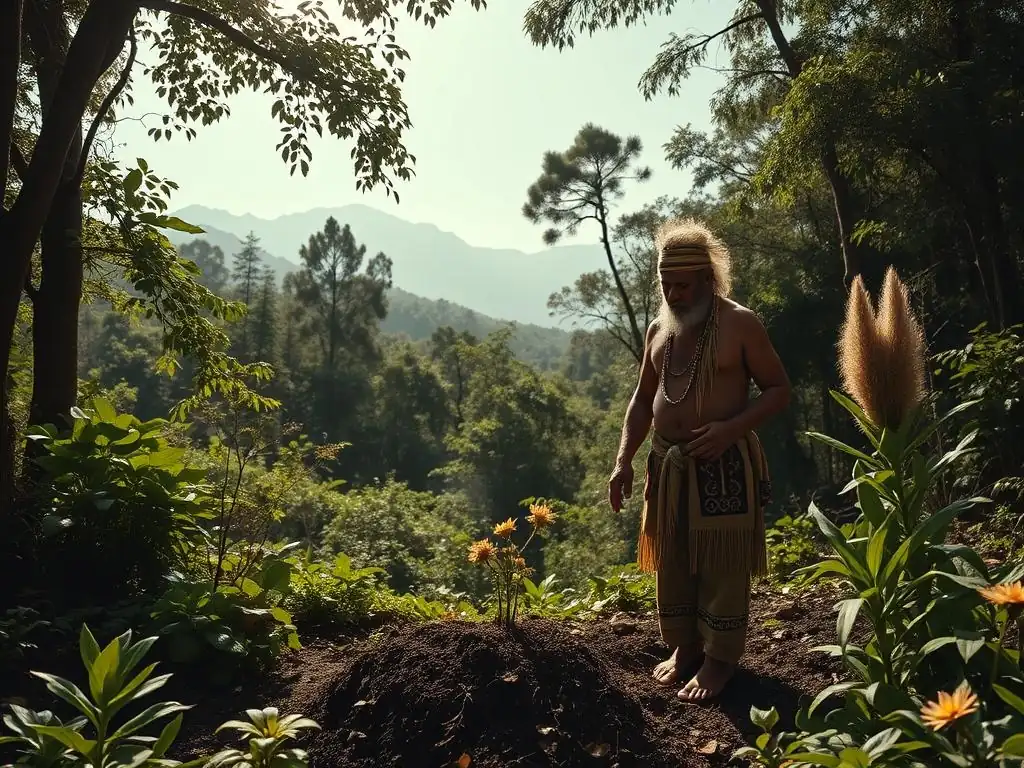
Revitalizing Traditional Practices in Modern Governance
Indigenous environmental stewardship practices have long been rooted in a profound understanding of local ecosystems, emphasizing sustainable resource management and ecological balance. As contemporary governance seeks to address urgent environmental issues such as climate change and biodiversity loss, there is a growing recognition of the value of these traditional practices.
One significant aspect of revitalizing traditional practices involves the integration of Indigenous knowledge systems into modern policy frameworks. For example, many Indigenous communities have utilized fire management techniques for centuries to maintain healthy ecosystems. These practices can serve as effective tools in modern wildfire management strategies, promoting resilience in the face of climate change.
Furthermore, initiatives such as Indigenous Protected and Conserved Areas (IPCAs) are gaining traction. By allowing Indigenous peoples to manage these lands according to their traditional knowledge, we see a potential renaissance in biodiversity conservation that respects cultural heritage while enhancing ecological outcomes.
Incorporating Indigenous environmental stewardship practices into modern governance not only fosters greater ecological sustainability but also promotes cultural revitalization, allowing Indigenous communities to reclaim and maintain their ancestral practices.
Collaborative Efforts Between Indigenous Communities and Governments
Collaboration between Indigenous communities and governments is essential for the successful implementation of Indigenous environmental stewardship practices. Such partnerships can lead to innovative governance models that respect Indigenous rights while addressing environmental challenges.
One notable example is the Collaborative Management Agreements where Indigenous groups work alongside federal and state governments to manage natural resources. These agreements often lead to shared decision-making processes that honor Indigenous sovereignty and incorporate traditional ecological knowledge. As a result, policies are more likely to reflect the ecological realities of the land, leading to more effective outcomes.
Additionally, educational programs that raise awareness about the importance of Indigenous environmental stewardship can foster mutual respect and understanding. Initiatives that involve joint research projects, workshops, and community engagement can empower both Indigenous peoples and government officials to work towards common environmental goals.
The success of these collaborations hinges on the recognition of Indigenous peoples as equal partners in environmental governance, allowing their voices and knowledge to shape policies that affect their lands and resources.
Potential for Global Application of Indigenous Stewardship Principles
The principles of Indigenous environmental stewardship are not only relevant to local contexts but also hold potential for global application. As the world grapples with environmental crises, there is an increasing interest in how Indigenous practices can inform sustainable development and ecological governance globally.
For instance, the UN Declaration on the Rights of Indigenous Peoples emphasizes the importance of Indigenous knowledge in achieving sustainable development goals. Countries around the world are beginning to recognize the role of Indigenous stewardship in addressing climate change, protecting biodiversity, and promoting sustainable land use.
By studying and implementing Indigenous environmental stewardship practices, nations can enhance their environmental policies in a way that is culturally sensitive and ecologically effective. Examples include revitalizing communal land management systems, which have shown to provide resilience against climate impacts, and promoting biocultural conservation initiatives that integrate cultural and biological diversity.
The potential for global application is vast, as Indigenous stewardship principles can offer fresh insights into sustainable practices that are in harmony with nature, ultimately contributing to a more sustainable future for all.
Indigenous environmental stewardship practices are not merely historical relics but living traditions that can play a vital role in shaping sustainable policies for future generations. By revitalizing these practices in modern governance, fostering collaborative efforts, and exploring their global applications, we can forge a path towards a more sustainable and equitable world.
Conclusion
The Lasting Impact of Indigenous Environmental Stewardship on Sustainability Policies
Indigenous environmental stewardship practices have long been integral to the management and preservation of natural resources across the Americas. These practices are not only reflective of deep-rooted cultural values but also illustrate sophisticated knowledge systems developed over centuries. For instance, many indigenous communities employed agroecological methods, which emphasized biodiversity and polyculture, fostering resilience in agricultural systems.
Indigenous practices such as controlled burns, used by tribes like the Plains Indians, demonstrated an advanced understanding of ecosystems. These intentional fires promoted new growth, prevented larger wildfires, and maintained the health of the land. The results were evident in improved soil fertility and increased wildlife populations, showcasing an early form of sustainable land management.
Moreover, the governance structures within indigenous societies often emphasized communal decision-making and accountability to the environment. For example, the Iroquois Confederacy's Great Law of Peace included principles that mandated the protection of natural resources for future generations—concepts that resonate with modern sustainability frameworks. This governance model underscored a holistic view of nature, where humans are seen as stewards rather than owners of the land.
As contemporary societies grapple with environmental challenges, the integration of indigenous environmental stewardship practices into modern sustainability policies offers valuable insights. These practices underscore the importance of local knowledge and cultural perspectives in crafting effective governance frameworks. The United Nations Declaration on the Rights of Indigenous Peoples (UNDRIP) advocates for the recognition of indigenous rights, emphasizing the need to incorporate traditional ecological knowledge into environmental policies.
Call to Action for Recognizing Indigenous Governance in Environmental Frameworks
To advance sustainable practices globally, it is crucial that policymakers recognize and incorporate indigenous governance systems that have historically contributed to environmental stewardship. This can be achieved through various means:
- Engagement: Foster partnerships with indigenous communities to co-develop environmental policies.
- Education: Promote awareness of indigenous practices and their benefits in sustainability curricula.
- Legislation: Advocate for legal frameworks that empower indigenous rights and resource management.
By actively involving indigenous voices in environmental governance, societies can develop more holistic and effective strategies for sustainability.
Embracing indigenous environmental stewardship practices not only honors the rich cultural heritage of these communities but also paves the way for innovative and sustainable solutions to contemporary environmental challenges. The time is now for a collaborative approach that values diverse perspectives in governance and stewardship of our planet.
Frequently Asked Questions
What are indigenous environmental stewardship practices?
Indigenous environmental stewardship practices refer to traditional methods used by indigenous peoples to manage and conserve their natural resources, fostering sustainability and biodiversity.
How did indigenous practices influence modern sustainability policies?
Indigenous practices have provided valuable insights that shape modern sustainability policies by emphasizing holistic approaches and the importance of community involvement in environmental governance.
What role did governance play in indigenous societies?
Governance in indigenous societies was rooted in communal decision-making and respect for nature, ensuring that environmental practices were sustainable and adhered to cultural values.
Why is it important to study indigenous environmental practices today?
Studying these practices is crucial for understanding sustainable development and conservation, as they offer time-tested strategies for managing ecosystems while promoting cultural heritage.
How can we integrate indigenous practices into contemporary environmental policies?
Integrating indigenous practices involves collaboration with indigenous communities, respecting their knowledge systems, and ensuring their participation in policy-making to promote effective environmental stewardship.
Final Reflection: The Enduring Legacy of Indigenous Environmental Stewardship Practices
The profound connection between Indigenous environmental stewardship practices and contemporary sustainable policies is more relevant today than ever. As we face escalating climate challenges and environmental degradation, the wisdom embedded in Indigenous practices offers invaluable insights into sustainable living. These practices not only highlight the importance of harmony with nature but also challenge us to rethink our relationship with the environment.
Indigenous environmental stewardship practices have significantly influenced our cultural and social landscape, fostering a deeper appreciation for ecological balance and community-driven governance. The integration of these practices into modern policies serves as a reminder of the importance of traditional knowledge in addressing contemporary issues. We do not inherit the earth from our ancestors; we borrow it from our children.
This quote encapsulates the essence of Indigenous stewardship, emphasizing the responsibility we share in preserving the planet for future generations.
As we reflect on the lessons learned from Indigenous environmental stewardship, let us commit to integrating these principles into our daily lives and communities. I invite you to consider how you can embody these practices in your own actions, whether through supporting sustainable initiatives, advocating for Indigenous rights, or simply fostering a greater respect for nature. Together, we can honor the legacy of Indigenous wisdom and work towards a more sustainable and equitable future for all.
Embrace Indigenous Wisdom for a Sustainable Tomorrow!
Thank you for taking the time to explore the significant impact of Indigenous practices on environmental stewardship and governance! You've uncovered valuable insights into sustainable policies that can guide our efforts in preserving our planet. Now, it's time to put that knowledge into action!
Here are some steps to connect further with this vital theme:
- Engage with Local Indigenous Communities: Reach out and learn about their sustainable practices—consider attending workshops or community events to deepen your understanding.
- Share Your Learning: Spread the word! Post about the insights you gained on social media and encourage others to recognize the importance of Indigenous knowledge in fostering a sustainable future.
- Explore Indigenous-Led Initiatives: Investigate local organizations focused on Indigenous environmental practices. Volunteering or providing support can lead to meaningful contributions.
Which Indigenous practice resonates most with you, and how do you envision integrating it into your life or community? Let's start the conversation!