
Guides and Resources
Explore the rich heritage of the Americas with our curated Guides and Resources, designed to deepen your understanding of Indigenous civilizations. From culturally rich home decor that honors ancestral artistry to must-read books that illuminate complex histories, this hub connects you with authentic knowledge and practical tools. Discover Indigenous-inspired fashion brands that celebrate living traditions, learn the ethical nuances of collecting and understanding artifacts, and gear up with essential equipment for exploring archaeological sites. Whether you're a student, collector, or curious traveler, these resources empower you to engage respectfully and knowledgeably with the enduring legacy of Native peoples. Uncover the stories behind the objects, texts, and places that define a vibrant, resilient past—and present.
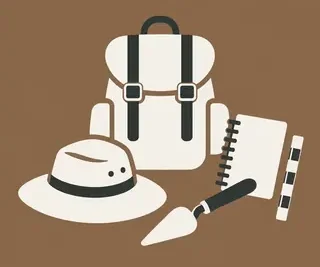 Essential Gear for Exploring Archaeological Sites
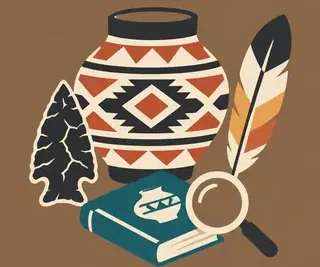 A Guide to Collecting and Understanding Indigenous Artifacts
 Spotlight on Indigenous-Inspired Fashion Brands
 Must-Read Books on Indigenous Histories
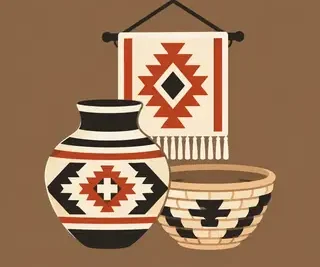 Where to Find Culturally Rich Home Decor
Guides and Resources: Deepen Your Journey into Indigenous Americas
Welcome to our curated hub of Guides and Resources, designed to help you connect meaningfully with the rich heritage of the Americas' first peoples. Whether you're a collector, reader, traveler, or conscious consumer, these resources bridge respectful appreciation with practical knowledge. Explore authentic decor, foundational books, ethical fashion, artifact collecting, and expedition gear—all vetted to honor indigenous legacies.
🌿 Where to Find Culturally Rich Home Decor
Transform your living space with items that tell stories of resilience and artistry. Look for certified Indigenous-owned marketplaces like Bienala, Oaxacan folk art co-ops, and platforms such as Indigenous Fashion Arts for textiles, pottery, and weavings. Prioritize sellers who share provenance and use traditional techniques, ensuring your purchase supports living communities, not just aesthetics.
📚 Must-Read Books on Indigenous Histories
Begin with Charles Mann's 1491 for a sweeping revisionist view, then dive into Roxanne Dunbar-Ortiz's An Indigenous Peoples' History of the United States for critical perspective. For the Amazon, read The Lost City of Z for a cautionary tale, but pair it with indigenous-authored works like Braiding Sweetgrass by Robin Wall Kimmerer. These titles offer depth beyond colonial narratives.
👗 Spotlight on Indigenous-Inspired Fashion Brands
Distinguish between cultural appropriation and appreciation. Look for brands like Indigenous Couture by Pamela Baker (Cree), B.Yellowtail (Crow) blending modern design with ancestral motifs, and Ginew (Ojibwe/Mohawk) for durable denim. Always verify that artists directly benefit and that patterns are used with permission, celebrating rather than exploiting heritage.
🗿 A Guide to Collecting and Understanding Indigenous Artifacts
Responsible collecting begins with legal provenance and ends with education. Understand that many artifacts are sacred; avoid grave goods or items taken illegally. Instead, collect modern reproductions or legally permitted trade items like Hopi kachina carvings or Zuni fetishes with certificates. Learn to identify authentic patina, tool marks, and regional styles through museum catalogs.
⛏️ Essential Gear for Exploring Archaeological Sites
Pack like a professional: a GPS device with offline maps, a hand lens (10x) for examining pottery shards, a dip net for river finds (where legal), and a field notebook for sketching layouts. Wear sturdy hiking boots with ankle support and a sun hat. Always carry a permit if required, and leave every stone in place—the site belongs to all humanity.
Frequently Asked Questions
How do I verify that a piece of indigenous decor is authentic?
Look for a certificate of authenticity, an artist signature or hallmark, and direct communication with the seller. Cross-check the artist's name on tribal registries or craft guilds. Avoid pieces with vague origin stories or suspiciously low prices. Reputable platforms like Etsy with "Indigenous-owned" filters help, but always ask for photos of the creation process.
Are there any books that correct common myths about pre-Columbian civilizations?
Yes, Charles Mann's 1491 debunks the "pristine wilderness" myth, showing sophisticated landscapes managed by millions. The Native Roots of Modern America by Jack Weatherford highlights indigenous contributions to government and agriculture. For Mesoamerica, Michael Coe's Mexico offers rigorous chronology. Pair these with first-person narratives from respected elders for balanced understanding.
What is the safest way to buy indigenous-inspired fashion without causing harm?
Prioritize brands that explicitly state "Indigenous-owned" and show profit-sharing agreements. Avoid generic "tribal print" items from fast-fashion retailers. Ask about the sourcing of symbols—if a design is sacred (like Plains war bonnets), it should not be commodified. Support micro-labels via Instagram or Native American business directories, and read reviews from community members.
Can I legally own ancient indigenous artifacts found on my property?
Laws vary widely. In the U.S., the Native American Graves Protection and Repatriation Act (NAGPRA) protects remains, funerary objects, and sacred items—even on private land. For unprovenanced artifacts on public land, the Archaeological Resources Protection Act prohibits removal. Always check state laws and contact a tribal historic preservation officer before disturbing anything. When in doubt, leave it buried and report finds.
What gear is essential for a first-time visitor to an archaeological site?
Start with a daypack containing water, insect repellent, and a first-aid kit. Bring a camera with zoom (never touch artifacts) and a map of the official trail. Wear high-traction shoes, long pants, and gloves for climbing. A UV-protective shirt and wide-brim hat are crucial in desert climates. Most importantly, pack out all trash and leave all stones, seeds, and fragments exactly as found—respect is the primary gear.