Must-Read Books on Indigenous Histories: Your Essential Reading List
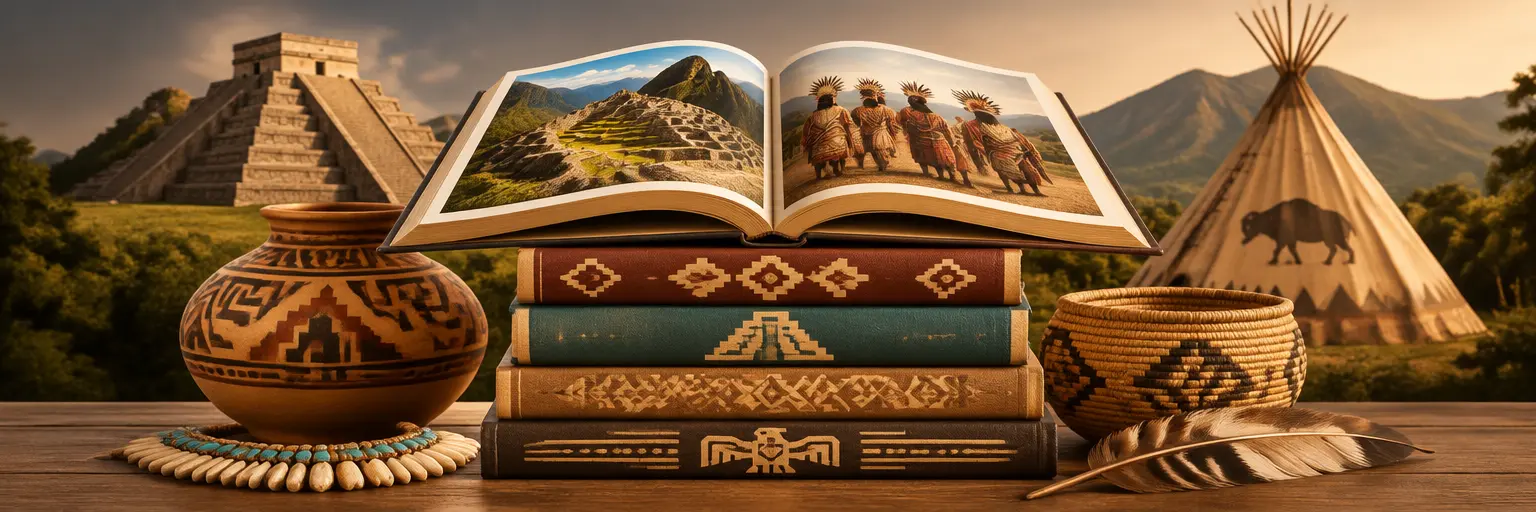
Dive into a curated selection of transformative works that illuminate the rich, complex, and often untold stories of Indigenous peoples across the Americas. These books—spanning pre-Columbian civilizations, colonial encounters, and contemporary resilience—offer authoritative scholarship, firsthand narratives, and critical perspectives. Whether you’re a student, educator, or lifelong learner, this guide helps you navigate the best historical accounts, memoirs, and academic studies to deepen your understanding of Indigenous sovereignty, culture, and survival. Explore our top picks below, each chosen for its depth, accuracy, and accessibility.
📜 Foundational Texts on Pre-Columbian Civilizations
Begin your journey with landmark works that reconstruct the grandeur and sophistication of Indigenous societies before 1492. Books like 1491: New Revelations of the Americas Before Columbus by Charles C. Mann challenge outdated myths, presenting advanced agriculture, urban planning, and scientific knowledge. These texts synthesize archaeology, anthropology, and oral traditions to reveal civilizations like the Maya, Aztec, and Inca as dynamic, interconnected worlds. Expect vivid descriptions of monumental cities, intricate calendars, and complex trade networks.
For a deeper dive, consider The Classic Maya by Stephen D. Houston and Takeshi Inomata, which provides a rigorous yet readable account of Maya political and ritual life. You’ll uncover how Indigenous knowledge systems—from astronomy to hydrology—were far more advanced than previously acknowledged. These foundational reads set the stage for understanding not just what was lost, but what continues to shape modern Indigenous identities and territorial claims.
🏹 Colonial Encounters and Resistance Narratives
This subcategory features gripping accounts of first contact, conquest, and Indigenous agency. The Conquest of New Spain by Bernal Díaz del Castillo offers a soldier’s eyewitness perspective, while The Broken Spears by Miguel León-Portilla presents the Aztec viewpoint through native codices and poetry. These books emphasize that Indigenous peoples were not passive victims but active negotiators, warriors, and diplomats. You’ll learn about strategic alliances, cultural adaptations, and moments of fierce resistance that shaped colonial borders and policies.
Contemporary scholarship, such as Native Nations: A Millennium in North America by Kathleen DuVal, reframes colonial history as a story of persistent sovereignty and adaptation. These narratives are essential for grasping how Indigenous laws, trade, and diplomacy challenged European expansion. Expect nuanced discussions of gender roles, religious syncretism, and the long-term legal battles over land rights that continue today—making these reads vital for understanding current Indigenous political movements.
🌎 Oral Histories and Indigenous-Led Research
Prioritize works authored or co-authored by Indigenous scholars and communities, which center lived experience and traditional knowledge. An Indigenous Peoples’ History of the United States by Roxanne Dunbar-Ortiz offers a powerful counter-narrative, while Braiding Sweetgrass by Robin Wall Kimmerer weaves scientific and Indigenous wisdom about ecology. These books often incorporate storytelling, ceremonial language, and community-based methodologies, providing insights unavailable in purely academic texts. You’ll learn about intergenerational trauma, resilience, and revitalization efforts in language, art, and governance.
Look for edited volumes like Native American Voices: A Reader or the award-winning Heart of the Land series, which feature essays, poems, and interviews. These works challenge readers to move beyond stereotypes and engage with Indigenous perspectives on history, place, and identity. Expect powerful testimonies about boarding schools, treaty rights, and environmental justice, all framed within a global Indigenous rights context. This is essential reading for anyone seeking to decolonize their understanding of American history.
🔍 Regional Deep Dives: From the Arctic to the Andes
Explore focused studies on specific regions, offering granular detail often missing from broad surveys. For the Pacific Northwest, recommend Indians of the Pacific Northwest by Vine Deloria Jr. and Clifford M. Lytle, while The Aztecs: A Very Short Introduction by David Carrasco provides a compact yet rich overview of Mesoamerican religion and empire. For the Andes, Inca Garcilaso de la Vega’s Royal Commentaries remains a classic, blending Spanish and Inca perspectives. These region-specific books clarify how geography, trade, and warfare produced distinct political systems—from Iroquois confederacies to Amazonian chiefdoms.
Each volume includes maps, chronologies, and glossaries to help you navigate unfamiliar terms and places. You’ll also find case studies on specific nations, such as the Cherokee, Navajo, or Mapuche, highlighting their unique legal battles, cultural revival, and contemporary challenges. Whether you’re planning travel, teaching a unit, or conducting personal research, these deep dives offer authoritative detail that respects local knowledge and scholarship. They also demonstrate the incredible diversity of Indigenous governance and belief systems across the Americas.
🕰️ Contemporary Histories and Sovereignty Movements
Finish your reading list with books that connect the past to present-day Indigenous activism, legal victories, and cultural renaissance. As Long as Grass Grows by Dina Gilio-Whitaker explores the intersections of environmental justice and Indigenous rights, while The Rediscovery of America by Ned Blackhawk reinterprets U.S. history through Indigenous diplomacy. These works analyze landmark cases like the Indian Child Welfare Act, the Dakota Access Pipeline protests, and land back movements. They provide tools for understanding how historical treaties and policies shape modern poverty, health disparities, and sovereignty disputes.
Expect chapters on repatriation of artifacts, language immersion schools, and Indigenous data sovereignty. These books are not just history—they are calls to solidarity, offering actionable insights for allies and policymakers. By reading contemporary histories, you’ll see how Indigenous communities are reclaiming narratives through film, literature, and digital media. This section ensures your knowledge is up-to-date, intersectional, and grounded in the lived realities of over 600 Indigenous nations in the Americas today. It’s the perfect ending to a transformative reading journey.
Frequently Asked Questions
What is the best single book to start learning about Indigenous histories?
For a broad yet accessible introduction, start with 1491 by Charles C. Mann. It challenges common misconceptions and presents the latest archaeological and historical evidence in a lively, non-academic style. If you prefer a Native-authored overview, try An Indigenous Peoples’ History of the United States by Roxanne Dunbar-Ortiz. Both books provide foundational context for further study.
Are there books that focus on Indigenous women’s roles in history?
Yes, several excellent works center Indigenous women. The Woman Who Watches Over the World by Linda Hogan blends memoir and history. For a scholarly approach, read Gender and the Politics of History by Joan Wallach Scott, though a more specific choice is Daughters of the Land by Maria Campbell. Also explore edited collections like Native American Women: A Biographical Dictionary.
Do these books cover both North and South American Indigenous peoples?
Many titles span both continents, but most focus on one region. 1491 covers North, Central, and South America. For South America, seek The Incas by Terence N. D’Altroy. For North America, Native Nations by Kathleen DuVal is excellent. Regional deep dives will ensure balanced coverage of Caribbean, Amazonian, and Arctic peoples.
Are there any must-read memoirs or personal narratives by Indigenous authors?
Absolutely. Braiding Sweetgrass by Robin Wall Kimmerer blends memoir, science, and Indigenous philosophy. The Round House by Louise Erdrich is a novel grounded in historical realities, while Heart Berries by Terese Marie Mailhot offers a powerful contemporary memoir. These works provide personal, emotional entry points to historical trauma and resilience.
How can I verify the accuracy of books on Indigenous history?
Check the author’s background—prefer books by Indigenous scholars or those with explicit community collaboration. Look for citations from primary sources like codices, treaties, and archaeological reports. Cross-reference with academic reviews or tribal-approved educational guides. Also verify publication dates, as research rapidly evolves. Websites like the American Indian Library Association offer vetted reading lists.