From Tools to Textiles: The Diversity of Indigenous Artifacts Explained
🌍 Indigenous artifacts of the Americas reveal the rich tapestry of cultural expression, showcasing everything from intricate tools to vibrant textiles. This…
Read article
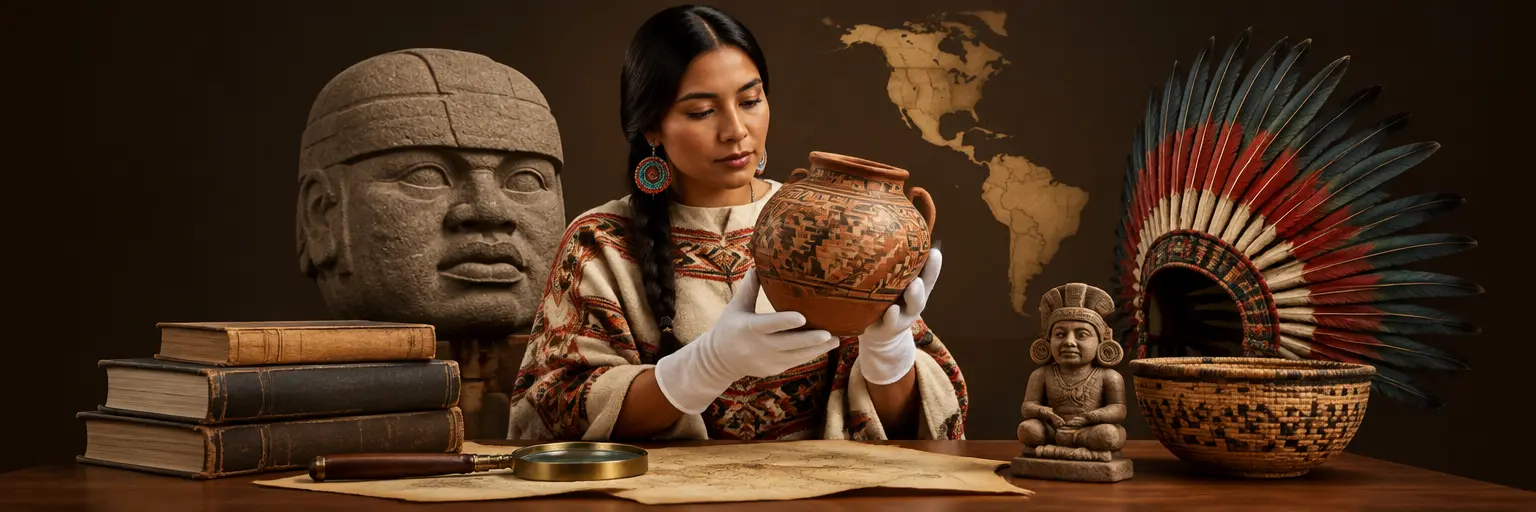
Dive into the rich heritage of the Americas with this essential guide to collecting and understanding Indigenous artifacts. Whether you are a seasoned collector or a curious enthusiast, this resource illuminates the cultural significance, historical context, and ethical considerations behind these remarkable objects. Learn to identify authentic pieces—from pottery and textiles to tools and ceremonial items—while gaining a deeper appreciation for the civilizations that created them. Navigate the complexities of provenance, preservation, and respectful acquisition to ensure your collection honors the enduring legacy of Indigenous peoples. Unlock the stories embedded in each artifact, connecting you to the vibrant traditions that continue to shape our understanding of the past. Perfect for building a mindful, meaningful collection and fostering a true appreciation for Indigenous artistry.
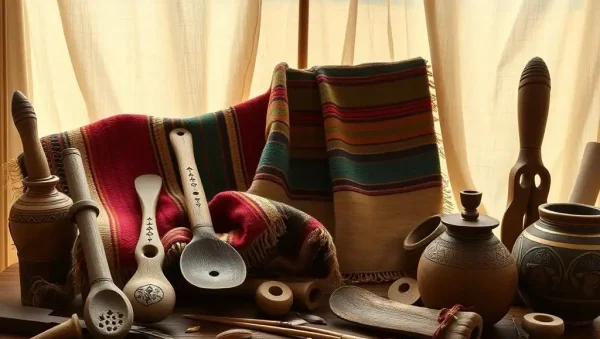
🌍 Indigenous artifacts of the Americas reveal the rich tapestry of cultural expression, showcasing everything from intricate tools to vibrant textiles. This…
Read article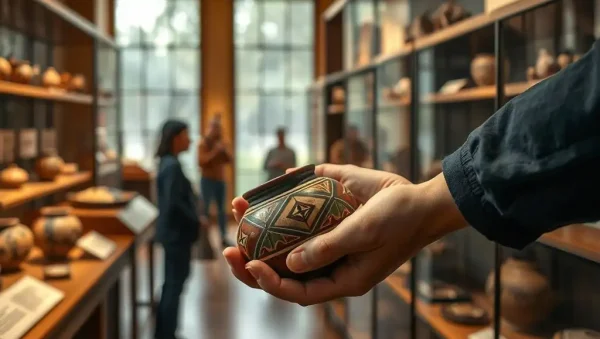
🌍 Preserving indigenous artifacts is crucial for honoring the rich histories of pre-colonial cultures. This article outlines best practices for indigenous artifacts,…
Read article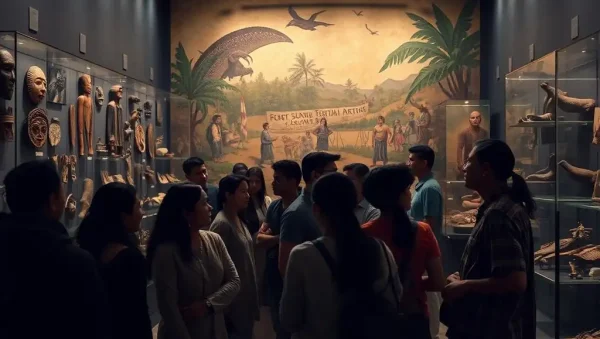
The impact of European colonization on indigenous artifacts is profound, leading to the appropriation and display of these treasures in museums. This…
Read articleWelcome to our dedicated guide on collecting and understanding Indigenous artifacts from the Americas. This subcategory is your trusted resource for ethically navigating the world of pre-Columbian and post-contact objects, from pottery and textiles to stone tools and ceremonial items. Whether you are a seasoned collector, a student of history, or a cultural enthusiast, this section merges archaeological insight with practical collecting advice, ensuring your journey honors the living communities behind these treasures. Learn how to identify authentic pieces, assess their cultural significance, and build a collection that respects Indigenous heritage and legal frameworks.
Authenticating Indigenous artifacts requires a trained eye and a cautious approach. Begin by examining material composition—obsidian, chert, and specific clay types offer clues, while tool marks and wear patterns reveal age. Provenance documentation, including excavation records or museum provenance, is your first line of defense against forgeries. Always cross-reference with scholarly databases and consult tribal or academic experts. Be wary of overly shiny surfaces, perfect symmetry, or suspiciously uniform patinas, as these often signal modern reproduction. Investing in professional appraisal services, like those from university archaeology departments, adds credibility and protects your investment.
Understanding regional styles is equally critical. Maya polychrome ceramics differ sharply from Ancestral Puebloan black-on-white wares, and each carries distinct iconographic meanings. Learn to identify temper, firing techniques, and pigment sources—these cannot be faked easily. For textiles, check for natural dyes and hand-spun fibers, which age differently than synthetics. Digital imaging, including X-ray fluorescence, can detect elemental signatures. Ultimately, authentication is a partnership: engage with Indigenous community knowledge keepers, who often recognize stylistic nuances invisible to outsiders, ensuring your collection celebrates truth rather than commercial myth.
Ethical collecting begins with recognizing that Indigenous artifacts are not mere objects but living cultural property. The Native American Graves Protection and Repatriation Act (NAGPRA) and similar laws in Canada, Mexico, and Peru restrict the sale and trade of certain items. Always request a full chain of custody and avoid any artifact dug from a known burial site or unregistered excavation. Support dealers who practice transparent provenance and reinvest in source communities through royalties or educational grants. Your responsibility extends to not promoting looted goods—when in doubt, walk away and report suspicious listings to authorities.
Beyond legality, ethical practice involves collaboration. Many tribes now offer licensing programs for reproduction and host cultural repositories where collectors can donate or loan items. Consider your collection’s long-term fate: will it end up in a museum or return to its community? Document each piece’s cultural context, including oral histories, ceremonial use, and geographical origins. Avoid decontextualizing artifacts by displaying them without interpretive panels that explain their meaning. By prioritizing stewardship over ownership, you transform your hobby into an act of cultural preservation, earning trust from Indigenous partners and elevating the entire collecting community’s standards.
Indigenous artifacts span daily utilitarian objects, ceremonial regalia, and trade goods. Stone tools—projectile points, grinding stones, and axes—reveal subsistence strategies and regional exchange networks. Pottery serves as a temporal marker, with changes in style indicating migration and political shifts. Textiles, from Andean weavings to Great Lakes quillwork, encode cosmological narratives through pattern and color. Understanding each category’s function helps you contextualize your collection: a metate is not just a bowl but a symbol of women’s labor and maize agriculture, central to Mesoamerican identity.
Ceremonial artifacts, such as effigy pipes, kachina dolls, or feather banners, demand heightened sensitivity, as many remain sacred to living communities. Spiritual efficacy often resides in the object’s creation ritual, not just its visual form. Trade goods, including copper bells, shell beads, or European glass, chart intercultural encounters. By categorizing your pieces, you can better appreciate their interconnections—for instance, a Mississippian shell gorget might share iconography with a Southeastern Ceremonial Complex. Keep a detailed catalogue noting raw materials, dimensions, and cultural origin, which enhances both scholarly value and personal connection.
Each region of the Americas offers distinct artifact traditions shaped by ecology and cosmology. Arctic cultures produced ivory harpoon heads and waterproof gut-skin clothing, adapted to harsh marine environments. The Great Plains featured buffalo-hide tipi covers and quillwork that documented warrior societies. Mesoamerica’s monumental stone sculptures, codices, and jade masks reflect complex state religions. The Andean region excelled in metallurgy—gold tumis, silver discs—and knotted khipu records, which served as accounting systems. The Eastern Woodlands carved shell beads (wampum), serving both currency and treaty purposes.
Amazonian and Caribbean cultures favored featherwork, wood carvings, and basketry, often using plant fibers with intricate geometric designs. These objects highlight sustainable resource use and shamanic beliefs. Recognizing regional traits prevents mislabeling and helps you identify forgeries that mix styles. For example, a ceramic vessel with Maya glyphs but Nazca colors is almost certainly fake. Use comparative plates from authoritative texts like “Art of the Ancient Americas” or museum online databases. Regional knowledge also informs conservation: items from humid climates may need different humidity control than arid-region pieces. Every artifact tells a place-based story; let your study honor that geographic authenticity.
Proper preservation extends an artifact’s life and retains its value. Control light exposure—ultraviolet rays fade pigments and degrade polymers. Maintain stable humidity between 40-60%, avoiding attics or basements with extreme swings. Handle items with cotton gloves, supporting weight-bearing areas to prevent cracking. For ceramics, avoid washing with water; use soft brushes and dry cleaning solutions. Textiles require acid-free tissue and archival boxes, never folded tightly. Stone tools benefit from padded mounts, while metals need anti-tarnish treatments. Always consult a professional conservator for high-value or fragile pieces.
Display strategies should prioritize both aesthetics and safety. Install shelves with museum wax or earthquake putty to secure items. Group pieces by theme—home life, trade, spirituality—to tell coherent stories. Include interpretive labels that cite Indigenous perspectives, not just archaeological jargon. Rotate displays seasonally to reduce light damage and sustain interest. If you lend pieces to exhibitions, ensure lenders provide insurance and climate-controlled transit. Never use water-based adhesives on surfaces; instead, use inert materials like polyethylene foam. By treating your collection as a living educational resource, you honor its creators and inspire others to learn. Regularly document condition changes with dated photographs, aiding insurance claims and future generations.
Genuine artifacts are physically created by Indigenous peoples in historical periods, showing natural wear and original materials. Replicas are modern reproductions, often made for educational or decorative use. Examine for tool marks, patina, and provenance documents. Replicas may be marked “reproduction” but often lack such labels; always buy from reputable dealers with return policies and beware of online auctions with blurry photos.
Legality depends on the item’s origin and age. Under NAGPRA in the U.S., certain Native American cultural items—especially those from burials or sacred sites—are illegal to sell without tribal consent. Similar laws exist in Canada (First Nations) and many Latin American countries. Always request written export permits and verify that the seller has a valid collection history. When in doubt, consult a lawyer specializing in cultural property law.
Regional identification requires studying stylistic traits like motif, material, and shape. For example, Navajo rugs use specific geometric patterns, while Hopi katsina dolls have carved facial features. Compare with museum collections and tribal cultural centers. However, some artifacts are pan-tribal, so attribution may be broader. Always ask the seller for a cultural provenance and cross-check with scholarly articles or tribal heritage departments.
Yes, many museums and tribal heritage centers accept donations, offering tax benefits and preserving your legacy. Contact the institution’s curator to discuss suitability, condition, and documentation. Some tribes may request repatriation of sacred items, which is an ethical and legal priority. Ensure you sign a deed of gift and receive an appraisal for tax purposes. Donating returns stewardship to the community and ensures professional care.
Stop digging and document the find with photos and GPS coordinates. On private land, you may own the item, but consult local laws—some states require reporting. Notify a local archaeologist or university to record the context, as unprovenanced artifacts lose scientific value. If the land is federal or tribal, ownership may belong to the government or tribe. Avoid cleaning or altering the item, and never sell it without legal counsel.