Shopping Sustainably: Ethical Sources for IndigenousInspired Home Decor
🌿 Discover how to enhance your living space with Ethical Indigenous home decor sources that honor the rich traditions of pre-colonial cultures.…
Read article
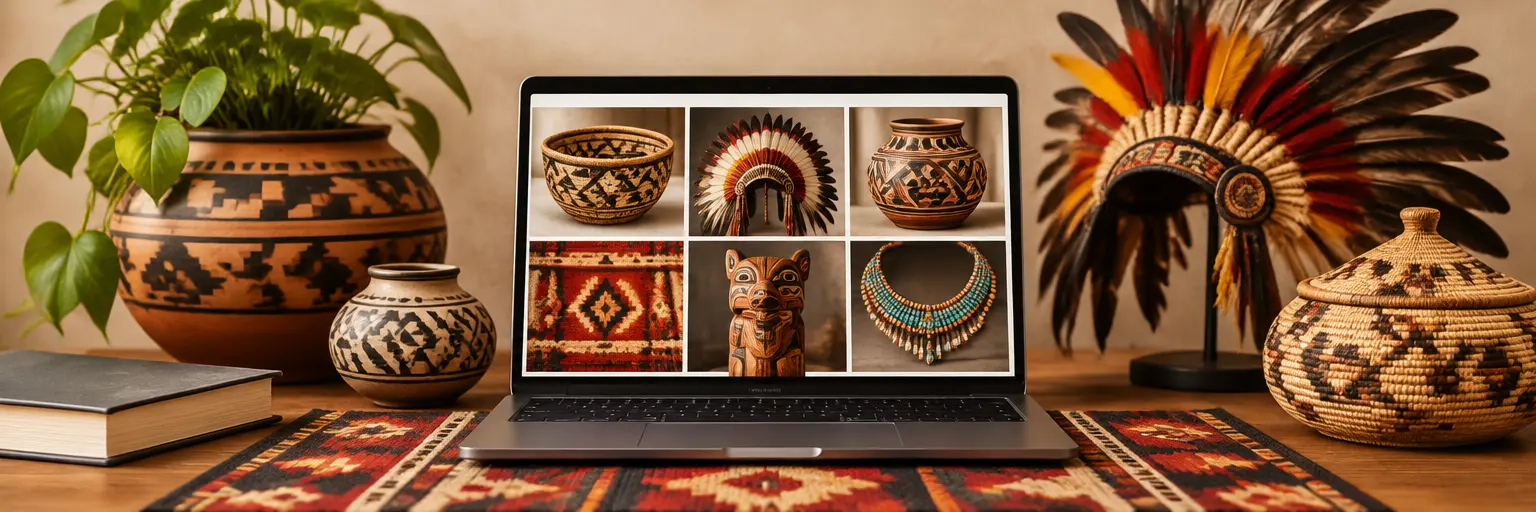
Discover the soul of ancient artistry with our curated guide to culturally rich home decor inspired by the Indigenous civilizations of the Americas. From handwoven textiles and intricate pottery to symbolic carvings and vibrant murals, we navigate authentic sources—including artisan cooperatives, museum gift shops, and fair-trade online marketplaces—so you can adorn your space with meaningful heritage. Embrace the stories behind each piece while supporting living traditions that honor pre-Columbian legacies. Uncover hidden gems that blend aesthetic beauty with profound cultural narratives, turning your home into a gallery of timeless wisdom.
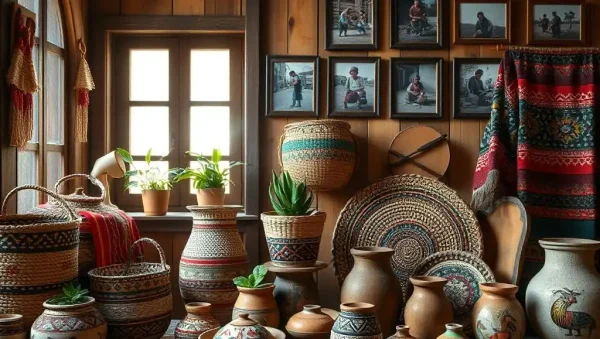
🌿 Discover how to enhance your living space with Ethical Indigenous home decor sources that honor the rich traditions of pre-colonial cultures.…
Read article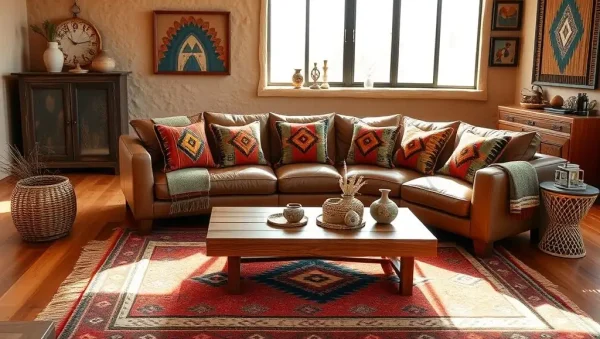
🌟 Discover how to elevate your home with Native American interior design ideas, seamlessly blending traditional craftsmanship and modern aesthetics. Explore vibrant…
Read article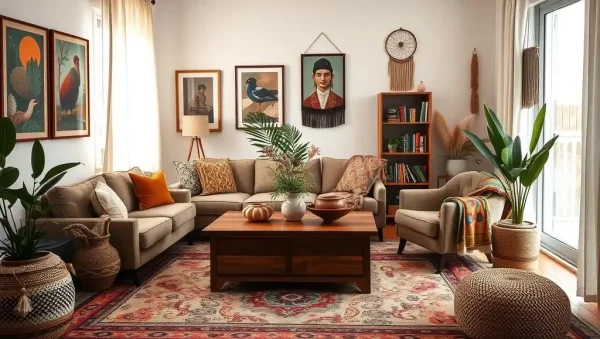
Discover the rich beauty of indigenous home decor ideas that celebrate the artistry and traditions of Native cultures. From vibrant textiles to…
Read articleDecorating your home with culturally rich pieces is more than an aesthetic choice—it’s a way to honor the artistry, history, and resilience of Indigenous civilizations across the Americas. This subcategory guides you through trusted sources, ethical marketplaces, and artisan cooperatives where you can find authentic textiles, pottery, carvings, and weavings that carry deep ancestral meaning. Whether you seek Aztec-inspired patterns, Andean alpaca throws, or Navajo rugs, you’ll learn where to shop responsibly while supporting living Indigenous communities.
Your first stop should be cooperatives directly operated by Indigenous artisans, such as the Oaxacan Woodcarving Collective in Mexico or the Shipibo-Conibo Textile Weavers in Peru. These organizations ensure fair wages and cultural preservation. Look for platforms like Alma de Mi Tierra or Native American Trading Company, which verify provenance and offer storytelling alongside each piece. Expect to find hand-painted ceramics, carved copal wood figures, and vibrant molas from the Guna people—each item carrying symbolic narratives of nature and cosmology.
Shopping here not only secures authentic craftsmanship but also directly fuels community development. Many cooperatives reinvest profits into language revitalization programs and youth apprenticeship initiatives. You’ll also often receive a certificate of authenticity and the artisan’s personal story, turning each purchase into a meaningful connection. This is the gold standard for culturally respectful home decor sourcing.
Etsy and similar global platforms now host dedicated sections for Indigenous-made goods, but you must filter carefully. Look for badges like “Native-Owned” from organizations such as the Indian Arts and Crafts Association (IACA) in the US, or the Authenticity Mark from Canada’s Indigenous Tourism Association. Search specific terms like “Huichol yarn paintings,” “Mapuche silver jewelry,” or “Kuna mola wall art” to avoid mass-produced imitations. A reliable seller will disclose materials, techniques, and the artist’s community.
Before buying, check for clear return policies and customer reviews that mention provenance documentation. Reputable sellers often share behind-the-scenes photos of the creation process. This transparency helps you avoid cultural appropriation—a key ethical concern. By choosing verified sellers, you also combat counterfeit goods that exploit Indigenous designs without benefiting the artists.
Museums like the National Museum of the American Indian (Smithsonian) or the Museo Nacional de Antropología in Mexico City operate gift shops that sell high-quality replicas and original works from contemporary Indigenous artists. These pieces often come with educational plaques explaining their ceremonial or daily uses. Similarly, tribal-owned cultural centers in the US Southwest—such as the Hopi Cultural Center or Zuni Pueblo—offer direct-market pottery, kachina dolls, and woven baskets that you can’t find elsewhere.
Visiting in person allows you to see the texture, smell the woods and dyes, and hear stories from the makers themselves. Many centers also host artist demonstrations and annual markets where you can commission custom works. The added benefit is your visit supports local economies and cultural tourism, ensuring these traditions thrive for future generations. Even if you can’t travel, many of these centers now offer online catalogs with detailed origin stories.
True cultural richness lies in how items are made. Look for decor using natural, locally-sourced materials like chogui (a high-altitude grass) from the Andes for mats, or maguey fiber from Mexico for rugs. Traditional techniques—such as backstrap weaving, coil pottery, or featherwork replication—aren’t just crafts; they’re living knowledge systems. When a piece is described, note whether it uses plant-based dyes (indigo, cochineal, walnut) rather than synthetic equivalents. This distinction often signifies a deeper cultural connection and environmental stewardship.
Purchasing such items also helps preserve endangered craft traditions. For instance, the Wounaan people of Panama create intricate tagua nut carvings that mimic animal forms—a skill passed down for millennia. By choosing sustainably sourced pieces, you support biodiversity and reduce demand for resource-intensive production. Always ask sellers about material origins and whether they follow fair-trade practices. This elevates your decor from simple ornament to a conscious act of cultural preservation.
Each region of the Americas produces distinctive décor that reflects its environment and cosmology. From the Navajo geometric rugs and sandpainting-inspired wall hangings of the Southwest, to the Inca chicha-decorated ceramic beakers in Peru, or the Taino stone carvings from the Caribbean—knowing these differences helps you select pieces that align with your aesthetic and respect their origins. Research the symbolism: for example, the Shipibo people’s geometric patterns represent the visual songs of healing shamans, not mere decoration.
This knowledge also prevents you from mixing sacred items inappropriately. For instance, a Pueblo prayer feather should be displayed respectfully, not as a casual trinket. Understanding the cultural context allows you to share the story behind each piece with guests, enhancing your home’s ambiance. Online resources like the Journal of Indigenous Design and university ethnoarchaeology databases offer free guides to help you become a responsible collector.
Look for certification from recognized bodies like the IACA (US) or the Authenticity Mark (Canada). Directly ask sellers for the artist’s name, community, and photos of the creation process. Trusted platforms often include a “Story Behind the Item” section. If the price seems too low for handcrafted work, it’s likely mass-produced.
Generally, avoid buying items meant strictly for ceremonial use, like Navajo sandpainting replicas or Hopi kachina dolls with restricted meanings. Opt instead for functional decor like rugs, baskets, or pottery. When in doubt, ask the artisan directly—they’ll guide you on what’s respectfully shareable.
Prices vary widely: a small Oaxacan pottery piece might start at $30, while a large Andean handwoven rug can exceed $500. Be prepared to pay for artisan labor—fair trade pricing often reflects hours of skilled work. Expect to spend more for museum-quality or commissioned pieces.
Yes, consider purchasing digital art prints, attending virtual weaving workshops, or commissioning custom designs that use traditional motifs in contemporary forms. Many cooperatives also offer donation options or patron-styled memberships that fund community projects.
Natural fibers like alpaca or cotton need gentle hand washing with mild soap, while ceramics should be dusted dry and kept away from constant humidity. Always follow the artisan’s care card. Display pieces away from direct sunlight to prevent dye fading, and rotate wall hangings to reduce stress on fibers.