Unveiling the Past: The Essential Gear Every Archaeology Explorer Should Have
🌍 Equip yourself for an unforgettable journey into the rich history of indigenous cultures with the right archaeology gear. Essential tools not…
Read article
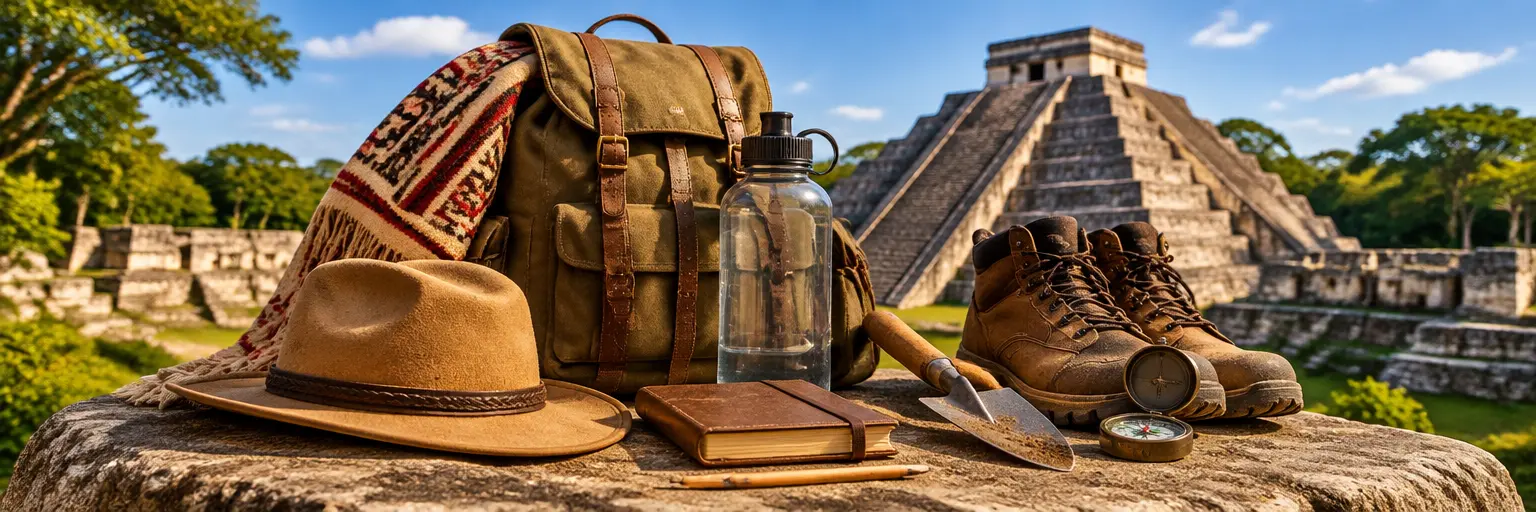
Unlock the secrets of the ancient world with the right tools in hand. Whether you’re trekking through the dense jungles of Mesoamerica or traversing the arid plateaus of the Andes, having essential gear for exploring archaeological sites can transform a casual visit into a profound journey through time. From durable footwear for rugged terrain to hydration systems vital for remote expeditions, this guide highlights the must-have equipment that ensures safety, comfort, and respect for these sacred spaces. Discover how lightweight field tools, sun protection, and navigation aids can enhance your connection to the Indigenous civilizations of the Americas—all while preserving the integrity of the sites for future generations. Gear up to walk the paths of the Maya, Inca, and Ancestral Puebloans with confidence and curiosity.
🌍 Equip yourself for an unforgettable journey into the rich history of indigenous cultures with the right archaeology gear. Essential tools not…
Read article
Discover the essential archaeological gear for indigenous sites that enhances your fieldwork experience. From sturdy excavation tools to protective clothing, equip yourself…
Read article
Ensuring your safety during archaeological site exploration is paramount. This guide highlights essential archaeological site safety gear, from sturdy footwear to protective…
Read articleExploring archaeological sites tied to the Indigenous Civilizations of the Americas—from the Maya temples of Tikal to the Inca citadel of Machu Picchu—demands more than just curiosity. The right gear ensures safety, comfort, and deeper engagement with these sacred landscapes. This guide focuses on practical, durable, and ethically responsible equipment that enhances your journey while protecting the fragile remnants of ancient cultures. Whether you are a first-time traveler or a seasoned explorer, this subcategory delivers actionable advice tailored to remote, high-altitude, and jungle environments.
Your feet are your primary tool when navigating uneven stone steps, loose scree, and muddy jungle trails. Lightweight hiking boots with ankle support prevent sprains on collapsed terraces, while sticky rubber outsoles (like Vibram) grip slick limestone. For high-altitude sites like Tiwanaku in Bolivia, waterproof boots with insulation are non-negotiable. Conversely, for desert ruins in the American Southwest, breathable trail runners with gaiters keep out sand and cactus spines.
Pack two pairs of broken-in boots, rotating them daily to avoid blisters. For crossing shallow rivers near sites like Copán, bring quick-drying water shoes. Always test footwear on steep, uneven ground before your trip—never wear new boots on a multi-hour excavation tour. Consider collapsible trekking poles with carbide tips for added balance on slippery, moss-covered stairs.
Mesoamerican jungles and Andean highlands create extreme microclimates within hours. Use a moisture-wicking base layer (merino or synthetic) to manage sweat, then add a lightweight, breathable long-sleeve shirt for sun and insect protection. A packable, waterproof rain shell is critical, as Amazonian storms and highland afternoon showers arrive quickly. For desert sites, a wide-brimmed hat with chin strap and UV-protective sunglasses reduce glare from white stone.
Layer with a down or synthetic insulated jacket for dawn starts at high elevations (4,000+ meters). Bring a lightweight buff or bandana to filter dust during windy conditions. Never forget reef-safe sunscreen (SPF 50+) and a lip balm with SPF—sunburn at altitude is severe. Store all clothing in dry bags with silica gel to prevent mildew in humid ruins.
Many archaeological sites lack reliable cell service or marked trails. A Garmin GPS device with pre-downloaded topo maps (e.g., of Chaco Canyon) is essential. Always carry a physical map and a simple lensatic compass as backup. Hydration systems—a 3L hydration bladder plus a 1L collapsible bottle—allow for long, waterless stretches. Use a portable water purifier (like a Sawyer Mini) to refill from rivers, as many remote sites have no potable water.
Pack an emergency bivy sack, a headlamp with extra batteries, and a personal locator beacon (PLB) for solo explorations. A compact first-aid kit with blister treatment, antiseptic wipes, and oral rehydration salts is non-negotiable. Keep a small fire starter and a whistle attached to your pack strap. Always share your itinerary with a local guide or hostel staff before heading out.
Capturing intricate carvings and stelae requires a camera with manual controls and a wide-angle lens. Use a tripod with a padded bag for stable low-light shots inside temples, and a polarizing filter to reduce glare on stone. A rugged, water-resistant action camera (like a GoPro) is perfect for tight passageways. Bring extra memory cards—you will take hundreds of photos—and a solar power bank, as outlets are rare near sites.
However, ethics matter. Many sites prohibit flash photography; use ambient light or a dimmable LED panel. Never climb or touch walls to frame a shot, as oils damage ancient plaster. Always pay photography permits where required, and respect areas marked as ceremonial. For drone footage, check local regulations—many Indigenous groups consider drones invasive to sacred spaces. Prioritize memory and stewardship over the perfect image.
Mosquito-borne illnesses (dengue, Zika, malaria) are real risks at low-elevation sites like Palenque. Use DEET-based repellent (20–30%) on exposed skin, and pre-treat clothing with permethrin. In tick-heavy grasslands (e.g., Cahokia Mounds), perform daily tick checks. For hygiene, bring biodegradable wet wipes, hand sanitizer, and quick-dry microfiber towels—many remote ruins have no restrooms. A small, foldable trowel and dig-safe waste bag ensure you leave no trace.
Pack a personal water filtration straw for emergency drinking, plus anti-diarrheal medication and oral rehydration salts. For high-altitude terrain, include acetazolamide (Diamox) to prevent altitude sickness. Use a small spray bottle of isopropyl alcohol to disinfect cuts from jungle vegetation. Finally, carry a lightweight pack towel to dry sweat and keep your neck cool.
Choose mid-height hiking boots with deep-lugged rubber outsoles and a waterproof membrane (Gore-Tex). Pair with wool socks and trekking poles to maintain grip on mossy limestone. Avoid sneakers—they offer no ankle support on collapsed stairs. Consider adding micro-spikes for icy high-altitude paths.
Store cameras and phones in IP67-rated dry boxes with silica gel desiccants. Use a small, sealable camera bag with a rain cover. Avoid opening devices in high-humidity environments; let them warm up before use. Bring a blower brush and lens cleaning cloth to remove gritty dust.
Yes—metal detectors, drones, laser pointers, and any sharp tools for digging are strictly banned without permits. Large tripods may require special authorization. Avoid using tripods on structures; instead, use a beanbag or ground pad. Always check the site’s official rules before packing.
Yes, but opt for a 25–40L bag with a rain cover and padded hip belt for comfort. Use included straps to secure a water bottle. For multi-day treks like the Inca Trail, add a hydration bladder and compression sacks for clothing. Keep valuables in a theft-resistant money belt.
A personal locator beacon (PLB) or satellite messenger, such as a Garmin InReach Mini. It provides SOS activation for emergencies when cell signal fails. Always pair it with physical navigation tools (map and compass). Never rely solely on your phone, as batteries drain and GPS signals fade in deep valleys.