The Role of Indigenous Fashion in Preserving Cultural Identity
🌍 Indigenous fashion plays a vital role in cultural identity preservation, showcasing the rich heritage and traditions of pre-colonial societies. By revitalizing…
Read article
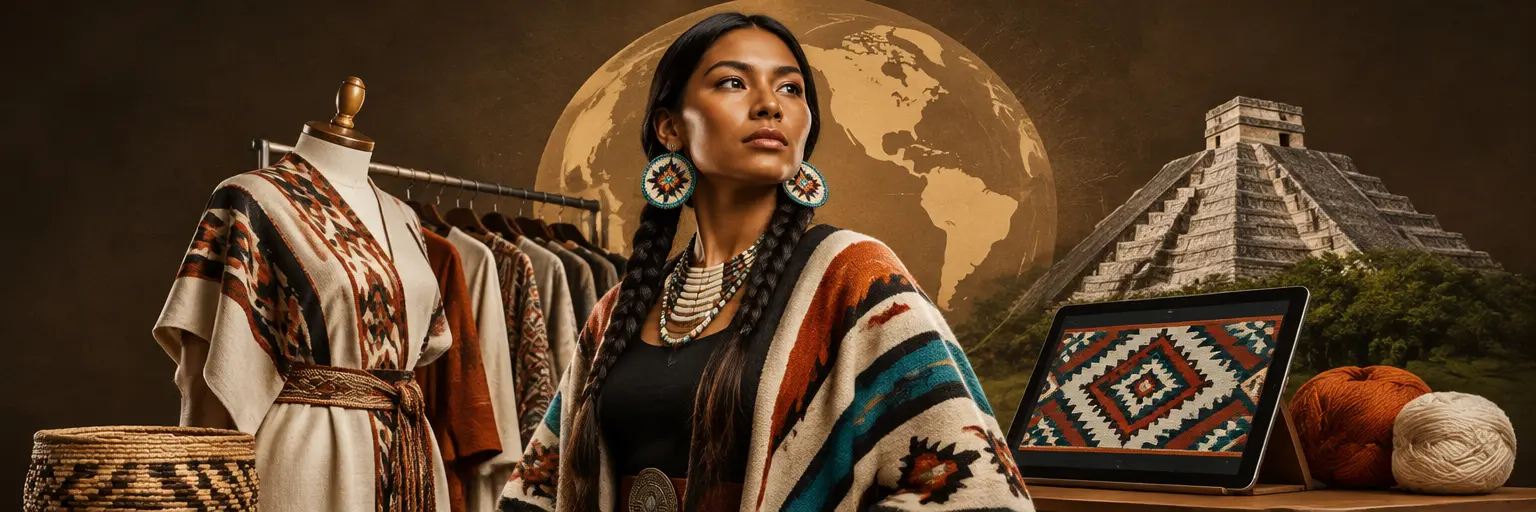
Discover the vibrant world of Indigenous-inspired fashion brands—where ancestral artistry meets modern style. These labels honor centuries-old traditions, weaving authentic textiles, symbolic patterns, and sustainable practices into every piece. From handwoven fabrics to contemporary silhouettes, each creation tells a story of resilience, cultural pride, and environmental stewardship. By supporting these designers, you’re not just wearing clothing—you’re celebrating the living heritage of the Americas and empowering Indigenous communities. Explore our curated spotlight to find ethical, unique, and meaningful fashion that transcends trends.
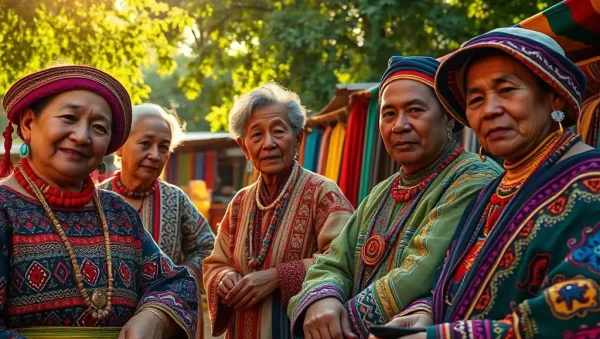
🌍 Indigenous fashion plays a vital role in cultural identity preservation, showcasing the rich heritage and traditions of pre-colonial societies. By revitalizing…
Read article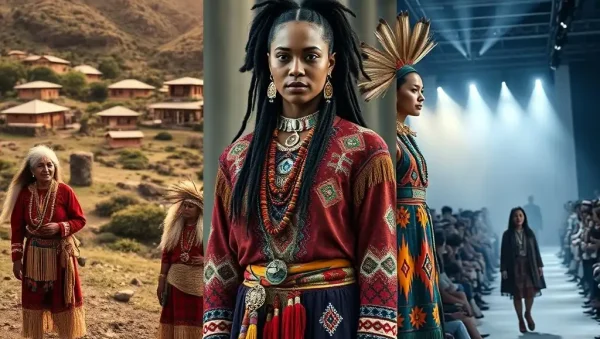
🌍 The indigenous fashion evolution history reflects the rich cultural tapestry of pre-colonial societies. By examining traditional garments and their modern reinterpretations,…
Read article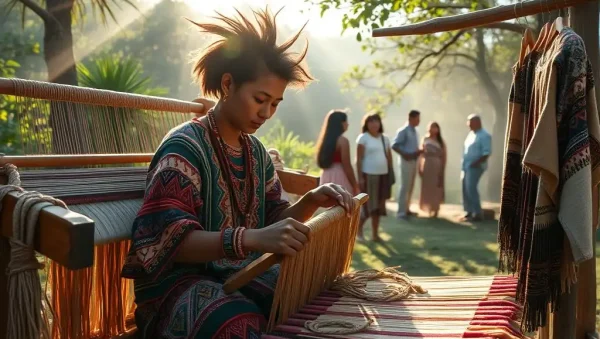
🌍 Indigenous practices in sustainable fashion are redefining the industry, blending traditional techniques with eco-friendly innovation. This article delves into how indigenous…
Read article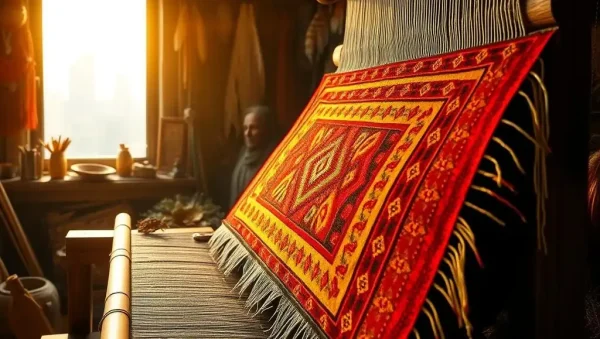
The exploration of indigenous apparel cultural significance reveals how traditional designs blend with modern influences, showcasing resilience and identity. This intersection reflects…
Read articleThis guide highlights contemporary fashion labels that respectfully draw from Indigenous art, textiles, and traditions of the Americas. You will discover how modern designers collaborate with Native communities, preserve ancestral techniques, and create ethical, wearable art. Explore brands that honor cultural heritage while promoting sustainable practices and economic empowerment for Indigenous artisans.
Understanding the difference between respectful partnership and exploitation is essential when exploring Indigenous-inspired fashion. Authentic collaborations involve direct consultation, revenue sharing, and credit given to Indigenous artists, often resulting in co-designed pieces that celebrate specific tribal stories. These partnerships ensure that traditional patterns, such as Navajo weaves or Maya huipiles, are used with permission and context.
In contrast, cultural appropriation occurs when non-Indigenous brands replicate sacred symbols or designs without permission, often mass-producing them cheaply. This section helps you identify ethical labels by examining their sourcing, certification, and transparency. Look for brands that feature artist names, provide background narratives, and reinvest profits into Native communities, ensuring your purchase supports cultural survival rather than erasure.
Many Indigenous-inspired fashion brands fuse ancient handcrafting methods with contemporary cuts, creating unique garments that bridge past and present. You will find artisans using backstrap looms, natural dyes from cochineal or indigo, and intricate beadwork, then adapting these into everyday wear like denim jackets, sneakers, or minimalist dresses. This approach preserves skills passed down for generations while making them relevant today.
These brands often offer limited-edition runs because each item requires hours of manual labor, from hand-spun alpaca wool to hand-stitched embroidery. By choosing such pieces, you not only acquire a durable, one-of-a-kind item but also help sustain rural economies across Peru, Mexico, the United States, and Canada. Expect detailed product descriptions explaining the origin of materials and the specific community involved, fostering a deeper connection between wearer and maker.
Several pioneering labels have become benchmarks for ethical Indigenous fashion. For example, Ginew (Ojibwe and Mohawk) creates selvedge denim and leather goods inspired by ancestral aesthetics, while Mata Traders (Maya) partners with women's cooperatives for vibrant, fair-trade dresses and accessories. Also, B.Yellowtail (Crow) uses bold geometric patterns on modern apparel, and Tehuana revives Zapotec weaving with contemporary designs.
These brands frequently engage in cultural education through lookbooks, social media, and workshops, explaining the symbolism behind each motif. By supporting them, you fund language revitalization programs, art scholarships, and land stewardship projects. This section provides a curated list with direct links, plus guidance on verifying a brand’s Indigenous ownership and community accountability, ensuring your choices align with your values.
Indigenous-inspired fashion often intersects with environmental stewardship because many Native worldviews emphasize reciprocity with nature. Brands in this space tend to use organic or upcycled materials, low-impact dyes, and zero-waste patterns, reducing their carbon footprint significantly compared to fast fashion. Some even plant trees or regenerate grasslands for each purchase, linking style to climate action.
Moreover, ethical production means fair wages, safe working conditions, and no child labor, often certified by organizations like Fair Trade USA or the World Fair Trade Organization. This transparency extends to supply chains, with many brands publishing annual impact reports. Choosing these labels helps combat exploitative sweatshops and supports artisans who might otherwise lose their craft to globalization, making your wardrobe a tool for positive social and environmental change.
Integrating Indigenous-inspired pieces into your daily wardrobe can be simple and rewarding. Pair a handwoven belt with jeans, layer a huipil-inspired blouse over solid leggings, or use a beaded necklace as a statement accessory. Because these items are often textured and colorful, they work best when balanced with neutral basics, letting the craftsmanship shine without overwhelming your look.
Caring for these garments requires gentle handling: hand wash in cold water, air dry in shade, and store folded to avoid stretching. Many brands provide care kits or detailed instructions, emphasizing that each piece is a long-term investment. By learning about the fabric’s origin—whether it’s cotton, wool, or plant fibers—you can preserve its beauty for years, reducing waste and honoring the artisan’s labor every time you wear it.
Check the brand’s “About” page for explicit statements of tribal affiliation and ownership, often verified by certificates or membership in organizations like the Native American Business Alliance. Look for direct partnerships with specific communities, listed artist names, and third-party audits. Avoid brands that use vague terms like “inspired by” without concrete collaboration evidence.
Yes, generally they cost more due to handmade processes, fair wages, and high-quality materials. A single garment may take days to weave or embroider, justifying a price range of $100 to $500 or more. Instead of viewing this as a luxury, consider it an investment in cultural preservation and sustainable production, offering greater durability and uniqueness than mass-produced alternatives.
Absolutely, as long as you purchase from ethical, collaborating brands and wear pieces respectfully, without altering their sacred meaning or using them as costumes. Celebrate the artistry and history behind each item, and always attribute the culture in conversations. Avoid buying replicas from fast-fashion retailers, which often misrepresent and disrespect traditional designs.
Explore brand websites, which often include blog posts, video interviews, and artist profiles describing the symbolism in patterns, colors, and motifs. Additionally, visit museum exhibitions, read books by Indigenous authors, and attend cultural events like powwows or textile fairs. Many brands also offer virtual workshops, allowing you to interact with artisans and deepen your appreciation.
Most ethical Indigenous-inspired brands reinvest a percentage of profits into community projects, such as language classes, youth mentorship, or healthcare clinics. Some directly fund land restoration, seed banks, or legal advocacy for tribal rights. Always review their social impact pages to see concrete actions and partnerships, ensuring your purchase contributes to broader systemic change.