
Culinary Traditions
Explore the rich tapestry of Culinary Traditions from the Indigenous civilizations of the Americas, where ancient flavors meet modern kitchens. This category delves into the authentic ingredients, cooking techniques, and cultural stories behind Native American, Aztec, Mayan, and Andean foodways. Discover how heirloom crops like maize, quinoa, amaranth, and wild rice shaped sustainable diets for millennia, and learn to revive these time-honored recipes in your own home. From rediscovering indigenous recipes that honor ancestral knowledge to modern takes on pre-colonial dishes, we bridge history and contemporary taste. Whether you’re seeking to incorporate Andean superfoods into daily meals or explore the complex, aromatic world of Mayan cuisine, this hub celebrates biodiversity, resilience, and the enduring legacy of Native food systems. Perfect for food enthusiasts, historians, and home cooks alike, these culinary traditions offer not just nourishment but a deep connection to the landscapes and peoples who cultivated them.
 A Taste of Mayan Cuisine
 Incorporating Andean Superfoods into Daily Meals
 Modern Takes on Aztec-Inspired Dishes
 Reviving Native American Flavors
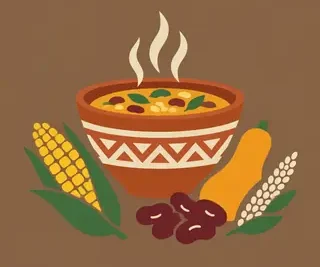 Rediscovering Indigenous Recipes
Culinary Traditions of the Americas
Explore the rich, ancient foodways of the Americas—from maize-based Aztec stews to Andean quinoa harvests. This page uncovers how indigenous ingredients and techniques continue to shape modern kitchens, offering historical depth, practical recipes, and cultural insight for food enthusiasts and historians alike.
🌽 Rediscovering Indigenous Recipes
Dive into authentic dishes like hominy stews, amaranth atole, and wild rice pilafs, reconstructed from ethnohistorical records and oral traditions. Expect step-by-step guidance on nixtamalization, stone-grinding, and clay-pot cooking. These recipes restore lost flavors while honoring the sustainable farming practices of tribes such as the Iroquois, Pueblo, and Cherokee. Rediscovering Indigenous Recipes is your gateway to pre-contact culinary heritage, with tips on sourcing heirloom seeds and traditional tools.
🍖 Reviving Native American Flavors
This subcategory focuses on the Three Sisters—corn, beans, and squash—alongside game meats like bison, venison, and turkey. Learn to make pemmican, succotash, and frybread with a historical twist. You’ll also find regional specialties from the Pacific Northwest (salmon, camas bulbs) to the Southwest (prickly pear, mesquite). Each recipe is paired with context on seasonal harvests, food preservation, and ceremonial uses, making this a rich resource for educators and home cooks seeking authentic indigenous flavors.
🌮 Modern Takes on Aztec-Inspired Dishes
Reimagine the Aztec empire’s culinary legacy with contemporary riffs on tlacoyos, huitlacoche, and chiles en nogada. This section blends traditional techniques—like using metates and comales—with modern plating and accessible ingredient swaps. Expect vibrant mole variations, cacao-based sauces, and nopal salads that are both nostalgic and inventive. Whether you’re hosting a dinner party or exploring food history, these dishes bridge ancient Tenochtitlan’s markets with today’s farm-to-table movement.
🥔 Incorporating Andean Superfoods into Daily Meals
Unlock the nutritional power of quinoa, kiwicha, macá, and purple potatoes—staples of Inca and pre-Inca diets. This subcategory offers practical, everyday recipes: breakfast porridges, hearty soups, and gluten-free baking using cañihua or oca. You’ll also learn about ancient terrace farming and freeze-drying (chuño) methods that preserve nutrients. Perfect for health-conscious cooks, this guide integrates Andean superfoods into smoothies, stews, and even desserts, making ancestral nutrition effortless and delicious.
🍫 A Taste of Mayan Cuisine
Travel back to the Yucatán and highlands with dishes centered on cacao, achiote, corn, and chaya. Explore savory pibil (slow-roasted pork), sac muc (vegetable stew), and ceremonial atole flavored with vanilla or annatto. This subcategory highlights Mayan agricultural innovations like milpa rotation and bee-keeping for honey. Recipes include modern adaptations for slow cookers and pressure cookers, ensuring that the ancient flavors of Chichén Itzá and Tikal are accessible to every home chef.
Frequently Asked Questions
What are the main ingredients in indigenous American cooking?
Core ingredients include maize (corn), beans, squash, potatoes, quinoa, amaranth, cacao, chiles, tomatoes, avocados, and game meats like bison and deer. These foods were domesticated thousands of years ago and remain central to both traditional and modern recipes across the Americas.
How can I source authentic indigenous ingredients today?
Look for heirloom seed catalogs, local farmers’ markets, and online specialty stores. Items like blue corn, amaranth, and mesquite flour are increasingly available. For animal products, seek grass-fed bison or sustainably caught salmon. Always check for indigenous-owned suppliers to support cultural preservation.
Are these recipes suitable for vegetarian or vegan diets?
Yes, many indigenous dishes are naturally plant-based, such as bean-and-squash stews, quinoa salads, and amaranth porridge. Replace animal broth with vegetable stock and use plant-based fats like avocado oil. Cacao-based drinks, nopales, and corn tortillas are all vegan-friendly staples.
Can I adapt these traditional recipes to modern kitchen equipment?
Absolutely. Use a food processor for grinding maize or amaranth, a slow cooker for pibil, and an oven instead of an earth pit for roasting. The key is to respect the flavor profile and cooking times—nixtamalization still works in a regular pot. Modern adaptations are included throughout our guides.
What cultural significance do these foods have for indigenous communities today?
These foods are living heritage—they connect communities to ancestral lands, rituals, and identity. Many tribes and nations are actively revitalizing native seeds and recipes to combat food insecurity and cultural erasure. Cooking these dishes with respect honors that resilience and supports ongoing indigenous food sovereignty movements.