
The Pyramids of Mesoamerica: Symbolism and Significance

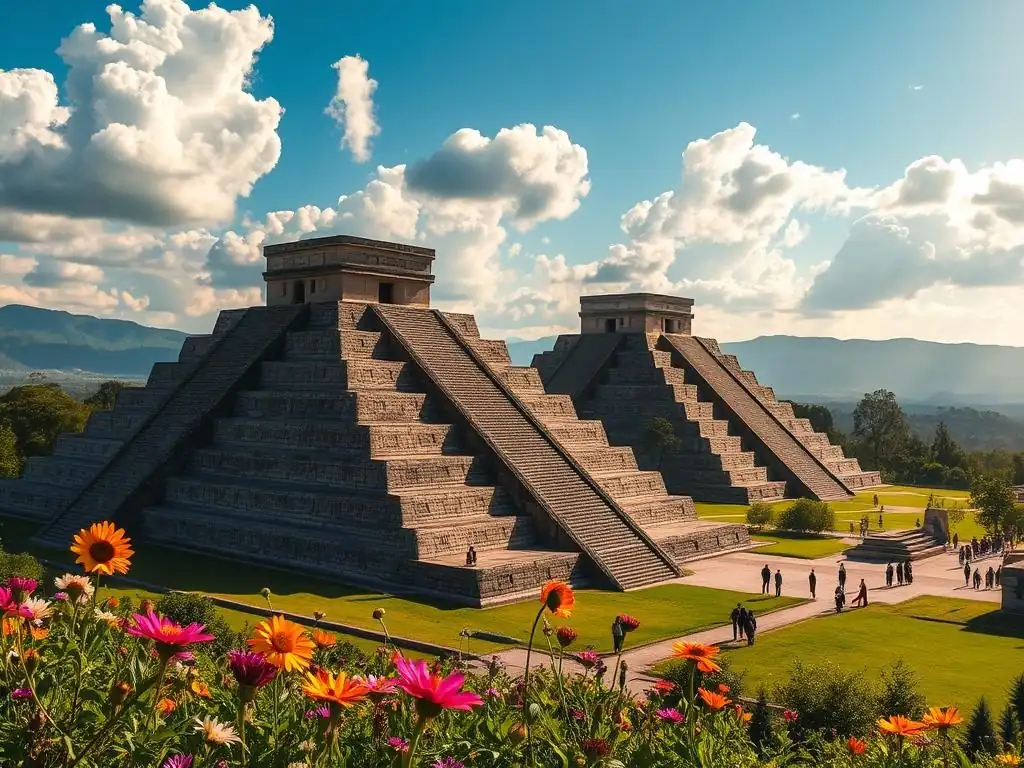
Welcome to Indigenous Civilizations of the Americas, where we embark on a journey through the rich tapestry of indigenous cultures that flourished long before European contact. In our feature article, “The Pyramids of Mesoamerica: Symbolism and Significance,” we delve into the cultural significance of Mesoamerican pyramids—monumental achievements that reflect the ingenuity and spiritual depth of these ancient societies.
Prepare to uncover the stories and meanings behind these awe-inspiring structures, as we reveal their pivotal role in the social and religious life of the civilizations that built them. Join us as we explore the profound legacy of the Americas’ indigenous peoples and their enduring impact on our world today.
Introduction to Mesoamerican Pyramids
Mesoamerican pyramids stand as monumental testaments to the ingenuity and sophistication of the indigenous civilizations that flourished in the Americas long before European colonization. These structures, often grand in scale and intricately designed, served not only as architectural feats but also as pivotal cultural symbols. The Mesoamerican pyramids cultural significance extends beyond their physical presence; they encapsulate the spiritual, political, and social dimensions of the societies that created them. In this article, we will explore the intricate symbolism and importance of these pyramids in the context of indigenous cultures, offering a glimpse into their rich heritage and enduring legacy.
Overview of Mesoamerican Architecture
Mesoamerican architecture is characterized by its diversity and innovation, reflecting the complex societal structures and spiritual beliefs of its builders. The pyramids, often constructed from stone or adobe, served various functions:
- Religious Significance: Many pyramids were built as temples, dedicated to gods and used for ritualistic practices.
- Political Power: The size and elaborateness of a pyramid often signified the power and prestige of the ruling elite.
- Cultural Identity: These structures were central to the community’s identity, embodying shared beliefs and practices.
The pyramids demonstrate a blend of utility and artistry, with intricate carvings and paintings that narrate the stories of the people and their gods.
Importance of Mesoamerican Pyramids in Indigenous Cultures
The significance of Mesoamerican pyramids in indigenous cultures cannot be overstated. They were not merely architectural structures; they were the heart of religious and social life. Here are some key aspects of their importance:
- Ceremonial Centers: Pyramids often functioned as venues for ceremonies and festivals, reinforcing social cohesion and cultural identity.
- Astronomical Alignments: Many pyramids were aligned with celestial events, reflecting the civilizations' advanced understanding of astronomy and its integration into their spiritual practices.
- Burial Sites: Some pyramids served as tombs for rulers and important figures, emphasizing the belief in an afterlife and the continuation of leadership through spiritual presence.
The impact of these pyramids is evident in the rituals, myths, and community structures of Mesoamerican peoples, highlighting their role as enduring symbols of cultural legacy.
Historical Context of Mesoamerican Pyramids
Understanding the historical context of Mesoamerican pyramids involves delving into the timeline of their construction and the civilizations that contributed to their development.
Timeline of Pyramid Construction in Mesoamerica
The construction of pyramids in Mesoamerica spans several millennia, with notable periods including:
- Preclassic Period (2000 BC - 250 AD): Early examples of pyramid construction can be traced back to this period, with the Olmec civilization leading the way.
- Classic Period (250 AD - 900 AD): This era saw the rise of the Maya and Teotihuacan, with more sophisticated pyramid structures and complex urban planning.
- Postclassic Period (900 AD - 1500 AD): The Aztec civilization emerged, leaving behind iconic pyramids such as the Templo Mayor, reflecting the continued evolution of architectural styles.
Major Civilizations Involved in Pyramid Building
Several major civilizations played pivotal roles in the construction and cultural significance of Mesoamerican pyramids:
- Olmec: Often considered the "mother culture" of Mesoamerica, they built some of the earliest pyramids, influencing subsequent civilizations.
- Maya: Renowned for their elaborate pyramid complexes, the Maya integrated these structures into their city layouts, and they served as focal points for religious and civic life.
- Teotihuacan: Home to the Pyramid of the Sun and the Pyramid of the Moon, Teotihuacan was a major urban center that influenced many cultures across Mesoamerica.
- Aztec: The Aztecs constructed large, impressive pyramids that served as temples for their pantheon of gods, further solidifying the cultural significance of these structures.
The pyramids of Mesoamerica reflect the rich tapestry of cultural achievements and spiritual beliefs of the indigenous peoples, standing as powerful symbols of their enduring legacy.
Cultural Significance of Mesoamerican Pyramids
The Mesoamerican pyramids are more than mere architectural feats; they are profound symbols of the cultural, religious, and political life of the civilizations that built them. These structures served as significant markers of identity for various Mesoamerican societies, including the Maya, Aztec, and Teotihuacan cultures. Their construction was often tied to celestial events and served as a backdrop for religious rituals, making them central to community life. The pyramids not only represented the cosmological beliefs of the people but also their historical narratives, embodying a connection to their ancestors and the divine.
Religious and Spiritual Importance of Pyramids
Religious practices played a pivotal role in the construction and usage of Mesoamerican pyramids. These pyramids were typically dedicated to deities and served as sites for various ceremonial activities, including rituals, offerings, and human sacrifices. The layout of many pyramids was often aligned with astronomical events, such as solstices and equinoxes, reflecting the Mesoamericans' deep understanding of celestial phenomena. For example, the Pyramid of the Sun at Teotihuacan is believed to be oriented to align with the sun's movements, showcasing the intricate relationship between religion, astronomy, and architecture.
Pyramids as Centers of Community and Governance
Beyond their religious functions, Mesoamerican pyramids also served as vital centers for governance and community activities. They often housed important administrative functions and were the locations for public gatherings, markets, and festivals. The presence of a pyramid could signify a city’s political power and influence, acting as a focal point around which the community could rally. In many cases, the rulers or priest-kings would conduct rituals at the summit, reinforcing their authority and the societal hierarchy. Thus, these pyramids were not only places of worship but also symbols of political strength and community cohesion.
Symbolism in Mesoamerican Pyramid Design
The design and decoration of Mesoamerican pyramids were rich with symbolism, reflecting the beliefs and values of the cultures that constructed them. The step-like structure of the pyramids can be interpreted as a representation of the sacred mountain, a common motif in Mesoamerican cosmology, symbolizing the connection between the earth and the heavens. Furthermore, intricate carvings and murals depicting deities, mythological creatures, and significant events adorned many pyramids, telling stories of cosmological significance and ancestral heritage. Each detail in the design was intentional, serving to communicate the cultural identity and spiritual beliefs of the society.
Architectural Features of Mesoamerican Pyramids
Mesoamerican pyramids exhibit distinct architectural features that highlight the ingenuity and craftsmanship of these ancient civilizations. These features not only served functional purposes but also carried significant cultural meanings. The pyramids were often constructed using locally sourced materials, with designs that varied across different regions and cultures, reflecting a diversity of architectural styles.
Common Structural Elements of Mesoamerican Pyramids
Several structural elements are common among Mesoamerican pyramids. Most pyramids are characterized by their stepped platforms, which often culminate in a temple or shrine at the top. The use of terracing allowed for the creation of multiple levels, which were frequently adorned with stone carvings and sculptures. Additionally, the orientation of the pyramids was typically aligned with cardinal directions, emphasizing their connection to the cosmos. The construction techniques varied, but many pyramids utilized a core of rubble and a facing of finely cut stone, demonstrating advanced knowledge of engineering principles.
Variations in Pyramid Design Across Mesoamerican Cultures
While Mesoamerican pyramids share common features, there are notable variations in design that reflect the unique cultural identities of different civilizations. For instance, the Maya pyramids, such as those found in Tikal and Chichen Itza, often have steep staircases and are intricately decorated with stucco and carvings. In contrast, the Aztec pyramids, like the Templo Mayor in Tenochtitlan, feature dual temples atop a single pyramid, dedicated to multiple deities. The differences in height, shape, and ornamentation across cultures illustrate how each civilization adapted their architectural practices to fit their cultural narratives and environmental contexts.
Notable Examples of Mesoamerican Pyramids
Several Mesoamerican pyramids stand out as remarkable examples of this architectural tradition. The Pyramid of the Sun in Teotihuacan, one of the largest in the world, showcases the city's grandeur and complex urban planning. The Temple of Kukulcan at Chichen Itza is famed for its astronomical alignments and is a testament to the Maya's advanced understanding of mathematics and cosmology.
Additionally, the Pyramid of the Moon, also in Teotihuacan, played a crucial role in the city's religious ceremonies. Each of these structures not only serves as a monument to the architectural achievements of their builders but also as a reflection of the rich cultural heritage of Mesoamerica.
The Role of Mesoamerican Pyramids in Society
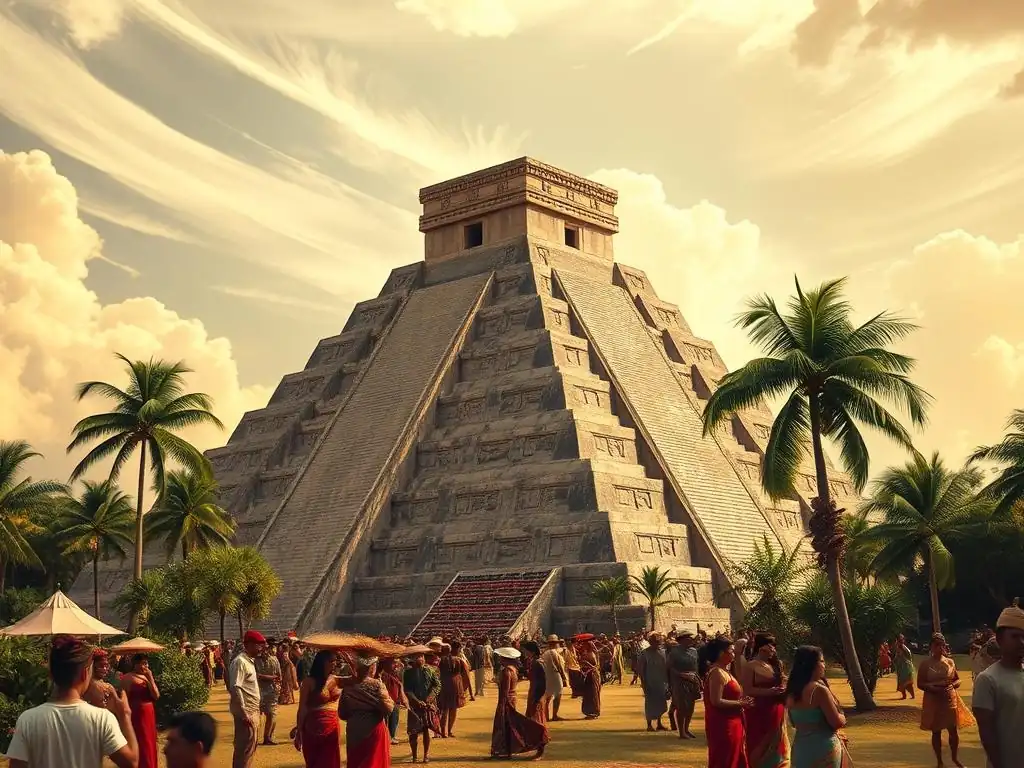
Mesoamerican pyramids played a pivotal role in the social, religious, and political structures of the civilizations that constructed them. These monumental structures were not merely architectural feats, but rather, they served as central hubs for various societal activities, embodying the spiritual beliefs and social hierarchies of their respective cultures. The pyramids, often adorned with intricate carvings and symbols, were designed to reflect the cosmos and the divine, reinforcing the connection between the earthly realm and the spiritual world.
Pyramids and Cultural Rituals
Cultural rituals conducted at the pyramids were integral to Mesoamerican societies, with these structures often serving as venues for important ceremonies, including religious offerings, astronomical observations, and festivals. The most notable of these rituals included human sacrifices, which were believed to appease the gods and ensure cosmic balance. For example, the Pyramid of the Sun at Teotihuacan was a significant site for ceremonies linked to the sun deity, showcasing the importance of celestial bodies in Mesoamerican belief systems.
Moreover, the alignment of the pyramids with celestial events, such as solstices and equinoxes, further emphasized their role in ritualistic practices, reflecting a sophisticated understanding of astronomy among these cultures. The communal aspect of these rituals fostered social cohesion, reinforcing shared beliefs and collective identity among the people.
Economic Impact of Pyramid Construction and Use
The construction of Mesoamerican pyramids required substantial resources, labor, and planning, significantly impacting the economy of these ancient societies. Large workforces, often composed of skilled artisans and laborers, were mobilized to transport materials and execute complex construction techniques. This not only provided employment opportunities but also stimulated trade, as communities exchanged goods and services in support of pyramid-building efforts.
Furthermore, the pyramids themselves became focal points for economic activity, attracting pilgrims and visitors from surrounding regions. This influx of people spurred trade in local crafts, food, and other resources, thereby enhancing the economic vitality of the region. Markets often emerged around these monumental structures, creating a vibrant economic ecosystem linked to the cultural significance of the pyramids.
Pyramids as Symbols of Power and Authority
Mesoamerican pyramids served as powerful symbols of authority and governance, representing the political might of the ruling elite. The grandeur and scale of these structures were designed to intimidate and reinforce the social hierarchy, showcasing the wealth and resources commanded by leaders. For instance, the Pyramid of Quetzalcoatl in Teotihuacan exemplified the political power of the city-state, acting as a physical manifestation of the ruling class's dominance.
Furthermore, the pyramids were often associated with specific deities, linking the rulers’ authority to divine legitimacy. This connection helped to consolidate power, as leaders presented themselves as intermediaries between the gods and the people. The construction of pyramids also served as a means of asserting territorial claims, as they marked significant cultural and political boundaries within Mesoamerican societies.
Preservation and Legacy of Mesoamerican Pyramids
The preservation and legacy of Mesoamerican pyramids are crucial for understanding the cultural heritage of the Americas. These structures not only embody the architectural and artistic achievements of ancient civilizations but also serve as vital links to the past, providing insights into the social, political, and spiritual lives of the people who built them.
Current State of Mesoamerican Pyramids
Today, many Mesoamerican pyramids remain standing, albeit with varying degrees of preservation. Sites such as Teotihuacan, Chichen Itza, and Tikal have garnered significant attention from both tourists and scholars, highlighting their enduring importance. However, these structures face challenges due to natural erosion, urban development, and climate change, which threaten their integrity.
Efforts are being made to protect and preserve these historic sites, emphasizing their cultural and historical significance. Ongoing research and conservation projects aim to ensure that future generations can appreciate the rich heritage embodied in these pyramids.
Efforts in Archaeology and Preservation
Archaeological efforts play a vital role in the preservation of Mesoamerican pyramids. Comprehensive surveys, excavations, and restorations have been carried out by teams of archaeologists, historians, and indigenous communities to maintain the structural integrity of these sites. Collaborations with local governments and international organizations have facilitated funding and resources for preservation initiatives.
In addition to physical restoration, educational programs are being implemented to raise awareness about the importance of these structures and the necessity of their conservation. These efforts not only protect the pyramids but also promote cultural pride and heritage among indigenous populations.
The Influence of Mesoamerican Pyramids on Modern Culture
The legacy of Mesoamerican pyramids extends beyond their historical context, influencing modern culture in various ways. Their architectural styles have inspired contemporary artists, architects, and designers, who draw upon the unique aesthetics and structural innovations of these ancient structures.
Additionally, Mesoamerican pyramids have become symbols of cultural identity for many indigenous communities, fostering a sense of pride and continuity. Celebrations, festivals, and cultural events often take place in and around these sites, allowing modern generations to connect with their ancestral heritage. This ongoing relationship with the past ensures that the cultural significance of the pyramids remains alive, contributing to the rich tapestry of Mesoamerican identity in the present day.
Conclusion: The Lasting Impact of Mesoamerican Pyramids
The Mesoamerican pyramids stand as monumental testaments to the ingenuity and cultural richness of the civilizations that constructed them. From the iconic Pyramid of the Sun at Teotihuacan to the grand Temple of Kukulcan at Chichen Itza, these architectural marvels not only served as religious centers but also as social and political hubs. Their design reflects a deep understanding of astronomy and mathematics, showcasing the advanced knowledge possessed by these cultures. The pyramids are not merely relics of the past; they continue to inspire and educate contemporary society about the complexities of Mesoamerican heritage.
The cultural significance of Mesoamerican pyramids extends beyond their physical structure. They symbolize a connection to the spiritual and cosmic beliefs of the ancient peoples, embodying ideas of life, death, and rebirth. The rituals and ceremonies conducted atop these structures were integral to the identity of the communities that built them, reinforcing social cohesion and collective memory. As such, they remain vital symbols of cultural pride and resilience among indigenous communities today.
Reflection on the Cultural Significance of Mesoamerican Pyramids
Mesoamerican pyramids serve as profound symbols of cultural identity and continuity. They are imbued with layers of meaning that reflect the historical narratives of the civilizations that created them. These structures were often designed to align with celestial events, demonstrating how deeply interconnected the peoples of Mesoamerica were with their environment and the cosmos.
For many indigenous groups, the pyramids represent a link to their ancestors and a physical manifestation of their cultural values. They are not only archaeological sites but also sacred spaces where traditions are preserved and celebrated. The ongoing reverence for these sites underscores their role as cultural touchstones, fostering a sense of belonging and identity.
The Ongoing Study of Mesoamerican Pyramids in Cultural Heritage
The study of Mesoamerican pyramids is a dynamic field that continues to evolve, revealing new insights into the lives and beliefs of ancient civilizations. Archaeologists, anthropologists, and historians are employing advanced technologies, such as LiDAR and ground-penetrating radar, to uncover hidden features and further understand the context of these structures. This research not only enhances our knowledge of architectural techniques but also sheds light on the social organization and spiritual practices of the societies that built them.
Moreover, the preservation and protection of these sites are crucial for cultural heritage. Many pyramids are under threat from urban development, tourism, and environmental factors. Efforts are being made to balance the need for conservation with the desire for public access and education. This ongoing dialogue reflects a growing recognition of the importance of Mesoamerican pyramids not only as historical artifacts but as living symbols of cultural heritage.
References
Key Resources on Mesoamerican Pyramids and Cultural Significance
- "The Architecture of Mesoamerica: From the Olmecs to the Aztecs": by Samuel A. A. C. de la Fuente – A comprehensive exploration of Mesoamerican architecture, including detailed sections on the pyramids.
- "The Maya: Ancient People of the Sun": by David J. K. Smith – An insightful look at the Maya civilization, their pyramids, and their lasting cultural impact.
- "Teotihuacan: An Encounter with the Gods": by J. Charles McClure – A resource that delves into the significance of the pyramids at Teotihuacan and their role in ancient Mesoamerican cosmology.
Suggested Reading for Further Exploration of Mesoamerican Architecture
- "Mesoamerican Architecture as a Cultural Symbol" by Elizabeth A. E. Garcia – This book discusses the broader implications of architectural forms in Mesoamerican societies.
- "The Pyramid Complex of Chichen Itza" by Ricardo J. Alonzo – A detailed study of the architectural and cultural significance of the pyramids in Chichen Itza.
- "Ancient Maya Civilization" by Patricia A. Decker – A thorough examination of Maya civilization, focusing on their architectural achievements and cultural practices.
- Introduction to Mesoamerican Pyramids
- Historical Context of Mesoamerican Pyramids
- Cultural Significance of Mesoamerican Pyramids
- Architectural Features of Mesoamerican Pyramids
- The Role of Mesoamerican Pyramids in Society
- Preservation and Legacy of Mesoamerican Pyramids
- Conclusion: The Lasting Impact of Mesoamerican Pyramids
- References
Frequently Asked Questions
What are the Mesoamerican pyramids?
Mesoamerican pyramids are large, monumental structures built by various indigenous cultures in the Americas, particularly in Mexico and Central America, serving both religious and cultural functions.
Why are the Mesoamerican pyramids significant?
The cultural significance of Mesoamerican pyramids lies in their roles as centers of worship, burial sites, and symbols of political power, reflecting the spiritual beliefs and social hierarchies of the civilizations that constructed them.
What civilizations built the Mesoamerican pyramids?
Several civilizations, including the Maya, Aztec, and Olmec, constructed these impressive structures, each contributing its own unique architectural styles and cultural meanings to the pyramids.
How did the pyramids influence indigenous societies?
The pyramids served as focal points for community gatherings, religious ceremonies, and political activities, reinforcing social cohesion and cultural identity among the indigenous peoples.
What is the legacy of Mesoamerican pyramids today?
Today, the pyramids are recognized for their architectural brilliance and continue to be a source of inspiration and cultural pride, attracting scholars and tourists interested in the rich history of indigenous civilizations.
Final Reflection: The Enduring Legacy of Mesoamerican Pyramids
The cultural significance of Mesoamerican pyramids remains profoundly relevant today, as they serve as powerful symbols of ancient civilizations and their complex belief systems. These monumental structures are not just relics of the past; they continue to inspire awe and curiosity, reminding us of the rich tapestry of history that shapes our present. The pyramids stand as testaments to human ingenuity and the quest for meaning, urging us to explore the depths of our own cultural identities.
The influence of Mesoamerican pyramids extends far beyond their physical presence; they have woven themselves into the fabric of contemporary culture, art, and spirituality. Their architectural grandeur and the mysteries surrounding their construction invite ongoing exploration and appreciation. As the renowned archaeologist David Stuart once said, The pyramids are more than just stone; they are the embodiment of a civilization's aspirations, beliefs, and dreams.
This observation highlights the profound impact these structures have on our understanding of human history and the shared narratives that connect us across time.
As we reflect on the significance of Mesoamerican pyramids, let us embrace the invitation to delve deeper into our own cultural narratives and the legacies we inherit. Consider how the lessons from these ancient civilizations can inspire us to build a future that honors our diverse histories while fostering unity and understanding. Take a moment to explore the stories that shape your identity and recognize the power of cultural symbols in guiding our collective journey forward.
Unveil the Secrets of Mesoamerican Pyramids!
Thank you for diving into the captivating world of Mesoamerican pyramids with us! You've journeyed through rich symbolism and profound significance—now, it's time to take action and deepen your connection with this extraordinary heritage.
Here are a few steps you can take to further explore and appreciate these ancient sites:
- Visit a local museum or cultural center that showcases Mesoamerican artifacts—immerse yourself in history up close!
- Join or create a discussion group with friends to share insights and perspectives on the diverse cultures of Mesoamerica.
- Explore virtual tours of pyramids available online. Discover the wonders of these architectural marvels from the comfort of your home!
What aspects of Mesoamerican pyramid symbolism resonate most with you, and how can you share this knowledge with others?