
Rituals Under the Stars: Astronomy and Its Role in Mesoamerican Ceremonies

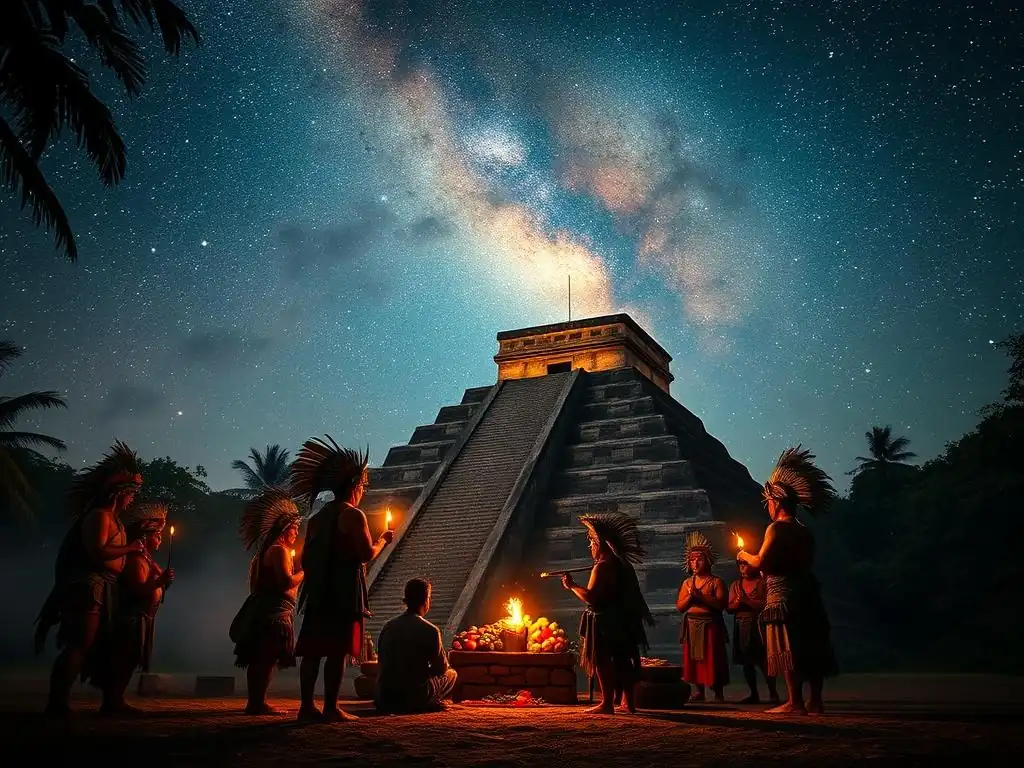
Welcome to Indigenous Civilizations of the Americas, where we invite you to journey through the rich tapestry of the diverse cultures that shaped the pre-colonial landscape of the Americas. In our featured article, “Rituals Under the Stars: Astronomy and Its Role in Mesoamerican Ceremonies,” we delve into the fascinating world of Mesoamerican astronomy rituals—exploring how these ancient peoples gazed at the night sky, intertwining their celestial observations with profound spiritual practices.
Prepare to unlock the secrets of their remarkable achievements and discover how these rituals not only governed their calendars but also connected them to the cosmos. Join us as we uncover the stories that continue to resonate through time, and let your curiosity guide you further into this captivating exploration!
- Introduction to Mesoamerican Astronomy Rituals
- Historical Context of Mesoamerican Astronomy
- Mesoamerican Astronomy Rituals: An Overview
- Key Mesoamerican Astronomy Rituals
- The Role of the Priesthood in Astronomy Rituals
- Symbolism of Celestial Bodies in Mesoamerican Rituals
- Case Studies of Mesoamerican Astronomy Rituals
- Contemporary Reflections on Mesoamerican Astronomy Rituals
- Conclusion: The Lasting Impact of Mesoamerican Astronomy Rituals
-
Frequently Asked Questions
- What are Mesoamerican astronomy rituals?
- How did Mesoamerican cultures use astronomy in their rituals?
- What role did the stars play in Mesoamerican societies?
- Can you name some Mesoamerican civilizations known for their astronomy rituals?
- How did the arrival of Europeans affect Mesoamerican astronomy rituals?
- Final Reflection: The Enduring Legacy of Mesoamerican Astronomy Rituals
- Ignite Your Curiosity About Mesoamerican Astronomy!
Introduction to Mesoamerican Astronomy Rituals
Mesoamerican civilizations, which flourished across present-day Mexico and Central America, are renowned for their rich cultural practices, profound spiritual beliefs, and remarkable advancements in various fields, particularly astronomy. This article delves into the intricate relationship between Mesoamerican astronomy rituals and the ceremonial practices of these ancient societies, shedding light on how celestial observations influenced their religious beliefs, agricultural cycles, and social structures. By examining the astronomical knowledge of cultures such as the Maya, Aztec, and Olmec, we can appreciate the significance of the cosmos in shaping their rituals and understanding of the world.
Overview of Mesoamerican Civilizations and Their Beliefs
Mesoamerica is home to several advanced civilizations that developed unique belief systems, art forms, and scientific knowledge. Key cultures include:
- The Maya: Known for their sophisticated calendar systems, hieroglyphic writing, and monumental architecture, the Maya revered celestial bodies, particularly the sun, moon, and planets. Their cosmology was deeply intertwined with agriculture and seasonal cycles.
- The Aztecs: With a rich pantheon of gods, the Aztecs emphasized the importance of rituals to appease deities associated with celestial phenomena. Their capital, Tenochtitlan, was built with alignment to celestial events, showcasing their astronomical prowess.
- The Olmec: Often considered the "mother culture" of Mesoamerica, the Olmec laid the groundwork for subsequent civilizations. They engaged in early astronomical observations, which influenced later cultural practices.
These civilizations shared a common belief that the cosmos influenced earthly events. Celestial bodies were often seen as divine messengers, guiding the agricultural calendar and dictating the timing of important rituals.
Importance of Astronomy in Mesoamerican Cultures
Astronomy was not merely a scientific pursuit; it was a vital aspect of Mesoamerican life that intertwined with religion, agriculture, and governance. The significance of astronomy in these cultures can be highlighted through several key points:
- Agricultural Planning: Mesoamerican societies relied on celestial events to determine planting and harvesting times. For instance, the appearance of certain stars or the changing phases of the moon often signaled the right time for sowing crops.
- Religious Ceremonies: Many rituals were intricately linked to astronomical events. For example, the Maya held ceremonies during solstices and equinoxes, believing these events were crucial for maintaining cosmic order and ensuring agricultural prosperity.
- Social Structure and Governance: Rulers often used their astronomical knowledge to legitimize their authority. By demonstrating their understanding of celestial cycles, they could effectively organize society and maintain control over agricultural practices.
- Art and Architecture: Mesoamerican cities were often designed with astronomical alignments in mind, allowing for the observation of celestial events during rituals. Temples and pyramids frequently served as observatories, reinforcing the connection between the heavens and the earth.
Through these lenses, it becomes evident that astronomy was not just an academic endeavor for Mesoamerican cultures; it was a foundational element that influenced various aspects of their life, ensuring that rituals under the stars held profound meaning and significance.
Historical Context of Mesoamerican Astronomy
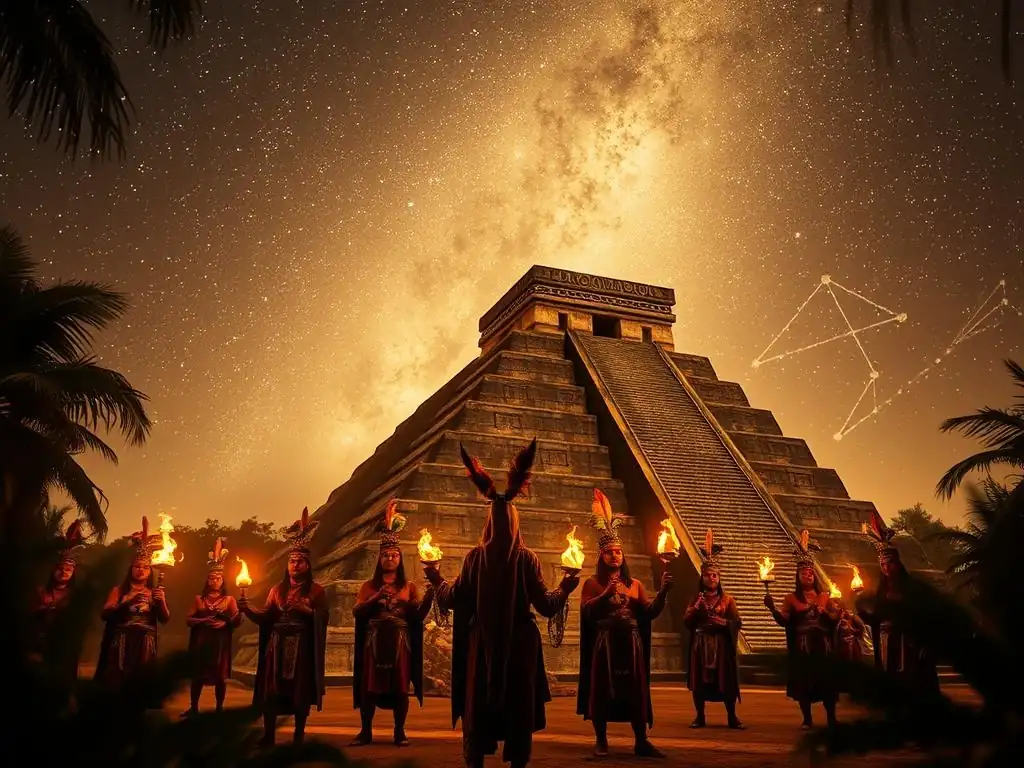
Mesoamerican astronomy is a fascinating field that uncovers the intricate ways in which ancient civilizations observed, understood, and integrated celestial phenomena into their daily lives and spiritual practices. The civilizations of Mesoamerica, including the Maya, Aztecs, and others, developed sophisticated astronomical systems that were deeply intertwined with their religious beliefs, agricultural practices, and societal structures.
The roots of Mesoamerican astronomy can be traced back to the early Olmec civilization around 1200 BCE, which laid the groundwork for subsequent astronomical developments. These early societies began to systematically observe celestial bodies, particularly the sun, moon, and stars, leading to the creation of calendars that informed agricultural cycles, ritual timings, and seasonal festivals. This knowledge was not merely academic; it was essential for survival and played a crucial role in the cultural identity of the Mesoamerican peoples.
The Development of Astronomical Knowledge in Mesoamerica
The progression of astronomical knowledge in Mesoamerica was marked by several key developments:
- Calendar Systems: Mesoamerican civilizations created complex calendar systems, the most notable being the Tzolk'in (a 260-day ritual calendar) and the Haab' (a 365-day solar calendar). These calendars were used to regulate agricultural activities and ritual observances.
- Celestial Events Tracking: Observations of celestial events, such as solstices, equinoxes, and lunar phases, were meticulously recorded. For instance, the Maya built observatories like the one at Uxmal, which allowed for precise tracking of the movements of celestial bodies.
- Astronomical Codices: The Maya produced codices that contained astronomical tables and predictions. The Dresden Codex, for example, includes detailed records of Venus's cycles, which were vital for timing warfare and rituals.
- Astrological Practices: Astronomy was closely linked to astrology in Mesoamerican cultures. The movement of celestial bodies was believed to influence earthly events, and priests often interpreted these signs to guide decisions.
Key Civilizations and Their Contributions to Astronomy
The contributions of various Mesoamerican civilizations to astronomy were significant and varied. Each civilization brought unique perspectives and innovations to the field, shaping the understanding of the cosmos in their respective cultures.
The Maya and Their Celestial Observations
The Maya civilization is renowned for its advanced understanding of astronomy. They developed an intricate knowledge of celestial movements that influenced their architecture, agriculture, and religious practices.
- Observatories: The Maya constructed observatories, such as the one at Uxmal, to study celestial events. These structures were often aligned with significant astronomical phenomena, such as solstices and equinoxes.
- Venus Cycle: The Maya paid particular attention to the planet Venus, viewing it as a powerful symbol associated with warfare and the god Kukulkan. They calculated the synodic period of Venus, which is approximately 584 days, with remarkable accuracy.
- Eclipses: Eclipses were significant events in Maya society, often interpreted as omens. The Maya were adept at predicting both solar and lunar eclipses, using their astronomical knowledge to plan rituals and ceremonies.
The Aztec Calendar and Its Astronomical Significance
The Aztec civilization also made notable contributions to Mesoamerican astronomy, particularly through their sophisticated calendar system.
- The Tonalpohualli: This 260-day sacred calendar was used alongside the 365-day Xiuhpohualli, creating a complex interlocking system that guided both daily life and ceremonial events. Each day was associated with specific deities and rituals.
- Calendar Stones: The famous Aztec Calendar Stone symbolizes the civilization's astronomical knowledge. It depicts the five eras of creation, with the sun at the center, reflecting the importance of celestial bodies in Aztec cosmology.
- Ritual Significance: The Aztecs used their calendar not only for agricultural purposes but also for timing religious ceremonies and human sacrifices, believing that synchronizing these events with celestial cycles would appease the gods.
Mesoamerican astronomy rituals were integral to the cultural and spiritual lives of these civilizations, demonstrating a profound understanding of the cosmos that continues to captivate scholars and enthusiasts alike. The legacies of the Maya and Aztec contributions to astronomy not only shaped their societies but also left a lasting impact on the broader understanding of human relationships with the stars.
Mesoamerican Astronomy Rituals: An Overview
Mesoamerican astronomy rituals were integral to the cultural and spiritual lives of ancient civilizations such as the Maya, Aztec, and Olmec. These rituals were deeply intertwined with their understanding of the cosmos, reflecting a sophisticated knowledge of celestial bodies and their movements. The practice of astronomy in Mesoamerica went beyond mere observation; it was a means to connect with the divine, dictate agricultural cycles, and celebrate life’s significant events.
The rituals often involved elaborate ceremonies, including offerings, dances, and the construction of ceremonial structures aligned with astronomical phenomena. The primary purpose of these rituals was to honor deities associated with celestial bodies and ensure harmony between the human and cosmic realms.
Definition and Purpose of Astronomy Rituals in Mesoamerica
Astronomy rituals in Mesoamerica can be defined as ceremonial practices that incorporated astronomical knowledge to fulfill religious and agricultural needs. These rituals served multiple purposes:
- Spiritual Connection: The rituals were a way for Mesoamerican peoples to connect with their gods, particularly those associated with the sun, moon, and stars. For instance, the Maya worshipped gods like Kukulkan, who represented the feathered serpent and was closely linked to the planet Venus.
- Calendar Regulation: Mesoamerican societies utilized sophisticated calendars, such as the Tzolk'in (260-day calendar) and the Haab' (365-day calendar), to time their rituals precisely. These calendars dictated when to hold ceremonies, plant crops, and celebrate festivals.
- Social Cohesion: Rituals provided a communal experience that reinforced social bonds, as communities gathered to participate in ceremonies, fostering unity and shared cultural identity.
The rituals were often elaborate, involving offerings of food, incense, and sometimes human sacrifices, viewed as vital to appeasing the gods and ensuring their favor.
The Connection Between Astronomy and Agriculture
The link between astronomy and agriculture in Mesoamerican cultures was paramount. The cycles of celestial bodies informed agricultural practices, particularly planting and harvesting times. Key aspects of this connection include:
- Seasonal Alignment: Mesoamerican peoples observed the positions of the sun and stars to predict seasonal changes. For example, the solstices and equinoxes were crucial indicators for when to plant crops such as maize, beans, and squash.
- Lunar Phases: The cycles of the moon also played a significant role in agricultural rituals. Many farmers would plant or harvest in accordance with the lunar phases, believing that the moon’s gravitational pull affected soil fertility.
- Rituals for Fertility: Specific astronomy rituals were dedicated to ensure a bountiful harvest. Ceremonies often involved offerings to deities of agriculture and fertility, performed at specific astronomical events to maximize the likelihood of a successful yield.
Celebrations Aligned with Celestial Events
Mesoamerican cultures celebrated various celestial events with rituals that underscored their significance. Some key celebrations included:
- Solstice Celebrations: The summer and winter solstices were marked by festivals that honored the sun, with structures like the Temple of Kukulkan at Chichen Itza designed to cast shadows that align with the sun during these events.
- Eclipses: Solar and lunar eclipses were viewed as powerful omens. Rituals performed during these phenomena aimed to appease the gods, often involving offerings and communal prayers to avert potential disasters.
- Planetary Events: The appearance of planets, particularly Venus, was celebrated with specific rituals. The Maya had a detailed understanding of Venus's cycles, which were tied to warfare and agricultural cycles, leading to ceremonies that coincided with its heliacal rising.
Mesoamerican astronomy rituals reflect a rich tapestry of cultural, spiritual, and agricultural practices that highlight the civilizations' profound connection to the cosmos. These rituals not only served religious purposes but also played a vital role in the everyday lives of Mesoamerican peoples, guiding their agricultural activities and fostering social cohesion.
Key Mesoamerican Astronomy Rituals
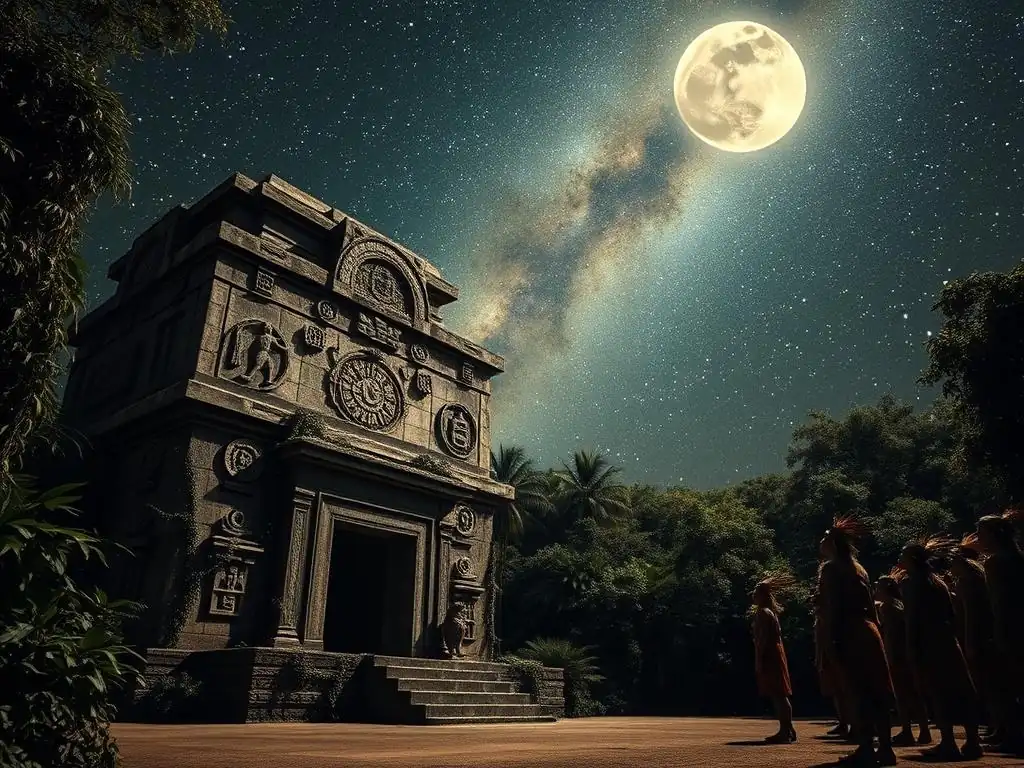
Rituals Associated with the Solar Calendar
Mesoamerican civilizations, including the Maya, Aztec, and Olmec, intricately linked their agricultural practices and spiritual beliefs to the solar calendar. This connection manifested in numerous rituals that honored the sun's cycles, reflecting their understanding of celestial movements and their influence on earthly affairs.
Summer Solstice and Its Ceremonial Importance
The summer solstice, occurring around June 21, marked a pivotal time for Mesoamerican societies. This event symbolized the sun's zenith, heralding the longest day of the year. Rituals during this time often included elaborate ceremonies aimed at ensuring agricultural abundance. For instance, the Maya celebrated with offerings of food, incense, and even bloodletting to appease their deities, such as the sun god Kinich Ahau.
The significance of the summer solstice was not merely agricultural; it also represented a time of renewal and reflection. Temples and pyramids, such as El Castillo at Chichen Itza, were aligned with the sun’s position, creating spectacular visual phenomena during solstice events, reinforcing the connection between the heavens and the earth.
Winter Solstice Celebrations in Mesoamerican Cultures
Conversely, the winter solstice, occurring around December 21, was a time of introspection and rebirth. Mesoamerican cultures viewed this period as a time when the sun began its journey back, symbolizing hope and renewal. Rituals included lighting bonfires and conducting ceremonies that invoked the return of the sun.
The Aztecs, for example, held the festival of "Panquetzaliztli," celebrating Huitzilopochtli, the god of war and the sun. This festival featured music, dancing, and offerings to ensure the sun's strength and longevity. The winter solstice rituals were significant in reinforcing community bonds, as they involved communal gatherings that emphasized shared beliefs and collective identity.
Lunar Rituals and Their Significance
The moon played a crucial role in Mesoamerican astronomy rituals, with its phases dictating agricultural practices and ceremonial life. The lunar calendar was integral to understanding the rhythms of nature and human life, leading to various rituals that honored the moon's influence.
Full Moon Ceremonies and Agricultural Timing
Full moons were celebrated as powerful cosmic events, often associated with fertility and abundance. Agricultural societies relied on the full moon to time planting and harvesting cycles. For instance, the Maya believed that certain crops, like maize, flourished when planted during the full moon phase.
Ceremonies typically involved communal feasts and rituals aimed at thanking lunar deities. These celebrations often included dances and offerings, such as fruits and flowers, symbolizing gratitude for the moon's nurturing qualities. The full moon served as a reminder of the interconnectedness of celestial movements and earthly sustenance.
New Moon Rituals for Renewal and Fertility
New moon rituals held significant importance in Mesoamerican cultures, emphasizing themes of renewal, introspection, and fertility. The new moon, often associated with the goddess of fertility, was a time for planting and initiating new ventures.
Rituals performed during this phase were intended to invoke blessings for new beginnings. Offerings of seeds and prayers were common, as communities sought to align their intentions with the lunar cycle. The new moon represented a blank slate, encouraging individuals to reflect on their aspirations and the opportunities ahead.
Mesoamerican astronomy rituals were deeply intertwined with the solar and lunar cycles, reflecting the sophistication of these ancient cultures in understanding and celebrating their environment. The rituals not only served practical purposes related to agriculture but also reinforced social bonds and spiritual beliefs, highlighting the profound connection between the cosmos and daily life.
The Role of the Priesthood in Astronomy Rituals
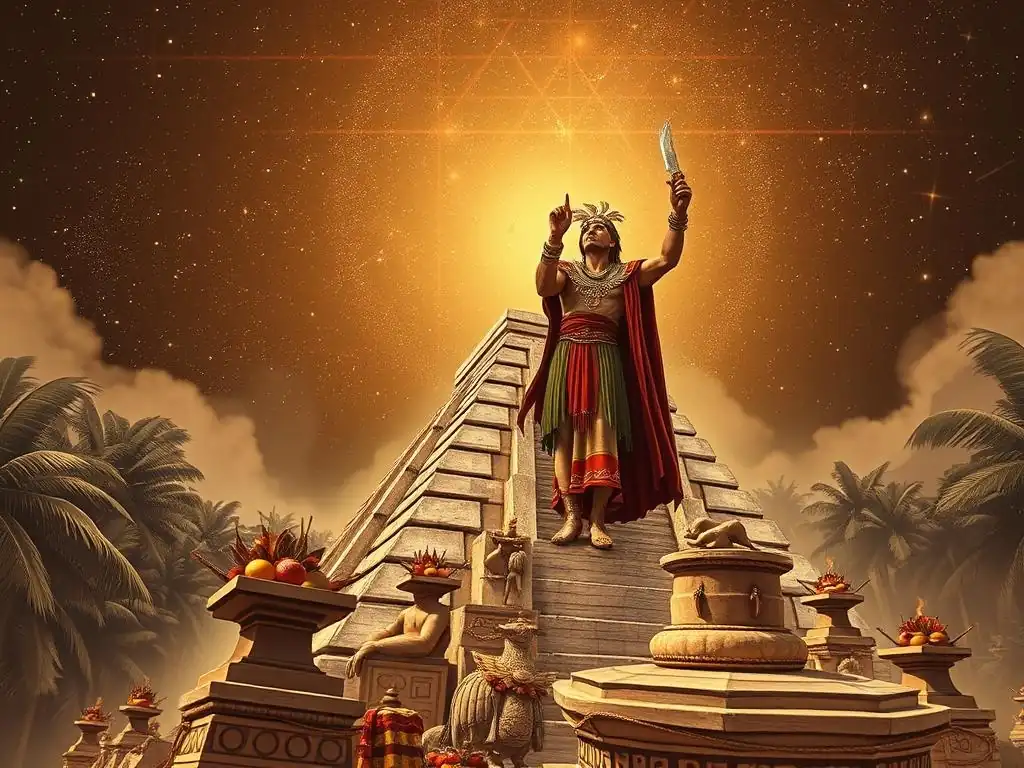
In Mesoamerican societies, the priesthood played a crucial role in the interpretation and application of astronomical knowledge within their rituals. This intertwining of religion and science was fundamental, as celestial bodies were not merely physical entities but were imbued with spiritual significance. The priests were viewed as intermediaries between the gods and the people, and their understanding of the cosmos was vital for conducting ceremonies that aligned with celestial events.
The Astronomer-Priest: A Dual Role
The position of the astronomer-priest exemplifies the duality of responsibilities held by these individuals. They were not just religious leaders but also scholars who observed and recorded celestial phenomena. Their expertise allowed them to predict events such as solar eclipses, solstices, and equinoxes, which were pivotal to agricultural cycles and ritual calendars.
- Religious Authority: The priesthood conducted rituals to appease deities, ensuring favorable conditions for crops and community welfare. Their knowledge of astronomy directly influenced their authority within the society.
- Scientific Observation: Astronomer-priests meticulously observed the movements of celestial bodies. They used tools such as the zenithal stone and observatories built in alignment with important astronomical phenomena to track the stars and planets.
This dual role highlights how deeply rooted astronomy was in the spiritual and practical lives of Mesoamerican civilizations.
Training and Responsibilities of Astronomer-Priests
Training to become an astronomer-priest was rigorous and involved extensive education in both religious and scientific disciplines.
- Education: Young aspirants underwent years of training, learning to read intricate hieroglyphics and study the cycles of celestial bodies. They often started as acolytes, gaining knowledge from established priests.
- Ritualistic Calendar: The astronomer-priests developed the Tzolk’in and Haab’ calendars, which were essential for agricultural activities and religious festivities. Their ability to calculate the timing of these events was critical for societal stability.
- Ritual Responsibilities: On specific dates significant to the calendar, they led ceremonies that honored the gods, including offerings, dances, and prayers. These rituals were tied to astronomical events, such as the appearance of certain constellations or the phases of the moon.
The responsibilities of these priests extended beyond mere observation; they were seen as custodians of knowledge necessary for the spiritual and physical well-being of their communities.
Rituals Conducted by the Priesthood in Relation to Celestial Events
Mesoamerican astronomy rituals were deeply intertwined with the agricultural calendar and religious observances. The timing of these rituals often hinged on celestial events, allowing communities to align their practices with the cosmos.
- Equinox and Solstice Ceremonies: Rituals during the equinoxes and solstices were particularly significant. These events were marked by elaborate ceremonies, including the Feast of the Sun, which celebrated the return of the sun's strength during the summer solstice.
- Eclipses: Solar and lunar eclipses were viewed as ominous events. Astronomer-priests would conduct rituals to avert potential disasters, interpreting these celestial events as signs from the gods. Offerings of food, flowers, and sometimes even human sacrifices were believed to appease the deities.
- Star and Planet Worship: Specific stars and planets held particular significance, leading to rituals dedicated to these celestial bodies. For example, the planet Venus was associated with warfare and was often honored before battles.
These rituals not only reinforced the authority of the priesthood but also served to unify the community in shared beliefs and practices, reflecting the profound relationship between Mesoamerican cultures and the cosmos.
Symbolism of Celestial Bodies in Mesoamerican Rituals
Mesoamerican civilizations placed immense significance on celestial bodies, integrating them deeply into their rituals and cultural practices. The heavens were not merely a backdrop but served as a dynamic canvas that influenced agricultural cycles, religious ceremonies, and social organization. The symbolism associated with celestial bodies reflects the Mesoamericans' understanding of their environment and their profound connection to the cosmos.
The Sun as a Central Figure in Mesoamerican Mythology
The Sun was a vital deity in Mesoamerican mythology, often personified as a powerful god responsible for life, growth, and fertility. Cultures such as the Aztecs and Maya revered the Sun, associating it with various deities like Huitzilopochtli and Tonatiuh.
- Life-Giving Force: The Sun was seen as a source of life, essential for agriculture. The timing of planting and harvesting was often aligned with solar cycles, ensuring that crops received adequate sunlight.
- Ritual Sacrifices: To appease the Sun god and ensure its continued journey across the sky, Mesoamerican civilizations performed elaborate rituals, including human sacrifices. The Aztecs, for instance, believed that the blood of sacrificial victims nourished the Sun, allowing it to rise each day.
- Solar Events: Important solar events, such as the solstices and equinoxes, were marked by grand ceremonies. The summer solstice, for example, was celebrated with rituals that acknowledged the Sun's peak power, often involving feasting, dancing, and offerings.
The Moon’s Influence on Ritual Practices
The Moon also held significant importance in Mesoamerican cultures, symbolizing femininity, fertility, and the cyclical nature of life. Various rituals were timed according to the lunar phases, reflecting the Moon's influence on agriculture, health, and spirituality.
- Lunar Cycles and Agriculture: Mesoamerican farmers often planted and harvested crops in alignment with the lunar cycle. For instance, the new moon signified a time for planting, while the full moon was associated with harvest.
- Festivals and Ceremonies: Rituals honoring the Moon were common, particularly among the Maya, who celebrated the Moon goddess, Ix Chel. Ceremonies during the lunar cycle often included offerings, prayers, and dances that recognized the Moon’s critical role in fertility and growth.
- Mythology and Beliefs: The Moon was often depicted in mythology as a companion to the Sun, embodying duality and balance. These beliefs were reflected in various rituals that sought harmony between solar and lunar energies.
The Significance of Planets and Stars in Ceremonial Contexts
Beyond the Sun and Moon, Mesoamerican cultures also paid close attention to the planets and stars, which were believed to hold specific meanings and influence human affairs.
- Planetary Deities: Celestial bodies like Venus and Mars were associated with particular gods. Venus, for instance, was linked to Quetzalcoatl, the feathered serpent, and was considered a harbinger of both war and fertility, influencing timing for conflict and agricultural practices.
- Star Clusters and Navigation: Certain star clusters, such as the Pleiades, had significant ceremonial value. The appearance of these stars in the night sky often coincided with agricultural or ceremonial events, guiding Mesoamericans in their seasonal activities.
- Calendar Systems: The sophisticated calendar systems, like the Tonalpohualli and the Haab, were closely tied to astronomical observations. The alignment of celestial bodies with specific dates allowed Mesoamericans to plan rituals, festivals, and agricultural activities accurately.
Mesoamerican astronomy rituals were deeply intertwined with the symbolism of celestial bodies. The Sun, Moon, planets, and stars were not only observed but also revered, shaping the cultures' agricultural practices, religious ceremonies, and societal structures. Through these rituals, Mesoamericans demonstrated their intricate understanding of the cosmos and its impact on their daily lives.
Case Studies of Mesoamerican Astronomy Rituals
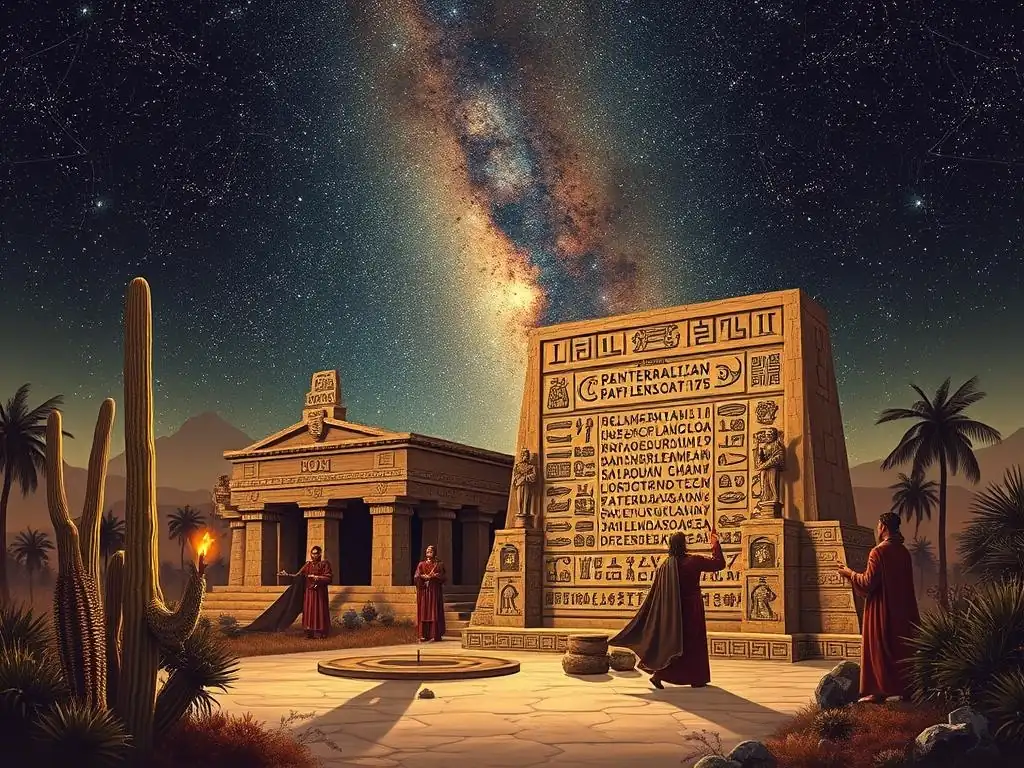
Mesoamerican civilizations, particularly the Maya and Aztec, intricately wove their astronomical knowledge into their rituals. This section examines specific case studies that illustrate the profound relationship between Mesoamerican astronomy and their ceremonial practices.
The Maya's Sacred Calendar and Its Rituals
The Maya civilization developed a complex calendrical system that integrated astronomical observations into their religious and agricultural practices. Central to this system was the Tzolk'in, a 260-day sacred calendar that governed various aspects of Maya life, including rituals and ceremonies.
Analysis of Specific Rituals Related to the Tzolk'in Calendar
The Tzolk'in calendar was pivotal for determining the timing of rituals, with each day represented by a combination of a number (1-13) and one of 20 day names. This cyclical calendar not only dictated daily activities but also influenced major ceremonies, such as:
- New Year Festivals: The start of each Tzolk'in cycle was marked by elaborate celebrations, where priests performed rituals to ensure cosmic harmony and agricultural fertility.
- Rituals for Fertility and Planting: Specific days within the Tzolk'in were considered auspicious for planting crops. Rituals included offerings to gods and the recitation of prayers aligned with celestial events, reinforcing the connection between the heavens and agriculture.
- Divination Practices: The Maya utilized the Tzolk'in for divination, believing that the day a person was born influenced their destiny. Rituals involved ceremonies to honor the day and seek guidance from deities.
The Maya's observance of the Tzolk'in calendar exemplifies how astronomy was not merely a scientific pursuit but a vital component of their spiritual and cultural identity.
Aztec Rituals and Their Astronomical Alignments
The Aztec civilization also demonstrated a deep connection between their religious practices and astronomical events. Their rituals often reflected the positions of celestial bodies, particularly the sun and the stars.
The Templo Mayor and Celestial Alignments
The Templo Mayor, a central temple in Tenochtitlan, was designed with significant astronomical alignments that played a crucial role in Aztec rituals.
- Orientation of the Temple: The Templo Mayor was aligned with the rising and setting of the sun during solstices and equinoxes. This alignment was intentional, as it allowed priests to conduct ceremonies that honored the sun god, Huitzilopochtli, during these pivotal celestial events.
- Ceremonial Practices: During major astronomical events, such as the spring equinox, the Aztecs performed rituals that involved human sacrifices to appease the gods and ensure the continuation of the sun’s journey across the sky. These ceremonies highlighted the importance of celestial cycles in sustaining life.
- Calendar Stones and Rituals: The Aztecs created intricate calendar stones that depicted their cosmology. These stones were often integrated into rituals, where priests would interpret celestial phenomena to forecast events and determine the appropriate ceremonies to perform.
Through the architectural brilliance of the Templo Mayor and the synchronization of their rituals with astronomical phenomena, the Aztecs showcased a profound understanding of the cosmos and its essential role in their ceremonial life.
The case studies of Mesoamerican astronomy rituals reveal a rich tapestry of cultural practices deeply rooted in celestial observations. Both the Maya and Aztec civilizations illustrate how astronomy served not only as a scientific framework but also as a guiding force in their spiritual and communal lives.
Contemporary Reflections on Mesoamerican Astronomy Rituals
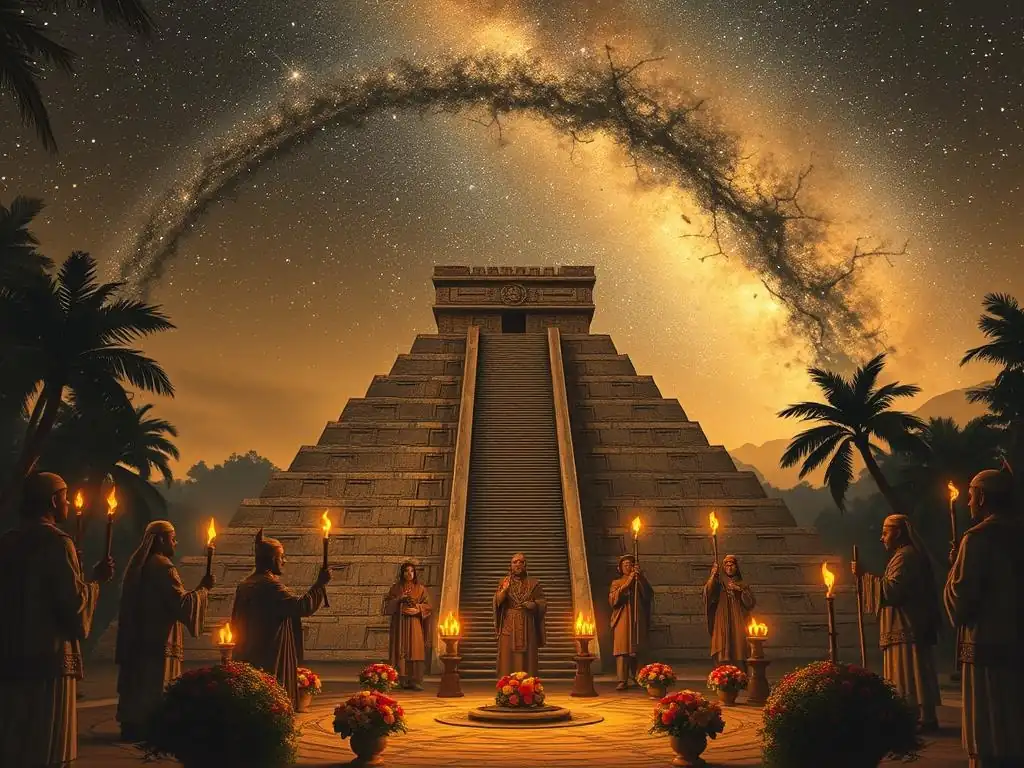
The Influence of Ancient Rituals on Modern Indigenous Practices
The legacy of Mesoamerican astronomy rituals continues to resonate within contemporary indigenous practices across the Americas. Many modern Indigenous communities draw upon ancient astronomical knowledge to inform their agricultural cycles, seasonal celebrations, and spiritual ceremonies. For instance, the traditional practice of planting and harvesting is often synchronized with celestial events such as the solstices and equinoxes, reflecting a profound understanding of the relationship between the cosmos and agricultural productivity.
- Cultural Significance: The alignment of rituals with the celestial calendar not only fosters agricultural success but also reinforces cultural identity and community cohesion. In many cases, these rituals serve as a means of passing down indigenous knowledge and traditions to younger generations, ensuring that they remain connected to their ancestral heritage.
- Contemporary Ceremonies: Today, some communities conduct ceremonies that honor celestial bodies, particularly the sun and moon, just as their ancestors did. These events often incorporate traditional music, dance, and offerings, creating a vibrant tapestry of cultural expression that highlights the enduring impact of ancient Mesoamerican practices.
“The stars are not just points of light; they are our ancestors, guiding us through the cycles of life.” - A contemporary indigenous leader
Preservation and Revitalization of Mesoamerican Astronomical Traditions
In recent years, there has been a significant movement towards the preservation and revitalization of Mesoamerican astronomical traditions. This resurgence is driven by a desire to reclaim cultural heritage and to educate others about the sophisticated understanding of astronomy held by ancient civilizations such as the Maya and the Aztec.
- Educational Initiatives: Organizations and cultural centers are increasingly offering workshops and programs that teach traditional astronomical knowledge, emphasizing the importance of the stars in indigenous worldviews. These initiatives often involve:
- Star Gazing Events: Community members gather to observe celestial events, using traditional methods to interpret the significance of constellations and planetary movements.
- Storytelling: Elders share myths and legends that encapsulate the importance of the cosmos in their cultural narratives.
- Integration with Modern Science: Some modern indigenous astronomers are bridging traditional knowledge with contemporary scientific practices. This integration allows for a more comprehensive understanding of celestial phenomena while also validating the astronomical expertise that existed long before European contact.
| Aspect | Traditional Practices | Modern Applications |
|---|---|---|
| Knowledge Transfer | Oral traditions and community gatherings | Workshops and educational programs |
| Celestial Observations | Rituals based on solstices and equinoxes | Scientific analysis and astronomy clubs |
| Cultural Expression | Dance, music, and offerings | Festivals and public events celebrating culture |
Through these efforts, the rich traditions of Mesoamerican astronomy rituals not only survive but thrive in contemporary society, reminding us of the deep connection between indigenous cultures and the cosmos. The revival of these practices not only preserves history but also strengthens community ties and fosters a sense of identity rooted in the stars.
Conclusion: The Lasting Impact of Mesoamerican Astronomy Rituals
Summary of Key Points
Mesoamerican astronomy rituals played a crucial role in the social, spiritual, and agricultural life of ancient civilizations such as the Maya and Aztecs. These rituals were intricately tied to celestial events, marking significant times for planting, harvesting, and celebrating.
- Cyclical Nature of Time:
- Mesoamerican cultures viewed time as cyclical, heavily influenced by astronomical phenomena. The calendar systems, such as the Maya Tzolk'in and Haab', were foundational in structuring societal events and rituals.
- Festivals and agricultural activities were meticulously planned according to celestial events such as solstices and equinoxes.
- Integration of Mythology and Astronomy:
- The stars and planets were not just celestial bodies; they were deeply embedded in the mythology and cosmology of these civilizations.
- Deities associated with celestial bodies often dictated the timing and nature of rituals, reinforcing the connection between the heavens and earthly life.
- Architectural Alignments:
- Many Mesoamerican structures, including pyramids and observatories, were strategically aligned with celestial events.
- For example, the El Caracol at Chichen Itza served as an astronomical observatory, highlighting the importance of precise observations for ritualistic purposes.
- Cultural Legacy:
- The rituals and knowledge surrounding Mesoamerican astronomy have left a lasting impact on contemporary indigenous cultures, influencing modern spiritual practices and cultural identities.
The Importance of Understanding Mesoamerican Astronomy in Today’s Society
Understanding Mesoamerican astronomy rituals is vital not just for historical knowledge but also for its relevance in modern society.
- Cultural Heritage and Identity:
- Studying these rituals helps preserve indigenous knowledge and cultural identities. Many contemporary indigenous groups continue to honor their ancestral practices, and recognizing the significance of these rituals fosters pride and continuity.
- Interdisciplinary Insights:
- Mesoamerican astronomy enriches various fields such as anthropology, history, and astronomy itself. It provides insights into how ancient peoples interacted with their environment, offering lessons in sustainability and ecological awareness.
- Educational Value:
- Incorporating Mesoamerican astronomy into educational curricula can inspire a greater appreciation for cultural diversity and the scientific achievements of indigenous peoples.
- It encourages critical thinking about how societies interpret natural phenomena and the relationship between science and spirituality.
- Global Perspectives:
- In an increasingly globalized world, understanding diverse cosmological perspectives fosters cross-cultural dialogue. Mesoamerican astronomy rituals exemplify how different societies have interpreted the universe, offering valuable lessons in respect and coexistence.
The study of Mesoamerican astronomy rituals not only highlights the remarkable achievements of these ancient civilizations but also serves as a bridge to understanding contemporary societal values. By recognizing the importance of these rituals, we can appreciate the depth of human experience and the interconnectedness of culture and astronomy.
Frequently Asked Questions
What are Mesoamerican astronomy rituals?
Mesoamerican astronomy rituals are ceremonies that integrated astronomical observations with religious beliefs, reflecting the significance of celestial events in the cultural practices of ancient civilizations.
How did Mesoamerican cultures use astronomy in their rituals?
Mesoamerican cultures utilized astronomy to determine the timing of agricultural cycles, religious festivals, and important ceremonies, aligning their rituals with celestial events like solstices and lunar phases.
What role did the stars play in Mesoamerican societies?
The stars were seen as powerful deities and guides, influencing everything from harvests to the timing of wars, illustrating their integral role in the spiritual and daily lives of the people.
Can you name some Mesoamerican civilizations known for their astronomy rituals?
Civilizations such as the Maya, Aztecs, and Olmecs are well-known for their sophisticated understanding of astronomy and the incorporation of celestial observations into their rituals and calendars.
How did the arrival of Europeans affect Mesoamerican astronomy rituals?
The arrival of Europeans led to the disruption of native practices, as many Mesoamerican astronomy rituals were suppressed or transformed, resulting in a loss of traditional knowledge and cultural heritage.
Final Reflection: The Enduring Legacy of Mesoamerican Astronomy Rituals
Mesoamerican astronomy rituals are not merely relics of the past; they resonate deeply with our present and future. As we navigate an increasingly complex world, the celestial patterns that guided ancient civilizations offer us profound insights into our own existence. The alignment of the stars and the cycles of the moon remind us of our connection to the universe and the importance of observing the natural world around us. In a time when technology often distances us from nature, the wisdom of these ancient practices stands as a powerful testament to the human experience.
Mesoamerican astronomy rituals have shaped cultural identities and fostered a sense of community that transcends time. The reverence for celestial bodies and their influence on agricultural cycles, religious ceremonies, and social cohesion continues to inspire contemporary practices and beliefs. As we reflect on this rich heritage, we are reminded of the words of the ancient Maya: The stars are the ancestors who guide us.
This connection to our forebears encourages us to honor their legacy while recognizing the ongoing influence of these rituals in our lives today.
As you ponder the significance of Mesoamerican astronomy rituals, consider how you can incorporate elements of this ancient wisdom into your own life. Whether through stargazing, celebrating seasonal changes, or engaging in communal rituals, there are countless ways to reconnect with the cosmos and the traditions that bind us to our ancestors. Embrace the invitation to reflect on your relationship with the universe, and let the stars guide you toward a deeper understanding of your place within it.
Ignite Your Curiosity About Mesoamerican Astronomy!
Thank you for diving into the fascinating world of Mesoamerican ceremonies and their connection to astronomy. You've uncovered how ancient cultures intertwined celestial events with their rituals, enriching their spiritual landscapes. Now, it’s time to take that newfound knowledge and explore further!
- Join a local astronomy club to deepen your understanding of stargazing and connect with fellow enthusiasts.
- Share your favorite insights from this article with friends or on social media to spark conversations about indigenous cultures and their astronomical wisdom.
- Consider participating in or organizing a stargazing event that highlights the importance of celestial bodies in various cultural contexts.
Which celestial phenomenon inspires you the most, and how do you believe it can enhance our understanding of ancient rituals?