
The Use of Color and Decoration in Mesoamerican Buildings

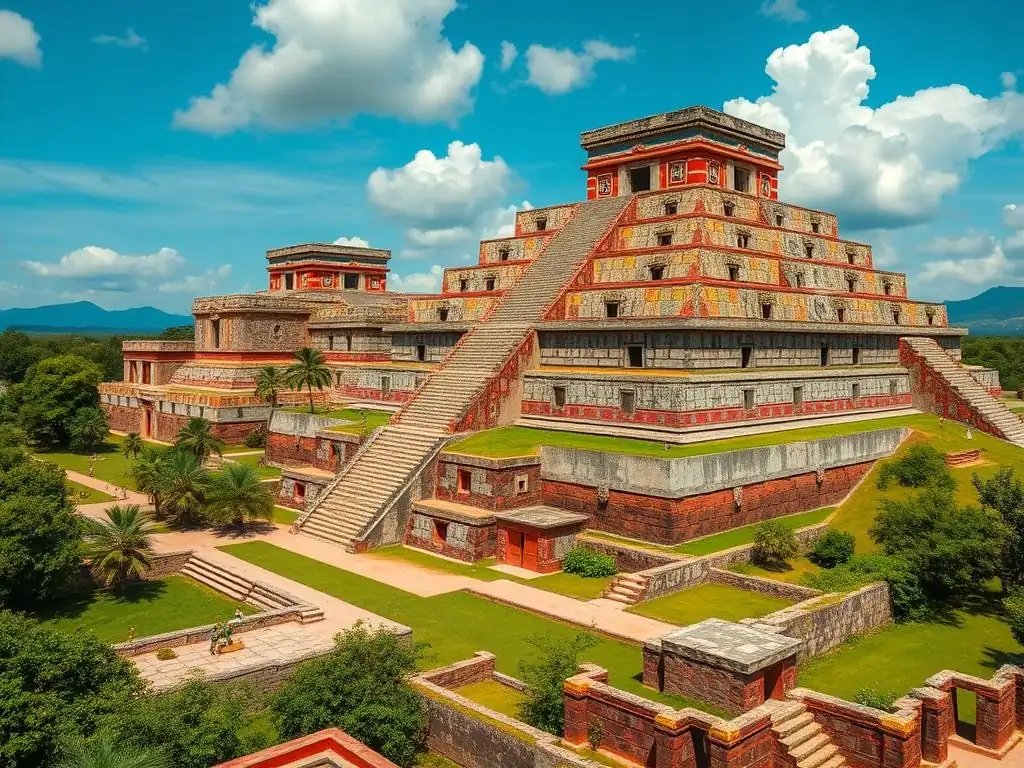
Welcome to Indigenous Civilizations of the Americas, where we invite you to embark on a captivating journey through the rich tapestry of indigenous cultures that flourished long before European contact. Here, we shine a spotlight on the incredible advancements and achievements of these vibrant societies, with a particular focus on the artistry of Mesoamerican color decoration techniques. Discover how color breathed life into their architectural masterpieces, reflecting not just aesthetic choices, but also deep cultural meanings.
Join us as we unravel the stories behind these stunning decorations, and prepare to be inspired by the legacy that continues to influence us today. Dive deeper to uncover the brilliance of Mesoamerican artistry!
- Introduction to Mesoamerican Color Decoration Techniques
- Historical Context of Mesoamerican Color Decoration
- Key Mesoamerican Color Decoration Techniques
- Symbolism of Colors in Mesoamerican Cultures
- Architectural Features Enhanced by Color Decoration
- Regional Variations in Mesoamerican Color Decoration Techniques
- The Role of Decoration in Mesoamerican Cultural Identity
- Modern Interpretations and Influences of Mesoamerican Color Techniques
- Conclusion: The Lasting Legacy of Mesoamerican Color Decoration
- Frequently Asked Questions
- Final Reflection: The Enduring Legacy of Mesoamerican Color Decoration Techniques
- Unveil the Vibrancy of Mesoamerican Design!
Introduction to Mesoamerican Color Decoration Techniques
Mesoamerican architecture stands as a testament to the ingenuity and creativity of ancient civilizations that flourished across present-day Mexico and Central America. One of the most striking features of this architectural legacy is the use of color and decoration. Mesoamerican color decoration techniques were not merely aesthetic choices; they held deep cultural significance and functionality.
These techniques were employed to convey messages, honor deities, and enhance the spiritual atmosphere of structures, making them integral to the identity of the societies that created them. In this article, we will delve into the various methods and meanings behind color and decoration in Mesoamerican buildings, exploring how these elements reflect the complexities and richness of indigenous cultures before European colonization.
Overview of Mesoamerican Architecture
Mesoamerican architecture encompasses a variety of styles and forms developed by numerous civilizations, including the Olmec, Maya, Teotihuacan, and Aztec. Characterized by monumental structures such as pyramids, temples, and palaces, this architecture was often built using locally sourced materials such as stone, adobe, and wood. The architectural designs were not only functional but also aimed at creating spaces that fostered community, religious practices, and political power.
Key elements of Mesoamerican architecture include:
- Pyramids and Temples: These structures often served as ceremonial centers, with intricate designs that showcased the civilization’s artistic capabilities.
- Ball Courts: Unique architectural features that played a significant role in social and ritual life.
- Residential Complexes: Homes and communal living spaces that reflect the social organization of these cultures.
The use of color in these structures was prevalent, with bright hues derived from natural pigments applied to walls, sculptures, and decorative elements. Each color carried symbolic meanings, contributing to the overall narrative of the architecture.
Importance of Color and Decoration in Indigenous Cultures
Color and decoration in Mesoamerican architecture served multiple purposes, deeply rooted in the cultural and spiritual life of indigenous peoples. The significance of these techniques can be understood through several dimensions:
- Symbolism: Different colors were associated with various deities and elements of nature. For instance, red often symbolized life and fertility, while blue was connected to the water and sky.
- Social Hierarchy: The use of specific colors and decorations could signify the status of a building or its occupants. More elaborate and vibrant decorations were typically reserved for the elite or for important ceremonial structures.
- Cultural Identity: The distinctive styles of color decoration techniques helped to establish a sense of identity among different Mesoamerican cultures. This uniqueness allowed for the expression of cultural narratives and historical legacies through architectural forms.
In essence, the vibrant color palettes and intricate decorations of Mesoamerican buildings are not just visual spectacles; they are profound reflections of the values, beliefs, and societal structures of ancient civilizations. The exploration of these elements provides us with deeper insights into the rich tapestry of indigenous cultures that shaped the Americas long before European contact.
Historical Context of Mesoamerican Color Decoration
Pre-Columbian Societies and Their Artistic Expression
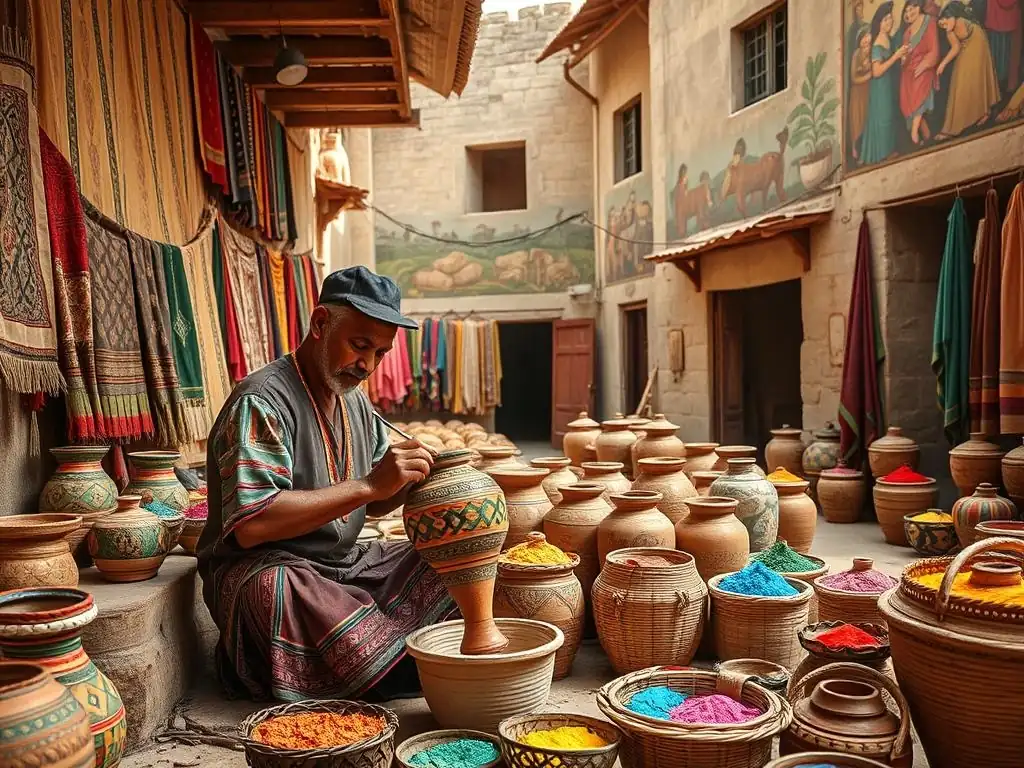
Mesoamerican societies, such as the Maya, Aztecs, and Olmecs, exhibited a profound connection between their environment, spirituality, and artistic expression, particularly through the use of color and decoration in architecture. These societies did not merely construct buildings; they infused their structures with symbolic meanings and cultural narratives through intricate decoration techniques.
Color played a crucial role in Mesoamerican architecture. Each hue often held specific connotations, representing various natural elements, deities, and cosmic forces. For instance, the vibrant red was associated with life and fertility, while blue symbolized water and the sky, reflecting the importance of these elements in their daily lives and religious beliefs. The use of color was not random; it was a deliberate choice that showcased the beliefs and values of the societies.
Architectural decoration techniques varied widely across Mesoamerican cultures, but common practices included:
- Polychrome Painting: Many structures were adorned with bright, multi-colored paints made from natural pigments derived from minerals, plants, and insects. This technique created visually striking exteriors that celebrated the vibrancy of Mesoamerican culture.
- Sculptural Reliefs: Buildings often featured relief carvings depicting deities, animals, and mythological scenes. These decorations were typically painted in bright colors, enhancing their visibility and significance.
- Ceramic Tiles and Mosaic Work: Some cultures utilized ceramic tiles or mosaic techniques, embedding colorful stones and shells into their structures to create intricate patterns and images.
The intricate use of color and decoration in Mesoamerican buildings served not only an aesthetic purpose but also reflected the society's identity and beliefs. The ceremonial centers, temples, and palaces were often vibrant canvases that conveyed stories about the cosmos, creation, and the divine.
Influence of Geography on Color Choices and Decoration Styles
The geographical diversity of Mesoamerica significantly influenced the color decoration techniques employed by its civilizations. The region's varied landscapes—from lush rainforests to arid deserts—provided a rich palette of natural resources that shaped the materials available for artistic expression.
Local Resources and Pigments
Different areas had access to distinct natural pigments that informed their color choices. For example:
- Maya Civilization: The Maya utilized copal resin to produce a deep blue pigment, sourced from the indigo plant, which was highly prized and symbolized precision and knowledge. The abundant local minerals allowed for the creation of reds, yellows, and greens that adorned their temples and palaces.
- Aztec Empire: The Aztecs favored vibrant hues, often using cochineal for red and a unique green derived from copper minerals. Their decoration techniques showcased a mix of local and imported materials, resulting in elaborate and diverse artistic expressions.
Cultural Exchange and Adaptation
Geography also facilitated trade and cultural exchanges among Mesoamerican societies, allowing for the sharing of decoration techniques and materials. The influence of neighboring civilizations often resulted in a blend of styles, creating unique architectural identities.
- Trade Routes: The extensive trade networks enabled the distribution of color pigments and decorative techniques across Mesoamerica, leading to the adoption of new styles and materials.
- Environmental Impact: The local climate influenced the durability and choice of decorative materials. For instance, regions with high humidity required more resilient paints and techniques to withstand the elements, leading to innovations in decoration methods.
The interplay between geography and cultural expression resulted in a rich tapestry of color decoration techniques in Mesoamerican architecture. The vibrant aesthetics of these structures not only showcased artistic prowess but also underscored the deep spiritual and cultural significance embedded in the colors and designs of their built environment.
Key Mesoamerican Color Decoration Techniques
Mesoamerican architecture is renowned not only for its monumental scale and engineering prowess but also for its vibrant use of color and decoration. The application of color in these structures was not merely aesthetic; it held deep social, spiritual, and cultural significance. Below are some of the key techniques employed by Mesoamerican civilizations to achieve their distinctive color palettes.
Use of Natural Pigments in Mesoamerican Architecture
The Mesoamerican civilizations utilized a variety of natural pigments sourced from minerals, plants, and insects to create their vivid color palettes. This practice was essential for both ceremonial and everyday structures.
- Commonly Used Pigments:
- Red: Derived from iron oxide or the cochineal insect, red often symbolized life and fertility.
- Blue and Green: Obtained from minerals such as azurite and malachite, these colors represented the sky and water, vital elements in Mesoamerican cosmology.
- Yellow and Orange: Produced from plants such as turmeric and annatto, these hues were associated with the sun and agricultural abundance.
Mesoamerican artisans were skilled at manipulating these pigments to create a range of shades, enhancing the visual impact of their architecture. The use of these natural materials also reflected a deep connection to their environment and spiritual beliefs.
Techniques for Applying Color to Structures
Mesoamerican builders employed several techniques to apply color to their buildings, each contributing to the overall aesthetic and symbolic narrative of the architecture. The methods varied by region and culture but shared common elements.
Fresco Painting in Mesoamerican Buildings
Fresco painting was a prominent technique used in Mesoamerican architecture, particularly in temple and palace constructions. This method involved applying pigments onto freshly laid plaster, allowing the colors to bond with the wall as it dried.
- Process of Fresco Painting:
- Preparation of the Surface: Mesoamerican builders created a smooth plaster base to ensure a uniform application of color.
- Application of Color: Artists would then apply mineral-based pigments mixed with water directly onto the wet plaster.
- Finishing Touches: Once the plaster dried, the colors became an integral part of the wall, resulting in vibrant, long-lasting images.
Frescoes often depicted religious scenes, mythological narratives, or important historical events, serving both decorative and communicative purposes. The durability of this technique allowed many ancient frescoes to survive to this day, providing invaluable insights into Mesoamerican culture.
Stone Carving and Color Application
In addition to painting, stone carving played a significant role in Mesoamerican color decoration techniques. Carved stone elements were often painted or left in their natural state, showcasing intricate designs and symbols.
- Carving Techniques:
- Relief Carving: Artists would carve images and patterns into stone surfaces, which could then be painted with vibrant colors.
- Polychrome Decoration: Some stone structures featured multiple colors, achieved by layering different pigments, creating a striking visual effect.
The combination of carved stone and color not only enhanced the aesthetic value of the buildings but also conveyed complex meanings, representing deities, cosmological beliefs, or societal values. The integration of color in stonework exemplified the sophistication of Mesoamerican artistic expression and its significance within their architectural heritage.
The rich tradition of color decoration techniques in Mesoamerican architecture reflects a profound understanding of materials and aesthetics. The use of natural pigments, fresco painting, and stone carving were not only methods of beautification but also powerful expressions of cultural identity and values that have left a lasting impact on the architectural landscape of the Americas.
Symbolism of Colors in Mesoamerican Cultures
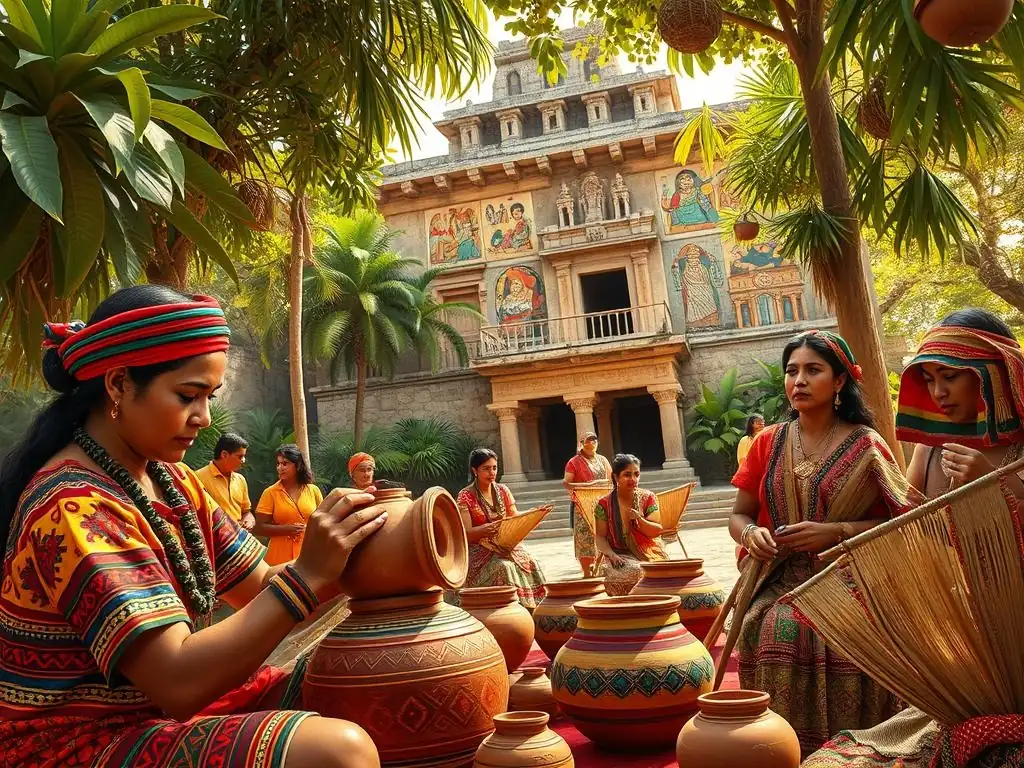
Mesoamerican cultures placed profound significance on color, perceiving it as a vital element in their architecture, art, and daily lives. Each hue was imbued with symbolic meanings that went beyond mere aesthetics, influencing religious practices, social structures, and environmental interactions. The use of specific colors often conveyed messages related to cosmology, identity, and spirituality. This section delves into the meanings behind various colors in Mesoamerican contexts and highlights how these colors were utilized in building decoration and structure.
Meaning of Specific Colors in Mesoamerican Contexts
Understanding the meanings of colors in Mesoamerican cultures provides insight into their worldviews and societal norms. Below are some of the most prominent colors and their associations:
Red: Symbolism and Usage
Red was a powerful color in Mesoamerican societies, often symbolizing life, fertility, and blood. It was frequently associated with the sun and the agricultural cycle, representing growth and renewal.
- Cultural Significance: In various Mesoamerican civilizations, such as the Aztecs and Maya, red was used in ceremonial contexts, often linked to rituals of sacrifice and offerings. The hue was believed to attract divine favor and ensure prosperity.
- Architectural Application: Buildings adorned with red pigments, made from natural minerals and dyes, were often viewed as sacred spaces. The use of red in temples and public structures signified the importance of the rituals performed within these spaces.
Blue and Green: Significance in Rituals
Blue and green colors held significant spiritual meanings, often associated with water, fertility, and the heavens. These colors were prevalent in various ceremonial settings and architectural designs.
- Blue: This color represented the sky and water, essential elements for agriculture and sustenance. In rituals, blue was often used to symbolize life and renewal. The vibrant blue pigment, made from minerals like azurite, was commonly used in murals and decorative elements.
- Green: Frequently associated with the earth and vegetation, green symbolized fertility and abundance. In Mesoamerican architecture, green hues were used to reflect the connection between the built environment and the natural world, reinforcing the cultures' reverence for nature.
Yellow and Earth Tones: Connection to Nature
Yellow and earth tones played a crucial role in Mesoamerican color decoration techniques, embodying the relationship between the people and their surroundings.
- Yellow: Symbolizing the sun and warmth, yellow was often used in decoration to invoke positive energy and growth. It was a common color in agricultural celebrations and rituals, reinforcing the importance of the sun in crop cycles.
- Earth Tones: Shades of brown, ochre, and beige reflected the natural landscape and were often used in construction and decoration. These colors connected structures to the earth, emphasizing the Mesoamerican belief in harmony with nature. Earth tones were particularly prominent in residential buildings and community spaces, fostering a sense of belonging and stability.
The use of color in Mesoamerican architecture was a multifaceted practice that transcended mere decoration. Each color carried deep cultural significance, playing an essential role in rituals, community identity, and the connection to the environment. Understanding these Mesoamerican color decoration techniques allows us to appreciate the sophistication and richness of their architectural heritage.
Architectural Features Enhanced by Color Decoration
Temples and Religious Buildings
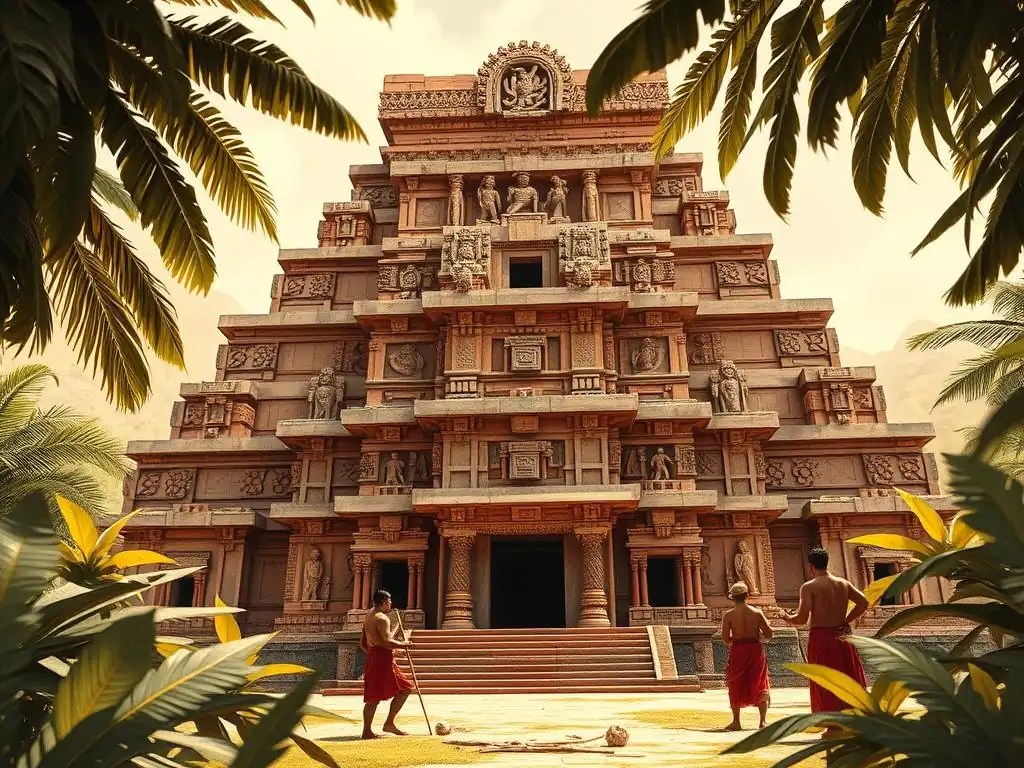
Mesoamerican temples are renowned for their intricate color decoration techniques, which played a pivotal role in their architectural significance. These structures were not merely places of worship; they were representations of the cosmos, imbued with spiritual meaning and cultural identity. The use of vibrant colors, such as red, turquoise, and yellow, was intentionally chosen to reflect various deities and celestial entities.
- Symbolism of Colors: Each color carried distinct meanings. For example:
- Red: Often associated with blood and sacrifice, symbolizing the sun's power.
- Turquoise: Linked to water and fertility, representing life and renewal.
- Yellow: Connected to the earth and harvest, reflecting agricultural abundance.
The application of these colors was not random but followed meticulous methods. For instance, the Maya utilized natural pigments derived from minerals, plants, and insects. These pigments were ground meticulously and mixed with binders, allowing for long-lasting application on stone and plaster surfaces.
Residential Structures and Everyday Life
In residential structures, color decoration techniques served both aesthetic and practical purposes. Homes in Mesoamerican societies often featured murals and decorative motifs that reflected daily life, social status, and family lineage. The vibrant colors used in these decorations enhanced the liveliness of the spaces and contributed to a sense of community.
- Domestic Color Use: Common color techniques included:
- Polychrome Murals: Walls adorned with scenes depicting historical events, mythology, and daily activities.
- Textile Integration: Brightly colored textiles woven with intricate patterns were used for curtains and furniture, adding texture and warmth to the living environment.
These decorative practices did not just beautify homes; they also communicated identity and heritage. Families would often engage in communal painting projects, reinforcing social bonds and traditions.
Public Spaces and Their Decorative Elements
Public spaces in Mesoamerican cities were characterized by their elaborate color decorations, which served to unify the community and celebrate cultural achievements. These areas, including plazas and marketplaces, often featured sculptures, altars, and murals that conveyed significant historical and cultural narratives.
- Key Decorative Elements:
- Sculptural Reliefs: Many public monuments were embellished with painted reliefs that depicted gods, mythological stories, and historical events. The use of vibrant colors in these artworks highlighted important figures and symbols.
- Ceremonial Platforms: Platforms used for rituals were often decorated with intricate patterns and colors that signified their importance, making them visually striking and spiritually significant.
These techniques not only enhanced the beauty of public spaces but also played a crucial role in the social and political life of Mesoamerican civilizations. The colors and decorations served as a language of their own, conveying messages of power, unity, and cultural pride.
The use of color decoration techniques in Mesoamerican architecture was a vital aspect that enriched the visual and cultural landscape. From temples to homes and public spaces, these practices reflected the values, beliefs, and artistic prowess of indigenous civilizations.
Regional Variations in Mesoamerican Color Decoration Techniques
Mesoamerican architecture is renowned for its intricate color decoration techniques, which varied significantly among different civilizations. These techniques were not merely aesthetic; they also held deep cultural and symbolic meanings, reflecting the values, beliefs, and environmental contexts of each society. The use of color in Mesoamerican buildings can be categorized based on the unique styles and approaches of the major civilizations, including the Maya, Aztec, and Olmec.
Differences Among Major Mesoamerican Civilizations
The major Mesoamerican civilizations each developed distinct color decoration techniques, influenced by their environment, available materials, and cultural priorities. Understanding these differences provides insight into how each civilization expressed its identity and worldview through architectural color schemes.
The Maya: Unique Approaches to Color
The Maya civilization, known for its advanced knowledge of astronomy and mathematics, also excelled in artistic expression through color. Their buildings frequently featured vibrant colors derived from local materials, such as:
- Red: Often obtained from iron oxide, red was a dominant color in Maya architecture and symbolized life and power.
- Blue and Green: These colors were commonly produced from minerals like azurite for blue and jade for green, representing fertility and the sky.
- Yellow and White: Derived from various minerals, these colors signified wealth and purity.
Maya cities like Tikal and Palenque showcase intricate murals and painted stucco reliefs, where color was used not only for decoration but also to convey historical narratives and religious themes. The use of color in Maya architecture was deeply intertwined with their cosmology, where specific colors corresponded to cardinal directions and deities.
The Aztec: Bold Color Usage in Urban Planning
In contrast to the Maya, the Aztec civilization adopted a more uniform approach to color decoration in their urban planning. The capital city of Tenochtitlán exemplified this bold usage of color, featuring structures adorned with vibrant hues that created a striking visual landscape. Key characteristics include:
- Bright Primary Colors: The Aztecs favored reds, yellows, and blues, which were often sourced from cochineal insects (for red) and mineral pigments.
- Geometric Patterns: Color was used to accentuate geometric designs on buildings, reflecting the Aztec appreciation for symmetry and order.
- Ceremonial Significance: The placement of color often had ritualistic significance, marking important structures such as temples and palaces, which were painted in colors that symbolized specific deities.
The use of bold colors in Aztec architecture not only served aesthetic purposes but also played a critical role in religious ceremonies, where temples adorned in bright colors became focal points for worship and community gatherings.
The Olmec: Early Techniques and Influences
The Olmec civilization, often considered the "mother culture" of Mesoamerica, laid the groundwork for many artistic and architectural practices that followed. Although less is known about the specifics of their color decoration techniques, several key points highlight their influence:
- Natural Pigments: The Olmecs utilized natural pigments from minerals and plants, with evidence of red ochre and black colors being prominent in their art.
- Stone Carvings and Monuments: The monumental heads and carvings of the Olmecs often featured contrasting colors, emphasizing the features of their sculptures.
- Cultural Symbolism: The limited palette they employed was rich in symbolism, with colors reflecting their spiritual beliefs and societal structures.
The Olmec techniques and aesthetic choices set the stage for subsequent Mesoamerican civilizations, influencing their approaches to color and decoration in architecture and art. Their legacy is evident in the practices of both the Maya and Aztec, showcasing how early cultural expressions continued to resonate throughout Mesoamerican history.
The regional variations in Mesoamerican color decoration techniques demonstrate not only the artistic capabilities of these civilizations but also their profound connections to cultural identity and belief systems. Understanding these techniques reveals the intricate tapestry of Mesoamerican architectural heritage.
The Role of Decoration in Mesoamerican Cultural Identity
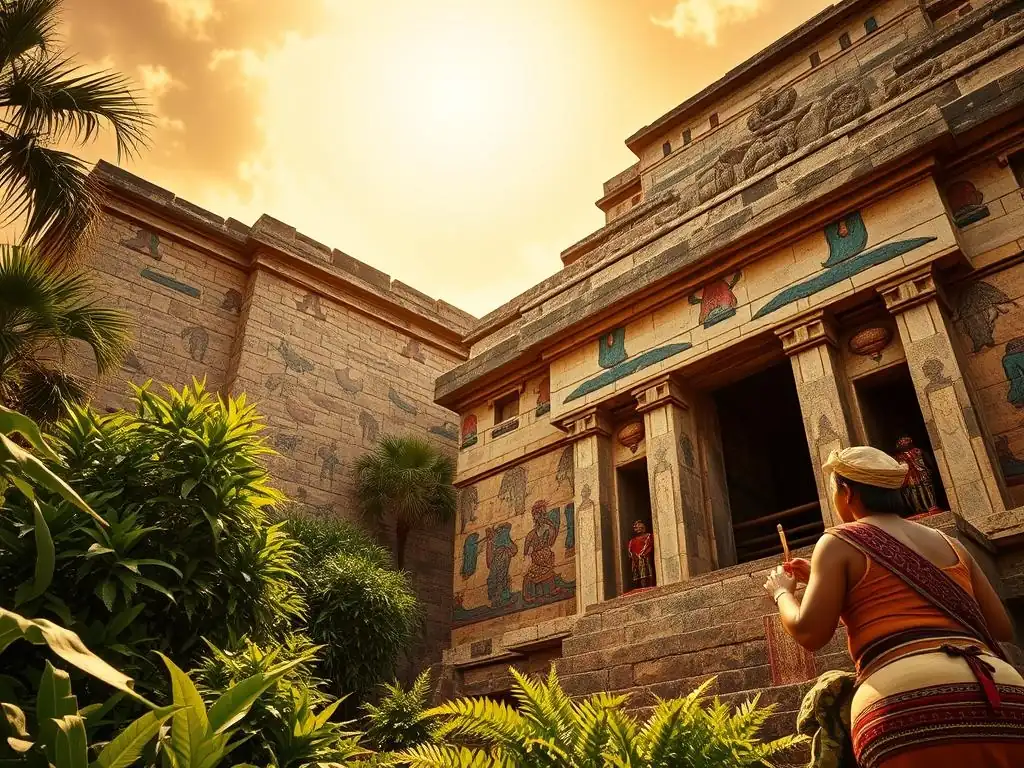
Mesoamerican cultures, such as the Maya, Aztec, and Olmec, utilized color decoration techniques as a vital expression of their cultural identity. The vibrant hues and intricate designs found on their buildings were not merely aesthetic choices; they served as symbols of community, spirituality, and social structure.
In Mesoamerican architecture, color played a significant role in conveying messages about the society's values, beliefs, and cosmology. Colors were often associated with specific deities, directions, and seasons, creating a rich tapestry of meaning that transcended mere decoration. For instance, the use of red could symbolize life and fertility, while black might represent death and the underworld.
The decoration techniques employed included:
- Polychrome stucco: This technique involved applying multiple colors of plaster to create detailed motifs and figures on the walls of structures.
- Painted murals: These murals not only depicted deities and mythology but also illustrated historical events and social norms, reinforcing the community's identity.
- Symbolic motifs: Geometric patterns and animal representations were used to convey messages about the culture’s worldview and social order.
Through these methods, decoration became a vehicle for cultural expression, uniting communities in shared beliefs and practices.
In Mesoamerican societies, color decoration techniques were closely tied to social hierarchies and power dynamics. The use of specific colors and elaborate designs often indicated the status of an individual or group within the community.
Elite Structures: Buildings constructed for the elite, such as temples and palaces, were adorned with more intricate and vibrant decorations. This not only showcased their wealth but also their connection to the divine. For example, the use of gold and bright colors in the decoration of temples signified their importance as places of worship and governance.
Commoner Homes: In contrast, homes of commoners often featured simpler designs and muted colors. While still decorated, these structures reflected the limited resources available to lower social classes. This distinction in decoration was a visual representation of the social hierarchy, reinforcing the division between the elite and the common populace.
| Social Class | Decoration Techniques | Color Palette |
|---|---|---|
| Elite | Intricate murals, polychrome stucco | Bright colors, gold |
| Commoner | Simple designs, minimal decoration | Muted and earth tones |
In essence, the color decoration of Mesoamerican buildings served as a powerful tool for social stratification, visually communicating the roles and statuses within the community.
The Impact of Decoration on Community and Rituals
The decoration of Mesoamerican architecture was not just a matter of aesthetics; it played a crucial role in community life and religious rituals. The vibrant colors and intricate designs facilitated a deeper connection to cultural practices and beliefs.
Ritual Significance: Many decorations were integral to religious ceremonies. Brightly colored temples, adorned with specific motifs, were often the sites of significant rituals, including offerings to the gods. The colors used in these decorations were believed to enhance the spiritual energy of the space, creating a more potent environment for worship.
Community Gatherings: The decorated public spaces, such as plazas and communal buildings, served as focal points for gatherings and celebrations. These areas, adorned with colorful murals and sculptures, not only reflected the community's identity but also fostered a sense of belonging and unity among its members.
- Celebratory Events: Festivals often included the use of colors in decorations to symbolize joy and abundance, reinforcing community ties.
- Artistic Expression: The community’s involvement in creating and maintaining these decorative elements allowed for collective participation in cultural expression, strengthening social bonds.
The use of color decoration techniques in Mesoamerican architecture transcended aesthetics, serving as a vital component of cultural identity, social hierarchy, and communal life. The vibrant hues and intricate designs facilitated not only the expression of individual and collective identities but also the connection to the spiritual realm and the rich tapestry of Mesoamerican civilization.
Modern Interpretations and Influences of Mesoamerican Color Techniques
Revival of Traditional Techniques in Contemporary Architecture
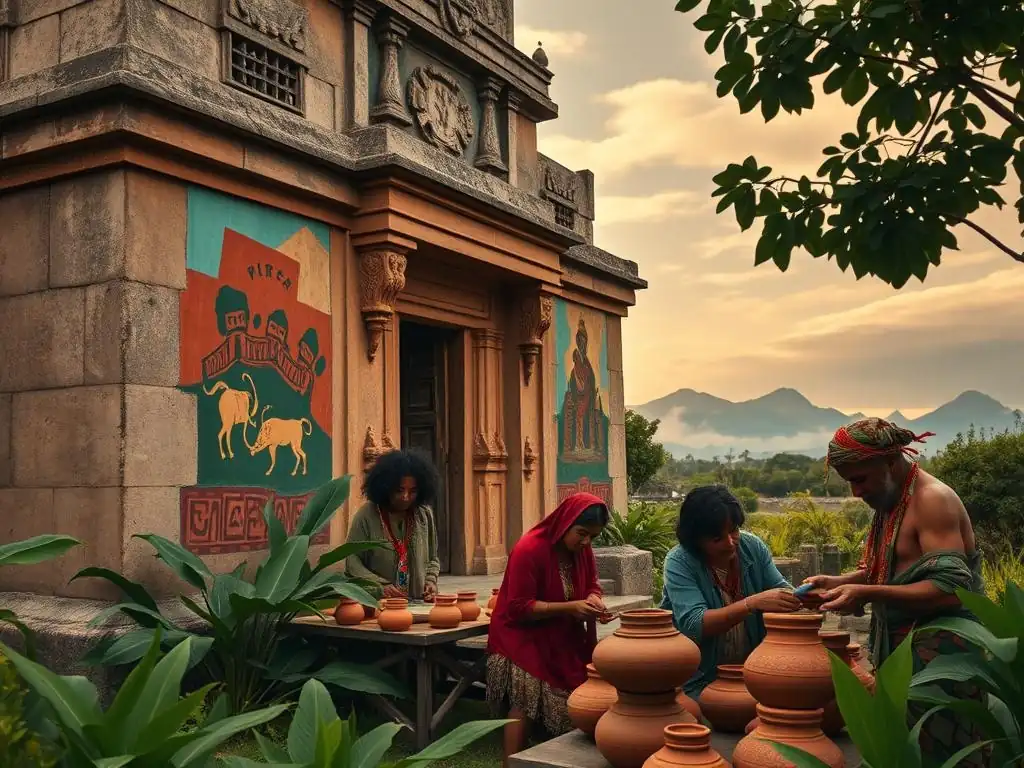
Mesoamerican color decoration techniques have experienced a remarkable revival in contemporary architecture, reflecting a growing appreciation for indigenous aesthetics and cultural heritage. Many architects and designers are incorporating traditional methods and materials into modern structures, creating a harmonious blend of old and new. This revival not only celebrates the rich history of Mesoamerican civilizations but also promotes sustainability by utilizing local resources.
For instance, the use of natural pigments derived from minerals, plants, and insects, which were prevalent in ancient Mesoamerican societies, is now being embraced in contemporary designs. These pigments provide vibrant colors that are both environmentally friendly and culturally significant. Some notable examples include:
- Adobe structures: Modern architects are reviving the use of adobe, a traditional building material, which can be painted with natural dyes to reflect the colorful aesthetics of Mesoamerican architecture.
- Public art installations: Many urban planners are incorporating murals and decorative elements that draw inspiration from ancient motifs, using techniques that echo those of the Maya and Aztec civilizations.
Moreover, the resurgence of these techniques often aims to educate the public about indigenous cultures, fostering a deeper understanding and appreciation of their contributions to architecture and art.
Influence on Modern Art and Design
The vibrant color palettes and intricate decorative styles of Mesoamerican architecture have also significantly influenced modern art and design, inspiring countless artists and designers around the world. This influence can be observed across various mediums, including painting, textiles, and graphic design.
- Artistic Expression: Contemporary artists often draw from Mesoamerican themes, utilizing bold colors and patterns reminiscent of ancient art. The works of artists like Rufino Tamayo and Rosa Rolanda illustrate how traditional motifs can be reinterpreted in modern contexts, creating a dialogue between past and present.
- Textile Design: In fashion and textile design, the use of traditional patterns and colors has become increasingly popular. Designers are incorporating indigenous techniques into their collections, promoting cultural heritage while responding to contemporary aesthetic trends. This has led to a resurgence in the appreciation of handwoven textiles that showcase vibrant colors and intricate designs.
- Graphic Design: Mesoamerican color decoration techniques have also permeated graphic design, influencing branding and packaging elements. The bright colors and geometric patterns often found in Mesoamerican art are utilized to evoke a sense of cultural richness and authenticity, appealing to consumers' desires for unique and meaningful products.
The enduring legacy of Mesoamerican color decoration techniques continues to thrive in modern artistic expressions and architectural practices. By embracing these techniques, contemporary designers not only honor the past but also contribute to a richer, more diverse cultural landscape.
Conclusion: The Lasting Legacy of Mesoamerican Color Decoration
The vibrant use of color and intricate decoration in Mesoamerican architecture not only served aesthetic purposes but also held deep cultural significance. These techniques were integral to the expression of identity, spirituality, and social hierarchy within various Mesoamerican civilizations. The legacy of these color decoration techniques can still be seen in contemporary practices and serves as a vital link to understanding the values and beliefs of indigenous peoples.
Summary of Key Points on Mesoamerican Color Decoration Techniques
-
Cultural Significance:
Mesoamerican color decoration techniques were imbued with meaning. Colors were often associated with specific deities, natural elements, or agricultural cycles. For instance, red symbolized life and fertility, while black was linked to death and the underworld.
-
Materials Used:
The selection of materials for color decoration varied among cultures. Commonly used substances included:
- Natural pigments: Sourced from minerals, plants, and insects, such as cochineal for red dye.
- Stucco and murals: These materials allowed for elaborate wall paintings and sculptural embellishments.
-
Architectural Techniques:
The application of color decoration in Mesoamerican buildings involved various techniques, including:
- Polychromy: The use of multiple colors in a single structure, often seen in temples and palaces.
- Murals: Detailed frescoes that depicted religious rituals, historical events, and daily life.
-
Symbolism in Patterns:
Decorative motifs often contained symbolic meanings. Geometric patterns, animal figures, and mythological scenes were carefully chosen to convey messages about power, cosmology, and societal structure.
-
Regional Variations:
Different Mesoamerican cultures, such as the Maya, Aztecs, and Olmecs, showcased distinct styles and techniques in their color decoration practices, reflecting regional identities and cultural exchanges.
Reflection on the Importance of Preserving Indigenous Architectural Heritage
The preservation of Mesoamerican architectural heritage, including its color decoration techniques, is crucial for several reasons:
- Cultural Identity: Maintaining these traditional practices helps sustain the cultural identity of indigenous communities, fostering a sense of pride and continuity.
- Educational Value: Understanding the architectural techniques and artistic expressions of Mesoamerican cultures enriches our knowledge of human history and the complexities of civilization development.
- Inspiration for Contemporary Design: Modern architects and artists can draw inspiration from Mesoamerican color decoration techniques, integrating traditional aesthetics into contemporary practices.
The legacy of Mesoamerican color decoration techniques transcends time, inviting us to appreciate the artistry and ingenuity of ancient civilizations. As efforts to document and preserve these traditions continue, it is essential to recognize their significance not only as historical artifacts but as living expressions of cultural heritage that resonate with contemporary society.
Frequently Asked Questions
What are Mesoamerican color decoration techniques?
Mesoamerican color decoration techniques involve the use of natural pigments and innovative methods to create visually striking designs in architecture. These techniques reflect the cultural significance of color in Mesoamerican societies.
How did color influence Mesoamerican architecture?
In Mesoamerican architecture, color served both aesthetic and symbolic purposes. Different colors were associated with various gods, seasons, and social statuses, enhancing the cultural narrative of the structures.
What materials were used for color decoration?
Mesoamerican artists utilized natural materials such as clay, minerals, and plants to produce vibrant pigments. These materials were often combined with binders to create durable, long-lasting colors.
Were there regional variations in color decoration?
Yes, there were distinct regional variations in Mesoamerican color decoration techniques. Different cultures, such as the Maya and Aztecs, had unique styles and preferences, influenced by their environment and belief systems.
What is the significance of studying color decoration techniques today?
Studying Mesoamerican color decoration techniques provides insight into the artistic expression and cultural identity of indigenous civilizations. It also helps preserve their heritage and informs contemporary art and architecture.
Final Reflection: The Enduring Legacy of Mesoamerican Color Decoration Techniques
The vibrant use of color and intricate decoration in Mesoamerican buildings not only reflects the artistic prowess of ancient civilizations but also underscores their deep cultural significance. Today, as we navigate a world increasingly influenced by globalization, the appreciation for these techniques serves as a reminder of the importance of cultural heritage in shaping our identities. The striking visuals of Mesoamerican architecture invite us to explore the stories and meanings behind each hue and pattern, revealing a rich tapestry of history that continues to resonate.
The influence of Mesoamerican color decoration techniques extends far beyond their geographical origins, permeating contemporary art, architecture, and design. As we witness a resurgence of interest in indigenous practices and aesthetics, it becomes clear that these ancient methods are not merely relics of the past but living traditions that inspire modern creativity. Art is the most beautiful of all lies.
This quote encapsulates the essence of how we perceive and reinterpret the vibrant colors and decorations of Mesoamerican buildings in our current cultural landscape.
As we reflect on the lessons embedded in these ancient techniques, I invite you to consider how you can incorporate the spirit of Mesoamerican color decoration into your own life. Embrace the power of color and creativity as tools for expression and connection. Whether through art, home decor, or personal style, let the vibrant legacy of Mesoamerican culture inspire you to celebrate your own heritage and the diverse narratives that enrich our world.
Unveil the Vibrancy of Mesoamerican Design!
Thank you for exploring the fascinating world of Mesoamerican architecture with us! We appreciate your interest in how color and decoration shape cultures and convey powerful messages. Now, it's time to turn that knowledge into action and delve deeper into this rich heritage.
Here are a few ways you can engage with this captivating topic:
- Immerse yourself in local museums or cultural centers that showcase Mesoamerican artifacts and architecture.
- Start a conversation—share what you’ve learned with friends or join an online discussion group focused on indigenous civilizations.
- Create your own artwork inspired by Mesoamerican designs, experimenting with colors and patterns that reflect this vibrant culture.
What insights or inspirations from Mesoamerican architecture resonate with you the most, and how will you incorporate those into your own perspective?