
New Insights from the Amazon: Recent Excavations Uncover Indigenous Urban Planning

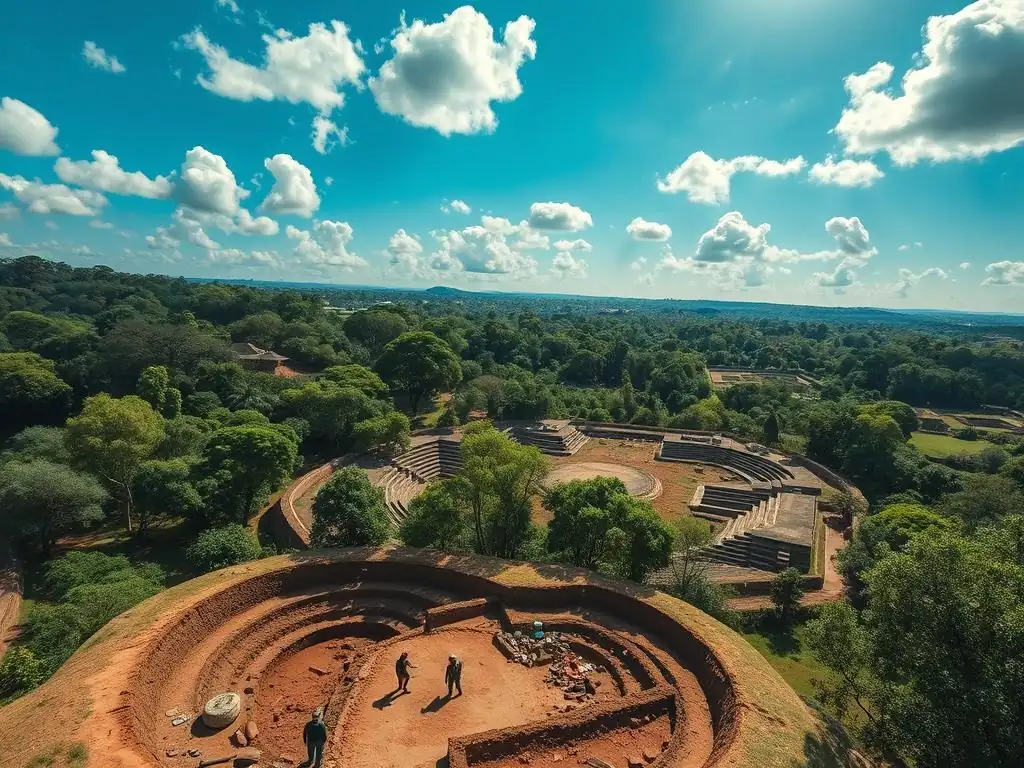
Welcome to Indigenous Civilizations of the Americas, where we invite you to delve into the rich tapestry of indigenous cultures that flourished long before the arrival of European settlers. In our featured article, “New Insights from the Amazon: Recent Excavations Uncover Indigenous Urban Planning,” we unveil groundbreaking discoveries that highlight the remarkable indigenous urban planning achievements of these vibrant societies.
Prepare to be captivated as we explore how these ancient communities engineered their environments with sophistication and foresight, leaving a legacy that continues to influence our understanding of civilization today. Join us on this journey to uncover the untold stories and profound impacts of indigenous peoples throughout history.
Introduction to Indigenous Urban Planning Achievements
The rich tapestry of indigenous cultures in the Americas is woven with remarkable achievements in various domains, particularly in urban planning. Long before the arrival of Europeans, indigenous peoples in regions such as the Amazon developed intricate societies characterized by sophisticated urban layouts, sustainable agricultural practices, and communal governance structures. These urban planning achievements were not merely functional; they reflected a deep understanding of the environment and a profound respect for the land.
Recent excavations in the Amazon have shed new light on these civilizations, revealing the extent of their urban development and the innovative techniques they employed. This article delves into these findings, highlighting how these discoveries are reshaping our understanding of indigenous urban planning and its enduring impact on contemporary society.
Overview of Recent Excavations in the Amazon
In recent years, archaeological efforts in the Amazon have intensified, leading to groundbreaking discoveries that challenge previous assumptions about the region's pre-colonial urbanization. Contrary to the long-held belief that the Amazon was primarily a sparsely populated wilderness, evidence now suggests that it was home to thriving urban centers with complex social structures. These excavations have uncovered remnants of large settlements, intricate road systems, and advanced agricultural practices, all pointing to a high level of organization and planning among indigenous communities.
Key Locations of Excavation
Some of the most significant excavation sites in the Amazon include:
- Marajó Island: Known for its monumental earthworks and evidence of large, interconnected settlements.
- Santarem: This area has revealed extensive agricultural terraces and evidence of sophisticated irrigation systems.
- The Xingu River Basin: Archaeologists have discovered large pre-Columbian urban centers with well-planned street grids and community spaces.
These locations serve as crucial windows into the past, showcasing how indigenous peoples adapted to their environment and organized their societies.
Significance of These Archaeological Discoveries
The findings from recent excavations are pivotal for several reasons:
- Challenging Historical Narratives: They challenge the narrative that views the Amazon as uninhabited before European contact, emphasizing the region's rich history of urbanization.
- Understanding Sustainability: The evidence of sustainable practices provides modern societies with valuable insights into ecological management.
- Cultural Heritage: These discoveries reaffirm the significance of indigenous cultures, contributing to a broader understanding of their achievements and resilience.
As scholars continue to analyze these sites, the importance of indigenous urban planning achievements becomes increasingly clear, revealing a legacy that extends far beyond the ancient past.
Understanding Indigenous Urban Planning
Indigenous urban planning is a fascinating area of study that highlights the sophisticated methodologies and practices employed by various indigenous cultures across the Americas. This field encompasses not only the physical layout of urban spaces but also the cultural, social, and environmental considerations that shaped these communities. Recent excavations in the Amazon have shed new light on these indigenous urban planning achievements, revealing how these societies effectively organized their environments to support complex social structures and sustainable living.
Definition of Indigenous Urban Planning
Indigenous urban planning refers to the systematic approach that indigenous societies used to design and organize their settlements. This includes considerations of spatial layout, resource management, and community functions. Unlike modern urban planning, which often prioritizes economic growth and infrastructure development, indigenous urban planning is deeply intertwined with cultural values and ecological sustainability. It reflects a holistic understanding of the relationship between people and their environment, with an emphasis on communal well-being and harmony with nature.
Historical Context of Urban Planning in Indigenous Cultures
The history of urban planning among indigenous cultures in the Americas dates back thousands of years. For instance, the cities of the Maya and the Inca showcased advanced urban designs, complete with plazas, temples, and residential areas. These civilizations implemented strategic layouts that facilitated trade, governance, and community activities.
Moreover, archaeological evidence suggests that many indigenous societies employed sophisticated agricultural techniques, such as terrace farming and raised-field systems, to support their urban populations. This historical context reveals that urban planning was not merely a functional necessity but also a reflection of the cultural identities and environmental adaptations of these communities.
Comparison with European Urban Planning Models
When compared to European urban planning models, indigenous urban planning often reveals a stark contrast in priorities and methodologies. European models have traditionally focused on hierarchical structures, often influenced by colonial ideologies that emphasize control and segmentation. In contrast, indigenous urban planning frequently displays a more egalitarian approach, with communal spaces and shared resources at its core.
Furthermore, indigenous designs are typically more sensitive to local ecosystems, employing sustainable practices that have allowed these societies to thrive in diverse environments. This comparison underscores the need to recognize and appreciate the unique contributions of indigenous urban planning to the broader understanding of urban development.
Major Findings from Recent Excavations
Recent excavations in the Amazon have unearthed significant insights into the urban planning achievements of indigenous cultures. These findings challenge the long-held perceptions that the region was sparsely populated and lacked complex societal structures. Instead, evidence suggests that these societies engaged in advanced planning and construction techniques, laying the groundwork for sustainable urban environments.
Architectural Innovations in Indigenous Urban Areas
One of the most striking findings from recent excavations is the architectural innovations present in indigenous urban areas. Researchers have discovered complex structures built with local materials, such as earth, wood, and stone, demonstrating a profound understanding of the environment. Features such as raised platforms, drainage systems, and multi-functional spaces indicate that these societies prioritized both functionality and aesthetic values. These architectural achievements not only served practical purposes but also reflected the cultural significance of the built environment in indigenous life.
Evidence of Complex Societal Structures
The excavations have also provided compelling evidence of complex societal structures within indigenous urban centers. Artifacts such as pottery, tools, and ceremonial items suggest the existence of social stratification, trade networks, and specialized labor. This complexity indicates that indigenous societies were not merely collections of small, isolated groups but rather interconnected communities with intricate social dynamics. The presence of communal spaces further emphasizes the importance of collaboration and collective identity in these urban settings.
Sustainability Practices in Indigenous Urban Planning
Sustainability practices are a key aspect of indigenous urban planning, as revealed by recent archaeological studies. Evidence shows that these societies employed eco-friendly methods such as agroforestry, crop rotation, and water management systems to maintain a balance with their environment. These practices not only supported the health of the ecosystem but also ensured the longevity of urban settlements. By integrating traditional ecological knowledge with urban planning, indigenous cultures exemplified a model of sustainability that modern societies can learn from today.
The Role of Indigenous Knowledge Systems
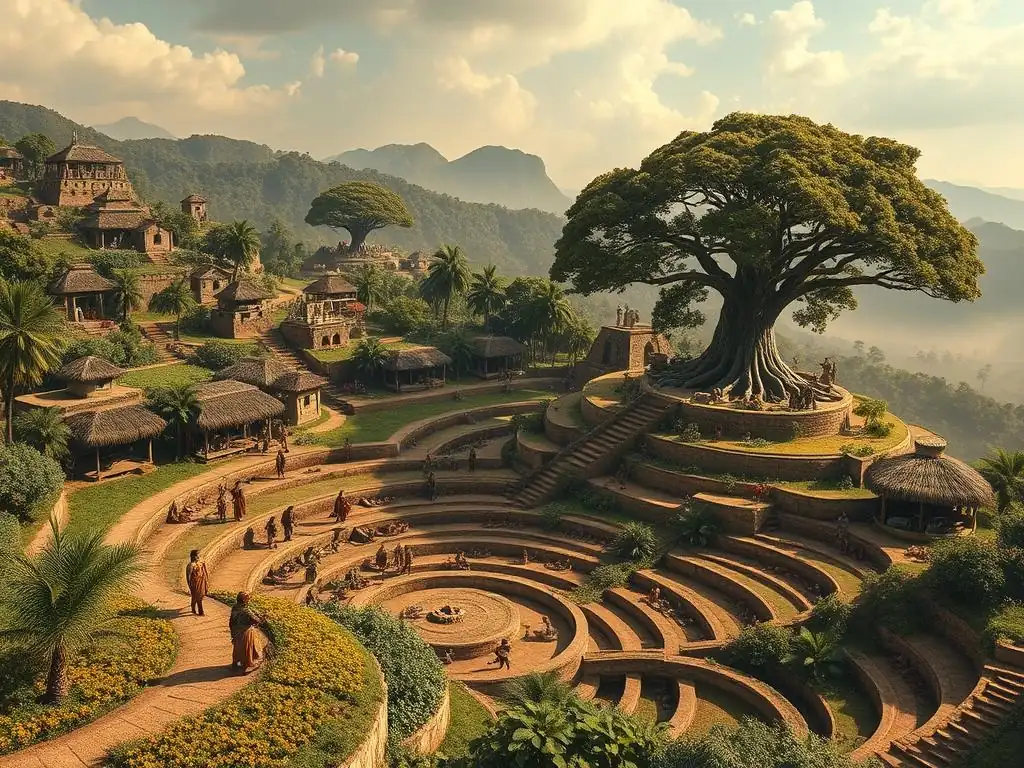
Indigenous knowledge systems play a crucial role in understanding the urban planning achievements of pre-Columbian societies in the Amazon. These systems encompass the accumulated wisdom, practices, and beliefs that indigenous communities have developed over generations. They are deeply interwoven with the cultural and environmental contexts in which these groups existed.
The integration of traditional ecological knowledge with urban planning allowed indigenous peoples to create sustainable living environments. For instance, they understood the seasonal variations in climate and the behavior of local flora and fauna, which influenced their settlement patterns. The indigenous peoples of the Amazon utilized their profound understanding of the landscape to optimize resource management and ensure food security. This knowledge not only shaped their urban designs but also reinforced their identity and connection to the land.
In recent excavations, researchers have begun to appreciate the sophistication of these indigenous knowledge systems, revealing that urban planning was not merely a functional necessity but also a reflection of cultural values and social organization. By employing techniques such as agroforestry and permaculture, indigenous groups effectively balanced their needs with environmental sustainability, showcasing their profound connection to nature.
Integration of Nature in Urban Design
The integration of nature into urban design is a hallmark of indigenous urban planning achievements in the Amazon. Indigenous communities viewed themselves as part of the natural world, which is reflected in their architectural choices and spatial organization. This approach ensured that their urban spaces did not disrupt local ecosystems but rather harmonized with them.
For instance, many settlements were strategically located near rivers and fertile lands, allowing for easy access to resources while minimizing environmental impact. Structures were often built using local materials, such as wood and clay, which blended seamlessly with the surrounding landscape. Furthermore, the inclusion of green spaces, such as community gardens and sacred groves, reflected a deep respect for nature and facilitated biodiversity.
Recent findings indicate that these communities practiced advanced agricultural techniques, such as raised field systems and intercropping, which enhanced soil fertility and reduced erosion. This symbiotic relationship with nature not only supported the population's sustenance but also shaped the overall layout of their urban environments, creating a sustainable model of living that modern urban planners can learn from.
Cultural Significance of Urban Layouts
The cultural significance of urban layouts in indigenous civilizations goes beyond mere functionality; it embodies the spiritual and social values of the communities. Each urban plan was a manifestation of the people's beliefs, cosmologies, and social hierarchies. For many indigenous groups, specific areas of their settlements were designated for communal activities, religious practices, and rituals, highlighting the importance of community bonds.
For example, the orientation of buildings and public spaces was often aligned with celestial events, illustrating a deep connection between the physical environment and their spiritual lives. This integration of cosmology into urban planning showcases how indigenous peoples viewed their settlements as living entities that reflected their relationship with the universe.
Moreover, the layout of urban spaces facilitated social interaction and community governance. Public squares and gathering areas were central to many indigenous cities, serving as venues for decision-making and cultural exchange. These elements underscore the complexity and richness of indigenous urban planning, emphasizing that these designs were not only practical but also deeply meaningful.
Indigenous Governance and Urban Planning
Indigenous governance systems significantly influenced urban planning in pre-Columbian societies. These governance structures were often decentralized and participatory, allowing for collective decision-making that reflected the needs and desires of the community. Leadership roles varied greatly, with elders, shamans, and councils playing pivotal roles in guiding urban development.
The planning and organization of urban spaces were often conducted through consensus, ensuring that the perspectives of various community members were considered. This inclusive approach fostered a strong sense of ownership and responsibility among the population, reinforcing social cohesion and cultural identity.
Archaeological evidence suggests that many indigenous urban centers had designated leaders or councils who oversaw construction projects, resource distribution, and community welfare. Their governance frameworks allowed for adaptability and resilience, enabling communities to respond effectively to environmental changes and social challenges. This model of governance not only shaped urban spaces but also contributed to the sustainability and longevity of these civilizations.
Case Studies of Indigenous Urban Planning Achievements
Example 1: Geoglyphs of Acre
The geoglyphs of Acre, located in Brazil, represent a striking example of indigenous urban planning achievements. These earthworks consist of geometric shapes and lines carved into the landscape, believed to have been constructed by indigenous peoples over a thousand years ago. Excavations in this region have revealed that these geoglyphs were not merely artistic expressions but were integral to the socio-political and economic structures of the societies that built them.
Research indicates that the geoglyphs served multiple functions, including ceremonial purposes, agricultural management, and defining territorial boundaries. The layout of these structures demonstrates advanced knowledge of land use and resource management. By integrating their urban designs with the surrounding ecology, indigenous groups in Acre effectively created sustainable environments that supported large populations.
The ongoing study of the geoglyphs continues to yield insights into the complexity of indigenous urban planning, challenging previous assumptions about the scale and sophistication of these ancient societies.
Example 2: City of Santarém
The city of Santarém, situated at the confluence of the Amazon and Tapajós rivers, is another remarkable example of indigenous urban planning. Archaeological investigations have uncovered evidence of a bustling city with intricate street layouts, residential areas, and communal spaces. The urban design of Santarém reflects the sophisticated socio-political organization of its inhabitants, who engaged in extensive trade networks and agricultural practices.
Santarém's urban layout included strategically placed plazas and ceremonial centers that facilitated social interaction and cultural expression. The city's location allowed it to thrive economically, as it served as a hub for trade between various indigenous groups. Moreover, the integration of waterways into the urban design not only provided transportation routes but also supported irrigation systems that enhanced agricultural productivity.
The discoveries in Santarém illustrate the complexity of indigenous urban planning achievements, showcasing how these societies developed advanced infrastructure and governance systems long before European contact. The ongoing exploration of this ancient city continues to reshape our understanding of indigenous civilizations in the Americas.
Implications of Discovering Indigenous Urban Planning
The recent discoveries in the Amazon regarding indigenous urban planning have profound implications for our understanding of pre-colonial societies and their environmental adaptations. These findings challenge long-standing narratives that depict indigenous cultures as primitive or lacking in complex social structures. Instead, they reveal sophisticated urban planning strategies that not only catered to the needs of their populations but also demonstrated a deep understanding of the surrounding ecosystem.
Reevaluation of Indigenous Societies
The excavation sites uncovered evidence of advanced infrastructure, including intricate road systems, communal structures, and agricultural terraces, suggesting that many indigenous societies were organized and capable of large-scale urban planning. This reevaluation is crucial as it emphasizes the ingenuity and adaptive strategies of these civilizations, showcasing their ability to thrive in diverse environments. Scholars are now compelled to reconsider their assumptions about the capabilities and contributions of indigenous peoples, leading to a more nuanced appreciation of their societal complexities.
Influence on Modern Urban Planning Practices
The principles derived from indigenous urban planning can significantly influence contemporary urban design and sustainability practices. For instance, the use of local materials, integration with nature, and communal living concepts found in these ancient cities provide valuable lessons for modern architects and urban planners. Concepts such as permaculture, sustainable resource management, and community-centric development have roots in indigenous practices that merit further exploration and incorporation into current urban planning paradigms.
Preservation of Indigenous Heritage
The discoveries also highlight the urgent need to preserve indigenous heritage sites, which serve as vital records of human innovation and resilience. As more evidence of urban planning emerges, the preservation of these sites becomes paramount, not only for historical accuracy but also for honoring the cultural identity of indigenous peoples. Engaging with indigenous communities in conservation efforts ensures that their narratives are respected and integrated into the broader historical context, fostering a more inclusive understanding of the Americas' past.
Conclusion: Lessons from Indigenous Urban Planning
The insights gained from excavations in the Amazon present a wealth of knowledge that can reshape our perspectives on indigenous urban planning. These lessons extend beyond historical appreciation; they hold relevance for addressing contemporary challenges in urbanization and sustainability.
Summary of Key Insights
Key insights from these discoveries include the recognition of indigenous societies as adept urban planners who created sustainable living environments. The findings reveal that these civilizations employed innovative techniques that harmonized with their surroundings, emphasizing cooperation and resource management. Such strategies have significant implications for current urban development, offering models for creating resilient and sustainable cities today.
Future Research Directions in Indigenous Urban Studies
Future research in indigenous urban studies should focus on interdisciplinary approaches that combine archaeology, anthropology, and environmental science. Further excavations and analyses can uncover additional layers of understanding about the social, political, and environmental dynamics of these ancient societies. Additionally, collaborative efforts with indigenous communities in research design and implementation will enrich the scholarly discourse and enhance the authenticity of the findings.
Call to Action for Further Exploration of Indigenous Achievements
As we unveil the complexities of indigenous urban planning, it is essential to advocate for continued exploration and recognition of these achievements. Scholars, policymakers, and the public must support initiatives that promote indigenous histories and contributions to urban development. By doing so, we not only honor the legacy of these civilizations but also learn valuable lessons that can inform our approach to modern challenges in urban planning and environmental stewardship.
- Introduction to Indigenous Urban Planning Achievements
- Overview of Recent Excavations in the Amazon
- Understanding Indigenous Urban Planning
- Major Findings from Recent Excavations
- The Role of Indigenous Knowledge Systems
- Case Studies of Indigenous Urban Planning Achievements
- Implications of Discovering Indigenous Urban Planning
- Conclusion: Lessons from Indigenous Urban Planning
- What recent discoveries have been made regarding indigenous urban planning in the Amazon?
- How did indigenous cultures in the Americas demonstrate urban planning achievements?
- What is the significance of these findings for understanding indigenous societies?
- How does the website "Indigenous Civilizations of the Americas" contribute to this topic?
- Why is it important to study indigenous urban planning achievements today?
Frequently Asked Questions
What recent discoveries have been made regarding indigenous urban planning in the Amazon?
Recent excavations have revealed sophisticated urban planning techniques used by indigenous civilizations, showcasing their advanced engineering and sustainable practices.
How did indigenous cultures in the Americas demonstrate urban planning achievements?
Indigenous cultures exhibited remarkable urban planning achievements through the design of cities, including road systems, agricultural fields, and water management systems that supported large populations.
What is the significance of these findings for understanding indigenous societies?
These findings provide new insights into the complexity and sophistication of indigenous societies, challenging previous notions that they lacked advanced urban planning capabilities prior to European contact.
How does the website "Indigenous Civilizations of the Americas" contribute to this topic?
The website offers a comprehensive exploration of indigenous cultures, focusing on their achievements, including urban planning, and helps to highlight their lasting impact on modern society.
Why is it important to study indigenous urban planning achievements today?
Studying these achievements is crucial for recognizing the intellectual contributions of indigenous peoples and understanding how their innovative practices can inform current urban planning and sustainability efforts.
Final Reflection: Revealing the Brilliance of Indigenous Urban Planning
The recent excavations in the Amazon have unveiled a profound truth: indigenous urban planning achievements are not relics of the past, but rather a testament to the ingenuity and sophistication of ancient civilizations. As we navigate a world increasingly focused on sustainability and community-oriented living, these insights remind us that the principles of thoughtful urban design and environmental stewardship have long been embedded in indigenous practices. The revelations from the Amazon challenge us to rethink our understanding of urban development and its relationship with nature.
The impact of these discoveries extends far beyond archaeology; they resonate deeply within our cultural and social landscapes. The intricate systems of land use and community organization employed by indigenous peoples underscore the importance of harmony with the environment. As we grapple with contemporary challenges such as climate change and urban sprawl, we can draw inspiration from these ancient models. In the heart of the Amazon, we find not just ruins, but blueprints for a sustainable future.
This perspective invites us to honor and learn from the wisdom of those who came before us, recognizing that their achievements can guide our path forward.
As we reflect on the lessons of indigenous urban planning, I urge you to consider how these insights can be woven into your own life and community. What steps can you take to incorporate sustainable practices and community-focused designs in your surroundings? Let the stories of the Amazon inspire you to advocate for a future that respects both our heritage and the environment. Together, we can build a world that honors the achievements of indigenous cultures while paving the way for a more sustainable and equitable tomorrow.
Unveil the Secrets of Indigenous Urban Planning!
Thank you for diving into the fascinating world of Indigenous urban planning through our recent article on Amazonian excavations. Your curiosity has uncovered valuable insights that can reshape our understanding of ancient civilizations. Now, it's time to take action and deepen your engagement with these remarkable histories.
Here’s how you can do just that:
- Explore local museums or cultural centers that highlight Indigenous histories in your area; engage with exhibits that celebrate their rich legacy.
- Share this article with friends and followers on social media to spread awareness about the sophisticated urban planning of Indigenous peoples.
- Join an online discussion group or community focused on Indigenous cultures; connect with others who share your passion and delve deeper into these subjects.
What aspect of Indigenous urban planning intrigues you the most, and how do you believe it has influenced modern society?