
From Drones to Databases: The Technology Behind Modern Indigenous Archaeology

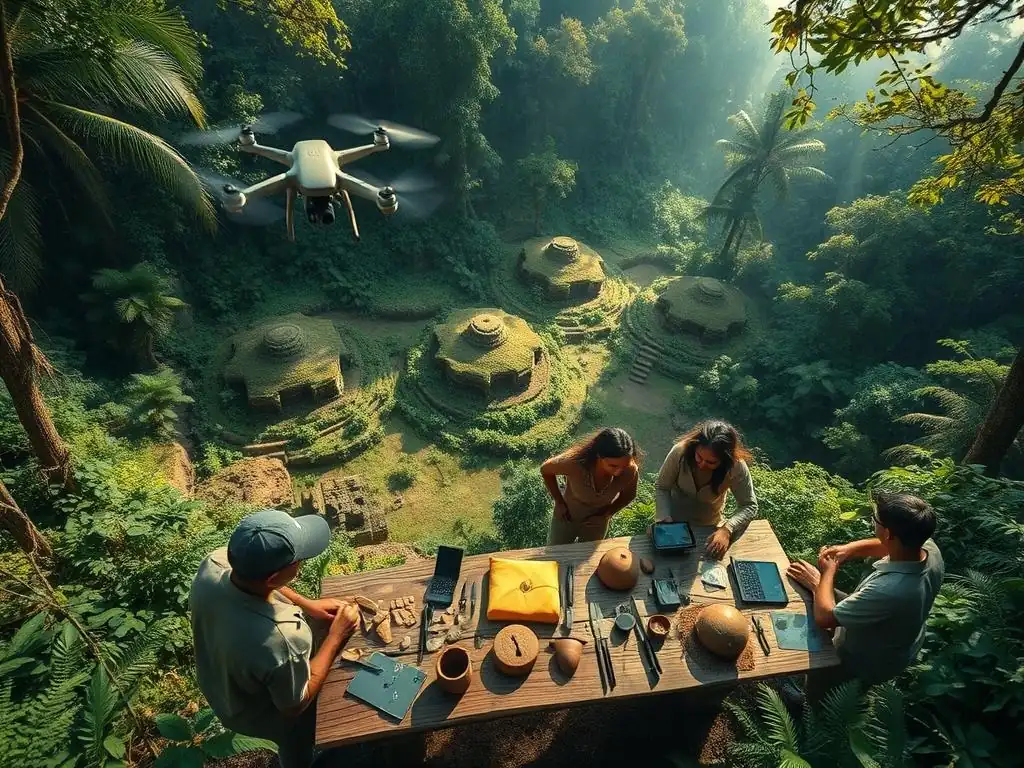
Welcome to Indigenous Civilizations of the Americas, where we embark on an enlightening journey through the rich tapestry of indigenous cultures that flourished across the continent long before European contact. Our focus today is on the fascinating intersection of modern indigenous archaeology technology and the uncovering of these vibrant societies. Ever wondered how cutting-edge innovations like drones and databases are reshaping our understanding of ancient civilizations?
Join us as we delve into this transformative field and uncover the remarkable contributions of indigenous peoples, both past and present. The stories waiting to be told will captivate your imagination and deepen your appreciation for these enduring cultures.
Introduction to Modern Indigenous Archaeology Technology
In recent years, the field of archaeology has undergone a transformative shift, largely driven by advancements in technology. This evolution is particularly impactful in the realm of modern indigenous archaeology technology, which harnesses innovative tools and methods to explore and preserve the rich tapestry of indigenous cultures in the Americas.
From drones mapping vast landscapes to databases that store and analyze archaeological data, contemporary technology is reshaping our understanding of pre-colonial societies. As we delve deeper into this subject, we will uncover how these technological advancements not only enhance archaeological practices but also empower indigenous communities, ensuring that their histories are accurately represented and preserved.
Understanding the Role of Technology in Indigenous Archaeology
The integration of technology into indigenous archaeology has proven to be a game changer. Below are some key areas where technology plays a vital role:
- Remote Sensing: This involves using aerial imagery and satellite data to identify and map archaeological sites. Drones equipped with high-resolution cameras can cover large areas quickly and efficiently, making it easier to locate sites that may be hidden under vegetation or urban development.
- Geographic Information Systems (GIS): GIS technology allows archaeologists to analyze spatial relationships within the data collected. It helps in visualizing the distribution of archaeological sites and understanding their context within the landscape.
- 3D Modeling: Advances in 3D scanning and modeling provide detailed representations of artifacts and sites. This not only aids in analysis but also offers valuable educational tools for indigenous communities and the general public.
- Databases and Data Management: The development of sophisticated databases has enabled researchers to store and retrieve vast amounts of archaeological data. This facilitates collaboration across institutions and enhances the accessibility of information regarding indigenous cultures.
Importance of Technological Advancements in Archaeological Discoveries
The significance of technological advancements in archaeology cannot be overstated. These innovations lead to:
- Enhanced Accuracy: Modern tools reduce human error and improve the precision of measurements and data collection, leading to more reliable findings.
- Increased Efficiency: Technologies such as drones can survey large areas in a fraction of the time it would take traditional methods, allowing for quicker assessments and discoveries.
- Better Preservation: Digital tools enable the documentation of sites and artifacts, ensuring that even if physical items are damaged or lost, their information remains accessible for future research.
- Community Engagement: Many technological approaches encourage the involvement of indigenous communities in the archaeological process, fostering a sense of ownership and ensuring that their narratives are included in historical interpretations.
Historical Context of Indigenous Archaeology
The history of indigenous archaeology is rich and varied, marked by significant shifts in methodologies and perspectives. Understanding this context is crucial to appreciating the role of technology today.
Evolution of Archaeological Methods
From the early days of excavation, where tools were rudimentary and the focus was often on collecting artifacts, the field has evolved significantly. Initial approaches frequently overlooked the cultural significance of artifacts in their original contexts. Over time, archaeologists began to recognize the importance of understanding the relationships between people, their environments, and the artifacts they left behind. This shift laid the groundwork for more sophisticated methods that would eventually incorporate modern technology.
The Shift Toward Digital Tools in Archaeology
The late 20th century marked a pivotal moment in archaeology with the introduction of digital tools. As computers became more accessible, archaeologists recognized their potential for data analysis, visualization, and storage. The transition to digital methods allowed for a more holistic approach to archaeology, enabling researchers to integrate multidisciplinary perspectives and collaborate more effectively. Today, digital tools are integral to archaeological practices, providing new opportunities to explore and understand the complexities of indigenous cultures in the Americas.
As we continue this exploration of modern indigenous archaeology technology, we will uncover specific examples of how these tools are being applied in the field and their implications for the future of archaeological research.
Key Technologies in Modern Indigenous Archaeology
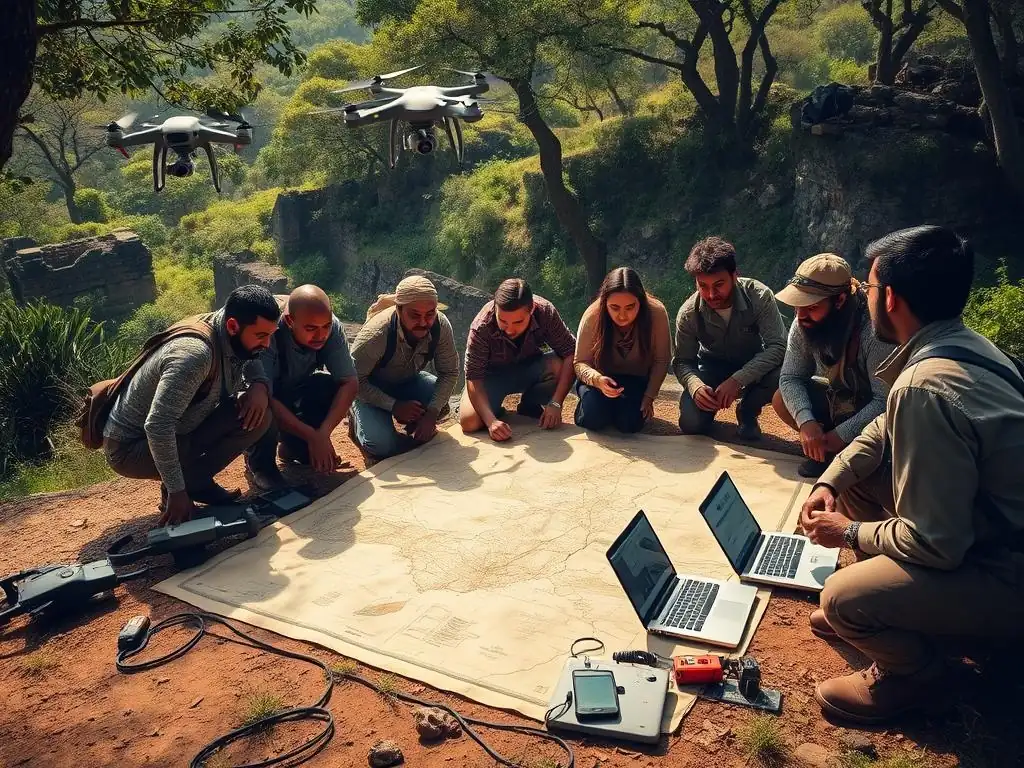
Modern indigenous archaeology technology encompasses a variety of advanced tools and methodologies that enhance the study of ancient cultures. These technologies not only facilitate the documentation and preservation of archaeological sites but also empower indigenous communities to engage more actively in the stewardship of their heritage. By integrating cutting-edge tools such as drones, Geographic Information Systems (GIS), and 3D modeling techniques, researchers can uncover a wealth of information about past societies while respecting and honoring their descendants.
Drones in Archaeology: Aerial Surveys and Mapping
Drones have revolutionized the field of archaeology by providing unprecedented aerial perspectives of sites. Equipped with high-resolution cameras, drones enable archaeologists to conduct aerial surveys and create detailed maps of landscapes that might otherwise be inaccessible. This technology allows for the identification of archaeological features such as earthworks, settlement patterns, and agricultural fields without the need for extensive ground excavation.
One significant advantage of using drones is their ability to cover large areas quickly and efficiently. For example, researchers can capture thousands of images in a short time, which can then be processed using photogrammetry to generate 3D models of archaeological sites. This not only aids in documentation but also assists in monitoring changes over time, whether due to natural erosion or human activities.
Moreover, drones can enhance community involvement in archaeological projects. Indigenous communities can use drone imagery to visualize their ancestral lands, facilitating discussions about heritage management and conservation efforts. This participatory approach fosters a sense of ownership and responsibility toward cultural preservation.
Geographic Information Systems (GIS) and Spatial Analysis
Geographic Information Systems (GIS) have become essential tools in modern indigenous archaeology. GIS allows researchers to analyze spatial data, visualize relationships, and interpret patterns across different archaeological contexts. By integrating various data sources, such as topographic maps, satellite imagery, and historical records, archaeologists can create comprehensive spatial databases that inform their understanding of past human behavior and environmental interactions.
One notable application of GIS in indigenous archaeology is the ability to identify potential archaeological sites through predictive modeling. By analyzing historical land use, settlement patterns, and geographic features, researchers can forecast where significant sites may be located, prioritizing areas for further investigation. This approach not only saves time and resources but also increases the likelihood of discovering new archaeological evidence.
Additionally, GIS facilitates collaboration between archaeologists and indigenous communities. By sharing spatial data and maps, communities can better understand their heritage and participate in archaeological research, leading to more culturally sensitive interpretations of their history.
3D Scanning and Modeling Techniques
3D scanning technology has emerged as a powerful tool in the documentation and analysis of archaeological artifacts and sites. By capturing the intricate details of objects and structures, 3D models provide a permanent digital record that can be analyzed and shared without risking damage to the original materials. This is particularly important for fragile artifacts that might be at risk of deterioration over time.
One application of 3D modeling in indigenous archaeology is the reconstruction of ancient structures, such as temples or dwellings. These models allow researchers to visualize how communities may have interacted with their environments and with each other. Furthermore, 3D representations can be used for educational purposes, helping indigenous communities and the public better understand their cultural heritage.
Another significant benefit of 3D scanning is the ability to create virtual reality experiences. By immersing users in a digitally reconstructed archaeological site, these experiences can foster a deeper appreciation for indigenous cultures and their histories, bridging the gap between past and present.
The Role of Databases in Indigenous Archaeology
Databases play a crucial role in modern indigenous archaeology by organizing and managing vast amounts of archaeological data. As research becomes increasingly reliant on digital tools, effective data management is essential for preserving knowledge and making it accessible to a wider audience. Databases can house everything from excavation records and artifact inventories to GIS data and 3D models, providing a comprehensive resource for researchers and indigenous communities alike.
Importance of Data Management in Archaeological Research
Effective data management is fundamental to the success of archaeological research. Properly organized databases allow for systematic storage, retrieval, and analysis of data, ensuring that valuable information is not lost over time. This is particularly critical in indigenous archaeology, where maintaining the cultural context of artifacts and sites is paramount.
Moreover, rigorous data management practices facilitate transparency and reproducibility in research. By documenting methodologies and data sources, archaeologists can ensure that their findings are credible and can be independently verified. This is essential for building trust with indigenous communities, who may be cautious about external research efforts.
Data management also supports collaborative efforts among researchers, allowing for shared access to information. This collaboration can lead to new insights and discoveries, as diverse perspectives contribute to a more nuanced understanding of indigenous cultures.
Collaborative Databases and Their Impact on Indigenous Communities
Collaborative databases are transforming the way indigenous archaeology is conducted by fostering partnerships between researchers and indigenous communities. These platforms allow for the co-creation and sharing of data, empowering communities to take an active role in the preservation and interpretation of their cultural heritage.
One notable example of a collaborative database is the Indigenous Digital Archive, which provides access to a wealth of information regarding Native American history and culture. By involving indigenous communities in the development and management of such databases, researchers can ensure that the data is relevant, culturally sensitive, and respectful of traditional knowledge.
The impact of these collaborative efforts extends beyond data sharing. They encourage dialogue and mutual understanding, reinforcing the idea that indigenous communities are not merely subjects of study but vital stakeholders in the narrative of their own history. This shift in perspective is essential for fostering sustainable relationships between archaeologists and indigenous peoples, ultimately leading to more ethical and inclusive practices in modern indigenous archaeology technology.
Integrating Technology with Indigenous Knowledge
The integration of modern technology with indigenous knowledge represents a significant evolution in the field of archaeology, particularly in studying the rich histories and cultures of indigenous peoples in the Americas. This approach not only enhances the accuracy and efficiency of archaeological research but also respects and incorporates the traditional insights and values held by indigenous communities. By merging cutting-edge tools such as Geographic Information Systems (GIS), drones, and 3D modeling with indigenous ways of knowing, archaeologists can create a more holistic understanding of past societies.
Indigenous knowledge systems, often passed down through generations, contain invaluable information about land use, environmental management, and cultural practices. When archaeologists engage with these communities and integrate their perspectives, the resulting research can lead to more meaningful interpretations of archaeological sites. This partnership fosters mutual respect and empowers indigenous populations by recognizing them as custodians of their heritage, leading to a collaborative process that enriches both the scientific community and indigenous cultural identity.
Combining Traditional Knowledge with Modern Tools
The combination of traditional knowledge with modern tools has proven to be an effective strategy in modern indigenous archaeology technology. For instance, utilizing drone technology allows for aerial surveys that can reveal hidden structures or landscapes crucial to understanding indigenous history. However, these technological advancements are most impactful when used in conjunction with indigenous insights.
By employing techniques such as oral histories, local ecological knowledge, and community-led mapping, archaeologists can refine their methodologies. For example, indigenous elders may provide context for specific land features that are not immediately evident through technological means alone. This collaborative approach ensures that the archaeological record reflects a more complete narrative of the past, honoring the multifaceted relationships between indigenous peoples and their environments.
Moreover, modern software tools can analyze vast datasets, allowing researchers to visualize patterns in land use or social organization that align with traditional ecological knowledge. This synergy not only enhances archaeological interpretations but also serves to validate and uplift indigenous voices within the scientific discourse.
Case Studies of Successful Collaborations
Numerous case studies highlight the success of integrating technology with indigenous knowledge in archaeological projects. One notable example is the collaboration between archaeologists and the Zuni Tribe in New Mexico, where traditional Zuni narratives were combined with satellite imagery to identify ancient agricultural practices. By mapping these areas, researchers uncovered significant insights into the sustainability and resilience of Zuni farming techniques, which had long been overlooked.
Another compelling case is found in the work with the Maori in New Zealand, where archaeologists utilized ground-penetrating radar (GPR) alongside local knowledge to locate pre-European settlement sites. This partnership not only led to the discovery of new sites but also strengthened the cultural ties between the Maori and their ancestral lands, allowing for a renewed sense of identity and ownership over their heritage.
These examples demonstrate how successful collaborations can lead to meaningful archaeological discoveries, greater cultural understanding, and the preservation of indigenous knowledge systems. They also provide a template for future projects aiming to bridge technology and tradition in a respectful and effective manner.
Challenges and Ethical Considerations
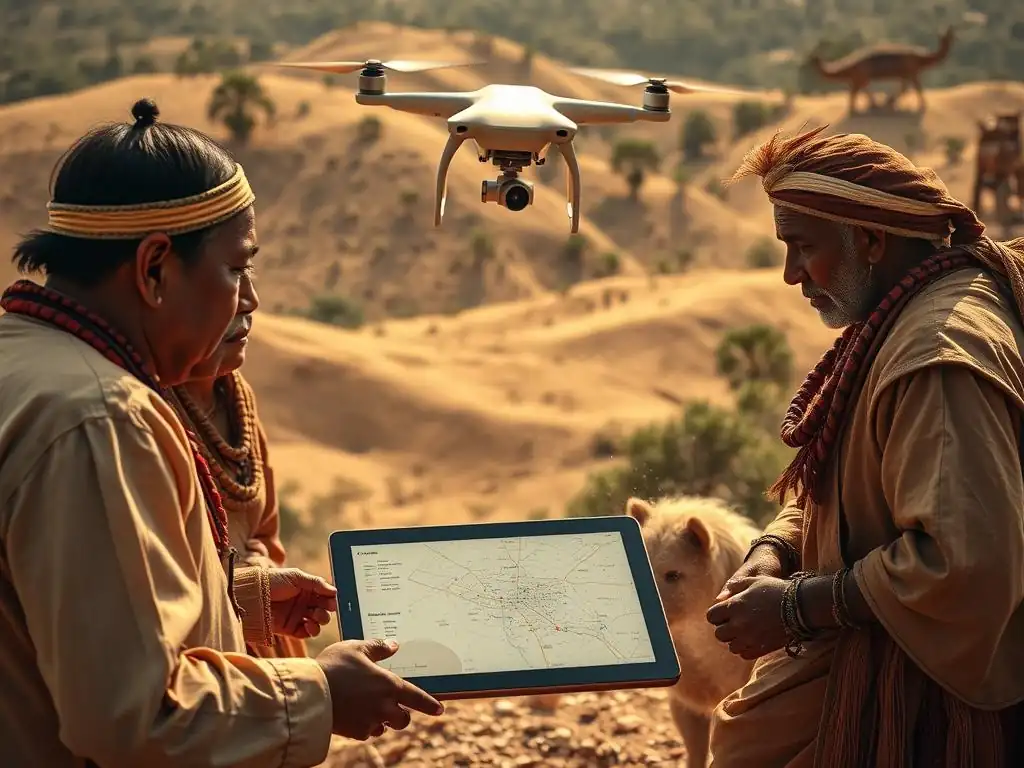
Despite the promising advancements in modern indigenous archaeology technology, several challenges and ethical considerations must be addressed. The intersection of technology and indigenous knowledge raises important questions about ownership, representation, and the potential for exploitation. It is crucial for archaeologists to navigate these complexities carefully to ensure that their work does not inadvertently harm the communities they seek to engage.
Addressing Privacy and Ownership Concerns
One of the foremost concerns in integrating technology with indigenous knowledge is the issue of privacy and ownership. Indigenous communities often have strong connections to their cultural heritage, and the unauthorized use of their knowledge or data can lead to significant tensions. For example, when archaeological findings are published without the consent of the community, it can result in a breach of trust and a feeling of disempowerment among indigenous peoples.
To mitigate these concerns, it is essential for archaeologists to establish clear agreements with indigenous communities regarding the use of their knowledge and any findings derived from it. This includes obtaining informed consent, respecting traditional intellectual property rights, and ensuring that the community is involved in the dissemination of information. By prioritizing these ethical standards, researchers can foster positive relationships built on mutual respect and accountability.
Ensuring Ethical Use of Technology in Indigenous Archaeology
As technology continues to evolve, ensuring its ethical use in indigenous archaeology becomes increasingly important. Technologies such as drone surveillance and remote sensing raise questions about the potential for misinterpretation of data or the inadvertent violation of sacred sites. Archaeologists must be vigilant in their practices and consider the implications of their technological applications on indigenous communities.
Collaboration with indigenous knowledge holders is vital in this regard, as these communities can provide guidance on culturally sensitive areas that should be approached with caution. Furthermore, continuous dialogue about the implications of technology can help archaeologists stay informed about the needs and concerns of indigenous peoples.
Overall, by establishing ethical protocols and fostering an environment of collaboration, modern indigenous archaeology can thrive while respecting the cultural heritage and rights of indigenous communities. This approach not only enhances the integrity of the research but also serves to empower and honor the voices of those whose histories are being studied.
Future Trends in Modern Indigenous Archaeology Technology
The landscape of modern indigenous archaeology technology is continuously evolving, driven by advancements in various fields such as remote sensing, artificial intelligence, and data management systems. These innovations are not only enhancing the ability of archaeologists to uncover and analyze indigenous histories but are also fostering deeper collaborations with Indigenous communities. As these trends develop, they promise to transform how we understand and engage with the rich tapestry of indigenous cultures across the Americas.
Emerging Technologies and Their Potential Impact
Several emerging technologies are poised to make significant impacts on modern indigenous archaeology. Notable among these are:
- Unmanned Aerial Vehicles (UAVs): Drones equipped with high-resolution cameras and LiDAR (Light Detection and Ranging) technology allow archaeologists to survey large areas quickly and accurately. This is particularly beneficial in dense forest environments where traditional survey methods may be challenging.
- 3D Imaging and Modeling: 3D scanning technology facilitates the creation of detailed replicas of artifacts and archaeological sites. This not only aids in preservation but also serves as an educational tool for Indigenous communities and the public.
- Geographic Information Systems (GIS): GIS technology helps in the spatial analysis of archaeological data, enabling researchers to visualize patterns and relationships within indigenous landscapes. This can lead to a better understanding of how communities interacted with their environment over time.
- Artificial Intelligence (AI): AI algorithms can analyze vast datasets, identifying patterns and making predictions that might not be immediately evident to human researchers. This capability can streamline the process of excavation and artifact analysis, making it more efficient.
These technologies, when integrated thoughtfully, can enhance archaeological research while offering Indigenous communities greater involvement in the preservation and interpretation of their histories.
The Future of Collaboration Between Technologists and Indigenous Communities
The future of modern indigenous archaeology technology will heavily depend on the collaborative efforts between technologists and Indigenous communities. This partnership is crucial for several reasons:
- Cultural Sensitivity: By involving Indigenous leaders and community members in the technological processes, archaeologists can ensure that the cultural significance of sites and artifacts is respected and understood.
- Capacity Building: Collaborative projects can provide training and skill development for Indigenous community members, enabling them to engage with modern technologies and contribute actively to archaeological work.
- Data Sovereignty: Indigenous communities are increasingly advocating for control over archaeological data related to their heritage. By partnering with technologists, they can establish frameworks that honor their rights to knowledge and representation.
- Ethical Frameworks: As technology continues to advance, developing ethical guidelines for its use in Indigenous archaeology will be vital. Collaborative efforts can help establish these standards, ensuring that technology serves to empower rather than exploit Indigenous cultures.
These collaborative efforts will help bridge the gap between traditional knowledge and modern scientific practices, creating a holistic approach to understanding and preserving indigenous histories.
Conclusion: The Impact of Technology on the Future of Indigenous Archaeology
The integration of modern technology into indigenous archaeology is reshaping how researchers approach the study of ancient cultures. From drones that facilitate landscape surveys to databases that manage vast amounts of archaeological data, the potential for innovation is immense. This technological evolution is not just about uncovering the past; it is about forging connections between ancient traditions and contemporary practices.
Summary of Key Points on Modern Indigenous Archaeology Technology
- Technological Advancements: Innovations such as drones, 3D imaging, GIS, and AI are revolutionizing archaeological research.
- Collaborative Efforts: Strong partnerships between technologists and Indigenous communities are essential for respectful and effective archaeological practices.
- Ethical Considerations: There is a growing need for ethical frameworks that prioritize Indigenous rights and cultural sensitivities in technology application.
The Importance of Continued Innovation and Respect for Indigenous Cultures
As modern indigenous archaeology technology progresses, it is critical to maintain a balance between innovation and respect for the cultures being studied. Continuous dialogue with Indigenous communities is essential to ensure that technologies are used ethically and beneficially. Ongoing innovation must be paired with a commitment to understanding and honoring indigenous perspectives, ensuring that the legacy of these cultures is preserved for future generations. By doing so, we can create a future where technology not only aids in archaeological discovery but also reinforces the significance of Indigenous voices and histories.
- Introduction to Modern Indigenous Archaeology Technology
- Understanding the Role of Technology in Indigenous Archaeology
- Importance of Technological Advancements in Archaeological Discoveries
- Historical Context of Indigenous Archaeology
- Key Technologies in Modern Indigenous Archaeology
- The Role of Databases in Indigenous Archaeology
- Integrating Technology with Indigenous Knowledge
- Challenges and Ethical Considerations
- Future Trends in Modern Indigenous Archaeology Technology
- Conclusion: The Impact of Technology on the Future of Indigenous Archaeology
Frequently Asked Questions
What is modern indigenous archaeology technology?
Modern indigenous archaeology technology refers to advanced tools and techniques used to study and preserve indigenous cultures, such as drones, GIS mapping, and digital databases.
How do drones contribute to archaeology?
Drones are utilized in archaeology to create high-resolution aerial imagery, allowing researchers to survey large areas quickly and locate archaeological sites that might be difficult to access on foot.
What role do databases play in indigenous archaeology?
Databases help archaeologists manage and analyze large amounts of data, ensuring that cultural heritage information is organized and accessible for research, preservation, and community engagement.
How does technology enhance the understanding of indigenous cultures?
Technology enables archaeologists to uncover and document cultural achievements and historical contexts more effectively, leading to a deeper appreciation of indigenous contributions and lasting impacts.
Can modern technology help in preserving indigenous sites?
Yes, modern technology aids in the preservation of indigenous sites by providing tools for monitoring, maintenance, and protection against environmental threats and human activities.
Final Reflection: Embracing Technology for a New Era in Indigenous Archaeology
The integration of technology in archaeology has never been more critical, especially in the realm of modern indigenous archaeology technology. As we navigate an increasingly digital world, the tools and methodologies that enhance our understanding of indigenous cultures are not just innovations; they are vital bridges connecting past and present. The ability to utilize drones, databases, and advanced imaging techniques allows us to uncover and preserve the rich histories of indigenous peoples in ways that were previously unimaginable. This technological evolution is not merely a trend; it is a transformative movement that honors and amplifies indigenous voices and narratives.
The impact of modern indigenous archaeology technology extends far beyond the academic realm; it reshapes cultural identities and community engagement. As indigenous communities reclaim their histories, the use of technology fosters a deeper connection to their ancestral lands and traditions. This ongoing dialogue between technology and culture is essential for fostering understanding and respect. Technology is not just a tool; it is a means of empowerment for indigenous peoples to tell their own stories.
This sentiment underscores the importance of collaborative efforts in archaeology, where technology serves as a vehicle for indigenous self-determination and cultural revitalization.
As we reflect on the lessons from this article, I invite you to consider your own relationship with technology and its potential to influence the world around you. How can you leverage modern tools to support and uplift indigenous narratives in your community?
Whether through advocacy, education, or simply sharing knowledge, each of us has a role to play in ensuring that the stories of indigenous peoples are not only preserved but celebrated. Let us move forward with a commitment to honor the past while embracing the future, recognizing that technology, when wielded with respect and intention, can be a powerful ally in the journey of understanding and reconciliation.
Unveil the Future of Indigenous Archaeology Today!
Thank you for exploring the fascinating intersection of technology and Indigenous archaeology with us! You’ve gained insights into how modern tools are reshaping our understanding of ancient civilizations. Now it’s time to take that knowledge and make an impact!
Here are some actionable steps you can take right now:
- Join a local archaeology group: Connect with others who share your passion for preserving Indigenous heritage and explore opportunities to get involved.
- Share your knowledge: Post about what you've learned on social media or in community forums to raise awareness about the innovative technologies influencing archaeology.
- Experiment with technology: Try your hand at using mapping software or even a drone if you have access, exploring how these tools can aid in historical research and preservation efforts.
How will you use your newfound understanding to contribute to the future of Indigenous archaeology?