
Machu Picchu: The Architectural Genius of the Inca and Its Role in Indigenous Identity

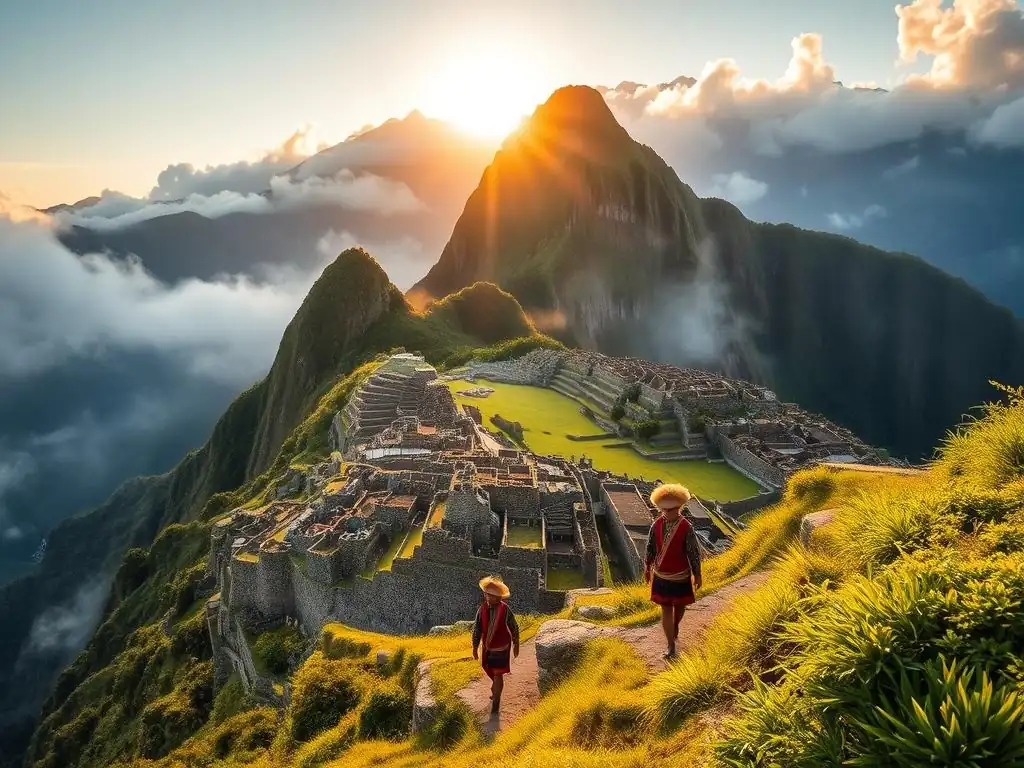
Welcome to Indigenous Civilizations of the Americas, where we invite you to embark on a captivating journey through the rich tapestry of indigenous cultures that flourished long before European contact. In our featured article, “Machu Picchu: The Architectural Genius of the Inca and Its Role in Indigenous Identity,” we delve into the stunning world of Inca architecture—a testament to the ingenuity and resilience of these extraordinary societies.
Discover how these monumental structures not only showcase architectural brilliance but also embody a profound sense of indigenous identity. Prepare to explore, question, and marvel at the legacies that continue to shape our understanding of the Americas.
Machu Picchu stands as one of the most iconic symbols of the Inca Empire and a testament to the architectural brilliance of indigenous civilizations in the Americas. Nestled high in the Andes Mountains of Peru, this extraordinary site not only showcases the Inca's advanced engineering skills but also serves as a vital piece of the cultural and historical identity of indigenous peoples.
The exploration of Machu Picchu reveals the depths of Inca architecture, which harmoniously blended functionality with artistry, reflecting the values and beliefs of a society deeply connected to its environment. As we delve into the architectural genius of the Inca, we will uncover how Machu Picchu embodies the principles of indigenous identity, cultural resilience, and the enduring legacy of a civilization that flourished long before the arrival of Europeans.
Introduction to Machu Picchu
Machu Picchu, often referred to as the "Lost City of the Incas," is a UNESCO World Heritage site that continues to captivate visitors from around the globe. Its discovery in 1911 by Hiram Bingham brought international attention to the Inca civilization, highlighting the impressive urban planning and architectural sophistication that characterized this ancient society. This article aims to explore the historical significance of Machu Picchu, the innovations that defined Inca architecture, and how this monumental city plays a crucial role in shaping indigenous identity today.
Overview of Machu Picchu's Historical Significance
Machu Picchu was built in the 15th century during the reign of the Inca emperor Pachacuti, serving as a royal estate and a religious site. Its strategic location, perched at approximately 2,430 meters (7,970 feet) above sea level, allowed the Incas to take advantage of the region's natural defenses while also facilitating agricultural practices through advanced terracing techniques.
The site is not only an architectural marvel but also a reflection of the Inca's profound understanding of astronomy, agriculture, and socio-political organization. Its rediscovery has sparked interest in studying the Inca Empire's power dynamics and its impact on the indigenous cultures of the Andes.
The Inca Civilization and Its Architectural Innovations
The Inca civilization, which flourished from the early 15th century until the Spanish conquest in the 16th century, is renowned for its remarkable contributions to architecture and engineering. Inca architecture is characterized by its use of local materials, precision stonework, and an understanding of the surrounding landscape. The Incas pioneered techniques such as ashlar masonry, where stones are cut to fit together without mortar, creating structures that have withstood the test of time and natural disasters. This innovative approach not only enhanced the durability of their buildings but also showcased their artistic achievements and cultural values.
The Foundations of Inca Architecture
Materials and Techniques in Inca Construction
Inca architecture predominantly utilized locally sourced materials, including granite, limestone, and adobe. The Incas demonstrated exceptional skill in quarrying and shaping stones, enabling them to create structures that were both functional and aesthetically pleasing. Their construction methods prioritized durability and resistance to earthquakes, which were common in the Andean region. By employing techniques such as trapezoidal doorways and windows, the Incas ensured that their buildings could withstand seismic activity, reflecting their deep understanding of the environment and its challenges.
Key Features of Inca Architectural Design
Inca architectural design is marked by several distinctive features, including:
- Trapezoidal shapes: Used in doors and windows to enhance stability.
- Terracing: Ingeniously engineered agricultural terraces that allowed for efficient farming on steep slopes.
- Intihuatana stones: Ritual stones believed to have served as astronomical observatories and religious altars, highlighting the Incas' spiritual connection to nature.
These features not only served practical purposes but also embodied the Inca worldview, where architecture was intertwined with spirituality and the natural world.
The Use of Terracing in Andean Architecture
Terracing was a revolutionary agricultural technique employed by the Incas to maximize arable land in mountainous regions. By creating stepped platforms along the slopes, the Incas minimized soil erosion and improved irrigation. This practice allowed them to cultivate a variety of crops, ensuring food security for their growing population. The terraces of Machu Picchu are a stunning example of this engineering prowess and illustrate how the Inca civilization adapted to their environment while maintaining a sustainable agricultural system.
Machu Picchu remains a powerful symbol of indigenous identity, reflecting the rich cultural heritage and achievements of the Inca civilization. Through its architectural innovations and historical significance, this monumental city continues to inspire awe and admiration, reminding us of the enduring legacy of the indigenous peoples of the Americas.
Machu Picchu as a Cultural and Spiritual Center
Machu Picchu, often referred to as the "Lost City of the Incas," serves as a profound testament to the cultural and spiritual life of the Inca civilization. Perched high in the Andes Mountains, this architectural marvel was more than just a royal estate; it functioned as a key cultural hub where various aspects of Inca life converged. The site reflects the Inca's advanced understanding of their environment, integrating natural landscapes into its architecture and layout, which embodies their spiritual beliefs and cosmological understanding.
The construction of Machu Picchu is a striking example of how the Inca civilization harmonized their architectural ingenuity with their spiritual practices. The site was meticulously designed to align with astronomical events, which played a significant role in their religious observances. This connection to the cosmos not only reinforced the importance of the site in the Inca belief system but also established a sense of place and identity within their vast empire.
The Role of Machu Picchu in Inca Religion and Cosmology
Inca religion was deeply intertwined with the natural world, and Machu Picchu was no exception. The site is rich with structures that reflect the Inca's cosmological views, including temples dedicated to the sun god Inti, who was central to their spiritual life. The Intihuatana stone, a ritual stone associated with astronomy, further emphasizes the Inca's reverence for celestial bodies and their belief in the interconnectedness of the earth and sky.
Machu Picchu served as a pilgrimage site where the Inca people would gather to perform rituals, celebrate festivals, and honor their deities. The architectural layout of the site was intentionally designed to facilitate these spiritual activities, with precise alignments that allowed for the observation of solstices and equinoxes. This integration of religious practices with architectural design underscores the significance of Machu Picchu as a cultural and spiritual epicenter of the Inca civilization.
Sacred Sites within Machu Picchu: Temples and Altars
Within Machu Picchu, several sacred sites stand out, each serving a specific religious purpose. The Temple of the Sun, for instance, is characterized by its semi-circular design, which symbolizes the sun's cyclical nature. Inside, the temple features a carved rock that is believed to have been used for solar worship, illustrating the Inca's deep connection to the sun as a source of life and energy.
Additionally, the Main Plaza and various altars scattered throughout the site served as gathering places for ceremonies and offerings. These structures highlight the Inca's architectural sophistication and their commitment to creating spaces that facilitated spiritual practices. The presence of such sacred sites within Machu Picchu reaffirms its role as a center of religious significance and a cornerstone of Inca cultural identity.
The Connection Between Architecture and Indigenous Identity
The architecture of Machu Picchu is not merely a display of engineering prowess but also a reflection of indigenous identity and cultural values. The Inca utilized local materials, such as limestone and granite, and employed advanced techniques, such as dry-stone construction, which allowed the structures to withstand earthquakes. These construction methods speak to the Inca's deep understanding of their environment and their ability to adapt their architectural practices to the challenges posed by their landscape.
Moreover, the design of Machu Picchu embodies the Inca philosophy of community and harmony with nature. The layout of the city promotes social interaction and communal activities, emphasizing the collective identity of the Inca people. This architectural expression of identity is a crucial element in understanding how Machu Picchu serves as a symbol of indigenous heritage and cultural continuity.
The Influence of Machu Picchu on Indigenous Identity
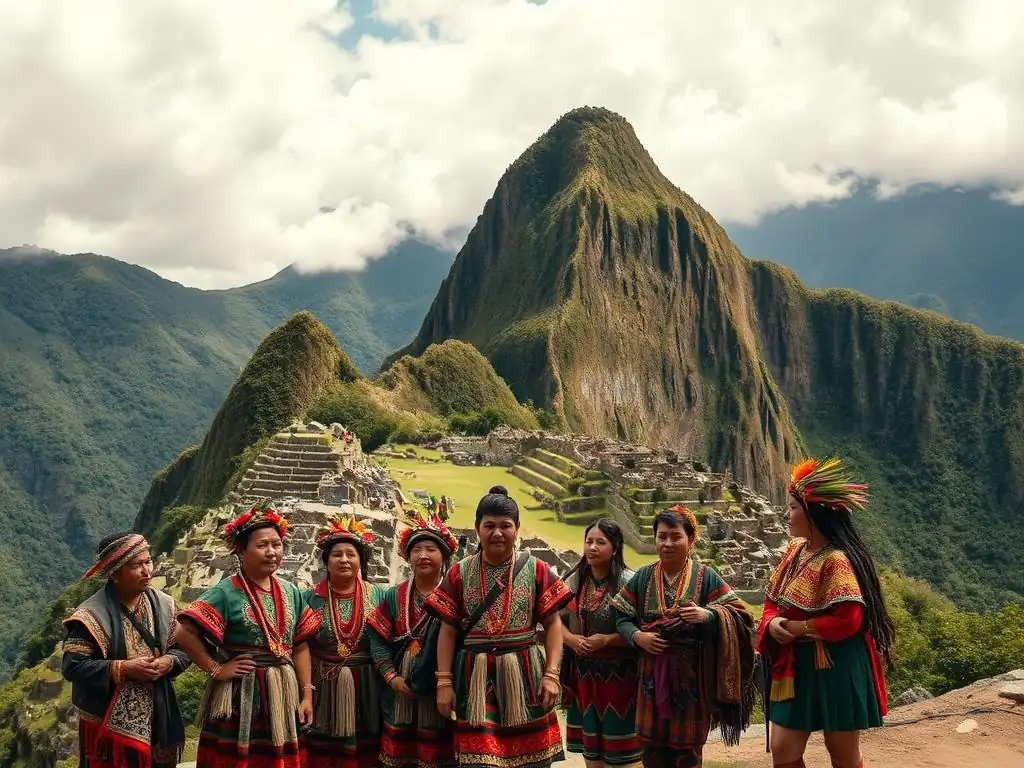
Machu Picchu's significance extends far beyond its physical structure; it plays a vital role in shaping contemporary indigenous identity. As a symbol of Inca heritage, the site is a source of pride for indigenous communities, fostering a connection to their ancestral past and reinforcing their cultural identity.
The preservation and recognition of Machu Picchu as a UNESCO World Heritage Site has also enhanced its status as a cultural emblem. It serves as a focal point for indigenous activism, where communities advocate for the recognition of their rights and the protection of their cultural heritage.
How Inca Architecture Reflects Indigenous Values
Inca architecture, exemplified by Machu Picchu, is a manifestation of the values held by the Inca civilization. Key principles such as harmony with nature, community, and spirituality are evident in the design and construction of the site. The careful selection of materials and the integration of structures with the surrounding landscape highlight the Inca's respect for their environment, promoting sustainability and ecological balance.
Furthermore, the communal spaces within Machu Picchu reflect the Inca's emphasis on social cohesion and collective identity. The architecture facilitates community gatherings and rituals, reinforcing the bonds among the people and their shared cultural heritage. This architectural embodiment of indigenous values contributes to the ongoing significance of Machu Picchu in contemporary discussions about identity and heritage.
Machu Picchu as a Symbol of Resilience and Heritage
Machu Picchu stands as a powerful symbol of resilience for indigenous peoples in the Americas. Despite centuries of colonialism and cultural disruption, the site endures as a testament to the ingenuity and strength of the Inca civilization. It serves as a reminder of the rich cultural heritage that predated European colonization and continues to influence indigenous identities today.
The preservation of Machu Picchu has become a rallying point for indigenous communities advocating for their rights and recognition. By embracing the site as part of their cultural heritage, these communities assert their resilience and commitment to maintaining their identity in the face of ongoing challenges.
The Impact of Colonialism on Indigenous Identity and Architecture
The arrival of European colonizers had a profound impact on the indigenous populations of the Americas, including the Inca civilization. Colonialism led to the destruction of many indigenous structures and the erosion of cultural practices. Despite this, Machu Picchu has survived, symbolizing both loss and continuity in indigenous identity.
The colonial narrative often marginalized indigenous contributions to architecture and culture, but the recognition of Machu Picchu as an architectural wonder has helped to reclaim indigenous history. Today, it serves as a potent reminder of the resilience of indigenous cultures and their enduring legacy, prompting a re-evaluation of the relationship between architecture, identity, and heritage in the context of colonial histories.
Preservation and Modern Interpretations of Inca Architecture
The preservation of Inca architecture, particularly sites like Machu Picchu, is vital for understanding the cultural and historical significance of the Inca civilization. These architectural wonders not only showcase the advanced engineering and aesthetic skills of the Inca people but also serve as symbols of indigenous identity and heritage. The modern interpretations of these structures often blend traditional understanding with contemporary perspectives, emphasizing the need to respect and honor the cultural narratives associated with them.
Efforts to Preserve Machu Picchu: Challenges and Strategies
The preservation of Machu Picchu faces numerous challenges, including environmental degradation, tourism pressure, and the effects of climate change. As one of the most visited archaeological sites in the world, Machu Picchu attracts millions of tourists each year, which can lead to wear and tear on the ancient structures.
To combat these challenges, several strategies have been implemented:
- Sustainable Tourism Practices: Authorities are working to regulate the number of visitors, restrict access to certain areas, and promote responsible tourism practices that minimize environmental impact.
- Restoration Projects: Ongoing restoration efforts aim to repair and stabilize the structures, using traditional materials and techniques to maintain the authenticity of the site.
- Community Involvement: Engaging local communities in preservation efforts not only aids in maintaining the site but also fosters a sense of ownership and connection to their cultural heritage.
These strategies highlight the importance of a balanced approach that respects both the historical significance of Machu Picchu and the needs of modern society.
Contemporary Indigenous Perspectives on Machu Picchu
Contemporary Indigenous perspectives on Machu Picchu recognize its significance not just as an archaeological site, but as a living embodiment of Inca culture and identity. For many Indigenous peoples, Machu Picchu is a source of pride and a symbol of resilience against colonization and cultural erasure.
Indigenous scholars and activists emphasize the need to interpret Machu Picchu through the lens of Indigenous knowledge systems, which often diverge from Western archaeological narratives. They advocate for:
- Cultural Contextualization: Understanding Machu Picchu as part of a broader cultural landscape that includes ongoing traditions and practices of the Andean peoples.
- Recognition of Indigenous Rights: Acknowledging the rights of Indigenous communities to engage in the stewardship and interpretation of their heritage, promoting narratives that reflect their experiences and histories.
These perspectives contribute to a more nuanced understanding of Machu Picchu and its role in the cultural identity of Indigenous peoples today.
The Role of Inca Architecture in Modern Indigenous Identity
Inca architecture serves as a powerful symbol of modern Indigenous identity, providing a tangible connection to ancestral heritage. The architectural principles and techniques of the Inca, characterized by their harmony with nature and community-oriented designs, resonate deeply within contemporary Indigenous movements.
Key aspects of this relationship include:
- Cultural Revitalization: Many Indigenous communities are adopting Inca architectural elements in contemporary building projects, reinforcing their identity and cultural continuity.
- Symbolism in Activism: Sites like Machu Picchu are often invoked in social and political movements as symbols of resistance against colonial narratives and as reminders of the rich histories that predate European contact.
- Educational Initiatives: Efforts to educate both Indigenous and non-Indigenous populations about Inca architecture enhance appreciation for its cultural significance and promote a broader understanding of Indigenous contributions to history.
Through these avenues, Inca architecture continues to inform and shape modern Indigenous identity, reaffirming its relevance in today’s world.
Conclusion: The Legacy of Machu Picchu in Understanding Indigenous Identity
The legacy of Machu Picchu extends beyond its physical structure; it embodies the rich cultural narrative of the Inca civilization and its enduring influence on contemporary Indigenous identity. As a monument of architectural genius, it invites exploration into the complexities of Indigenous heritage, resilience, and adaptation in a rapidly changing world.
Reflecting on the Importance of Inca Architecture and Indigenous Heritage
Reflecting on Inca architecture reveals its vital role in preserving Indigenous heritage and identity. Machu Picchu stands as a testament to the ingenuity of the Inca people, showcasing their sophisticated understanding of engineering, agriculture, and cosmology. This architectural marvel is not merely a historical artifact; it is a living symbol of the continuity of Indigenous culture and the ongoing relevance of ancestral knowledge.
Future Directions for the Study of Indigenous Identity Through Architecture
The future study of Indigenous identity through architecture promises to deepen our understanding of cultural resilience and transformation. Scholars and practitioners are increasingly recognizing the need to integrate Indigenous perspectives and methodologies in architectural discourse. Future directions may include:
- Collaborative Research: Engaging Indigenous communities in research initiatives to ensure their voices and narratives are represented in the study of their architectural heritage.
- Interdisciplinary Approaches: Combining architectural studies with anthropology, history, and environmental science to create a holistic understanding of Indigenous architecture and its implications for identity.
- Focus on Sustainability: Exploring how traditional architectural practices can inform modern sustainable design, promoting both ecological stewardship and cultural preservation.
By prioritizing these approaches, the study of Indigenous identity through architecture will continue to evolve, reflecting the rich tapestry of cultural narratives that shape our understanding of the past and present.
- Introduction to Machu Picchu
- The Foundations of Inca Architecture
- Machu Picchu as a Cultural and Spiritual Center
- The Influence of Machu Picchu on Indigenous Identity
- Preservation and Modern Interpretations of Inca Architecture
- Conclusion: The Legacy of Machu Picchu in Understanding Indigenous Identity
- What is Machu Picchu known for in terms of Inca architecture?
- How does Machu Picchu reflect indigenous identity?
- What were some of the key features of Inca architecture found at Machu Picchu?
- How did the construction of Machu Picchu impact indigenous cultures?
- Why is Machu Picchu important for understanding indigenous civilizations?
Frequently Asked Questions
What is Machu Picchu known for in terms of Inca architecture?
Machu Picchu is renowned for its advanced engineering and sophisticated stonework that exemplify the architectural genius of the Inca civilization.
How does Machu Picchu reflect indigenous identity?
Machu Picchu serves as a symbol of Inca heritage and cultural identity, representing the spiritual and political significance of the Inca civilization in the Andes.
What were some of the key features of Inca architecture found at Machu Picchu?
Key features include terracing, advanced drainage systems, and precision stone masonry, all of which showcase the Inca's mastery of environmental adaptation.
How did the construction of Machu Picchu impact indigenous cultures?
The construction of Machu Picchu reinforced the social structure and religious practices of the Inca, highlighting their engineering skills and deep connection to the natural landscape.
Why is Machu Picchu important for understanding indigenous civilizations?
Machu Picchu provides crucial insights into Inca society, revealing their cultural achievements, technology, and the lasting impact of indigenous civilizations in the Americas.
Final Reflection: The Enduring Legacy of Inca Architecture and Indigenous Identity
Machu Picchu stands as a testament to the brilliance of Inca architecture and its profound connection to indigenous identity. In today's world, where cultural heritage is often overshadowed by modernization, the significance of this ancient site resonates more than ever. It serves as a reminder of the ingenuity of the Inca civilization and the importance of preserving indigenous narratives in the face of globalization. The architectural marvel of Machu Picchu is not just a relic of the past; it is a living symbol of resilience and cultural pride.
The influence of Inca architecture extends beyond its physical structures; it shapes the cultural and social landscape of contemporary indigenous communities. The principles of harmony with nature and community-centric design found in Inca architecture continue to inspire modern architects and indigenous movements alike. As we reflect on this legacy, we can appreciate how it fosters a sense of belonging and identity among indigenous peoples. > “Architecture is the thoughtful making of space.” – Louis Kahn. This quote encapsulates the essence of how Inca architecture not only created physical spaces but also nurtured a profound sense of identity and community.
As we conclude our exploration of Machu Picchu and its significance, I invite you to reflect on your own connection to cultural heritage and identity. Consider how the lessons from Inca architecture can inspire you to appreciate and advocate for the preservation of indigenous cultures in your own community.
Whether through supporting local artisans, engaging in cultural education, or simply taking the time to learn about the histories that shape our world, each of us has a role to play in honoring and sustaining the rich tapestry of human heritage. Let us carry forward the spirit of Machu Picchu, ensuring that the stories and identities of indigenous peoples continue to thrive for generations to come.
Unveil the Wonders of Indigenous Heritage!
Thank you for joining us on this journey through Machu Picchu and its profound impact on Indigenous identity. Your interest in the remarkable achievements of the Inca reflects a deep appreciation for **cultural heritage** and **architectural brilliance**. Now, let's take the next step together to further celebrate and engage with this rich history!
- Plan your trip to Machu Picchu: Experience the majestic site firsthand! Research travel options, explore guided tours, and immerse yourself in its fascinating history.
- Share your insights: Discuss what you learned in this article with friends on social media or join a local community group that honors Indigenous cultures.
- Dive deeper: Read more articles exploring other Indigenous civilizations and their architectural marvels to broaden your understanding and appreciation of their contributions to the world.
How do you think the legacy of such historical sites influences our modern understanding of Indigenous identities?