
New Excavation Techniques Revolutionizing Our Understanding of Mayan Sites

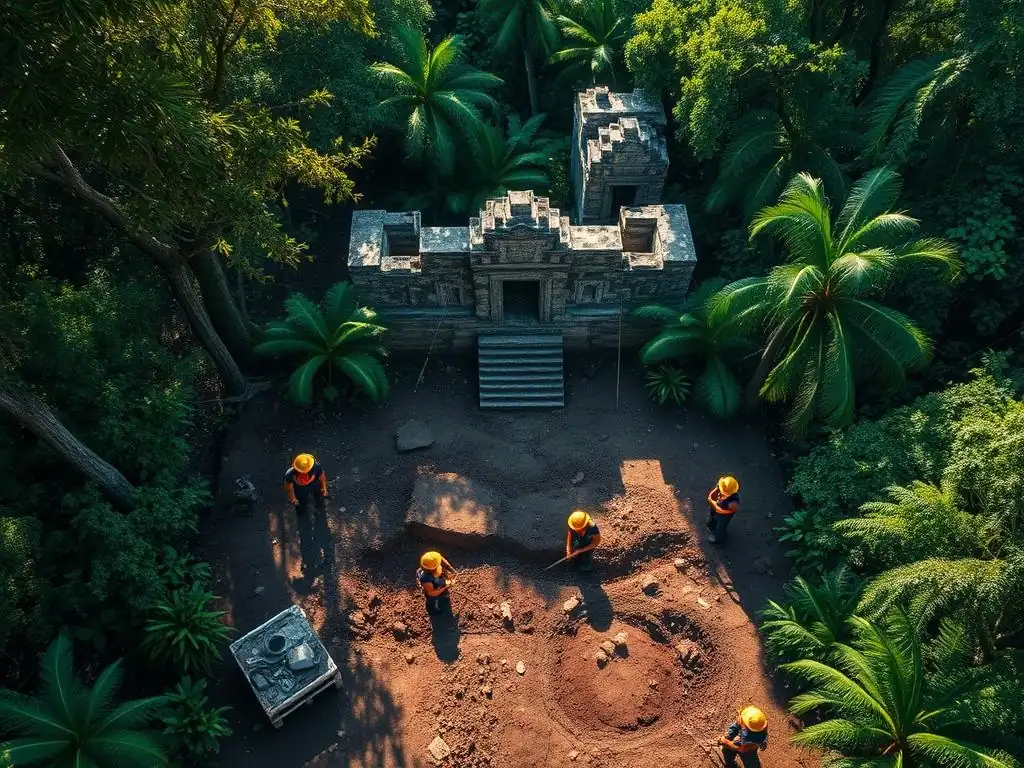
Welcome to Indigenous Civilizations of the Americas, a gateway to discovering the rich tapestry of cultures that flourished across the continent long before European encounter. Here, we delve into the intriguing world of Mayan archaeology excavation techniques, exploring how groundbreaking methodologies are transforming our understanding of these ancient societies. Join us on this journey as we uncover the achievements and legacies that continue to shape our world today. Are you ready to unlock the secrets of the past? Dive into our latest article to learn how modern innovations are revolutionizing the study of Mayan sites!
- Introduction to Mayan Archaeology Excavation Techniques
- Traditional Excavation Techniques in Mayan Archaeology
- New Excavation Techniques Revolutionizing Mayan Archaeology
- Case Studies of Recent Excavations Using New Techniques
- Impact of New Techniques on Our Understanding of Mayan Sites
- Challenges and Considerations in Implementing New Excavation Techniques
- Conclusion: The Future of Mayan Archaeology Excavation Techniques
-
Frequently Asked Questions
- What are the new excavation techniques being used in Mayan archaeology?
- How do these techniques enhance our understanding of Mayan civilizations?
- What is the significance of preserving Mayan archaeological sites?
- How do excavation techniques affect the local indigenous communities?
- What impact do these techniques have on future archaeological research?
- Final Reflection: Revolutionizing Our Understanding of Mayan Archaeology
- Unveil the Secrets of the Maya: Take Action Today!
Introduction to Mayan Archaeology Excavation Techniques
The field of archaeology has undergone significant transformations over the years, particularly in the context of Mayan civilization, one of the most fascinating and complex societies in the Americas. As scholars and archaeologists continue to uncover the remnants of this remarkable culture, the advancements in excavation techniques play a crucial role in enhancing our understanding of Mayan history, society, and achievements.
This article delves into the innovative excavation methods that are revolutionizing the study of Mayan sites, shedding light on previously hidden aspects of this ancient civilization. By exploring the latest developments in Mayan archaeology excavation techniques, we aim to highlight their impact on the preservation and interpretation of Mayan cultural heritage.
Overview of Mayan Civilization and Its Importance
The Mayan civilization, which flourished in Mesoamerica from approximately 2000 BCE to the arrival of European colonizers in the 16th century, is renowned for its sophisticated understanding of mathematics, astronomy, and architecture. With major city-states such as Tikal, Palenque, and Copán, the Mayans developed a rich tapestry of cultural and scientific achievements that continue to captivate researchers and enthusiasts alike.
Key elements of Mayan civilization include:
- Social Structure: The Mayan society was organized into a hierarchical system with kings, nobles, and commoners, playing a crucial role in governance and cultural practices.
- Writing System: The Mayans developed a complex script that was one of the few fully developed writing systems in pre-Columbian Americas, allowing them to record historical events, rituals, and astronomical data.
- Architecture: Their impressive architectural feats, such as step pyramids and palaces, showcase their advanced engineering skills and serve as important archaeological sites today.
Understanding the importance of Mayan civilization is essential for appreciating the ongoing archaeological efforts aimed at uncovering its mysteries and preserving its legacy.
The Evolution of Excavation Techniques in Archaeology
The methods employed in archaeological excavations have evolved significantly over the decades, driven by technological advancements and a deeper understanding of preservation. In the context of Mayan archaeology, these innovations have transformed the way researchers approach excavation, analysis, and interpretation of findings.
Some notable advancements include:
- Ground-Penetrating Radar (GPR):
- This non-invasive technique allows archaeologists to see below the surface without disturbing the soil, revealing hidden structures and artifacts that may be at risk of damage during traditional excavation.
- LiDAR (Light Detection and Ranging):
- By using laser technology to create detailed 3D maps of terrain, LiDAR has uncovered vast networks of Mayan cities previously obscured by jungle foliage, offering new insights into urban planning and population distribution.
- Drones and Aerial Photography:
- The use of drones has revolutionized the documentation of excavation sites, providing high-resolution images and enabling the mapping of large areas quickly and efficiently.
- Stratigraphic Excavation:
- This method emphasizes the careful removal of soil in layers, allowing archaeologists to understand the chronological sequence of occupation and use of a site, thus providing context for artifacts.
These evolving techniques not only enhance the efficiency and effectiveness of archaeological work but also aim to minimize the impact on the delicate remains of ancient cultures. As we continue to refine these methods, our understanding of Mayan civilization will undoubtedly deepen, paving the way for new discoveries and a greater appreciation of this extraordinary culture.
Traditional Excavation Techniques in Mayan Archaeology
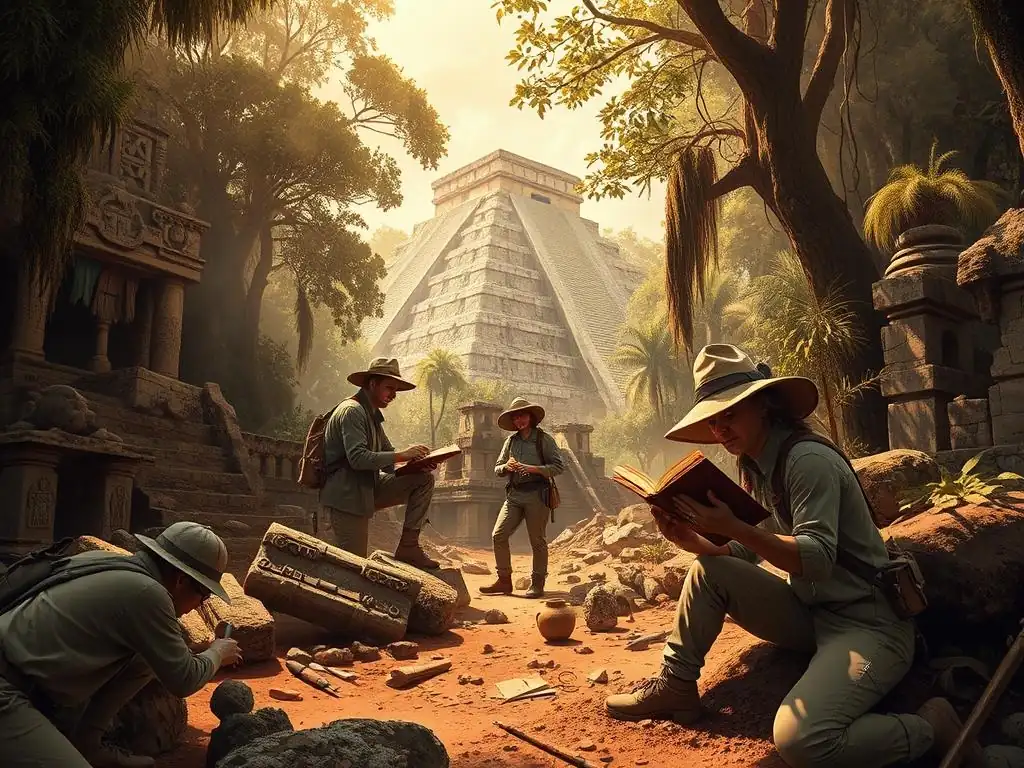
Manual Digging and Its Limitations
Manual digging has long been the cornerstone of Mayan archaeology. This technique involves the physical removal of soil and debris to uncover artifacts, structures, and other archaeological features. While this approach has yielded significant discoveries, it also has notable limitations:
- Labor-Intensive Process: Manual digging requires substantial human resources, which can slow down the excavation process.
- Risk of Damage: The use of hand tools increases the risk of damaging delicate artifacts or structures. The untrained eye may misinterpret the stratigraphy, leading to the loss of crucial contextual information.
- Limited Depth Exploration: Manual digging is often constrained by the physical capabilities of archaeologists. Deeper layers may remain unexplored due to time and resource limitations.
- Subjectivity in Interpretation: The findings from manual excavations can be subjective, as they heavily rely on the archaeologist's experience and interpretation skills, which can lead to inconsistencies in data collection.
Despite these limitations, manual digging has provided foundational insights into Mayan civilization and its intricate social structures, rituals, and daily life.
Tools and Methods Historically Used in Mayan Excavations
Historically, a variety of tools and methods have been employed in Mayan archaeology to facilitate manual excavations. Below is a detailed overview of the most commonly used tools and their applications:
| Tool | Description | Usage |
|---|---|---|
| Trowels | Small hand tools with a pointed blade, used for precise digging. | Ideal for clearing soil around artifacts. |
| Shovels | Larger tools for removing bulk soil and debris. | Used in initial stages of excavation. |
| Pickaxes | Heavy tools for breaking hard ground or compacted layers. | Essential in rocky or dense areas. |
| Screens | Mesh tools for sifting soil to catch small artifacts. | Helps in recovering smaller finds. |
| Bristle Brushes | Soft brushes for cleaning artifacts and delicate features. | Used post-excavation for careful handling. |
| Levels and Tapes | Measurement tools to ensure accurate documentation of finds. | Important for maintaining stratigraphic integrity. |
In addition to these tools, archaeologists often relied on traditional methods such as:
- Stratigraphic Excavation: This method involves digging in layers, which helps preserve the context of artifacts found at different depths.
- Site Surveys: Prior to excavation, archaeologists would conduct surface surveys to identify potential excavation sites, utilizing both visual inspection and basic tools to assess the presence of artifacts.
While these traditional techniques laid the groundwork for understanding Mayan sites, they often lacked the precision and efficiency found in modern excavation methods. As archaeological practices have evolved, so too have the tools and technologies that enhance our understanding of ancient civilizations.
New Excavation Techniques Revolutionizing Mayan Archaeology
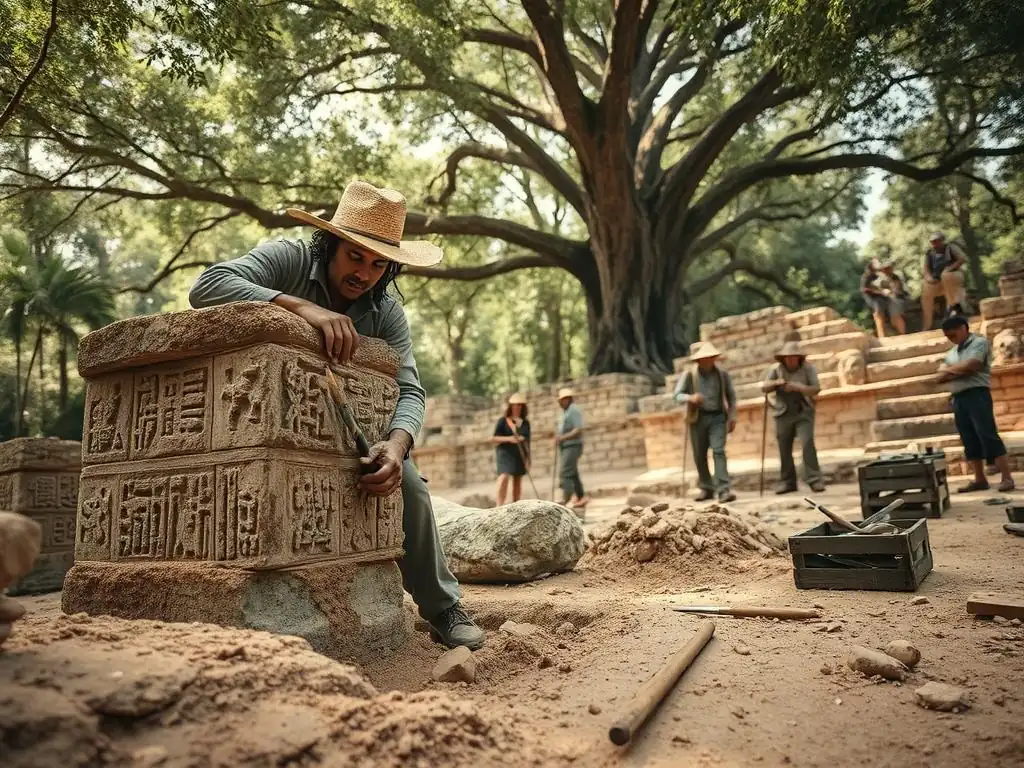
Remote Sensing Technologies
Recent advancements in remote sensing technologies have significantly transformed the landscape of Mayan archaeology. These innovative techniques allow archaeologists to explore and analyze vast areas of land without the need for extensive physical excavation. With tools such as LiDAR and satellite imagery, researchers can uncover hidden structures and map archaeological sites with unprecedented precision.
LiDAR: A Game-Changer in Discovering Mayan Sites
Light Detection and Ranging (LiDAR) is one of the most revolutionary technologies in the field of Mayan archaeology. By using laser pulses to measure distances, LiDAR can create high-resolution 3D maps of the ground surface, penetrating dense vegetation that often obscures archaeological features.
- Applications of LiDAR in Mayan Sites:
- Identification of ancient road networks
- Discovery of previously unknown structures, such as pyramids and temples
- Mapping of agricultural fields and water management systems
For example, a significant LiDAR survey conducted in Guatemala revealed over 60,000 structures in the Maya Biosphere Reserve, showcasing the complexity and scale of ancient Mayan civilization that had been hidden beneath the jungle canopy for centuries.
Satellite Imagery in Archaeological Mapping
Satellite imagery complements LiDAR by offering a broader perspective on archaeological sites. High-resolution images from satellites can be analyzed to detect subtle variations in the landscape that may indicate human activity.
- Key Benefits of Satellite Imagery:
- Monitoring changes in land use and vegetation over time
- Identifying potential archaeological sites for further investigation
- Enhancing site documentation through detailed mapping
Recent studies have utilized satellite imagery to locate clusters of Mayan settlements and understand their spatial relationships, providing insights into the social and political organization of ancient Maya societies.
Ground-Penetrating Radar (GPR)
Ground-Penetrating Radar (GPR) is another groundbreaking technique that has enhanced our understanding of Mayan sites. Utilizing electromagnetic waves, GPR can detect subsurface features without invasive digging.
How GPR Works in Mayan Excavations
GPR operates by sending pulses of radar waves into the ground and recording the reflected signals from subsurface structures. The data collected can reveal various archaeological features, including walls, floors, and burial sites.
- Key Components of GPR:
- Transmitter: Sends radar waves into the ground
- Receiver: Captures the reflected signals
- Data Processing Software: Analyzes the signals to create images of underground structures
This method is particularly useful in Mayan archaeology for locating tombs and ceremonial spaces without disturbing the sites, preserving their integrity for future study.
Advantages of GPR in Site Analysis
The use of GPR in Mayan excavations offers numerous advantages, making it an essential tool for archaeologists.
- Benefits of GPR:
- Non-destructive: Preserves the archaeological context while revealing hidden features
- High-resolution data: Provides detailed images of subsurface structures
- Rapid survey capabilities: Allows for quick assessments of large areas
With its ability to provide immediate and actionable data, GPR is revolutionizing the way archaeologists approach excavation and site preservation in the context of Mayan archaeology excavation techniques.
The integration of remote sensing technologies like LiDAR and satellite imagery, along with ground-penetrating radar, is reshaping our understanding of ancient Mayan civilizations. These cutting-edge methods not only enhance archaeological discoveries but also contribute to the preservation of these invaluable cultural heritage sites for future generations.
Drone Technology in Mayan Archaeology
Drone technology has emerged as a groundbreaking tool in the field of Mayan archaeology, offering unprecedented ways to explore and document ancient sites. These unmanned aerial vehicles (UAVs) enable archaeologists to survey expansive areas with remarkable efficiency and detail. The utilization of drones has not only enhanced the precision of archaeological mapping but has also opened up new avenues for research that were previously challenging or impossible to undertake.
By employing drones equipped with high-resolution cameras and LiDAR (Light Detection and Ranging) technology, researchers can capture intricate details of Mayan structures and landscapes from above. This aerial perspective allows for a comprehensive understanding of site layouts, topography, and the relationship between various structures, thereby enriching our knowledge of Mayan civilization and its urban planning.
The Role of Drones in Site Documentation
Drones play a critical role in the documentation of Mayan sites by providing detailed aerial imagery and 3D models that facilitate analysis and preservation. The ability to quickly capture high-quality images allows archaeologists to create accurate maps and models of sites, which can be used for research, conservation efforts, and educational purposes.
For instance, drones can cover large areas in a fraction of the time it would take traditional ground surveys, significantly improving the efficiency of archaeological fieldwork. Furthermore, the data collected can be processed using photogrammetry techniques to generate 3D reconstructions, offering a virtual experience of ancient sites. This innovative documentation method not only aids in the understanding of the architecture and layout of Mayan cities but also serves as a valuable resource for comparative studies with other civilizations.
Benefits of Aerial Surveys for Mayan Sites
Aerial surveys utilizing drone technology come with a multitude of benefits that enhance the study of Mayan archaeology:
- Increased Accessibility: Drones can easily access remote or difficult-to-reach areas, allowing archaeologists to survey regions that may have been previously overlooked due to accessibility challenges.
- Cost-Effectiveness: Compared to traditional surveying methods that often require extensive manpower and equipment, drone surveys can significantly reduce costs while delivering high-quality data.
- Real-Time Data Collection: Drones can be deployed quickly to gather data in real-time, enabling researchers to make immediate assessments and decisions on-site.
- Environmental Impact: Aerial surveys minimize the environmental footprint of archaeological work, as they require less ground disturbance compared to traditional excavation methods.
- Enhanced Preservation: By documenting sites in detail before any excavation begins, drones help establish a baseline for preservation efforts and allow archaeologists to monitor changes over time.
Drone technology is revolutionizing Mayan archaeology by enabling more efficient, detailed, and cost-effective exploration of ancient sites. As these techniques continue to evolve, they promise to uncover even more about the rich history and culture of the Mayan civilization.
Case Studies of Recent Excavations Using New Techniques
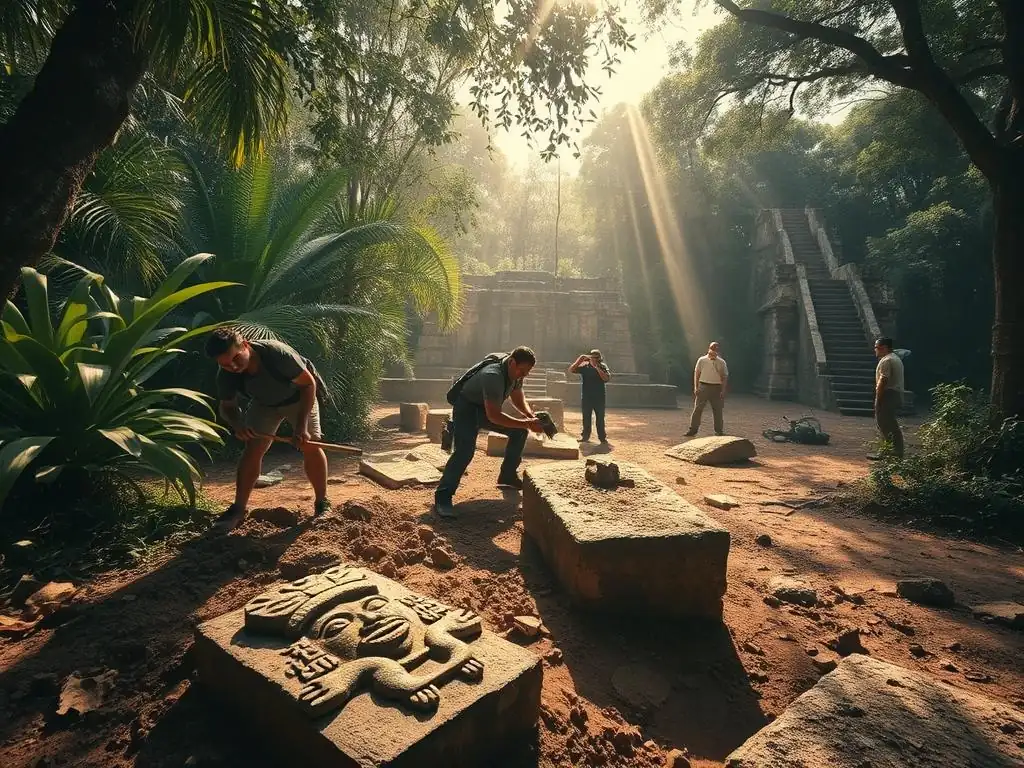
The evolution of excavation techniques has significantly advanced our understanding of Mayan archaeology. Recent case studies highlight how technologies such as LiDAR, Ground Penetrating Radar (GPR), and drones have transformed archaeological practices, allowing researchers to uncover hidden aspects of Mayan civilization that were previously inaccessible.
Tikal: Discoveries Through LiDAR and GPR
Tikal, one of the largest and most influential Mayan cities, has been at the forefront of archaeological innovation. The application of LiDAR (Light Detection and Ranging) and GPR (Ground Penetrating Radar) has revolutionized our approach to understanding this ancient urban center.
Findings and Their Implications for Mayan Studies
- LiDAR Applications:
- LiDAR technology has enabled researchers to penetrate dense jungle canopies, revealing the intricate layout of Tikal's urban landscape. High-resolution 3D maps generated through LiDAR have shown:
- Over 60,000 structures that include temples, terraces, and roadways, previously obscured by vegetation.
- Evidence of complex water management systems, suggesting advanced engineering skills among the Maya.
- LiDAR technology has enabled researchers to penetrate dense jungle canopies, revealing the intricate layout of Tikal's urban landscape. High-resolution 3D maps generated through LiDAR have shown:
- Ground Penetrating Radar:
- GPR has provided insights into subsurface features that are not visible through traditional excavation methods. Key findings include:
- Identification of buried infrastructure, such as plazas and residential areas, which indicates a more extensive urban sprawl than previously thought.
- Detection of tomb structures and burial sites, enhancing our understanding of Mayan burial practices and societal hierarchy.
- GPR has provided insights into subsurface features that are not visible through traditional excavation methods. Key findings include:
- Impacts on Mayan Studies:
- The integration of these technologies has led to a paradigm shift in Mayan archaeology, allowing researchers to:
- Reassess the scale and complexity of Tikal's sociopolitical organization.
- Develop new hypotheses regarding trade routes and interactions with other Mesoamerican cultures.
- The integration of these technologies has led to a paradigm shift in Mayan archaeology, allowing researchers to:
The findings from Tikal underscore the importance of embracing innovative excavation techniques to unlock the secrets of Mayan civilization.
Calakmul: Innovations in Drone Usage
Calakmul, another significant Mayan city, has also benefited from technological advancements, particularly the use of drones in archaeological surveys and excavations.
Discoveries That Changed Our Understanding of Mayan Society
- Drone Technology:
- Drones equipped with high-resolution cameras and imaging technology have been used to:
- Conduct aerial surveys that reveal geometric patterns in the landscape, indicating extensive agricultural practices and settlement patterns.
- Create detailed topographical maps, which aid in planning excavation sites and understanding the spatial organization of the city.
- Drones equipped with high-resolution cameras and imaging technology have been used to:
- Key Discoveries:
- Recent drone surveys have led to remarkable findings, such as:
- The identification of previously unknown structures, including ceremonial platforms and residential complexes, which suggest a larger population and more intricate societal structures.
- Evidence of defensive walls and barriers, indicating a complex understanding of warfare and territoriality among the Maya.
- Recent drone surveys have led to remarkable findings, such as:
- Implications for Mayan Society:
- The insights gained from drone-assisted excavations are reshaping our understanding of Calakmul's role within the Mayan world:
- They point to a sophisticated society with advanced agricultural and defensive strategies.
- They enhance our understanding of interactions between Calakmul and other major Mayan cities, highlighting the importance of regional trade and political dynamics.
- The insights gained from drone-assisted excavations are reshaping our understanding of Calakmul's role within the Mayan world:
The application of modern excavation techniques, including LiDAR, GPR, and drone technology, is significantly enhancing our understanding of Mayan civilization. These innovative methods not only reveal hidden structures and landscapes but also provide a clearer picture of the social, political, and economic complexities of the Maya, paving the way for future archaeological discoveries.
Impact of New Techniques on Our Understanding of Mayan Sites
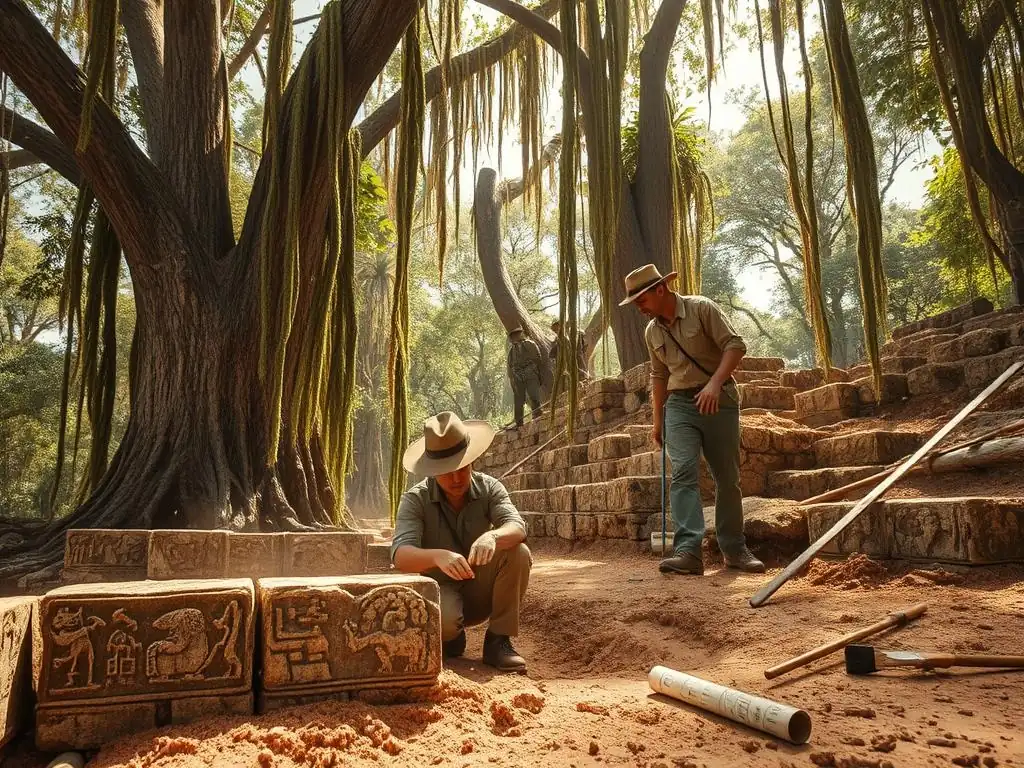
The advent of new excavation techniques has significantly transformed our comprehension of Mayan civilization and its archaeological sites. These innovations not only enhance the efficiency of excavations but also provide deeper insights into the social, political, and economic structures of the Mayans.
Insights Gained from Advanced Excavation Techniques
Advanced excavation techniques, such as LiDAR (Light Detection and Ranging), ground-penetrating radar (GPR), and 3D modeling, have revolutionized the way archaeologists approach Mayan sites.
- LiDAR Technology: This aerial survey method allows researchers to create detailed topographical maps of the landscape, revealing structures hidden beneath dense vegetation. For example, LiDAR has uncovered entire cities previously unknown to researchers, showcasing the vastness of the Mayan civilization.
- Ground-Penetrating Radar: GPR provides a non-invasive way to visualize sub-surface features without disturbing the soil. Recent applications of this technology have revealed complex architectural layouts and burial sites, leading to a better understanding of Mayan urban planning and social hierarchies.
- 3D Modeling: This technique allows for the virtual reconstruction of sites, enabling archaeologists to analyze spatial relationships and architectural features with unprecedented precision. By creating accurate models, researchers can also facilitate public engagement through interactive displays and educational resources.
These advanced methods have led to several critical insights:
- Urban Complexity: Discoveries show that Mayan cities were more complex and interconnected than previously thought, with extensive road networks and trade routes.
- Societal Organization: Evidence gathered has illuminated the social stratification within Mayan society, revealing the roles of elites, craftsmen, and commoners.
- Environmental Adaptations: Excavations using these techniques have uncovered evidence of how the Mayans adapted to their environment, including advanced agricultural practices that supported large populations.
These insights emphasize the significance of integrating modern technology into archaeological practices, allowing for a more nuanced understanding of the Mayan civilization.
How Modern Technology is Shaping the Future of Mayan Archaeology
The integration of modern technology into Mayan archaeology is not only enhancing current excavation practices but also shaping future research directions. As these techniques evolve, they open new avenues for exploration and understanding.
- Increased Collaboration: The use of technology fosters collaboration among scientists, archaeologists, and historians. Multi-disciplinary teams can analyze data from various perspectives, leading to richer interpretations of artifacts and structures.
- Preservation of Sites: Non-invasive techniques minimize disturbance to archaeological sites, ensuring that they remain intact for future research. This is crucial as many sites are threatened by environmental changes and human activity.
- Public Engagement: Advanced technologies facilitate the creation of virtual tours and interactive exhibits, making Mayan history accessible to a broader audience. Educational initiatives can inspire a new generation of archaeologists and historians.
- Data Sharing: Modern technology allows for the efficient collection and sharing of data across institutions and researchers globally. This collaborative approach enhances the overall knowledge base and encourages ongoing research.
As we move forward, the continued application of these innovative techniques in Mayan archaeology promises to uncover new discoveries, enrich our understanding of ancient civilizations, and ensure the preservation of these invaluable cultural heritages for generations to come.
Challenges and Considerations in Implementing New Excavation Techniques
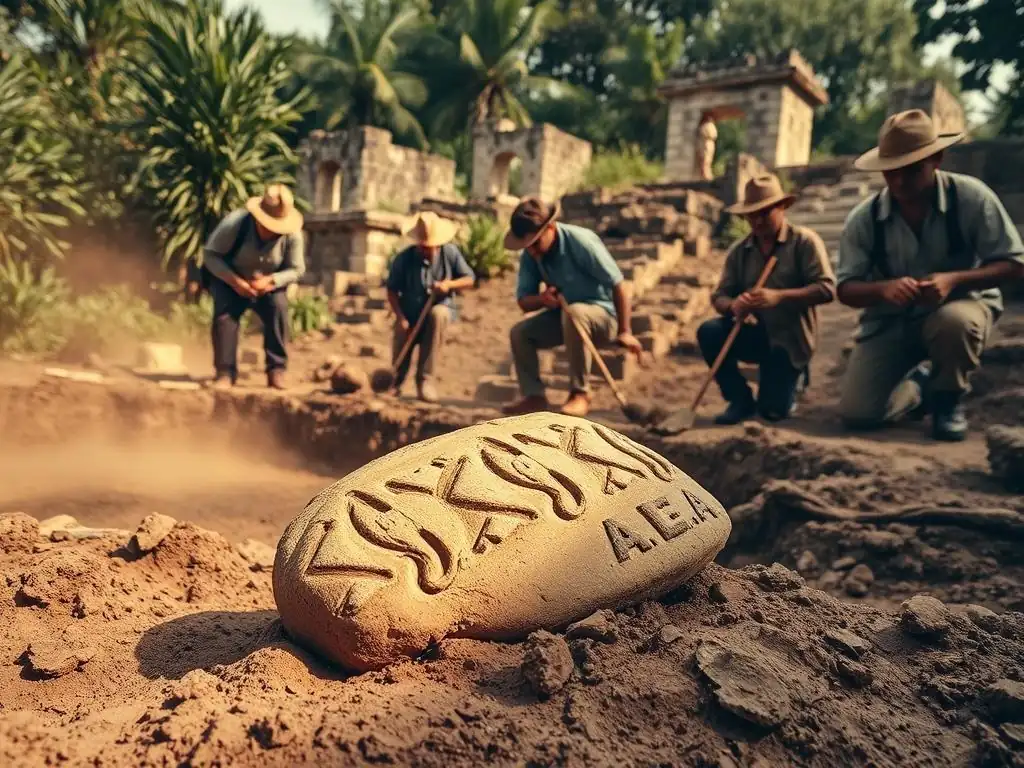
The evolution of Mayan archaeology excavation techniques has significantly advanced our understanding of ancient Mayan sites. However, the implementation of these new methods comes with a range of challenges and considerations that archaeologists must navigate. These challenges can impact the effectiveness of excavations, the preservation of sites, and the relationship with indigenous communities.
Ethical Considerations in Archaeological Practices
Ethics play a crucial role in modern archaeological practices, particularly when excavating sites of great cultural significance, such as those of the Mayan civilization. The following points outline key ethical considerations:
- Respect for Indigenous Cultures: Archaeologists must prioritize the perspectives and rights of indigenous communities. This includes involving local populations in research, respecting their cultural heritage, and considering their input in the excavation process.
- Protection of Cultural Heritage: New excavation techniques, such as ground-penetrating radar or LiDAR, can disrupt fragile ecosystems and archaeological contexts. It is essential to ensure that the application of these technologies does not lead to the destruction of invaluable historical artifacts or sites.
- Transparency in Research: Ethical practices demand that archaeologists maintain transparency regarding their methodologies and findings. This includes sharing data with the communities involved and ensuring that the results benefit those who have a vested interest in the site's history.
- Repatriation of Artifacts: The question of artifact ownership is a significant ethical issue. Many artifacts unearthed through excavation may have been taken without proper consent. Archaeologists must advocate for the repatriation of these items to their rightful owners, ensuring that they are housed in culturally appropriate contexts.
Balancing Technology with Traditional Methods
While new technologies in Mayan archaeology excavation techniques have revolutionized the field, there remains a strong case for integrating traditional methods. The balance between these approaches can enhance the depth of research and the preservation of cultural integrity.
- Complementary Approaches: Digital technologies, such as 3D modeling and remote sensing, can complement traditional excavation methods, such as stratigraphic analysis. Combining these techniques allows for a more comprehensive understanding of the site while minimizing invasive procedures.
- Training and Capacity Building: It is essential to provide training for local archaeologists and community members in both traditional and modern excavation techniques. This empowerment fosters a sense of ownership over the archaeological process and supports the preservation of indigenous knowledge systems.
- Sustainable Practices: Traditional excavation methods often emphasize sustainability and respect for the environment. By integrating these practices with technological advancements, archaeologists can develop excavation strategies that are ecologically responsible and culturally sensitive.
- Cultural Sensitivity: Understanding the cultural context of the sites being excavated is vital. Traditional methods often involve narratives and practices rooted in the indigenous cultures themselves, which may provide insights that modern technology alone cannot reveal.
While the adoption of innovative Mayan archaeology excavation techniques offers exciting opportunities to uncover the past, it is imperative that these advancements are implemented thoughtfully. By addressing ethical considerations and balancing modern technology with traditional methods, archaeologists can contribute to a more respectful and effective exploration of Mayan heritage.
Conclusion: The Future of Mayan Archaeology Excavation Techniques
As we look ahead, the evolution of Mayan archaeology excavation techniques holds immense promise for uncovering the rich history of the ancient Maya civilization. With advancements in technology and methodology, archaeologists are poised to make significant discoveries that could reshape our understanding of Mayan societies, their structures, and their intricate relationship with the environment. The integration of non-invasive methods, such as LiDAR (Light Detection and Ranging) and ground-penetrating radar, is enabling researchers to identify hidden structures beneath dense jungle canopies, leading to the revelation of vast urban landscapes previously unknown.
The Potential for Continued Discoveries
The potential for continued discoveries in Mayan archaeology is vast. Recent innovations in excavation techniques have already led to remarkable findings, such as the identification of extensive road systems, ceremonial centers, and even previously uncharted cities. The use of drone technology for aerial surveys allows for a comprehensive view of terrain and landscape features that may indicate archaeological significance.
- LiDAR Technology:
- Benefits: Enables the mapping of large areas quickly and accurately.
- Applications: Revealed thousands of structures in Guatemala's jungle, drastically changing the perception of Maya urbanization.
- Ground-Penetrating Radar:
- Benefits: Non-invasive and effective for detecting subsurface features.
- Applications: Used to locate hidden buildings and tombs without disturbing the ground, preserving the site for future study.
- 3D Modeling:
- Benefits: Creates virtual representations of sites, aiding in visualization and planning.
- Applications: Assists in the interpretation of complex structures and spatial relationships within archaeological sites.
As these techniques continue to advance, the archaeological community anticipates uncovering new insights into the socio-political dynamics, economic practices, and cultural ceremonies of the Maya. This ongoing research will not only enhance academic knowledge but also deepen our appreciation for the legacy of indigenous civilizations in the Americas.
Encouraging Collaborative Efforts in Archaeology
The future of Mayan archaeology excavation techniques also hinges on fostering collaborative efforts among researchers, indigenous communities, and educational institutions. By working together, archaeologists can gain a more nuanced understanding of the cultural significance of their findings, while indigenous groups can play a vital role in preserving their heritage and sharing their perspectives.
- Community Involvement:
- Engaging local populations in archaeological projects helps ensure that their history is respected and accurately represented.
- Training programs can empower indigenous peoples with skills in archaeology, enabling them to participate actively in the research process.
- Interdisciplinary Collaboration:
- Partnerships with experts in fields such as geology, anthropology, and environmental science can enrich archaeological studies.
- Sharing knowledge across disciplines fosters innovative approaches to problem-solving in excavation and preservation.
- Global Networks:
- Establishing international collaborations can enhance resource sharing and knowledge exchange.
- Conferences and workshops provide platforms for discussing new techniques and findings, fostering a global community of scholars dedicated to Mayan archaeology.
Through these collaborative efforts, the field of Mayan archaeology can continue to flourish, leading to groundbreaking discoveries that honor the complexity and richness of Mayan civilization. As we embrace new technologies and methodologies, the potential to uncover the past is greater than ever, ensuring that the legacy of the Maya endures for future generations to appreciate.
Frequently Asked Questions
What are the new excavation techniques being used in Mayan archaeology?
Recent techniques include non-invasive methods such as ground-penetrating radar and drone technology, which allow archaeologists to explore sites without disturbing the soil.
How do these techniques enhance our understanding of Mayan civilizations?
These advanced methods provide insights into urban planning, infrastructure, and social organization of the Mayans, revealing complexities previously hidden by traditional excavation.
What is the significance of preserving Mayan archaeological sites?
Preserving these sites is crucial for understanding cultural heritage and the historical context of the Mayan civilization, as well as for protecting them from environmental degradation.
How do excavation techniques affect the local indigenous communities?
Modern excavation practices can lead to collaboration with local communities, offering them a chance to engage with their cultural heritage and benefit from educational opportunities.
What impact do these techniques have on future archaeological research?
The use of innovative excavation techniques promises to revolutionize the field, allowing for a more holistic understanding of ancient societies and potentially leading to new discoveries in the realm of Mayan archaeology.
Final Reflection: Revolutionizing Our Understanding of Mayan Archaeology
The exploration of Mayan archaeology excavation techniques has never been more relevant than it is today. As we uncover the secrets of ancient civilizations, we are not just piecing together the past; we are reshaping our understanding of human history and cultural evolution. The advancements in excavation techniques are not merely tools of discovery; they are gateways to a deeper appreciation of the rich tapestry of Mayan civilization. The future of archaeology hinges on our ability to innovate and adapt.
The impact of these new excavation techniques extends far beyond the confines of academic research; they resonate within our cultural and social landscapes. As we learn more about the Mayans, we also learn about ourselves and our shared human experience. The stories unearthed from the depths of the earth challenge our perceptions and inspire a sense of wonder about the complexities of ancient societies. The past is not a dead thing; it is alive, and it continues to shape our present and future.
This quote encapsulates the ongoing influence of archaeological discoveries, reminding us that history is a living narrative that informs our identity.
As we reflect on the significance of these advancements, I invite you to consider how the lessons learned from Mayan archaeology can be applied in your own life. Embrace curiosity, seek knowledge, and recognize the interconnectedness of our histories.
Whether through supporting archaeological initiatives, engaging with cultural heritage, or simply fostering a deeper understanding of the past, each of us has a role to play in preserving and celebrating the legacies of those who came before us. Let us carry forward the spirit of exploration and discovery, ensuring that the stories of the Mayans—and all ancient civilizations—continue to inspire future generations.
Unveil the Secrets of the Maya: Take Action Today!
Thank you for diving deep into the fascinating world of Mayan archaeology! Your interest helps us all appreciate the remarkable innovations in excavation techniques that are reshaping our understanding of this ancient civilization. Now, let's channel that curiosity into impactful actions that can further connect you with the wonders of the Maya.
Here are some ways you can actively engage:
- Join a local archaeology group or volunteer for an excavation project to experience firsthand the wonders of this field.
- Share your newfound knowledge on social media or with friends—help spread awareness about the rich cultural history of the Maya!
- Explore documentaries or books that provide deeper insights into Mayan civilization and the latest excavation methods.
What aspect of Mayan civilization intrigues you the most, and how do you see these new techniques enhancing our understanding of their history?