
Preserving Indigenous Heritage: The Importance of Recent Excavation Efforts in North America

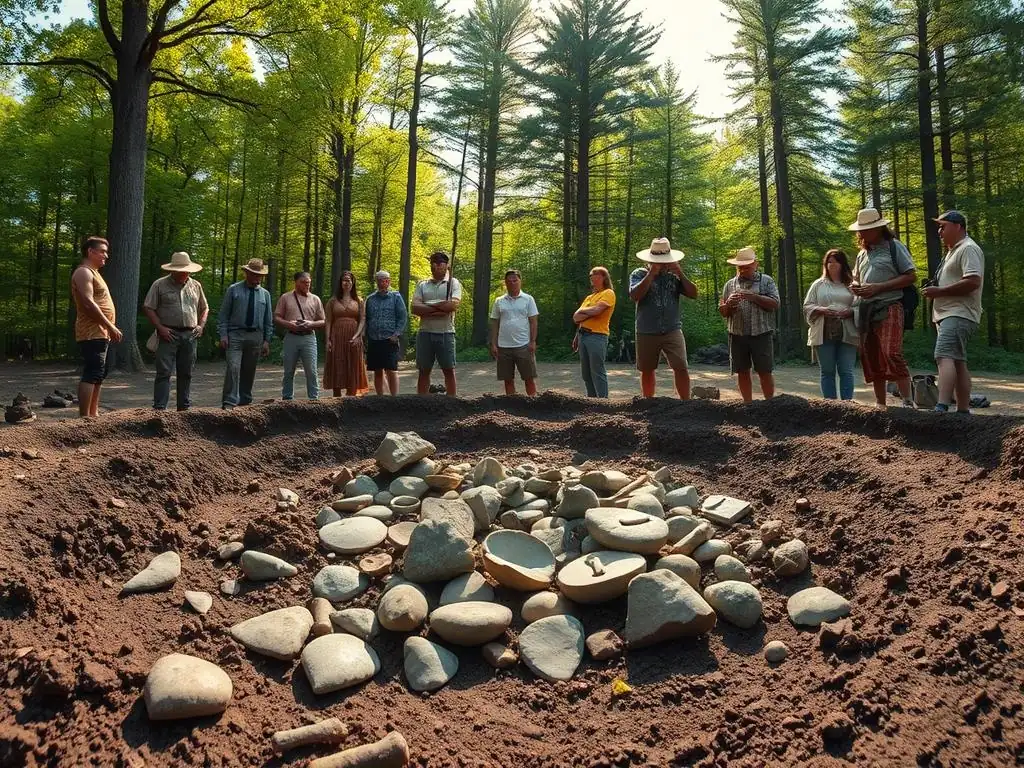
Welcome to "Indigenous Civilizations of the Americas"! Here, we take you on a journey through the rich tapestry of indigenous cultures that flourished across the Americas long before the arrival of European settlers. Our focus today is on the importance of preserving indigenous heritage, a topic that resonates deeply in our modern world.
Dive into our latest article, "Preserving Indigenous Heritage: The Importance of Recent Excavation Efforts in North America," where we unveil the remarkable archaeological discoveries that not only honor these ancient societies but also highlight the urgency of safeguarding their legacies for future generations. Join us as we explore the profound significance of these efforts and uncover stories that deserve to be told.
The preservation of indigenous heritage is a crucial aspect of understanding and honoring the rich tapestry of cultures that existed in North America long before European colonization. Recent excavation efforts have shed light on the lives, traditions, and innovations of these diverse indigenous societies, making it imperative to recognize their contributions to human history. This article delves into the importance of preserving indigenous heritage, emphasizing the need for archaeological discoveries to inform contemporary understanding and foster respect for the legacies of these communities.
Understanding Indigenous Heritage
Definition of Indigenous Heritage
Indigenous heritage encompasses the cultural, historical, and spiritual legacies of the native peoples of North America. This includes languages, traditional practices, art forms, and knowledge systems that have been passed down through generations. It reflects the deep connection that indigenous communities have with their land, their ancestors, and their ways of life. Preserving this heritage is essential for maintaining the identity and continuity of these cultures in the face of external pressures and historical injustices.
Historical Significance of Indigenous Cultures
The historical significance of indigenous cultures cannot be overstated. Before European contact, sophisticated societies thrived across the continent, each contributing unique innovations in agriculture, governance, and social organization. For instance, the Iroquois Confederacy is often cited as an early example of democratic governance, influencing the development of political systems in the United States. Excavations at sites like Cahokia reveal complex urban planning and trade networks that challenge the narrative of a "primitive" indigenous existence. Understanding these histories allows for a broader appreciation of human achievement and resilience.
The Importance of Preserving Indigenous Heritage
Cultural Identity and Community Connection
Preserving indigenous heritage is vital for the cultural identity of indigenous peoples today. It fosters a sense of belonging and continuity, helping communities to reconnect with their roots. Recent excavations often serve as a catalyst for reviving traditional practices and languages, reinforcing community bonds. For example, archaeological findings can lead to the revitalization of ancient art forms, ceremonies, and storytelling traditions, ensuring that these cultural expressions thrive for future generations.
Educational Value and Awareness
The educational value of preserving indigenous heritage is significant. Archaeological discoveries provide tangible links to the past, allowing both indigenous and non-indigenous people to learn about the rich histories and contributions of these cultures. Exhibitions showcasing artifacts, such as pottery, tools, and textiles, offer insights into daily life, spiritual beliefs, and environmental adaptations. By fostering awareness and appreciation for indigenous heritage, we can combat stereotypes and promote a more inclusive narrative of history.
Legal and Ethical Considerations
Preserving indigenous heritage also raises important legal and ethical considerations. Recent excavations have highlighted the need for respectful collaboration with indigenous communities in research and preservation efforts. Legal frameworks, such as the Native American Graves Protection and Repatriation Act (NAGPRA), emphasize the importance of returning ancestral remains and cultural items to their rightful owners. Ethical excavation practices ensure that indigenous voices are heard and respected, paving the way for a more equitable approach to heritage preservation.
By understanding and acting upon the importance of preserving indigenous heritage, we not only honor the past but also lay the groundwork for a more inclusive and respectful future. The ongoing excavation efforts across North America play a pivotal role in this endeavor, offering a deeper appreciation of the diverse indigenous cultures that have shaped the continent.
Recent Excavation Efforts in North America
Recent excavation efforts across North America have generated significant interest and enthusiasm in the field of archaeology, particularly regarding the preservation of indigenous heritage. These excavations not only uncover artifacts and structures that provide insight into the lives of indigenous peoples but also serve as a platform for revitalizing cultural identities and fostering community engagement. These efforts have been accelerated by advancements in technology, methodologies, and a growing recognition of the importance of involving indigenous communities in the archaeological process.
The focus on recent excavations reflects a broader commitment to understanding and respecting the historical narratives of indigenous cultures. By seeking to preserve and honor these histories, archaeologists can help counter the erasure of indigenous identities that has occurred over centuries. The findings from these excavations contribute to a more accurate portrayal of the past, offering a chance for indigenous peoples to reclaim their stories and heritage.
Overview of Recent Archaeological Discoveries
Recent archaeological discoveries in North America have revealed complex and sophisticated societies that thrived long before European contact. These discoveries encompass a wide array of artifacts, including tools, pottery, and ceremonial objects, which shed light on the daily lives, spiritual practices, and trade networks of indigenous peoples.
For example, excavations in the southeastern United States have uncovered evidence of large, complex mound-building societies, such as the Mississippian culture. These findings highlight advanced agricultural practices and social organization. Similarly, in the Southwest, sites like Chaco Canyon and Mesa Verde have unveiled impressive architectural achievements, showcasing the engineering prowess of indigenous builders.
Moreover, recent digs have also brought to light the diverse cultural practices of indigenous peoples across different regions. From the Inuit of the Arctic to the Pueblo communities of the Southwest, these discoveries serve as a reminder of the rich tapestry of indigenous heritage that exists across North America.
Key Sites of Recent Excavations
Several key sites across North America have become focal points for recent excavation efforts, each revealing unique aspects of indigenous heritage:
- Chaco Canyon, New Mexico: This UNESCO World Heritage site is known for its monumental architecture and complex societal structures. Recent excavations have uncovered intricate road systems and evidence of extensive trade networks that connected various indigenous communities.
- Wupatki National Monument, Arizona: Excavations here have revealed ancient pueblos and agricultural practices, providing insight into how indigenous peoples adapted to the arid environment.
- Cahokia Mounds, Illinois: The largest pre-Columbian settlement north of Mexico, Cahokia has undergone extensive archaeological study, revealing an urban center with complex socio-political structures, extensive trade, and cultural exchange.
- The Great Serpent Mound, Ohio: Recent research has sought to understand the site's astronomical alignments and its significance to indigenous cultures, emphasizing the importance of ceremonial landscapes.
These sites represent just a few examples of the rich archaeological landscape in North America, showcasing the diversity and complexity of indigenous cultures.
The Role of Indigenous Communities in Excavation Efforts
Indigenous communities play a crucial role in recent excavation efforts, fundamentally changing how archaeological research is conducted and interpreted. Their involvement not only enriches the archaeological process but also empowers communities to reclaim their narratives and heritage.
Collaboration between Archaeologists and Indigenous Peoples
Collaboration between archaeologists and indigenous peoples is essential for meaningful excavation efforts. This partnership helps to ensure that archaeological practices respect indigenous cultural values and traditions. By working together, archaeologists can gain insights that are often overlooked in traditional archaeological approaches.
For instance, indigenous knowledge can guide archaeologists in identifying significant sites and understanding the context of artifacts. This collaborative approach promotes a more holistic understanding of the past, recognizing that indigenous peoples are not just subjects of study but active participants in the preservation of their heritage.
Traditional Knowledge and Its Contribution to Excavation
Traditional knowledge held by indigenous communities provides invaluable context for archaeological discoveries. This knowledge encompasses a deep understanding of local ecosystems, historical land use practices, and cultural traditions that have been passed down through generations.
Integrating traditional knowledge into archaeological methods allows for a more comprehensive analysis of sites. For example, indigenous perspectives can inform the interpretation of burial practices, ceremonial sites, and resource management strategies. By valuing this knowledge, excavations can yield richer, more nuanced insights into the lives of indigenous peoples.
Empowering Indigenous Voices through Heritage Preservation
Heritage preservation efforts that prioritize indigenous voices are crucial for fostering cultural pride and identity within communities. Recent excavation initiatives that engage indigenous peoples not only contribute to academic knowledge but also serve as a means of cultural revitalization.
Empowering indigenous communities to take an active role in the preservation of their heritage enables them to reclaim their histories and narratives. This empowerment can manifest in various ways, from community-led excavations to the establishment of cultural centers that celebrate indigenous achievements and educate the public about their heritage.
The importance of preserving indigenous heritage is underscored by the collaborative efforts of archaeologists and indigenous communities in North America. By recognizing the significance of recent excavation efforts, we can better appreciate the rich tapestry of indigenous cultures and ensure that their legacies continue to thrive for future generations.
Challenges in Preserving Indigenous Heritage
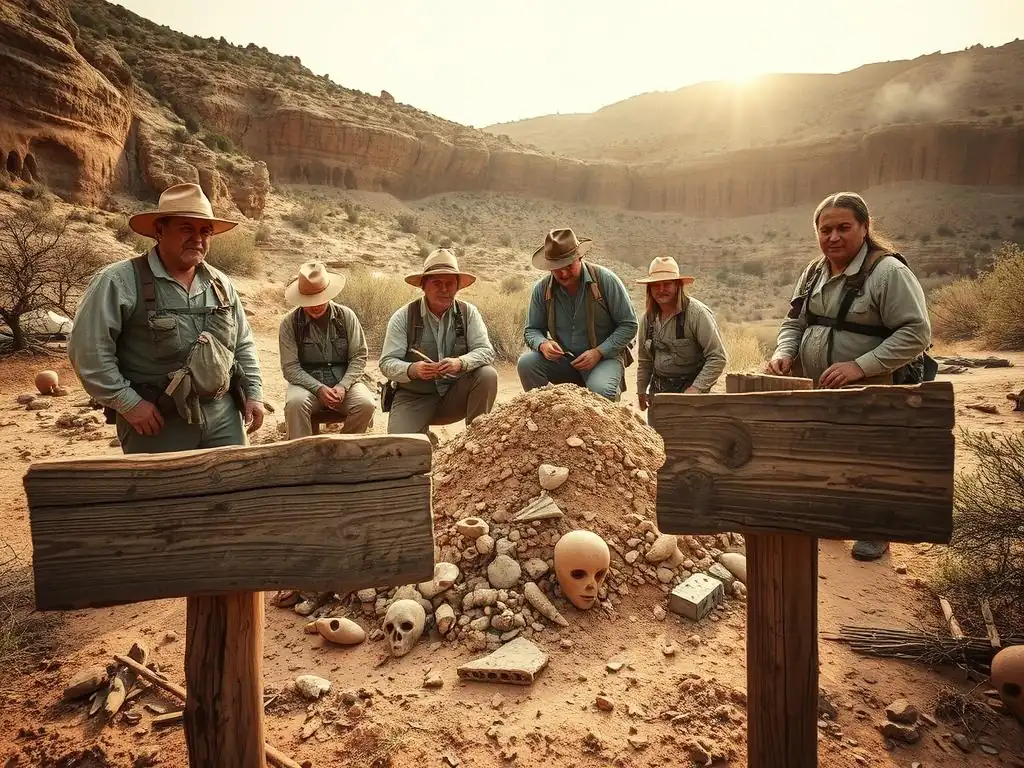
Preserving Indigenous heritage is a complex endeavor fraught with numerous challenges that stem from both external pressures and internal community dynamics. These challenges can manifest in various forms, ranging from environmental threats to social and political issues. Understanding these challenges is crucial for developing effective strategies to safeguard the rich cultural legacies of Indigenous communities across North America.
Threats from Urban Development and Climate Change
Urban development poses a significant threat to Indigenous heritage sites. As cities expand and infrastructure projects proliferate, many archaeological sites are at risk of being destroyed or altered beyond recognition. This rapid urbanization often prioritizes economic growth over cultural preservation, leading to the loss of invaluable historical contexts. Moreover, climate change exacerbates these threats, with rising sea levels, increased flooding, and extreme weather events endangering both known and yet-to-be-discovered sites.
Indigenous communities often find themselves on the frontline of these environmental changes, which can displace populations and disrupt traditional practices tied to the land. The intersection of urban development and climate change creates a pressing need for robust preservation efforts that consider the long-term impacts on Indigenous heritage.
Issues of Accessibility to Excavated Sites
Accessibility is another critical challenge in preserving Indigenous heritage. Many excavated sites are located in remote areas, making it difficult for both Indigenous communities and researchers to access them. This lack of access can hinder ongoing research, documentation, and community involvement in preservation efforts. Additionally, sites that are open to the public often face issues related to vandalism, neglect, or insufficient funding for maintenance, further complicating preservation initiatives.
Efforts to preserve Indigenous heritage must also consider the perspectives of the communities involved. Ensuring that Indigenous peoples have the opportunity to engage with these sites is essential for fostering a sense of ownership and responsibility towards their cultural heritage.
Balancing Modern Development with Heritage Preservation
Striking a balance between modern development and heritage preservation remains a daunting task. As communities grow and evolve, there is often pressure to develop land for residential, commercial, or industrial use. This can lead to conflicts between developers and Indigenous groups advocating for the protection of culturally significant areas.
Successful strategies for balancing these interests involve collaborative approaches that engage Indigenous communities in the planning processes. This can include conducting cultural impact assessments and integrating traditional ecological knowledge into development plans. By fostering dialogue and cooperation, stakeholders can work towards solutions that respect both economic needs and cultural preservation.
Future Directions for Indigenous Heritage Preservation
Looking ahead, several promising directions can enhance the preservation of Indigenous heritage in North America. By embracing innovative practices, advocating for supportive policies, and fostering community engagement, the preservation landscape can be transformed to better serve Indigenous communities.
Innovations in Archaeological Practices
Innovative archaeological practices are essential for advancing the preservation of Indigenous heritage. Technologies such as LiDAR (Light Detection and Ranging) and ground-penetrating radar allow for non-invasive exploration of sites, helping archaeologists identify and map cultural landscapes without disturbing them. These advancements can help uncover historical narratives while minimizing the impact on sacred sites.
Furthermore, the integration of digital tools—such as 3D modeling and virtual reality—can facilitate the documentation and sharing of Indigenous heritage. These technologies not only preserve information but also make it accessible to broader audiences, including future generations of Indigenous peoples.
Importance of Policy and Legislation Support
Effective policy and legislative frameworks are crucial for the preservation of Indigenous heritage. Advocating for stronger protections under federal and state laws is necessary to ensure that Indigenous sites are recognized and safeguarded. This includes enforcing laws that prevent looting, unauthorized excavations, and development encroachments on sacred lands.
Collaboration between Indigenous leaders and policymakers is vital in creating regulations that reflect the needs and desires of Indigenous communities. By ensuring that Indigenous voices are included in legislative processes, more effective and culturally sensitive policies can emerge, supporting heritage preservation efforts.
Community Engagement and Education Initiatives
Community engagement and education initiatives are fundamental for fostering a collective commitment to preserving Indigenous heritage. By involving local communities in excavation projects, educational programs can raise awareness of the significance of Indigenous history and culture. Workshops, cultural events, and school programs can help bridge the gap between archaeological practices and community needs, empowering Indigenous peoples to take part in their heritage preservation actively.
Moreover, educational initiatives can also cultivate a broader public understanding of the importance of preserving Indigenous heritage. By sharing stories and historical contexts, these programs can promote respect and appreciation for the diverse cultures that have shaped the Americas long before European colonization. Through such collaborative efforts, the legacy of Indigenous peoples can be honored and preserved for future generations.
Conclusion: The Ongoing Journey of Preserving Indigenous Heritage
The journey of preserving indigenous heritage is a multifaceted endeavor that requires ongoing commitment from communities, governments, and individuals alike. Recent excavation efforts in North America have not only uncovered valuable artifacts and sites but have also highlighted the stories, traditions, and histories of indigenous peoples that have been overlooked for centuries. These excavations serve as a vital reminder of the need to honor and protect the cultural legacies of Native communities, ensuring that their contributions to history are recognized and celebrated.
Importantly, the process of preservation goes beyond the physical artifacts unearthed in archaeological digs. It encompasses the revitalization of languages, traditions, and knowledge systems that have persisted despite the challenges imposed by colonization. By integrating indigenous perspectives and methodologies into archaeological practices, we can foster a more inclusive narrative that respects and uplifts indigenous voices.
As we reflect on the significance of these efforts, it becomes clear that the work of preserving indigenous heritage is not a one-time task but an ongoing journey. Each excavation provides insights into past societies and helps forge a deeper understanding of the resilience and adaptability of indigenous cultures.
Summary of Key Points
- Cultural Significance: Recent excavations have illuminated the rich history and cultural practices of indigenous peoples, emphasizing their importance in the broader narrative of North American history.
- Community Involvement: Collaborative projects between archaeologists and indigenous communities have led to a more respectful and accurate representation of cultural artifacts, fostering a sense of ownership and pride among indigenous peoples.
- Revitalization of Traditions: Excavation efforts have sparked interest in the revival of indigenous languages and ceremonies, reinforcing the connection between past and present.
- Educational Impact: These discoveries provide educational opportunities that promote awareness of indigenous cultures, encouraging greater understanding and appreciation among the general public.
- Long-term Commitment: The preservation of indigenous heritage requires sustained efforts, including funding, policy support, and community engagement, to ensure that future generations can learn from and cherish their cultural heritage.
Call to Action for Continued Support and Awareness
As we celebrate the achievements of recent excavation efforts, it is crucial to advocate for the ongoing support and recognition of indigenous heritage. Here are several ways individuals and organizations can contribute:
- Educate Yourself and Others: Take the initiative to learn about indigenous cultures, histories, and contemporary issues. Share this knowledge with your community to foster understanding and respect.
- Support Indigenous-led Initiatives: Contribute to or volunteer for organizations that focus on preserving indigenous heritage. Your involvement can help amplify their efforts and ensure their voices are heard.
- Advocate for Policy Changes: Engage with local and national policymakers to promote legislation that protects indigenous lands, cultures, and languages. Your voice can be a powerful tool for change.
- Participate in Cultural Events: Attend and support indigenous cultural events, workshops, and festivals. These gatherings not only celebrate heritage but also strengthen community ties and promote cultural understanding.
- Share on Social Media: Utilize social media platforms to raise awareness about the importance of preserving indigenous heritage. Highlight recent excavations and their significance to engage a broader audience.
By taking these steps, we can collectively honor the legacies of indigenous peoples and ensure that their rich heritage continues to thrive for generations to come. The importance of preserving indigenous heritage is not just a responsibility but a privilege that allows us to learn from and appreciate the diverse tapestry of human history.
- Understanding Indigenous Heritage
- The Importance of Preserving Indigenous Heritage
- Recent Excavation Efforts in North America
- The Role of Indigenous Communities in Excavation Efforts
- Challenges in Preserving Indigenous Heritage
- Future Directions for Indigenous Heritage Preservation
- Conclusion: The Ongoing Journey of Preserving Indigenous Heritage
- What is the importance of preserving indigenous heritage?
- How have recent excavation efforts contributed to the preservation of indigenous cultures?
- What are some achievements of indigenous civilizations in the Americas?
- Why is it important to educate others about indigenous cultures?
- How can individuals help in the preservation of indigenous heritage?
Frequently Asked Questions
What is the importance of preserving indigenous heritage?
Preserving indigenous heritage is crucial for maintaining the cultural identity and traditions of indigenous peoples, ensuring their histories are honored and understood.
How have recent excavation efforts contributed to the preservation of indigenous cultures?
Recent excavation efforts have uncovered artifacts and sites that provide insights into indigenous lifestyles, helping to document and celebrate their historical significance.
What are some achievements of indigenous civilizations in the Americas?
Indigenous civilizations made remarkable achievements in agriculture, architecture, and art, contributing to the diverse cultural landscape of the Americas long before European contact.
Why is it important to educate others about indigenous cultures?
Educating others about indigenous cultures fosters respect, understanding, and appreciation, which can lead to greater support for initiatives aimed at preserving their heritage.
How can individuals help in the preservation of indigenous heritage?
Individuals can help by supporting indigenous rights organizations, participating in cultural events, and advocating for the protection of sacred sites and traditional practices.
Final Reflection: The Vital Importance of Preserving Indigenous Heritage
The importance of preserving indigenous heritage has never been more pressing than it is today, as recent excavation efforts in North America reveal the rich tapestry of cultures that have shaped our history. These initiatives not only unearth artifacts but also revive stories, traditions, and identities that have long been marginalized. In a world increasingly driven by globalization, the need to honor and protect these unique legacies stands as a powerful reminder of our shared humanity and the diverse narratives that enrich our society.
Cultural preservation is not just an academic pursuit; it is a deeply personal journey for many communities. The ongoing excavation efforts serve as a bridge connecting past and present, fostering a sense of belonging and identity among Indigenous peoples. As we witness the revival of traditional practices and the reclamation of ancestral lands, we are reminded of the words of Native American activist Winona LaDuke: The land is not just our home; it is our history, our culture, and our future.
This sentiment underscores the profound impact that preserving indigenous heritage has on the cultural landscape, encouraging us to reflect on our roles as stewards of history.
As we move forward, let us take a moment to reflect on our own connections to heritage and identity. How can we contribute to the preservation of indigenous cultures in our communities? Whether through education, advocacy, or simply by listening to the stories of Indigenous peoples, we all have a part to play in this vital work. Embrace the call to action and become an ally in the journey of preserving indigenous heritage, ensuring that these invaluable legacies continue to thrive for generations to come.
Embrace and Protect Indigenous Heritage Today!
Thank you for exploring the essential topic of preserving Indigenous heritage through recent excavation efforts in North America. Your engagement raises awareness about the significance of safeguarding these vibrant cultures and histories. Now that you have gained insight into these crucial excavations, it's time to take action!
Here are a few ways you can contribute:
- Join local heritage organizations: Get involved with or support groups dedicated to preserving Indigenous cultures in your community.
- Share the knowledge you've gained: Discuss these findings with friends, family, and on social media to spark conversations about the importance of Indigenous heritage.
- Attend upcoming events or workshops: Look for local lectures or gatherings hosted by Indigenous peoples to deepen your understanding and connect with the community.
What steps will you take today to help preserve and honor Indigenous heritage in your area?