
Recent Discoveries at Machu Picchu: Unveiling Inca Secrets Beneath the Surface

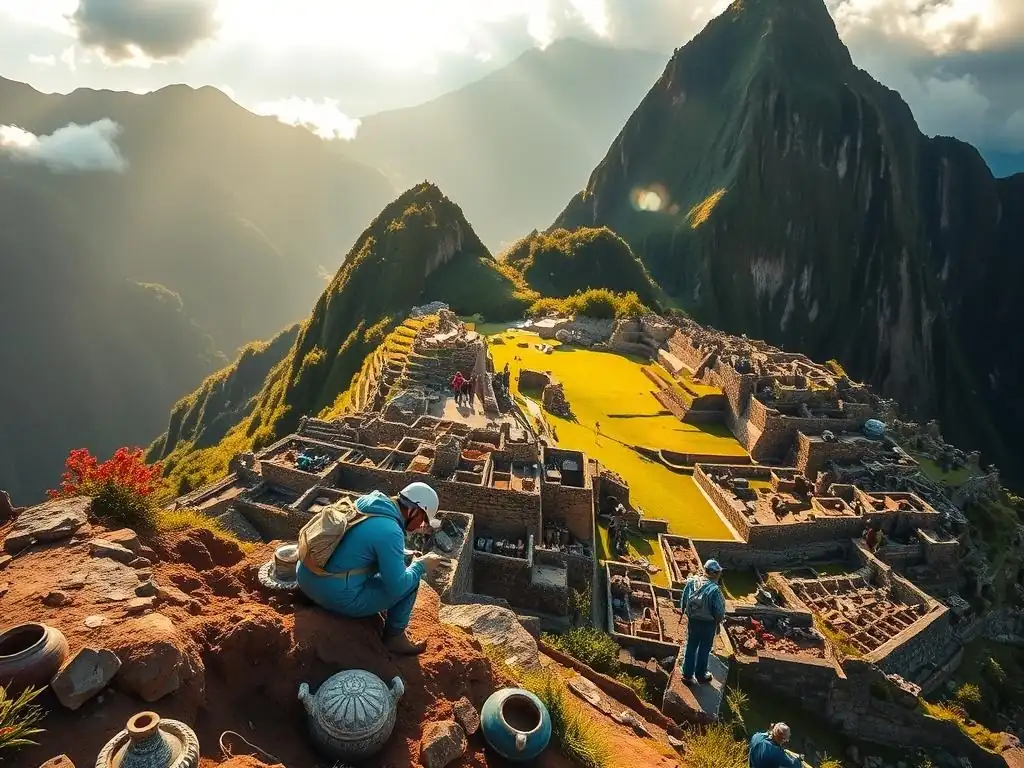
Welcome to Indigenous Civilizations of the Americas, where we invite you to journey through the rich tapestry of cultures that flourished long before European contact. Our exploration begins with the Inca civilization and the recent discoveries at Machu Picchu that are unveiling secrets buried beneath the surface. What mysteries lie hidden in the ruins? Join us as we delve into these groundbreaking archaeological findings and uncover the incredible achievements and enduring legacies of indigenous societies. Prepare to be captivated and inspired as you uncover the stories that shaped a continent!
The enigmatic site of Machu Picchu, often dubbed the "Lost City of the Incas," stands as a testament to the ingenuity and sophistication of the Inca civilization. This remarkable citadel, nestled high in the Andes Mountains of Peru, continues to reveal secrets about its past through ongoing archaeological research.
Recent discoveries at this iconic site are shedding new light on the complexities of Inca society, their architectural prowess, and the cultural practices that flourished before European colonization. As we delve into these findings, we will explore the significance of Machu Picchu within the broader context of Inca history and how these recent excavations are reshaping our understanding of one of the most influential civilizations in the Americas.
Overview of the Inca Civilization and Its Significance
The Inca civilization, which emerged in the early 15th century, was one of the largest and most advanced pre-Columbian societies in the Americas. Spanning a vast territory across present-day Peru, Bolivia, Ecuador, and Chile, the Inca Empire was characterized by its remarkable achievements in agriculture, architecture, and engineering. The Incas developed a sophisticated system of roads, extensive agricultural terraces, and impressive stone structures, all of which illustrate their ability to adapt to the diverse Andean environment.
- Cultural Impact: The Incas left a profound legacy that continues to influence indigenous cultures in South America today. Their agricultural techniques, social organization, and religious practices have shaped the region's cultural landscape.
- Architectural Marvels: The architectural feats of the Incas, including their precise stone masonry and urban planning, demonstrate their advanced understanding of engineering and resource management.
Importance of Machu Picchu in Inca History
Machu Picchu serves as a vital link to understanding the Inca Empire's social, political, and religious dynamics. Built during the reign of the Inca emperor Pachacuti in the 15th century, this site is believed to have served multiple purposes, including as a royal estate and a religious sanctuary. Its strategic location and intricate layout highlight the Incas' profound connection to their environment and spirituality.
- Cultural Significance: As a ceremonial center, Machu Picchu likely played a crucial role in the Inca's religious practices, showcasing their reverence for the natural world.
- Historical Context: The discovery of various artifacts and structures at Machu Picchu has provided insight into the daily lives and customs of the Inca people, making it an invaluable resource for historians and archaeologists alike.
The Role of Recent Discoveries in Understanding Inca Society
The ongoing excavations at Machu Picchu have led to significant advancements in our understanding of Inca society. Recent discoveries have unveiled a wealth of information regarding their social hierarchy, economic practices, and cultural rituals.
- Artifacts and Ecofacts: The excavation of tools, pottery, and remnants of food offers a glimpse into the daily life of the Incas, revealing their dietary habits and technological innovations.
- Social Structures: Findings related to burial practices and communal spaces indicate the complexity of Inca social organization and their beliefs surrounding life and death.
Recent Excavations at Machu Picchu
Recent archaeological efforts at Machu Picchu have employed innovative techniques and technologies, allowing researchers to uncover previously hidden aspects of Inca life. These excavations have not only expanded our knowledge but have also highlighted the importance of preserving this UNESCO World Heritage site.
Key Findings from Recent Archaeological Efforts
Recent excavations have led to several groundbreaking discoveries that enhance our understanding of the Inca civilization:
- New Structures: The identification of previously unrecorded buildings suggests that the site was even larger and more complex than previously thought.
- Burial Sites: The excavation of burial sites has provided crucial insights into Inca funerary practices, revealing the significance of ancestry and the afterlife in their culture.
Innovations in Archaeological Techniques Used
The application of advanced archaeological methods has greatly improved the efficiency and accuracy of excavations at Machu Picchu. Techniques such as:
- Ground Penetrating Radar (GPR): This non-invasive method allows archaeologists to map underground structures without disturbing the site.
- 3D Scanning: High-resolution scanning technology has enabled detailed documentation of the layout and condition of structures, facilitating further analysis.
These innovations not only enhance our understanding of the Inca civilization but also ensure the preservation of this remarkable cultural heritage for future generations.
Insights into Inca Culture from Recent Discoveries
Recent archaeological excavations at Machu Picchu have unearthed a wealth of information that sheds light on the intricate tapestry of Inca culture. These discoveries not only enhance our understanding of their advanced architectural techniques but also provide insights into their social structure, religious beliefs, and daily practices. Among the most significant findings are new artifacts, including ceremonial objects, textiles, and agricultural tools, which collectively illustrate the sophisticated lifestyle and the deep spiritual connection that the Inca civilization maintained with their environment.
A notable aspect of these recent discoveries is the revelation of unique burial practices linked to elite individuals. The manner in which these remains were interred, along with the grave goods found alongside them, points to a complex belief system surrounding death and the afterlife. This suggests that the Inca civilization had a rich spiritual life, intertwined with their daily existence and governance, influencing both societal hierarchy and the communal ethos.
Understanding Inca Religious Practices
The Inca civilization was deeply rooted in spirituality, with a pantheon of gods that influenced various aspects of life. Recent discoveries at Machu Picchu have provided evidence of ceremonial sites and offerings that reflect the religious practices of the Incas. Among the findings are altars dedicated to Inti, the sun god, and Pachamama, the earth goddess, revealing how these deities played a crucial role in agricultural cycles and community gatherings.
Artifacts such as carved stone idols and ritual pottery suggest that the Incas engaged in elaborate religious ceremonies, possibly including sacrifices, to appease their gods and ensure prosperity. These rituals were likely held during significant agricultural events, such as planting and harvest seasons, emphasizing the Inca's deep connection to the land and its cycles. Furthermore, the layout of Machu Picchu itself, with its strategically placed temples and shrines, reinforces the notion of a carefully planned space that facilitated these spiritual practices.
Social Structure and Daily Life Revealed
Recent excavations have also illuminated the daily lives of the Inca people, revealing a structured society with distinct roles and responsibilities. The discovery of residential complexes indicates that Machu Picchu was not just a sacred site but also a thriving community where various crafts and trades were practiced. This has led to a better understanding of the social hierarchy within the Inca civilization, where artisans, farmers, and priests played pivotal roles.
The presence of agricultural terraces and irrigation systems highlights the Incas' advanced agricultural practices and their ability to manage resources efficiently. These discoveries underscore the importance of agriculture in sustaining the population and supporting the elite class. Additionally, tools and pottery found in residential areas indicate that daily life involved communal activities, with families working together to produce goods and sustain their household needs. This newfound understanding of social dynamics among the Incas enriches our perception of their civilization as one that was not only focused on monumental architecture but also on community and cooperation.
The Impact of These Discoveries on Inca Civilization Studies
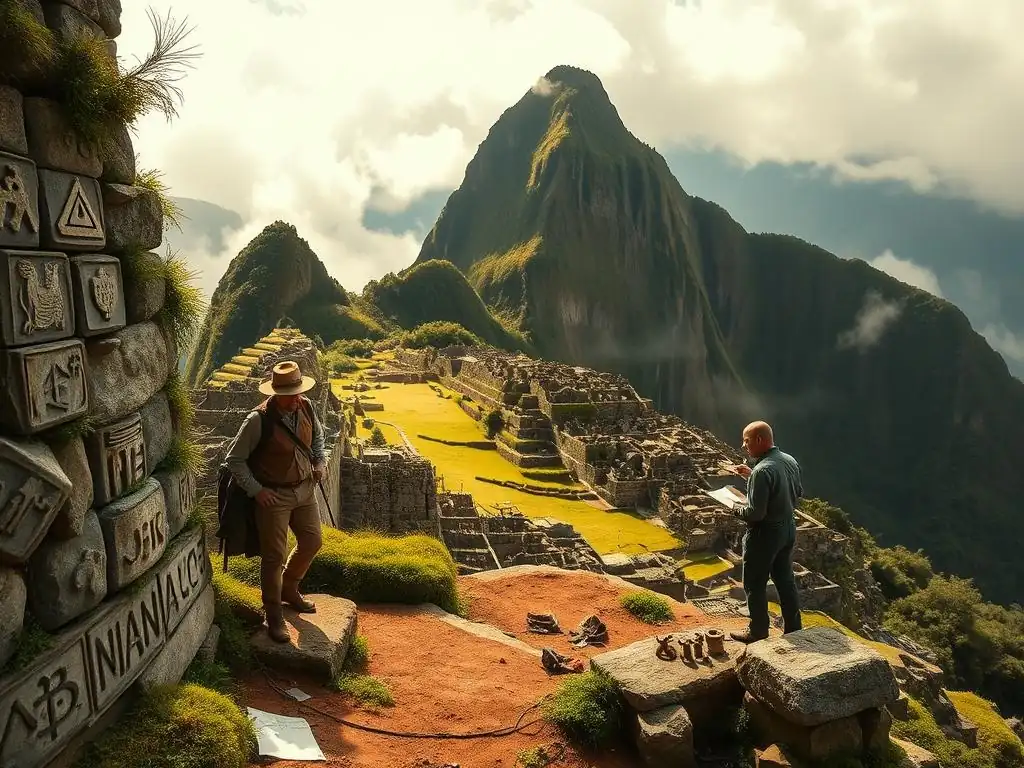
The recent findings at Machu Picchu have significantly influenced the study of Inca civilization, prompting a reevaluation of previously held beliefs and assumptions. Scholars are now faced with a plethora of new data that challenges existing narratives about the Inca way of life and their societal structures. This has led to a more nuanced understanding of the complexities of Inca society and their interactions with the environment.
Reevaluating Historical Narratives
As new evidence emerges, historians are beginning to question traditional narratives that have long dominated the discourse surrounding the Inca civilization. For instance, earlier interpretations often painted the Incas as a monolithic culture, primarily focused on conquest and expansion. However, the recent discoveries at Machu Picchu reveal a diverse and rich cultural landscape that included intricate social systems, religious practices, and technological innovations.
This reevaluation is crucial not only for academic discourse but also for how indigenous histories are perceived in broader contexts. By highlighting the complexities of Inca civilization, these discoveries encourage a more respectful and accurate representation of indigenous peoples and their legacies.
Contributions to Indigenous Knowledge and Heritage
The significance of the recent discoveries at Machu Picchu extends beyond academic interest; they also contribute to the preservation and appreciation of indigenous knowledge and heritage. By uncovering the ways in which the Inca civilization interacted with their environment, modern scholars and indigenous communities can gain valuable insights into sustainable practices that align with traditional ecological knowledge.
Furthermore, these findings foster a sense of pride and identity among indigenous peoples, reinforcing the importance of their cultural heritage. Engaging with this newfound knowledge empowers communities to reclaim their narratives and pass on their history to future generations, ensuring that the legacy of the Inca civilization remains vibrant and relevant in contemporary discussions about indigenous rights and cultural preservation.
Preservation Efforts and Future Research Directions
Machu Picchu, a UNESCO World Heritage Site, stands as a testament to the architectural and cultural prowess of the Inca civilization. As recent discoveries unveil more secrets beneath its surface, significant efforts are being made to ensure the preservation of this iconic site.
The preservation of Machu Picchu involves a multi-faceted approach that includes maintaining the structural integrity of its ruins, protecting its surrounding environment, and integrating modern technologies in archaeological practices. Furthermore, future research directions aim to deepen our understanding of the Inca civilization and the challenges that lie ahead in safeguarding this historical treasure for generations to come.
Challenges in Preserving Machu Picchu
Preserving Machu Picchu is fraught with challenges, mainly due to its popularity as a tourist destination. Each year, millions of visitors flock to the site, leading to concerns over erosion, structural damage, and the overall impact on the ecosystem. Key challenges include:
- Erosion and Weathering: The combination of heavy rainfall and foot traffic contributes to significant wear on pathways and structures.
- Tourism Management: Balancing visitor access with conservation needs is critical. Overcrowding can exacerbate degradation.
- Environmental Threats: The surrounding biodiversity is under threat from climate change and invasive species, which can disrupt the fragile ecosystem.
- Funding and Resources: Limited financial resources hamper extensive preservation projects and research initiatives, making it difficult to implement necessary conservation measures.
Addressing these challenges is essential to ensure Machu Picchu not only remains a site of historical significance but also continues to serve as an educational resource for future generations.
Future Excavation Plans and Research Goals
Future excavation plans at Machu Picchu are poised to enhance our understanding of the Inca civilization significantly. Archaeologists aim to:
- Explore Unexcavated Areas: Identifying and excavating areas that have not yet been studied may reveal new insights into Inca life, agriculture, and society.
- Utilize Advanced Technologies: Employing ground-penetrating radar and 3D scanning can help map subsurface structures and artifacts without invasive digging.
- Interdisciplinary Research: Collaborations among archaeologists, historians, and environmental scientists will provide a holistic view of the site and its historical context.
- Focus on Sustainable Practices: Future research will emphasize sustainable excavation methods that minimize environmental impact and prioritize conservation.
These initiatives aim to unveil more secrets of the Inca civilization and contribute to a broader understanding of their societal structures and innovations.
Conclusion: The Significance of Inca Civilization Recent Discoveries
The recent discoveries at Machu Picchu hold profound significance for the study of the Inca civilization. They not only enrich our comprehension of this remarkable culture but also highlight the ongoing relevance of archaeological research in preserving history.
Lasting Impact on Archaeology and Indigenous Studies
Recent discoveries at Machu Picchu are reshaping the landscape of archaeology and Indigenous studies. The findings provide tangible connections to Inca innovations, social structures, and their relationship with the environment. They challenge previous narratives and encourage a reevaluation of the Inca's technological and cultural advancements. This newfound knowledge can empower Indigenous communities by reaffirming their historical legacy and fostering a deeper appreciation for their ancestral heritage.
Call to Action for Continued Research and Preservation Efforts
To ensure that the secrets of Machu Picchu and the broader Inca civilization are not lost to time, a call to action is necessary. Continued research and preservation efforts require:
- Increased Funding: Allocating more financial resources for excavation and conservation projects is crucial.
- Community Involvement: Engaging local communities in preservation efforts can create a sense of ownership and responsibility toward their heritage.
- Global Awareness: Raising awareness about the importance of preserving sites like Machu Picchu can encourage responsible tourism and support for conservation initiatives.
By prioritizing these efforts, we can ensure that the rich history of the Inca civilization continues to inspire and educate future generations.
- Overview of the Inca Civilization and Its Significance
- Recent Excavations at Machu Picchu
- Insights into Inca Culture from Recent Discoveries
- The Impact of These Discoveries on Inca Civilization Studies
- Preservation Efforts and Future Research Directions
- Conclusion: The Significance of Inca Civilization Recent Discoveries
- What are the recent discoveries at Machu Picchu related to the Inca civilization?
- How do these discoveries impact our understanding of the Inca civilization?
- Are there any specific artifacts that stand out among the recent discoveries?
- How do researchers ensure the preservation of these newly discovered sites?
- What is the significance of these discoveries for the Indigenous cultures of the Americas?
Frequently Asked Questions
Recent archaeological findings include hidden structures, ritual sites, and artifacts that provide insights into the social and religious practices of the Inca civilization.
How do these discoveries impact our understanding of the Inca civilization?
These findings reveal the complexity and sophistication of Inca society, challenging previous notions and highlighting their advanced engineering and cultural practices.
Are there any specific artifacts that stand out among the recent discoveries?
Yes, notable artifacts include ceremonial objects, pottery, and tools that showcase the artistry and technological skills of the Inca people.
How do researchers ensure the preservation of these newly discovered sites?
Researchers use non-invasive techniques and careful excavation methods to protect the integrity of the sites while gathering valuable data about the Inca civilization.
What is the significance of these discoveries for the Indigenous cultures of the Americas?
These discoveries contribute to a deeper appreciation of the diversity and rich history of Indigenous cultures, emphasizing their achievements and enduring influence on contemporary society.
Final Reflection: Uncovering the Legacy of the Inca Civilization
The recent discoveries at Machu Picchu serve as a powerful reminder of the enduring legacy of the Inca civilization and its relevance in today's world. As we delve into the secrets unearthed beneath the surface, we are not just uncovering artifacts; we are reconnecting with a culture that continues to inspire awe and curiosity. The intricate architecture and advanced agricultural techniques of the Incas highlight their ingenuity and adaptability, which resonate with contemporary challenges we face in sustainability and preservation of our heritage.
These discoveries have a profound impact on our understanding of history and culture, reshaping our perception of the Inca civilization's contributions to society. The ongoing exploration at Machu Picchu invites us to reflect on our own cultural narratives and the importance of preserving them for future generations. As historian Hiram Bingham once said, The greatest discovery of my generation is that human beings can alter their lives by altering their attitudes of mind.
This sentiment echoes in the way we approach our understanding of the past and the lessons we can draw from it.
As we stand at the crossroads of history and modernity, I invite you to reflect on the significance of these recent discoveries and consider how they can inspire you in your own life. What lessons can we learn from the resilience and innovation of the Inca civilization? Let us carry forward the spirit of exploration and discovery, not only in our understanding of history but also in how we engage with the world around us. Embrace the opportunity to delve deeper into your own heritage and contribute to the ongoing narrative of human civilization.
Unveil the Secrets of the Inca: Take Action Today!
Thank you for diving into the mysteries of Machu Picchu with us! Your curiosity about recent discoveries and their significance enriches our understanding of the incredible Inca civilization. Now that you've explored these insights, let's turn that inspiration into action!
- Join a guided tour of Machu Picchu to experience the wonders firsthand. Engaging with knowledgeable guides can deepen your appreciation for Inca history.
- Share this article with friends and family to spread the awe of these discoveries—who knows who you might inspire to explore further?
- Visit local museums or cultural centers dedicated to Indigenous history and share your newfound knowledge to spark conversations in your community.
What aspect of Inca culture are you most eager to explore on your next adventure?