
Afterlife Concepts in Cahokia: Myths Surrounding Death and Rebirth

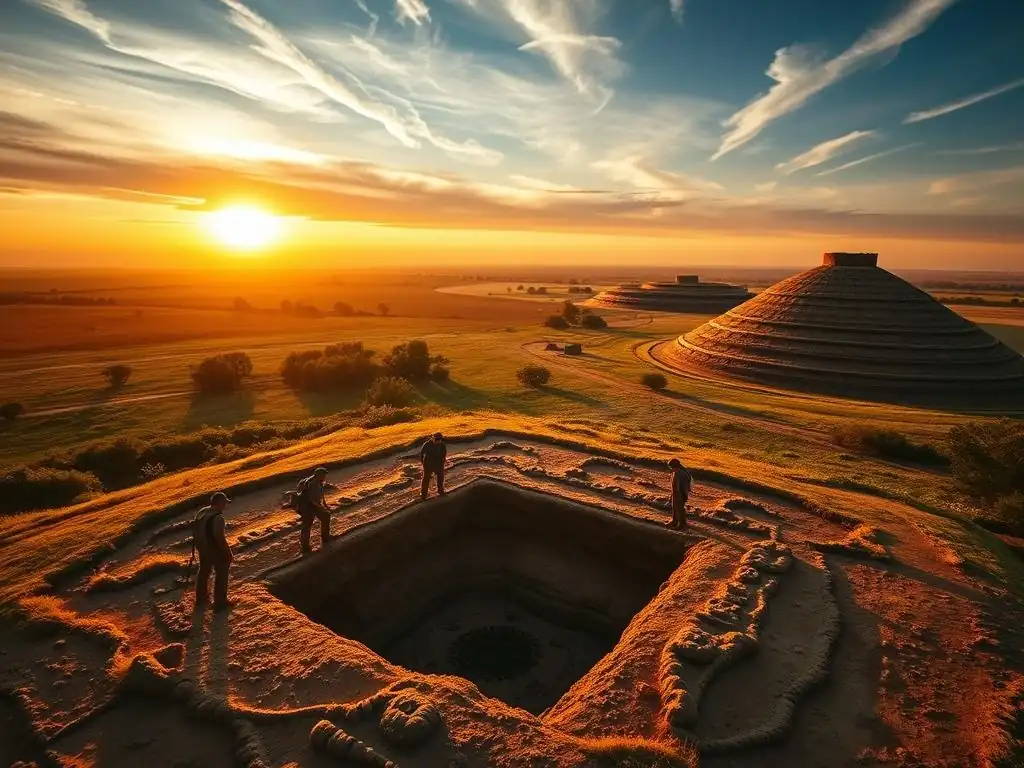
Welcome to Indigenous Civilizations of the Americas—a gateway to the rich tapestry of cultures that flourished across this vast continent long before European contact. Here, we delve into the Cahokia afterlife beliefs and myths, exploring the profound narratives that shaped their understanding of death and rebirth. What secrets lie within the stories of this remarkable civilization? Join us on this journey to uncover the intricate tapestry of beliefs that not only defined the Cahokian identity but also left a lasting legacy on the world. Prepare to be captivated as we unveil the mysteries that await you!
- Introduction to Cahokia Afterlife Beliefs and Myths
- The Concept of Afterlife in Cahokia
- Key Elements of Cahokia Afterlife Beliefs
- Rituals and Practices Surrounding Death
- Comparison of Cahokia Afterlife Myths with Other Indigenous Cultures
- The Impact of Cahokia Afterlife Beliefs on Contemporary Indigenous Cultures
- Conclusion: The Enduring Significance of Cahokia Afterlife Beliefs and Myths
-
Frequently Asked Questions
- What are the afterlife beliefs of the Cahokia civilization?
- How did Cahokia's myths influence their burial practices?
- What role did natural elements play in Cahokia's afterlife concepts?
- How do Cahokia's afterlife beliefs compare to other indigenous cultures?
- What is the significance of Cahokia's afterlife myths today?
- Final Reflection: The Enduring Legacy of Cahokia's Afterlife Beliefs
- Embrace the Wisdom of the Ancients: Explore Modern Life with Traditional Insights!
Introduction to Cahokia Afterlife Beliefs and Myths
The indigenous peoples of the Americas have long held rich and complex beliefs regarding the afterlife, deeply intertwined with their cultural practices and societal structures. Among these, the Cahokia civilization stands out as a significant example, showcasing a profound understanding of death, rebirth, and the spiritual realms beyond.
This article delves into the Cahokia afterlife beliefs and myths, illuminating how these concepts shaped their worldview and daily life. By exploring the intricate tapestry of Cahokia's religion and the importance they placed on death and rebirth, we can gain deeper insights into the enduring legacy of this remarkable civilization and its impact on contemporary indigenous cultures.
Overview of Cahokia Culture and Religion
Cahokia, located near present-day St. Louis, Missouri, was one of the largest and most influential urban centers of pre-Columbian North America, flourishing from approximately 600 to 1400 CE. At its height, the city boasted a population of up to 20,000 inhabitants and was marked by its monumental earthworks, including the iconic Monk's Mound, which served both as a political and religious center.
The religious beliefs of Cahokia were intricately tied to their environment and societal structure. Cahokians practiced a form of animism, which posited that spirits resided in all natural elements, creating a holistic view of existence where the physical and spiritual worlds were interconnected. This belief system was reflected in their rituals, ceremonies, and art, which often featured motifs symbolizing life, death, and regeneration.
Key elements of Cahokia's religious practices included:
- Rituals and Ceremonies: Cahokians engaged in various rituals to honor the deceased and invoke favor from the spirits. These often involved offerings, feasting, and the construction of burial mounds.
- Mythological Narratives: Stories passed down through generations served to explain natural phenomena, social order, and the afterlife, reinforcing community bonds and cultural identity.
- The Role of the Shaman: Shamans, as spiritual leaders and intermediaries between the living and the spirit world, played a crucial role in guiding rituals and interpreting the beliefs surrounding death and afterlife.
Importance of Death and Rebirth in Indigenous Beliefs
Death and rebirth hold paramount significance in many indigenous cultures, including the Cahokians. For them, death was not viewed as an end but rather as a transition to another form of existence. This perspective is evident in their elaborate burial practices, which included grave goods intended to accompany the deceased into the afterlife.
The cyclical nature of life and death was central to Cahokia's worldview, symbolized by various ceremonies that celebrated the changing seasons and agricultural cycles. The following aspects illustrate the profound importance of death and rebirth in Cahokian beliefs:
- Cyclical Time: Unlike linear time perspectives common in many Western cultures, Cahokians perceived time as cyclical, where life, death, and rebirth were part of an eternal cycle.
- Connection to Nature: The seasonal changes were seen as reflections of the life-death-rebirth cycle, linking human existence to the natural world. For instance, the fertility of the land was celebrated in spring festivals, symbolizing rebirth.
- Mythological Figures: Various deities associated with death and regeneration were central to their belief system, embodying the transformative power of nature and the afterlife.
These beliefs not only shaped the individual and communal experiences of death but also reinforced the connections between the Cahokian people, their ancestors, and the spiritual realm, highlighting a rich tapestry of mythology that continues to resonate in indigenous cultures today.
The Concept of Afterlife in Cahokia
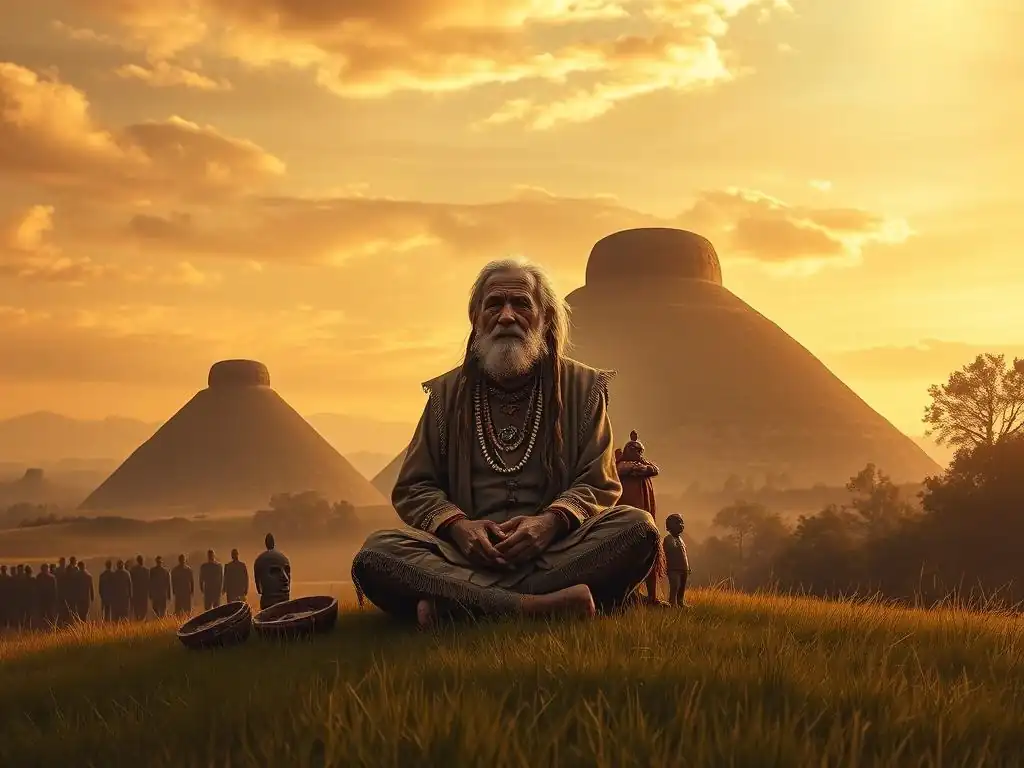
The concept of afterlife in Cahokia reflects a complex interplay of beliefs, rituals, and societal norms that shaped the way this ancient civilization understood death and rebirth. Cahokia, known for its impressive mounds and urban planning, was not just a center of trade and agriculture; it also harbored rich spiritual and mythological traditions.
The Cahokians believed in a world that was not merely physical but imbued with spiritual significance. Death was perceived as a transition rather than an end, leading to a new existence in the afterlife. This belief system was intricately linked to their cosmology and the cycles of nature. The cyclical nature of life and the changing seasons played a crucial role in how they viewed death. Just as crops would die in winter only to be reborn in spring, so too did they perceive human life and the journey beyond.
Archaeological findings, such as burial mounds filled with artifacts, suggest that Cahokians believed in an afterlife where the deceased would require tools, food, and other items. This practice indicates a strong belief in an ongoing existence that mirrored life on earth. The graves of elite individuals often contained symbolic items, hinting at their status in the afterlife and suggesting that the transition to the next life was a significant aspect of their culture.
Understanding Cahokia Afterlife Myths
Cahokia's afterlife myths were rich and varied, often reflecting the community's values and social structure. Central to these myths was the belief in a duality of existence, encompassing both a physical realm and a spiritual one. This duality was crucial in shaping their understanding of life, death, and what lay beyond.
- Mythological Figures:
- The Cahokians likely revered numerous deities associated with death and the afterlife. These figures may have guided souls in their journey after death.
- Spirits of ancestors played a significant role, as the community believed in honoring and communicating with the deceased.
- Ritual Practices:
- Rituals surrounding death were elaborate, often involving ceremonial burials and offerings. These practices were meant to ensure a safe passage to the afterlife.
- Festivals may have been held to celebrate the deceased, reinforcing the community's connection to their ancestors and the belief in their ongoing presence.
- Symbolism of Nature:
- Nature itself was a critical element in their afterlife beliefs. For instance, the cyclical patterns of the sun and moon were seen as symbols of rebirth. The changing seasons reinforced the belief that life and death were part of a continuous cycle.
- Some myths likely included stories of transformation, where souls would undergo a metamorphosis, emerging renewed in the afterlife.
The Role of Spirituality in Cahokia Society
Spirituality in Cahokia was foundational to its societal structure and daily life. The interconnectedness of religion, governance, and community practices created a cohesive framework that influenced every aspect of existence.
- Leadership and Spiritual Authority:
- Leaders in Cahokia often held dual roles as political figures and spiritual leaders. This intertwining of authority allowed them to guide the community not only in governance but also in spiritual matters concerning the afterlife.
- The construction of large mounds, such as Monk's Mound, served both as a physical representation of power and spiritual significance, acting as sites of ritual and burial.
- Community Cohesion:
- Shared beliefs in afterlife myths fostered a sense of unity and collective identity among the Cahokians. The rituals and ceremonies associated with death and rebirth provided opportunities for community gathering and reinforcement of social ties.
- Spirituality was a means of coping with the uncertainties of life and death, offering comfort through shared narratives and rituals.
- Cultural Legacy:
- The afterlife beliefs of the Cahokians have left a lasting impact on the cultural narratives of indigenous peoples in the region. These beliefs continue to be reflected in modern practices and stories, showcasing the enduring nature of their spiritual heritage.
The Cahokia afterlife beliefs and myths reveal a sophisticated understanding of life, death, and rebirth that was deeply embedded in their society. Through their rituals, myths, and spiritual practices, the Cahokians created a rich tapestry of beliefs that not only explained the mysteries of existence but also reinforced the bonds of community and cultural identity.
Key Elements of Cahokia Afterlife Beliefs
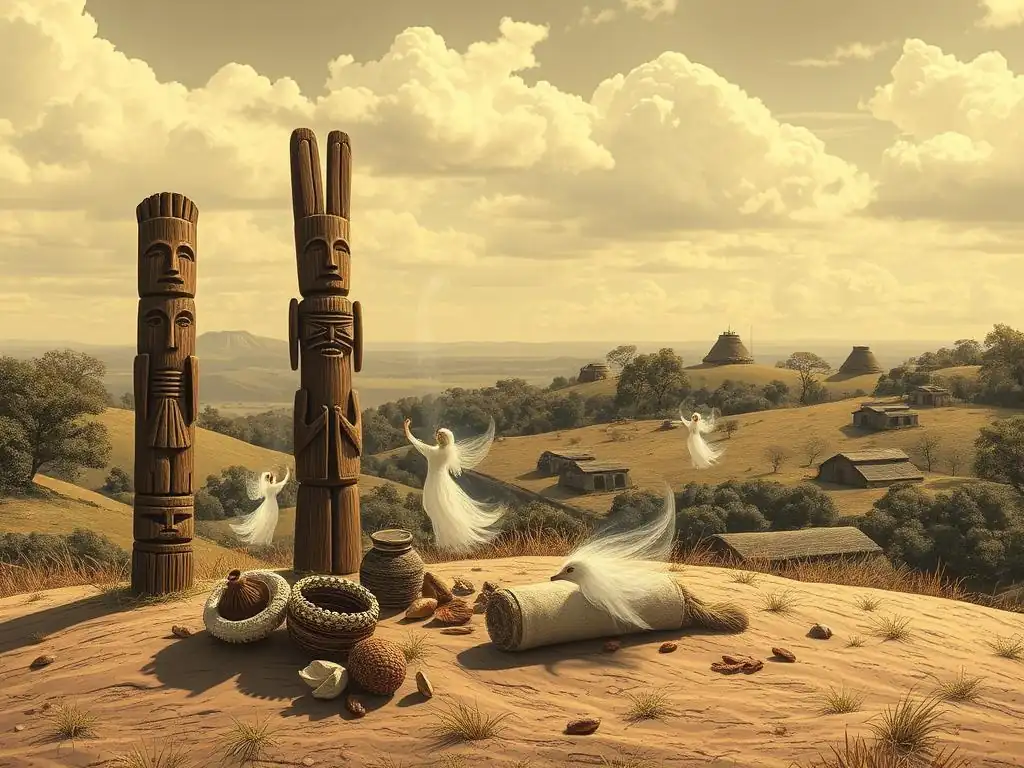
The Cahokia civilization, known for its monumental earthworks and vibrant culture, held a rich tapestry of beliefs surrounding the afterlife. These beliefs not only shaped their spiritual practices but also influenced their social structures and daily lives. Understanding these key elements provides insight into how the Cahokians viewed death, the journey of the soul, and the cyclical nature of existence.
Ancestors and Their Influence on the Living
In Cahokia, ancestors played a pivotal role in the cultural and spiritual life of the community. The reverence for ancestors was manifested in various practices, including burial rituals and ceremonial gatherings. Ancestors were believed to possess an enduring presence, guiding and protecting their descendants.
- Burial Practices: Cahokians often engaged in elaborate burial practices, which included the placement of grave goods such as pottery, tools, and ornaments. These items were intended to accompany the deceased into the afterlife, reflecting the belief in a continued existence beyond death.
- Ceremonial Mounds: The construction of mounds served both as burial sites and as places for ancestral veneration. The largest mound, Cahokia Mound, is thought to be a central site for rituals that honored the dead and reinforced community ties.
- Spiritual Connection: Ancestors were perceived as intermediaries between the living and the spiritual realm. The living would often seek guidance through prayer and offerings, fostering a deep connection that transcended death.
This strong ancestral bond emphasized the continuity of life within the community, whereby the actions and beliefs of the living were intricately linked to the past.
The Journey of the Soul After Death
The Cahokian understanding of the afterlife included detailed beliefs about the journey of the soul after death. This journey was seen as a transition to another realm rather than a final end.
- Pathway to the Afterlife: Upon death, it was believed that the soul embarked on a journey that would take it through various trials. This journey often required the soul to navigate across water, symbolizing a transition between worlds.
- Guides and Protectors: The deceased were thought to be assisted by spiritual guides, often represented by animals or other ancestral figures. This belief underscored the importance of maintaining harmony with nature, as the guides were believed to be guardians of the sacred pathways.
- Rebirth and Renewal: The notion of rebirth was central to Cahokia afterlife beliefs. Death was not viewed as an end but rather as a transformation into another form of existence, often symbolized by the seasonal cycles of nature.
Through these beliefs, the Cahokians embraced the idea that life and death were part of a larger, interconnected cycle.
Symbolism of Death and Rebirth in Cahokia
Cahokia’s worldview was heavily influenced by the duality of death and rebirth, which permeated their mythology and rituals.
- Natural Cycles: The cyclical patterns observed in nature, such as the changing seasons, were mirrored in their beliefs about life and death. Just as crops would die and be reborn each year, so too were souls believed to undergo a similar transformation.
- Rituals and Ceremonies: Various rituals, including the Green Corn Ceremony, were integral to reaffirming the community's connection to the cycles of life and death. These ceremonies celebrated not only the harvest but also the renewal of life, emphasizing the importance of fertility and regeneration.
- Art and Symbolism: Cahokian art frequently depicted themes of death and rebirth, utilizing symbols such as the serpent and the circle to represent cyclical transformation. These artistic expressions served not only as decoration but also as a means to convey their profound spiritual beliefs.
The Cahokian afterlife beliefs and myths offer a fascinating glimpse into how this remarkable civilization understood existence, death, and the continuity of life. Through their rituals, connections to ancestors, and symbolic representations, the Cahokians established a rich spiritual framework that resonated deeply within their culture.
Rituals and Practices Surrounding Death
Burial Practices in Cahokia Culture
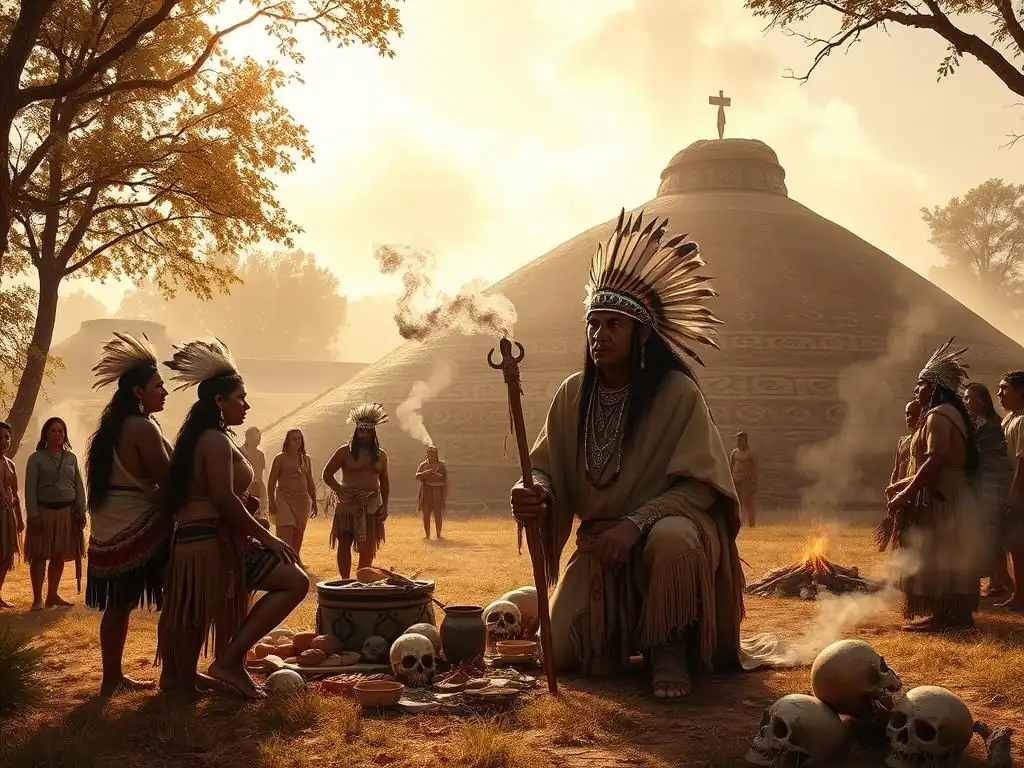
The burial practices of the Cahokia civilization were intricate and deeply symbolic, reflecting a complex understanding of life, death, and the afterlife. Archaeological findings suggest that Cahokian burials were often elaborate, with the deceased interred in mounds or pits that served as both graves and memorials. These burial mounds, such as the famous Monk's Mound, were not merely places of rest; they were imbued with spiritual significance, believed to connect the living with the deceased and the cosmos.
-
Types of Burials:
- Primary Burials: The most common form, where the body was placed directly into a grave, often accompanied by grave goods.
- Secondary Burials: In these practices, the bones of the deceased were exhumed and reburied, emphasizing the importance of the soul’s journey.
- Cremation: In some instances, cremation was practiced, with ashes placed in ceremonial vessels.
-
Grave Goods:
Grave goods varied significantly depending on the status of the deceased. Common items included:
- Tools and Weapons: Symbolizing strength and utility in the afterlife.
- Ceramics and Ornaments: Reflecting the deceased's identity and social status.
- Food Offerings: To sustain the spirit on its journey.
Through these practices, it is evident that the Cahokians believed in an active afterlife, where the soul continued to exist and required provisions for its journey.
Significance of Ceremonies in Honoring the Dead
Ceremonies played a crucial role in Cahokia's culture, particularly in the context of death. These rituals not only honored the deceased but also reinforced community bonds and cultural identity.
-
Rituals of Mourning:
Mourning practices often included public displays of grief, such as:
- Processions: Community members would participate in processions to the burial site, symbolizing collective loss.
- Songs and Dances: Traditional songs and dances were performed to honor the dead, believed to aid the soul's transition.
-
Seasonal Ceremonies:
Certain times of the year were designated for remembering the dead, with rituals aligned to agricultural cycles. For instance, during planting and harvest seasons, rituals were held to honor ancestors, acknowledging their role in the community's sustenance.
-
Connection to the Cosmos:
The Cahokians viewed death as a transition to another realm. Ceremonies often included elements that reflected their cosmological beliefs, such as:
- Fire Rituals: Fire symbolized purification and the journey of the soul.
- Alignment with Celestial Events: Important ceremonies were timed with solstices or lunar phases, believed to enhance the connection with the spiritual world.
Offerings and Sacrifices in Relation to Afterlife Beliefs
Offerings and sacrifices were integral to Cahokia's afterlife beliefs, serving as a means to appease deities and ensure a smooth transition for the deceased into the afterlife.
-
Types of Offerings:
Offerings varied widely, including:
- Food and Drink: Often left at burial sites to nourish the deceased.
- Personal Items: Such as jewelry or tools, believed to be useful in the afterlife.
- Animal Sacrifices: Animals, particularly dogs, were sometimes sacrificed, their spirits thought to accompany the deceased.
-
Symbolism of Sacrifice:
Sacrifices were not merely acts of devotion; they symbolized a reciprocal relationship between the living and the dead. The act of giving was believed to ensure that the spirits would watch over the living, providing protection and guidance.
-
Ritual Context:
These offerings were often incorporated into broader religious ceremonies, where community members gathered to collectively honor the deceased. The communal aspect of these rituals reinforced social cohesion and shared beliefs in the afterlife.
The rituals and practices surrounding death in Cahokia reveal a rich tapestry of beliefs, emphasizing the significance of community, spirituality, and the interconnectedness of life and afterlife. The Cahokians' understanding of death transcended mere physicality, embodying a profound reverence for the cycle of existence.
Comparison of Cahokia Afterlife Myths with Other Indigenous Cultures
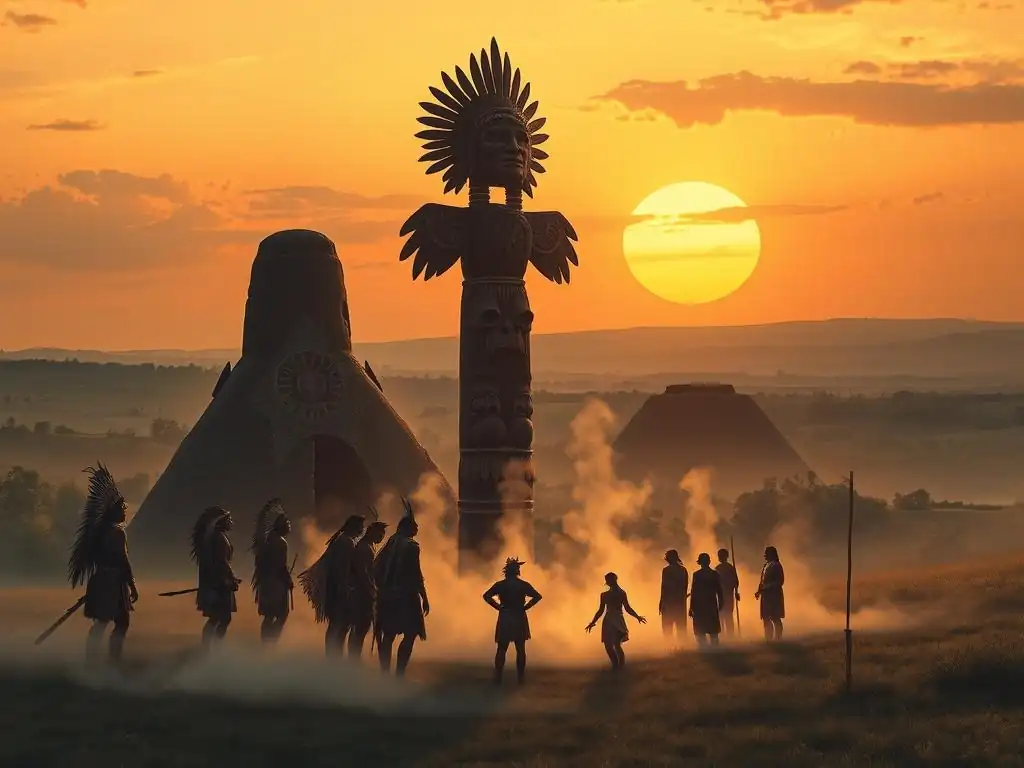
The afterlife beliefs and myths surrounding death and rebirth are essential components of the spiritual framework within many Indigenous cultures. In examining Cahokia's afterlife beliefs, it becomes evident that there are both similarities and differences when compared to other indigenous cultures across the Americas. This section delves into the nuances of Cahokia afterlife beliefs in relation to other indigenous traditions, particularly those of the Mesoamerican cultures and various North American tribes.
Similarities with Mesoamerican Afterlife Concepts
Cahokia afterlife beliefs share several intriguing similarities with Mesoamerican afterlife concepts, particularly those of the Aztec and Maya civilizations. These parallels can be attributed to shared themes of agricultural fertility, the cyclical nature of life, and a strong connection to the natural world.
- Cyclical Nature of Life and Death:
- Both Cahokia and Mesoamerican cultures viewed death not as an endpoint but as a transformative process. In Cahokia, the concept of rebirth was prevalent, often linked to the agricultural cycles that sustained their societies.
- Similarly, the Aztecs believed in a cyclical universe where the dead would be reborn into new forms, emphasizing renewal and continuation.
- Spiritual Journeys:
- In Cahokia, it was believed that the deceased embarked on a journey to the afterlife, facing various challenges along the way. This theme resonates with Mesoamerican beliefs where the dead traversed the underworld, encountering trials before reaching their final destination.
- Both cultures emphasized the importance of funerary practices, which were integral in guiding the deceased through these journeys.
- Deities and Ancestors:
- The reverence for ancestors played a crucial role in both Cahokia and Mesoamerican societies. In Cahokia, ancestors were believed to protect and guide the living, much like the role of ancestral spirits in Mesoamerican traditions.
- Deities associated with agriculture and fertility, such as the maize god in Mesoamerica, also held significance in Cahokia beliefs, reflecting the interconnectedness of life, death, and rebirth.
Differences in Afterlife Beliefs Among North American Tribes
While there are notable similarities between Cahokia afterlife beliefs and those of Mesoamerican cultures, significant differences exist when comparing Cahokia to various North American tribes. These disparities are influenced by distinct cultural practices, environmental factors, and spiritual understandings.
- Diverse Afterlife Imaginations:
- Many North American tribes, such as the Lakota and Navajo, possess unique afterlife beliefs that diverge from those of Cahokia. For example, the Lakota envision a spiritual realm where the deceased must prove their worthiness before accessing the afterlife, which contrasts with the more community-oriented approach of Cahokia.
- In contrast, the Navajo believe in a duality of worlds—one for the living and one for the dead—where the deceased must navigate a series of challenges to reach the "Land of the Dead."
- Funerary Practices:
- The Cahokia culture emphasized elaborate burial mounds and grave goods, reflecting their belief in an afterlife where material possessions played a role. This practice is less common among many North American tribes, who may have simpler burial rites that focus on returning the body to the earth.
- For instance, some tribes, like the Hopi, engage in sky burials, allowing the elements to reclaim the body, which signifies a different understanding of death and the afterlife compared to Cahokia.
- Role of Nature:
- While both Cahokia and many North American tribes honor nature in their afterlife beliefs, the specifics can vary greatly. Cahokia's afterlife is often interwoven with agricultural symbolism, reflecting their societal reliance on maize and other crops.
- Conversely, tribes in more arid regions may focus on the spirits of the land and animals, emphasizing a different relationship with the natural world that influences their afterlife myths.
While Cahokia afterlife beliefs share similarities with Mesoamerican concepts, they also reflect unique characteristics that set them apart from various North American tribes. Understanding these distinctions enriches our appreciation of the diverse spiritual landscapes that existed in Indigenous cultures across the Americas.
The Impact of Cahokia Afterlife Beliefs on Contemporary Indigenous Cultures
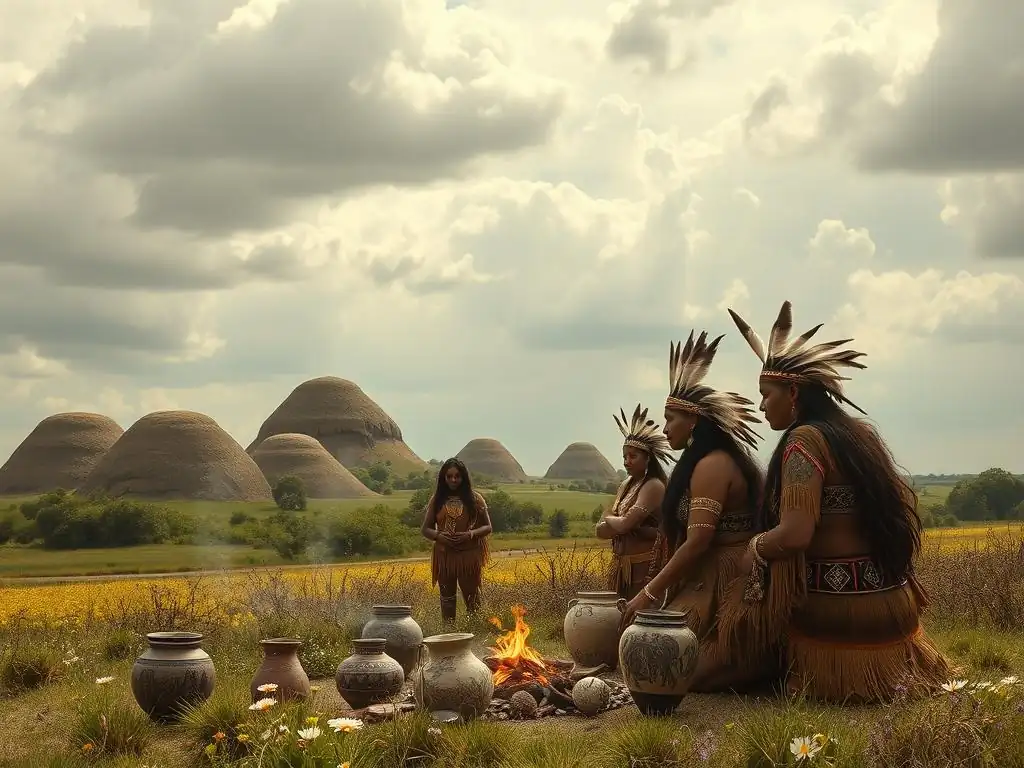
Legacy of Afterlife Myths in Modern Indigenous Practices
The afterlife beliefs of the Cahokia civilization, which flourished from approximately 600 to 1400 CE, have left a significant imprint on contemporary Indigenous cultures in North America. These beliefs, centered around the themes of death, rebirth, and the interconnectedness of life, continue to resonate in various forms across modern Indigenous practices.
- Cultural Narratives: Many contemporary Indigenous communities incorporate elements of Cahokia afterlife myths into their storytelling traditions. These narratives often emphasize the cyclical nature of life and death, reflecting a worldview that sees death not as an end but as a transformation or a passage to another realm. For example, the belief in an afterlife where spirits continue to exist and influence the living is prevalent among various tribes, echoing similar themes found in Cahokia mythology.
- Ceremonial Practices: Rituals that honor the dead and celebrate rebirth draw from the rich tapestry of Cahokia beliefs. Ceremonies such as the Green Corn Festival, which marks the harvest season, often include elements that pay homage to ancestors, symbolizing a connection between the living and the deceased. These practices serve to reinforce community bonds and maintain a sense of continuity with the past.
- Art and Symbolism: The artistic expressions of modern Indigenous cultures often reflect Cahokia's afterlife beliefs through symbolic representations of death and rebirth. Common motifs include the use of circular designs, representing the cycle of life, and images of the underworld, which connect to the myths surrounding the deceased's journey. Such artwork not only preserves historical narratives but also serves as a medium for spiritual reflection in contemporary settings.
Preservation of Cahokia Beliefs in Contemporary Spirituality
The spiritual landscape of many Indigenous communities today features a blend of traditional beliefs and practices evolved from ancient Cahokia ideologies. The preservation of these beliefs is vital for cultural identity and spiritual health among Indigenous peoples.
- Revival of Traditional Spirituality: There is a growing movement among Indigenous communities to revive and integrate traditional Cahokia spirituality into contemporary practices. This includes the resurgence of rituals that honor ancestors, facilitate communication with the spirit world, and seek guidance from the deceased. Such practices are often rooted in the understanding that the spirit continues to influence the living, a core component of Cahokia afterlife beliefs.
- Intergenerational Knowledge Transfer: Elders play a crucial role in passing down the afterlife myths of Cahokia through oral traditions, teachings, and community gatherings. This intergenerational transmission ensures that younger generations remain connected to their ancestry and the spiritual frameworks that shape their identities. By emphasizing the importance of these beliefs, communities foster a sense of belonging and continuity.
- Integration with Modern Beliefs: Contemporary Indigenous spirituality often blends traditional beliefs with modern religious practices. This syncretism allows for the incorporation of Cahokia afterlife myths within broader spiritual frameworks, ensuring that these ancient concepts remain relevant and accessible. The adaptability of these beliefs demonstrates their resilience and the ongoing significance they hold for Indigenous peoples today.
The afterlife beliefs of Cahokia not only shape historical perspectives but also actively inform and enrich the spiritual practices of modern Indigenous cultures. By maintaining these traditions, communities honor their ancestors and reinforce their cultural identities in an ever-changing world.
Conclusion: The Enduring Significance of Cahokia Afterlife Beliefs and Myths
Cahokia afterlife beliefs and myths represent a profound aspect of the spiritual and cultural identity of the Cahokian people. These beliefs not only offered a framework for understanding death and the afterlife but also provided meaningful insights into their societal values and communal life. The myths surrounding these concepts serve as a testament to the enduring legacy of Cahokia, highlighting how these narratives shaped the lives of its inhabitants and influenced subsequent generations.
Reflection on Death and Rebirth in Indigenous Worldviews
In many indigenous cultures, including those of Cahokia, the concepts of death and rebirth are intricately woven into the fabric of their cosmology. The cyclical nature of life is often emphasized, illustrating a belief that death is not an end but a transition to another state of existence. This perspective fosters a sense of continuity and connection to ancestors, reinforcing community bonds and cultural identity.
- Cyclical Existence: The belief in cyclical existence is prevalent in Cahokia's afterlife myths. It reflects their understanding of nature and the environment, where seasons change, and life regenerates. This view encourages respect for the natural world and its processes.
- Ritual Practices: Funerary rituals, often elaborate in Cahokia, were essential in honoring the deceased and ensuring a successful journey to the afterlife. These practices included the construction of mounds, which served as burial sites and held significant spiritual meaning.
The reverence for ancestors and the belief in their continued presence within the community highlight the importance of remembrance and ritual in Cahokian society. This relationship with the afterlife reinforces the values of respect, continuity, and the interconnectedness of life and death.
The Role of Myths in Understanding Indigenous History and Culture
Myths play a critical role in the preservation and transmission of indigenous knowledge, particularly in understanding the history and culture of the Cahokian civilization. They serve not only as narratives explaining the nature of existence but also as tools for teaching moral lessons, cultural values, and social norms.
- Cultural Identity: Cahokia afterlife beliefs and myths are integral to the cultural identity of the people. They encapsulate the values, fears, and aspirations of a society that thrived for centuries. By examining these myths, one can gain insight into the societal structure, governance, and community relations of Cahokia.
- Historical Context: Myths provide a historical context for understanding the challenges faced by the Cahokians, including environmental changes and interactions with neighboring cultures. The stories of deities and spirits reflect their responses to these challenges, offering lessons on resilience and adaptation.
The myths surrounding Cahokia's afterlife beliefs offer a rich tapestry of insight into their worldview, societal values, and historical context. They remind us of the importance of honoring indigenous narratives and their profound influence on the understanding of life, death, and cultural identity. By preserving and exploring these beliefs, we ensure that the legacy of Cahokia and its people continues to resonate in contemporary discussions of indigenous cultures.
Frequently Asked Questions
What are the afterlife beliefs of the Cahokia civilization?
The Cahokia civilization held a rich set of myths about the afterlife, viewing death as a transition to a new existence rather than an end. They believed in rebirth and the continuation of life beyond death.
How did Cahokia's myths influence their burial practices?
The myths surrounding death shaped their burial customs, emphasizing the importance of rituals and grave goods. These practices reflected their beliefs in the afterlife and the necessity of honoring the deceased.
What role did natural elements play in Cahokia's afterlife concepts?
Natural elements such as the sun and water were integral to Cahokia's afterlife beliefs, symbolizing renewal and fertility. These elements were often incorporated into their myths about the cyclical nature of life and death.
How do Cahokia's afterlife beliefs compare to other indigenous cultures?
While many indigenous cultures have unique afterlife beliefs, Cahokia's focus on community and continuity shares similarities with other tribes, emphasizing a deep connection to ancestors and the land.
What is the significance of Cahokia's afterlife myths today?
Cahokia's afterlife myths continue to influence contemporary understanding of indigenous spirituality, offering insight into their cultural heritage and the ways in which they viewed existence, death, and rebirth.
Final Reflection: The Enduring Legacy of Cahokia's Afterlife Beliefs
Cahokia's afterlife beliefs and myths resonate profoundly in today's world, reminding us of the universal human quest for understanding what lies beyond death. The rich tapestry of narratives surrounding death and rebirth in Cahokia not only reflects the spiritual landscape of its people but also invites contemporary society to explore our own beliefs about mortality. As we navigate an increasingly complex world, the significance of these ancient concepts becomes ever more relevant, urging us to confront our own existential questions.
The myths of Cahokia have left an indelible mark on the cultural and social landscape, influencing how we perceive life, death, and the possibility of rebirth. The stories of the afterlife serve as a bridge connecting past and present, illustrating the timeless nature of human curiosity and the desire for continuity beyond physical existence. The stories we tell about death shape the way we live our lives.
This quote encapsulates the essence of how Cahokia's beliefs continue to inspire reflection on our own mortality and the legacies we leave behind.
As we ponder the lessons from Cahokia's afterlife beliefs, I invite you to reflect on your own perspectives regarding death and rebirth. Consider how these ancient myths can inspire you to live more fully in the present, cherishing the connections you forge and the stories you create. Embrace the opportunity to explore your beliefs, allowing the wisdom of the past to guide you toward a deeper understanding of your own journey through life and beyond.
Embrace the Wisdom of the Ancients: Explore Modern Life with Traditional Insights!
Thank you for journeying through the fascinating beliefs of the Cahokia civilization regarding death and rebirth. We hope you’ve gained valuable insights into their rich mythology and how these concepts can inspire our understanding of life and legacy today!
Now, it's time to take action and continue your exploration:
- Dive deeper! Explore additional articles on indigenous mythologies to broaden your perspective on various cultures' views on life and death.
- Join our community by sharing your thoughts in the comments below or on social media — let’s keep the conversation alive!
- Reflect on your own beliefs! Create a personal journal entry exploring how ancient wisdom can shape your approach to life and your legacy.
What insights about death and rebirth from the Cahokia civilization resonate most with you, and how can you incorporate these lessons into your life today?