
Cahokia's Astronomical Knowledge: Aligning Architecture with Celestial Events

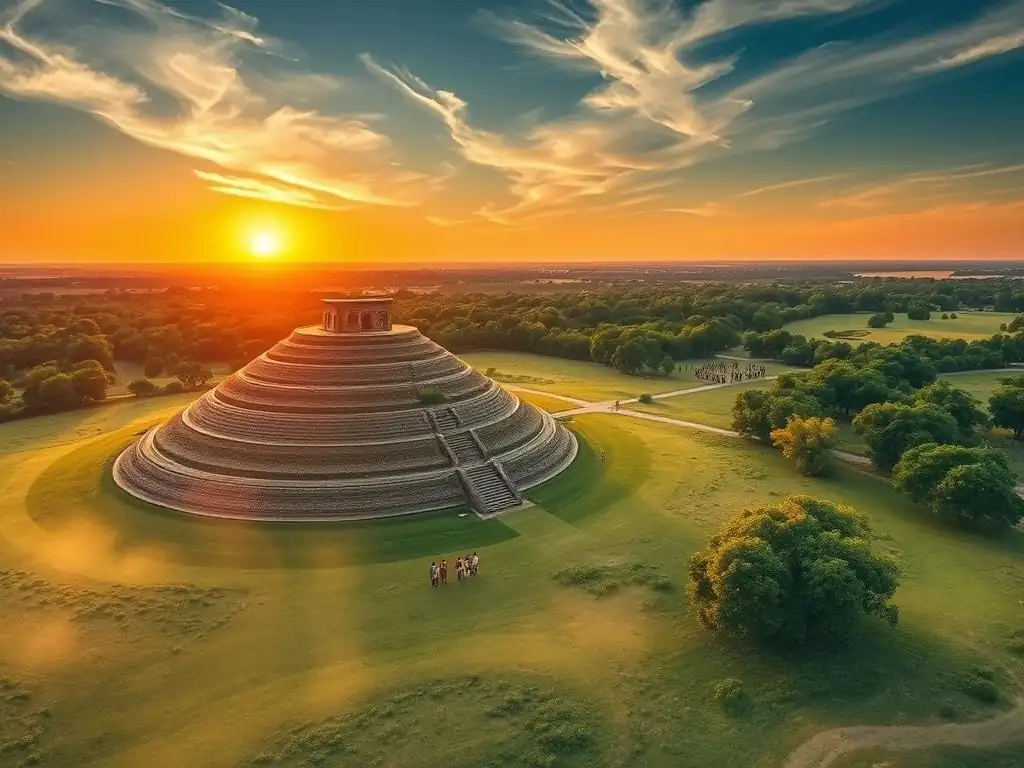
Welcome to Indigenous Civilizations of the Americas, where we invite you to delve into the rich tapestry of cultures that flourished long before European shores were reached. Our journey today focuses on the remarkable Cahokia indigenous astronomical knowledge, revealing how this advanced society aligned their architecture with celestial events, creating a harmonious blend of science and spirituality. What secrets did the stars hold for the Cahokia? As you explore this fascinating article, prepare to uncover the profound connections between their astronomical insights and the rhythms of daily life. Join us in celebrating the enduring legacy of these incredible civilizations!
- Introduction to Cahokia's Astronomical Knowledge
- The Role of Astronomy in Cahokia's Architecture
- Specific Celestial Events and Their Influence on Cahokia
- Methods Used by Cahokia Indigenous People to Observe the Skies
- Case Studies of Astronomical Alignments in Cahokia
- The Legacy of Cahokia's Astronomical Knowledge
- Conclusion: The Importance of Preserving Cahokia's Astronomical Heritage
-
Frequently Asked Questions
- What was the significance of Cahokia's astronomical knowledge?
- How did the Cahokia civilization incorporate astronomy into their architecture?
- What are some examples of celestial events observed by the Cahokia people?
- How did Cahokia's astronomical practices compare to other indigenous cultures?
- What legacy did Cahokia's astronomical knowledge leave behind?
- Final Reflection: The Timeless Legacy of Cahokia's Astronomical Knowledge
- Unveil the Celestial Secrets of Cahokia!
Introduction to Cahokia's Astronomical Knowledge
Cahokia, a pre-Columbian Native American city located near modern-day St. Louis, Missouri, stands as a testament to the ingenuity and sophistication of indigenous cultures in the Americas. Known for its monumental earthworks and complex societal structures, Cahokia was not only a center of trade and politics but also a hub of astronomical knowledge.
This article delves into the fascinating interplay between the architectural achievements of Cahokia and its indigenous astronomical knowledge, exploring how celestial events were intricately woven into the fabric of its society. By examining the alignment of structures with astronomical phenomena, we can gain insight into the cultural significance of the cosmos for the Cahokians and how their understanding of the universe influenced their daily lives and rituals.
Overview of Cahokia Culture and Its Significance
Cahokia flourished from around 600 to 1400 CE and is often regarded as one of the most advanced urban centers in ancient North America. At its peak, it was home to tens of thousands of inhabitants and featured a complex social hierarchy, extensive trade networks, and remarkable engineering feats, including the iconic Monk's Mound—the largest earthen structure in the Americas.
- Key Features of Cahokia Culture:
- Urban Planning: The city was meticulously laid out, with neighborhoods, plazas, and monumental structures that showcased sophisticated planning.
- Trade and Economy: Cahokia engaged in extensive trade, exchanging goods such as pottery, tools, and raw materials with distant regions, which contributed to its economic vitality.
- Social Structure: The society was hierarchical, with a ruling elite that likely wielded significant power and influence over the populace.
- Cultural Practices: Cahokians engaged in various ceremonial practices, many of which were influenced by their understanding of celestial events.
The significance of Cahokia extends beyond its physical structures; it represents a vibrant culture that made profound contributions to indigenous history. Its achievements in architecture, agriculture, and governance highlight the sophistication of indigenous peoples long before European contact.
Importance of Astronomy in Indigenous Societies
In many indigenous cultures, including that of Cahokia, astronomy played a crucial role in shaping societal practices, agricultural cycles, and spiritual beliefs. The movements of celestial bodies were meticulously observed and recorded, leading to a rich understanding of seasonal changes and navigation.
- Key Aspects of Indigenous Astronomical Knowledge:
- Calendar Systems: Indigenous peoples developed intricate calendars based on lunar and solar cycles, which guided agricultural activities and ceremonial events.
- Rituals and Ceremonies: Celestial events, such as solstices and equinoxes, were often marked by significant rituals that reinforced cultural identity and community cohesion.
- Architectural Alignment: Many structures were intentionally aligned with celestial events, demonstrating a deep connection between the cosmos and the built environment.
The astronomical knowledge of Cahokia not only reflects the civilization's intellectual prowess but also underscores the importance of the cosmos in shaping their worldview. Understanding how Cahokians integrated their astronomical knowledge into their architecture and daily lives provides valuable insight into the broader context of indigenous cultures in the Americas.
The Role of Astronomy in Cahokia's Architecture
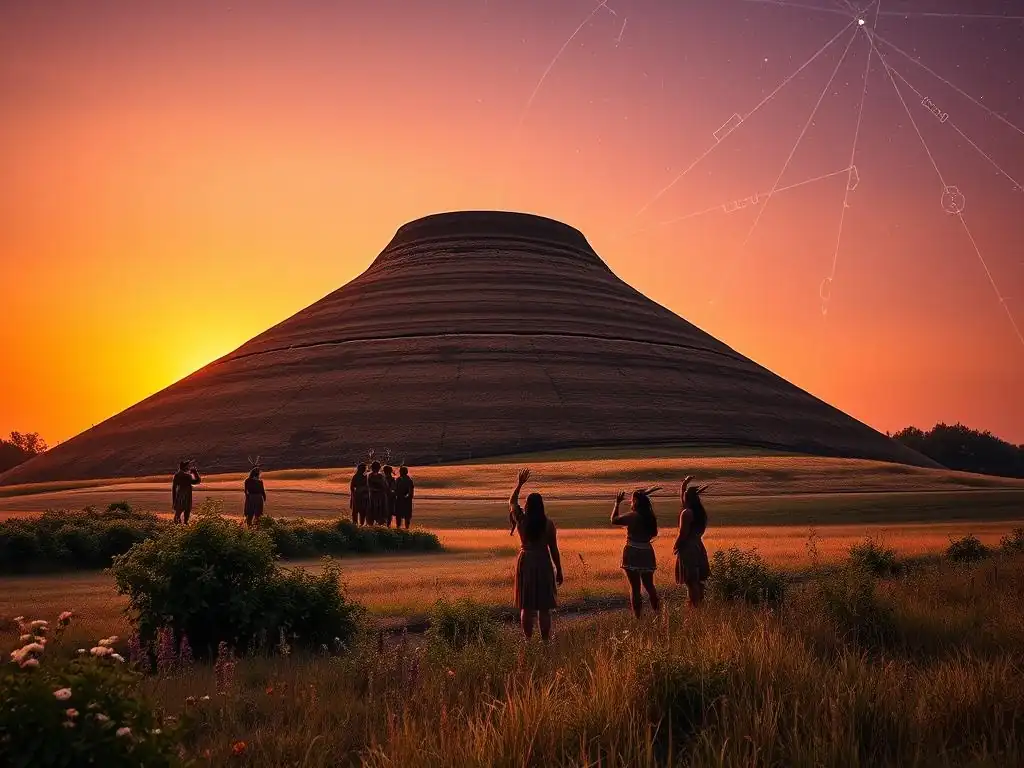
Cahokia, located near present-day St. Louis, Missouri, is recognized as one of the most sophisticated urban centers of the prehistoric Americas. A pivotal aspect of Cahokia's culture was its intricate relationship with astronomy, which played a significant role in the design and orientation of its monumental architecture. The alignment of structures to celestial events not only reflects the community’s astronomical knowledge but also highlights the importance of these events in their daily lives, agricultural practices, and spiritual beliefs.
The Cahokians developed an extensive understanding of seasonal changes, celestial cycles, and the movements of celestial bodies, which was crucial for their agricultural calendar and ceremonial activities. This knowledge was embedded in the very fabric of their architecture, indicating a deep connection between the cosmos and their built environment. Architectural features such as mounds, plazas, and pathways were strategically oriented to align with key astronomical events, demonstrating how the Cahokians integrated their understanding of the universe into their societal structure.
Key Architectural Features Reflecting Astronomical Knowledge
Several architectural features in Cahokia illustrate the civilization's profound astronomical knowledge. Among the most notable are the following:
- Monks Mound: This is the largest earthen mound in North America and serves as a focal point for understanding Cahokia's astronomical alignments. The mound is oriented towards the summer solstice sunrise and the winter solstice sunset, emphasizing the importance of these solar events to the Cahokians. The location and height of Monks Mound provided an elevated vantage point for observation of celestial phenomena.
- Woodhenge: This circular arrangement of wooden posts served as an astronomical observatory. The configuration of the posts was meticulously aligned with solar events, providing a calendar for planting and harvesting. The spacing of the posts marked significant solar positions, which were critical for regulating agricultural activities.
- Plaza Orientation: The central plaza of Cahokia, a gathering place for ceremonial activities, was oriented toward the cardinal directions. This alignment facilitated the observation of astronomical events, reinforcing the connection between social and celestial realms.
- Mound Structures: Various mounds throughout Cahokia were designed with specific alignments to lunar cycles, indicating that the Cahokians not only tracked solar movements but also lunar phases. The placement of these mounds likely had ritual significance tied to lunar events.
Celestial Alignments in Cahokia Monuments
The celestial alignments found in Cahokia's monuments reveal a sophisticated understanding of astronomy that was integral to the civilization's identity. Key celestial events, such as solstices and equinoxes, were observed and celebrated, with the following alignments noted:
- Summer Solstice: The Cahokians celebrated the summer solstice, which marks the longest day of the year, with ceremonies that likely took place at Monks Mound. The alignment of this mound with the rising sun on this day indicates its ceremonial importance.
- Winter Solstice: Similarly, the winter solstice was marked by the setting sun aligning perfectly with specific features of the landscape, demonstrating the community's reverence for natural cycles. The orientation of structures towards the winter solstice sunset may have held significant spiritual meaning.
- Lunar Events: Evidence suggests that the Cahokians also tracked lunar cycles, which influenced their agricultural practices and religious ceremonies. The alignments of certain mounds and wooden structures corresponded with notable lunar events, indicating a comprehensive understanding of both solar and lunar calendars.
- Ecliptic Observations: The orientation of various structures in Cahokia suggests that the inhabitants may have tracked the ecliptic path of the sun across the sky. This knowledge would have been essential for agricultural planning and ceremonial purposes.
The astronomical knowledge of the Cahokia indigenous civilization was not merely theoretical; it was practically applied in the design and orientation of their monumental architecture. This integration of astronomy into their built environment illustrates how deeply they understood the cosmos and its influence on their lives, reflecting a culture that harmonized the natural world with their societal structures and spiritual beliefs.
Specific Celestial Events and Their Influence on Cahokia
Seasonal Changes and Agricultural Practices
Cahokia's indigenous astronomical knowledge played a crucial role in shaping their agricultural practices and seasonal activities. The Cahokians were adept at observing the cosmos, allowing them to create a calendar that was intricately tied to the changing seasons. This knowledge was vital for determining the optimal times for planting and harvesting crops, particularly the staple maize, which was central to their diet.
- Spring Equinox: The arrival of spring signaled the time for planting. Cahokians relied on the alignment of the sun with specific landmarks to mark this season. For instance, they might have noted the rising sun over certain mounds or structures to indicate the best time for sowing seeds.
- Summer Solstice: This event marked the peak of the growing season. The Cahokians celebrated the longest day of the year, which not only highlighted the importance of sunlight for crop growth but also served as a time for communal gatherings and rituals. They would have closely monitored the sun's position to optimize irrigation and crop management.
- Autumn Equinox: As the harvest season approached, the Cahokians used celestial observations to determine when to begin gathering their crops. This alignment with the equinox ensured that they could maximize their yields and prepare for the winter months.
The integration of astronomical events into their agricultural calendar demonstrates the sophistication of Cahokia's indigenous astronomical knowledge, reflecting a deep understanding of their environment and its cycles.
Important Celestial Events Celebrated by Cahokia Society
Cahokia's society celebrated numerous celestial events that were deeply rooted in their cosmology and daily life. These events held significant cultural and spiritual importance, influencing their rituals, architecture, and community gatherings.
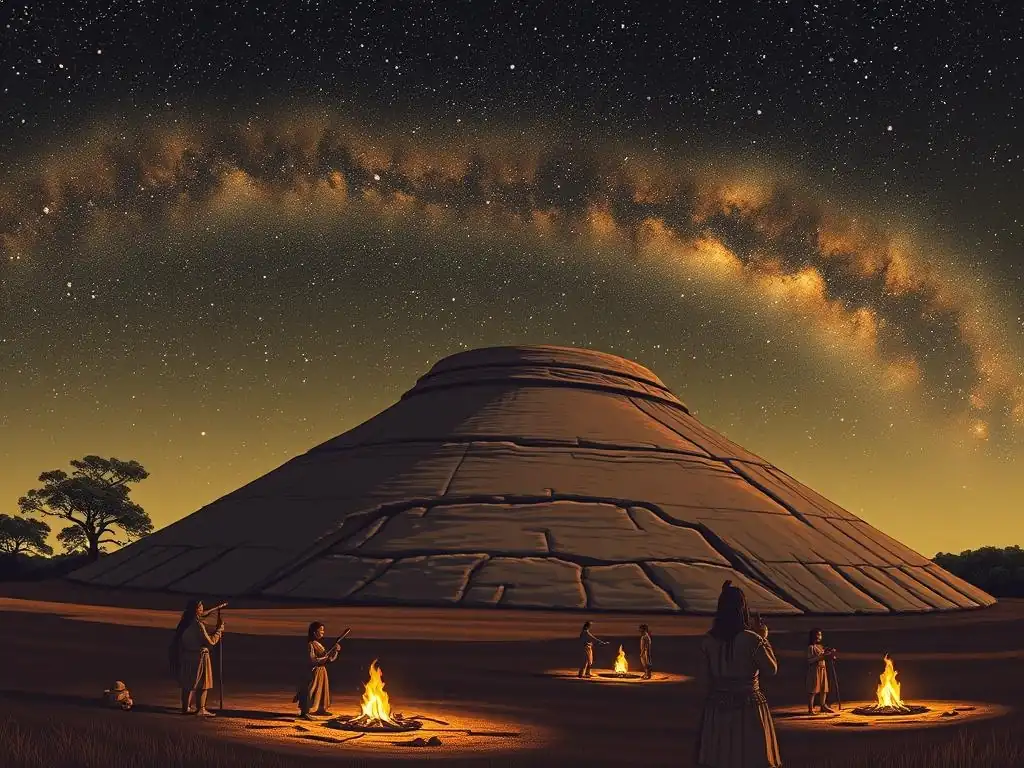
- Lunar Phases: The Cahokians tracked the phases of the moon, with particular emphasis on the full moon, which was often associated with various ceremonies. The full moon's brightness provided natural light for nighttime activities and gatherings, fostering a sense of community.
- Eclipses: Solar and lunar eclipses were significant astronomical events that likely prompted the Cahokians to engage in rituals or ceremonies. These events were interpreted as powerful omens, and the society might have used them to make important decisions or to reinforce social cohesion through collective observation and response.
- Solstices and Equinoxes: The solstices and equinoxes were not just agricultural markers; they were also integral to Cahokia's ceremonial calendar. Celebrations during these times would often include feasting, rituals, and communal activities that reinforced social bonds. The alignment of their mounds with the sun's path during these events further underscores the importance of celestial observations in their culture.
The Cahokia civilization's celebration of these celestial events illustrates their profound connection to the cosmos. Their understanding of these phenomena not only guided their agricultural practices but also shaped their spiritual and social lives, reinforcing the idea that their indigenous astronomical knowledge was a cornerstone of their cultural identity.
Methods Used by Cahokia Indigenous People to Observe the Skies
Tools and Techniques for Astronomical Observation
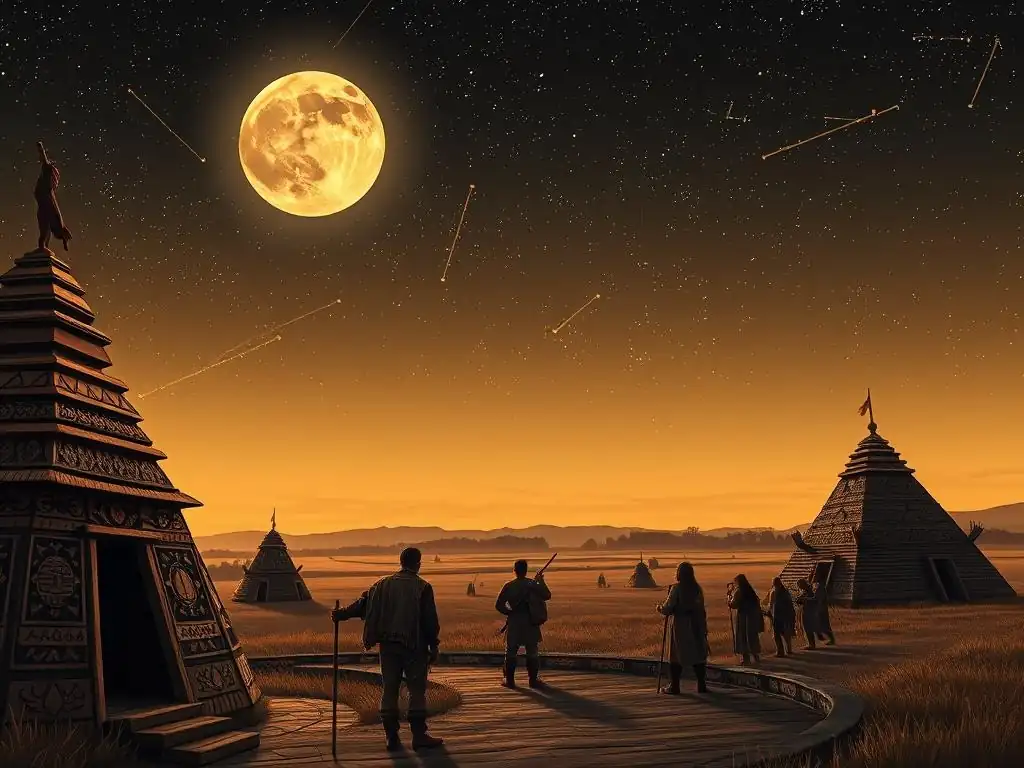
The Cahokia indigenous people employed a variety of sophisticated tools and techniques to observe celestial bodies and events. Their methods were deeply rooted in both practical necessity and spiritual significance, leading to a rich understanding of astronomical phenomena.
1. Earthworks and Mounds
The construction of large earthworks and mounds served as both ceremonial sites and astronomical observatories. The Monks Mound, the largest structure in Cahokia, was strategically aligned with the sun's path. Observers could track the solstices and equinoxes by noting the positions of the sun as it rose or set in relation to this monumental structure.
2. Sticks and Shadows
Simple yet effective, the use of sticks to cast shadows was an ancient technique for tracking the sun’s movement across the sky. By placing a vertical stick (gnomon) into the ground, Cahokians could observe the length and direction of the shadow at different times, allowing them to mark the passage of time and recognize seasonal changes.
3. Celestial Calendars
Cahokia likely utilized celestial calendars based on the lunar cycle. This calendar would have helped them plan agricultural activities and ceremonial events. By recording the phases of the moon, they could predict seasonal shifts and align their activities accordingly.
The Relationship Between Astronomy and Daily Life in Cahokia
Astronomy was intricately woven into the daily life and spiritual practices of the Cahokia people. Their understanding of celestial events influenced various aspects of their culture, from agriculture to religious ceremonies.
1. Agricultural Planning
The cyclical nature of celestial events directly impacted agricultural practices. The Cahokians timed their planting and harvesting with astronomical signals, such as the first sighting of certain stars or the change of seasons marked by solstices. This alignment ensured optimal crop yields and sustainable farming practices.
2. Religious Significance
Celestial bodies were often seen as deities or spiritual guides. The Cahokia people likely held ceremonies during significant astronomical events, such as solar eclipses or solstices, believing that these occurrences were messages from the gods. This connection to the cosmos reinforced their cultural identity and community cohesion.
3. Social Structure and Governance
The astronomical knowledge of the Cahokians influenced their social hierarchy. Leaders who understood celestial movements may have held greater authority, guiding the community based on their interpretations of astronomical events. This knowledge was essential for maintaining order and scheduling important communal activities.
The Cahokia indigenous astronomical knowledge was not merely a scientific endeavor; it was a profound aspect of their identity, reflecting their reverence for the skies and the cyclical rhythms of nature. Through their tools and techniques, they forged a deep connection between the heavens and their daily lives, leaving a lasting legacy that continues to be studied today.
Case Studies of Astronomical Alignments in Cahokia
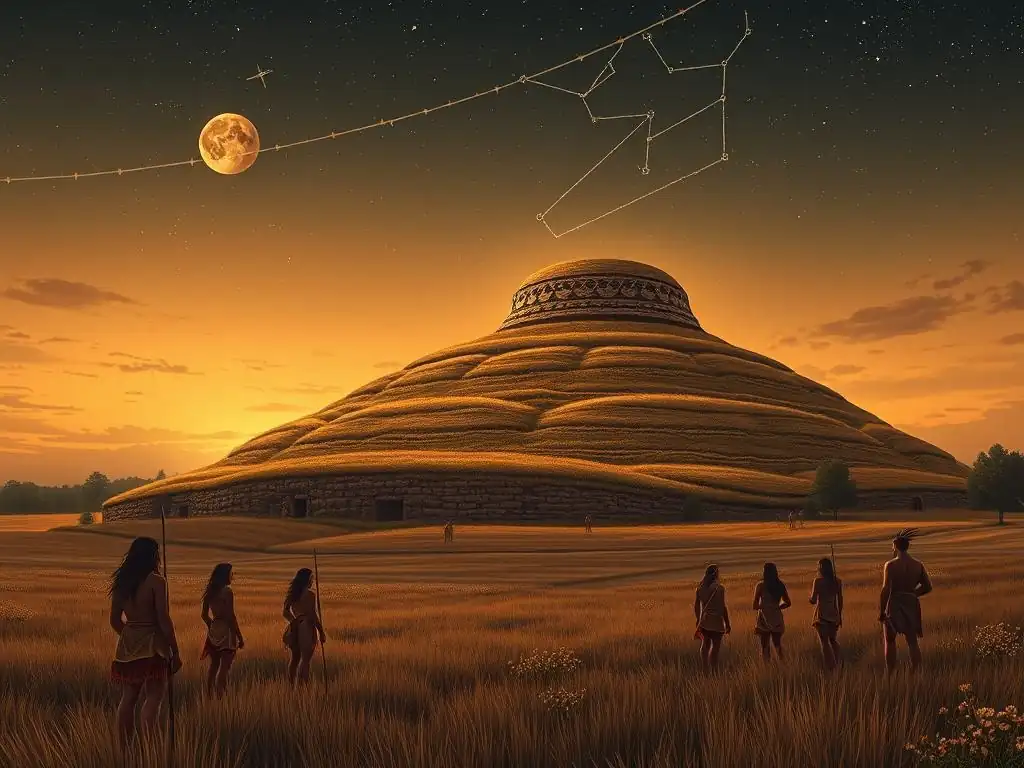
Cahokia, one of the most prominent urban centers of pre-Columbian North America, showcases an impressive array of architectural feats that reflect a sophisticated understanding of astronomy. The alignment of its structures with celestial events indicates that the Cahokians possessed advanced astronomical knowledge that played a crucial role in their cultural and religious practices. This section delves into specific case studies of astronomical alignments within Cahokia, highlighting how these alignments influenced their architecture and societal organization.
Analysis of Major Structures and Their Celestial Alignments
The monumental earthworks and structures in Cahokia, particularly the mounds, exhibit precise alignments with significant celestial events such as solstices, equinoxes, and lunar cycles. One of the most notable examples is Monks Mound, the largest earthen structure in North America, which aligns closely with the summer solstice sunrise.
- Monks Mound:
- Dimensions: Standing at 100 feet tall, covering 14 acres.
- Celestial Event: On the summer solstice, the sun rises directly over the eastern edge of the mound, suggesting its role as a ceremonial site during this pivotal time of the year.
- Woodhenge:
- A circular arrangement of wooden posts, this structure is believed to have served as a calendar and observatory.
- Key Findings: Archaeological studies indicate that it was aligned with both solstices and equinoxes, allowing the Cahokians to track seasonal changes essential for agricultural planning.
- The Cahokia Mounds Site:
- Group of Mounds: Various mounds across the site are strategically placed to mark significant celestial events.
- Example: The alignment of certain mounds with the lunar standstill indicates that the Cahokians observed and recorded lunar cycles, which would have been critical for their agricultural and ceremonial activities.
These alignments not only reflect the Cahokians' astronomical knowledge but also their integration of that knowledge into their daily lives and spiritual practices. The construction of these structures required significant labor, further emphasizing the importance of celestial events in their society.
Interpretation of Findings from Archaeological Studies
Archaeological studies have provided valuable insights into the astronomical knowledge of the Cahokia indigenous people. Researchers have utilized various methods, including ground-penetrating radar and astronomical modeling, to interpret the findings related to celestial alignments.
- Ground-Penetrating Radar: This technology has revealed the layout of the mounds and their relationships to one another, confirming the intentional design that reflects astronomical phenomena.
- Astronomical Modeling: By simulating the sky as it would have appeared from Cahokia during significant events, researchers have identified patterns that align with the structures. This modeling reinforces the idea that the Cahokians were not only aware of celestial events but also actively incorporated them into their architectural practices.
- Cultural Significance: The alignments are interpreted not merely as practical tools for agriculture but also as expressions of spirituality and cosmology. The observations of celestial events likely influenced religious practices and societal organization, linking the community's existence tightly with the rhythms of the cosmos.
The astronomical alignments found in Cahokia's architecture provide a rich field of study, illustrating the complexity and depth of Cahokia's indigenous astronomical knowledge. This knowledge shaped their cultural identity, agricultural practices, and religious beliefs, underscoring the significant impact of celestial phenomena on their civilization.
The Legacy of Cahokia's Astronomical Knowledge
The Cahokia civilization, which thrived in the Mississippi River Valley from approximately 600 to 1400 CE, is renowned for its sophisticated understanding of astronomy. This knowledge was not merely academic; it was deeply integrated into their societal structure, agricultural practices, and ceremonial life. The legacy of Cahokia’s astronomical knowledge can be seen in how this understanding influenced not just their immediate society but also various indigenous cultures across the Americas.
Influence on Later Indigenous Cultures in the Americas
Cahokia's astronomical knowledge laid a foundation that would resonate through generations of indigenous peoples. The alignment of their monumental architecture with celestial events served multiple purposes, from agricultural scheduling to ceremonial observances. For instance, the construction of Monks Mound, the largest earthen structure in North America, is believed to be aligned with the solar solstices, marking significant points in the agricultural calendar.
As other indigenous cultures interacted with Cahokia through trade and migration, they absorbed and adapted these astronomical principles. Here are several ways this influence manifested:
- Agricultural Practices: Many tribes, such as the Iroquois and Puebloans, utilized celestial events to determine planting and harvesting times. The knowledge of moon cycles, as understood by Cahokians, influenced crop rotation and seasonal activities in these societies.
- Ceremonial Observances: The importance of celestial events is evident in many indigenous cultures that followed. For example, the Maya civilization developed a complex calendar system that incorporated astronomical observations, reflecting a shared heritage of celestial reverence.
- Architectural Alignment: Post-Cahokian cultures often built structures with astronomical alignments, indicating a continuation of Cahokia’s architectural philosophies. Structures such as the Great Serpent Mound further illustrate this legacy, with alignments that coincide with lunar events.
The astronomical knowledge of Cahokia not only shaped its own society but also provided a framework for understanding the cosmos that influenced various indigenous cultures throughout North America, fostering a sense of shared knowledge and reverence for the celestial world.
Cahokia's Place in the History of Indigenous Scientific Achievements
Cahokia’s advancements in astronomy represent a significant chapter in the broader narrative of indigenous scientific achievements across the Americas. The civilization's ability to observe and interpret celestial phenomena showcases a sophisticated understanding of the natural world, placing it among the pioneering cultures in early scientific inquiry.
Several key aspects highlight Cahokia's unique position:
- Innovative Calendar Systems: Cahokians developed complex calendar systems based on solar and lunar cycles. This knowledge facilitated precise agricultural planning, showcasing their ability to harmonize human activity with celestial rhythms.
- Astronomical Structures: The design of various mounds, including Woodhenge, a circular arrangement of wooden posts, illustrates an advanced understanding of solar movement. These structures functioned as observatories, enabling the Cahokians to track celestial events such as solstices and equinoxes.
- Cultural Integration of Science: Astronomy was not a separate discipline for the Cahokians; it was intricately woven into their spiritual beliefs and daily life. Celestial events were often linked to agricultural rituals, reinforcing the connection between their scientific understanding and cultural practices.
By examining Cahokia's place in the history of indigenous scientific achievements, it becomes clear that their astronomical knowledge was not only groundbreaking but also a vital part of their identity and societal organization. This legacy continues to inspire a deeper appreciation for the scientific contributions of indigenous cultures throughout history, emphasizing that the pursuit of knowledge transcends time and geography.
Conclusion: The Importance of Preserving Cahokia's Astronomical Heritage
The legacy of Cahokia's astronomical knowledge is not merely a relic of the past; it serves as a vital component of our understanding of indigenous scientific achievements. The intricate alignment of Cahokian architecture with celestial events illustrates the sophisticated understanding these societies possessed regarding the cosmos. By preserving this heritage, we not only honor the achievements of the Cahokia indigenous peoples but also enrich our contemporary knowledge of astronomy, cultural practices, and architectural design.
The ongoing appreciation and study of Cahokia's astronomical alignments can inspire future generations of scholars, scientists, and enthusiasts, ensuring that the profound insights gained from these ancient observations continue to influence modern scientific thought.
Reflections on the Impact of Cahokia's Knowledge on Modern Understanding
Cahokia's indigenous astronomical knowledge has significantly impacted our comprehension of ancient societies and their relationship with the environment. The community's skilled observations of celestial events provided insights into agricultural cycles, seasonal changes, and ritual practices.
- Integration of Science and Culture:
- Cahokia illustrates how scientific knowledge was deeply intertwined with cultural practices, offering modern scholars a holistic view of how ancient civilizations adapted to their surroundings.
- The integration of astronomy into daily life underscores the importance of celestial events in decision-making processes, such as planting and harvesting.
- Influence on Contemporary Astronomy:
- Modern astronomers can glean insights from Cahokia's methods of observing and interpreting celestial phenomena. The alignment of structures like Monks Mound with solstices and equinoxes highlights an advanced understanding of astronomical cycles that parallels some contemporary practices.
- The cultural implications of these astronomical practices continue to resonate, informing discussions about the significance of indigenous knowledge in today's scientific community.
- Cultural Resilience:
- The preservation of Cahokia's astronomical knowledge symbolizes the resilience of indigenous cultures. As these practices are recognized and celebrated, they challenge the historical narrative that often sidelines indigenous contributions to science.
- This recognition fosters a broader appreciation for diverse knowledge systems, encouraging a more inclusive dialogue in scientific exploration.
Call to Action for Further Research and Preservation Efforts
To safeguard the invaluable contributions of Cahokia's astronomical heritage, there is an urgent need for dedicated research and preservation initiatives. Here are some actionable steps that can be taken:
- Invest in Archaeological Studies:
- Support ongoing archaeological excavations and studies that focus on the astronomical alignments of Cahokia's structures. This research can unveil new insights and deepen our understanding of the society's astronomical practices.
- Collaborate with Indigenous Communities:
- Partner with current indigenous communities to incorporate traditional knowledge and perspectives into the interpretation and preservation of Cahokia's heritage. This collaboration can foster mutual respect and reinforce the importance of indigenous narratives in historical contexts.
- Promote Education and Awareness:
- Develop educational programs that highlight Cahokia's astronomical achievements. By integrating this knowledge into school curricula and public outreach, we can cultivate a greater appreciation for indigenous contributions to science.
- Advocate for Policy Support:
- Encourage policymakers to support protective measures for Cahokia's archaeological sites. This includes funding for preservation efforts and initiatives that recognize the cultural significance of these sites.
By taking these steps, we can ensure that Cahokia's astronomical knowledge is not only preserved but also utilized to inspire future generations. The legacy of the Cahokia indigenous peoples is a testament to the rich tapestry of human understanding and our connection to the cosmos. 🌌
Frequently Asked Questions
What was the significance of Cahokia's astronomical knowledge?
Cahokia's astronomical knowledge was crucial for aligning architecture with celestial events, showcasing a sophisticated understanding of the cosmos that influenced their societal practices and rituals.
How did the Cahokia civilization incorporate astronomy into their architecture?
The Cahokia civilization used astronomical alignments in their structures, particularly in the construction of mounds that were oriented with key celestial events, enhancing their cultural and religious significance.
What are some examples of celestial events observed by the Cahokia people?
The Cahokia people observed various celestial events, such as solstices and equinoxes, which were integral to their agricultural practices and ritual calendars.
How did Cahokia's astronomical practices compare to other indigenous cultures?
Like other indigenous cultures, Cahokia's astronomical practices were deeply intertwined with their spiritual beliefs and agricultural cycles, but they were notable for their precision and the scale of their architectural alignments.
What legacy did Cahokia's astronomical knowledge leave behind?
The legacy of Cahokia's astronomical knowledge persists in the ongoing study of indigenous cultures, highlighting their scientific achievements and the importance of astronomy in shaping their societal structures and daily life.
Final Reflection: The Timeless Legacy of Cahokia's Astronomical Knowledge
Cahokia's indigenous astronomical knowledge serves as a profound reminder of how ancient civilizations intricately wove their understanding of the cosmos into the fabric of their daily lives. Today, as we grapple with the challenges of a rapidly changing world, the insights gleaned from Cahokia's architectural alignments with celestial events resonate deeply. They highlight the importance of harmony between humanity and the universe, urging us to reflect on our place within the larger cosmic order.
Cahokia's legacy continues to shape our cultural and social landscapes, inspiring a renewed appreciation for indigenous wisdom and its relevance in contemporary society. The intricate astronomical alignments of Cahokia not only reveal the sophistication of its builders but also challenge us to reconsider how we engage with the natural world. As we navigate modernity, we can draw from the past to forge a more sustainable future. The cosmos is within us. We are made of star-stuff. We are a way for the universe to know itself.
– Carl Sagan. This quote encapsulates the essence of our connection to the universe, a connection that Cahokia's inhabitants understood and celebrated.
As you reflect on the themes presented in this article, I invite you to consider how you can incorporate the lessons of Cahokia's astronomical knowledge into your own life. Take a moment to gaze at the stars, to ponder your relationship with the universe, and to seek balance in your daily existence.
Let the wisdom of the ancients inspire you to cultivate a deeper understanding of your surroundings, fostering a sense of unity with the cosmos that transcends time and space. Embrace the call to action: honor the legacy of Cahokia by nurturing your own connection to the celestial, and in doing so, contribute to a more harmonious world.
Unveil the Celestial Secrets of Cahokia!
Thank you for diving into the fascinating world of Cahokia's celestial architecture! Your curiosity about how ancient civilizations aligned their structures with the stars not only enriches your understanding but also connects you with the profound wisdom of indigenous cultures.
Now, it's time to take action and deepen your journey:
- Explore the night sky: Grab a telescope or find a local astronomy club to observe the celestial events that ancient civilizations noted.
- Visit a local museum: Seek out exhibitions that showcase indigenous astronomical knowledge and architecture to appreciate how these concepts are celebrated today.
- Share your findings: Connect with friends or community groups by sharing what you’ve learned about Cahokia and its significant relationship with the cosmos.
What celestial event would you like to observe or learn more about in your own life? Let's inspire each other in the pursuit of knowledge!