
Comparing Political Structures: Cahokia vs. Other Indigenous Cultures of the Americas

Welcome to Indigenous Civilizations of the Americas, where we invite you to embark on a fascinating journey through the rich tapestry of indigenous cultures that flourished long before European contact. In our featured article, we delve into the intricate political structures of the Cahokia civilization, offering a compelling comparison with other indigenous societies across the continent. What unique governance systems did these cultures develop, and how did they shape their communities? Prepare to uncover the remarkable achievements and legacies that continue to influence our world today. Dive in and expand your understanding of these vibrant civilizations!
- Introduction to Political Structures of Indigenous Cultures
- Cahokia Indigenous Political Structures
- Comparison with Other Indigenous Cultures of the Americas
- Similarities Between Cahokia and Other Indigenous Political Structures
- Case Studies of Specific Indigenous Cultures
- Conclusion
-
Frequently Asked Questions
- What was Cahokia known for in terms of political structure?
- How did Cahokia's political structures compare to other indigenous cultures?
- What influence did Cahokia's political structures have on its society?
- Were there similarities between Cahokia and other indigenous cultures?
- What lasting impact did Cahokia's political structures have?
- Final Reflection: Understanding Cahokia's Indigenous Political Structures in a Modern Context
- Dive Deeper into Indigenous Governance!
Introduction to Political Structures of Indigenous Cultures
Indigenous cultures across the Americas exhibited a remarkable diversity in their political structures, each uniquely shaped by their environment, social organization, and cultural values. Among these cultures, Cahokia stands out as a prominent example, demonstrating complex governance systems that rival those of contemporary civilizations.
This article delves into the political structures of Cahokia and compares them with those of other indigenous cultures in the Americas, highlighting the distinctive features and innovations that characterized these societies. By exploring the intricacies of Cahokia's governance, we can gain deeper insights into how indigenous peoples organized themselves, made decisions, and maintained social order long before European colonization.
Overview of Indigenous Political Structures in the Americas
Indigenous political structures in the Americas were as varied as the cultures themselves. They ranged from highly centralized systems, such as those seen in Cahokia, to decentralized and egalitarian forms of governance found in other tribes. Some key characteristics of these political structures include:
- Leadership Roles: Different cultures had various leadership roles, often based on merit, lineage, or spiritual authority. For example, Cahokia was governed by a chief known as the "Great Sun," who held substantial power and influence.
- Decision-Making Processes: Many indigenous societies employed consensus-based decision-making, where community members participated in discussions to reach agreements. In contrast, Cahokia had a more hierarchical structure, with decisions made by elite leaders.
- Social Organization: Social stratification in some cultures led to political hierarchies, while others maintained egalitarian principles. For instance, the Iroquois Confederacy exemplified a balanced governance model where power was shared among different clans.
- Military and Economic Control: Political structures were often intertwined with economic systems, as leaders managed resources and organized defense against external threats. Cahokia, with its strategic location and extensive trade networks, showcases how economic power influenced political authority.
By examining these elements, we can better appreciate the complexities and functionalities of indigenous political systems across the continent.
Importance of Studying Cahokia Indigenous Political Structures
Understanding the political structures of Cahokia is crucial for several reasons:
- Cultural Heritage: Cahokia represents a significant aspect of North America's indigenous heritage, providing insights into the sophisticated societies that existed long before European contact. Exploring its governance models helps preserve and celebrate this history.
- Comparative Analysis: Analyzing Cahokia's political structures in comparison to other indigenous cultures allows for a richer understanding of the diversity of governance systems. It helps identify trends, similarities, and differences that shaped political life across various groups.
- Lessons for Modern Governance: The complexities of Cahokia's political system can offer valuable lessons for contemporary governance. By studying how indigenous cultures negotiated power, conflict, and community needs, modern societies can gain insights into more inclusive and equitable political practices.
- Resilience and Adaptation: Investigating how Cahokia adapted its political structures in response to environmental and social changes enhances our understanding of resilience in governance. This knowledge is particularly relevant in today's context of rapid change and uncertainty.
Through the lens of Cahokia's political structures, we can uncover the intricate tapestry of indigenous governance in the Americas, appreciating the depth and richness of these civilizations that have shaped the continent's history.
Cahokia Indigenous Political Structures
Definition and Characteristics of Cahokia Governance
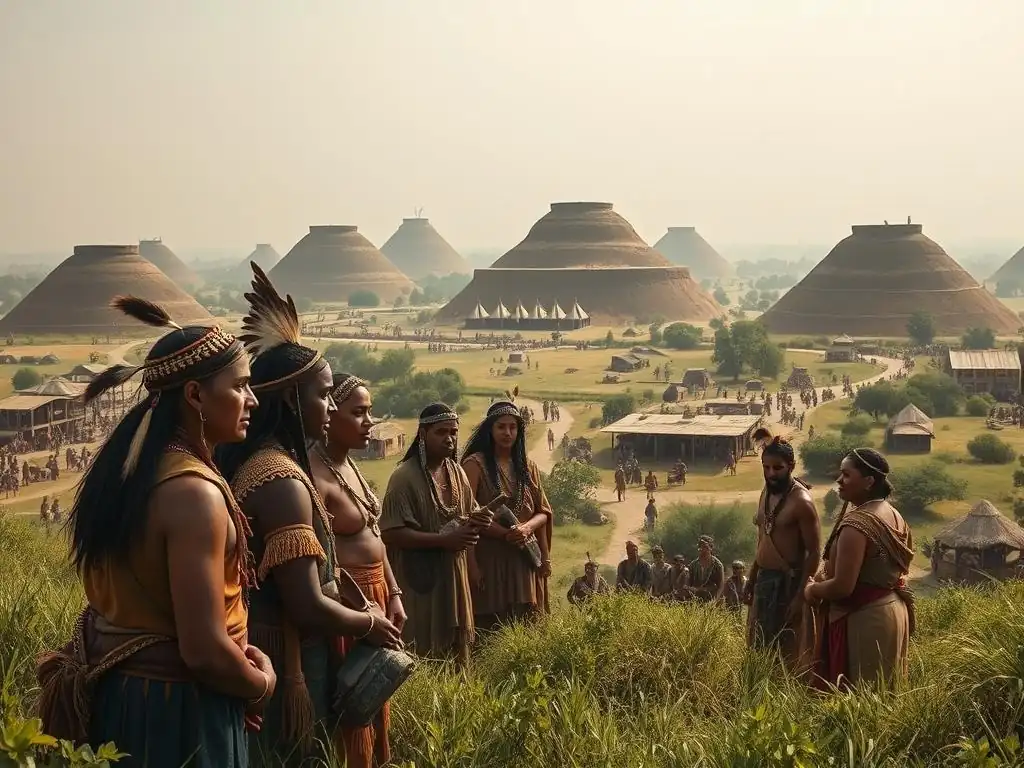
Cahokia, located near present-day St. Louis, Missouri, was one of the largest urban centers of pre-Columbian North America. Its governance was complex and multifaceted, reflecting the city's significant population and cultural diversity. At its height around 1050-1200 CE, Cahokia's political structure centered around a chiefdom system, characterized by a hierarchy that facilitated both political and economic control.
Key characteristics of Cahokia governance include:
- Centralized Authority: A paramount chief, often referred to as the "Great Sun," held supreme power. This individual was not only a political leader but also a spiritual figure, emphasizing the intertwining of governance and religion.
- Council of Elders: Below the chief, a council of elders represented various clans and neighborhoods, providing a voice for different segments of the population. This council played a crucial role in decision-making and conflict resolution.
- Land and Resource Management: Cahokia's political structure was heavily focused on managing land and resources, particularly due to its agricultural economy. The governance system regulated agricultural practices, trade, and labor distribution among its inhabitants.
- Social Stratification: The society was stratified, with a clear division between the elite ruling class and commoners, influencing access to resources, status, and political power.
Overall, the governance model of Cahokia was dynamic, adapting to the needs of its society while maintaining a strong central authority.
Leadership Hierarchy in Cahokia Political Systems
The leadership hierarchy in Cahokia was distinctly organized, creating a framework that allowed for effective governance and social order. The structure can be outlined as follows:
- Great Sun (Paramount Chief)
- The paramount chief was the highest authority, overseeing all political, economic, and religious matters within Cahokia. This role often passed down through hereditary lines, emphasizing the importance of lineage.
- Nobles and Elite Class
- Directly beneath the Great Sun were the nobles, who held significant power and influence. They were often landowners and had roles in the administration of the city, including overseeing trade and military activities.
- Council of Elders
- Comprising respected leaders from various clans, the council advised the Great Sun and played a vital role in legislative processes. Their responsibilities included mediating disputes, managing public works, and organizing communal events.
- Commoners
- The common populace, including farmers, artisans, and laborers, made up the majority of Cahokia's residents. While they had limited influence in political decisions, their labor was essential for the economy, particularly in agriculture and construction.
- Specialized Roles
- Within this hierarchy, various specialized roles emerged, including religious leaders, warriors, and traders, each contributing to the overall functioning of the society. These roles often intersected with political responsibilities, showcasing the integration of social and political life.
Understanding this hierarchy reveals how Cahokia's political system functioned effectively, enabling the city to thrive as a significant center of culture and power.
Role of Religion in Cahokia’s Political Structure
Religion was a fundamental aspect of Cahokia's political structure, deeply intertwined with governance and societal organization. The spiritual beliefs and practices of the Cahokians influenced their political decisions and the authority of their leaders.
- Divine Right of Kings: The Great Sun was believed to have a divine connection, often seen as a mediator between the gods and the people. This belief legitimized his authority and reinforced the hierarchical structure of governance.
- Rituals and Ceremonies: Religious rituals played a critical role in maintaining social cohesion and political stability. Major ceremonies, such as the planting and harvesting cycles, were often led by the chief and involved the entire community, reinforcing the chief's role as both a political and spiritual leader.
- Monumental Architecture: Cahokia’s construction of large earthen mounds, such as Monk's Mound, held significant religious and political meaning. These structures served as ceremonial sites, symbolizing the power of the leaders and their connection to the spiritual world.
- Religious Leaders: Alongside political leaders, religious leaders held substantial influence, often guiding the community in spiritual matters and advising the Great Sun on decisions that required divine favor.
The integration of religion into Cahokia's political structure not only legitimized leadership but also fostered community solidarity, demonstrating the complex relationship between governance and spirituality in this indigenous culture.
Economic Systems Supporting Cahokia Governance
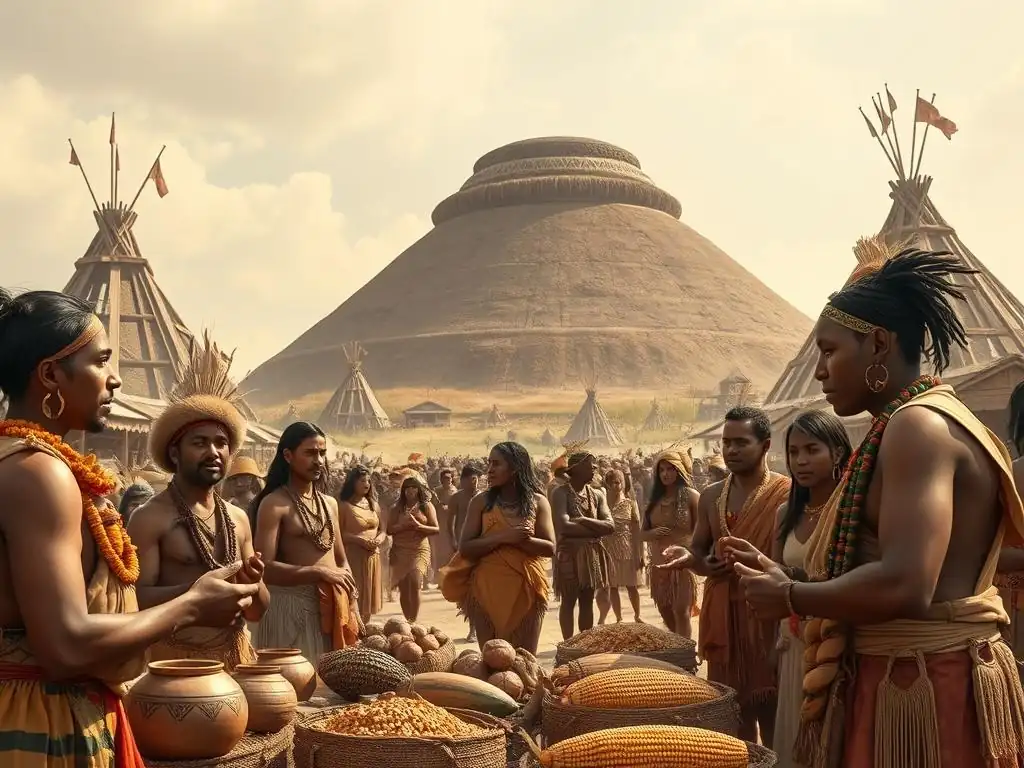
Cahokia, one of the most significant pre-Columbian urban centers in North America, had a complex and multifaceted economic system that underpinned its governance and societal structure. This economic foundation was crucial for the sustenance and development of its political hierarchies. Understanding the economic systems of Cahokia reveals how they facilitated governance and stability within the community.
Agriculture as a Backbone
At the heart of Cahokia's economy was agriculture, particularly the cultivation of maize (corn), which served as a staple food source. The fertile floodplains of the Mississippi River allowed for productive farming practices, leading to surplus production. This surplus was vital not only for feeding the large population of Cahokia, estimated to be around 20,000 at its peak, but also for supporting trade and the political elite.
- Maize Cultivation: The cultivation of maize was sophisticated, involving crop rotation and the use of tools such as hoes and digging sticks.
- Other Crops: In addition to maize, Cahokia farmers cultivated beans, squash, and other crops that complemented their diet and contributed to nutritional diversity.
Trade Networks
Cahokia was strategically positioned at the confluence of several major trade routes, enhancing its economic reach. The city engaged in extensive trade with surrounding regions, exchanging goods such as:
- Shells and Beads: Used for personal adornment and ceremonial purposes.
- Pottery and Tools: Crafted by skilled artisans, these items were both functional and decorative.
- Exotic Materials: Including copper, obsidian, and flint, which were often imported from distant areas.
These trade interactions not only enriched the local economy but also reinforced the political structure by creating dependencies and alliances with neighboring communities.
Craft Specialization
Cahokia exhibited a high degree of craft specialization, which played a significant role in its economic and political systems. Artisans produced a variety of goods, including:
- Ceremonial Artifacts: Items used in religious rituals that reinforced social hierarchies and political authority.
- Functional Goods: Tools and household items that facilitated everyday life and economic transactions.
By promoting specialized crafts, Cahokia could sustain itself internally while also enhancing its trade capabilities, leading to a more intricate political landscape where skilled artisans often held considerable influence.
Resource Management
The governance of Cahokia also involved effective resource management strategies that ensured the sustainability of its economic systems. This included:
- Irrigation Techniques: The development of irrigation methods allowed for more consistent crop yields and reduced the impact of drought.
- Community Organization: The governance structures facilitated communal efforts in resource management, ensuring equitable distribution and conflict resolution among residents.
This organized approach to resource management not only supported the economic stability of Cahokia but also reinforced the authority of its leaders, who were seen as responsible for the welfare of the community.
Conclusion
The economic systems of Cahokia were integral to its governance. Through agriculture, trade, craft specialization, and resource management, Cahokia established a robust economic foundation that supported its political structures. This intricate relationship between economy and governance exemplifies how indigenous cultures in the Americas, like Cahokia, developed complex societies capable of sustaining large populations and sophisticated political systems long before European contact.
Comparison with Other Indigenous Cultures of the Americas
Overview of Political Structures in Indigenous Cultures
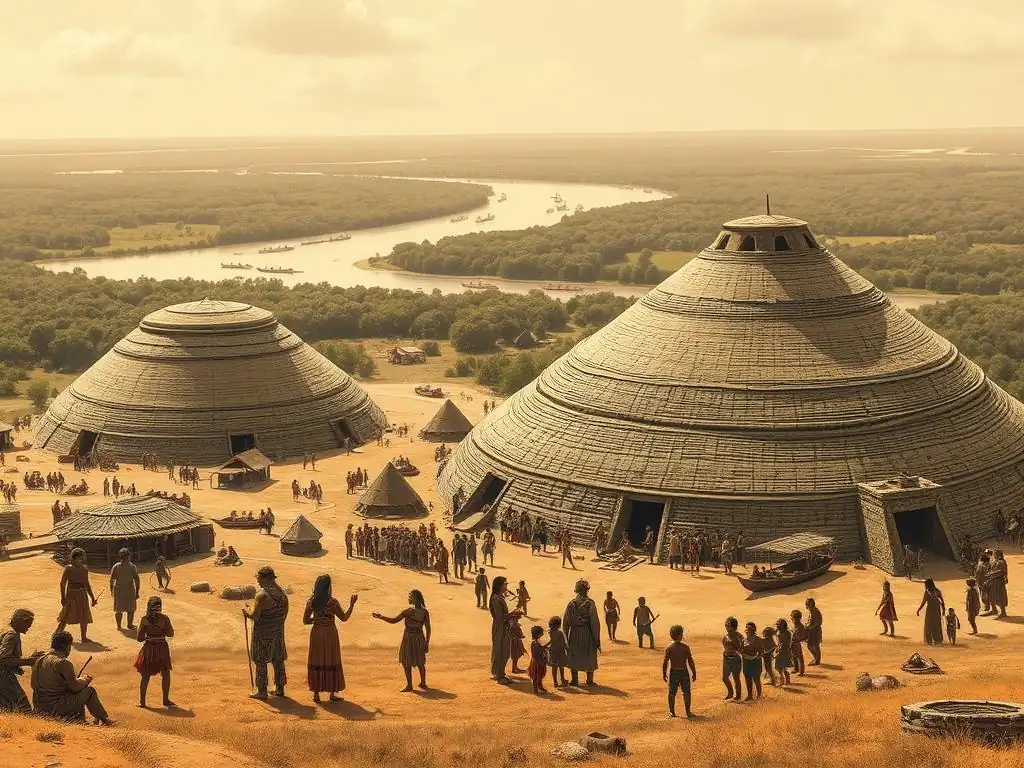
Indigenous cultures across the Americas exhibited a wide range of political structures, each uniquely adapted to their environments, social customs, and historical contexts. While some societies developed complex hierarchical systems, others maintained more egalitarian frameworks. The Cahokia indigenous political structures serve as a prominent example of an advanced political organization, characterized by a centralized authority and sophisticated social hierarchies. This section will explore the political frameworks across various indigenous cultures, highlighting their diversity and complexity.
In general, indigenous political systems can be categorized into three primary types:
- Centralized Systems: These are characterized by a single, overarching authority that governs multiple communities, often seen in civilizations like Cahokia.
- Decentralized Systems: These systems have no single leader and are typically organized around kinship or clan-based governance, prevalent among many Plains tribes.
- Confederacies: Alliances of multiple tribes or chiefdoms, such as the Iroquois Confederacy, where each member retains a degree of autonomy while collaborating on common issues.
These varying political structures reflect the adaptability of indigenous societies to their respective environments and the needs of their communities.
Examples of Indigenous Political Systems in North America
In North America, several indigenous cultures showcased distinct political systems:
- Cahokia:
- Centralized authority led by a priest-ruler.
- Complex societal stratification.
- Urban planning and large ceremonial mounds.
- Iroquois Confederacy:
- A democratic league of six nations.
- Decisions made through consensus among representatives, emphasizing cooperation and mutual benefit.
- Matrilineal inheritance and leadership roles.
- Pueblo Societies:
- Decentralized governance within clans.
- Leaders known as "Kachinas" served primarily as spiritual guides rather than political rulers.
- Community decisions often made through consensus.
These examples illustrate the variety of governance models that arose in response to the social, cultural, and environmental contexts of different indigenous groups.
Examples of Indigenous Political Systems in South America
South America also presented a rich tapestry of indigenous political structures:
- Inca Empire:
- Highly centralized with the Sapa Inca at the apex of power.
- Bureaucratic governance with a complex system of provincial administrators.
- State-controlled economy and extensive road networks for communication and trade.
- Mapuche Confederation:
- Loose confederation of autonomous tribes.
- Leadership based on consensus and respect for elders.
- Strong emphasis on communal decision-making and local governance.
- Guarani Tribes:
- Governed by councils of elders, focusing on collective welfare.
- Emphasis on communal land ownership and resource sharing.
- Decisions often made through communal discussions.
These political systems highlight the diversity of governance in South America, ranging from centralized empires to more participatory tribal configurations.
Key Differences Between Cahokia and Other Indigenous Governance Models
The political structures of Cahokia present several distinctive features when compared to other indigenous cultures in the Americas. Here, we will examine the key differences in leadership styles, the role of community in political decision-making, and how geography influenced these governance models.
Leadership Styles: Cahokia vs. Other Cultures
Cahokia's leadership style was marked by a theocratic approach, where the leader, often referred to as the "Great Sun," wielded both political and spiritual authority. This contrasts sharply with other cultures, such as the Iroquois, where leadership was more democratic and based on consensus.
- Cahokia: Centralized, with a strong hierarchical structure led by a singular figure.
- Iroquois: Decentralized, with a council of chiefs representing various nations.
- Mapuche: Leadership through consensus, highlighting the importance of communal involvement.
This difference in leadership styles significantly impacted the governance and social dynamics within these cultures.
Role of Community in Political Decision-Making
In Cahokia, decision-making was largely top-down, with the ruling class exerting control over societal norms and practices. Conversely, many other indigenous cultures emphasized community involvement in governance.
- Cahokia: Limited community participation; decisions primarily made by the elite.
- Pueblo: Consensus-driven, with community members actively involved in discussions.
- Guarani: Strong emphasis on communal decision-making and collective responsibility.
The role of community in political decision-making is crucial, as it shapes how societies function and respond to challenges.
Influence of Geography on Political Structures
Geography played a pivotal role in shaping the political structures of indigenous cultures. Cahokia, located in a fertile river valley, was able to support a complex, centralized society due to its agricultural surplus and strategic location for trade.
- Cahokia: Flourished in a rich agricultural environment, promoting centralization.
- Inca Empire: Utilized the Andes mountains for defense and agricultural innovation, facilitating a highly structured governance system.
- Iroquois: Adapted to the northeastern woodlands, developing a confederation that reflected their mobility and resource-sharing practices.
Understanding the geographical influences on political structures provides insight into how societies developed their governance systems in response to environmental factors.
The political structures of Cahokia stand out among indigenous cultures of the Americas, particularly in their centralization of power and theocratic leadership. By comparing these systems with others, we gain a deeper appreciation for the diverse governance models that emerged across the continent.
Similarities Between Cahokia and Other Indigenous Political Structures
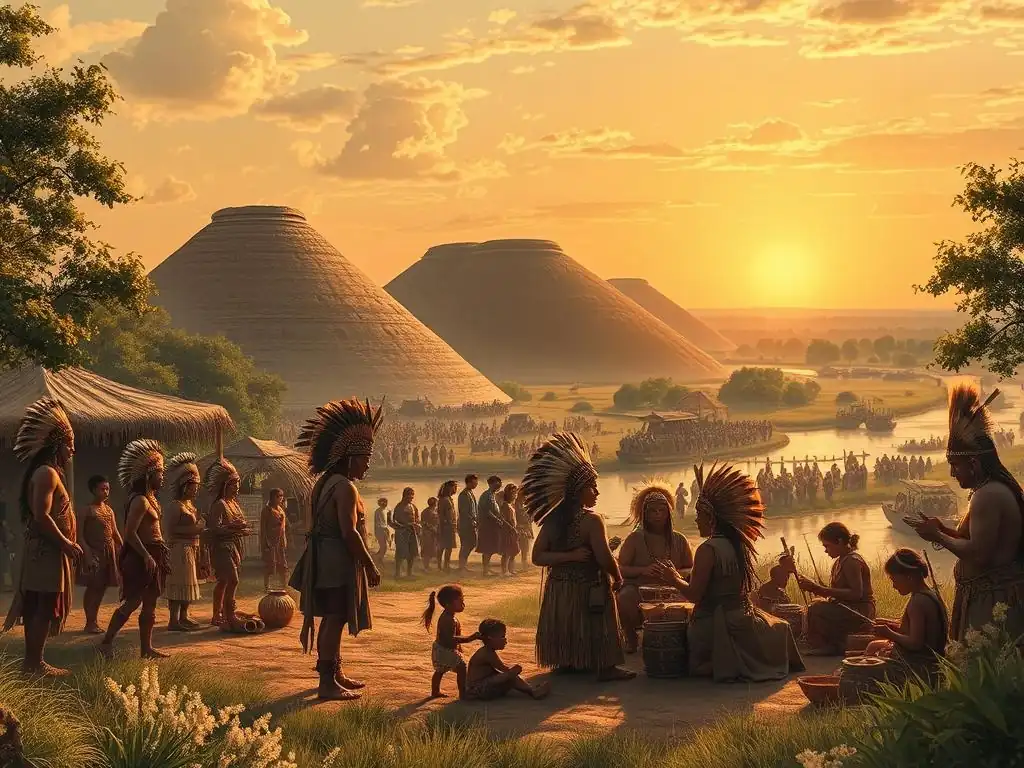
Indigenous cultures across the Americas exhibited a rich tapestry of governance systems, many of which share notable similarities with the political structures of Cahokia. At the heart of these systems were several shared elements that defined how these societies organized themselves, made decisions, and maintained social order.
- Decentralized Authority: Many indigenous cultures, including Cahokia, operated with a form of decentralization where local leaders held significant power. This allowed for adaptability and responsiveness to the specific needs of different communities.
- Consensus Decision-Making: Rather than relying on a singular ruler, many indigenous groups emphasized collective decision-making processes. This method fostered inclusivity and ensured that various perspectives were considered, promoting social cohesion.
- Clan and Kinship Systems: Governance in various indigenous societies often revolved around clans or kinship groups. These familial ties were crucial in establishing social networks, facilitating trade, and providing a support system during conflicts.
Common Leadership Practices
Leadership practices in many indigenous cultures bore similarities to those found in Cahokia, reflecting a blend of authority, respect, and communal involvement.
- Elders as Leaders: In both Cahokia and other indigenous societies, elders often held significant authority and were respected for their wisdom and experience. Their role was not just limited to governance but extended to providing guidance in spiritual and cultural matters.
- Ceremonial Leadership: Leadership often intertwined with ceremonial roles. Leaders in Cahokia participated in rituals that reinforced their authority and connection to the community’s spiritual beliefs, a practice mirrored in other indigenous cultures.
- Warriors and Protectors: In many indigenous societies, including Cahokia, leaders were also expected to be warriors, protecting the community from external threats. This dual role necessitated a combination of diplomatic and combative skills, ensuring that leaders could effectively manage both peace and conflict.
The Role of Spirituality in Governance
Spirituality played a pivotal role in the governance structures of various indigenous cultures, including those of Cahokia, influencing both leadership and decision-making processes.
- Divine Right of Leaders: In many cases, leaders were seen as chosen by spiritual forces or ancestors. This belief elevated their status and justified their authority, fostering loyalty among the people.
- Rituals and Governance: Governance was often accompanied by spiritual rituals that reinforced the relationship between the leaders and the spiritual world. These practices served to legitimize decisions made by leaders and were integral to maintaining societal order.
- Community Spirituality: The interconnectedness of spirituality and governance meant that leaders were expected to uphold cultural values and traditions, acting as mediators between the people and the spiritual realm. This holistic approach can be seen in both Cahokia and other indigenous groups.
Economic Interdependence Among Indigenous Groups
Economic structures among indigenous cultures, including Cahokia, often reflected a high degree of interdependence, showcasing similarities in how resources were managed and shared.
- Trade Networks: Cahokia was part of extensive trade networks that connected various indigenous groups. This interdependence facilitated the exchange of goods, ideas, and cultural practices, strengthening alliances and fostering cooperation.
- Resource Sharing: Many indigenous cultures practiced resource sharing, where communities relied on one another for access to various materials, such as food, tools, and raw materials. This practice was essential for survival, particularly in times of scarcity.
- Collective Labor: Economic activities often involved collective labor, where community members worked together on agricultural projects, construction, or hunting. This collaboration not only strengthened social bonds but also ensured a more efficient use of resources.
The political structures of Cahokia share numerous similarities with those of other indigenous cultures across the Americas, characterized by decentralized authority, communal decision-making, spiritual integration, and economic interdependence. These shared elements highlight the complexity and richness of indigenous governance systems prior to European colonization.
Case Studies of Specific Indigenous Cultures
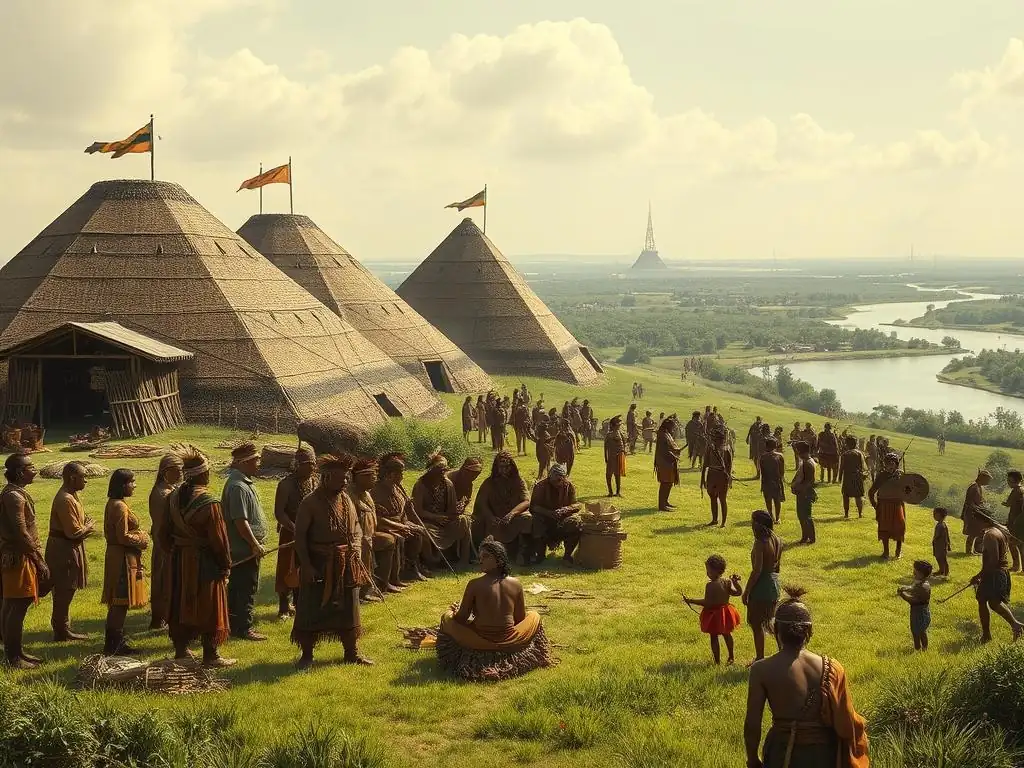
Comparative Analysis of Cahokia and the Iroquois Confederacy
The political structures of Cahokia and the Iroquois Confederacy exhibit both similarities and distinct differences, reflective of their unique environments and cultural evolutions. Cahokia, located near present-day St. Louis, Missouri, was a thriving urban center around 600-1400 CE, known for its monumental earthworks and complex societal organization. The Iroquois Confederacy, formed in the late 16th century, included several northeastern tribes and is renowned for its sophisticated political system and democratic principles.
Governance Structure
- Cahokia:
- The governance in Cahokia was hierarchical, centered around a chief, often referred to as the "Great Sun," who held significant religious and political authority. This leadership was supported by a class of elites who managed local affairs and maintained order within the city.
- Cahokian society operated under a centralized authority, which facilitated large-scale projects such as the construction of mounds and the organization of agricultural production.
- Iroquois Confederacy:
- In contrast, the Iroquois Confederacy operated on a system of checks and balances, where decisions were made collectively by representatives from different tribes, known as the Grand Council. This council was composed of chiefs chosen by the clan mothers, emphasizing the role of women in political processes.
- The Confederacy's governance was characterized by principles of consensus and cooperation, which allowed for a more democratic approach compared to the centralized power seen in Cahokia.
Decision-Making Processes
The decision-making processes in both cultures reflect their governance structures:
- Cahokia:
- Decisions were often made unilaterally by the Great Sun and the elite class, with less emphasis on public involvement. This could lead to swift action in response to crises but also risked alienating the populace if decisions were unpopular.
- Iroquois Confederacy:
- The Iroquois emphasized discussion and consensus-building, often taking considerable time to reach decisions, which ensured that all voices were heard. This process fostered a strong sense of unity among the tribes, contributing to their resilience against external pressures.
Comparative Analysis of Cahokia and the Aztec Political System
The political structures of Cahokia and the Aztec Empire, which peaked from the 14th to the 16th centuries, reveal fascinating contrasts shaped by geography, culture, and societal needs. While both civilizations developed complex political systems, their approaches to governance and societal organization were markedly different.
Central Authority and Administration
- Cahokia:
- Cahokia’s political power was concentrated in the hands of the Great Sun, supported by a network of elites and priests. The centralized authority allowed for efficient management of resources, organization of labor, and coordination of large-scale construction projects.
- The city's administration was likely less bureaucratic than that of the Aztecs, relying on local leaders to enforce the Great Sun's decrees rather than a vast imperial bureaucracy.
- Aztec Empire:
- The Aztec political system was more elaborate, featuring a complex bureaucracy that managed various provinces across a vast territory. The emperor, known as the Huey Tlatoani, wielded supreme power but shared authority with nobles and military leaders.
- The Aztecs implemented a tribute system that required conquered peoples to provide goods and services, ensuring a steady flow of resources to the capital, Tenochtitlán.
Military Organization and Expansion
Both Cahokia and the Aztecs exhibited organized military structures, but their strategies and motivations varied:
- Cahokia:
- Cahokia’s military organization was primarily defensive, focusing on protecting their territory from rivals. Evidence suggests that conflicts were more localized and involved smaller-scale warfare compared to the Aztecs.
- The societal emphasis was on maintaining stability within the city and its agricultural hinterlands.
- Aztec Empire:
- The Aztec military was expansive and aggressive, seeking conquest for land and tribute. Their well-trained warriors engaged in extensive campaigns, which were crucial for the empire's economic success and political dominance.
- The Aztecs employed a system of alliances and vassal states, which allowed them to exert influence over a large area and maintain control over diverse peoples.
Conclusion
The political structures of Cahokia and other indigenous cultures such as the Iroquois Confederacy and the Aztecs reflect a rich tapestry of governance practices shaped by their unique historical contexts. Understanding these differences and similarities provides valuable insight into the complexities of indigenous political systems in the Americas prior to European contact. The examination of "Cahokia indigenous political structures" not only highlights the achievements of this remarkable civilization but also contributes to the broader narrative of indigenous governance across the continent.
Conclusion
Summary of Key Findings on Cahokia Indigenous Political Structures
The political structures of Cahokia, one of the most significant pre-Columbian urban centers in North America, exhibit remarkable complexity and sophistication. Cahokia's governance system was characterized by a hierarchy of leadership that included a paramount chief, often referred to as the "Great Sun," who wielded considerable power over a vast territory. This centralized authority was supported by a network of subordinate chiefs who governed various districts and ensured the implementation of policies and communal activities.
Key findings include:
- Centralized Authority: Cahokia's political structure featured a strong, centralized leadership model, which facilitated coordinated efforts in large-scale projects such as the construction of monumental earthworks, including mounds for ceremonial and political purposes.
- Social Stratification: The society was stratified, with distinct classes, including elites, commoners, and specialized laborers. This stratification influenced resource distribution and social organization, allowing for enhanced agricultural production and trade.
- Religious and Political Integration: The political and spiritual realms were intertwined; leaders often held religious significance, enabling them to legitimize their authority through spiritual practices and rituals. This integration reinforced social cohesion and loyalty among the populace.
- Trade Networks: Cahokia's political structures facilitated extensive trade networks, connecting them with other indigenous cultures across the Americas. This integration allowed for cultural exchange and economic prosperity, further solidifying Cahokia's influence in the region.
- Decision-Making Processes: While power was centralized, evidence suggests that councils or assemblies may have played a role in decision-making, allowing for community input and participation in governance, which is a notable feature of many indigenous political systems.
The Lasting Impact of Indigenous Political Systems on Contemporary Society
The indigenous political systems established by cultures like Cahokia have left an enduring legacy that can be observed in contemporary governance among Native American tribes and communities.
- Cultural Resilience: Many indigenous communities today continue to exhibit elements of traditional governance, emphasizing collective decision-making, respect for elders, and community involvement, which contrast with dominant Western political paradigms.
- Revitalization of Traditions: There is a growing movement to revive traditional political practices, integrating them into modern governance structures. This resurgence promotes cultural identity and strengthens community bonds.
- Self-Governance: Contemporary tribes often navigate the complexities of sovereignty and self-governance, drawing inspiration from historical political structures. This has led to the establishment of tribal governments that reflect indigenous values and practices.
- Advocacy for Rights: The political history of indigenous cultures, including Cahokia, has influenced modern advocacy for indigenous rights, land claims, and cultural preservation, highlighting the importance of recognizing and honoring indigenous governance systems.
- Intertribal Cooperation: The historical connections and cooperative relationships among indigenous cultures, such as those seen in Cahokia, continue to inspire intertribal alliances today, fostering solidarity and collective action for common goals.
The political structures of Cahokia not only shaped their society but also contribute significantly to the ongoing evolution of indigenous governance and cultural identity in the Americas today.
Frequently Asked Questions
What was Cahokia known for in terms of political structure?
Cahokia is renowned for its complex political structures, which included a hierarchical leadership system and organized governance that supported a large, bustling urban center.
How did Cahokia's political structures compare to other indigenous cultures?
Cahokia's political systems were more centralized and stratified compared to many other indigenous cultures, which often had more decentralized or egalitarian governance models.
What influence did Cahokia's political structures have on its society?
The political structures in Cahokia facilitated social organization and trade, contributing to its development as a major cultural and economic hub in pre-Columbian America.
Were there similarities between Cahokia and other indigenous cultures?
Yes, many indigenous cultures shared common elements such as ritual leadership and community decision-making, though Cahokia's large-scale organization was unique among them.
What lasting impact did Cahokia's political structures have?
Cahokia's political innovations influenced later indigenous governance systems in the region, demonstrating the importance of leadership and organization in sustaining large populations.
Final Reflection: Understanding Cahokia's Indigenous Political Structures in a Modern Context
The exploration of Cahokia's indigenous political structures reveals profound insights into governance that resonate with contemporary society. As we examine the complexities of Cahokia's societal organization, we uncover lessons about leadership, community engagement, and the balance of power that are increasingly relevant in today's political climate. The intricacies of these ancient systems challenge us to rethink our own governance models and the ways we engage with our communities.
The legacy of Cahokia and its political structures continues to shape our understanding of indigenous governance and its cultural significance. As we reflect on the societal frameworks of Cahokia compared to other indigenous cultures, we recognize the importance of these systems in fostering social cohesion and resilience. The strength of a community lies in its ability to adapt and innovate while remaining rooted in its values.
This observation underscores the ongoing influence of these ancient practices, reminding us that the past is not merely history but a living guide for our present and future.
As you consider the lessons from Cahokia's political structures, I invite you to reflect on how these insights can inform your own understanding of leadership and community involvement. Embrace the opportunity to engage with your local governance, advocate for inclusive practices, and recognize the wisdom embedded in diverse cultural frameworks. Let the story of Cahokia inspire you to contribute to a more equitable and engaged society, where the voices of all community members are heard and valued.
Dive Deeper into Indigenous Governance!
Thank you for exploring the fascinating comparison of Cahokia’s political structure with other Indigenous cultures of the Americas! We hope you’ve gained valuable insights into the complexities and richness of these ancient societies. Now, let’s take that knowledge further and connect with this vibrant heritage.
Here are some actionable steps you can take to deepen your understanding and celebrate Indigenous histories:
- Engage with local Indigenous communities: Attend cultural events or webinars to hear firsthand about their governance and traditions.
- Share your learnings: Discuss this article with friends or on social media using relevant hashtags to highlight what you've discovered!
- Explore further: Dive into books or documentaries about Cahokia and other Indigenous cultures to uncover even more surprising facts.
What aspect of Indigenous governance intrigues you the most, and how can we apply the lessons from these ancient systems in today’s world?