
The Mound Builders: Unearthing the Significance of Cahokia's Earthen Structures

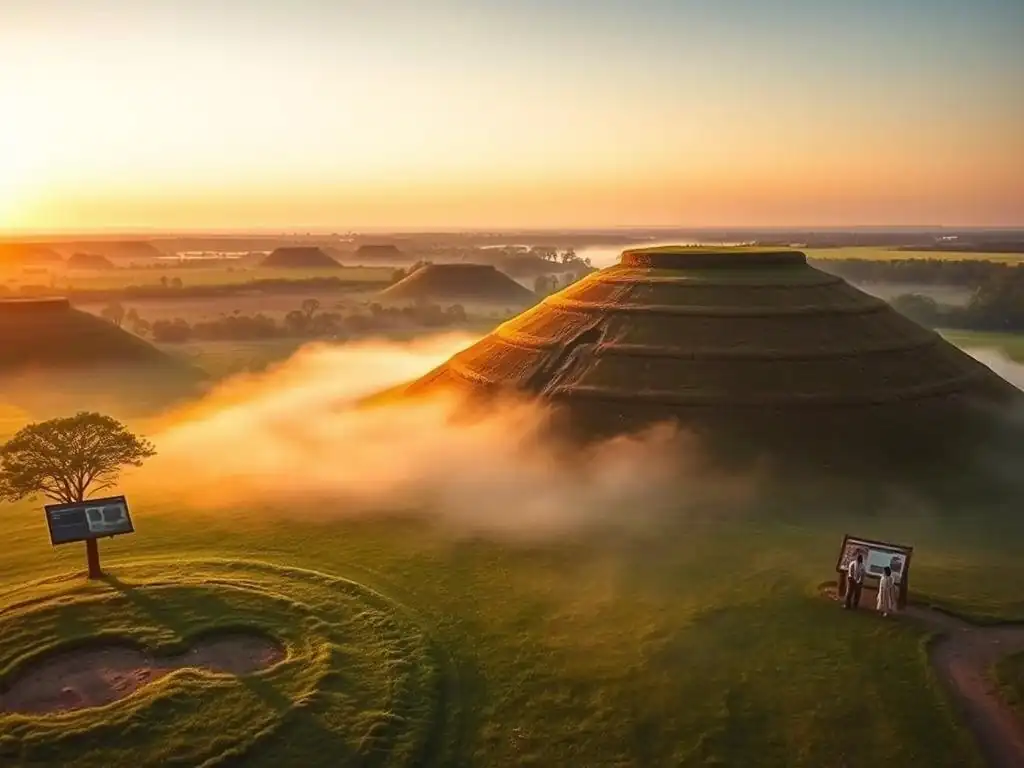
Welcome to Indigenous Civilizations of the Americas, where we invite you to embark on a captivating journey through the rich tapestry of cultures that flourished long before European contact. In our featured article, “The Mound Builders: Unearthing the Significance of Cahokia's Earthen Structures,” we delve into the fascinating Cahokia Mound Builders history, illuminating the achievements and societal complexities of these remarkable people.
Discover how these monumental earthworks not only shaped the landscape but also reflect the ingenuity and resilience of an entire civilization. Prepare to be inspired and intrigued as you explore the profound legacy left by the Cahokians and their enduring influence on the Americas.
The Cahokia Mound Builders represent a fascinating chapter in the history of indigenous civilizations in the Americas. Long before European settlers arrived, the Cahokia culture flourished in what is now the American Midwest, particularly around the confluence of the Mississippi, Missouri, and Illinois rivers. This article delves deep into the intricate history of the Cahokia Mound Builders, exploring their remarkable achievements and the monumental earthen structures that stand testament to their sophisticated society.
The Cahokia Mound Builders' history is not merely a tale of monumental architecture; it encapsulates a rich narrative of social organization, trade networks, and cultural practices that shaped the region over a millennium ago. By understanding the significance of these earthen mounds, we can gain valuable insights into the complexities of pre-Columbian life and the enduring legacy of indigenous cultures in North America.
The Rise of Cahokia: A Cultural Epicenter
Cahokia emerged as a significant urban center around 600 AD, reaching its peak around 1100 to 1200 AD, with an estimated population of over 20,000 inhabitants. This bustling metropolis was characterized by its extensive trade networks and complex social hierarchies. The construction of massive earthworks, including the iconic Monks Mound, which remains the largest pre-Columbian earthwork in the Americas, showcases the advanced engineering skills and communal effort of its builders.
- Key Features of Cahokia:
- Urban Planning: Cahokia was meticulously organized, with designated residential, ceremonial, and agricultural areas.
- Trade Networks: The city served as a hub for trade, connecting various indigenous groups across North America, facilitating the exchange of goods such as obsidian, shells, and copper.
- Cultural Practices: Religious and cultural practices revolved around the mounds, which were believed to be sacred spaces, often serving as platforms for rituals and gatherings.
The Architectural Marvels of Cahokia
The earthen mounds of Cahokia are not merely structures; they are monumental achievements that reflect the spiritual and political significance of the society that built them. The mounds vary in size and shape, each serving a distinct purpose within the community.
- Types of Mounds:
- Monks Mound: The largest mound, reaching 100 feet in height, likely served as a political and religious center.
- Platform Mounds: These were used for ceremonial purposes and often supported temples or elite residences.
- Burial Mounds: These mounds contained the remains of important individuals, indicating the society's complex burial practices and beliefs in the afterlife.
The Decline and Legacy of Cahokia
Despite its impressive achievements, Cahokia experienced a gradual decline by the 14th century, attributed to a combination of factors such as environmental changes, resource depletion, and social unrest. However, the legacy of the Cahokia Mound Builders endures, influencing subsequent cultures and leaving an indelible mark on the historical narrative of indigenous peoples in the Americas.
- Lasting Impact:
- The mounds continue to be a focal point for archaeological study and cultural heritage, inspiring modern indigenous communities to reclaim and celebrate their ancestral histories.
- Cahokia serves as a reminder of the complexity and diversity of indigenous civilizations, challenging the narratives often presented in mainstream history.
The Cahokia Mound Builders' history offers a profound glimpse into the ingenuity and resilience of indigenous cultures. Their monumental earthworks not only highlight their architectural prowess but also embody the rich tapestry of social, political, and spiritual life that thrived long before European contact. Understanding this history is crucial for appreciating the depth and significance of indigenous contributions to the Americas.
- The Rise of Cahokia: A Cultural Epicenter
- The Architectural Marvels of Cahokia
- The Decline and Legacy of Cahokia
- What are the Cahokia Mound Builders known for?
- What is the significance of Cahokia's earthen structures?
- How did the Cahokia Mound Builders influence later indigenous cultures?
- What are some key achievements of the Cahokia civilization?
- How can I learn more about the history of the Cahokia Mound Builders?
Introduction to Cahokia Mound Builders History
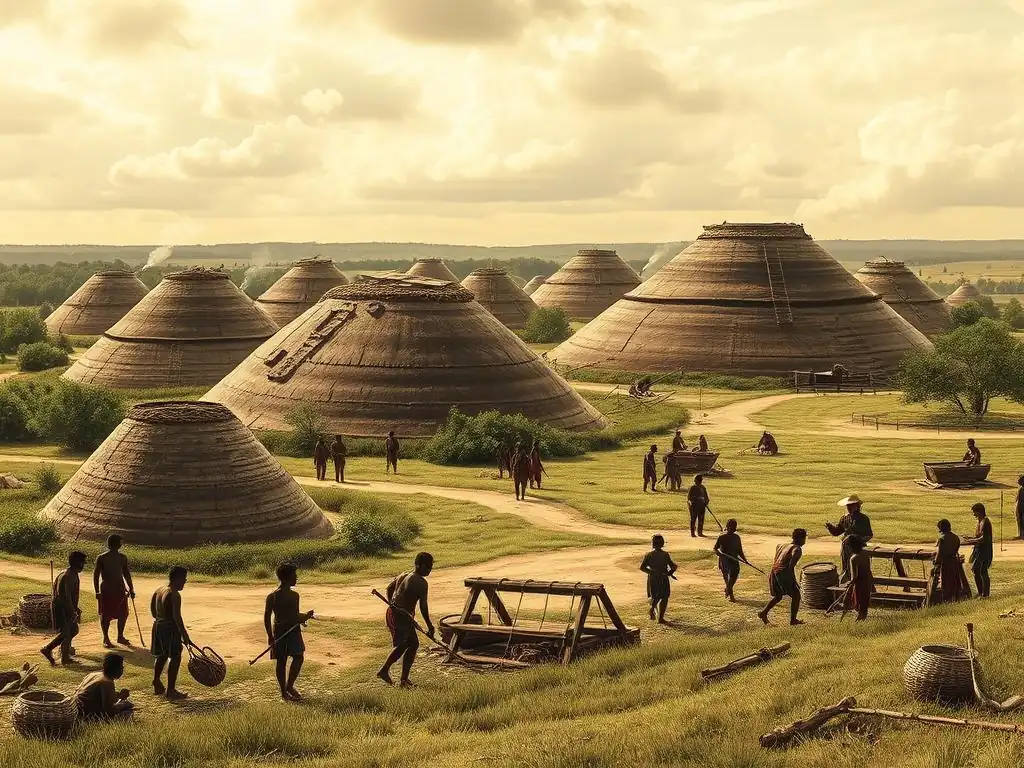
The history of the Cahokia Mound Builders is a fascinating chapter in the narrative of Indigenous civilizations in the Americas. Nestled near present-day Collinsville, Illinois, Cahokia was once a thriving metropolis and one of the largest urban centers in pre-Columbian North America. This remarkable site, recognized as a UNESCO World Heritage Site, offers insights into the sophisticated social, political, and economic systems of the mound-building cultures that flourished long before European contact.
Overview of Cahokia as a Major Urban Center
Cahokia emerged around 600 CE and reached its peak between 1050 and 1200 CE, boasting a population that may have exceeded 20,000 inhabitants at its zenith. The city was characterized by its complex social structures and extensive trade networks, which facilitated the exchange of goods, ideas, and cultural practices across vast distances.
Key Features of Cahokia
- Geographical Advantage: Strategically located at the confluence of the Mississippi, Missouri, and Illinois rivers, Cahokia had access to rich agricultural lands and vital trade routes.
- Urban Design: The city plan included a series of earthen mounds, plazas, and residential areas, showcasing advanced urban planning. The largest mound, Cahokia Mound 1 (also known as Monk's Mound), rises over 100 feet and covers 14 acres, demonstrating the monumental scale of mound construction.
- Cultural Diversity: Cahokia was home to various Indigenous groups, fostering a rich tapestry of cultural influences. This diversity contributed to the city's dynamic social fabric and innovation.
The significance of Cahokia extends beyond its physical structures; it represents a pivotal moment in the development of complex societies in the Americas, illustrating the capabilities of Indigenous peoples to create advanced urban centers.
Importance of Earthen Structures in Indigenous Cultures
Earthen structures, particularly mounds, played a crucial role in the cultural and spiritual life of Indigenous peoples, serving various functions that transcended mere utility.
Functions of Mounds
- Ceremonial Sites: Many mounds served as platforms for religious ceremonies and rituals, reinforcing communal identity and spiritual beliefs. The alignment of mounds with celestial events highlights the astronomical knowledge possessed by these cultures.
- Burial Practices: Mounds often contained burial sites, reflecting the significance of ancestor veneration in Indigenous cultures. The contents of these burial mounds, including grave goods, provide valuable insights into the social status and roles of individuals within their communities.
- Political and Social Centers: Earthen structures acted as focal points for political gatherings and decision-making processes, facilitating governance and community organization. The construction of these mounds required collective effort, fostering social cohesion and collaborative engagement.
- Symbolic Representation: Mounds often symbolized power and prestige, reinforcing the authority of leaders and the social hierarchy within the community. Their monumental nature served as a visual representation of the civilization's achievements and aspirations.
The legacy of the Cahokia Mound Builders and their earthen structures continues to be a subject of study and admiration, underscoring the sophistication of Indigenous cultures in the Americas. Understanding the significance of these mounds not only sheds light on the history of Cahokia but also enriches our appreciation for the diverse cultural practices of Indigenous peoples throughout the continent.
Historical Context of Cahokia Mound Builders
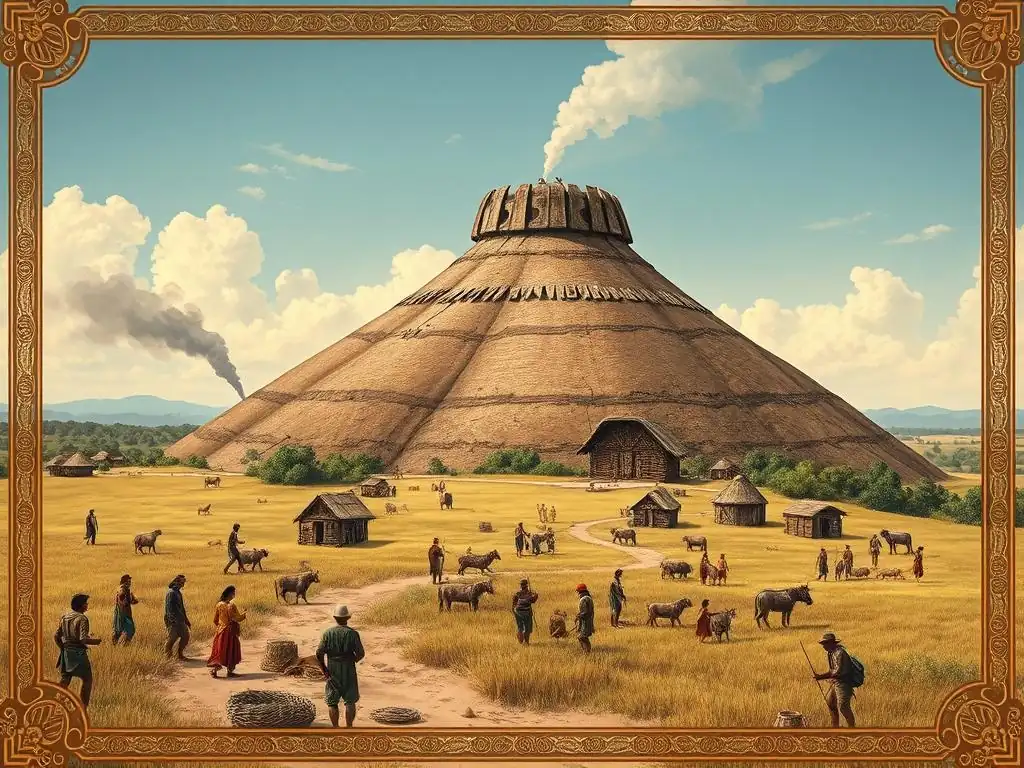
Cahokia, a pivotal center of indigenous civilization located near present-day St. Louis, Missouri, is renowned for its monumental earthen mounds and complex societal structures. The Cahokia Mound Builders, a group of Native American societies, played a crucial role in shaping the cultural landscape of the pre-Columbian Americas. This historical context provides insight into their unique achievements and the significance of their mounds, which served various ceremonial, political, and social purposes.
Timeline of Cahokia's Development and Decline
The history of Cahokia is marked by remarkable milestones that illustrate its rise and fall as a major urban center. Below is a detailed timeline encapsulating key events in Cahokia's history:
| Year/Period | Event Description |
|---|---|
| c. 600 CE | Initial settlement in the region, marked by small villages and agricultural practices. |
| c. 900 CE | The emergence of Cahokia as a significant urban center, with the construction of large earthen mounds such as Monks Mound, the largest in the Americas. |
| c. 1050 CE | Cahokia reaches its peak population, estimated at 20,000 to 40,000 inhabitants, and becomes a hub for trade and cultural exchange. |
| c. 1150 CE | Development of intricate societal structures, including a chiefdom system, and extensive trade networks with neighboring tribes. |
| c. 1250 CE | Signs of societal stress emerge, including resource depletion and social stratification, leading to decline. |
| c. 1350 CE | Significant population decline; Cahokia is largely abandoned, though some communities persist in the area. |
The timeline reflects a complex interplay of environmental, social, and political factors that contributed to Cahokia's rise and eventual decline. The construction of monumental mounds, such as Monks Mound, not only demonstrated advanced engineering skills but also symbolized the political power and religious beliefs of the Cahokian society.
Influences from Other Indigenous Cultures
Cahokia was not an isolated civilization; rather, it was influenced by and contributed to a broader network of indigenous cultures across North America. Several aspects highlight these interactions:
- Trade Networks: Cahokia was strategically located at the confluence of several major rivers, facilitating extensive trade. Goods such as shells, copper, and pottery were exchanged with cultures from the Great Lakes, the Gulf Coast, and the Rocky Mountains. This trade network enriched Cahokian culture and influenced its material practices.
- Cultural Exchange: The Cahokians borrowed architectural styles and ceremonial practices from neighboring cultures, including the Mississippian and Woodland peoples. This is reflected in the construction of mounds that served not only as burial sites but also as platforms for important rituals and gatherings.
- Agricultural Innovation: The adoption of advanced agricultural techniques, including the cultivation of maize, beans, and squash, was influenced by earlier indigenous societies. Cahokia's agricultural practices allowed for population growth and urban development, which were pivotal to its success.
- Religious Practices: The religious systems of Cahokia were influenced by neighboring tribes, with a focus on the worship of natural elements and deities. The mounds themselves often served as sacred spaces for rituals that connected the living with ancestral spirits.
The historical context of the Cahokia Mound Builders reveals a rich tapestry of cultural evolution shaped by internal developments and external influences. The significance of Cahokia's earthen structures extends beyond their physical presence, as they embody the ingenuity and complexity of the societies that created them, leaving a lasting legacy in the history of indigenous civilizations of the Americas.
The Earthen Structures of Cahokia
Cahokia, located near present-day St. Louis, Missouri, is renowned for its impressive earthen mounds that served various purposes within the society of the Mound Builders. These structures are not merely remnants of an ancient civilization; they are a testament to the architectural ingenuity, social organization, and cultural significance of the Cahokian people. Understanding the types of mounds and the construction techniques employed offers insight into the complex society that flourished in this region between 600 and 1400 CE.
Types of Mounds Constructed by the Cahokia Mound Builders
The Cahokia Mound Builders created a variety of mounds, each serving distinct functions, ranging from ceremonial sites to residential areas. The diversity in mound types reflects the complexity of their society and its cultural practices.
Monks Mound: The Largest Earthwork
Monks Mound stands as the largest earthen structure in North America, measuring approximately 100 feet in height and covering around 14 acres at its base. This monumental mound was the focal point of Cahokia, likely serving as a ceremonial site and the residence of the elite. Its construction involved the movement of millions of cubic feet of earth, showcasing the sophisticated engineering skills of the Cahokians.
- Dimensions: 100 feet tall, 14 acres at the base
- Purpose: Ceremonial and residential for elite leaders
- Construction Timeline: Built in multiple phases, starting around 900 CE
The sheer scale of Monks Mound illustrates the importance of hierarchy within Cahokia, as only a select few would have access to its summit, which offered a commanding view of the surrounding area.
The Grand Plaza: A Center of Activity
Adjacent to Monks Mound lies the Grand Plaza, an expansive open area that was the heart of social and ceremonial life in Cahokia. This space features several smaller mounds and served as a gathering place for various communal activities, including rituals, trade, and festivals.
- Function: Social, ceremonial, and trade hub
- Key Features: Surrounded by smaller mounds, including the Woodhenge structure used for astronomical observations
The Grand Plaza's design reflects the Cahokians' understanding of community dynamics and their ability to foster relationships through shared experiences.
Construction Techniques Used by Cahokia Mound Builders
The construction of Cahokia's mounds was a monumental task that required advanced techniques and a deep understanding of the environment. The methods employed by the Mound Builders reveal much about their ingenuity and resourcefulness.
Tools and Materials in Mound Construction
To build these massive earthen structures, the Cahokians utilized a range of tools and materials. Their primary resources were locally available, emphasizing their connection to the land.
- Tools:
- Wooden Shovels: Used for digging and moving soil
- Basketry: Baskets played a vital role in transporting earth and other materials
- Clay and Stone Tools: Employed for shaping and refining the mounds
- Materials:
- Soil: Various types of soil were chosen for their compaction properties
- Vegetation: Organic matter was sometimes mixed into the soil to promote stability
The use of these tools and materials demonstrates the Cahokians' adaptability and knowledge of their environment, enabling them to create lasting structures.
The Role of Community in Building Mounds
Mound construction in Cahokia was not an isolated endeavor but rather a communal effort that involved the entire society. The process brought together individuals from various social strata, highlighting the importance of cooperation and shared purpose.
- Labor Organization:
- Work Groups: Different groups would be assigned specific tasks, such as digging, transporting, and sculpting the mounds
- Ceremonial Roles: Leaders likely organized and oversaw the construction, reinforcing social hierarchies and cultural values
- Community Engagement:
- Rituals and Ceremonies: The construction process itself may have included rituals to honor the earth and ensure successful completion
- Social Cohesion: Working together on such monumental projects fostered a sense of identity and belonging among the Cahokians
This collaborative approach not only facilitated the construction of impressive mounds but also strengthened community ties, reflecting the values and beliefs of the Cahokian society.
The earthen structures of Cahokia, particularly the various types of mounds and the construction techniques employed, reveal a complex and sophisticated civilization deeply connected to its environment and community. The Cahokia Mound Builders' history is a remarkable chapter in the narrative of Indigenous cultures in the Americas, showcasing their achievements and lasting impact on the landscape and society.
Significance of Cahokia's Mounds in Indigenous Society
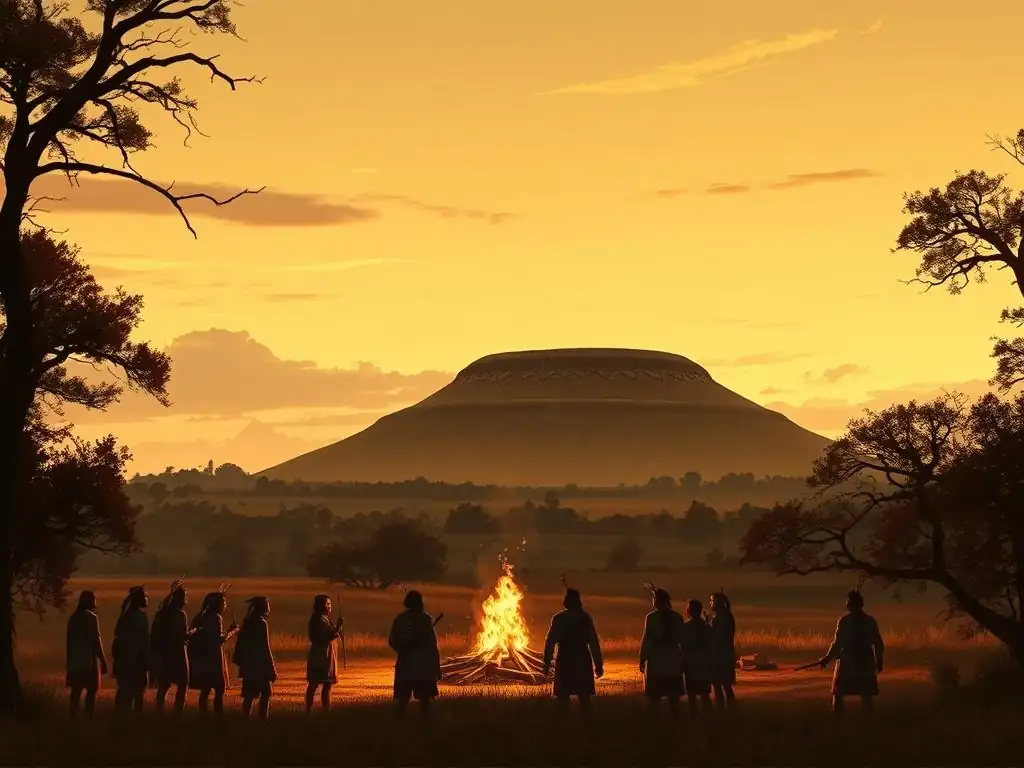
The Cahokia Mound Builders are a testament to the intricate society that flourished in the Mississippi River Valley long before European contact. The mounds themselves, particularly those at Cahokia, are not merely earthworks; they embody the cultural, religious, and economic life of the indigenous peoples who constructed them. The significance of these mounds is multifaceted, reflecting a complex interplay of beliefs, governance, and trade.
Religious and Ceremonial Functions of the Mounds
The mounds at Cahokia served primarily as religious and ceremonial centers, vital to the spiritual life of the community.
- Sacred Spaces: Many of the mounds were dedicated to spiritual practices and rituals. For instance, Monks Mound, the largest earthen structure, is believed to have served as a platform for a temple where priests conducted ceremonies to honor deities and ancestors.
- Ritual Burials: Excavations have revealed that some mounds were used for burial purposes, indicating that they held significant spiritual importance. The placement of elite individuals and artifacts within these mounds suggests a strong belief in an afterlife and the need to honor the deceased.
- Seasonal Festivals: The mounds also hosted seasonal festivals, which brought together various tribes for trade, socializing, and religious observance. These gatherings reinforced the cultural identity and cohesion among the Cahokians.
The ceremonial use of the mounds illustrates how deeply intertwined spirituality was with everyday life, highlighting the mounds as focal points for community engagement and cultural continuity.
Socio-Political Structure Reflected in Mound Building
The construction and organization of the Cahokia mounds provide insight into the socio-political dynamics of the society.
- Hierarchy and Power: The size and complexity of the mounds signify a hierarchical structure within Cahokia. Leaders and elite classes likely directed the labor force, showcasing their power through monumental architecture. The larger mounds, such as Monks Mound, suggest a centralized authority that coordinated significant labor and resources.
- Community Organization: The construction of mounds required extensive planning and collaboration among different segments of the population. This indicates a level of social organization that included skilled laborers, planners, and craftsmen, reflecting a well-structured society.
- Political Alliances: The mounds served as symbols of political alliances and territorial claims. Their strategic locations often aligned with trade routes, enhancing control over economic exchanges and strengthening the political influence of Cahokia over neighboring tribes.
In essence, the mounds are emblematic of a complex societal framework where power dynamics, social organization, and community identity converged.
Trade and Economic Implications of Mound Construction
The construction of the Cahokia mounds was not only a cultural and political endeavor but also had significant economic implications.
- Trade Networks: Cahokia was at the heart of extensive trade networks that connected various indigenous groups across the continent. The mounds facilitated trade by serving as gathering places for commerce and negotiation among tribes, promoting economic exchanges of goods such as ceramics, tools, and agricultural products.
- Resource Management: The labor-intensive process of mound building necessitated the management of local resources, including soil and labor. This indicates a sophisticated understanding of agriculture and resource allocation, vital for sustaining both the mounds and the population.
- Cultural Exchange: The economic activities surrounding the mounds fostered cultural exchanges, leading to the spread of ideas, technology, and cultural practices among different tribes. This exchange enriched the Cahokian culture and contributed to its resilience and adaptability.
The trade and economic activities linked to mound construction played a crucial role in the sustainability and growth of Cahokia, establishing it as a pivotal center for indigenous culture in North America.
Archaeological Discoveries at Cahokia
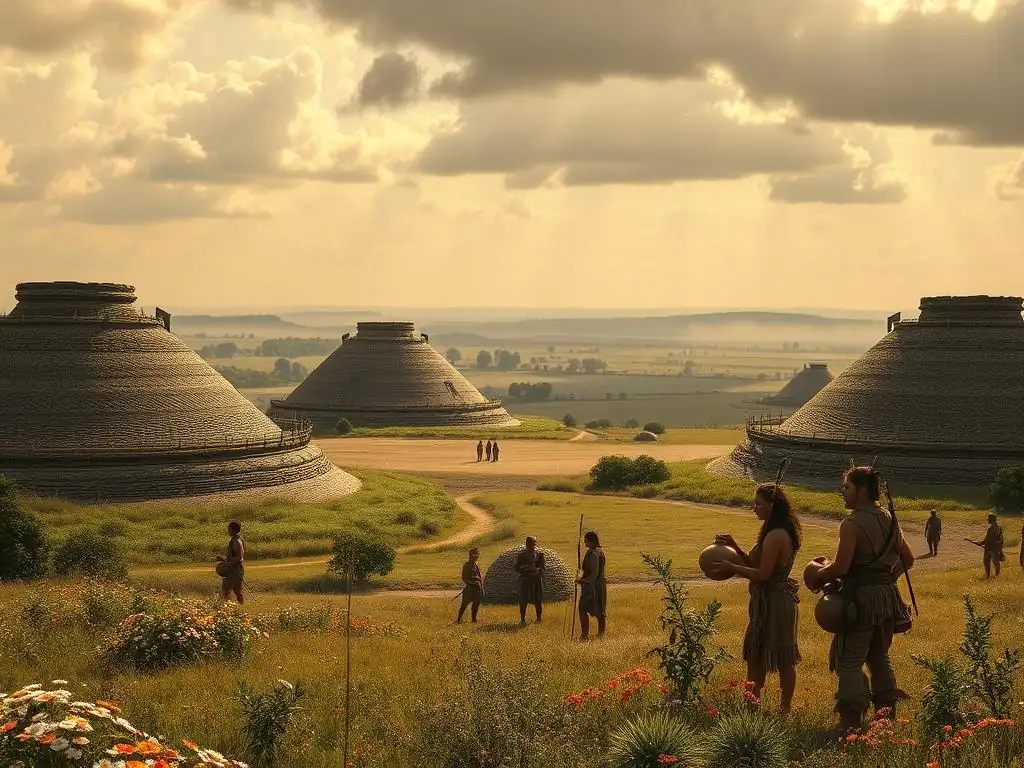
The archaeological discoveries at Cahokia have greatly expanded our understanding of the Cahokia Mound Builders' history, revealing intricate details about their society, culture, and technological prowess. Cahokia, located near present-day Collinsville, Illinois, is recognized as one of the largest urban centers in pre-Columbian North America, showcasing an extensive network of earthen mounds that served various ceremonial, political, and residential purposes. Through rigorous excavations and research, archaeologists have uncovered a wealth of information that illustrates the complexity of this ancient civilization.
Key Findings from Excavations of Earthen Structures
Excavations at Cahokia have revealed several significant findings that highlight the sophistication of the Mound Builders. Among the most notable discoveries are:
- Mound Structures: The most iconic feature of Cahokia is its mounds, with Monk's Mound being the largest. Standing at 100 feet tall and covering an area of 14 acres, it served as a ceremonial and political hub. Archaeologists have found evidence of wooden structures on top of the mounds, suggesting they were used for important gatherings and rituals.
- Artifacts: Excavations have yielded thousands of artifacts, including pottery, tools, and decorative items. These artifacts provide insight into the daily lives, artistic expressions, and trade practices of the Cahokia Mound Builders. For instance, intricate pottery designs indicate a rich artistic tradition, while tools made from stone and wood illustrate their resourcefulness and skills.
- Burial Sites: The discovery of burial mounds containing human remains and grave goods has offered critical insights into the spiritual beliefs and social hierarchy of the Cahokia society. Some graves contained elaborate offerings, suggesting that the individuals buried were of high status within the community.
- Urban Planning: Analysis of the layout of Cahokia reveals a well-organized urban plan, with major thoroughfares connecting various mounds and residential areas. This indicates a level of social organization and governance that was previously underestimated.
- Environmental Evidence: Soil samples and pollen analysis have provided data on the agricultural practices of the Cahokia Mound Builders. Evidence of maize cultivation suggests that agriculture played a pivotal role in their economy and sustenance, supporting a large population.
These findings have not only enhanced our understanding of the Cahokia Mound Builders but have also reshaped the narrative of pre-Columbian North America, showcasing a civilization that was complex, innovative, and influential.
The Role of Modern Technology in Understanding Cahokia Mound Builders History
Modern technology has revolutionized the way archaeologists study the Cahokia Mound Builders and their history. Advanced methods have provided deeper insights into their society, enabling researchers to uncover details that traditional excavation techniques might have overlooked. Key technological advances include:
- Ground-Penetrating Radar (GPR): This non-invasive imaging technology has allowed archaeologists to visualize subsurface structures without disturbing the mounds. GPR has revealed additional mounds and features that were previously unknown, indicating the extent of the Cahokia settlement.
- LiDAR (Light Detection and Ranging): LiDAR technology has been instrumental in mapping the Cahokia landscape with high precision. By removing vegetation digitally, researchers can identify and analyze the layout of mounds and ancient pathways, leading to a better understanding of the urban planning and spatial organization of the site.
- Geospatial Analysis: The use of Geographic Information Systems (GIS) has enabled archaeologists to analyze spatial relationships between mounds, structures, and resources. This analysis has revealed patterns of settlement and land use that highlight the Mound Builders' adaptability to their environment.
- Radiocarbon Dating: Advances in radiocarbon dating techniques have provided more accurate timelines for the construction of mounds and the occupation of Cahokia. This chronological framework has helped researchers piece together the rise and fall of the civilization.
- DNA Analysis: Recent studies involving ancient DNA have begun to shed light on the genetic diversity of the Cahokia population. This research could provide insights into their origins, migration patterns, and interactions with other cultures.
The application of modern technology in archaeology has significantly enriched our understanding of Cahokia Mound Builders' history. As research continues, it is likely that even more discoveries will emerge, shedding light on this remarkable civilization that once thrived in the heart of North America.
Legacy of the Cahokia Mound Builders
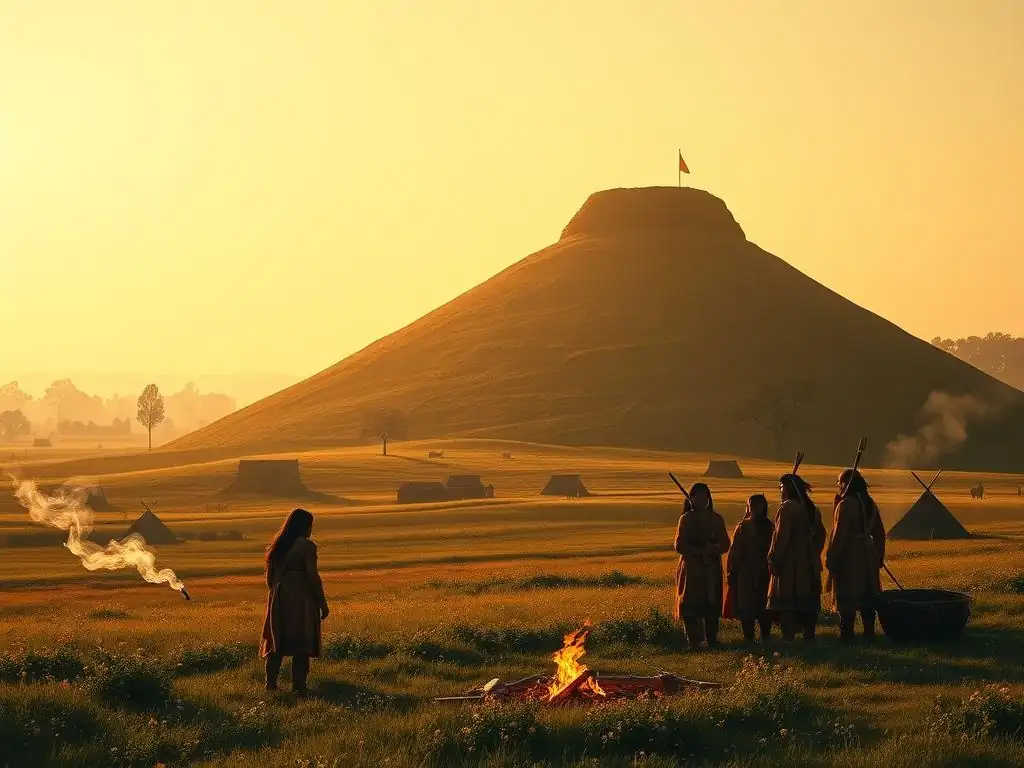
The Cahokia Mound Builders left a profound legacy that continues to be studied and revered. Their impressive earthen structures, particularly the massive Cahokia Mounds, serve as a testament to their sophisticated society and complex social organization. This legacy is not only of architectural significance but also reflects the cultural, religious, and political systems that characterized their civilization. The Cahokia Mound Builders are recognized as one of the most advanced pre-Columbian societies in North America, influencing a wide array of future indigenous cultures across the continent.
Influence on Future Indigenous Cultures
The impact of the Cahokia Mound Builders can be traced through various aspects of future indigenous cultures. Their architectural innovations, particularly the construction of mounds, became a foundational aspect of many subsequent societies in the region. Here are some key influences:
- Architectural Techniques: The construction methods used for the mounds at Cahokia inspired other cultural groups to develop similar earthen structures. The use of large, organized labor forces for mound construction demonstrated advanced societal organization that was emulated by later tribes.
- Cultural Practices: The religious and ceremonial practices associated with mound building were adopted by several tribes. Mounds served as burial sites and locations for important rituals, establishing a connection to the ancestral worship that permeated many indigenous cultures.
- Trade Networks: Cahokia was a central hub in extensive trade networks. The economic systems and trade routes established by the Cahokia Mound Builders paved the way for future indigenous trading practices, facilitating the exchange of goods, ideas, and cultural practices across vast distances.
- Political Structures: The hierarchical society of Cahokia, with its leaders and organized governance, set a precedent for political organization in subsequent indigenous cultures. Many tribes developed complex political structures that mirrored the social stratification seen in Cahokia.
The legacy of the Cahokia Mound Builders is rich and multifaceted, laying the groundwork for the evolution of indigenous cultures that followed.
Preservation Efforts for Cahokia's Historical Sites
The preservation of Cahokia's historical sites is crucial to maintaining the legacy of the Mound Builders and ensuring that future generations can learn from and appreciate this remarkable civilization. Several efforts have been implemented to protect and conserve these significant archaeological sites:
- Cahokia Mounds State Historic Site: Designated as a UNESCO World Heritage Site, this area encompasses over 2,200 acres of the original Cahokia site. The state historic site is dedicated to preserving the mounds, providing educational resources, and promoting research.
- Archaeological Research: Ongoing archaeological excavations and surveys are essential for understanding the extent and significance of the mounds. Research not only helps in conservation efforts but also enriches our knowledge of Cahokia's cultural practices and societal organization.
- Public Education Programs: Educational initiatives aimed at local communities and visitors play a vital role in raising awareness about the significance of Cahokia. These programs often include guided tours, workshops, and informational signage that highlight the history and importance of the mounds.
- Collaboration with Indigenous Communities: Engaging local indigenous groups in preservation efforts ensures that the cultural heritage of the Cahokia Mound Builders is respected and integrated into contemporary narratives. Collaborative projects can foster a deeper understanding of the site's significance and promote cultural continuity.
Through these preservation efforts, the legacy of the Cahokia Mound Builders is safeguarded, allowing for ongoing exploration and appreciation of their remarkable contributions to indigenous history in the Americas.
Conclusion: The Enduring Impact of Cahokia Mound Builders History
The legacy of the Cahokia Mound Builders is not merely a chapter in history; it represents a profound narrative of indigenous achievement, resilience, and cultural complexity. As one of the largest and most sophisticated urban centers in pre-Columbian North America, Cahokia stands as a testament to the ingenuity and organizational prowess of its inhabitants. The earthen structures that define Cahokia are not only archaeological wonders but also symbols of an advanced society that thrived long before European contact.
The significance of Cahokia extends beyond its physical remains. It offers insights into the social, political, and economic systems of the Mound Builders, revealing a culture that engaged in trade, agriculture, and intricate ceremonial practices. Understanding Cahokia Mound Builders history allows us to appreciate the richness of indigenous civilizations and their contributions to the broader tapestry of human experience.
Reflection on the Importance of Understanding Indigenous Achievements
To truly grasp the importance of indigenous achievements, we must recognize how they have shaped the cultural landscape of the Americas. The Cahokia Mound Builders exemplified advanced urban planning, as evidenced by their complex layout, including the grand Monks Mound, which remains the largest earthen structure in the Americas.
- Cultural Practices: The Mound Builders engaged in various cultural and spiritual practices, which were often tied to the cycles of nature and the cosmos. Their impressive mound construction was not merely for burial purposes but also served as platforms for ceremonies and gatherings.
- Trade Networks: Cahokia was a hub of extensive trade networks, linking various tribes and regions. Artifacts found in the mounds, such as shells from the Gulf Coast and copper from the Great Lakes, illustrate the vast reach of their economic interactions.
- Societal Structure: The social hierarchy within Cahokia reflects complex governance systems, possibly led by a chieftain or a council. This structure allowed for coordinated efforts in agriculture, construction, and community organization.
By studying these aspects, we can better appreciate the sophisticated societal frameworks that existed long before European colonization, challenging misconceptions that indigenous cultures were primitive or lacked complexity.
Call to Action for Continued Research and Preservation
The study of Cahokia Mound Builders history is an ongoing endeavor that requires our collective engagement. As we uncover more about these remarkable civilizations, it is vital to emphasize the importance of preservation and continued research.
- Support Archaeological Efforts: Encourage local and national organizations to support archaeological investigations that help illuminate the lives of the Mound Builders. This includes funding for excavations, research grants, and educational programs.
- Community Involvement: Foster community involvement in preservation efforts. Local stakeholders can play a crucial role in maintaining historical sites and ensuring that cultural heritage is respected and protected.
- Advocate for Education: Promote educational initiatives that focus on indigenous history, particularly in school curricula. Understanding the significance of the Cahokia Mound Builders can foster respect and appreciation for indigenous cultures among future generations.
The history of the Cahokia Mound Builders is a vital part of the narrative of indigenous civilizations in the Americas. By committing to research and preservation, we honor their legacy and ensure that the achievements of these remarkable cultures continue to educate and inspire.
Frequently Asked Questions
What are the Cahokia Mound Builders known for?
The Cahokia Mound Builders are known for their impressive earthen structures and complex societies that thrived in the Mississippi River Valley before European contact.
What is the significance of Cahokia's earthen structures?
Cahokia's earthen structures serve as a testament to the advanced engineering and socio-political organization of the Mound Builders, reflecting their cultural and ceremonial importance.
How did the Cahokia Mound Builders influence later indigenous cultures?
The accomplishments of the Cahokia Mound Builders had a lasting impact on subsequent indigenous cultures, influencing their social organization, trade routes, and agricultural practices.
What are some key achievements of the Cahokia civilization?
Key achievements of the Cahokia civilization include the construction of monumental mounds, advanced agricultural techniques, and a complex trade network that connected various regions.
How can I learn more about the history of the Cahokia Mound Builders?
For a deeper understanding of the Cahokia Mound Builders' history, explore dedicated resources on indigenous civilizations, archaeological findings, and cultural studies focusing on their societal contributions.
Final Reflection: Unearthing the Legacy of Cahokia's Mound Builders
The history of the Cahokia Mound Builders is not just a tale of ancient civilizations; it is a profound reminder of the intricate relationship between humanity and the land. As we delve into the significance of these earthen structures, we uncover a narrative that resonates deeply in today's world, highlighting the importance of cultural heritage and environmental stewardship. The legacy of Cahokia serves as a striking testament to the ingenuity and resilience of its builders, urging us to reflect on our own impact on the earth and our communities.
Cahokia's mounds stand as monumental reminders of a sophisticated society that thrived long before European contact, shaping our understanding of indigenous cultures in North America. The ongoing fascination with these structures reveals a cultural renaissance, as modern society increasingly recognizes the importance of preserving history and honoring the contributions of indigenous peoples. History is not a burden on the memory but an illumination of the soul.
This quote encapsulates the essence of our exploration into Cahokia, inviting us to appreciate the depth of human experience and the lessons embedded in the earth itself.
As we conclude this journey into the world of the Cahokia Mound Builders, I invite you to reflect on your own connection to history and the environment. Consider how you can honor the past while actively participating in the preservation of our cultural landscapes.
Whether through education, advocacy, or simply fostering a deeper appreciation for the stories that shape our world, each of us has a role to play in ensuring that the legacy of the Cahokia Mound Builders continues to inspire future generations. Let us carry forward their spirit of ingenuity and respect for the earth as we forge our paths in the present and future.
Unveil the Mysteries of Cahokia Today!
Thank you for exploring the fascinating world of the Mound Builders with us! You've gained insight into the incredible history and significance of Cahokia's earthen structures, and now it's time to take the next steps to deepen your understanding and connection to this rich legacy.
Here’s how you can engage further:
- Dive deeper: Explore more about various indigenous civilizations and their remarkable contributions to history on our website.
- Visit a local site: Discover and visit nearby mound sites or museums to experience the history firsthand.
- Share your discoveries: Engage with others on social media by sharing what you’ve learned and using relevant hashtags about Indigenous cultures and history.
What new insights about the Mound Builders will inspire your next adventure? We would love to hear your thoughts!