Indigenous Influences in Contemporary Fashion
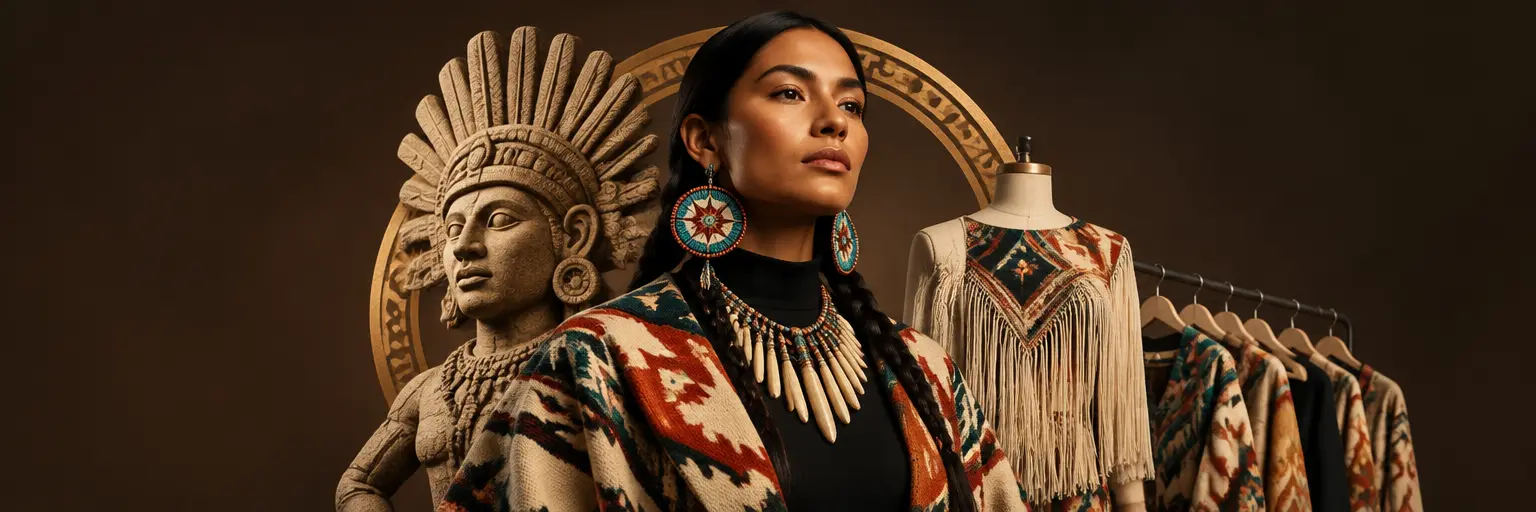
Explore how ancient traditions of the Americas breathe new life into today’s runways, streetwear, and haute couture. This subcategory uncovers the deep-rooted connections between Indigenous artistry—from Andean weaving to Navajo silversmithing—and modern designers who honor, adapt, or sometimes misappropriate these cultural treasures. Discover the stories behind patterns, materials, and symbols that transcend time.
🌿 Textile Traditions: Weaving Resilience and Identity
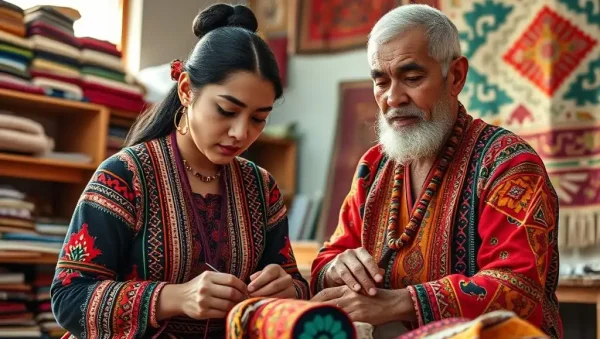
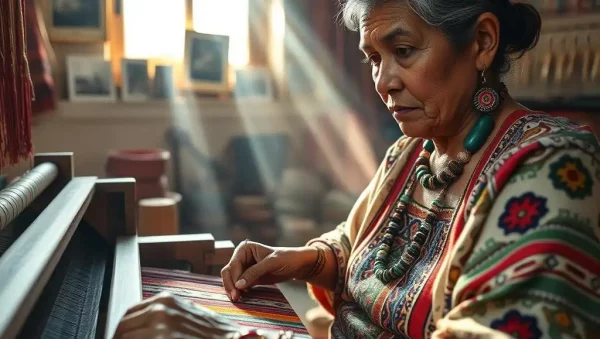
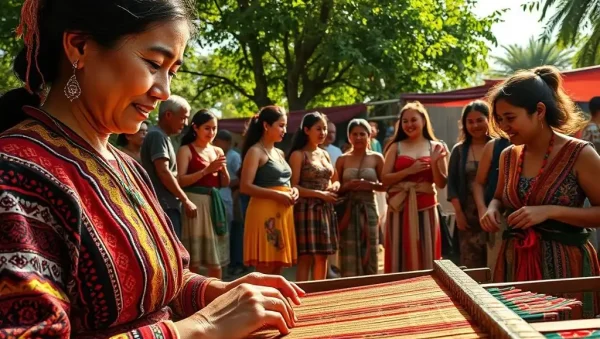
Contemporary fashion increasingly turns to Indigenous textile techniques like backstrap loom weaving, ikat dyeing, and intricate embroidery from the Maya, Quechua, and Zapotec peoples. These methods are not mere aesthetics; each motif carries ancestral knowledge, cosmology, and community status. Designers who collaborate directly with artisan cooperatives ensure fair wages and cultural preservation, transforming garments into living archives.
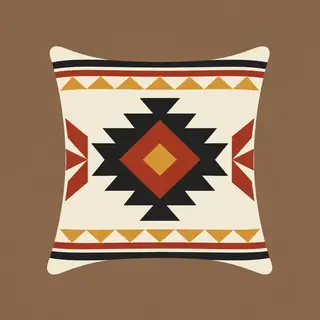
For consumers, wearing such pieces means embracing slow fashion that counters fast-paced mass production. Look for certifications like “Handwoven” or “Fair Trade” to support ethical sourcing. Expect to see vivid geometric patterns from the Andes, vibrant huipiles from Guatemala, and the symbolic “diamond of life” from Navajo rugs reinterpreted in modern silhouettes—each stitch a bridge between ancestral lands and urban closets.
🌎 Symbolism in Modern Garments: From Sacred to Statement
Indigenous symbols, such as the Aztec sun stone, Mapuche silver jewelry, or the Inca chakana (Andean cross), appear on jackets, accessories, and sneakers. These emblems originally held ritual, astronomical, or protective meanings. When used respectfully, they allow wearers to connect with pre-Columbian worldviews, but they also raise critical questions about cultural appropriation versus appreciation.
Brands like Pendleton and Marni have faced both praise and backlash for their use of Indigenous motifs. The key lies in transparency: Does the design credit Indigenous artists? Are profits shared? Learn to differentiate between inspired-by designs and those created in co-authorship with native communities. By choosing the latter, you support cultural sovereignty while gaining a garment rich with narrative depth.
🪶 Materials and Sustainability: Natural Dyes and Regenerative Fibers
Indigenous fashion pioneers champion eco-conscious materials such as alpaca wool, organic cotton, and cochineal (carmine) red dye derived from cactus insects, used by the Zapotecs for centuries. These renewable resources stand in stark contrast to petroleum-based synthetics. Many Indigenous designers practice regenerative agriculture, ensuring that fiber production improves soil health rather than depleting it.
Shoppers can expect garments that age beautifully, with natural dyes that evolve in hue over time. This subcategory emphasizes lifecycle thinking—repair, reuse, and composting. Expect to find innovations like “lana de oveja” (sheep wool) from the Mapuche or “chambira” palm fiber from Amazonian communities, proving that sustainability is not a trend but a time-honored tradition.
👗 Runway Representation and Indigenous Designers
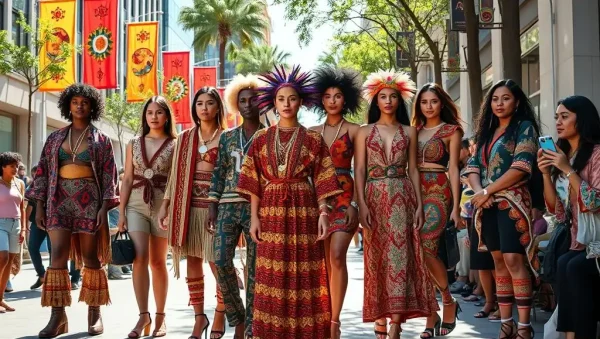
High-fashion weeks now feature Indigenous creatives like Patricia Michaels (Taos Pueblo) and Lesley Hampton (Anishinaabe), who infuse their heritage into avant-garde collections. These designers challenge Eurocentric beauty standards, reclaiming narratives that colonialism once erased. Their presence transforms fashion into a platform for decolonization and self-determination.
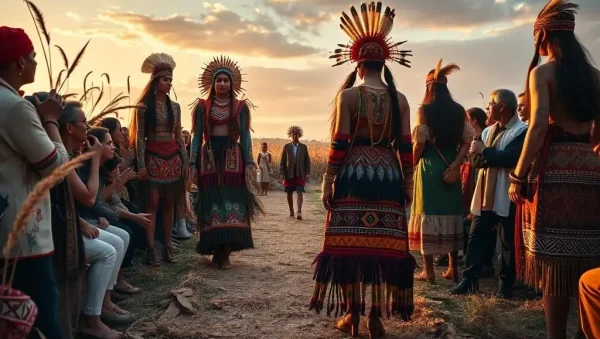
Expect to see dramatic silhouettes inspired by ceremonial regalia, feathered headdresses (used respectfully), and beaded accessories that demand attention. This movement also includes male-identifying designers like Jamie Okuma (Luiseño) and Sho Sho Esquiro (Cree). By spotlighting these voices, the subcategory educates readers on intellectual property rights and the importance of giving credit where due—both on and off the runway.
🛍️ Buying Guide: Ethical Choices for Conscious Consumers
When shopping for Indigenous-inspired fashion, always ask “Who made this?” and “How are they compensated?” Look for direct partnerships, community-owned cooperatives, and transparent supply chains. Avoid mass-produced items that mimic patterns without licensing, as these often exploit cultural heritage while undercutting native artisans.
Consider investing in one high-quality, handcrafted piece—like a Peruvian chullo hat or a Huichol beaded bracelet—rather than multiple fast-fashion knockoffs. Many artists sell through platforms like Etsy or specialized fairs (e.g., Santa Fe Indian Market). This buyer’s guide empowers you to build a wardrobe that tells stories of resilience, creativity, and respect for the original caretakers of these lands.
Frequently Asked Questions
What is the difference between cultural appreciation and appropriation in fashion?
Appreciation respects origins, credits artists, and supports communities financially. Appropriation occurs when dominant cultures take sacred or significant motifs without permission, reducing them to trends and stripping meaning. Always check if Indigenous creators are involved and benefited.
Can I wear Indigenous patterns if I’m not Indigenous?
Yes, but with care. Choose items made by or in collaboration with Indigenous artisans. Avoid stereotypical costumes or mock sacred items like war bonnets. Wearing these designs respectfully honors heritage rather than mocking it.
How can I verify the authenticity of an Indigenous-inspired product?
Seek certifications like “Made by Native Hands” or check for direct artisan names. Ask for the item’s provenance and whether profits go back to the community. Trust reputable sources like official Indigenous-owned business registries.
Are there any modern Indigenous fashion collections that I should know about?
Yes! Explore “B.Yellowtail” (Crow) for contemporary menswear, “Ginew” (Ojibwe/Oneida) denim, and “MAYAVILLE” (Maya) accessories. Follow fashion weeks like “Indigenous Fashion Week Toronto” to discover emerging talents.
Why is sustainability central to Indigenous fashion practices?
Indigenous worldviews often see nature as a relative, not a resource. Traditional techniques like hand weaving and natural dyeing produce minimal waste. By preserving these methods, fashion aligns with climate justice and honors ancestral stewardship of land.