Lessons from Indigenous Practices for Sustainability
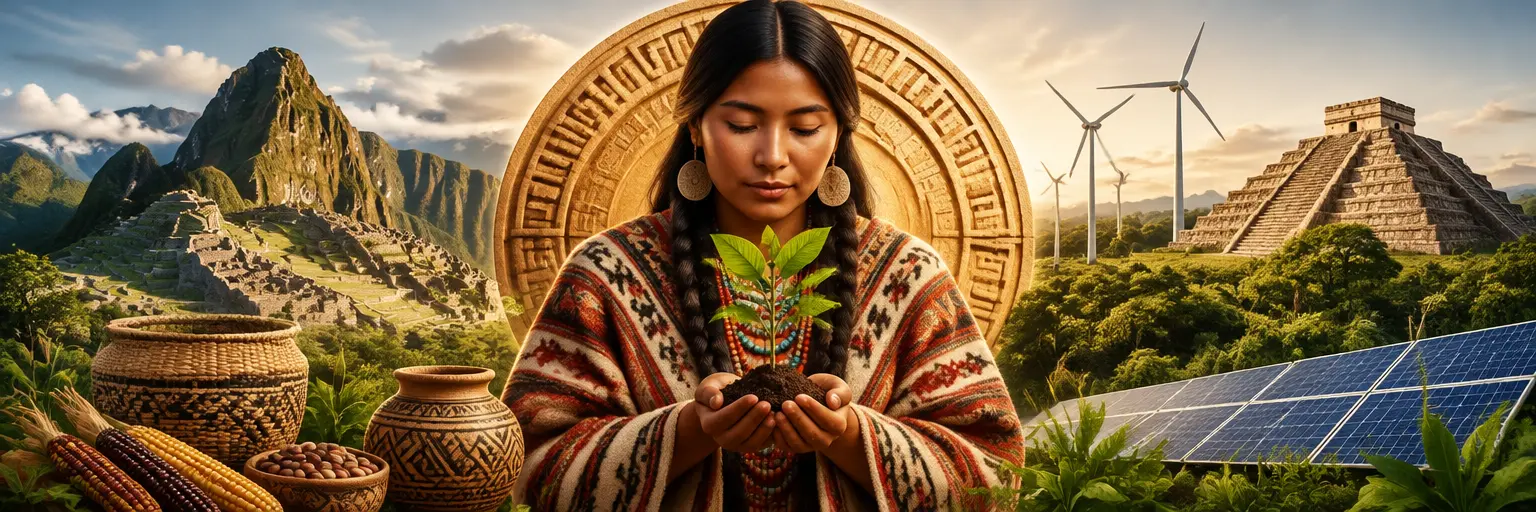
Indigenous civilizations of the Americas mastered the art of living in harmony with nature for millennia, long before modern sustainability became a global buzzword. This subcategory uncovers the profound ecological wisdom embedded in their agricultural, architectural, and communal practices—offering actionable, time-tested solutions for today’s environmental crises. From terraced farming in the Andes to the floating gardens of Mesoamerica, these lessons emphasize regeneration, resilience, and reciprocity. By studying these ancestral systems, you’ll discover how to apply indigenous principles to modern permaculture, water management, and community-based conservation, creating a more sustainable future rooted in deep cultural knowledge.
🌱 Agroecology and the Three Sisters Farming System
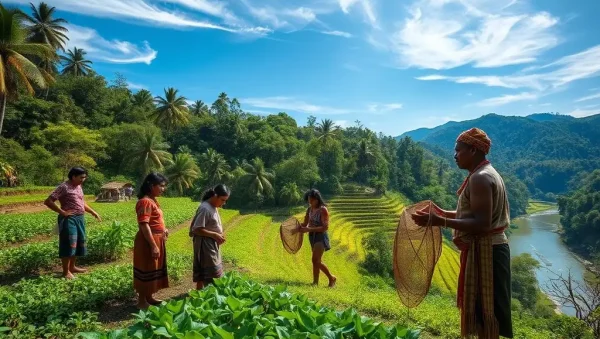
The Iroquois and many Mesoamerican peoples cultivated corn, beans, and squash together—known as the Three Sisters—a polyculture that naturally enriches soil, suppresses weeds, and maximizes yield per acre. The corn stalk supports bean vines, beans fix nitrogen, and squash leaves shade the ground, reducing evaporation. This companion planting demonstrates how biodiversity outperforms monoculture in resilience and long-term soil health.
For modern sustainable agriculture, the Three Sisters method offers a blueprint for reducing synthetic fertilizers and pesticides while boosting crop diversity. You’ll learn how indigenous farmers rotated fields, intercropped, and used fire to manage ecosystems—practices that today’s regenerative agriculture pioneers are rediscovering. Emphasizing soil as a living organism, these techniques align with carbon sequestration goals and food sovereignty, making them vital for climate adaptation.
🏞️ Water Stewardship: Canals, Terracing, and Raised Fields
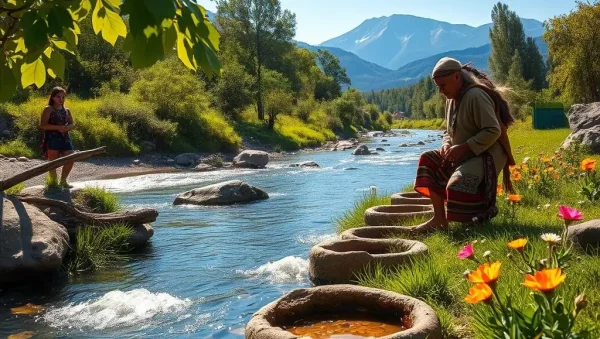
Indigenous engineers in the Andes built intricate canal systems (e.g., the Inca’s Tipón) and stepped terraces (e.g., Moray) to capture, store, and distribute water across steep slopes. These structures minimized erosion, prevented flooding, and created microclimates that extended growing seasons. Similarly, the Aztecs’ chinampas—artificial islands in Lake Texcoco—used aquatic plants and mud to create fertile, self-irrigating plots.
These ancient water management systems offer powerful lessons for modern drought-prone regions. By contouring land, building swales, and restoring wetlands, we can mimic indigenous hydrological intelligence. You’ll explore case studies showing how these practices reduce reliance on groundwater depletion and improve resilience to erratic weather. The key takeaway: work with natural water cycles, not against them, for sustainable urban and rural planning.
🌳 Forest Management and Biodiversity Conservation
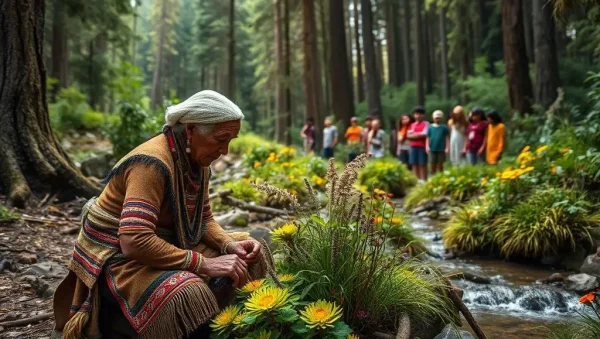
Amazonian tribes like the Kayapó practiced agroforestry—selectively planting useful tree species alongside crops, creating edible forests that supported hundreds of plant and animal species. They also used controlled burning to clear underbrush, encouraging new growth for game and medicinal plants. The Maya managed vast swaths of secondary forest, protecting key species and maintaining ecological corridors across their empire.
These indigenous approaches prove that human occupation and biodiversity can coexist—and even thrive. Modern conservation often separates humans from nature, but indigenous wisdom integrates them. You’ll learn about terra preta (dark, fertile soil created by ancient charcoal) and how its replication can revive degraded lands. By embracing indigenous fire ecology and mixed-species forestry, we can restore habitats, sequester carbon, and bolster ecological resilience in the face of deforestation.
🏘️ Sustainable Architecture and Urban Design
Ancestral Puebloans built cliff dwellings that used passive solar heating and natural insulation, while Inca stonework (e.g., Machu Picchu) featured earthquake-resistant, mortar-free joints with drainage channels. Mesoamerican cities like Teotihuacan incorporated green spaces, rainfall harvesting, and compact layouts that minimized resource use. These structures are timeless examples of low-impact, climate-adaptive design.
For modern architecture, indigenous building techniques inspire biomimicry and circular economy principles. Using local, renewable materials like adobe, palm, and stone reduces transportation emissions and embodied carbon. You’ll discover how traditional urban planning prioritized community spaces, water access, and solar orientation—lessons directly applicable to sustainable city design today. These practices highlight that sustainability is not just about technology but about aligning human habitats with local ecosystems.
🌿 Community Governance and Reciprocal Stewardship
Indigenous societies embedded sustainability into their governance through common-pool resource management. The Haudenosaunee Confederacy’s Great Law of Peace required considering the impact of decisions on the next seven generations. Inca state ensured equitable food distribution via storehouses, while the Maya’s council-based ahau managed forests, water, and land use collectively.
These models challenge modern top-down conservation. You’ll see how co-management, customary laws, and rituals fostered ecological accountability. Indigenous practices teach that environmental health and social justice are inseparable. By applying principles of shared stewardship, local ownership, and long-term planning, communities can combat climate change while preserving cultural identity. This section emphasizes that sustainability is a social contract, not just an eco-technical fix—and that indigenous governance still offers viable frameworks for collective action.
Frequently Asked Questions
Can modern farmers truly adopt indigenous cultivation methods like the Three Sisters?
Yes, many regenerative farms now use the Three Sisters system, especially in organic and small-scale settings. The method requires initial planning for plant compatibility, but it works well in temperate and warm climates with minimal inputs. Adaptations include using local maize varieties and adjusting spacing for machine harvests, proving the principle is scalable for home gardens and community plots.
Are terraces and chinampas feasible for modern water-scarce regions?
Absolutely, terraces and chinampas are being revived in places like Peru and Mexico for sustainable farming. Terraces dramatically reduce soil erosion and optimize rainfall catchment, while chinampas can be recreated in shallow lakes or wetlands to improve water quality and yield. Engineering costs are moderate, but long-term benefits outweigh them in drought-prone areas.
How does indigenous forest management differ from today’s fire suppression policies?
Indigenous management uses low-intensity, controlled burns to reduce fuel buildup, enrich soil, and promote biodiversity. Modern policies often suppress all fires, leading to catastrophic megafires. Researchers and land agencies now adopt indigenous fire techniques to restore healthy forests, demonstrating that fire is a regenerative tool, not just a threat.
Can indigenous architectural principles meet modern building codes?
Yes, many architects integrate adobe, rammed earth, and passive solar designs that comply with energy and safety codes. Modern insulation and seismic reinforcements can be added while retaining indigenous thermal efficiency. Examples like the Taos Pueblo show that traditional materials can last centuries, reducing maintenance and energy costs.
What is the role of community governance in sustainability today?
Community-based governance, like indigenous councils, ensures long-term resource stewardship because decisions are made locally and accountable to future generations. Recent initiatives—such as co-managed marine protected areas—have shown higher compliance and better ecological outcomes. This approach empowers local knowledge and fosters a sense of responsibility that top-down regulations often lack.