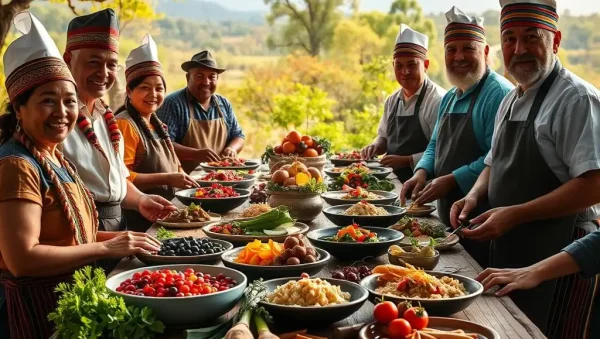
The Rise of Indigenous Ingredients in Global Cuisines
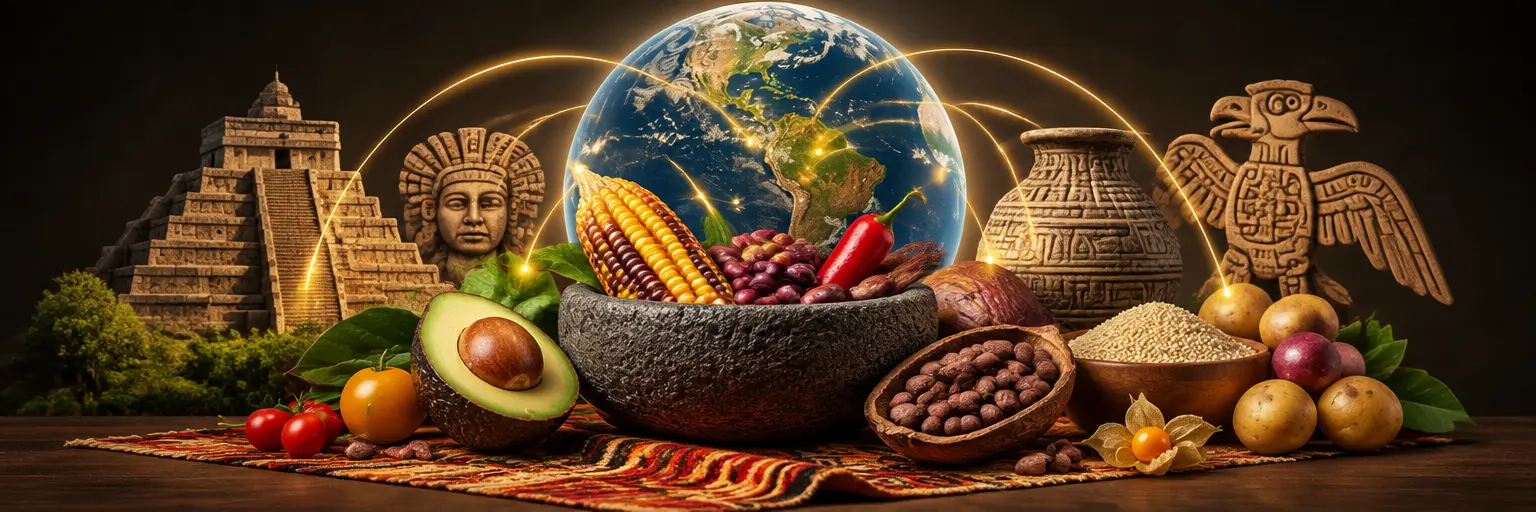
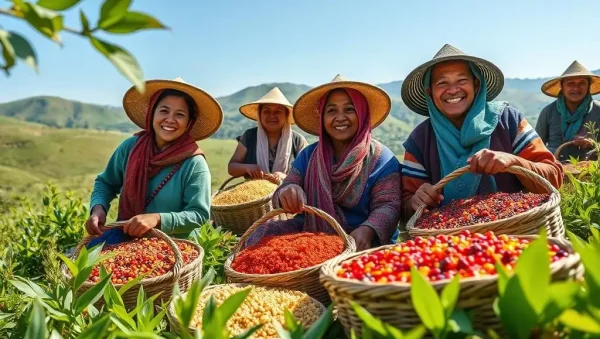
Indigenous ingredients from the Americas—such as quinoa, amaranth, cacao, chia, and a suite of native peppers and beans—have moved from regional staples to celebrated stars on global menus. This subcategory explores how these foods, cultivated by civilizations like the Inca, Maya, and Aztec, are reshaping modern gastronomy, promoting nutritional biodiversity, and honoring ancestral farming practices. From high-end restaurants to home kitchens, these ingredients represent a culinary bridge between ancient heritage and contemporary tastes, making this a rich area for food enthusiasts, historians, and sustainability advocates alike.
🌾 Ancient Grains: Quinoa, Amaranth, and Chia
Quinoa, once the “mother grain” of the Inca Empire, is now a global superfood, prized for its complete protein profile and gluten-free versatility. Amaranth, a staple of Aztec ceremonies, offers a nutty flavor and high calcium content, while chia seeds, used by Maya and Aztec runners for endurance, have become a modern hydration and omega-3 powerhouse. These grains are not just nutritional goldmines but also symbols of resilience, as indigenous communities are reclaiming their cultivation and trade.
In global cuisines, you’ll find quinoa bowls in European cafes, amaranth porridge in Asian breakfast spots, and chia puddings in North American health stores. Chefs are experimenting with ancient grain flours for pasta and bread, while food brands highlight their low environmental footprint. For readers, expect insights into sourcing authenticity, heirloom varieties, and how climate-resilient these crops are—making them a smart choice for future food security while preserving indigenous agricultural wisdom.
🍫 Cacao: From Sacred Beverage to Global Obsession
Cacao, revered by the Maya and Aztec as a divine gift, originated in Mesoamerica and was consumed as a bitter, frothy ceremonial drink. Today, it drives a multi-billion-dollar chocolate industry, yet the shift to sweetened, processed forms has often obscured its indigenous roots. This section uncovers the journey from pre-Columbian ritual use to modern bean-to-bar movements that prioritize single-origin cacao and fair-trade partnerships with native growers.
Expect to learn about the resurgence of traditional cacao preparations, such as Mexican tejate or Peruvian chocolate sauces, in gourmet settings. We’ll highlight how chefs are pairing cacao with savory dishes, from mole poblano to cacao-rubbed meats, and how indigenous communities are being compensated for their ancestral knowledge. This facet emphasizes ethical consumption, traceability, and the cultural significance of cacao beyond mere confectionery, offering a richer appreciation for every bite.
🌶️ Native Peppers and Tomatoes: Building Flavor Foundations
Chili peppers—ranging from smoky chipotle to fruity habanero—and tomatoes, both domesticated in the Americas, are foundational to countless global cuisines, from Thai curries to Italian marinara. Indigenous farmers bred hundreds of varieties, each with unique heat, sweetness, and color, which now thrive in diverse climates. This section explores how these ingredients spread post-Columbus and how contemporary chefs are reviving heirloom types for complex flavor profiles.
For readers, this covers practical uses: fermenting peppers for hot sauces, roasting tomatoes for depth, and pairing specific chilies with regional dishes. We’ll also discuss the biodiversity crisis, as monoculture farming threatens native varieties, and how seed-saving networks and indigenous-led farms are safeguarding these genetic treasures. This is a call to action for cooks to experiment with lesser-known peppers and tomatoes, directly supporting cultural preservation through everyday cooking.
🥔 Tubers and Roots: Potatoes, Sweet Potatoes, and Oca
The humble potato originated in the Andes, with thousands of indigenous varieties ranging from purple to yellow, each adapted to high-altitude terrains. Sweet potatoes, domesticated in South America, are now globally essential, while lesser-known tubers like oca, mashua, and ulluco are gaining attention for their vibrant colors and nutritional density. This section explains how these roots sustained the Inca and other civilizations and how they are being reintroduced into haute cuisine and climate-smart agriculture.
Expect to see modern applications: purple potato gnocchi, roasted oca salads, and sweet potato-based desserts. We’ll compare nutritional profiles, cooking methods, and flavor affinities, while exploring how food scientists are using these hardy crops to combat food insecurity in changing climates. Indigenous farmers’ traditional cultivation techniques, including terracing and crop rotation, are highlighted as models for sustainable agriculture, merging ancient knowledge with modern gastronomy trends.
🌽 Maize: The Evergreen Staple Revolution
Maize (corn) is the most widely cultivated crop on Earth, but its indigenous origins in Mexico are often overlooked. From nixtamalized masa for tortillas to heirloom blue corn for gourmet grits, native varieties offer flavor and nutrition absent in industrial hybrids. This section examines how indigenous foodways preserved genetic diversity, including research on ancient techniques like nixtamalization, which boosts nutrient bioavailability.
Readers will discover how chefs are using blue, red, and multicolored maize in polenta, breads, and even beer, while indigenous communities are reclaiming seed sovereignty against GMO contamination. We’ll discuss the cultural role of maize in ceremonies, its adaptability to various climates, and consumer choices that support local farmers. This is a story of resilience, where each cob carries centuries of tradition, offering both historical context and actionable tips for incorporating heritage corn into daily meals.
Frequently Asked Questions
What qualifies an ingredient as “indigenous” to the Americas?
An ingredient qualifies if it was domesticated and cultivated by native peoples in the Americas before European contact, such as cacao, maize, quinoa, and beans. These crops have deep cultural and historical roots, often with ceremonial or medicinal uses, and their genetic diversity reflects centuries of selective breeding by indigenous communities.
How can I source authentic indigenous ingredients ethically?
Look for certifications like Fair Trade, Direct Trade, or partnerships with indigenous cooperatives. Check packaging for origin stories, such as “grown by Quechua farmers in Peru.” Support businesses that reinvest in local communities and avoid mass-produced imitations. Farmers’ markets and online specialty stores often carry heirloom varieties with transparent supply chains.
Are these ingredients more nutritious than modern counterparts?
Often yes, because many indigenous varieties are less processed and retain higher levels of fiber, protein, and micronutrients. For example, quinoa has all nine essential amino acids, while amaranth is rich in iron. However, nutrition varies by variety; heirloom tomatoes may have more antioxidants than hybrid ones, making traditional crops a flavorful and healthy addition.
What are common mistakes when cooking with these ingredients?
Overcooking quinoa can make it bitter; always rinse it first to remove saponins. Nixtamalized maize should not be substituted directly for sweet corn without adjusting moisture. Cacao requires quality-to-quantity balance—use less but better sourced. Also, avoid boiling chia to gel; let it soak overnight for best texture.
How does using indigenous ingredients support cultural preservation?
By purchasing these ingredients, you create economic demand that incentivizes indigenous farmers to continue traditional cultivation. This helps preserve seed diversity, ancestral knowledge, and land stewardship practices. Many projects reinvest profits into language revitalization, community education, and protecting sacred agricultural sites, making your purchase a direct act of cultural support.