Unraveling the Stories: What Indigenous Tattoos Reveal About Identity
🌍 Indigenous tattoos and identity serve as profound symbols of heritage, storytelling, and resilience. This article delves into the intricate designs that…
Read article
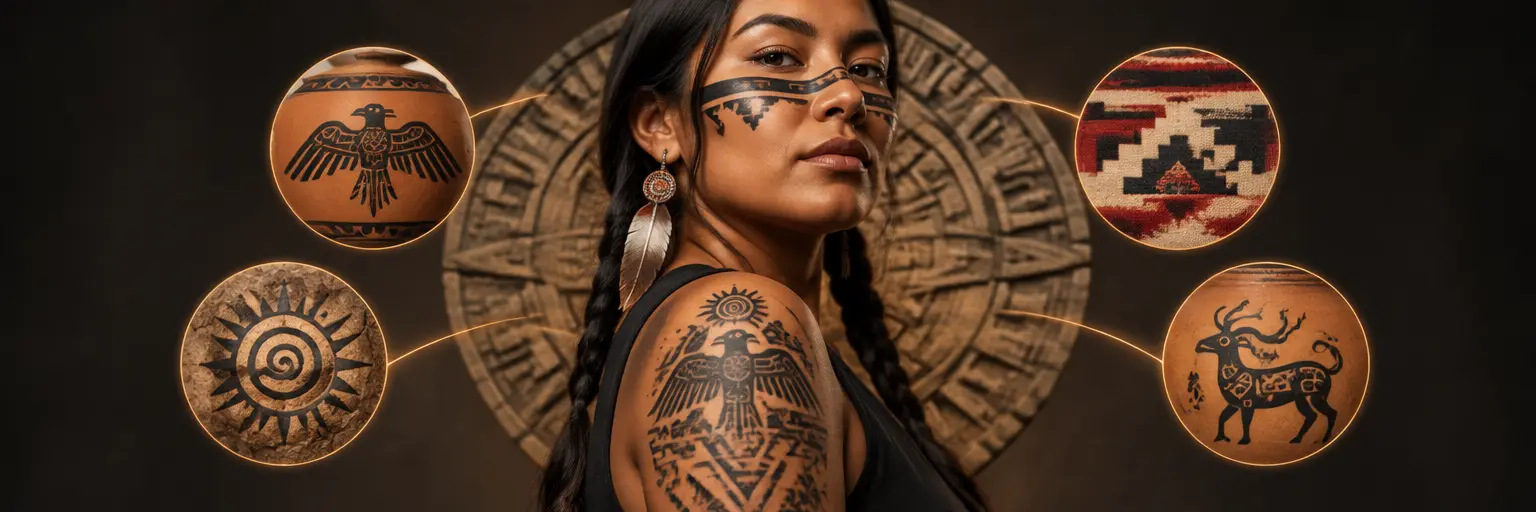
Indigenous Symbolism in Modern Tattoos bridges ancient heritage with contemporary body art, offering a powerful way to honor the spiritual and cultural depth of the Americas’ original peoples. From Aztec sun stones and Inca chakana crosses to Maya glyphs and Native American totems, these designs carry stories of resilience, cosmic balance, and ancestral wisdom. By choosing authentic motifs—like the feathered serpent Quetzalcoatl or the Andean condor—wearers connect to a living legacy that predates colonization, while respecting its sacred origins. Explore how modern artists blend traditional linework, geometric precision, and natural pigments to recreate these symbols with reverence, and learn the cultural contexts that transform a simple tattoo into a meaningful act of identity, storytelling, and homage. Whether you seek a bold chest piece or a subtle wrist emblem, understanding the harmony, duality, and connection to nature behind each mark ensures your ink honors—not appropriates—the profound traditions of the Americas’ first nations.
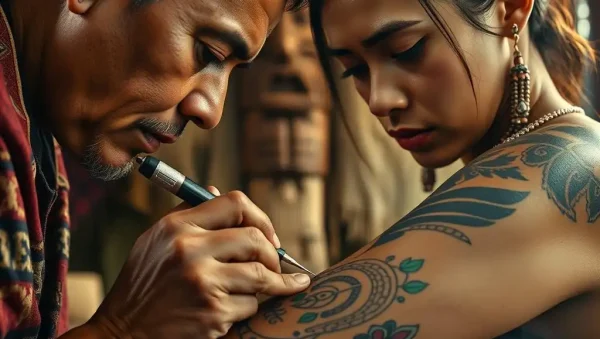
🌍 Indigenous tattoos and identity serve as profound symbols of heritage, storytelling, and resilience. This article delves into the intricate designs that…
Read article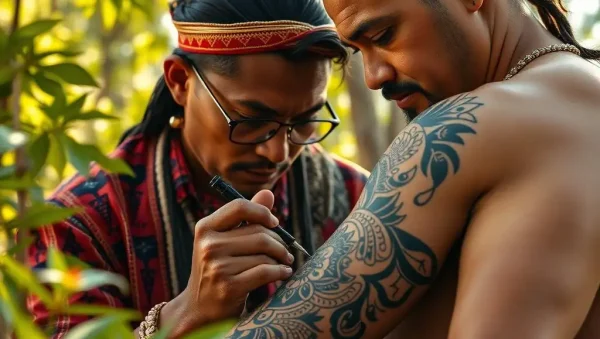
🌿 Traditional indigenous tattoo designs serve as a powerful link between ancient cultures and contemporary artistic expression, celebrating the rich heritage of…
Read article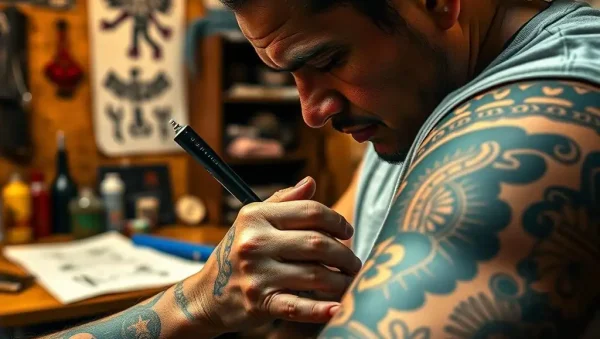
🌍 The indigenous tattoo symbolism evolution showcases a rich tapestry of cultural significance, transforming ancient traditions into contemporary expressions. This article delves…
Read articleIndigenous symbolism from the Americas—from Aztec and Maya glyphs to Inca geometric patterns and Plains Indian pictographs—has profoundly influenced contemporary tattoo artistry. This subcategory explores how ancient motifs, spiritual icons, and ancestral narratives are being respectfully reimagined on skin today. Whether you seek a bold eagle warrior or a subtle Huichol yarn painting-inspired piece, understanding the cultural weight behind each symbol ensures your tattoo honors its roots rather than appropriating them.
Animal symbolism is the backbone of indigenous tattoo design. The eagle, revered across North and South America, represents vision, courage, and connection to the divine. In Aztec culture, the jaguar symbolized the underworld and shamanic power, while the feathered serpent (Quetzalcoatl) embodied wisdom and creation. Modern tattoos often fuse these animals with tribal linework or geometric backgrounds, creating striking, bold imagery.
When choosing an animal motif, research its specific meaning within the originating civilization—for instance, the Andean condor differs greatly from the Mayan hummingbird. Contemporary artists blend traditional color palettes (ochre, turquoise, black) with modern shading to enhance depth. Always consult an artist who specializes in cultural symbolism, as they can guide you away from stereotypes and toward authentic representation, ensuring your tattoo is a tribute, not a caricature.
Geometric designs are among the most popular indigenous tattoo styles today, drawn from Inca quipus, Anasazi pottery, and Mapuche textiles. These patterns often encode astronomical calendars, agricultural cycles, or spiritual pathways. For instance, the Chakana (Andean cross) represents the three worlds—upper, middle, and lower—and remains a powerful emblem for identity and balance.
Modern interpretations frequently use fine-line geometry, dotwork, and negative space to evoke ancient precision. A symmetrical mandala-like piece inspired by Navajo sand paintings can be personalized with your birth date in Mayan numerals, blending old and new. However, beware of generic “tribal” shapes that lack deep meaning. Authentic geometric tattoos often incorporate radial symmetry, which symbolizes cosmic order. Discuss with your artist how to add personal elements—such as a family constellation—while preserving the original pattern’s integrity.
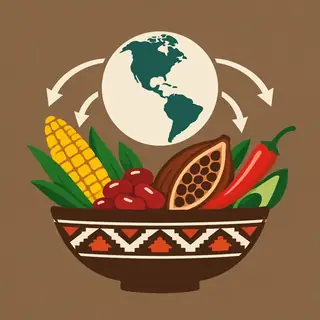
Indigenous cultures revered maize, cacao, tobacco, and coca as sacred gifts from the gods. Tattoos featuring corn stalks or cacao pods are not merely decorative; they represent fertility, sustenance, and reciprocity with nature. The agave plant, central to Aztec and Otomi life, symbolizes endurance and transformation, often paired with thorn motifs. Meanwhile, the sunflower in Inca iconography connected to the sun god Inti.
Contemporary artists use vibrant greens and earthy browns to render these plants with botanical precision, sometimes interspersed with hummingbirds or bees to signify pollination and interconnectedness. For a deeply personal touch, incorporate a plant that held importance in your ancestry—perhaps the sweetgrass of the Great Plains or ayahuasca vine from the Amazon. Always verify the plant’s indigenous name and its uses, as this ensures your ink carries a genuine, respectful narrative rather than a superficial aesthetic.
From Huitzilopochtli (Aztec sun god) to Pachamama (Andean Earth Mother), mythological beings offer rich visual palettes. Tattoos of these deities often feature intricate headdresses, serpent skirts, or jade ornaments. Modern artists may depict them in a neo-traditional style with bold outlines, or in a watercolor aesthetic that softens ancient imagery. These tattoos are powerful statements of spiritual calling, protection, or ancestral connection.
However, many deities are tied to specific ceremonies or clans—depicting one without proper context can be disrespectful. For example, the Mayan K’awiil (lightning deity) carries ritualistic associations. It’s essential to research the deity’s mythos and, if possible, consult indigenous cultural centers. Collaborative storytelling—where you share your life experiences with the artist—can transform a static image into a dynamic narrative, blending your journey with the deity’s attributes. This approach turns your tattoo into a living talisman.
Indigenous tattoos are not random; placement held ceremonial significance. Mayan nobles tattooed their faces and chests to mark rank, while Plains warriors marked arms and torso with battle counts. Modern wearers often choose the forearm or ribcage to echo these areas, or the ankle for lesser-known patterns like Andean pallay motifs. Colors also matter: turquoise symbolizes sky and water in Pueblo art, while red denotes life force in Aztec tradition.
Your skin tone and scar tissue influence how colors appear—discuss with your artist whether to use saturated pigments (for darker skin) or minimalistic blackwork. Some modern tattoos incorporate temporary henna or UV-reactive inks to represent the ephemeral nature of ceremonial body paint. Always ask about aftercare that respects the design’s longevity, since geometric patterns require precise healing. By aligning placement, color, and intention—perhaps pairing a shoulder tattoo with a wrist band—you create a cohesive narrative that mirrors indigenous body-art traditions.
Appreciation involves deep research, respectful collaboration, and honoring the symbol’s sacredness—often with indigenous artists or cultural guidance. Appropriation strips meaning into mere fashion, ignoring origin, ceremony, or community. To avoid appropriation, ask: Does this design belong to a closed practice? If yes, seek permission or choose an open-symbol alternative, and always credit the cultural roots publicly.
Yes, some elements like war bonnets (Plains Indians), Mokomokai facial tattoos (Māori, though not American), or huipil wedding patterns (Maya) are culturally exclusive. These denote earned status, clan membership, or spiritual initiations. Using them without the community’s consent is deeply offensive. When in doubt, ask a cultural elder or historian.
Technically yes, but this can misrepresent distinct cosmologies. Mixing Aztec and Inca motifs, for instance, conflates two separate empires. Instead, choose symbols that share a common ancient tradition—like a single Mesoamerican pantheon—or create a personal design that honors your own multi-heritage lineage with clear visual separation.
Search for artists with published portfolios of cultural tattoos, preferably those who have collaborated with indigenous communities or have formal anthropology education. Use hashtags like #indigenoustattoo or #culturalink, and check their website for testimonials. Ask about their research process and whether they offer consultations with cultural advisors before booking.
Many traditions recommend offerings—like tobacco or cornmeal—to the spirits of the symbol, along with fasting or meditation. Some communities require a prayer or a public commitment to uphold the symbol’s values. Discuss with your artist and, if possible, a cultural liaison to honor these practices, ensuring your tattoo is not just ink but a vow.