Patterns and Symbols in Modern Home Décor: A Journey Through Indigenous Heritage
Explore how the rich visual language of Indigenous civilizations—from the geometric precision of Andean textiles to the spiritual symbolism of Mesoamerican glyphs—transforms modern living spaces. This subcategory bridges ancient artistry with contemporary interior design, offering you actionable ideas to infuse your home with cultural depth, authenticity, and storytelling. Whether you seek bold accents or subtle nods, you’ll discover how patterns and symbols carry meaning, connect us to history, and elevate everyday décor into a celebration of resilience and creativity.
🔺 Geometric Patterns: Andean Textiles and Their Modern Revival
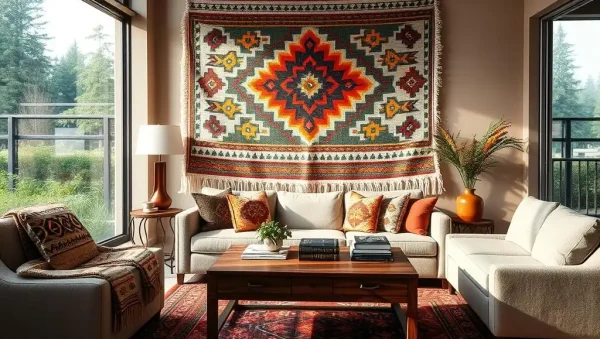
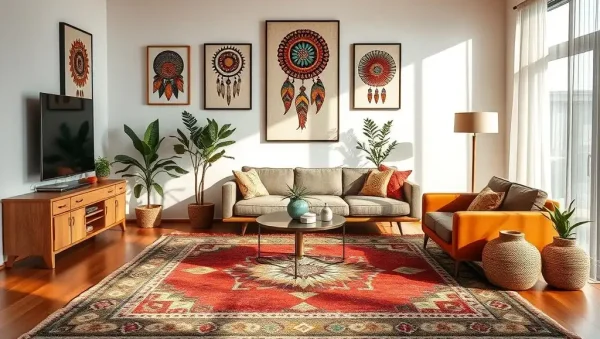
Andean cultures, including the Inca and pre-Inca societies, mastered geometric abstraction—diamonds, zigzags, and stepped crosses—often woven into alpaca or llama fiber textiles. These patterns were not merely decorative; they encoded cosmological maps, agricultural cycles, and community identity. In modern décor, you can incorporate these motifs through throw pillows, area rugs, or wall hangings that introduce vibrant, earthy palettes (terracotta, indigo, ochre) into minimalist rooms.
For a balanced look, pair a bold Andean rug with neutral furniture, letting the pattern become a focal point. Alternatively, use stenciled geometric borders on accent walls or ceramic vases to echo the chakana (Andean cross) without overwhelming the space. These designs resonate with lovers of symmetry and natural materials, offering a tactile, organic feel that bridges alpine tradition and urban chic. By choosing authentic or ethically produced pieces, you support indigenous artisans and preserve ancestral knowledge.
🐍 Serpent and Feathered Symbols: Mesoamerican Influence in Accents
The feathered serpent—Quetzalcoatl to the Aztecs, Kukulkan to the Maya—symbolized renewal, wisdom, and the union of earth and sky. Its undulating form appears in carved stone, painted ceramics, and codex illustrations. Modern décor can echo this mythic creature through sculptural candle holders, embossed wall panels, or serpent-shaped table legs. You might also integrate the step-fret motif (a stylized snake) into tiled backsplashes or laser-cut room dividers, adding a mystical, sophisticated aura.
Symbols like the Aztec calendar stone or Maya “jaguar” motifs can be reimagined as oversized prints, etched mirrors, or embroidered linens. These pieces work best in spaces with warm lighting and natural wood, creating a sanctuary that feels both ancient and avant-garde. Avoid clichés by focusing on authentic iconography—research meanings to ensure respectful representation. A single, well-chosen serpent-inspired art piece can become a conversation starter, infusing your home with narrative and reverence.
🌸 Floral and Cosmic Motifs: From Maya Codices to Contemporary Wallpaper
Maya and Aztec artistry often intertwined botanical elements with celestial signs—sun disks, moon phases, and star bands—as seen in the Dresden Codex or the murals of Bonampak. Modern interpretations flourish in wallpaper featuring stylized maize, cacao blossoms, or eclipse patterns. These motifs bring an organic, rhythmic flow to dining rooms or bedrooms, especially when paired with soft neutrals and ambient lighting. The cosmic connection encourages a meditative atmosphere, ideal for reading nooks or meditation corners.
For a subtle approach, use fabric with embroidered star-and-flower patterns on curtains or cushions. Alternatively, commission a local artist to paint a celestial border along your ceiling—a nod to the Maya’s astronomical precision. This subcategory excels in versatility: it works in bohemian, rustic, or even futuristic settings, proving that indigenous patterns are not historical relics but living, adaptive art forms. Always favor muted, earth-based colors to maintain harmony with your existing palette.
🏺 Pottery and Clay Patterns: Southwest and Pueblo Inspirations
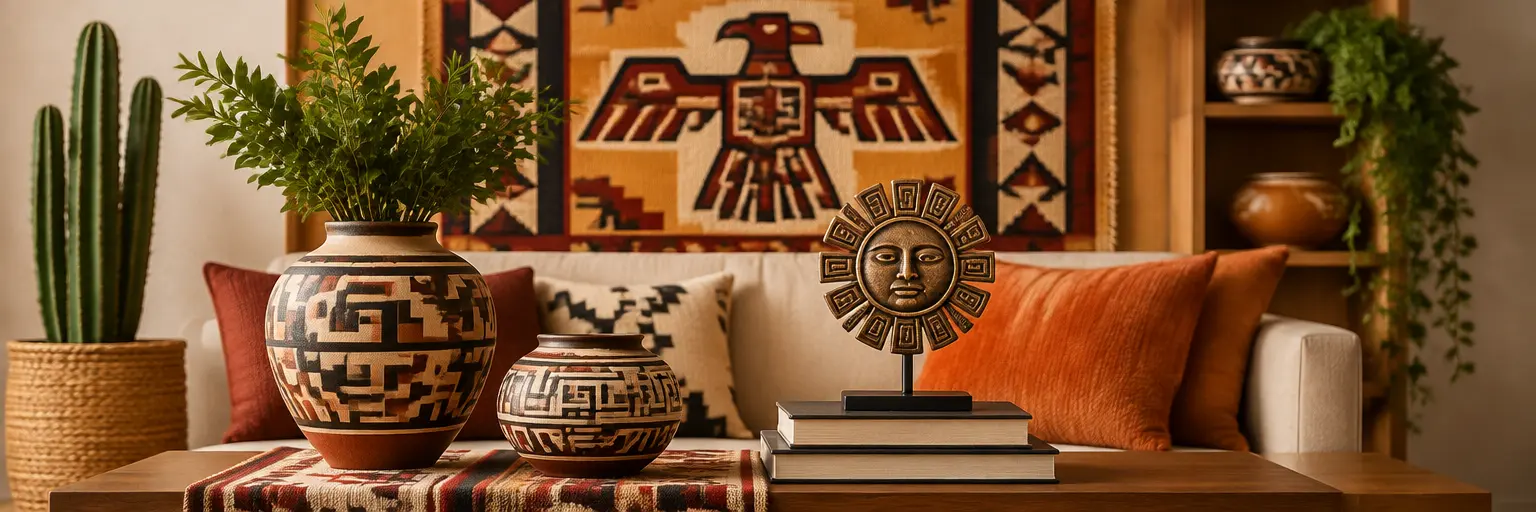
Pueblo and Hopi pottery traditions feature black-on-black or polychrome geometric designs—lightning bolts, water waves, and cloud terraces—each stroke reflecting a prayer for rain or fertility. Modern décor can channel this through handmade ceramic vases, tile murals, or plates displayed on open shelving. These patterns introduce a rustic, grounded charm, perfect for kitchens and entryways, and they pair beautifully with exposed brick or adobe-style finishes.
The tactile nature of clay encourages sensory engagement; consider mixing smooth, glazed pieces with unglazed, textured ones for depth. For a dynamic look, create a gallery wall of framed pottery shard replicas or use a large, patterned ceramic basin as a sink. The key is to respect the sacredness of these motifs—many are clan-specific or ceremonial. Purchase from recognized Native American artists or cooperatives, and avoid mass-produced imitations that dilute meaning. This approach adds authenticity while supporting cultural continuity.
🪶 Feather Iconography: Amazonian and Plains Nations in Soft Furnishings
Feather motifs, abundant in the Amazon’s Tukano culture or North American Plains regalia, symbolize freedom, spiritual ascent, and connection to avian spirits. In modern homes, feather patterns appear in printed duvets, stencil art, or woven tapestries. These designs bring a light, airy elegance—ideal for bedrooms or sunrooms—and can be layered with macramé or linen textures. The natural palette of white, tan, and muted reds harmonizes with Scandinavian or mid-century modern aesthetics.
To avoid cultural appropriation, choose generic feather shapes rather than specific ceremonial headdresses, and opt for illustrations inspired by nature rather than direct replicas. Pair them with wooden frames or bamboo blinds to enhance the organic vibe. Feather patterns also work well in transitional spaces, such as hallways or reading corners, where they invite gentle contemplation. By integrating these symbols with intentionality, you honor the original makers’ reverence for bird life—a beautiful, cross-cultural metaphor for hope and renewal.
Frequently Asked Questions
Are these patterns appropriate for any home style?
Yes, these patterns adapt to minimalism, bohemian, rustic, or modern styles. The key is scale and color—use bold patterns as accents, muted versions for background textures. For example, a single Aztec-inspired rug works in a Scandinavian room, while Andean lines can be subtle in a monochrome palette. Choose pieces that speak to your existing furniture and lighting.
How can I verify the authenticity of indigenous-inspired décor?
Look for certifications like “Native American Handmade” or the “Authentic Indigenous Arts” label. Research the artist or brand—reputable cooperatives (e.g., Ten Thousand Villages) provide provenance. Avoid items labeled as “tribal” without specific cultural references. Buying directly from artisan markets (online or in-person) ensures fair trade and cultural respect.
Can I mix different indigenous patterns in one room?
Absolutely, but balance is crucial. Combine patterns with a common color family—e.g., Andean earth tones and Maya terracotta—or use a neutral base (white, gray, natural wood). Limit to two or three pattern types to prevent visual chaos. Use solids in between to let each design breathe, and consider rotating seasonal accents to refresh the space.
What are common mistakes to avoid when using these symbols?
Treating sacred motifs as mere decoration is a risk. Avoid using religious or ceremonial symbols (e.g., certain snake or feather patterns) without learning their meaning. Don’t over-clutter—many indigenous designs are meant to be seen with respect, not overwhelm. Also, steer clear of cheap, plastic replicas that disrespect the craft’s integrity.
Do these patterns work in small apartments or rental homes?
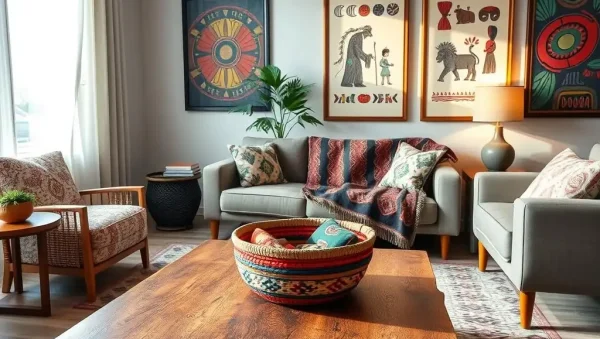
Yes, you can start small: cushion covers, table runners, or framed prints. Use removable wall decals with geometric motifs for temporary accents. Multi-functional pieces like patterned storage baskets or lampshades add culture without permanent changes. This approach ensures you can take your curated collection wherever you move, preserving its meaning.