Exploring the Significance of Color in Indigenous Fashion and Design
🌟 Indigenous fashion color significance reflects deep cultural meanings and connections to nature, spirituality, and identity. This article delves into how vibrant…
Read article
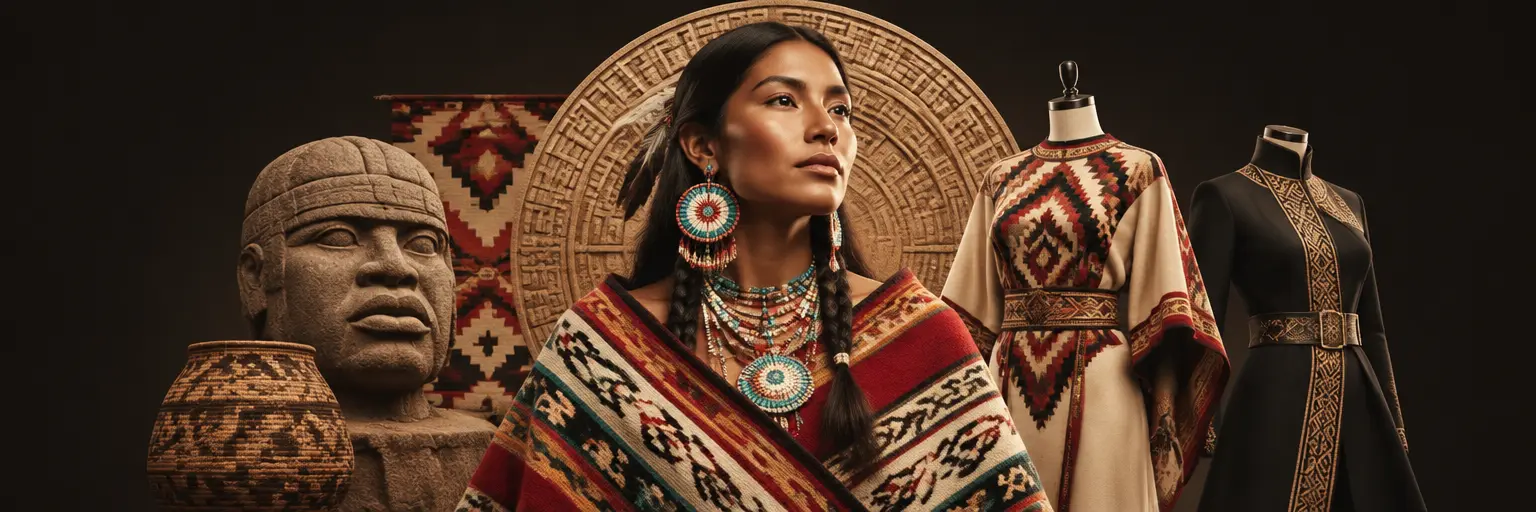
Indigenous civilizations of the Americas have left an indelible mark on global fashion and design, weaving ancient symbols, materials, and techniques into the very fabric of modern style. From the bold geometric patterns of Andean textiles to the intricate beadwork and feather artistry of Mesoamerican and Plains cultures, their aesthetic principles continue to inspire contemporary designers, runway collections, and everyday accessories. This influence extends beyond mere ornamentation—it shapes sustainable practices, natural dyeing methods, and structural silhouettes that prioritize harmony with nature. By embracing these timeless motifs and artisanal craftsmanship, the fashion world not only honors ancestral heritage but also reconnects with a profound sense of identity and cultural storytelling. Discover how these living traditions transform modern wardrobes and creative spaces, proving that the legacy of indigenous design is not just historical—it’s a vibrant, evolving force in today’s visual culture.
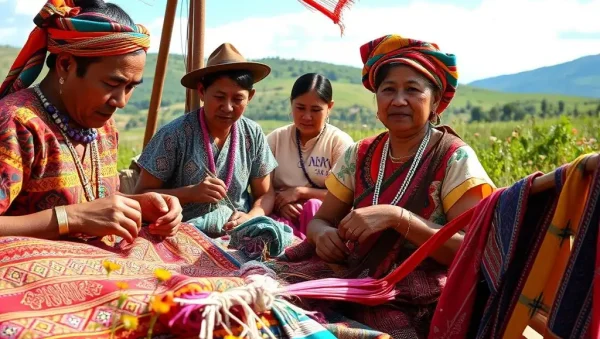
🌟 Indigenous fashion color significance reflects deep cultural meanings and connections to nature, spirituality, and identity. This article delves into how vibrant…
Read article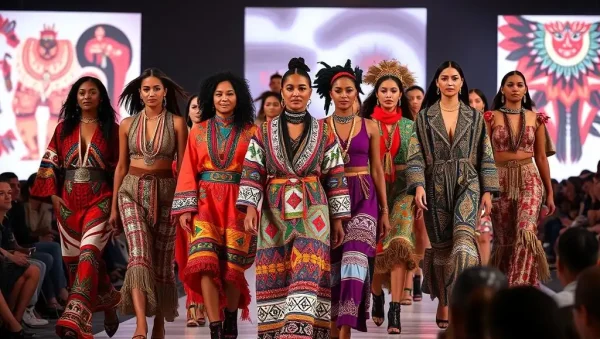
🌟 Indigenous motifs in fashion are increasingly celebrated in contemporary collections, bridging cultural heritage and modern aesthetics. Designers honor the rich narratives…
Read article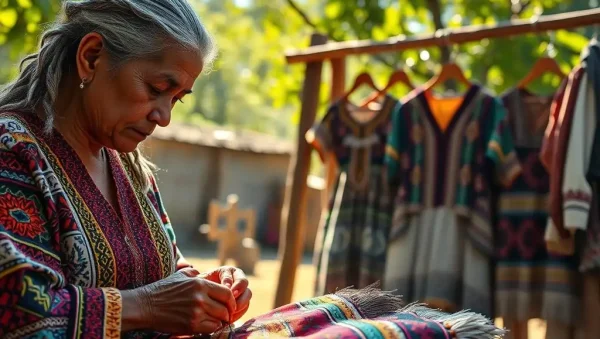
🌍 Indigenous fashion influence history reveals a rich tapestry of cultural heritage, showcasing how traditional garments have evolved into haute couture. This…
Read article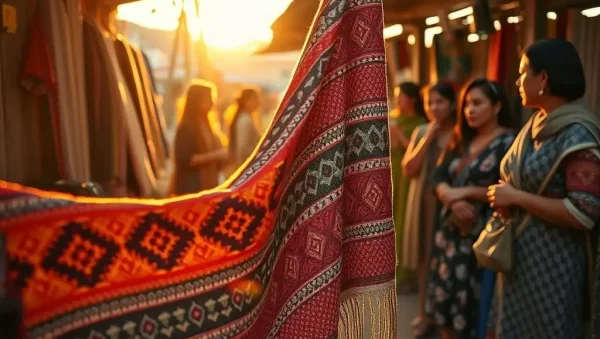
🌍 Indigenous patterns in fashion are making a vibrant comeback, celebrating the rich heritage of pre-colonial American cultures. This revival not only…
Read articleWhen we think of fashion and design, we often overlook the profound roots that trace back to the Indigenous civilizations of the Americas. From the intricate weavings of the Andean highlands to the bold geometry of Southwestern pottery, these cultures didn’t just create objects—they created visual languages that continue to inspire contemporary designers, architects, and artists. This subcategory explores how ancient techniques, materials, and symbolic patterns have permeated global runways, interior décor, and streetwear, offering a rich tapestry of cultural continuity and innovation. Dive in to discover how the past is not only preserved but actively reimagined in every stitch and silhouette.
Indigenous weaving, particularly from the Maya, Inca, and Navajo peoples, has revolutionized modern textile design. The backstrap loom, used for millennia, produces fabrics with unparalleled density and colorfastness. Today, luxury brands like Dior and Chanel have incorporated pre-Columbian motifs—such as stepped frets, zigzags, and diamond patterns—into their collections, while respecting the original artisanship through fair-trade partnerships. You’ll also see this influence in contemporary knitwear, where alpaca and llama fibers, once reserved for Andean nobility, now grace high-end coats and sweaters.
What you can expect here is a detailed look at how specific weaving techniques—like the ikat-dyed threads of the Chinchero or the tapestry-woven ponchos of the Mapuche—translate into modern garment construction. We’ll analyze case studies from runway shows where indigenous patterns were adapted, ensuring cultural appreciation rather than appropriation. Expect to learn about the symbolism behind each geometric motif, from fertility to cosmic order, and how these meanings are being revitalized by indigenous-owned fashion labels today.
The ceramic artistry of the Ancestral Puebloans, Moche, and Tlatilco cultures set the benchmark for form and function. Their techniques—coil building, slip painting, and pit firing—have been embraced by modern ceramicists aiming for organic, earthy aesthetics. In the design world, terracotta tones, matte finishes, and hand-painted linear designs are directly borrowed from potsherds found in archaeological sites. Brands like Anthropologie and West Elm have launched lines inspired by these motifs, but more importantly, indigenous cooperatives are exporting their handmade wares globally, preserving ancestral knowledge.
Expect to explore the journey of a single clay vessel from ancestral kiln to minimalist living room. We’ll discuss the revival of ancient glazing recipes, such as the mica-infused finishes of the Casas Grandes, and how they inspire modern interior trends like wabi-sabi. You’ll also read about collaborations between indigenous potters and industrial designers, creating functional art that bridges utility and heritage. This section highlights the sustainable ethos of these practices, which use local clay and natural pigments, aligning perfectly with today’s eco-conscious design movements.
Beyond high fashion, indigenous symbolism has infiltrated streetwear and everyday apparel. The huipil of Guatemala, with its vibrant horizontal stripes, appears as prints on hoodies and sneakers. Similarly, the intricate molas of the Guna people, originally used as blouse panels, now inspire graphic tees and tote bags. This crossover is not accidental—it’s a deliberate reclaiming of identity by younger indigenous generations who mix traditional garments with modern fits, creating a hybrid aesthetic that speaks to diaspora and pride.
What you’ll learn here is the nuanced conversation about cultural exchange vs. exploitation. We’ll profile designers like Patricia Michaels (Taos Pueblo) who embed ancestral storytelling into New York Fashion Week collections. Expect insights into how color palettes—like the turquoise and coral of the Hopi—are codified into contemporary branding. You’ll also discover grassroots movements encouraging consumers to buy directly from indigenous artisans, ensuring that the cultural DNA remains intact and economically empowering. This section is a vibrant fusion of history, activism, and style.
Indigenous architecture—from the cliff dwellings of Mesa Verde to the pyramid of Chichén Itzá—defines spatial harmony with nature. Modern architects have adopted passive solar design, earth-sheltered buildings, and rammed earth construction, all echoes of ancestral engineering. The use of adobe bricks, wooden vigas, and coyote fences in Southwestern homes is a direct legacy of Pueblo building codes. Moreover, the concept of a kiva, a circular subterranean room for gathering, influences contemporary communal spaces and wellness retreats.
Expect a deep dive into how indigenous urban planning, such as the grid system of Teotihuacan or the causeways of Tenochtitlan, informs modern sustainable city designs. We’ll examine interior design trends that utilize natural materials—unpolished stone, handwoven textiles, and organic lines—to replicate the serenity of ancestral homes. You’ll also find interviews with architects who collaborate with indigenous communities to build cultural centers, preserving not just aesthetics but also ceremonial functions. This section reveals that indigenous design is not a style but a philosophy of living in balance.
The metallurgy of the Muisca, Zapotec, and Inca—gold, silver, and tumbaga—has left an indelible mark on contemporary jewelry design. Modern artisans replicate the lost-wax casting and filigree techniques to create pieces that echo ancient pectorals, ear spools, and nose ornaments. The use of turquoise, obsidian, and jade continues to dominate, while the symbolic meanings—like the condor as a messenger to the heavens—add depth to commercial pieces. Fast fashion brands often copy these designs, but the subcategory highlights the importance of authentic, handcrafted alternatives.
Here you’ll find breakdowns of ancient metalworking methods that are being resurrected in small workshops from Mexico to Peru. We’ll showcase how contemporary indigenous jewelers, like those from the Oaxaca region, blend hammered silver with traditional mixtec glyphs. Expect to learn about the cultural significance of each stone—how a turquoise’s color represents the sky or how a shell’s spiral symbolizes water’s flow. This section also addresses ethical sourcing, encouraging consumers to seek fair-trade certifications to support original communities rather than mass-produced imitations.
Appreciation involves understanding the cultural context, giving credit, and ideally benefiting the originating community through fair trade or partnerships. Appropriation simply borrows motifs without acknowledgment, often profiting external corporations. Look for brands that collaborate with indigenous artisans, label their sources, and reinvest in their communities.
Yes, notable names include Patricia Michaels (Taos Pueblo), Orlando Dugi (Navajo), and Jessica Ríos (Aymara). They showcase at global events like Paris Couture Week or collaborate with ethical brands. Following them on social media offers direct insight into their creative processes and cultural narratives.
Use marketplaces like Etsy or specialized platforms that verify indigenous ownership, or buy directly from artisan cooperatives in countries like Peru, Guatemala, or the US. Always check for certifications such as “Authentic Native Handicrafts” and read reviews. Avoid purchasing from generic retailers that mass-produce look-alikes.
Architects replicate passive solar heating by orienting structures to the sun, use local earthen materials like adobe or cob, and design naturally ventilated spaces. These methods consume minimal energy, are biodegradable, and blend with local ecosystems—principles derived directly from pre-Columbian building traditions.
Yes, if done respectfully. Buy from indigenous artists, learn the meaning behind the patterns (e.g., rain symbols or mountain motifs), and display them with proper credit. Avoid using sacred items like medicine wheels or ceremonial masks as décor. Aim to support cultural preservation rather than exoticism.