Visual Storytelling: Indigenous Art and Its Influence on Film Aesthetics
🌟 Indigenous art influence on film is profound, weaving rich narratives and cultural symbolism into cinematic storytelling. This article explores how traditional…
Read article
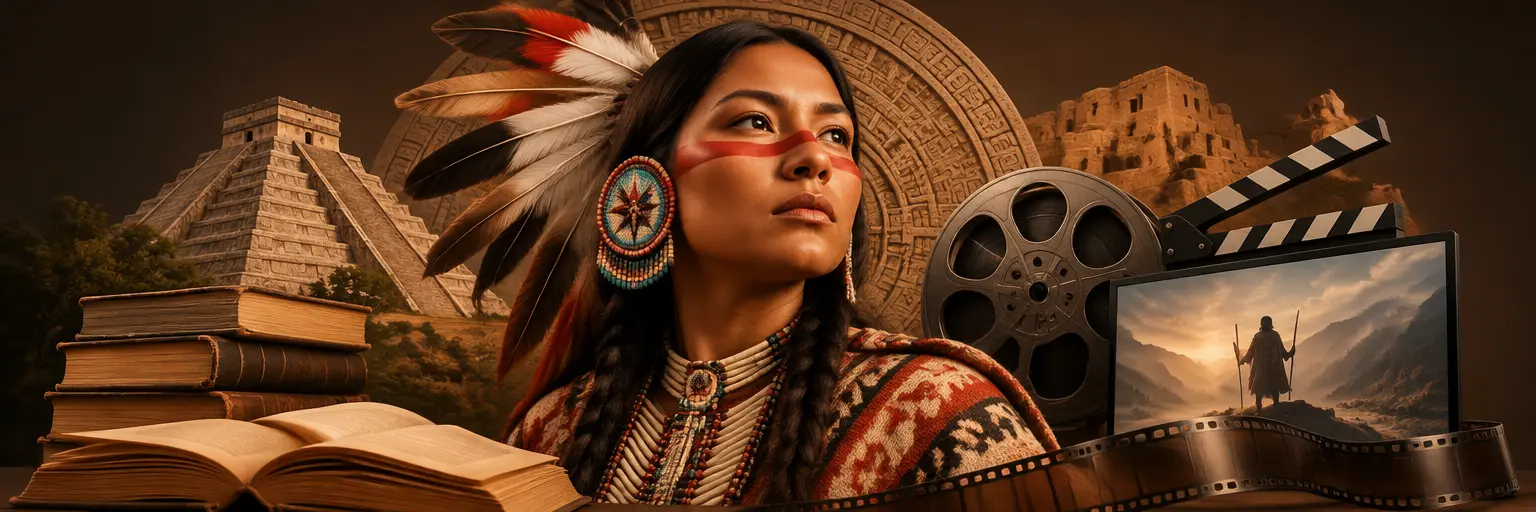
From ancient oral traditions to modern blockbusters, the legacy of Indigenous civilizations of the Americas has profoundly shaped global storytelling. Their myths, symbols, and historical narratives continue to inspire authors, screenwriters, and directors, weaving a rich tapestry of cultural influence into literature and film. Whether through the haunting echoes of lost cities, the mystique of ancestral prophecies, or the resilience of native heroes, these civilizations offer a timeless wellspring of creativity. This influence is not merely decorative—it drives compelling plots, complex characters, and thought-provoking themes that resonate with contemporary audiences. By exploring how these cultures are portrayed, reimagined, and honored, we uncover a vital bridge between the past and present, demonstrating that the power of Indigenous heritage remains as vivid and relevant on the page and screen as it was centuries ago.
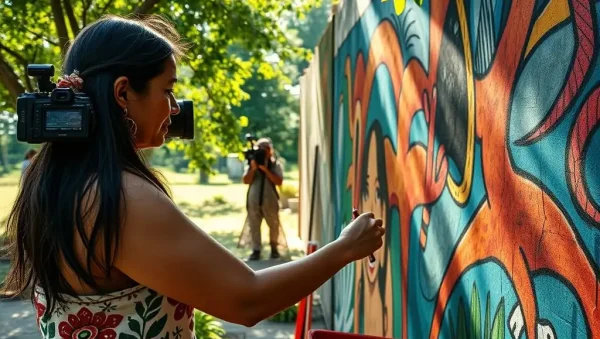
🌟 Indigenous art influence on film is profound, weaving rich narratives and cultural symbolism into cinematic storytelling. This article explores how traditional…
Read article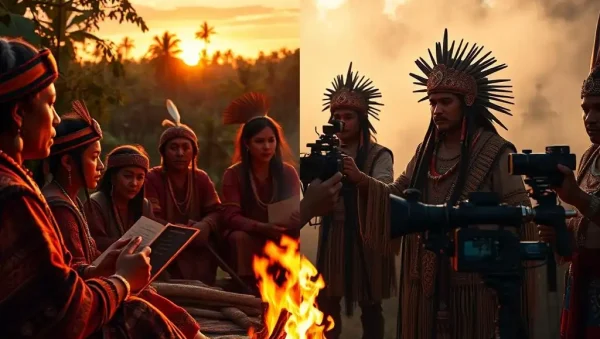
✨ Indigenous legends in film serve as a powerful medium to reimagine and celebrate the rich narratives of pre-colonial cultures, highlighting their…
Read article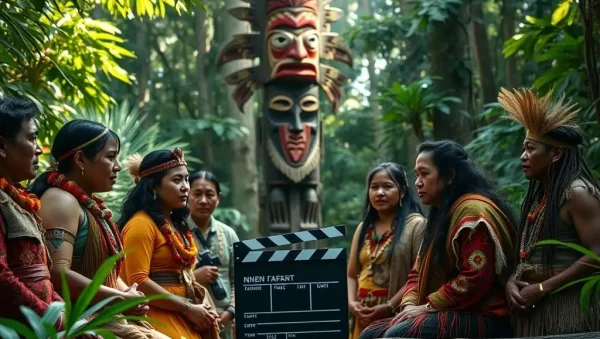
🌍 The emergence of indigenous cinema in the 21st century is reshaping narratives and challenging stereotypes, offering authentic voices and rich representations.…
Read article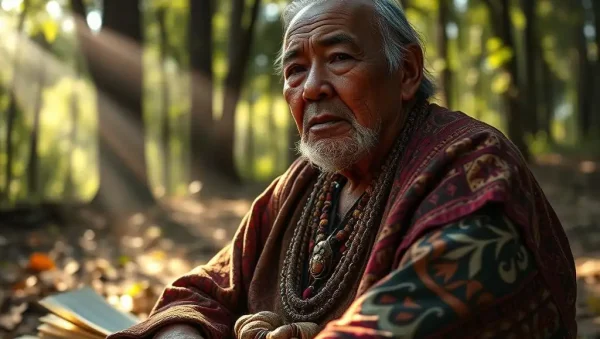
🌍 Indigenous narratives in literature not only preserve the rich histories of pre-colonial societies but also inspire contemporary authors, weaving ancestral wisdom…
Read articleExplore the profound and often overlooked influence of Indigenous civilizations of the Americas on global storytelling. From the epic poetry of the Maya to the cinematic landscapes of the Andes, this subcategory reveals how pre-Columbian myths, histories, and philosophies have permeated modern books, movies, and television. Whether you are a student, writer, or film enthusiast, you will discover concrete examples of how ancient narratives continue to inspire contemporary creators across genres.
Indigenous myths, such as the Popol Vuh or Aztec creation stories, have directly shaped character archetypes and plot structures in modern fantasy and literary fiction. Authors like Roberto Bolaño and Louise Erdrich weave native cosmology into their narratives, creating protagonists who mirror Quetzalcoatl or the Hero Twins. This influence is not mere homage; it is a structural borrowing where cyclical time, sacrifice, and spiritual quests replace Western linear storytelling.
For readers, this means encountering novels that challenge conventional narrative arcs. Expect to see reimagined trickster figures, dualistic gods, and the concept of “earth beings” who interact with humans. These archetypes offer fresh perspectives on identity, colonization, and resistance, making Indigenous literature a vital counterpoint to Eurocentric canons. By analyzing these works, you gain tools to decode hidden layers in global bestsellers, from magical realism to dystopian fiction.
Filmmakers have long borrowed the visual grammar of Indigenous art, architecture, and ritual to craft immersive cinematic worlds. The terraced hills of Machu Picchu, the pyramids of Teotihuacan, and the geometric patterns of Navajo textiles appear in everything from “Apocalypto” to “The Fountain.” These landscapes are not just backdrops but active narrative devices, symbolizing connection to nature, ancestral memory, and spiritual thresholds. Directors use scale, light, and sound to mimic the awe evoked by indigenous ceremonial spaces.
For film enthusiasts, studying this influence reveals how production design and cinematography evoke pre-Columbian aesthetics. You will learn to identify nods to Andean, Amazonian, and Mesoamerican iconography in mainstream cinema and independent films. This subcategory also explores how indigenous filmmakers themselves, such as the Bolivian director Jorge Sanjinés, reverse the gaze—using cinematic language to challenge stereotypes and reclaim narrative sovereignty.
Oral traditions—from the Iroquois Confederacy’s founding stories to the Mapuche’s epic poems—have been adapted into screenplays, animations, and stage plays. These sources provide authentic plot lines and ethical frameworks often missing from Hollywood’s invented histories. For example, the 2018 film “The Passage” is directly based on a Yaqui legend, while Pixar’s “Coco” draws on Mesoamerican Day of the Dead rituals though not strictly pre-Columbian, it borrows syncretic elements.
Understanding this adaptation process helps writers and producers craft respectful, research-driven narratives. You will explore case studies of successful and failed adaptations, focusing on issues of cultural appropriation versus cultural appreciation. The subcategory also highlights how modern indigenous playwrights, like Marie Clements, transform oral history into theatrical works that critique colonial historiography, offering a powerful tool for decolonizing storytelling.
Graphic novels and comics increasingly incorporate indigenous iconography—from the sun stone to the Nazca lines—to explore themes of time, identity, and ecological crisis. Artists use these symbols to create a visual language that transcends written text, appealing to global audiences. For instance, the acclaimed graphic novel “City of the Beasts” blends Andean myth with environmental activism, while Marvel’s “Echo” reimagines a Choctaw superhero using traditional motifs.
For readers, this intersection provides a rich field of analysis: how are glyphs, weaving patterns, and kachina dolls recontextualized in sequential art? Expect to learn about the semiotics of indigenous design—the use of spirals, crosses, and animal totems—and how they encode philosophical concepts like circular time and reciprocity. This section also reviews digital art and virtual reality projects that revive ancient visual culture for new generations.
Documentaries and period films that tackle pre-Columbian civilizations face the challenge of representing cultures without falling into romanticism or distortion. Ethical filmmaking requires collaboration with descendant communities, as seen in the “History” series “Lost Civilizations” which consulted Maya elders. This subcategory examines the protocols for filming sacred sites, using indigenous music, and depicting rituals correctly.
Viewers gain critical media literacy by comparing inaccurate “Hollywood” versions with community-approved projects. You will learn to spot anachronisms and offensive stereotypes, and understand the legal and spiritual consequences of misrepresentation. This section also highlights activists and filmmakers who use documentary to preserve endangered languages, such as the Quechua-language film “Kukuli” and its modern remakes.
Through colonial archives, translation efforts, and missionary records, stories like the Popol Vuh survived and later entered global literary circles. Romantic-era writers and anthropologists amplified them, and modern indigenous authors have reclaimed these narratives, ensuring their evolution in contemporary fiction and poetry.
Copyright law often fails to cover collective oral traditions, leading to unauthorized use. However, tribal codes and cultural property laws in countries like Mexico and the US now require free, prior, and informed consent from indigenous communities. Respectful adaptation involves partnerships and royalties.
Yes, “Apocalypto” (2006) draws on Maya culture but is a fictional thriller, not a direct adaptation. A more faithful example is “The Legends of the Galxe” (2015), an animated film based on Mapuche legends, produced with tribal consultation. Also, “The Spirit of the Navajos” uses Dine creation stories.
Absolutely. Shows like “Star Trek: Discovery” feature indigenous-inspired aliens, and “The Expanse” includes a character with Lakota beliefs. More explicitly, “Reservation Dogs” and “Rutherford Falls” integrate traditional stories into comedy and drama, showing how indigenous frameworks enrich speculative genres.
Studying this influence corrects historical erasure and enriches global cultural literacy. It also supports indigenous sovereignty by recognizing their intellectual property and innovative contributions. Moreover, it offers alternative models for environmental ethics and community-centered storytelling, vital for contemporary challenges.