Influence on Music and Pop Culture: The Living Echo of Indigenous Civilizations
When we listen to modern rhythms, watch blockbuster films, or scroll through social media trends, few realize how deeply the Indigenous civilizations of the Americas continue to shape our cultural landscape. From Aztec drumming patterns that pulse through contemporary electronic music to Maya architectural motifs inspiring global fashion runways, the influence is both profound and dynamic. This subcategory explores how pre-Columbian traditions have transcended time, embedding themselves into today’s music, film, art, and digital culture, ensuring that these ancient voices remain vibrant and relevant. Here, we uncover the threads that connect ancient ceremonial practices to modern pop culture phenomena, offering a fresh lens on heritage and innovation.
🎵 Rhythmic Roots: Indigenous Percussion and Melody in Modern Music
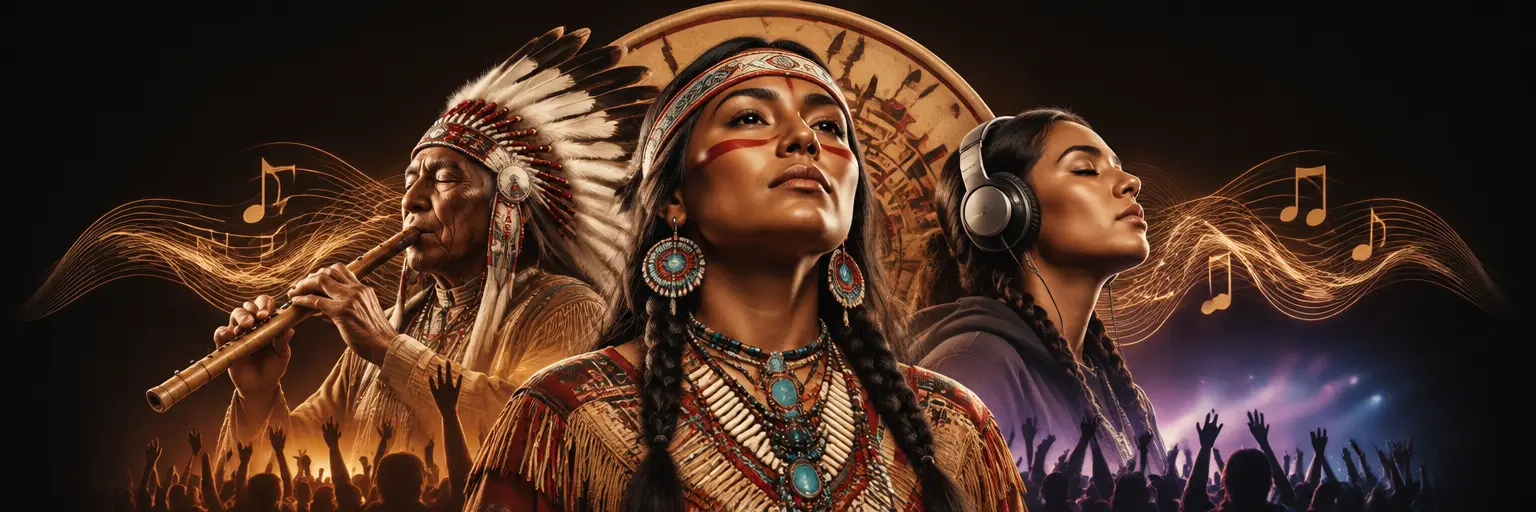
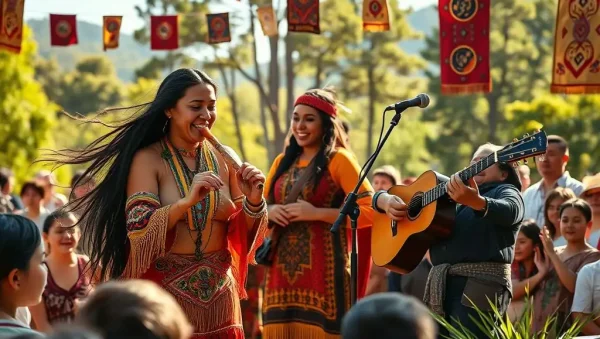
Indigenous instruments and vocal styles have not only survived but thrived, infusing genres like rock, hip-hop, and electronic music with unique textures. The huehuetl drum of the Aztecs and the Andean zampoña panpipes are now sampled in tracks by global artists, creating a bridge between ancient ceremonial soundscapes and contemporary beats. Expect to discover how bands like Rage Against the Machine and electronic producers have woven these elements into their work, often as a form of cultural homage or political statement.
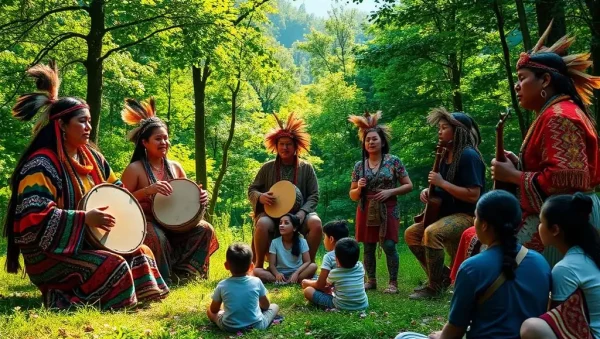
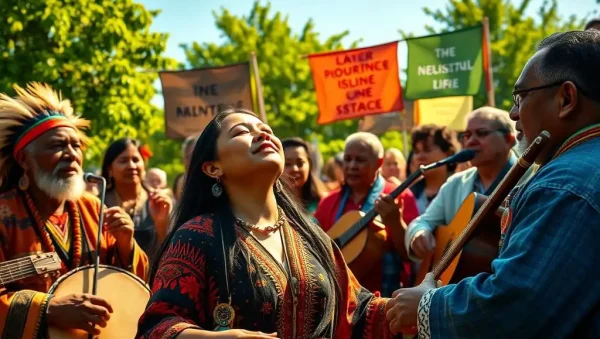
More importantly, this exploration reveals a resurgence of Indigenous language lyrics, with artists like Lila Downs and A Tribe Called Red using ancestral tongues to reclaim identity. This movement is not just about sound but about storytelling—reviving myths, struggles, and triumphs through melody. Readers will gain insight into how traditional songs once used for harvest rituals or spiritual rites are now adapted for festival stages, proving that rhythm is a timeless vessel for cultural memory. This section serves as a testament to the resilience of Indigenous sonic heritage in an ever-globalizing industry.
📺 Silver Screen and Streaming: Indigenous Narratives in Film and TV
From the silent era’s stereotyped portrayals to today’s authentic storytelling, the representation of Indigenous civilizations on screen has undergone a dramatic evolution. Productions like Apocalypto and The Revenant have showcased Maya and Pawnee cultures with unprecedented visual detail, while streaming platforms now champion Indigenous creators who tell their own stories. Readers will explore how costume design, language coaching, and ceremonial authenticity are meticulously researched, offering a cinematic window into pre-Columbian life.
This section also highlights the impact of Indigenous aesthetics on pop culture icons, from the feather headdresses in fashion editorials to the symbolic use of totems in fantasy epics like Avatar. However, we delve deeper than surface-level inspiration, discussing the fine line between cultural appreciation and appropriation. Expect case studies of successful collaborations, such as the inclusion of Navajo code talkers in WWII films, and how modern directors increasingly consult tribal elders. This ensures that the portrayal is not only visually stunning but spiritually accurate, making cinema a powerful educator for global audiences.
🎨 Fashion and Visual Arts: Ancestral Patterns in Modern Aesthetics
Geometric patterns from Maya textiles, bold Huichol beadwork, and Nazca line motifs are now staples in global fashion collections, from high-end designers to streetwear brands. This section examines how these ancient designs are reinterpreted, often sparking trends that dominate runways and Instagram feeds. Readers will learn about the symbolism behind the patterns—each zigzag or animal figure carries meaning—and how contemporary artists collaborate with Indigenous communities to ensure ethical inspiration rather than exploitation.
Beyond fashion, the visual language of Indigenous civilizations permeates graphic design, architecture, and even emojis. For instance, the stepped fret design of Andean cultures has influenced modern building facades, while Maya hieroglyphs inspire typography in video games. This exploration emphasizes the commercial and cultural value of these aesthetics, showing how they maintain relevance in a digital age. By the end of this section, readers will see ancient art not as a relic but as a living, evolving dialogue between past and present, enriching everything from clothing labels to corporate branding.
🌐 Digital Age and Social Media: Viral Indigenous Culture
Platforms like TikTok, YouTube, and Instagram have become unexpected arenas for Indigenous cultural revival, with creators sharing traditional songs, dances, and cooking techniques millions of views at a time. This section explores how short-form videos have democratized cultural education, allowing Native youth to learn from elders virtually and global audiences to experience ceremonies like the Aztec New Year from their screens. Expect analysis of viral challenges, such as the mixing of traditional flutes with modern beats, and how these trends foster a renewed sense of pride.
Simultaneously, we examine the role of memes and digital art in shaping public perception, often countering centuries of colonial stereotypes. Indigenous influencers partner with museums and universities to create engaging, accurate content, while grassroots campaigns use hashtags to demand better representation in media. This section also addresses the digital divide, highlighting initiatives to bring internet access to remote tribal lands. Ultimately, readers will see that the virtual world is not a threat but a tool for preservation, allowing ancient traditions to evolve and flourish in new, interactive formats—ensuring that the ancestors’ voices are heard worldwide.
📚 Literature and Language: From Oral Traditions to Bestsellers
The storytelling legacy of Indigenous civilizations—whether the Popol Vuh of the Maya or the epic poems of the Inca—has re-emerged in contemporary literature, graphic novels, and even anime adaptations. This section investigates how modern authors blend ancestral myths with dystopian themes, creating compelling narratives that resonate with young adults globally. Readers will explore works like Tony Hillerman’s Navajo mysteries and Alisa Valdés-Rodríguez’s borderland tales, which weave pre-Columbian motifs into modern plots, proving that ancient wisdom addresses contemporary issues like environmentalism and identity.
Furthermore, the revitalization of Indigenous languages through apps and music streaming services has sparked a literary renaissance. Titles translated from Nahuatl or Quechua are now bestsellers, while bilingual children’s books reintroduce forgotten alphabets. We highlight how pop culture—from the Encanto soundtrack to video game dialogue—incorporates these languages, normalizing their use beyond academic circles. This section offers a hopeful perspective, showing that literature is not confined to dusty archives but is a living force. Readers will be inspired to explore these works, understanding that every story is a thread in the vast tapestry of human experience.
🌍 Global Festivals and Tourism: Experiencing Culture Firsthand
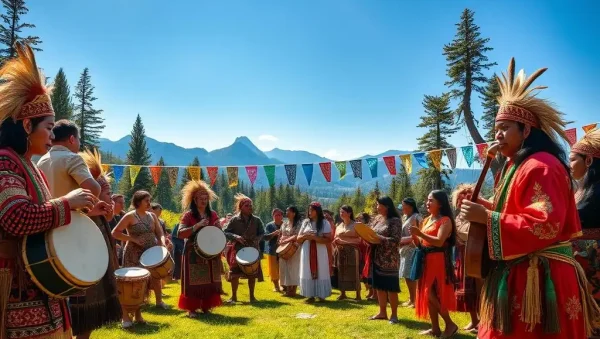
Day of the Dead, Inti Raymi, and the Rarámuri Ultramarathon are now international events that draw tourists, scholars, and pop culture enthusiasts alike. This section examines how Indigenous festivals have become global phenomena, blending ancient rituals with modern pageantry. Readers will learn about the careful balance between economic benefit and cultural preservation, as communities open their doors to outsiders while maintaining sacred protocols. Expect detailed guides on how these events influence music charts, fashion trends, and even culinary movements worldwide.
Additionally, we explore the impact of virtual reality and immersive tourism, allowing participants to explore Teotihuacan or Machu Picchu in interactive experiences that mimic ancient soundscapes. This not only educates but also drives interest in actual travel, boosting local economies. We discuss ethical tourism frameworks, emphasizing how visitors can engage respectfully and support Indigenous-owned businesses. This section positions festivals as dynamic hubs where past and present collide, creating new cultural hybrids. Ultimately, readers will see that these celebrations are not tourist traps but living expressions of resilience, inviting the world to witness and honor the enduring spirit of the Americas’ first peoples.
Frequently Asked Questions
How did Indigenous music influence modern pop genres?
Indigenous percussion like drums and rattles provided rhythmic foundations, while melodic instruments like flutes and panpipes introduced unique scales. Artists in rock, electronic, and hip-hop have sampled these sounds, blending them with synthetic beats. Additionally, vocal techniques like throat singing and call-and-response patterns have been adapted by modern performers. This fusion not only adds sonic variety but also serves as cultural commentary, bringing ancestral traditions to mainstream audiences globally.
What are common examples of cultural appropriation in pop culture?
Appropriation occurs when elements like sacred headdresses, tattoos, or ceremonies are used without permission or context, often reducing them to fashion trends. Examples include brands using dreamcatchers in jewelry or burlesque shows mimicking Sun Dance regalia. These acts often ignore spiritual meaning and commercialize identity. To avoid this, creators should collaborate with Indigenous artists, provide credit, and donate proceeds to native communities, ensuring respect and reciprocity.
Can Indigenous languages survive in a digital era?
Yes, technology is aiding revival. Apps like Duolingo now offer courses in Nahuatl and Quechua, while streaming services broadcast news in native tongues. Social media hashtags promote language challenges, and AI voice assistants are being developed for several dialects. This digital presence normalizes everyday usage, especially among youth. However, funding for internet infrastructure in remote areas remains critical, as is intergenerational transmission from elders to children.
Why are Indigenous festivals important for cultural preservation?
Festivals serve as living archives, teaching rituals, songs, crafts, and oral histories to younger generations in an engaging way. They also provide economic sustainability, allowing communities to profit from tourism while controlling the narrative. By inviting outsiders, festivals foster cross-cultural understanding and challenge colonial stereotypes. Furthermore, the public performance of sacred elements often triggers legal protection under intellectual property rights, safeguarding traditions from misuse.
How can I ethically support Indigenous pop culture creators?
Start by purchasing music, art, and books directly from Indigenous-owned platforms or stores. Attend events where proceeds go to community projects. When sharing content online, credit the original creator and use their preferred terminology. Avoid purchasing mass-produced items that mimic sacred designs without royalty payments. Finally, advocate for greater representation in media and education, encouraging schools and streaming services to feature authentic Indigenous voices over Hollywood reenactments.