
Resilience in the Face of Change: Indigenous Strategies for Climate Adaptation

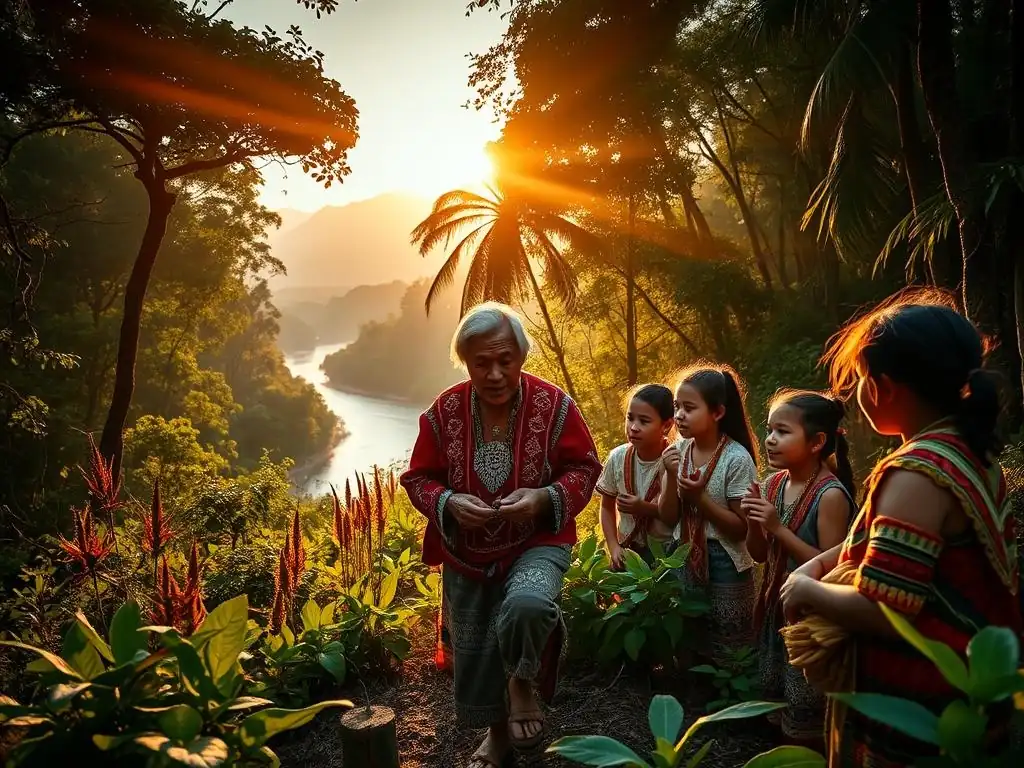
Welcome to Indigenous Civilizations of the Americas, where we embark on a captivating journey through the rich tapestry of indigenous cultures that flourished long before European footprints marked the land. Here, we delve into the profound wisdom and innovative spirit of these societies, particularly in our featured article, "Resilience in the Face of Change: Indigenous Strategies for Climate Adaptation."
Discover how these remarkable civilizations crafted sustainable practices that not only thrived in harmony with nature but also laid the groundwork for modern environmental stewardship. Join us as we uncover the enduring legacy and cultural inspirations that continue to resonate today, inviting you to explore the depths of indigenous knowledge and resilience.
Introduction to Indigenous Climate Adaptation Strategies
The Indigenous peoples of the Americas have long demonstrated remarkable resilience in the face of environmental changes. Their deep-rooted connection to the land, combined with extensive traditional knowledge, has equipped them with unique strategies for adapting to climate variations. As climate change continues to pose unprecedented challenges, understanding these Indigenous climate adaptation strategies becomes crucial not only for preserving cultural heritage but also for informing contemporary sustainability practices.
Indigenous communities have thrived in diverse ecosystems, from the arid deserts of the Southwest to the lush rainforests of the Amazon. Each culture has developed specific methods tailored to their environmental contexts, ensuring not only survival but also the flourishing of their societies. These strategies are often rooted in a holistic understanding of nature, emphasizing balance, reciprocity, and sustainability.
In this exploration, we will delve into various Indigenous climate adaptation strategies, highlighting how they can provide valuable lessons for contemporary society. By examining the historical and ongoing practices of these cultures, we aim to shed light on their significant contributions to sustainable living and climate resilience. Through this understanding, we can better appreciate the intricate relationship between Indigenous peoples and their environments and recognize the importance of integrating their knowledge into modern climate action efforts.
- What are Indigenous climate adaptation strategies?
- How did indigenous cultures develop their adaptation strategies?
- What role do traditional knowledge systems play in adaptation?
- Can modern societies learn from indigenous adaptation strategies?
- How do these strategies contribute to the lasting impact of indigenous cultures?
Historical Context of Indigenous Climate Adaptation

Throughout history, indigenous cultures across the Americas have developed intricate systems of knowledge and practices that enable them to adapt to changing environmental conditions. These indigenous climate adaptation strategies have often been rooted in a profound understanding of local ecosystems, passed down through generations. This historical context is essential for recognizing the resilience and resourcefulness of these cultures in the face of environmental changes, including shifts in climate, availability of resources, and ecological disruptions.
Indigenous Cultures and Their Relationship with Nature
Indigenous peoples have long viewed their relationship with nature as one of interdependence rather than domination. This perspective is reflected in various cultural practices, languages, and spiritual beliefs. Many indigenous communities perceive themselves as stewards of the land, emphasizing sustainable practices that protect biodiversity while meeting their needs.
Key Aspects of Indigenous Relationships with Nature:
- Holistic Worldview: Many indigenous cultures embrace a holistic worldview that connects humans, animals, plants, and the environment. This interconnectedness fosters a sense of responsibility towards nature.
- Traditional Ecological Knowledge (TEK): Indigenous communities possess vast knowledge about local ecosystems, including seasonal changes, animal behaviors, and plant properties. This TEK informs their agricultural practices, hunting techniques, and resource management.
- Cultural Practices: Rituals, ceremonies, and oral traditions often emphasize respect for the land and its resources. Such practices reinforce communal ties and promote sustainable use of natural resources.
- Adaptive Management: Indigenous societies have historically employed adaptive management strategies, allowing them to respond flexibly to environmental changes. This includes rotating crops, diversifying food sources, and adjusting hunting practices based on animal migration patterns.
The resilience demonstrated by these cultures is not merely a response to immediate challenges but a long-term commitment to living in harmony with the environment. As climate change intensifies, the lessons learned from indigenous relationships with nature become increasingly relevant for contemporary sustainability efforts.
Case Studies: Successful Indigenous Climate Strategies
Examining specific case studies of indigenous climate adaptation strategies reveals how these communities have successfully navigated environmental changes while maintaining their cultural integrity. Here are a few notable examples:
1. The Inuit and Traditional Hunting Practices
Inuit communities in the Arctic have relied on traditional hunting practices for millennia, adapting to changing ice conditions and wildlife populations. As climate change disrupts ice patterns, Inuit hunters have adjusted their hunting schedules and techniques.
- Flexible Hunting Methods: Utilizing different types of boats and gear to navigate varying sea conditions.
- Collaboration with Scientists: Partnering with researchers to monitor wildlife and share traditional knowledge, enhancing adaptive strategies.
2. The Quechua and Andean Agriculture
The Quechua people of the Andes have developed sophisticated agricultural practices that allow them to thrive in high-altitude environments. As climate change alters precipitation patterns, they have adapted their agricultural techniques accordingly.
- Terracing and Crop Diversity: Implementing terraced farming to reduce soil erosion and planting a variety of crops to ensure food security.
- Seed Preservation: Maintaining a diverse seed bank that includes traditional varieties resilient to climate variability.
3. The Lakota and Fire Management
The Lakota Nation utilizes controlled burns as a land management strategy to promote healthy ecosystems and reduce wildfire risks. This practice enhances biodiversity and supports the regeneration of native plants.
- Cultural Significance: Fire management is also embedded in cultural traditions, reinforcing the spiritual connection to the land.
- Community Engagement: Involving community members in fire management training ensures knowledge transfer and collective stewardship of the land.
These case studies illustrate the diverse approaches indigenous communities have taken in response to environmental changes. By integrating traditional knowledge with contemporary scientific practices, they continue to demonstrate resilience and adaptability, offering valuable lessons for global climate adaptation efforts.
The historical context of indigenous climate adaptation strategies showcases a deep-rooted connection to the land and an impressive capacity for resilience. As we look toward the future, learning from these indigenous practices can inform sustainable practices that honor both cultural heritage and ecological balance.
Key Indigenous Climate Adaptation Strategies
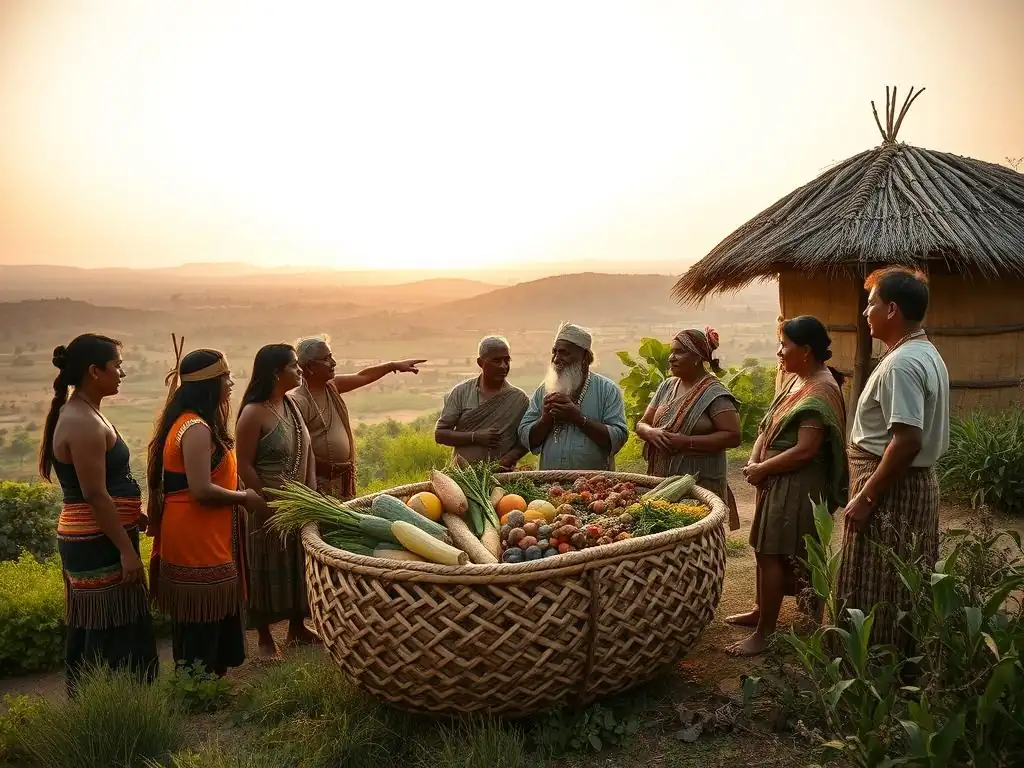
Indigenous climate adaptation strategies encompass a myriad of innovative practices honed over centuries, allowing various cultures to thrive in diverse environments across the Americas. These strategies not only reflect a deep understanding of local ecosystems but also showcase resilience in the face of environmental changes. Below, we explore three key areas where indigenous practices have significantly contributed to climate adaptation: sustainable agriculture practices, water management and conservation techniques, and forest and land management strategies.
Sustainable Agriculture Practices
Indigenous communities have long implemented sustainable agriculture practices that are uniquely adapted to their local environments. These methods prioritize ecological balance, ensuring that crops are grown in harmony with nature rather than in opposition to it.
Crop Diversity and Polyculture
One of the hallmarks of indigenous agriculture is the use of crop diversity and polyculture. By cultivating multiple species of plants together, communities can enhance soil health, reduce pests, and increase resilience to climate fluctuations. For example, the Three Sisters planting method—where corn, beans, and squash are grown together—demonstrates how these crops mutually benefit one another:
- Corn provides a structure for beans to climb.
- Beans fix nitrogen in the soil, enriching it for other plants.
- Squash spreads along the ground, preventing weeds and retaining moisture.
This approach not only maximizes yields but also promotes biodiversity, crucial for adapting to changing climatic conditions.
Traditional Knowledge and Seed Preservation
Indigenous peoples possess extensive knowledge of local plant varieties and their unique adaptations. Many communities actively engage in the preservation of heirloom seeds, which have been cultivated for generations to withstand local conditions. This practice of seed saving ensures that communities have access to diverse genetic resources, enabling them to adapt their agricultural practices as climate conditions shift.
Water Management and Conservation Techniques
Water is a critical resource for all life, and indigenous cultures have developed sophisticated water management and conservation techniques that reflect a deep respect for this vital element.
Rainwater Harvesting
Many indigenous communities utilize rainwater harvesting systems to capture and store water. This technique is particularly beneficial in arid regions where rainfall can be sporadic. By creating structures such as cisterns or rock catchments, these communities can optimize their water use and ensure a consistent water supply throughout the year.
Traditional Irrigation Systems
In regions where agriculture is practiced, traditional irrigation systems have been crafted to efficiently manage water resources. For instance, the Qanat system used by some indigenous groups involves underground channels that transport water from mountainous areas to fields. This method minimizes evaporation and maximizes water use efficiency, showcasing a profound understanding of hydrology.
Forest and Land Management Strategies
Indigenous strategies for forest and land management demonstrate a holistic approach to ecosystem stewardship, emphasizing the interconnectedness of all living things.
Controlled Burns and Regeneration
One prominent strategy is the use of controlled burns. Indigenous peoples have utilized fire as a tool to manage forest ecosystems, promoting the growth of certain plant species while reducing the risk of larger, uncontrolled wildfires. These intentional burns improve soil fertility and encourage the regeneration of native plants, which are often crucial for food and medicinal uses.
Sacred Land Practices
Many indigenous communities view land as sacred, fostering practices that prioritize conservation and sustainability. This spiritual connection manifests in various ways, including:
- Restricted access to certain areas during critical ecological periods (e.g., breeding seasons).
- Cultural ceremonies that reinforce the importance of land stewardship.
Such practices not only preserve biodiversity but also enhance community resilience in the face of climate change.
The indigenous climate adaptation strategies outlined here highlight the ingenuity and adaptability of indigenous cultures in response to environmental challenges. By integrating traditional knowledge with sustainable practices, these communities offer valuable lessons in resilience and sustainability that can inform contemporary approaches to climate adaptation.
Lessons from Indigenous Practices for Modern Climate Challenges
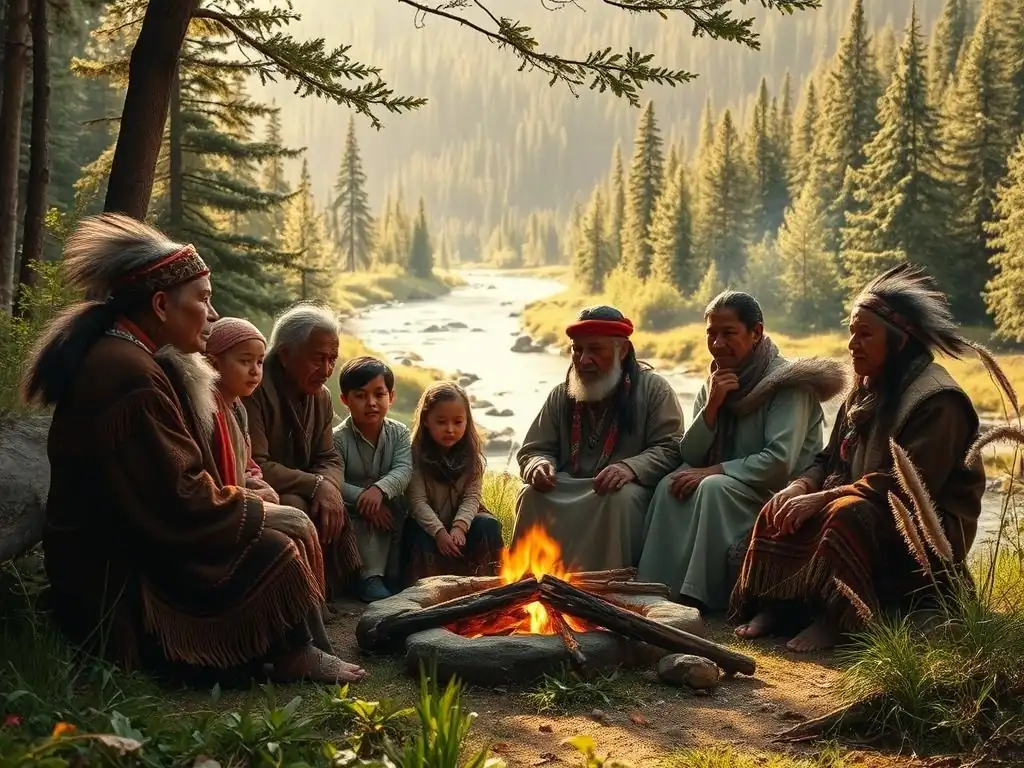
Integrating Indigenous Knowledge into Contemporary Climate Policies
Indigenous climate adaptation strategies offer a wealth of knowledge that can significantly enrich modern climate policies. These strategies are deeply rooted in centuries of experience and observation, allowing Indigenous communities to thrive in diverse ecosystems while facing environmental changes. The integration of this knowledge into contemporary climate policies is not only beneficial but essential for creating holistic solutions to climate challenges.
- Traditional Ecological Knowledge (TEK): TEK encompasses the understanding and relationships that Indigenous peoples have developed over generations with their local environments. This knowledge includes sustainable land management practices, biodiversity conservation, and resource utilization techniques that are well-suited for specific ecological contexts. For example, the use of controlled burns by some Indigenous groups promotes healthy forest ecosystems and reduces the risk of catastrophic wildfires. By incorporating TEK into modern policies, governments can foster more effective and sustainable environmental management practices.
- Community-Based Adaptation Strategies: Many Indigenous communities have developed localized adaptation strategies that address specific challenges posed by climate change. This can include the revival of traditional crops that are more resilient to changing climatic conditions, as seen with the resurgence of ancient grain varieties among the Andean peoples. Additionally, the use of traditional fishing methods that respect seasonal cycles helps maintain fish populations and ecosystem health. Policy-makers can learn from these community-based strategies to enhance resilience in other vulnerable populations.
- Collaborative Governance Models: Indigenous governance systems often emphasize consensus-building and long-term stewardship of the land. By integrating these governance models into contemporary climate policy frameworks, governments can create more inclusive and equitable decision-making processes. Collaborative governance not only empowers Indigenous communities but also leads to more comprehensive and culturally appropriate climate solutions.
- Cultural Resilience and Identity: Recognizing the cultural dimensions of climate adaptation is crucial. Indigenous climate adaptation strategies often involve the preservation of cultural practices and languages as part of resilience-building. For instance, storytelling and oral traditions play a significant role in passing down ecological knowledge and fostering a sense of community. Policies that support cultural preservation alongside environmental sustainability can create a stronger foundation for resilience.
The Role of Indigenous Leadership in Climate Action
Indigenous leadership is vital in the fight against climate change, as it brings unique perspectives and solutions that are often overlooked in mainstream climate discussions. Indigenous leaders, through their advocacy and actions, are not only addressing environmental issues but are also championing social justice and the rights of their communities.
- Advocacy for Land Rights: Indigenous leaders have been at the forefront of advocating for land rights, understanding that land stewardship is integral to climate resilience. By asserting their rights to traditional lands, Indigenous peoples can implement sustainable practices that benefit both their communities and the broader environment. For instance, in Canada, the Wet’suwet’en Nation has fought to protect their territories from industrial development, emphasizing the importance of land for cultural and ecological integrity.
- Innovative Climate Solutions: Indigenous leaders often spearhead innovative climate solutions that draw from traditional practices. For example, the Mi'kmaq people in Eastern Canada have initiated projects that combine traditional knowledge with modern science to restore fish habitats and promote sustainable fisheries. These initiatives showcase how Indigenous leadership can bridge the gap between traditional and contemporary approaches to climate adaptation.
- Building Alliances and Networks: Indigenous leaders are increasingly forming alliances with environmental organizations, academic institutions, and governments to amplify their voices and strengthen their impact on climate policy. These collaborations can lead to more inclusive frameworks that recognize the contributions of Indigenous knowledge systems. For instance, the Global Indigenous Peoples’ Caucus at international climate conferences has become a platform for Indigenous leaders to share their insights and advocate for their communities on a global stage.
- Education and Empowerment: Indigenous leadership also focuses on educating younger generations about climate adaptation and sustainability. By fostering empowerment through education, Indigenous leaders ensure that traditional knowledge is preserved and adapted for future challenges. Programs that teach Indigenous youth about their cultural heritage and ecological practices are essential for nurturing the next generation of climate leaders.
The integration of Indigenous climate adaptation strategies and the active role of Indigenous leadership are instrumental in developing effective responses to modern climate challenges. By valuing and implementing these lessons, societies can work towards a more sustainable and resilient future.
Challenges and Opportunities in Indigenous Climate Adaptation
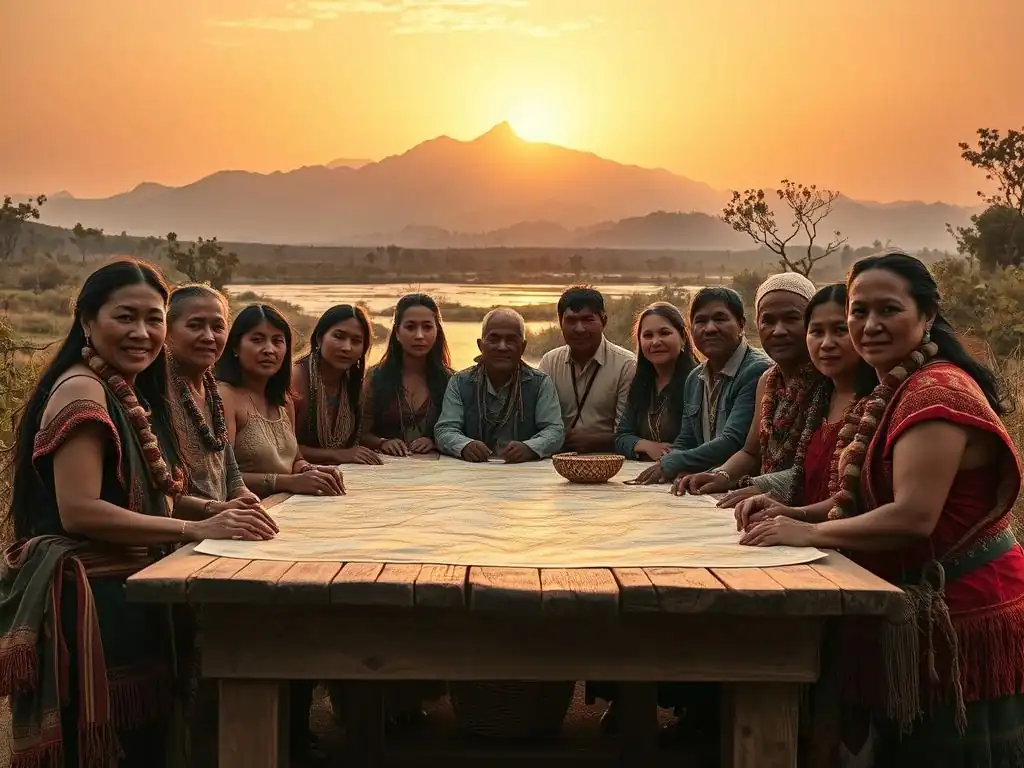
The Impact of Climate Change on Indigenous Communities
Indigenous communities across the Americas are facing unprecedented challenges due to climate change. Rising temperatures, altered precipitation patterns, and extreme weather events threaten traditional ways of life, food security, and cultural practices. Some specific impacts include:
- Food Insecurity: Many Indigenous groups rely on traditional agriculture, hunting, and fishing practices that are closely tied to specific climate conditions. Changes in temperature and precipitation can disrupt these practices, leading to food shortages and economic instability.
- Loss of Biodiversity: Climate change affects ecosystems, leading to the loss of plant and animal species that are vital for cultural and medicinal practices. This decline in biodiversity not only impacts food sources but also threatens traditional knowledge systems linked to these species.
- Displacement and Migration: Changes in land use, such as flooding and drought, have forced some Indigenous communities to relocate, leading to a loss of ancestral lands and cultural identity. Displacement can fracture community ties and undermine the social fabric that has been built over generations.
- Health Risks: As climates shift, Indigenous peoples are increasingly exposed to health risks, including the spread of vector-borne diseases and respiratory issues linked to extreme weather events. These health challenges can be exacerbated by limited access to healthcare services in remote areas.
Opportunities for Collaboration and Learning
Despite the challenges posed by climate change, there are significant opportunities for Indigenous communities to lead the way in climate adaptation strategies. Collaboration between Indigenous groups and external organizations can enhance resilience and foster sustainable practices. Key opportunities include:
- Traditional Ecological Knowledge (TEK): Indigenous peoples possess a deep understanding of their local environments and ecosystems. Integrating TEK with modern scientific approaches can lead to innovative solutions for climate resilience. For instance, traditional land management practices, such as controlled burns, can be applied to prevent wildfires and promote biodiversity.
- Policy Advocacy: Indigenous leaders are increasingly stepping into advocacy roles, pushing for policies that recognize their rights and knowledge in climate adaptation efforts. Collaborations with environmental organizations can amplify their voices in national and international discussions on climate policy.
- Community-Based Initiatives: Many Indigenous communities are developing their own climate adaptation strategies that align with cultural values and practices. Initiatives might include restoring traditional agricultural practices, preserving sacred sites, and developing community gardens to enhance food sovereignty.
- Educational Programs: Cross-cultural educational programs can foster greater understanding and respect between Indigenous and non-Indigenous communities. Such initiatives can include workshops, exchange programs, and collaborative research that highlight the importance of Indigenous climate adaptation strategies.
While Indigenous communities face significant challenges due to climate change, their resilience and resourcefulness present valuable lessons for broader society. By embracing and supporting Indigenous climate adaptation strategies, we can work towards a more sustainable future that respects cultural heritage and promotes ecological balance.
Resources for Further Learning
Recommended Readings on Indigenous Climate Adaptation
Exploring the resilience and adaptability of Indigenous communities in the face of climate change is essential for understanding their unique strategies and practices. Below are some recommended readings that delve into various aspects of Indigenous climate adaptation strategies:
-
"Braiding Sweetgrass" by Robin Wall Kimmerer
This book intertwines Indigenous wisdom with scientific knowledge, highlighting the importance of plants and nature in sustainable practices. Kimmerer, a member of the Citizen Potawatomi Nation, articulates the deep connection Indigenous peoples have with their environment.
-
"Indigenous Peoples and Climate Change" by the United Nations
This report discusses the vulnerabilities of Indigenous populations to climate change and emphasizes their critical role in biodiversity conservation. It presents case studies of communities implementing successful climate adaptation strategies.
-
"Climate Change and Indigenous Peoples in the United States: Impacts, Experiences, and Actions" by the National Climate Assessment
This comprehensive report examines how climate change affects Indigenous communities across the United States, featuring specific adaptation strategies that have emerged in response to environmental changes.
-
"The Art of Gathering: How We Meet and Why It Matters" by Priya Parker
While not exclusively focused on Indigenous cultures, this book explores how gatherings can foster community resilience. Parker highlights Indigenous practices that can inspire collective action against climate challenges.
-
"Indigenous Knowledge for Climate Change Assessment" by the International Indigenous Peoples Forum on Climate Change
This document presents Indigenous knowledge systems as vital resources for understanding and addressing climate change, showcasing successful adaptation practices from various Indigenous cultures.
Online Platforms and Organizations Supporting Indigenous Adaptation
Several organizations and online platforms are dedicated to supporting Indigenous climate adaptation strategies, offering resources, networking opportunities, and advocacy. Here are some notable examples:
-
The Indigenous Environmental Network (IEN)
A grassroots organization that works to protect the Earth and Indigenous rights, IEN provides resources on climate justice and resilience strategies. Their website features reports, news, and events focused on Indigenous climate issues.
-
The Global Indigenous Youth Caucus
This platform empowers Indigenous youth to engage in climate discussions at international forums. They share successful adaptation strategies and facilitate collaboration among youth from diverse Indigenous backgrounds.
-
The National Congress of American Indians (NCAI)
NCAI offers policy resources and advocacy efforts focused on Indigenous climate adaptation. Their initiatives aim to integrate Indigenous perspectives into national climate discussions and promote sustainable practices.
-
The Indigenous Peoples Climate Change Working Group
This group advocates for the inclusion of Indigenous knowledge in climate policy. Their website provides valuable resources, including research papers and toolkits for adaptation strategies.
-
The Climate Change and Indigenous Peoples Project (CCIPP)
CCIPP focuses on documenting Indigenous peoples' experiences with climate change and their adaptation strategies. The project promotes the sharing of knowledge and practices through workshops and community engagement.
By engaging with these resources, readers can gain deeper insights into Indigenous climate adaptation strategies and the importance of integrating Indigenous knowledge into broader sustainability efforts.
Frequently Asked Questions
What are Indigenous climate adaptation strategies?
Indigenous climate adaptation strategies refer to the diverse methods and practices developed by indigenous cultures to adapt to environmental changes and challenges, emphasizing sustainable relationships with nature.
How did indigenous cultures develop their adaptation strategies?
Indigenous cultures developed their adaptation strategies through generations of observation and interaction with their environment, leading to a deep understanding of local ecosystems and sustainable resource management.
What role do traditional knowledge systems play in adaptation?
Traditional knowledge systems are crucial as they encompass cultural practices, beliefs, and experiences that inform and enhance resilience against climate impacts, ensuring the preservation of ecosystems and biodiversity.
Can modern societies learn from indigenous adaptation strategies?
Yes, modern societies can gain valuable insights from indigenous adaptation strategies, particularly in areas like sustainable agriculture, water management, and community resilience, which can inform contemporary climate action.
How do these strategies contribute to the lasting impact of indigenous cultures?
These strategies demonstrate the enduring relationship between indigenous cultures and their environments, showcasing their capacity for resilience and adaptation, which continues to influence sustainable practices today.
Final Reflection: Embracing Resilience Through Indigenous Wisdom
In a world increasingly defined by climate change, the importance of Indigenous climate adaptation strategies cannot be overstated. These strategies not only offer practical solutions for adapting to environmental shifts but also serve as a testament to the enduring strength and wisdom of Indigenous communities. As we face unprecedented challenges, the insights gleaned from these time-honored practices are more relevant than ever, urging us to rethink our relationship with nature and each other.
The cultural and social landscape is profoundly shaped by the resilience demonstrated by Indigenous peoples in the face of climate change. Their adaptive strategies, rooted in a deep understanding of local ecosystems and a commitment to sustainability, challenge the dominant narratives of modern environmentalism. As we witness the effects of climate change escalating, it becomes clear that we must listen to and learn from these communities. Indigenous knowledge is not just a resource; it is a lifeline for our planet's future.
This perspective emphasizes the necessity of integrating Indigenous wisdom into broader climate action efforts.
As we conclude this exploration of resilience and adaptation, I invite you to reflect on your own relationship with the environment and consider how you can incorporate the lessons learned from Indigenous strategies into your life. What steps can you take to honor and support these communities while advocating for sustainable practices? By embracing these teachings, we not only contribute to the preservation of invaluable knowledge but also foster a more equitable and resilient future for all. Let us move forward with intention, inspired by the strength of those who have long navigated the complexities of change.
Embrace Change: Take Action for a Resilient Future!
Thank you for joining us in this exploration of the incredible resilience strategies employed by Indigenous communities in adapting to climate change. You've gained valuable insights into how these cultures navigate adversity and thrive despite challenges. Now, it's time to turn that knowledge into action!
Here are a few ways you can get involved and make a meaningful impact:
- Support Indigenous Initiatives: Seek out local organizations or projects that focus on Indigenous-led climate adaptation strategies and consider contributing your time or resources.
- Educate Yourself and Others: Enhance your understanding of the topic by reading relevant literature, attending workshops, or facilitating discussions to amplify the voices of Indigenous leaders in climate resilience.
- Engage with Nature: Join community-led environmental restoration or conservation efforts that reflect traditional Indigenous practices.
What steps will you take today to empower Indigenous practices and contribute to a sustainable future for everyone?